




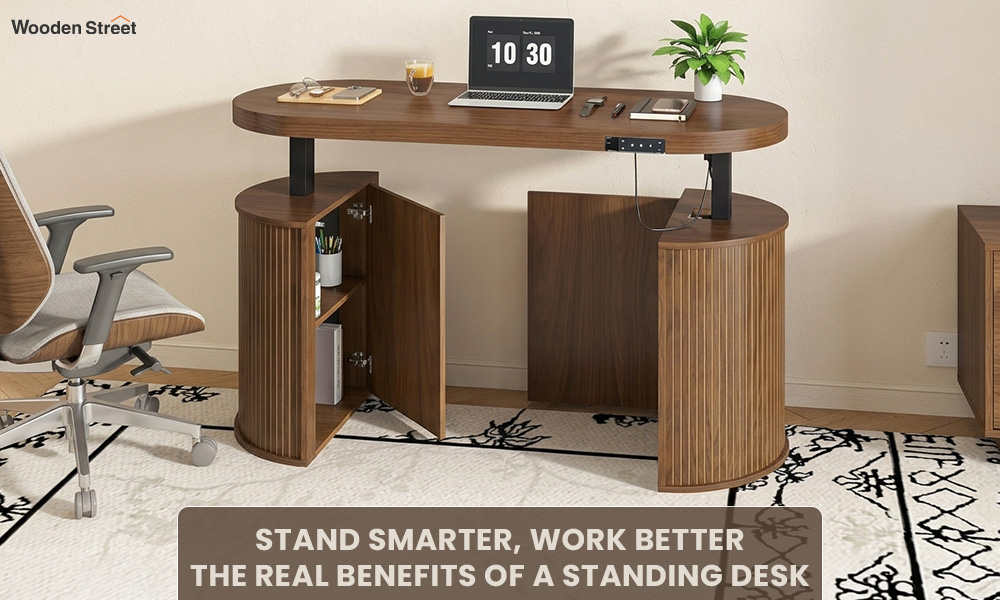
Discover the real standing desk benefits backed by science, from lower back pain relief to better energy and blood sugar control. Learn how to use a standing desk correctly for Indian office and WFH setups.
Let’s imagine a real-world scenario that might feel so relatable to you. So imagine you finish a full day of work: 8 hours, sometimes 9 hours at the desk and you close the laptop, you stand up, and your back gives that one long, loud crack. Your neck feels locked from one side. Your legs feel heavy. And somewhere between the third meeting and the fifth chai of the day, your energy just... disappeared. You went home tired even though you technically "just sat" all day.
Sound familiar? But just think for once: you did not lift anything heavy. You did not run anywhere. You sat in an ergonomic chair, looked at a screen, and your body still feels like it ran a half-marathon. This is the real cost of how most Indian office workers spend their day, whether it is a corporate floor in Mumbai, a home office in Hyderabad, or a shared workspace in Noida. And this is exactly why standing desk benefits have become one of the most searched topics among desk workers in the last few years.
But here is the thing: most people either think a standing desk is a fancy office gadget for tech bros, or they assume it means standing all day like a security guard. Neither is true. In this blog, we are going to walk you through what the benefits of a standing desk actually are, what the research says, and most importantly, how to use one in a way that works for your real Indian daily routine. Let's get started.

Before we get into the benefits of a standing desk, it is important to understand what sitting all day is actually doing to the body because this is not just about back pain:
Let’s now talk about some research, the standing desk benefits that have actual science behind them are more specific than most blogs suggest. Here is what the studies genuinely show:
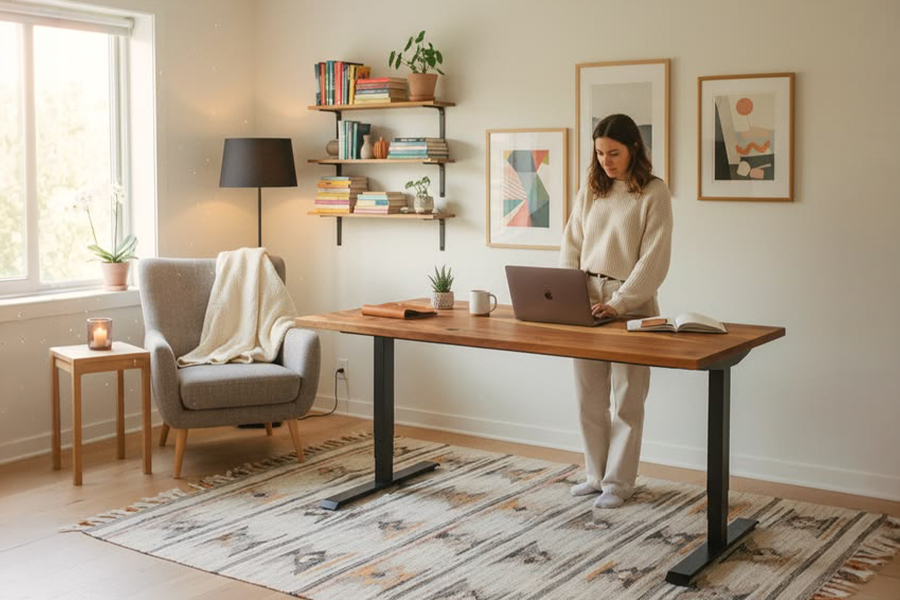
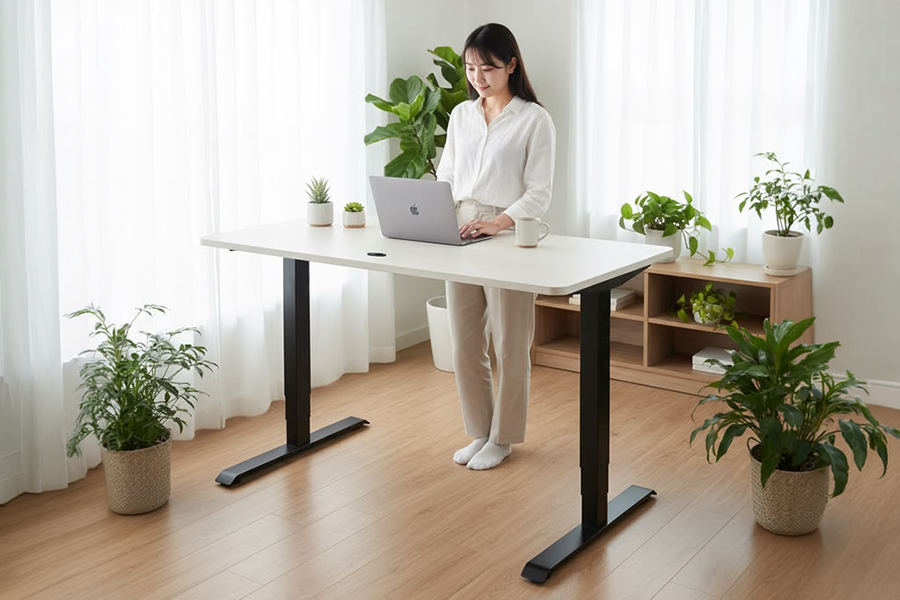
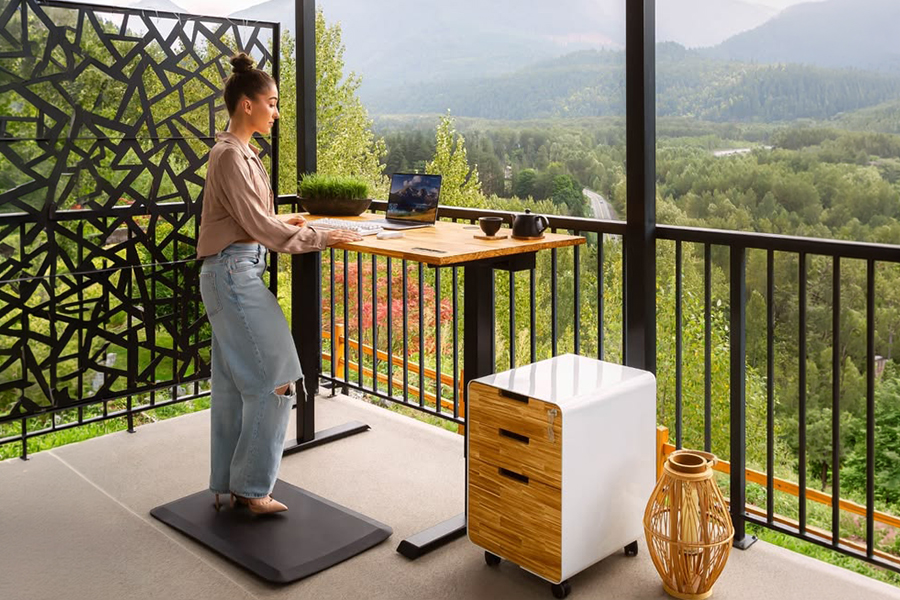
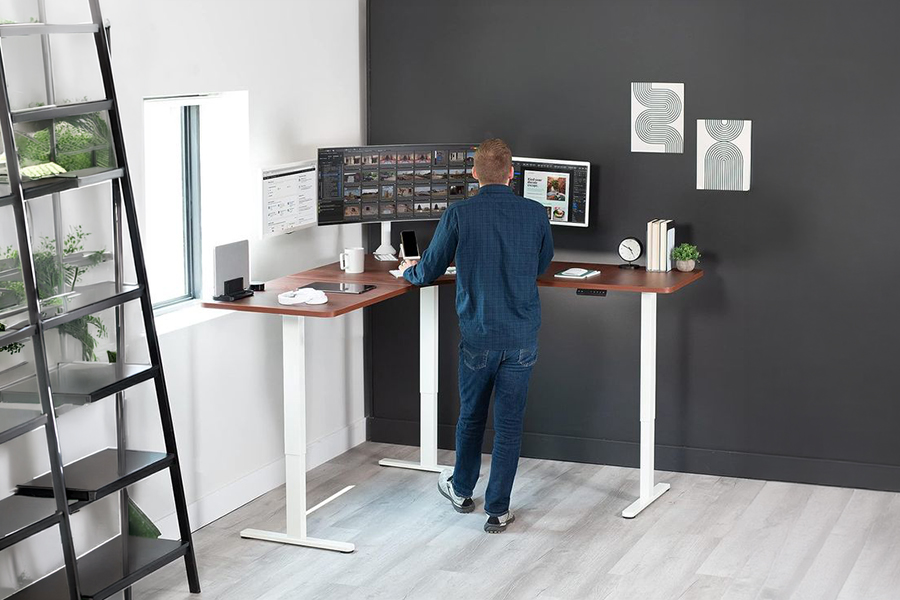
This section is important before you finalize anything, because the benefits of a standing desk come with conditions:
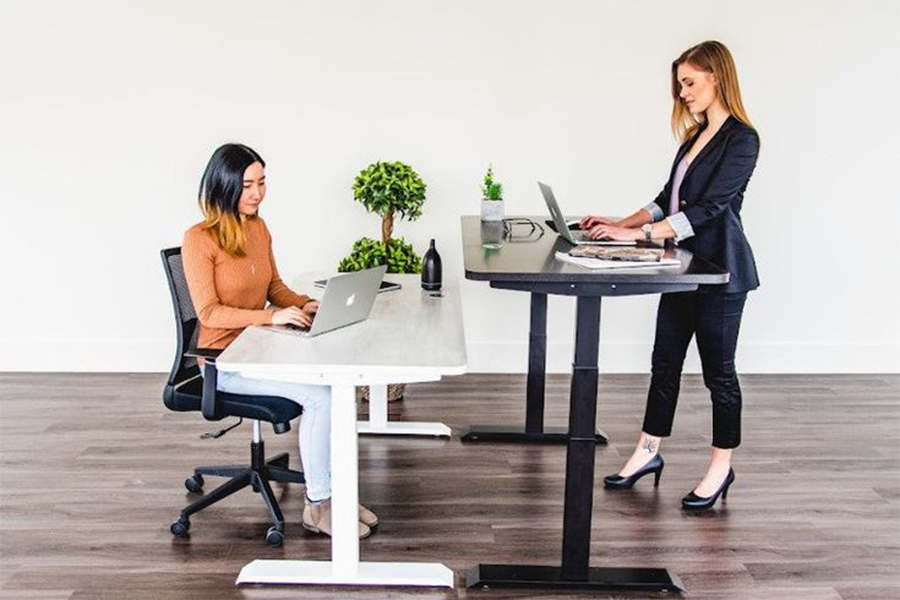
So if standing all day is not the answer, what is the right amount? Here is what the current research consensus looks like:
Before you finalize, it is important to know which type is actually going to work for your space, your setup, and your budget:
| Type | Best For | Price Range |
| Full electric height-adjustable desk | A proper dedicated home office or corporate setup where daily sit-stand switching is the whole plan: press a button, it moves, done | ₹20,000–₹60,000+ |
| Manual crank height-adjustable desk | Budget-conscious buyers who adjust height occasionally, so this works well, just needs a little more effort to move | ₹12,000–₹25,000 |
| Desk converter or riser | People who already have a desk they love and don't want to replace it, as it just sits on top, raises the work surface, goes really well with a solid study table underneath | ₹4,000–₹15,000 |
| Laptop stand riser | The simplest, most affordable entry point and best for single-screen setups where screen height alone is the problem to solve | ₹800–₹5,000 |
And here is a genuinely practical option for Indian homes: Wooden Street's solid wood study tables and office desks paired with a good desk converter give you all the standing desk benefits and the full look of a permanent workstation without the cost of a full electric desk. The wood base handles the weight, the converter handles the height, and the whole setup is sorted.
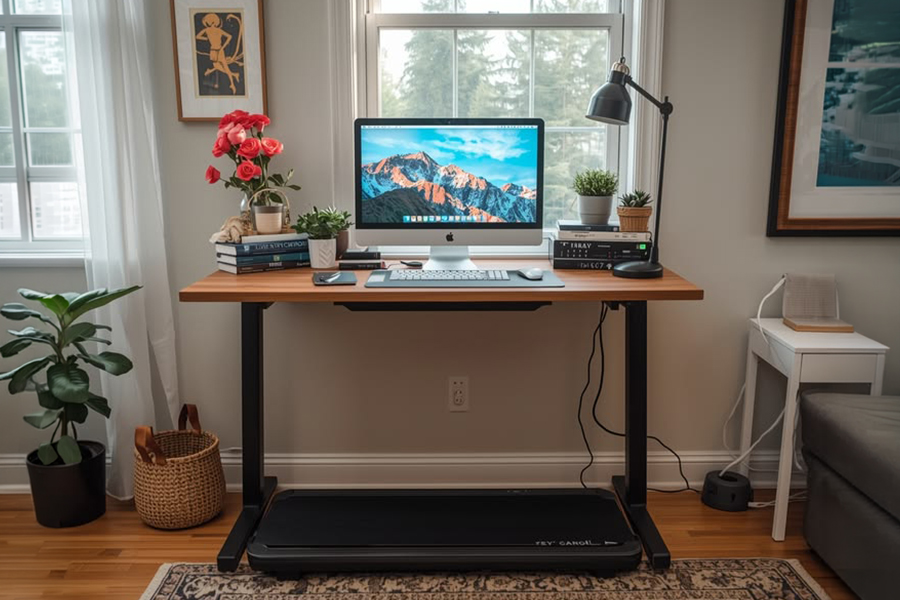
Getting the benefits of a standing desk depends almost entirely on setting it up right. Wrong setup, wrong results and unfortunately this is where most people go wrong:
So you must have realized that the standing desk benefits are real, they are backed by proper research, and they are genuinely achievable without turning your office into a gym or standing until your legs give out.
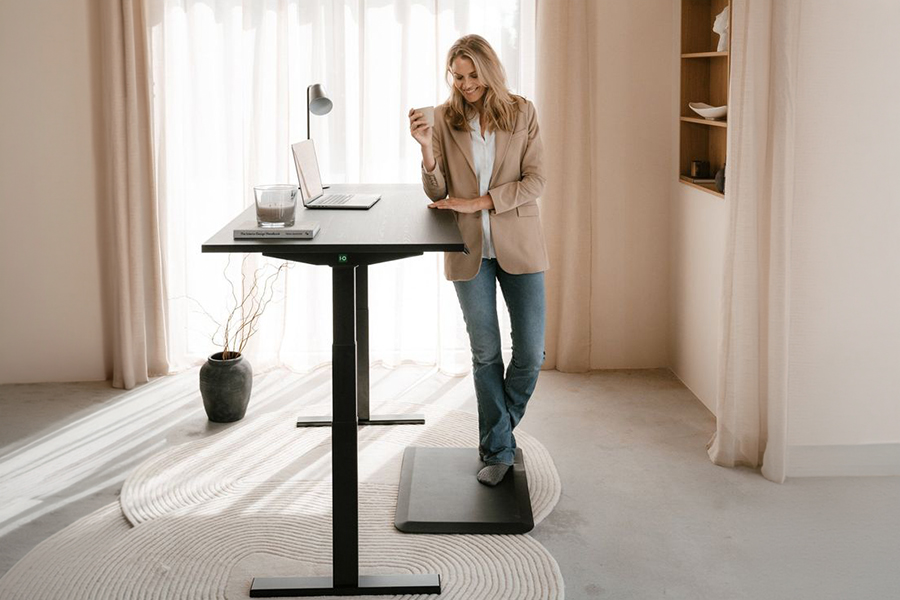
The benefits of a standing desk are not about being trendy or having a fancy setup. They are about giving your body a break from something it was never built to do for 8 straight hours. Two to three hours of standing spread through the day, a proper setup, a good anti-fatigue mat, and a solid desk as the base and that is the whole formula. And the benefits of a standing desk are going to show up in your energy levels, your back comfort, your blood sugar, and honestly even your mood, faster than you might expect.
So before you finalise your home office or work setup, sort the desk out first. Because everything else in the setup, be it the chair, the monitor, and the keyboard, is going to work so much better when the height is actually right for your body. Wooden Street's office furniture collection is a great place to start, because the right study table base is what makes every converter and sit-stand setup feel complete.
We will be back with the next blog soon. Till then, stay tuned!
Image Source: Pinterest, Google, and Wooden Street
A The standing desk benefits show up best when you stand for 2 to 3 hours total across an 8-hour workday and not all at once, but spread through the day in sessions of 30 to 45 minutes. If you are just starting out, begin with 30 minutes total per day in the first week and add 15 minutes each week after that. Standing continuously for more than 90 minutes starts creating the same muscle complaints as sitting, so the benefits of a standing desk come from alternating, not from standing all day.
A Yes, genuinely! But only when used correctly. The benefits of a standing desk include better blood sugar control after meals, reduced lower back pain, improved mood and energy levels, and lower cardiovascular risk from breaking up sitting time. The research behind these standing desk benefits is solid and backed by multiple published studies. But a standing desk used incorrectly with wrong height, no mat, standing too long is not going to deliver those benefits and may even add new problems.
A This is an important one. Standing desk benefits for back pain are real, but they apply specifically to pain caused by prolonged sitting. If the desk is set up at the wrong height and screen too low, keyboard is too high, or if you are standing for too long without a break, a standing desk can absolutely cause or worsen back pain. The standing benefits for your back only come when the setup is correct and the sit-stand ratio is followed.
A The correct height is the one where your elbows are at 90 degrees and your shoulders are fully relaxed when your hands are on the keyboard. Standing straight, measure from the floor to your elbow and that is your target desk height. For the screen, the top of the monitor should be at or just below eye level. Getting this right is what allows the standing desk benefits for neck and upper back to actually work.
A Yes, the benefits of a standing desk over sitting all day are well-supported by research, be it better metabolism, lower back pain relief, improved energy and mood, and reduced cardiovascular risk. But a standing desk is better than sitting all day only when used as a sit-stand tool. Standing all day is not better than sitting all day, so the standing benefits come from alternating between the two, not from replacing one extreme with another.
A Honestly, yes! And especially in Indian homes and offices where the floors are almost always hard marble or tile. Without a mat, most people experience enough leg and lower back fatigue within two to three weeks that they stop using the standing feature entirely and the standing desk benefits go to waste. An anti-fatigue mat costs very little compared to the desk itself and is the one accessory that makes the difference between a setup that gets used daily and one that just looks good.
Trending Products
Top Picks from EveryoneArticles you will love to read
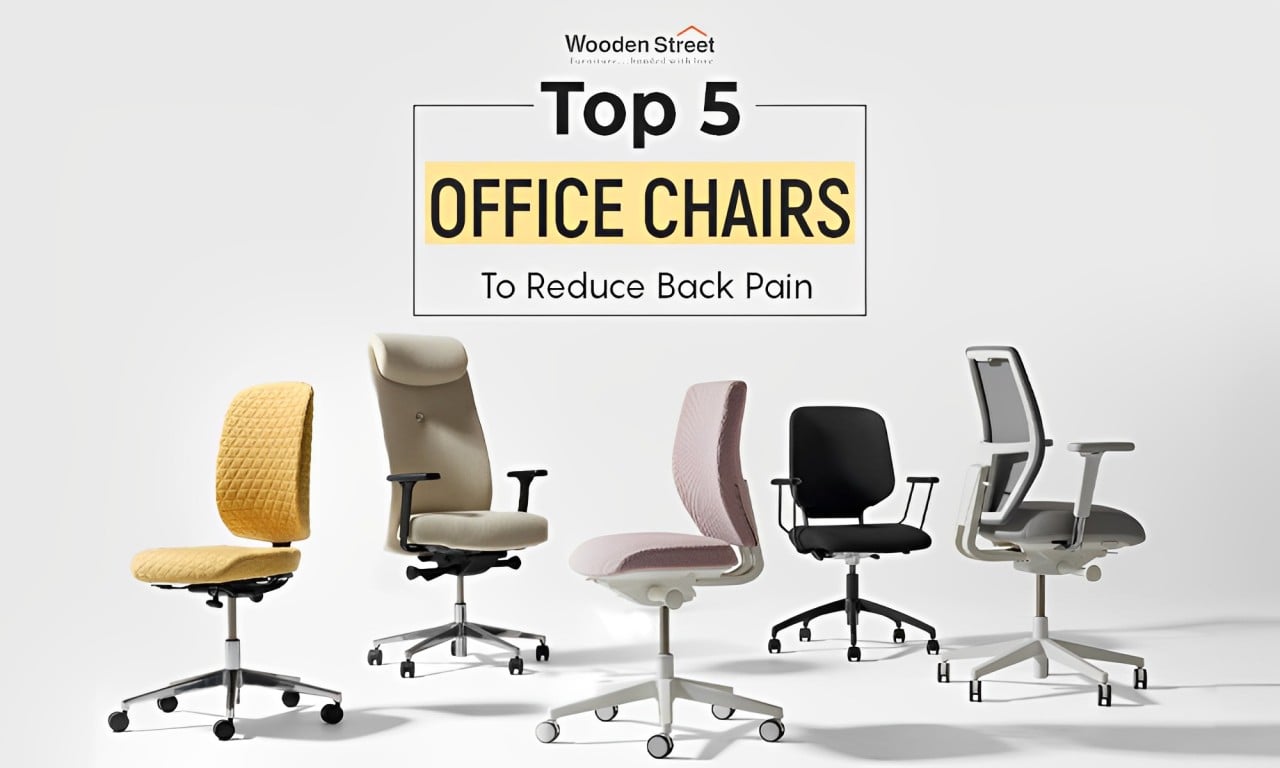
Find the perfect office chair for back pain relief. Improve your comfort and productivity with our expert picks!
Continue Reading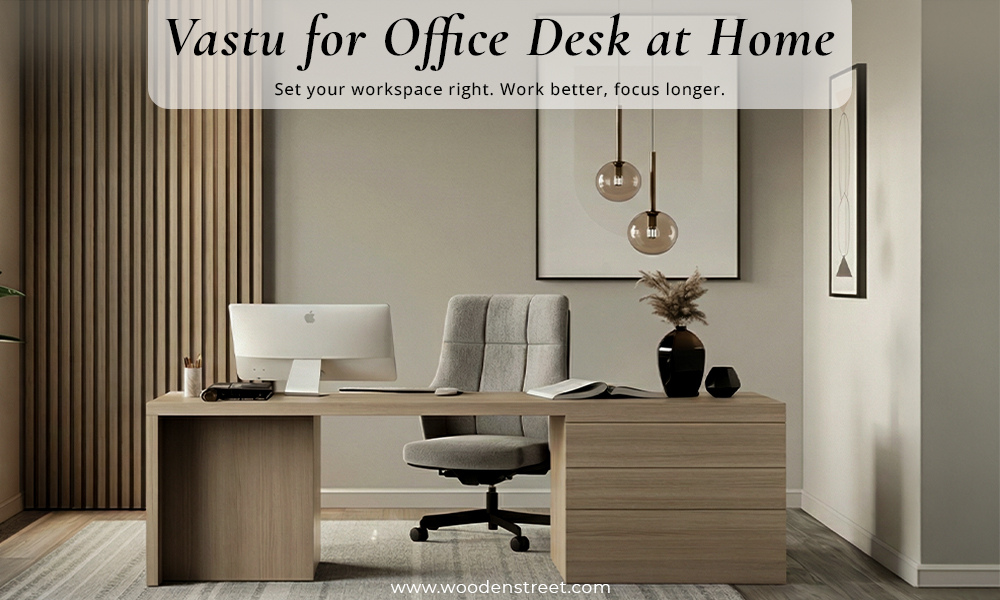
Setting up your workspace the right way can completely change how you work from home. This blog on Vastu for office desk at home explains the best desk direction, seating positions, and simple adjustments that help improve focus and comfort. From choosing the right home office desk and chair to creating a balanced work from home setup, these practical tips make your home office feel more organised and easier to work in every day.
Continue Reading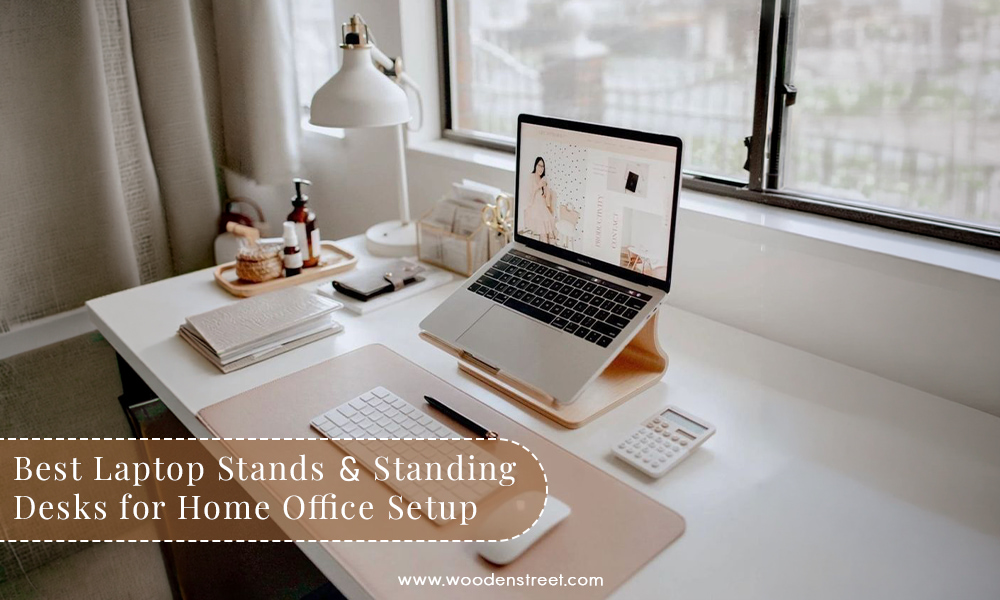
Explore adjustable laptop stands and standing desks for small rooms and home offices. Learn how to create an ergonomic work setup easily
Continue Reading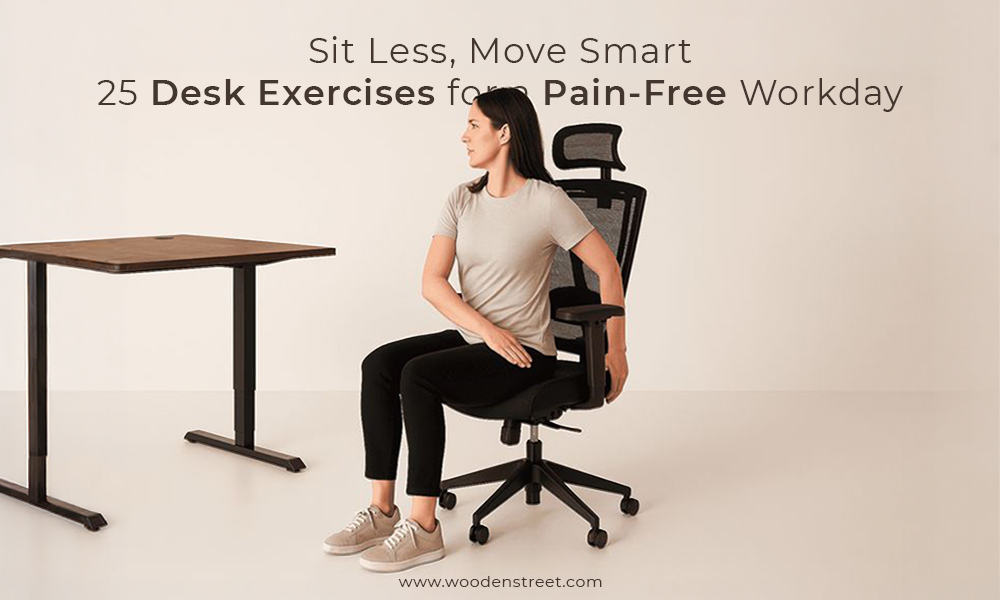
This blog shares 25 discreet and effective desk exercises designed for real office environments. From invisible seated moves to quick 5-minute breaks, it helps reduce back pain, neck stiffness, and eye strain without leaving your chair
Continue Reading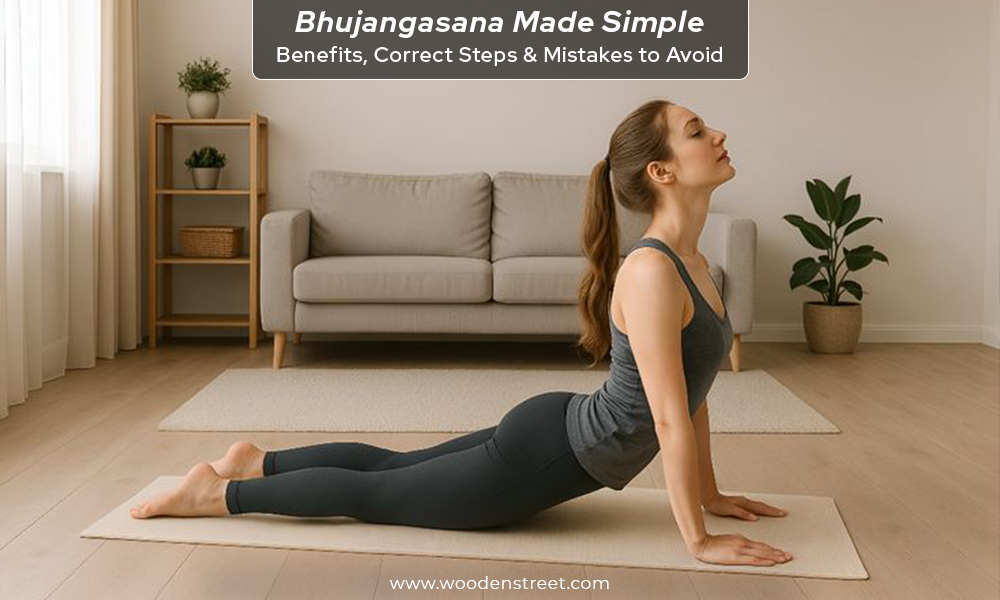
Learn how to do Bhujangasana (Cobra Pose) correctly with step-by-step guidance, key health benefits, beginner tips, common mistakes, and safety precautions for better back health and posture.
Continue Reading