



Learn how to do Bhujangasana (Cobra Pose) correctly with step-by-step guidance, key health benefits, beginner tips, common mistakes, and safety precautions for better back health and posture.
Be honest for a second. How many of you wake up every morning, feel that stiffness in the lower back, stretch a little while still lying in bed, and then go straight to the kitchen for chai without doing a single thing about it? Yes, that's exactly what happens in most Indian homes. We know something is off with the back, we know we should do something about it, and yet the yoga mat stays folded in that corner collecting dust since the last Navratri.
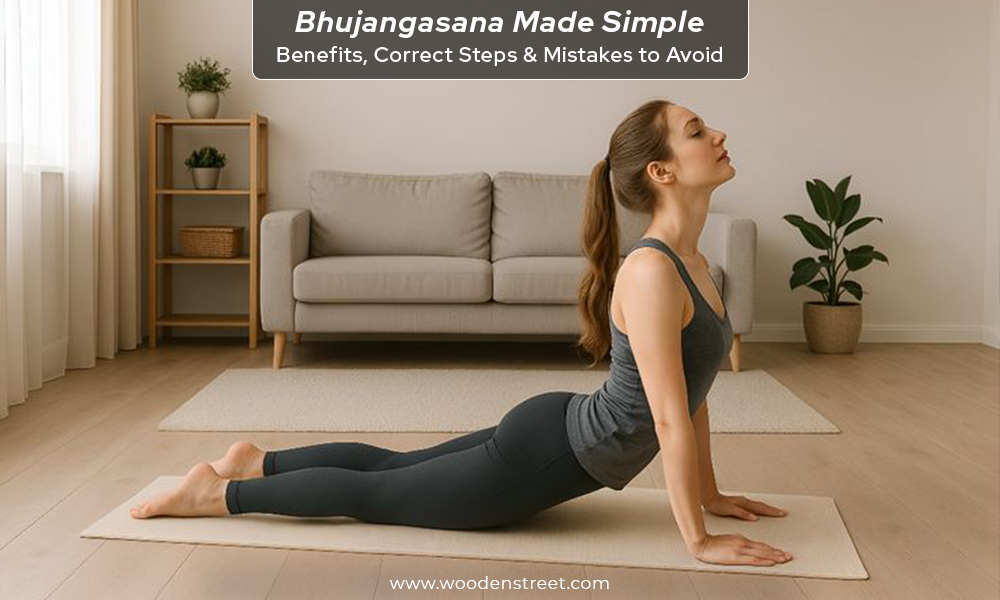
And the funny part? The one asana that could actually fix most of that morning back stiffness is also one of the simplest ones. It is called Bhujangasana or as most people know it, the cobra pose. Bhujangasana literally translates to "snake pose" in Sanskrit, bhujang meaning serpent and asana meaning posture.
So whether you are a complete beginner who has never done a proper yoga session, or someone who rushes through it during Surya Namaskar without really understanding what it does, this blog covers everything. Bhujangasana step by step, cobra pose benefits, bhujangasana benefits you probably did not know about, common mistakes, and who should be careful. So roll out that yoga mat and let's get started!
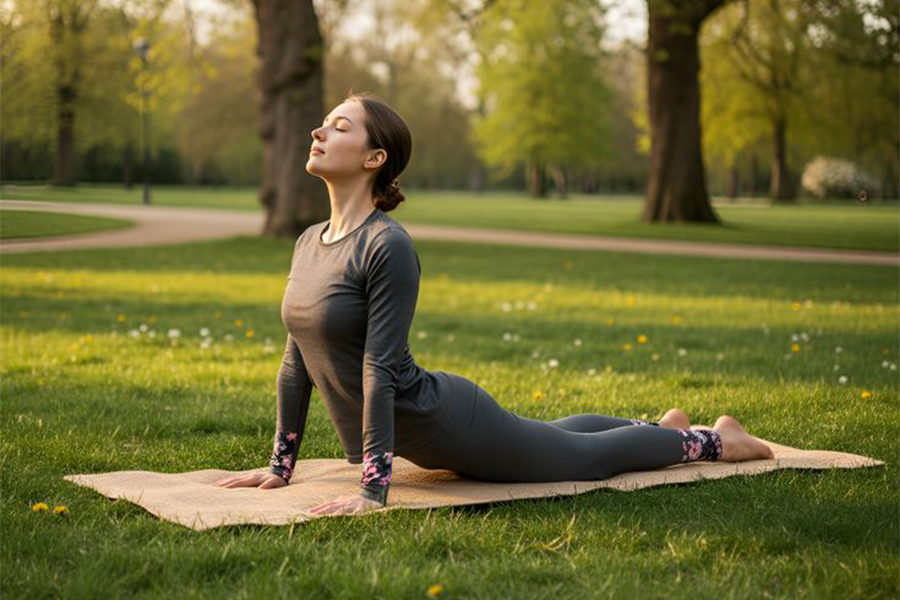
Most people hear "cobra pose is good for the back" and leave it at that. But the real story of what is cobra pose doing to your body and what bhujangasana cobra pose does to your spine specifically is a lot more interesting:
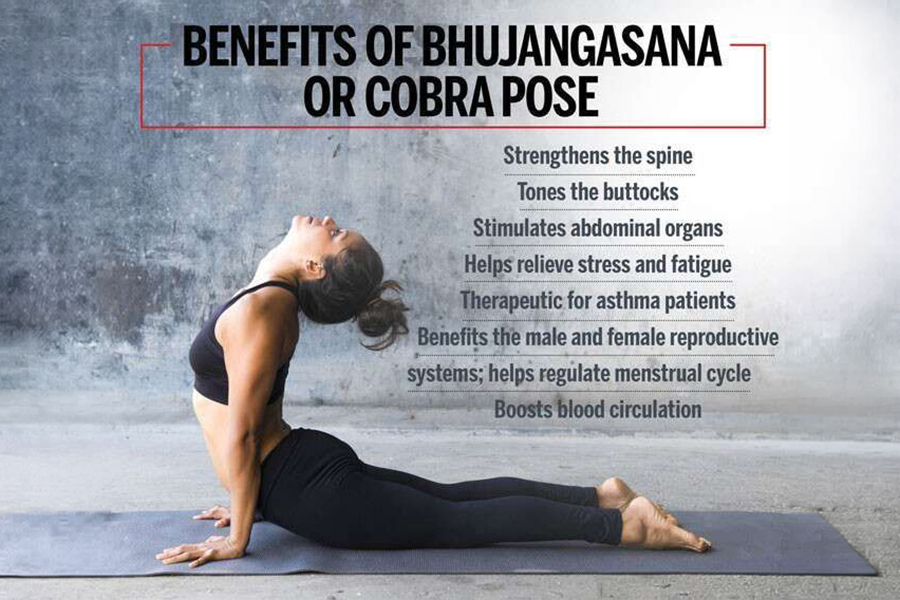
This is the most well-known side of cobra pose benefits, and for very good reason. Here is what is actually happening in your spine and posture when you practice bhujangasana regularly:
Not many people think of a backbend as a breathing exercise, but cobra stretch benefits for the lungs are genuinely significant:
This is the cobra pose benefits section that surprises most people the most. Here is what is actually happening:
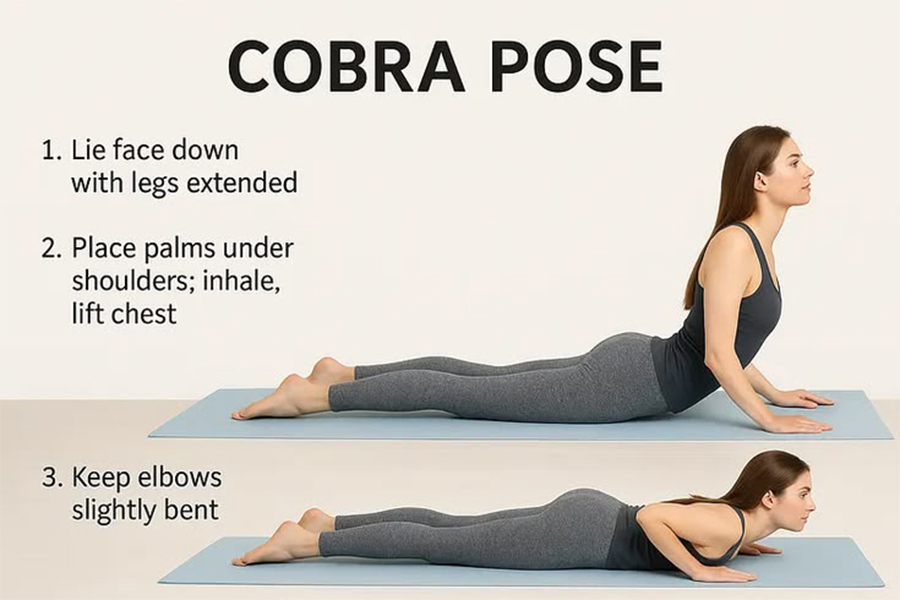
This is the distinction that most yoga beginners need to understand before they injure themselves doing bhujangasana step by step from a random internet video:
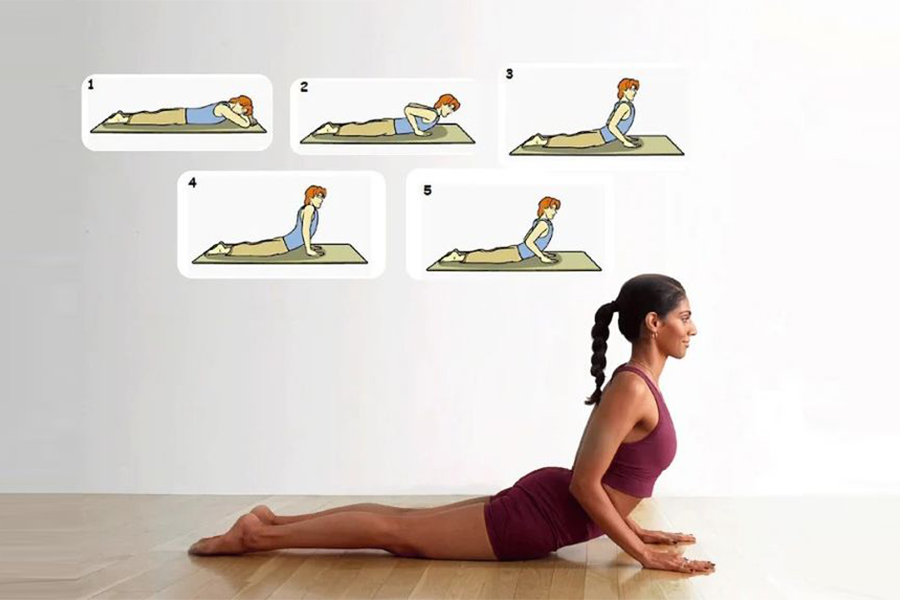
Here is how to do cobra pose correctly, with the non-obvious cues that most guides skip:
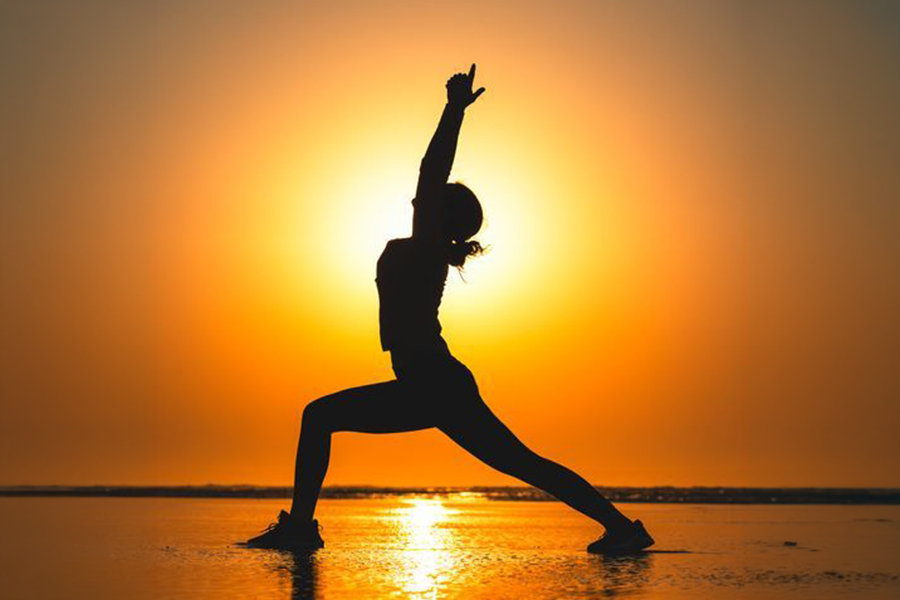
Bhujangasana cobra pose sits at position 8 in the 12-step Surya Namaskar sequence. Understanding this context makes a real difference to how you practice:
These three poses are searched together all the time, and honestly, the confusion is fair because they look similar but are completely different in intensity and purpose. So here is a quick table to sort it out:
|
Pose |
Intensity |
Best For |
|
Sphinx Pose |
Gentle |
Beginners, disc issues, passive stretch, this is your starting point if full cobra pose feels too much |
|
Low Cobra (Bhujangasana) |
Moderate |
Daily back strengthening, desk workers, regular bhujangasana step by step practice |
|
Full Cobra (Bhujangasana) |
Strong |
Advanced flexibility, deep cobra stretch benefits, chest opening |
|
Upward Dog |
Strongest |
Full body integration, Surya Namaskar flow, thighs and hips lifted off floor |
The simplest way to decide which one is right for you right now: if your back is stiff and you are just starting out, go with Sphinx. If you have been doing bhujangasana cobra pose for a few weeks and feel comfortable, move to low cobra. Full cobra and upward dog come later, when the body is genuinely ready.
Not everyone should jump straight into cobra pose benefits-first without checking if it is right for their body. Here is who should be careful:
So, to wrap this up the right way, bhujangasana is not just a pose you rush through during Surya Namaskar before heading out for the day. It is one of those few asanas that genuinely earns its place in a daily routine, whether you are a 22-year-old student with a laptop-back problem or a 45-year-old professional whose doctor has been saying "do some yoga" at every visit for the past three years. And honestly, that doctor is not wrong.
The bhujangasana benefits are real, the cobra pose benefits are backed by how the spine and internal organs actually work, and knowing bhujangasana step by step correctly is what separates people who feel better after two weeks from people who end up with more back pain than they started with.
So start with low cobra, go slow, keep the pubic bone on the mat, shoulders away from ears, and give it a real 6-week run. And at night, after your practice, make sure the bed you are sleeping on is supporting your spine the way it should, because the best bhujangasana cobra pose practice in the world is going to be less effective if your mattress is undoing it every night. Wooden Street's orthopedic beds are built with spinal alignment in mind, and they go really well with any serious yoga routine.
We will be back with the next blog soon. Till then, stay tuned!
Read More -
Best Vastu Friendly Plants for Home
A What is cobra pose? Bhujangasana, also called cobra pose, is a prone backbend where the chest is lifted off the floor while the lower body stays grounded. Bhujangasana benefits include spinal decompression, improved posture, better lung capacity, digestive organ massage, stress reduction through adrenal stimulation, and relief from lower back stiffness and sciatica. Cobra pose benefits are most felt after regular, consistent practice over 4 to 6 weeks.
A How to do cobra pose correctly: lie face down with toes pointed and hands under shoulders, elbows hugging the ribs. Press the pubic bone into the mat, then lift the chest using back muscles not arm push. Shoulders stay away from ears. Hold for 15 to 30 seconds, breathe normally, and release on exhale. This bhujangasana step by step approach works for both beginners (low cobra) and intermediate practitioners (full cobra).
A In cobra pose (bhujangasana), the thighs and hips stay on the floor and elbows may remain slightly bent. The cobra stretch benefits are more focused on lumbar decompression and back muscle activation. In upward dog, the thighs and hips lift completely off the floor, arms straighten fully, and the whole body is supported only by hands and tops of feet. Upward dog is more intense and is used in Surya Namaskar flow.
A For cobra stretch benefits from standalone bhujangasana practice, hold for 15 to 30 seconds as a beginner, building to 60 seconds with experience. In Surya Namaskar, one breath is the standard. The longer holds are what give you the deeper bhujangasana benefits like adrenal stimulation and intercostal stretching; a one-breath hold does not get you there.
A Yes, bhujangasana cobra pose is one of the most recommended poses for lower back pain caused by sitting and lumbar compression. The bhujangasana benefits for back pain include decompressing L1 to L5, activating the erector spinae, and reversing the forward flexion that desk work creates all day. However, if the back pain is caused by a herniated disc, avoid full cobra pose and stick to Sphinx pose until you get proper guidance.
A Not straight away, and this is a very common mistake. Beginners should always start with low cobra bhujangasana step by step, i.e, elbows bent, pubic bone on the floor, lift coming from back muscles only. Full cobra pose requires open hip flexors and no lumbar compression, and jumping to it too early is one of the most common reasons people hurt themselves doing what is otherwise a very safe and rewarding asana. Give low cobra 4 to 6 weeks before moving to full cobra pose.
Trending Products
Top Picks from EveryoneArticles you will love to read

With 26th January around the corners, every Indian heart fills with pride and patriotism. From unfurling the flag with the 21 gun-salute to honoring thousands of soldiers, we all are aware of the rituals. But, have you ever turned the pages of histo
Continue Reading
Looking for better sleep without buying a new mattress? Explore mattress topper benefits for comfort and back support.
Continue Reading
The Veda Collection by Wooden Street brings together furniture inspired by Indian design values. Crafted using solid wood, cane, and brass, the collection focuses on balance, comfort, and everyday functionality across living, dining, and bedroom spaces.
Continue Reading
Choosing between a wooden and marble mandir depends on your budget, style, and maintenance needs. From elegant marble designs to durable Sagwan mandir options, this guide helps you understand the pros and cons of each to find the perfect fit for your home.
Continue Reading
This blog shares 25 discreet and effective desk exercises designed for real office environments. From invisible seated moves to quick 5-minute breaks, it helps reduce back pain, neck stiffness, and eye strain without leaving your chair
Continue Reading