






New furniture can leave behind strong chemical or polish odors that affect indoor comfort. This guide explains how to get rid of new furniture smell quickly using ventilation, natural odor absorbers, cleaning techniques, and practical home remedies to keep your interiors fresh, comfortable, and healthier for everyday living.
You just got your dream couch. But it still smells like a chemical factory. Sounds familiar, right? That sharp, plastic-y odour isn’t just unpleasant, it’s actually your furniture off-gassing. The culprit has a name: VOCs (Volatile Organic Compounds), released from the glues, foams, fabrics, as well as finishes used to build it. Good news here is that you can clear it fast, without any need for using expensive products.
VOCs are chemicals that turn into gas at room temperature. They hide in pretty much every part of new furniture, such as the foam padding, MDF boards, varnish, lacquer, plus the adhesive holding it all together. The moment your furniture enters a warm room, those chemicals start releasing into the air. That’s the smell.
Why does some furniture smell worse as compared to others? Cheaper pieces have this tendency to use more synthetic adhesives along with lower-grade MDF, which off-gas heavily. Higher-quality furniture made with solid wood, natural fabrics, as well as water-based finishes typically smells far less, plus clears faster.
Is it harmful? Honestly, yes, if you’re breathing it in constantly in a closed room. Short-term exposure usually causes headaches, eye irritation, or a scratchy throat. Long-term, heavy exposure to certain VOCs is linked to more serious health issues. It’s not a reason to panic, but it is a reason to act fast, especially in bedrooms and nurseries.
This depends entirely on what the furniture is made of and how much airflow it gets.
In general:
The two biggest factors that speed things up? Heat and airflow. Warm air pulls VOCs out faster, and moving air carries them away. A piece sitting in a stuffy room with the windows shut will smell for months. The same piece by an open window? Much faster.
Here's what actually works - ranked from easiest to most involved.
This is the single most effective thing you can do. Open every window in the room, set up a fan facing outward to push the chemical-heavy air out, and let fresh air pull through from the other side. Do this daily - ideally for several hours. Cross-ventilation (air moving through the room, not just sitting in it) makes a huge difference.
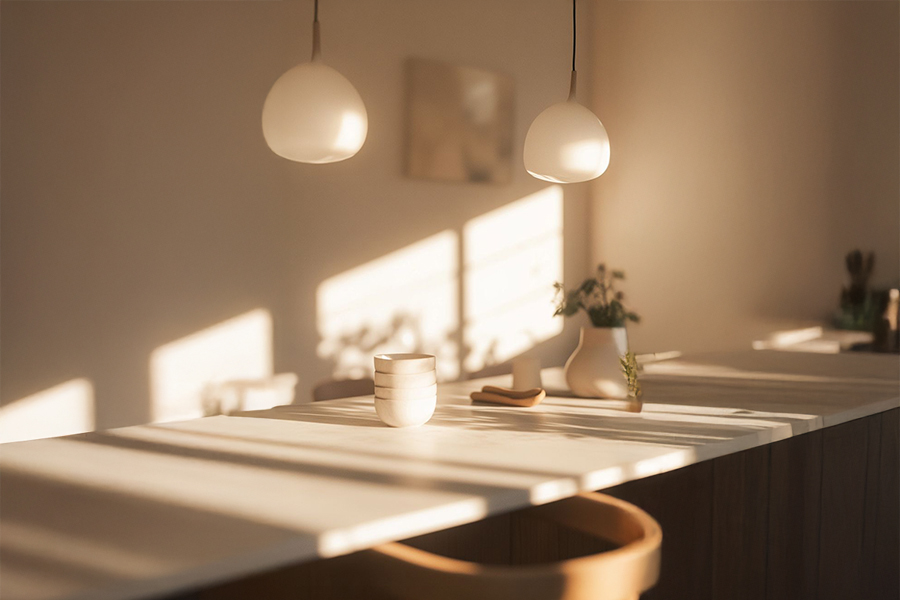
If you can move the furniture outside, do it. Even one to two days in direct sunlight and open air can cut the off-gassing time dramatically. UV light and fresh airflow work together to break down and disperse VOCs faster than any indoor method. A patio, balcony, or shaded garden spot all work.
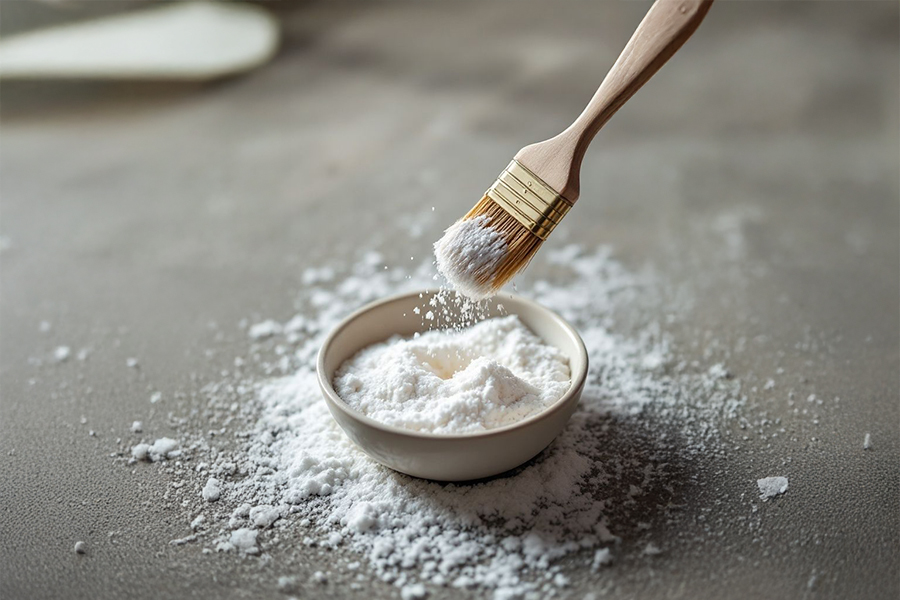
Cheap, safe, and genuinely effective. Sprinkle a generous layer of baking soda directly over fabric surfaces - cushions, seats, backs - and leave it for 24 hours. Then vacuum it off thoroughly. Baking soda absorbs odours rather than masking them, which is exactly what you want here. Repeat if the smell is stubborn.
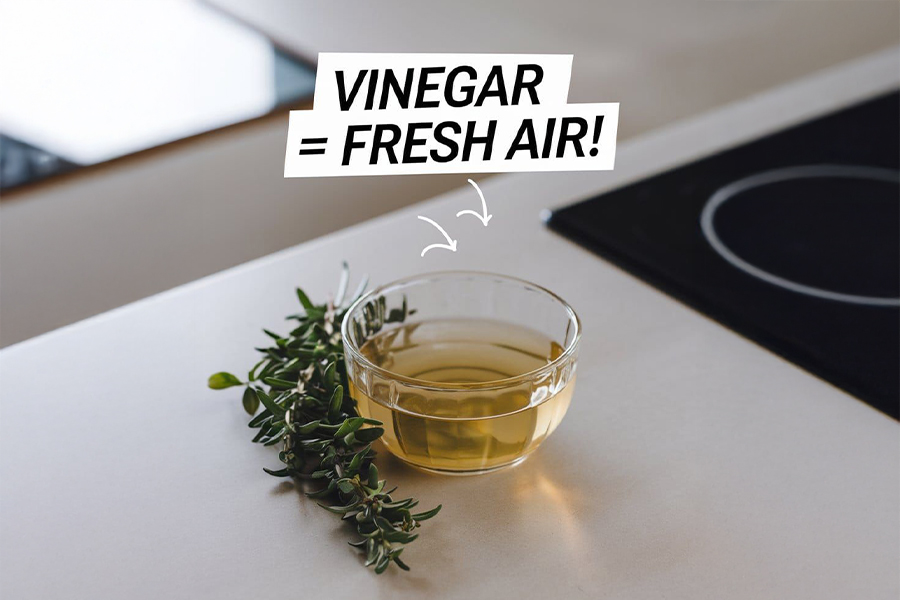
Two natural odour absorbers that are worth keeping in your corner.
Place bowls of activated charcoal around the furniture - it pulls VOCs and odours from the surrounding air passively. Leave it for a few days. For white vinegar, place open bowls near the furniture overnight. The vinegar smell fades as it dries, and it takes a good chunk of the furniture smell with it. For hard surfaces, you can also wipe down the piece directly with a diluted vinegar solution (half water, half vinegar).
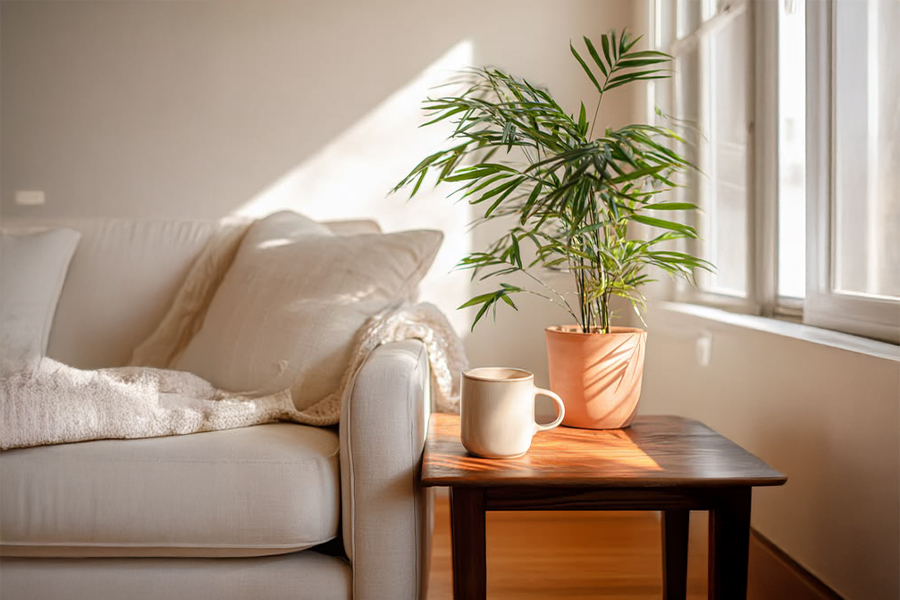
A slower fix, but a surprisingly effective one. Spider plants and peace lilies are both proven to absorb VOCs from indoor air. They won't clear a strong smell overnight, but placed near new furniture they make a real dent over a week or two - while also looking great. A win on both fronts.
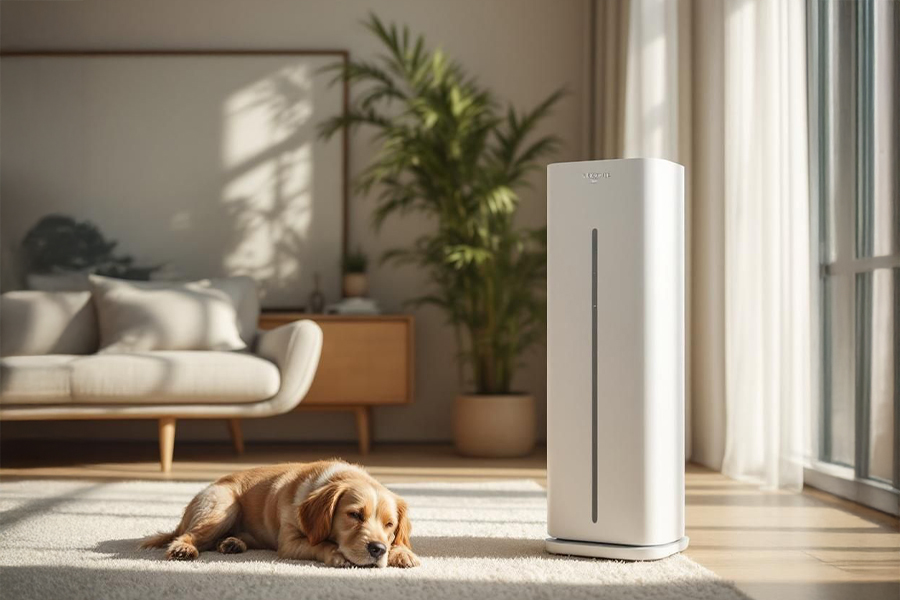
If the furniture is in a room you can't ventilate easily - a basement, inner bedroom, or home office - a good air purifier earns its keep here. The carbon filter specifically targets VOCs and chemical odours. Run it continuously for the first week or two. Note: a basic HEPA-only purifier won't do much for chemical smell - you need the activated carbon layer.
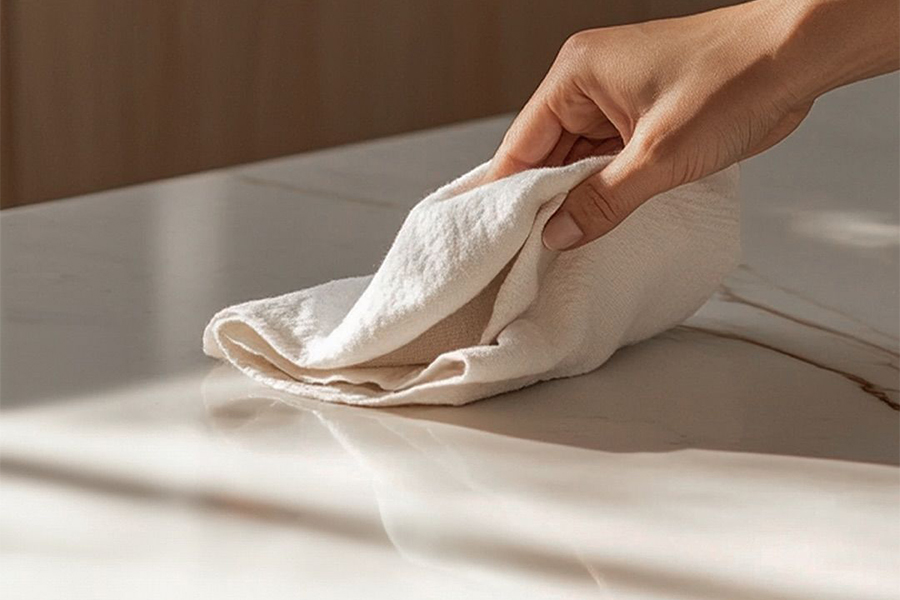
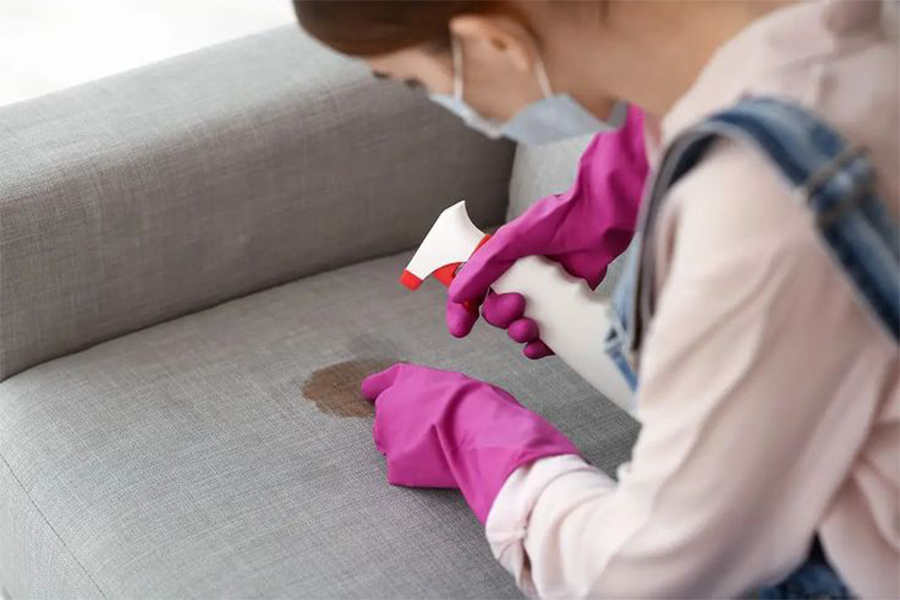
For wood, metal, or lacquered surfaces, mix equal parts white vinegar and water and wipe the furniture down. Focus on undersides, backs, and enclosed areas where VOCs build up most. Let it air dry fully. This won't strip the finish but it does help neutralise surface-level odour sources directly.
A few things that seem logical but make it worse:
Don't reach for air fresheners. They don't remove VOCs - they just add more synthetic chemicals on top of existing ones. You're layering the problem, not solving it.
Don't cover the furniture with plastic. It traps heat and moisture, which actually accelerates off-gassing under the cover and then releases it all at once when you remove it. Counter-productive.
Don't ignore it in nurseries or bedrooms. These are the rooms where you spend the most time - and often the ones with the least ventilation. A new cot, mattress, or wardrobe in a baby's room should be aired out thoroughly before the room is used. No exceptions.
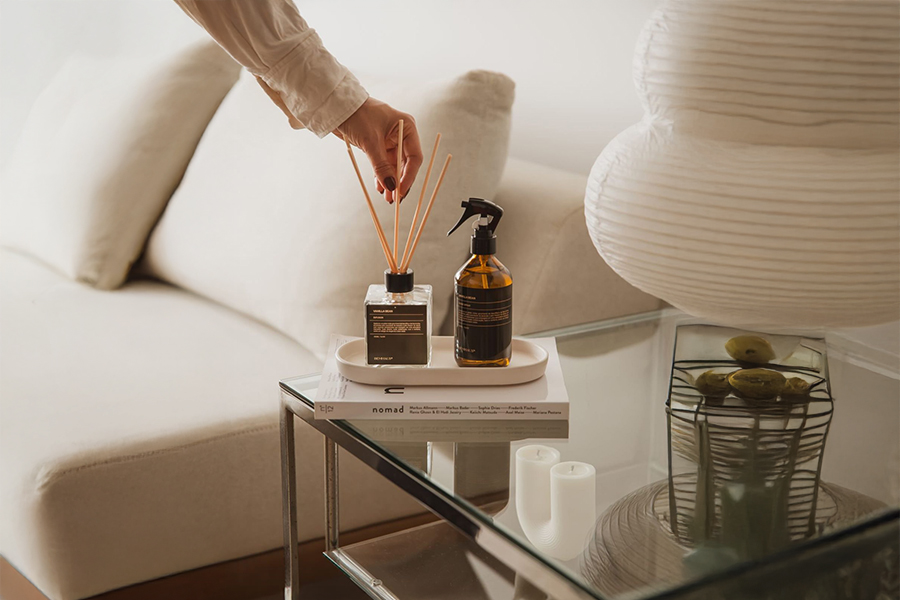
The easiest way to deal with new furniture smell is to not have it in the first place.
Open the windows, put baking soda on the fabric, and move the furniture outside if you can. Do those three things and you'll notice a real difference within 24–48 hours.
Bookmark this guide for the next time a new delivery arrives - and share it with anyone who just moved into a new place or freshened up their living room.
Got a method that worked brilliantly for you? Or a smell that absolutely refused to budge? Drop it in the comments - we'd love to hear what worked (and what didn't)!
We will be back with the next blog soon. Till then, stay tuned!
Image Source: Pinterest, Google, and Wooden Street
Read More -
How to Use Yellow Furniture to Keep Summer Alive in Your Home All Year Round
Articles you will love to read

Explore the guidance of vastu shastra for designing your dining area with proper placement of furniture, light, and color. Improve family communication and bring positivity to your dining space with these tips.
Continue Reading
Find the right main door design for home with vastu tips for 2026. Learn about entrance direction, vastu-friendly colours, wooden doors, and common mistakes to avoid.
Continue Reading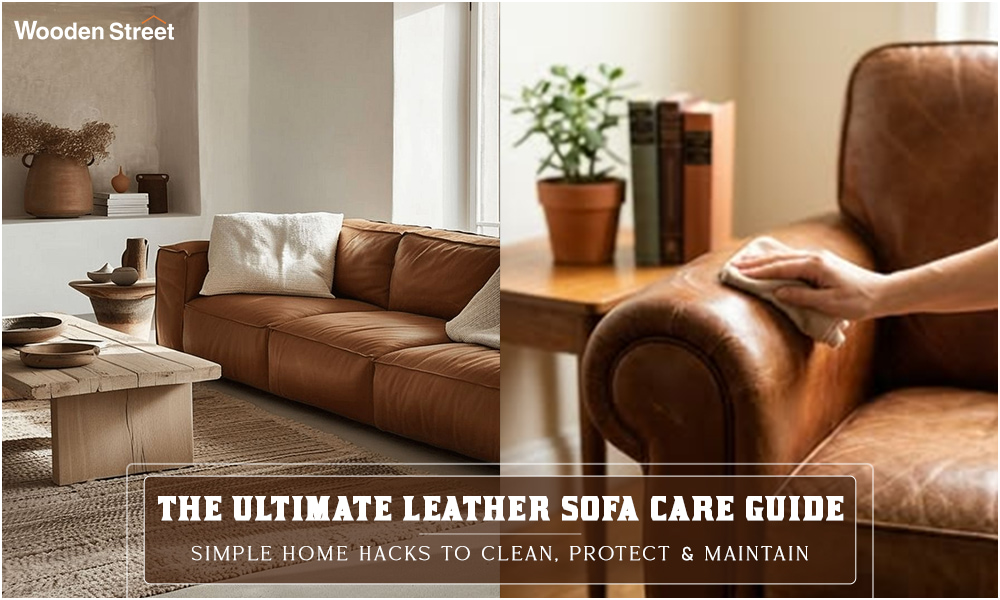
Learn how to clean a leather couch at home with simple steps, stain removal tips, and conditioning methods to keep your sofa looking new.
Continue Reading
Master the basics of how to install wall shelves safely and securely with this practical guide. Learn floating shelf installation techniques, choose the right wall shelf brackets, understand wall shelf weight limits, and discover easy solutions for how to fix a loose shelf before it becomes a bigger problem
Continue Reading
Discover timeless and modern arch design for home interiors that improve flow, style, and functionality. From hall small arch design ideas to kitchen arch design and living room new arch design inspiration, this guide explores practical ways to use arches beautifully in every part of your house design arch layout.
Continue Reading