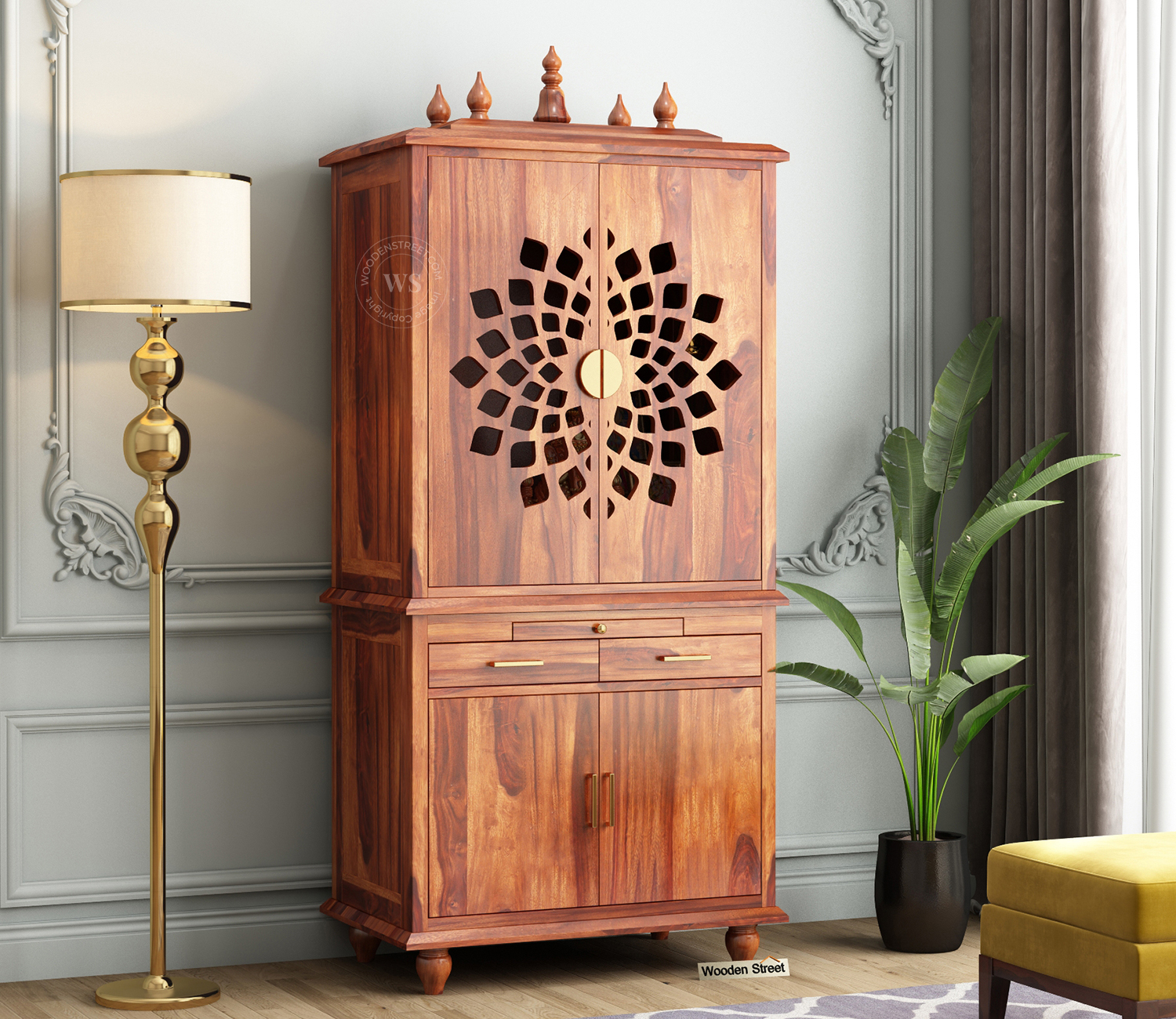





Discover simple and effective ways to restore shine to your furniture using natural ingredients. This guide explains how to polish wood furniture at home while also introducing safe alternatives like natural door polish for long-lasting results without harsh chemicals.

Your wooden furniture may look fine at first glance. But is it really shining, or just hiding under layers of chemicals? Most commercial polishes contain silicone as well as harsh solvents that slowly build up, therefore making your furniture look dull over time instead of better. Sounds surprising, right?
Now imagine a safer, smarter way. Choosing natural door polish along with simple home ingredients not only protects your furniture but also keeps your home free from harmful fumes. It’s gentle, effective, and honestly, your wood deserves it.
In the below blog guide, you’ll learn how to polish wood furniture the right way. We’ll start by understanding your wood type as well as finish, then match it with the perfect natural polishing method for a rich, lasting glow.
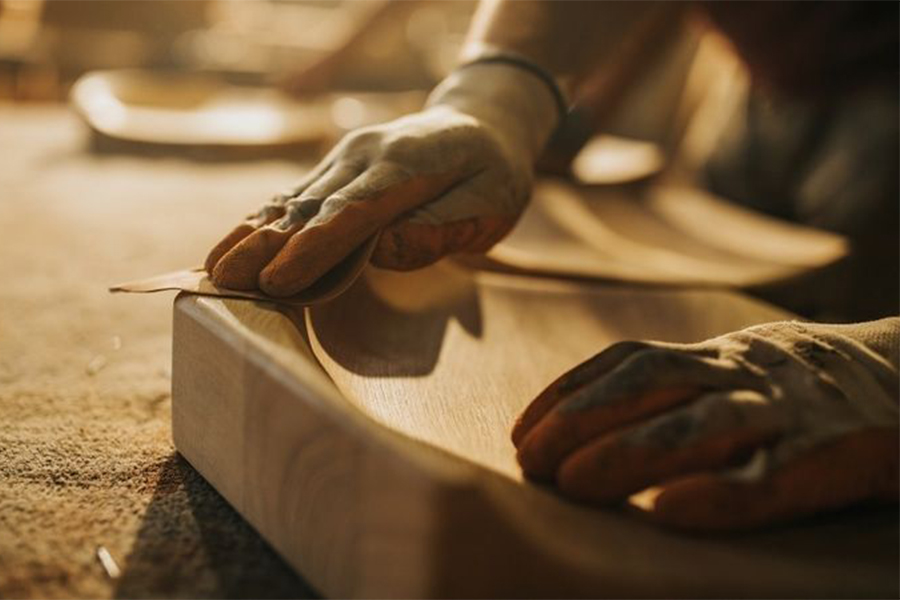
Simply wait! Before you grab a cloth and start polishing, pause for a second. This is where most people go wrong. If you don’t know what finish your wood has, even the best method for how to polish wood furniture can backfire. Yes, it can.
Is your furniture coated with lacquer, varnish, wax, oil, or is it raw wood? A quick test can tell you. Drop a little water on the surface. If it beads up, then the wood is sealed. If it soaks in, it’s likely unfinished. Now try a finger smudge. Does it leave a mark easily? That could mean a wax or oil finish.
Why does this matter so much? Because using the wrong polish can damage the surface, leave sticky layers, or even ruin the natural look. Raw wood needs deep nourishment, while sealed wood needs gentle care, usually with something like a natural door polish.
Get this step right, and your furniture will thank you with a shine that actually lasts.
Ready to skip the chemicals and still get that rich, glowing finish? Good news is that you don’t need fancy products. Some of the most powerful solutions for how to polish wood furniture are already sitting in your kitchen. Let’s break them down:
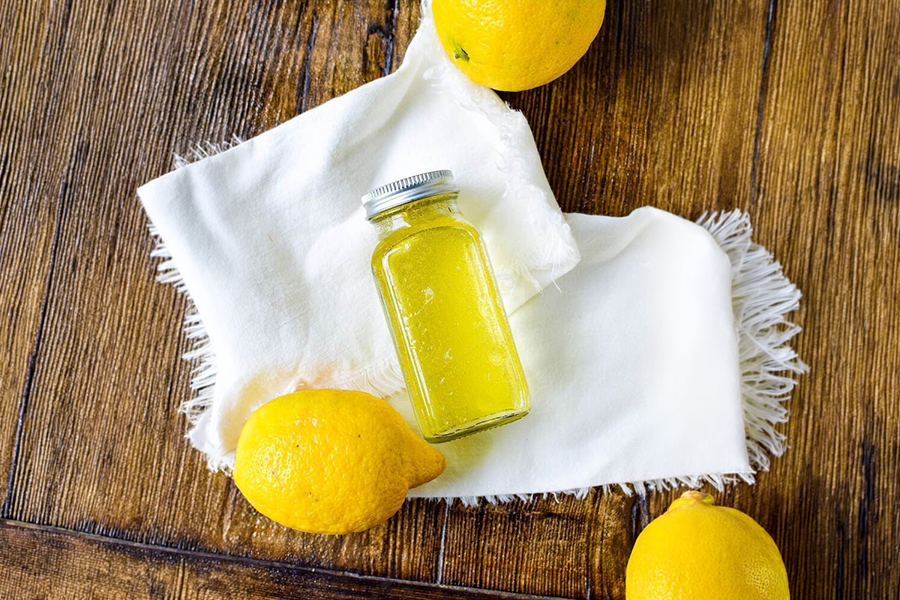
This is your go-to, all-purpose hero. Mix 2 parts olive oil with 1 part lemon juice. The lemon gently cuts through dirt, while olive oil brings back that soft shine. These are considered perfect for teak, sheesham, and mango wood with sealed finishes.
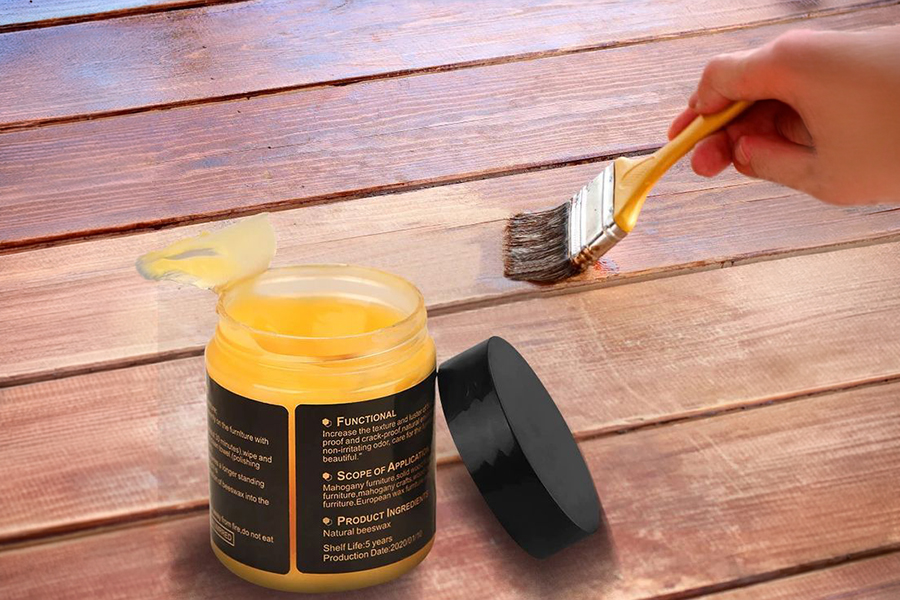
This is old-school magic, and it still works beautifully. Melt beeswax and mix it with a little turpentine so as to create a thick polish. It doesn’t just shine. It protects. Best for antique pieces as well as furniture that is being used on a daily basis.
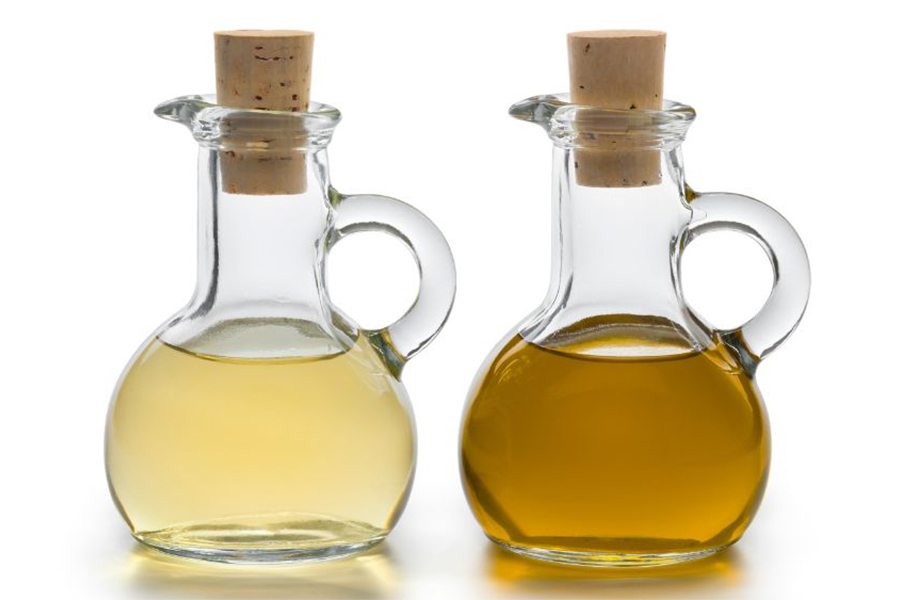
Got stubborn water rings or sticky spots? Then, mix 3 parts olive oil with 1 part vinegar. The vinegar cleans, the oil restores. Just don’t use vinegar directly. It’s too strong on its own.
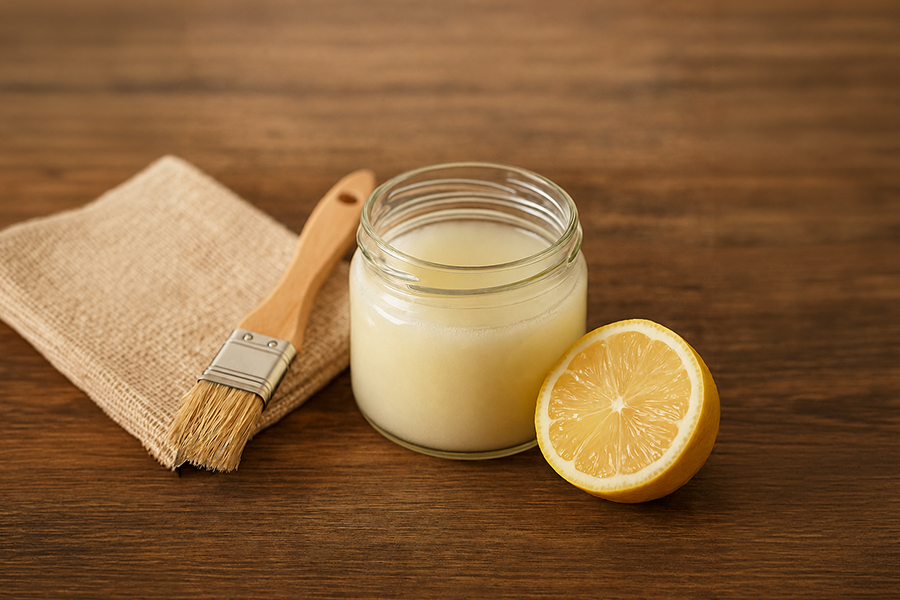
Simple, effective, as well as easily available. Coconut oil works best on raw or lightly finished wood. It soaks in plus nourishes from within. But be careful here. Too much can make the surface sticky as well as attracts dust.
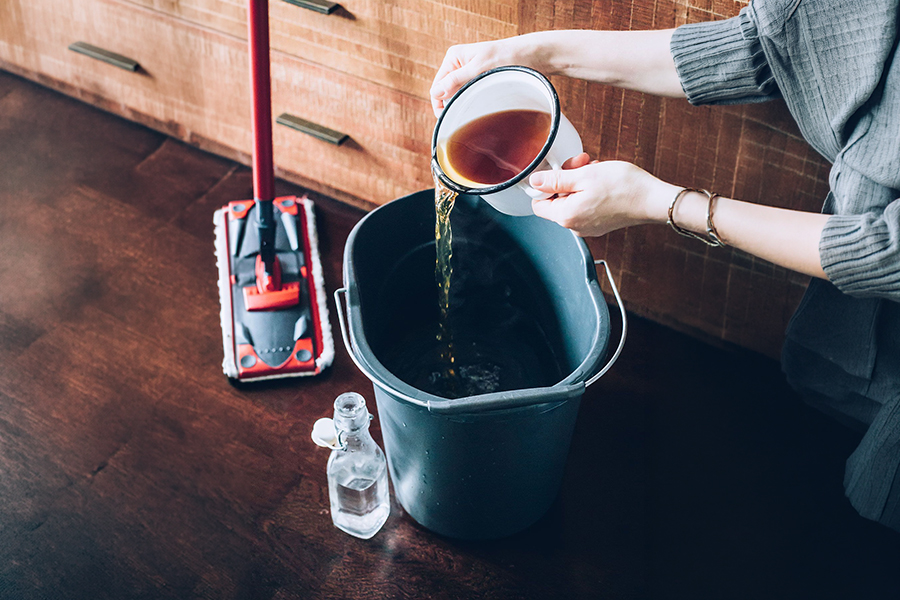
Sounds unusual, right? But it works. Strong black tea contains natural compounds that deepen the colour of dark wood. Just brew, cool, wipe, and buff. It’s a subtle trick, but the results are beautiful.
These natural options prove that you don’t need to have harsh chemicals or expensive products. Sometimes, the best natural door polish is already in your home. Just waiting to be used.
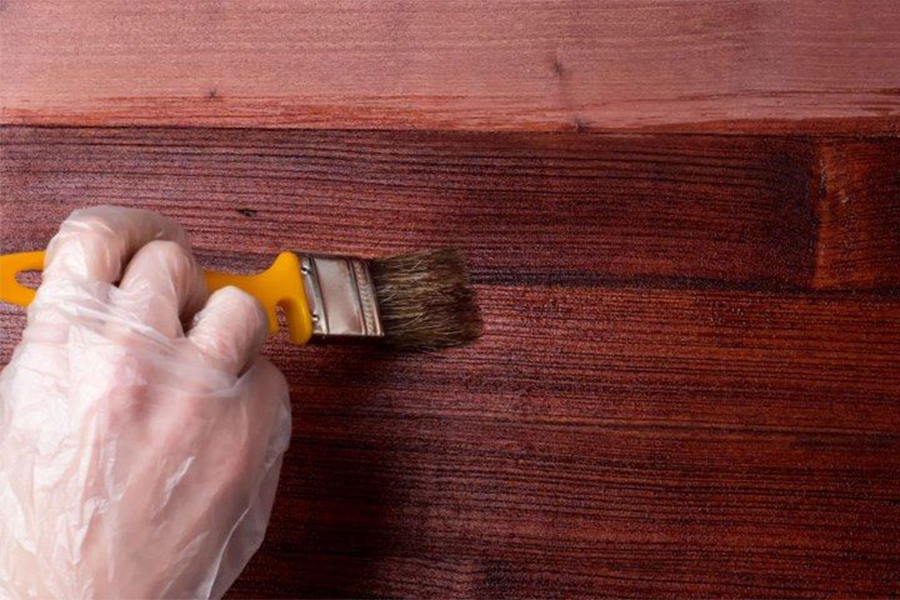
Now comes the real moment. The one that decides whether your furniture will glow or just look greasy. Don’t worry, this is easier than it sounds. Just follow these steps carefully, and you’ll master how to polish wood furniture like a pro.
Dust and dirt are your biggest enemies. Wipe the surface in a proper manner before you even think about polishing. If you skip this, then you’ll just rub grime deeper into the wood.
Pick up a hidden corner and apply a little polish. Wait for 10 minutes. This tiny step can save your entire piece from damage.
Wood has a natural direction. Apply polish along that grain, never against it. This helps the polish to sink in as well as look smooth.
Use a soft, lint-free cotton cloth. For example, old T-shirts work perfectly. Avoid microfibre here; it can sometimes interfere with the finish.
Once the polish is absorbed, gently buff in circular motions. This is where the shine really starts to show.
Give your furniture at least 30 minutes to dry and settle before placing anything back on it.
Follow these steps, and even a simple natural door polish will give you results that look rich, smooth, as well as long-lasting.
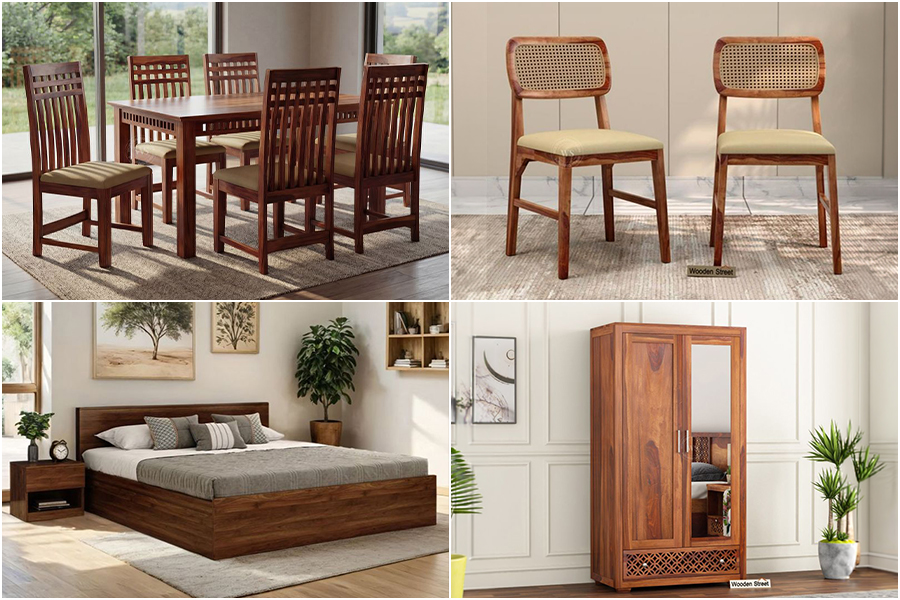
Think of polishing like skincare for your furniture. If too little, then it looks dull; Too much, and it can lose its natural charm. The secret is timing it right. If you truly want to master about how to polish wood furniture, then you need to understand that how often each piece actually needs attention. Not everything in your home follows the same schedule, and that’s where most people go wrong.
You might be polishing your furniture on a regular basis, but what if you’re actually ruining it without even realizing about it? Sounds harsh, but small mistakes can slowly kill that beautiful finish. If you truly want to master how to polish wood furniture, avoiding these errors is just as important as doing it right.
Avoid these mistakes, and even a simple natural door polish will give you a smooth, clean, and long-lasting finish.
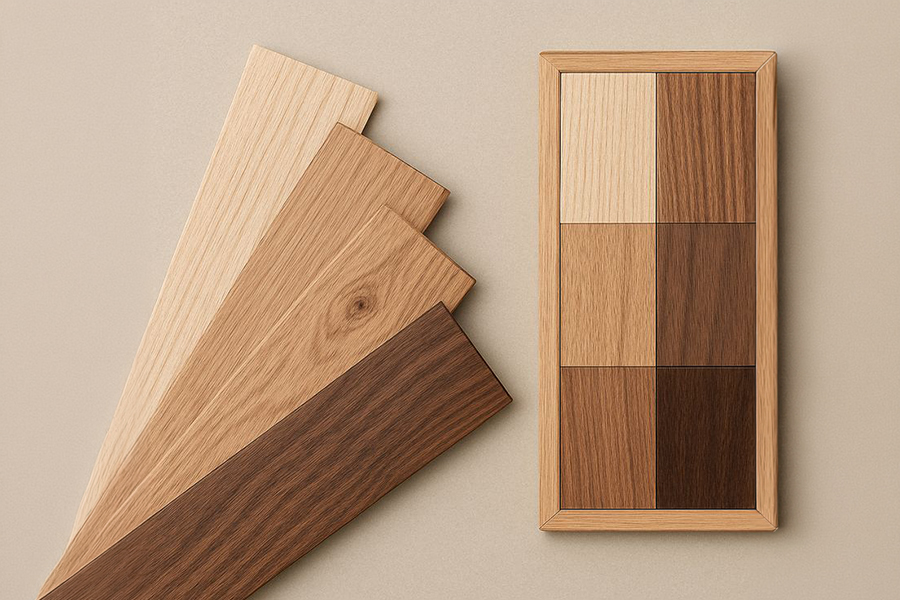
Here’s something that most people don’t realize. This means the polish you use is only half the story. The real magic? It comes from the wood itself. You can follow every step of how to polish wood furniture perfectly, but if the wood quality isn;t right, the results will always feel average.
In the end, great polish needs great wood to truly shine.
You’ve made the perfect polish. But here’s the catch. If you don’t store it right, it can go bad faster than you can think of. And when that happens, even the best method of how to polish wood furniture won’t give you the results that you expect. A little care here goes a long way.
Store it well, and even a simple natural door polish will stay effective, safe, and ready to give your furniture that perfect shine every time.
So, the secret to beautiful, long-lasting furniture isn’t expensive products. It’s all about doing the basics right. Once you truly understand how to polish wood furniture, everything changes. The shine looks richer, the texture feels smoother, plus your furniture starts to age beautifully instead of wearing out.
Natural solutions are not only safer. They actually work better when used the right way. Whether it’s a simple oil mix or a trusted natural door polish, consistency and care make all the difference.
We will be back with the next blog soon. Till then, stay tuned!
Now it’s your turn, try these methods at home and see the transformation yourself. Which polish worked best for you? Let us know in the comments, we’d love to hear your experience!
Read More -
What is Bamboo and Cane Furniture?
Image Source: Pinterest, Google, and Wooden Street
A Yes, but it’s better to mix it with lemon juice or vinegar. Pure olive oil can feel greasy and attract dust if used alone or applied in excess.
A A mix of olive oil and lemon juice works best for most sealed wood. It cleans, nourishes, and restores shine naturally without leaving harmful residue behind.
A Use a mix of vinegar and olive oil. Gently rub the area with a soft cloth. It helps break down the mark while restoring the wood’s natural finish.
A Yes, especially for raw or lightly finished wood. It soaks into the grain and conditions it well. Just use a small amount to avoid stickiness or dust buildup.
A Teak wood should be oiled every 3–6 months, depending on usage and exposure. Regular oiling keeps the wood hydrated, prevents cracks, and maintains its natural, rich look.
A Not effectively. Natural polish does not absorb into laminates. It may sit on the surface and cause streaks or peeling, instead of enhancing the finish like it does on solid wood.
Trending Products
Top Picks from EveryoneArticles you will love to read

Find the best wooden door colours for your home entrance with Vastu-friendly ideas. Explore natural shades and stylish finishes that bring positivity, elegance, and balance.
Continue Reading
Explore blue colour combination ideas for living rooms, bedrooms, and kitchens. From a blue sofa set to cupboards, pair shades with white, gray, yellow, or turquoise for stylish interiors.
Continue Reading
Kitchen colour as per Vastu Shastra plays a vital role in balancing energy and ensuring health, wealth, and harmony at home. This blog explores the most auspicious colour combinations to make your kitchen vibrant, positive, and aligned with prosperity.
Continue Reading
Find smart home renovation ideas, from kitchen makeovers to sofa renovation, and transform your house with stylish, functional, and budget-friendly upgrades.
Continue Reading
Find the right main door design for home with vastu tips for 2026. Learn about entrance direction, vastu-friendly colours, wooden doors, and common mistakes to avoid.
Continue Reading