






Discover the real kapalbhati benefits for digestion, breathing, energy, focus, and stress management. This guide explains the benefits of kapalbhati pranayam, possible kapalbhati side effects, and what consistent practice, including 30 min kapalbhati benefits, can realistically do for your body and mind over time
You've probably seen someone sitting cross legged at 6 AM, belly pumping like a manual piston, breathing loud and forceful. You thought what are they doing, and why do they look so calm after?
They're doing Kapalbhati. And there's a solid chance their lungs, gut, metabolism, and stress levels are all in better shape than most people who hit the gym regularly.
Most articles give you a generic list and move on. This one covers everything the real science, the real side effects, what actually happens at 30 minutes, and which conditions it specifically helps. Let's get into it.
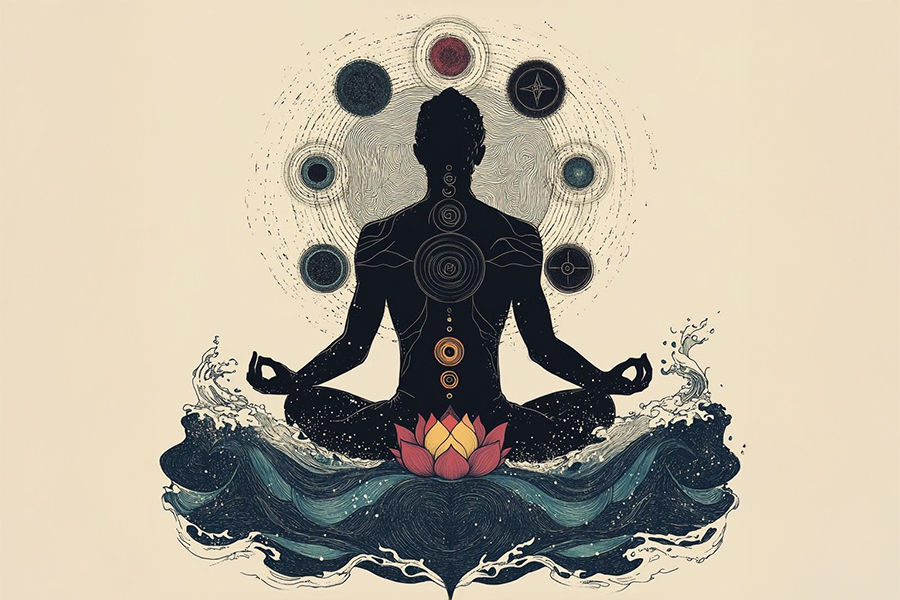
The name breaks down simply. Kapal means skull. Bhati means to shine. Together a practice that literally illuminates the skull by cleansing the respiratory passages that feed the brain.
But here's the part most people miss. The ancient text Hatha Yoga Pradipika classifies Kapalbhati as a Shatkarma a cleansing practice not just a pranayama. That distinction matters. Pranayama regulates breath. Shatkarma purifies the body at a deeper level. This is exactly why the benefits of Kapalbhati pranayam go well beyond simple breathing improvement.
The mechanism is straightforward. Every forceful exhalation sharply contracts the diaphragm, pushing out the stale residual air that passive breathing always leaves sitting in the lungs. Each round increases the percentage of fresh, oxygen rich air available. Over weeks, your entire respiratory system recalibrates from the inside out.
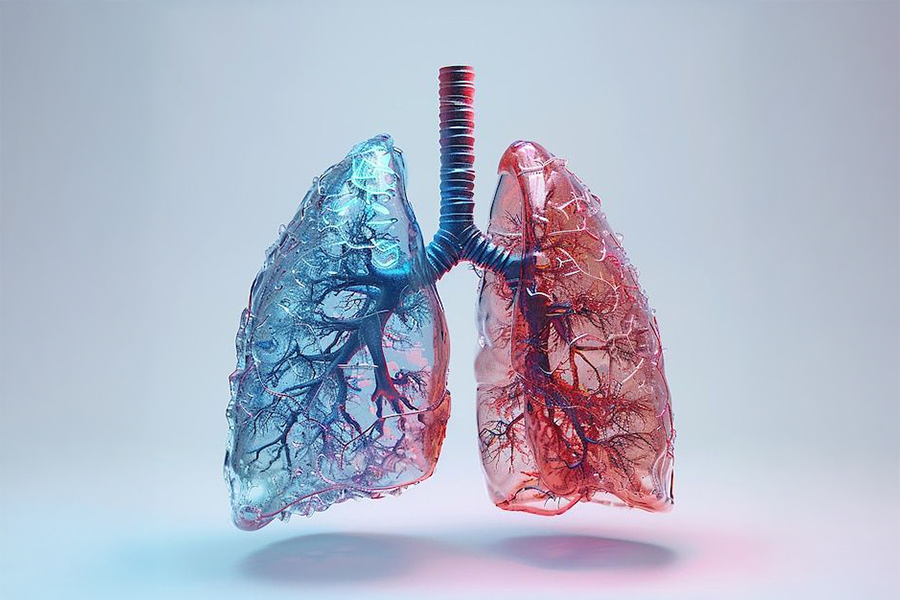
Think of your diaphragm as a muscle that most people never consciously train. Kapalbhati does exactly that. Consistent practice measurably increases tidal volume and vital capacity within 4–8 weeks your lungs literally get better at their job.
A 2017 study in the Journal of Clinical and Diagnostic Research confirmed significant improvement in peak expiratory flow rate after just 6 weeks of daily practice. For anyone in Indian cities dealing with daily pollution exposure, the forced exhalation actively clears particulate matter from upper respiratory passages in a way that normal breathing never can.
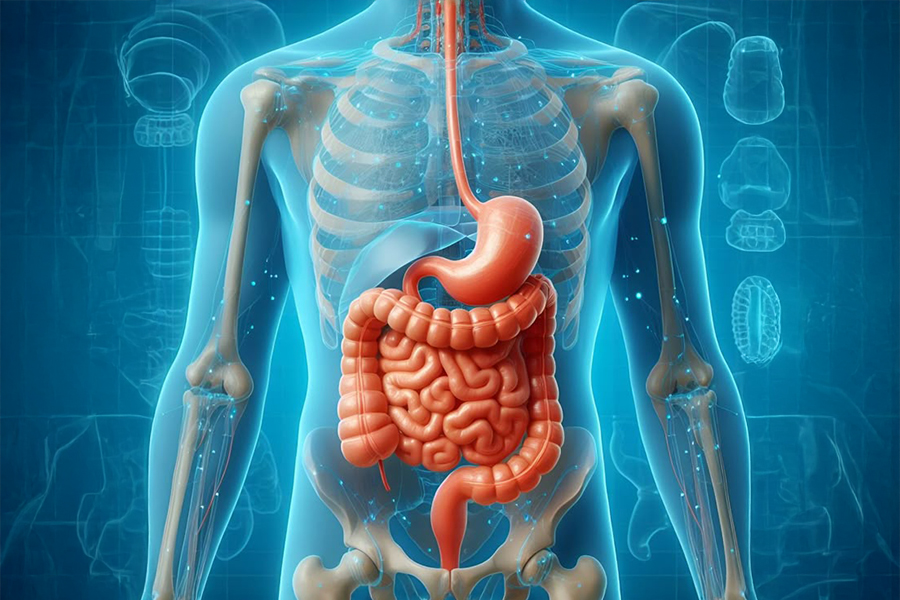
This is the most underrated advantage of Kapalbhati, and almost no one explains it properly.
Those rapid abdominal contractions simultaneously massage the stomach, liver, pancreas, and intestines with every single stroke. No other breathing technique produces this level of internal organ stimulation. If you deal with bloating, constipation, slow digestion, or sluggish bile production this is directly targeting those complaints. It won't fix structural digestive conditions, but for functional digestive issues, it genuinely works.
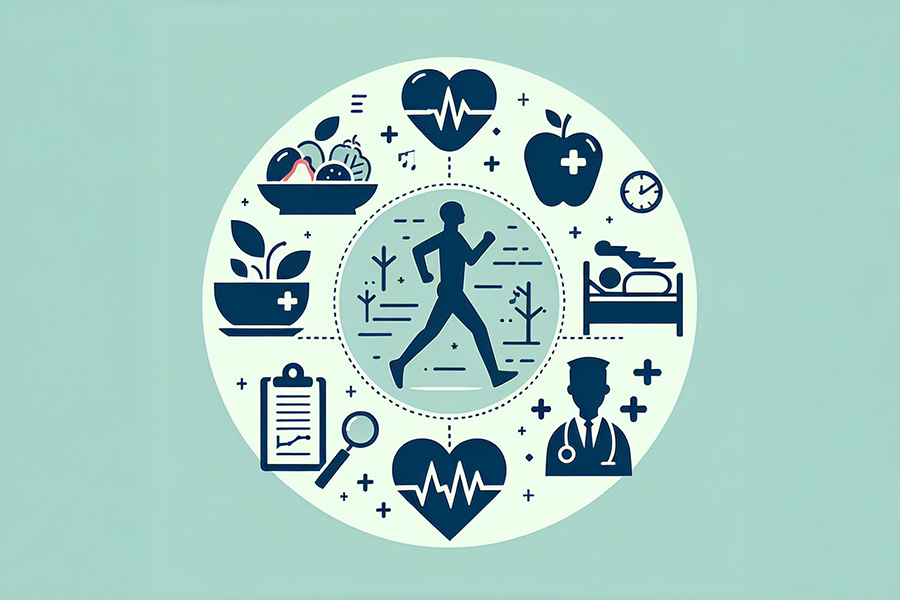
Does Kapalbhati reduce belly fat? Yes but not as magic. Here's what actually happens.
The continuous abdominal engagement during practice activates the core muscles throughout the session. Metabolic rate studies on yoga breathing show a 30 minute session burns approximately 350–400 calories. More significant is the afterburn effect elevated metabolic rate for 1–2 hours post practice due to increased oxygenation and sympathetic nervous system activation.
This is why Kapalbhati supports weight loss as a real complement to diet and exercise. It does not replace them. But it adds a meaningful metabolic push that most people aren't getting from anything else in their routine.

Here's the physiology behind why practitioners feel so sharp after a session.
Rapid exhalations first trigger the sympathetic nervous system. This is said to be the alert, activated state. Then, as practice winds down, the parasympathetic system takes over plus produces a calm but focused mental state. The rhythmic breathing pattern activates the prefrontal cortex. The area responsible for focus, decision making, as well as emotional regulation.
Cortisol levels measurably drop after sustained pranayama practice. This isn't just perceived relaxation it's a physiological stress hormone reduction.
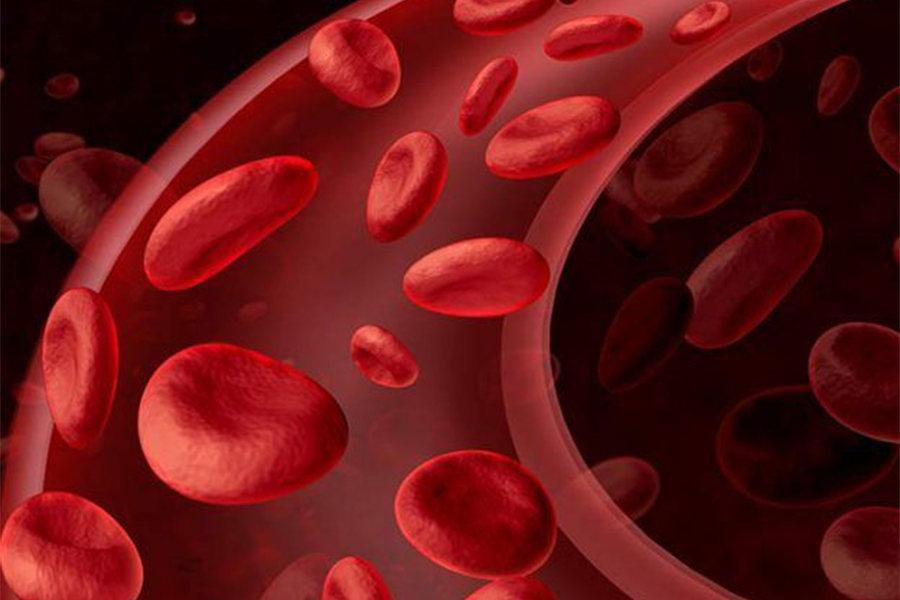
Practitioners consistently report improved skin clarity and texture within 3–4 weeks. The reason is straightforward increased oxygenation from Kapalbhati reaches capillary networks in the skin directly.
The detoxification effect works through three channels at once: respiratory (CO₂ and toxins exhaled with each stroke), lymphatic (stimulated by continuous diaphragm movement), and circulatory (increased blood flow to peripheral tissues including skin). Skin clarity is often the first visible sign that something real is happening internally.
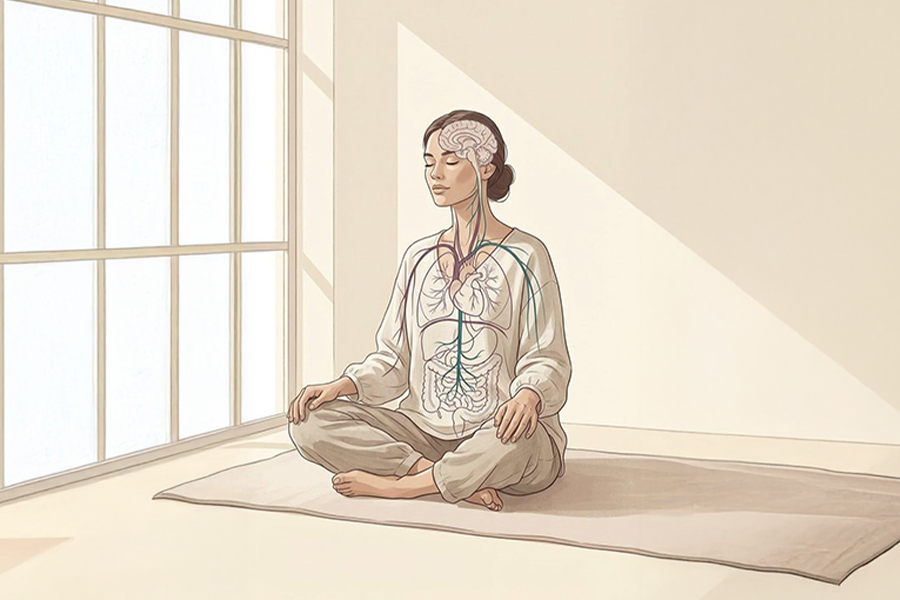
This is the question with the highest search volume in this topic and the one every ranking page completely ignores.
A 30 minute session at a moderate pace of 60 strokes per minute produces approximately 1,800 exhalation contractions. Here's exactly what that translates to:
One important thing 30 minutes is an advanced practice. It should not be attempted until 8–12 weeks of consistent 10 minute daily sessions have been established first.
For intermediate practitioners, the safer and physiologically equivalent approach is three 10 minute rounds with 2 minute rest intervals between each. Same benefit. Much lower risk of dizziness or technique breakdown.
The abdominal contractions directly massage the pancreas, stimulating the insulin producing beta cells. Studies show improved fasting blood sugar in Type 2 diabetics after 3 months of daily practice. This is a clinically supported complementary practice not a replacement for medication, but genuinely effective alongside it.
The neck lock (Jalandhara Bandha) often paired with Kapalbhati applies direct pressure to the thyroid gland beneficial for both hypothyroid and hyperthyroid conditions when practiced correctly. Hypothyroid practitioners should use a faster stroke rate. Hyperthyroid practitioners should keep the pace slower and avoid breath retention entirely.
Regular practice helps PCOS through two clear routes. First, cortisol reduction indirectly supports oestrogen progesterone balance chronic stress is a known PCOS aggravator. Second, the weight management benefits directly address one of the primary lifestyle factors in PCOS management. If your PCOS involves any reproductive structural issues, consult your gynaecologist before starting.

This section gets two throwaway lines in most blogs. It deserves far more honesty than that.
Side effects from incorrect practice:
Who should avoid Kapalbhati entirely: Pregnant women, people with epilepsy, anyone with recent abdominal or cardiac surgery, active ulcers, retinal conditions, or a history of stroke.
The most common mistake that causes problems: Practicing too soon after eating. Even 90 minutes after a meal is too soon. The minimum gap is 3 hours and early morning on an empty stomach is the only time that consistently delivers full benefit without risk.
| Stage | Duration | Stroke Rate | Rounds |
| Beginner (Week 1-2) | 5 minutes | 30 strokes/min | 2 rounds |
| Intermediate (Week 3-8) | 10-15 minutes | 60 strokes/min | 3 rounds |
| Advanced (Week 9+) | 20-30 minutes | 80-120 strokes/min | 4-5 rounds |
Move to the next stage only when the current level feels completely effortless. Rushing stroke rate doesn't accelerate results it breaks down technique and reduces the actual benefits you get.
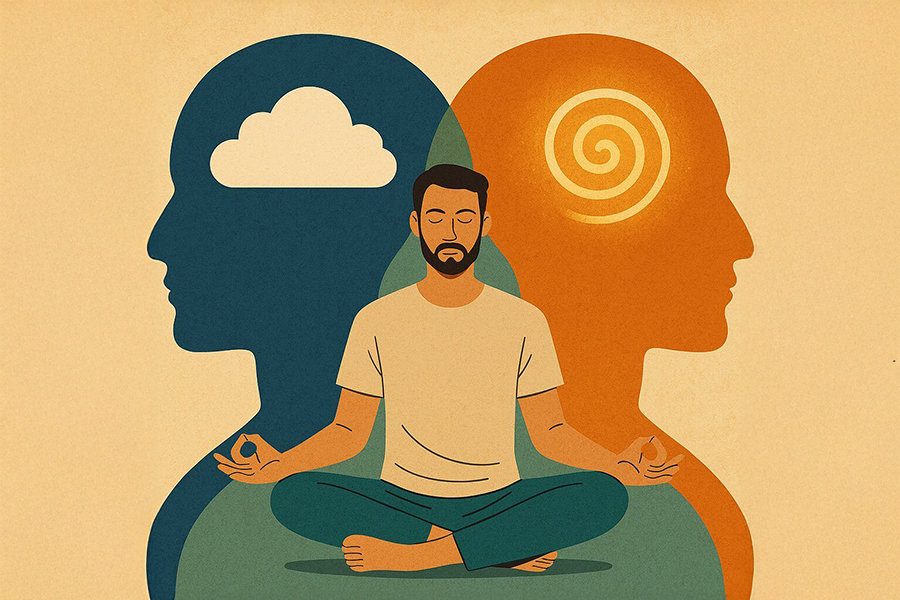
Kapalbhati is one of those rare practices where understanding the science makes you want to do it more, not less. It is not a miracle. It is not a shortcut. But done correctly consistently, progressively, on an empty stomach every morning the benefits of Kapalbhati are genuinely wide ranging in a way that very few single practices can match.
Start with five minutes. Do it every day. In three weeks, you'll understand why people have been practicing this for thousands of years. Avoid soft cushions or mattresses, and use only a Yoga Mat for firm sitting.
Your skull will quite literally start to shine.
We will be back with the next blog soon. Till then, stay tuned!
Read More -
How to Clean a Mattress at Home: The Complete Guide
Image Source: Pinterest, Google, and Wooden Street
A Daily practice improves lung capacity, digestion, metabolism, skin clarity, and mental focus - with measurable results showing up within 3-6 weeks of consistent practice
A You burn 350-400 calories, activate your core for the full session, and get a post-practice metabolic and mental clarity boost equivalent to light cardio. Build up to this over 8-12 weeks - don't start here
A Yes, as part of an active lifestyle and sensible diet. It contributes through caloric burn and an elevated metabolic rate that lasts 1-2 hours post-session
A A consistent 10–15 minutes daily (around 600–900 strokes) over 8–12 weeks, combined with diet awareness, produces noticeable results. More isn't always better - technique and consistency matter more than volume
A Dizziness, headaches, hernia aggravation, and temporary BP spikes - almost always caused by incorrect technique, too fast a pace, or practicing too soon after eating
A Pregnant women, people with high BP (without supervision), hernia, epilepsy, active ulcers, retinal conditions, recent surgery, or a history of stroke
A Yes for both - it supports thyroid function through Jalandhara Bandha, and helps PCOS through cortisol reduction and weight management. Check with your doctor first if any structural issues are involved
A Early morning, on a completely empty stomach - minimum 3 hours after any food or drink (except water)
A Before: empty stomach, straight spine, ventilated room. After: rest for 5-10 minutes before eating or exercising. Avoid cold water immediately after practice
Trending Products
Top Picks from EveryoneArticles you will love to read
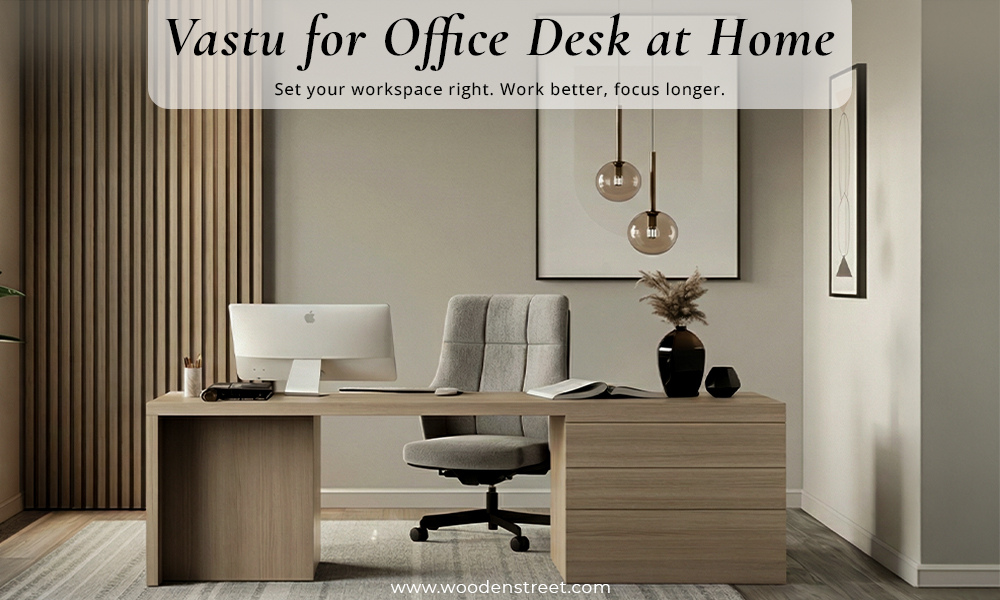
Setting up your workspace the right way can completely change how you work from home. This blog on Vastu for office desk at home explains the best desk direction, seating positions, and simple adjustments that help improve focus and comfort. From choosing the right home office desk and chair to creating a balanced work from home setup, these practical tips make your home office feel more organised and easier to work in every day.
Continue Reading
This blog guide breaks down queen size bed dimensions in feet, ideal room fit, mattress types, and buying tips. Learn how to choose the right size for comfort, space efficiency, and long-term value, whether upgrading your bedroom or purchasing your first queen mattress.
Continue Reading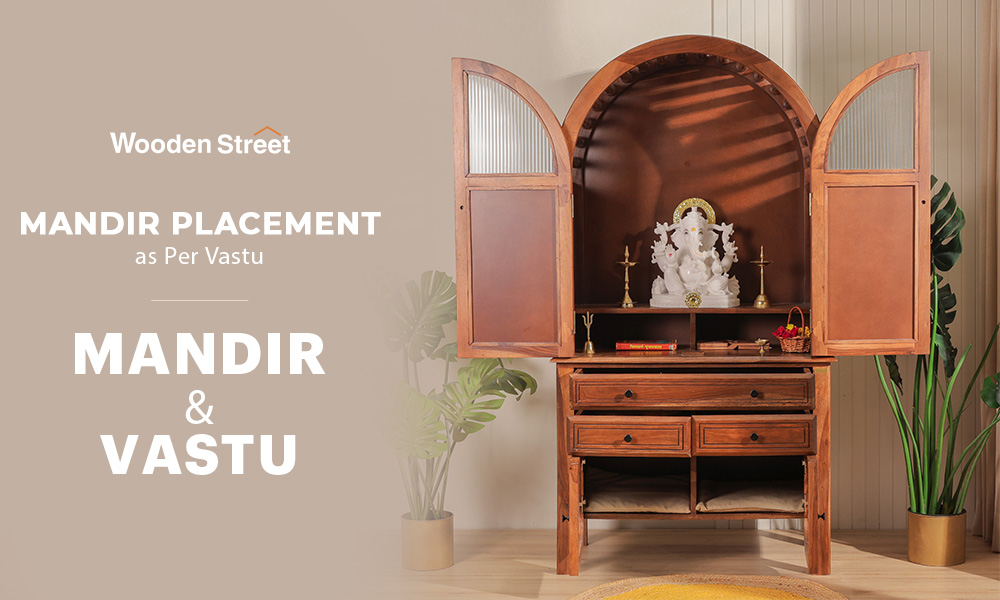
Discover complete Vastu rules for mandir placement in home setups. From northeast direction guidelines to bedroom, kitchen, and living room temple placement tips, this guide covers everything
Continue Reading
Discover the real meaning behind 7 horse vastu beliefs, including ideal 7 horse painting vastu direction, placement rules, and 7 horse painting with sunrise benefits. This guide explains seven horses vastu symbolism, running horse vastu tips, and common mistakes people make while placing lucky seven horses painting in home interiors
Continue Reading


