




Confused between latex vs memory foam mattress? Understand which mattress works better for back pain, spinal support, and daily sleep comfort.

Back pain never comes with warning. One day you’re sleeping fine, next day you wake up and think, “what has happened to my back?” And immediately the blame game starts. Chair is not comfortable, my posture is wrong, I’m using laptop too much, and so on. But half the time, the real culprit is the mattress you sleep on every single night.
Now if you look out for the solution, then come the real confusion. Latex vs memory foam? Every shop guy has an opinion. Every website says “best mattress”. Friends suggest opposite things. One says latex or memory foam, another says soft mattress is bad and your head starts hurting even before back pain improves.
So in this blog, we’re breaking it down properly. We are going to discuss everything about latex vs memory foam, how each one actually supports your overall spine, and most importantly, which one actually works for your back pain without causing issues. And by the end, you are going to get aware of the best type of mattress for back problems.
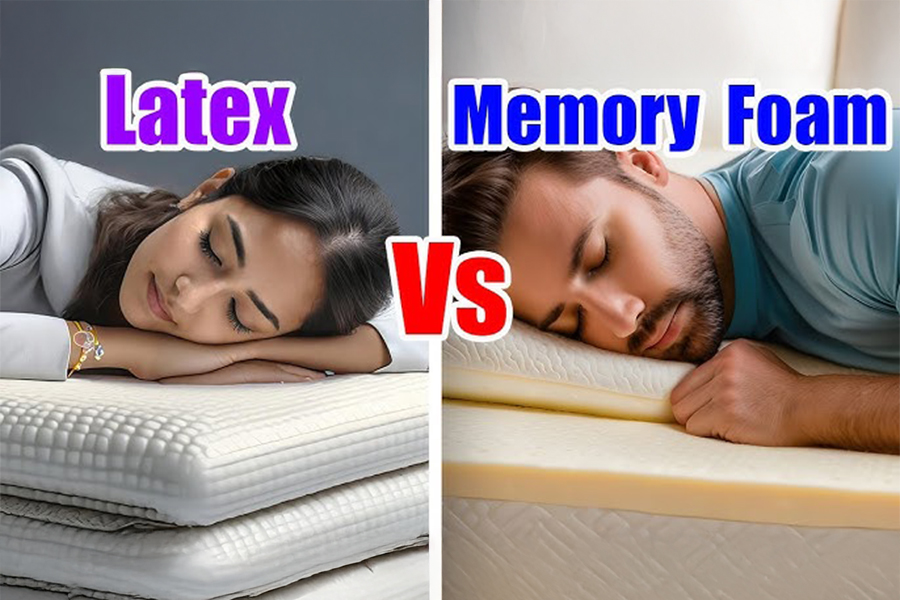
In short, both work well, but for different bodies and different sleeping styles. Latex mattresses are amazing for people who move a lot in sleep. If you are fond of changing sides every now and then, sleep almost half-straight, curled-up, or just can’t stay still at all, then latex becomes the hero by giving you all-responsive push-back support. That’s why in the latex mattress vs memory foam debate, latex often wins for different type of sleepers and people who want firmer spinal support.
Memory foam, on the other hand hugs your overall body with its amazing properties. It slowly adjusts, fill-up the gaps, and takes over pressure from the pain points. So, if your back pain feels more like stiffness or kind of nerve pain, then memory foam mattresses can bring you relief in all-possible ways.
So if you’re asking latex or memory foam for back pain, then the answer actually depends on how you sleep, and not on how expensive each mattress is.
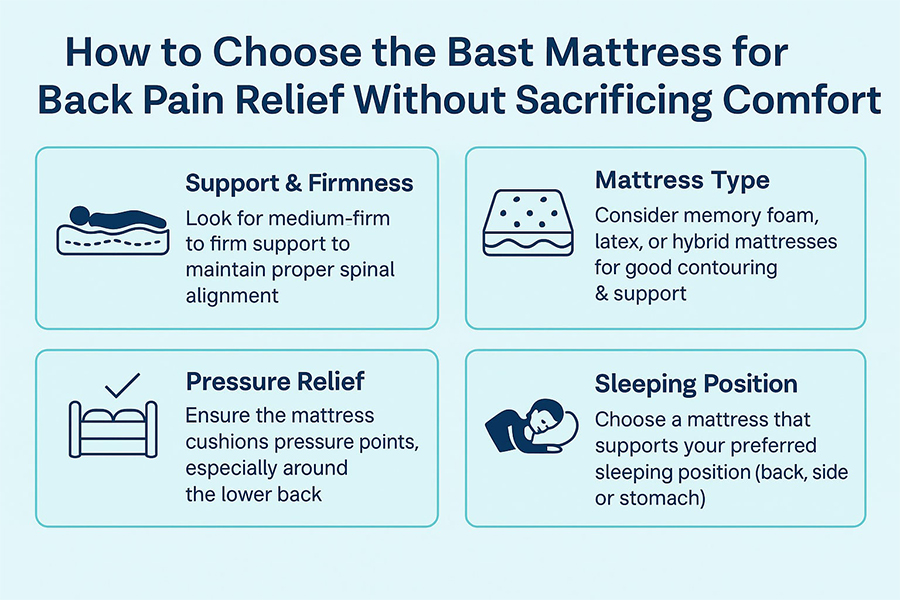
Before picking sides in latex foam vs memory foam, let’s understand why mattresses even matter for back pain. One wrong surface, and your spine spends the whole night fighting gravity instead of resting.
1. Neutral spine position
Your spine should stay straight while sleeping instead of bending-up like a banana or arched-up like a bridge. A good mattress is going to keep your neck, back, and hips aligned naturally.
2. Pressure distribution
When weight is uneven, pressure builds up on shoulders, hips, and lower back. That’s where pain starts. This is why the best bed mattress for back pain focuses on even weight spread.
3. Motion isolation
Tossing, turning, and partner movement are very common, and a mattress that absorbs motion prevents sudden spine shifts at night. Especially before selecting memory foam and latex mattresses, make sure you get motion isolation.
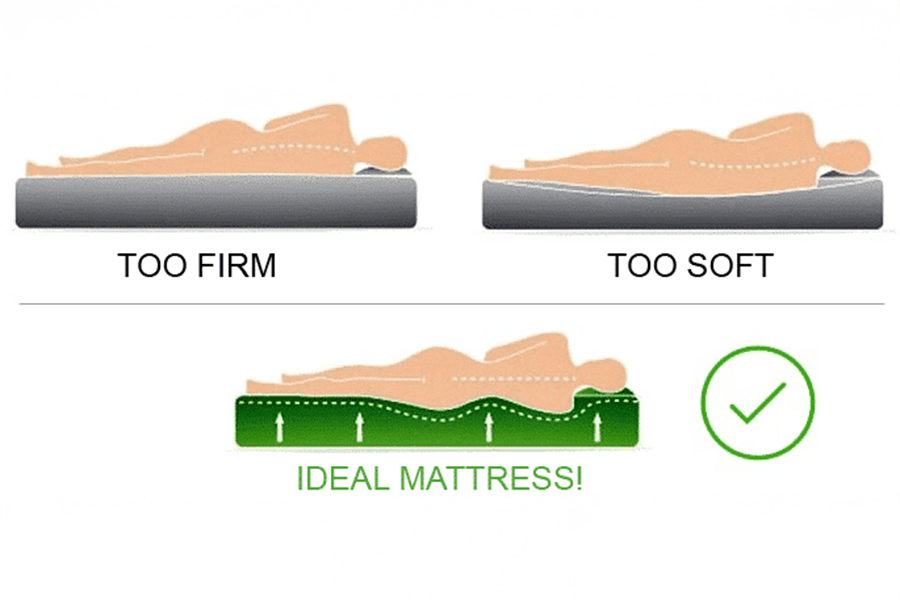
A soft mattress helps if you have a habit of sleeping on sides or constantly face that shooting joint pain. A soft mattress can reduce pressure on shoulders and hips as soft beds works really well when your body needs cushioning more than push-back.
However, too soft mattress can sink-up your spine in wrong places, that can ultimately cause situations of lower back hangs as well as posture collapses.
So the best mattress for back pain should have medium-firm softness, because it is much supportive and not rock-solid. It brings that sweet spot where spine stays perfectly-straight and body still feels comfy.
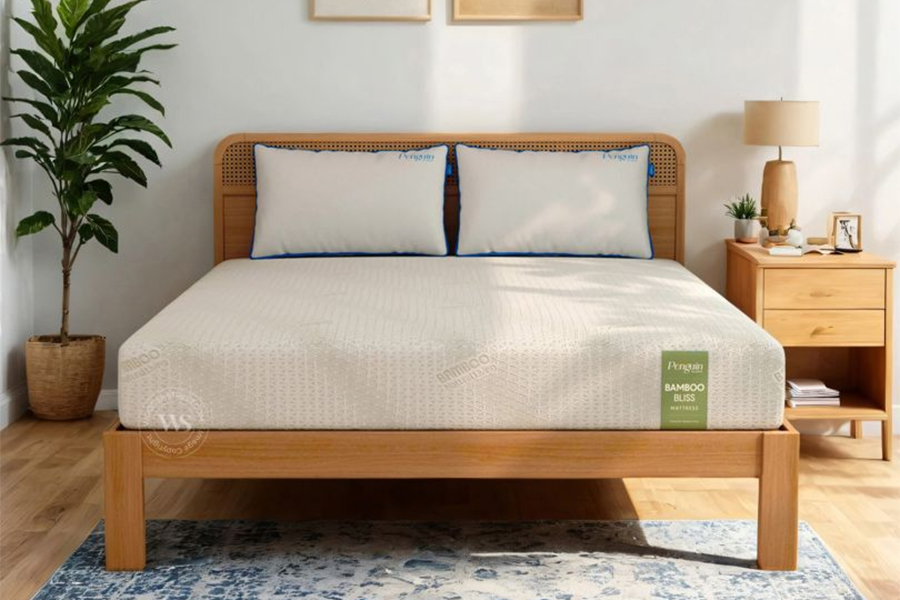
A latex mattress is actually made-up of latex foam, which comes either from natural rubber trees, synthetic materials, or a mix of both. And the reason why people keep recommending latex in the whole latex mattress vs memory foam mattress conversation is because latex behaves very comfily when you lie down on it.
You don’t sink and disappear into it. You lie on it and feel supported. It pushes back gently, keeps your body lifted, and doesn’t let your lower back sag. For anyone dealing with stiffness, morning back pain, or that “morning sprain” feeling, proper support matters a lot. That’s why people who want stability, airflow, and long-term comfort often lean towards latex when comparing latex or memory foam mattress options.
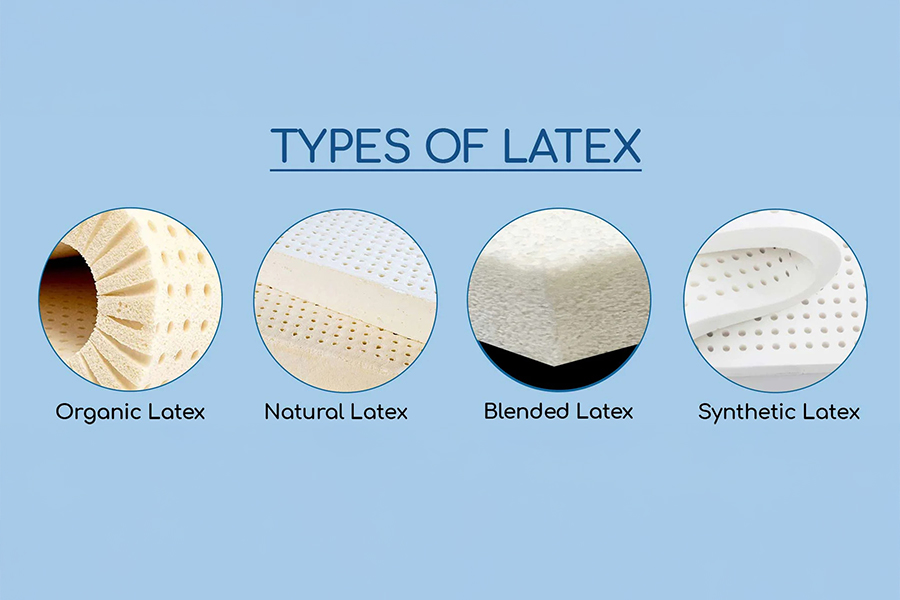
Not all latex mattresses are the same, and this part is important because this is where pricing and feel change.
1. Natural latex
This is made from rubber tree sap. Real trees, real extraction, real processing. Natural latex feels slightly springy, very breathable, and extremely durable. It doesn’t lose shape easily, even after years. Yes, it costs more. But it also performs better for longer.
2. Synthetic latex
This one is man-made. It’s designed in such way that it gives-off the feel of natural latex but cost less at the same time. If budget is tight and you still want something better than basic foam, then synthetic latex can work really well.
3. Blended latex
As the name suggests, this mattress brings a mix of natural as well as synthetic latex. It’s like the middle path. You get some amount of breathability, some amount of bounce, and better pricing as well. For many people trying to choose between latex foam vs memory foam, can consider blended latex as it brings a safe starting point.
Having a latex mattress brings a lot of benefits, such as:
1. Responsive support
Latex responds immediately to your movement. You turn, it adjusts. You shift, it supports. There’s no feeling of being stuck. This is very helpful if you change sleeping positions often. Your spine stays in a really aligned way instead of twisting slowly through the night. And that’s why latex mattresses are often recommended as the best bed mattress for back pain for combination sleepers.
2. Breathability
Latex mattresses are often build-up on an open-cell structure, which means air can easily move through it and heat doesn’t get trapped. If you’re tired of waking up sweaty or flipping sides at night just to find a cooler spot, latex feels calmer. Especially in Indian weather, this matters more than people admit.
3. Durability
Latex mattresses last long. Really long. They don’t sag easily, they don’t develop deep body impressions quickly, and they maintain firmness over time. If you’re looking at long-term comfort and thinking about the best type of mattress for back problems, durability is not optional. Latex scores high here.
Latex mattress isn’t built for everyone, but for some people who have these following sleeping habits:
So that’s why latex mattresses top the chart while someone discuss about the best mattress and the best type of mattress for back problems.
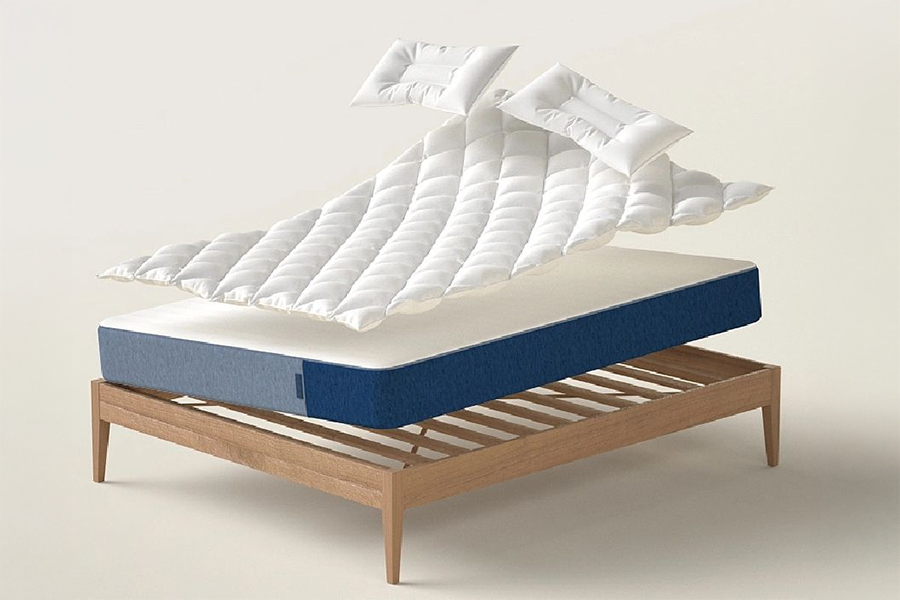
Now let’s talk about the other side of the debate. Memory foam mattresses work very differently from latex. Instead of pushing back, memory foam slowly shapes itself around your body. It reacts to heat and pressure, which means the longer you lie on it, the more it contours.
People often describe memory foam as “hugging” the body. And honestly, that’s accurate. When you lie down, it fills the gaps under your lower back, knees, shoulders. That’s why memory foam is popular among people who want a comfortable mattress that feels soft and relieving.
In the latex vs memory foam discussion, memory foam is usually chosen by people who want pressure relief more than bounce.
1. Body contouring
Memory foam adjusts to your shape. Your body weight presses into it, and the foam molds accordingly. This reduces stress on joints and muscles.
2. Pressure relief
If your pain feels like pressure points, sharp aches, or nerve pain, memory foam helps by spreading your weight evenly. This is why many people with joint pain prefer memory foam and latex mattresses differently based on pain type.
3. Motion absorption
Memory foam absorbs movement. If your partner tosses and turns, you won’t feel every move. This makes memory foam a good option for couples.
Memory foam mattresses are excellent for pain point relief. They’re especially useful if your pain comes from hips, shoulders, or joints.
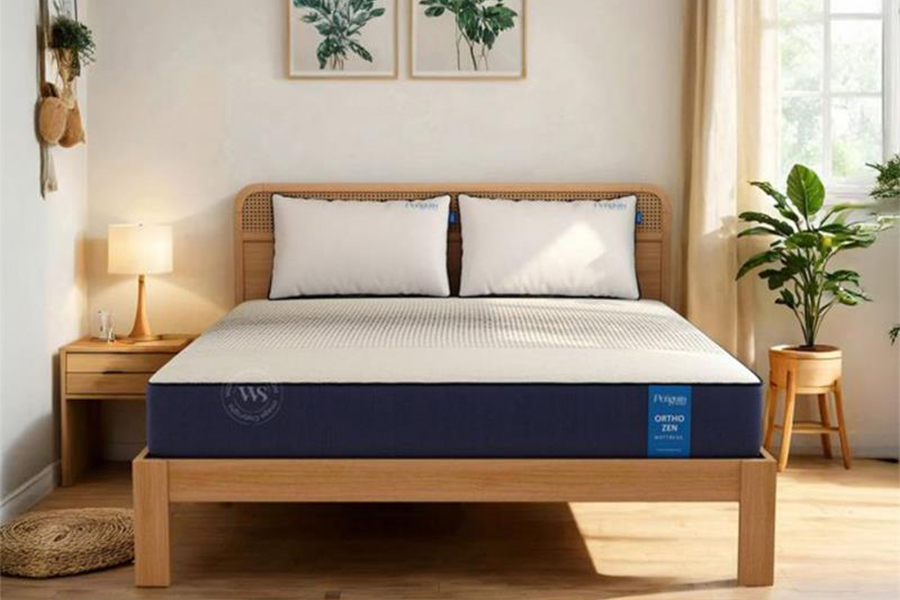
| Feature | Latex Mattress | Memory Foam Mattress |
| Back Support | High & responsive | High & contouring |
| Pressure Relief | Moderate | Excellent |
| Firmness Feel | Medium-firm | Soft to medium |
| Cooling | Naturally breathable | Heat-retaining |
| Durability | Long-lasting | Moderate |
| Best For | Back pain + movement | Pain points + still sleepers |
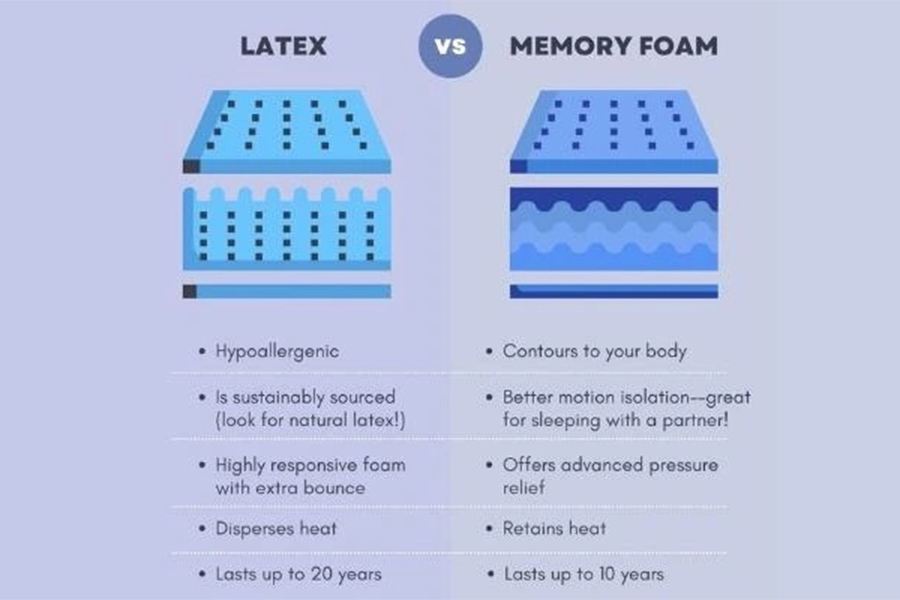
Before choosing sides, let’s be honest. There is no one best mattress for everyone. Bodies are different, pain is different, and sleeping habits are very different. That’s why this latex mattress vs memory foam mattress comparison matters so much. It helps you stop guessing and start choosing properly.
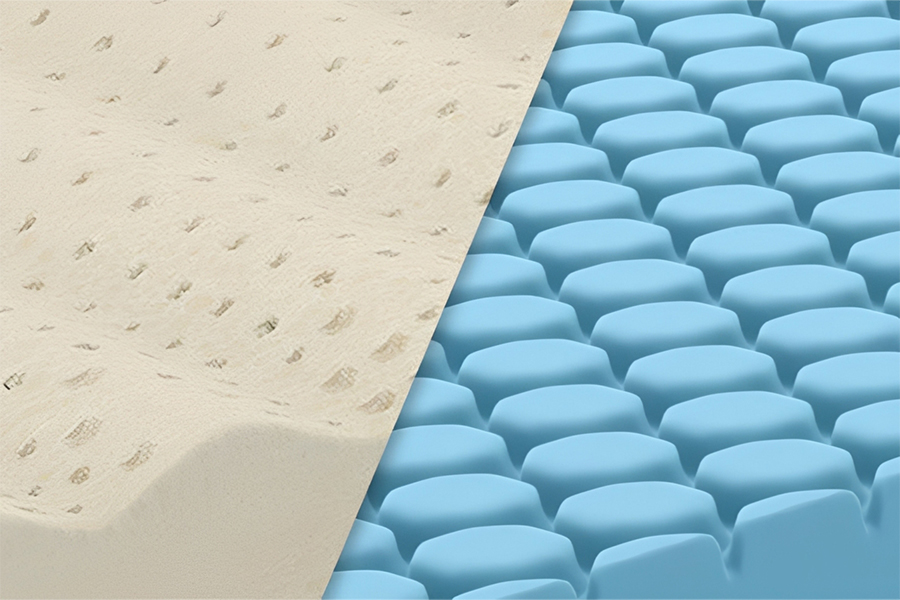
So to answer the mostly asked question, i.e., Latex or memory foam, which should be used? The answer hugely depends on how do you sleep everyday and where your pain comes from. So to understand it further:
Latex mattress is really going to work well for people who want high-end stability and support instead of mere softness.
Memory foam is usually preferred by those who want finest-level of comfort followed by relief from pressure points.
So, as you have read everything, you must be aware of the fact that latex or memory foam mattress choice usually depends on the type of pain you are facing, sleep position you commonly have, and of course, comfort preference as well.
So if we break down this whole latex vs memory foam debate in simple terms, here’s what it really comes down to your sleeping style decides half the answer. Back sleepers usually lean towards latex, side sleepers towards memory foam. Your pain type matters more than brand or price. Structural back pain prefers support, joint pain prefers cushioning. Your comfort preference seals the deal. If you like soft beds, memory foam feels right. If you want lift and firmness, latex wins.
So there’s no shortcut here. The best mattress is the one that supports your body the way it needs, not the one with the loudest claims.
We will be back with the next blog soon. Till then, stay tuned!
Image Source: Pinterest, Google, and Wooden Street.
Related Blogs
A Guide On Mattress Sizes and Bed Dimensions in India
Top 10 Best Mattress Brands in India (2026)
A See, when it comes to latex vs memory foam, both are good, but the comfort depends on how your body reacts. Latex feels slightly firmer and gives quick support, while memory foam slowly adjusts to your body shape. If you want something that supports your spine instantly and does not sink-in too much, latex or memory foam mattress comparison often goes in favour of latex. It really helps in solving-off the problem of back stiffness and poor posture.
A If back pain is something you deal with daily, then you should focus more on support rather than looking for softness. The best type of mattress for back problems is usually a medium-firm one, whether it comes under latex mattress vs memory foam mattress. It should support your spine evenly and not let your body dip at random points. This way, your sleep feels comfortable and your back actually gets proper rest.
A Yes, totally. A very soft mattress might feel cozy initially, but over time it can disturb your spine alignment. When comparing latex foam vs memory foam, softer memory foam mattresses may cause your lower back to sink too much. That is when back pain starts creeping in. A balanced firmness always works better than extreme softness.
A When durability is the concern, the difference between latex and memory foam becomes quite clear. Latex mattresses usually last longer and retain their shape better. Memory foam is comfortable, no doubt, but it may soften faster with daily use. If you want something that stays supportive for years, latex or memory foam comparison generally favours latex.
A Medium-firm works best for most people with its not too hard and not too soft build. Among different types of mattress and kinds of mattresses, this firmness level helps maintain proper posture and reduces pressure on the lower back. It keeps your spine aligned and makes every night’s sleep much more relaxing.
Trending Products
Top Picks from EveryoneArticles you will love to read
Are you confused about which type of Mattress would offer you restful sleep? Then scroll down as we have got the ultimate buying guide for you!
Continue Reading
Unlock the world of mattress size in India with our expert guide. From single to king size, explore dimensions, suitability, and essential factors to choose the ideal mattress for your sleep sanctuary.
Continue ReadingA stunning bedroom wall colour combination can do wonders for your interiors! Dive into these 15 handpicked colour schemes to create a bedroom that's both stylish and serene.
Continue Reading
Searching for the best cotton bedsheet brand in India? Check out our guide featuring top brands known for their superior fabric, comfort, and vibrant designs.
Continue Reading
Looking for the best mattress in India? Here’s a quick list of the top 10 mattress brands in India (2026) known for comfort, durability, and back support. Explore expert picks like Duroflex, Wakefit, and Penguin by Wooden Street to find your perfect mattress for restful sleep.
Continue Reading

