






Planning a luxury movie experience? This guide explains everything about recliner seats in theatre spaces, including cinema recliners, lounger seats in theatre layouts, comfort features, pricing, and booking tips. Learn how movie theater reclining seats work and whether reclinable seats movie theater experiences are truly worth the upgrade.

You've seen the option while booking - "Recliner" or "Lounger" - and the ticket price is nearly double. Sometimes triple. And you've either clicked it without thinking, or stared at it for a full minute wondering if it's actually worth it.
The honest answer? It depends. And most blogs about recliner seats in theatre won't tell you the specific things that make the difference between a genuinely great experience and an overpriced seat with a footrest you didn't use.
This guide covers all of it - what makes cinema recliners actually different, how to use them correctly (yes, there's a right way), the etiquette that matters, and how to bring that same feeling home.
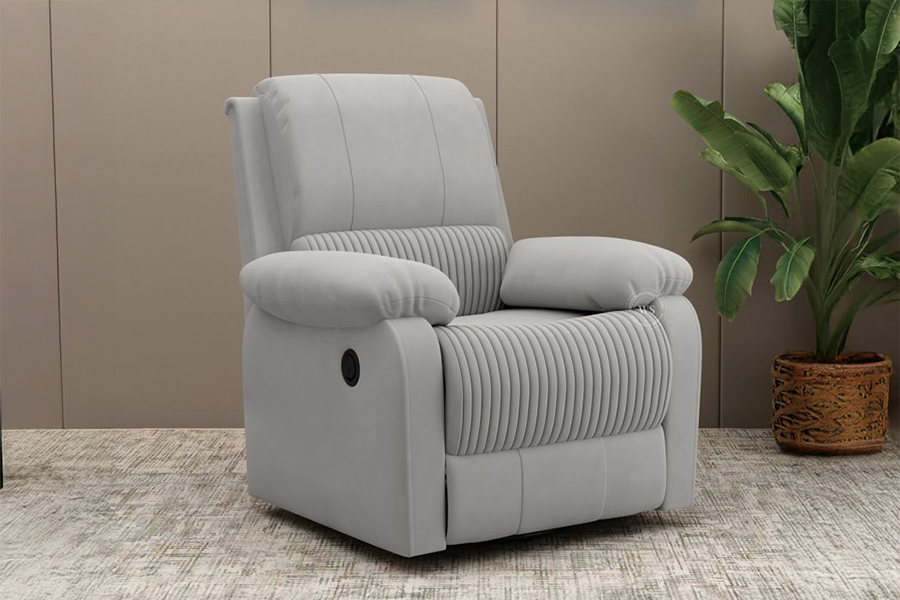
Let's be clear about something first - a recliner seat in cinema is not just a bigger, softer version of the standard seat. It's a fundamentally different setup.
A standard cinema seat is roughly 45–50 cm wide with a fixed back. You're upright, you're close to the person beside you, and your legs are basically wherever they land. In a full hall of 200+ people, you feel every bit of that crowd.
Recliner seats cinema rows look completely different. The seats are typically 65–80 cm wide. Fully extended, you're lying at 140–160 cm. Legroom increases by 30–40% compared to standard rows. And because each seat takes up so much more space, recliner auditoriums hold far fewer people - typically 40 to 80 seats versus 200+ in a standard hall. Less crowd. Less noise. Better sightlines. The whole atmosphere changes.
The three things that actually create the difference: an independent footrest that extends separately from the backrest, an adjustable backrest that goes genuinely flat (not just slightly tilted), and personal space that means the person next to you isn't breathing on your arm.
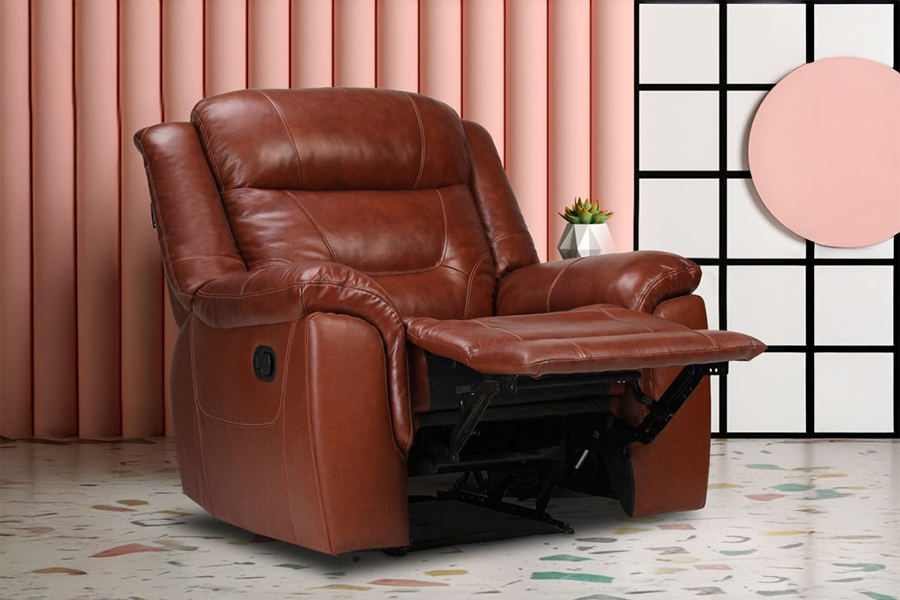
This is the question most blogs dodge. Let's not.
Recliner chair in theatre tickets in India typically run ₹400–₹800. Standard seats in the same multiplex: ₹150–₹300. You're paying roughly 2–3x more.
When it's worth every rupee:
When it's genuinely not worth it:
The check to do before booking: Look at the seating map carefully. Recliner rows in the middle third of the hall give you the best combination of screen distance and seat comfort. That's the sweet spot. Middle rows, recliner section - that's what you're booking for.
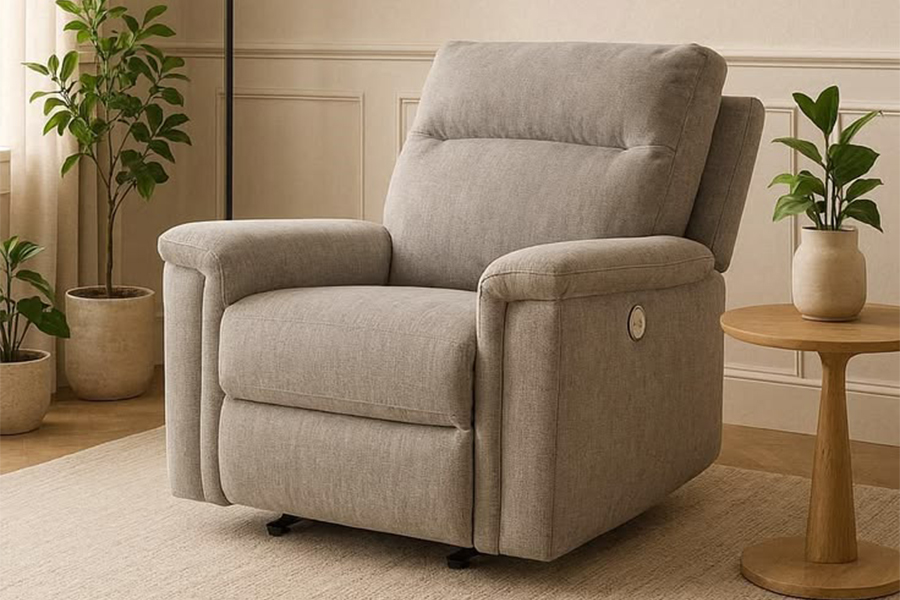
You'd be surprised how many people get into a movie theater reclining seat and never quite find the right position. They go too flat, their neck aches for two hours, and they leave thinking the seat was overrated. Here's how to actually use it.
Full recline - 160 to 170 degrees - is not the best viewing position. At that angle you're looking slightly upward at the screen, which strains your neck over a long film in a way you won't notice for the first hour but absolutely will notice by the third.
The sweet spot is 130–140 degrees. You feel the full difference from a standard seat. You're relaxed enough to hold the position for two-plus hours. And your neck stays in a neutral position relative to the screen.
One important timing note: adjust your recline before the trailers end. Readjusting mid-film - especially during a quiet scene - disturbs the people around you and pulls you out of the film itself. Get comfortable early and stay there.
Extend the footrest slowly. A sudden kick activates the mechanism loudly and, depending on the hall, you'll hear it three rows away.
Full footrest extension works well for viewers under 5'8". If you're taller, the footrest may not reach a natural ankle support position at full recline - your ankles end up hanging slightly off the end, which is not as comfortable as it sounds on paper. The fix: recline slightly more to bring your legs into a supported position without needing the footrest fully extended. A small adjustment in backrest angle often solves the footrest problem entirely.
Most movie theater recliners have a fixed headrest. The recline angle itself is supposed to do the positioning work. If the headrest hits your neck at an awkward point - which happens depending on your height - don't fight it. A small jacket rolled up and placed behind your neck solves this better than any amount of repositioning.
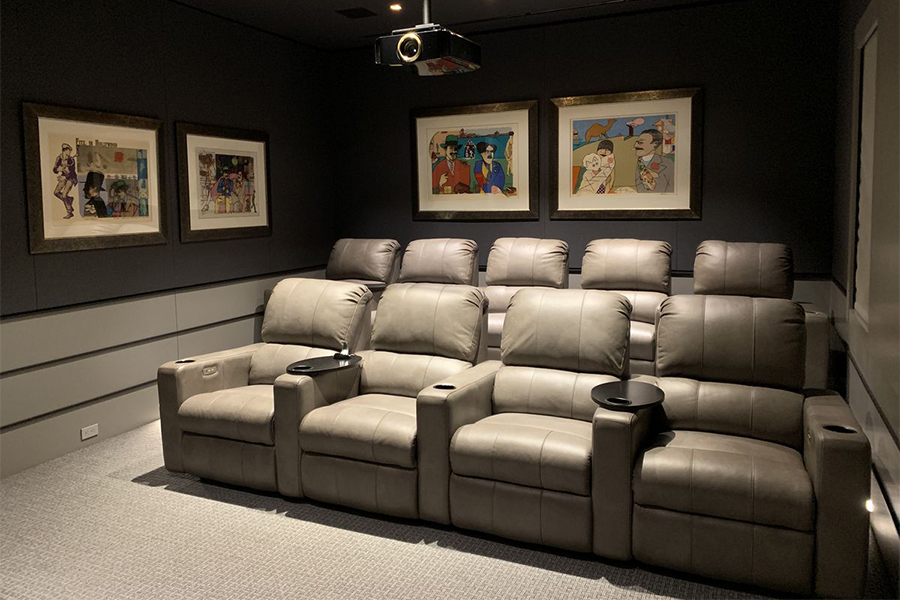
Here's the thing about recliner seats cinema halls - because the seats are larger and closer in personal space terms, the way you behave in one affects the people around you more than in a standard hall. A few things that genuinely matter:
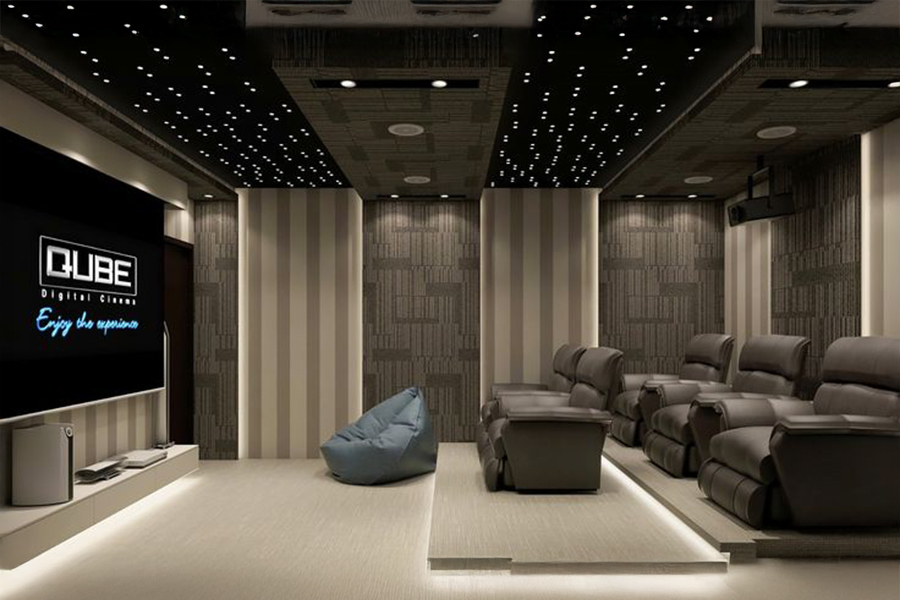
Here's something interesting - most people who love cinema recliners go home and sit on a sofa and wonder why it doesn't feel the same. The answer is that a standard sofa, even a good one, isn't built the way a recliner sofa is.
What creates the cinema feel isn't just depth or softness. It's the combination of seat depth, footrest angle, and the way an independent backrest and footrest work separately from each other. A sofa cushion that reclines slightly is not the same thing. The mechanism is what matters.
A dedicated recliner chair replicates the movie theater recliners experience better than any sofa modification. Specifically, what to look for:
If you watch long films at home regularly, or you just want that lounger seats in theatre feeling without buying a ticket - a quality recliner chair is a worthwhile investment that actually delivers on the promise.
The difference between a good recliner experience and a wasted ₹600 is almost entirely in the details - which rows you book, how you set the angle, and whether you adjust before the film starts. Get those right, and movie theater recliners are genuinely one of the better ways to watch a film. Get them wrong, and you've paid extra to have neck pain in a comfortable-looking seat.
Book the middle rows. Adjust early. Extend the footrest slowly. That's really all there is to it.
We will be back with the next blog soon. Till then, stay tuned!
Image Source: Pinterest, Google, and Wooden Street
A PVR Luxe and INOX Insignia are generally considered the best for recliner seating - larger seats, better maintained mechanisms, and smaller auditoriums. BookMyShow listings for both show recliner availability by location.
A For films over 2.5 hours, yes. For films under 90 minutes watched solo, probably not. The middle-third hall position matters as much as the seat type.
A 130–140 degrees. Full recline strains the neck on upward-angled screens. The 130–140 range is where comfort and viewing position actually align.
A No. Recliner auditoriums are available in select premium locations, not all multiplexes. Check the seating map when booking - recliner rows are labelled separately.
A Yes - on BookMyShow and the respective theatre apps. Booking in advance is especially important for weekend shows; recliner halls sell out faster because of the lower seat count.
A A lounger seat typically reclines fully flat or near-flat and may include a wider personal space partition. A standard recliner seat reclines to approximately 150-160 degrees. Lounger seats in theatre are the premium tier above recliners.
Articles you will love to read

The evolution of the shoe rack market mirrors the evolving tastes, preferences, and lifestyle choices of consumers worldwide. As trends continue to evolve and consumer demands shift, the shoe rack industry is poised for a fascinating journey ahead.
Continue Reading![Top 10 Sofa Bed Brands in India [Brand Buying Guide]](https://blog.woodenstreet.com/images/data/image_upload/1772005241top-10-sofa-cum-brands.jpg)
Looking for space-saving furniture in 2026? This blog lists the top 10 sofa kam bed brands in India, highlighting build quality, comfort, styles, and value for money to help you find the ideal option for compact and modern living spaces.
Continue Reading
Discover the beauty of ancient temples made of wood that have stood strong for centuries. This blog explores their remarkable architecture, cultural significance, and enduring craftsmanship, highlighting how these wooden marvels continue to inspire with their resilience, artistry, and deep-rooted spiritual heritage across the world.
Continue Reading
Discover small garden ideas on a budget for balcony and terrace. Get layout tips, plant ideas, furniture, and lighting solutions for compact spaces
Continue Reading
Bring warmth and energy into your interiors with yellow furniture inspired by the latest summer furniture trends. This guide explores easy styling ideas, trending colors for spring and summer, and timeless décor updates that help your home feel bright, cheerful, and fresh long after the summer trend season ends.
Continue Reading