

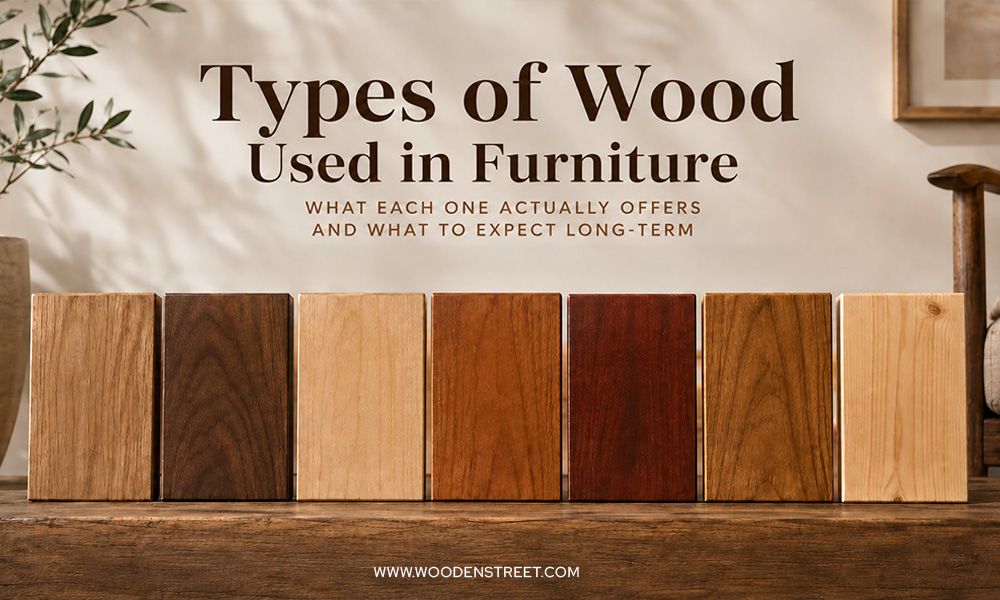
Understanding the types of wood for furniture can help you make a smarter investment. This guide compares popular furniture wood names, hardwood types for furniture, and other commonly used materials, explaining their appearance, durability, maintenance needs, and long-term performance so you know exactly what to expect before buying.
You're shopping for a dining table. One costs ₹18,000. Another costs ₹65,000. Both look almost identical in the photos. Both say "solid wood" in the product description.
So what exactly is the difference?
Usually, it's the wood itself. The species, the density, whether it's actually solid or engineered, and how it will hold up through five Indian summers, three monsoons, and daily family use.
Most furniture buying in India happens based on finish and price. The wood type gets maybe three seconds of attention - if that. And then two years later, the table edge starts chipping, the drawer swells shut in July, and you wonder what went wrong.
This guide is about not letting that happen. Different types of wood for furniture behave very differently over time. Here's what each one actually is, what it offers, and what to realistically expect.
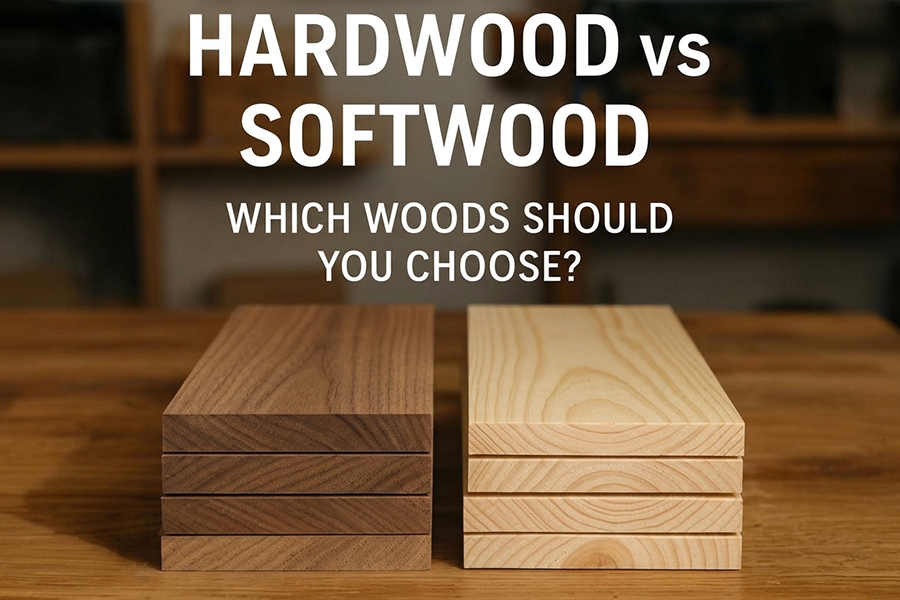
Before getting into specific hardwood types for furniture, this distinction matters.
Hardwood comes from slow-growing, deciduous trees - the kind that take decades to mature. Because they grow slowly, the wood cells are tightly packed and dense. That density is what makes hardwood durable, scratch-resistant, and capable of handling the kind of stress that daily-use furniture takes over years.
Softwood comes from fast-growing trees - mostly conifers like pine and cedar. They're lighter and more affordable, which makes them easy to work with and attractive on a budget. But that same fast growth means less density, which means less durability. They dent and scratch more easily, and they're generally not the right choice for furniture that sees hard daily use.
There's a common misconception that hardwood and softwood refer to how hard the material actually feels to the touch. Not quite true - it's a botanical classification based on the tree type and growth rate, not a direct measure of surface hardness. But in practice, for furniture purposes, hardwood is almost always the more durable and long-lasting choice.
Not every wood species shows up in Indian furniture markets. The ones that do have earned their place for specific reasons. Here's what each one actually delivers.
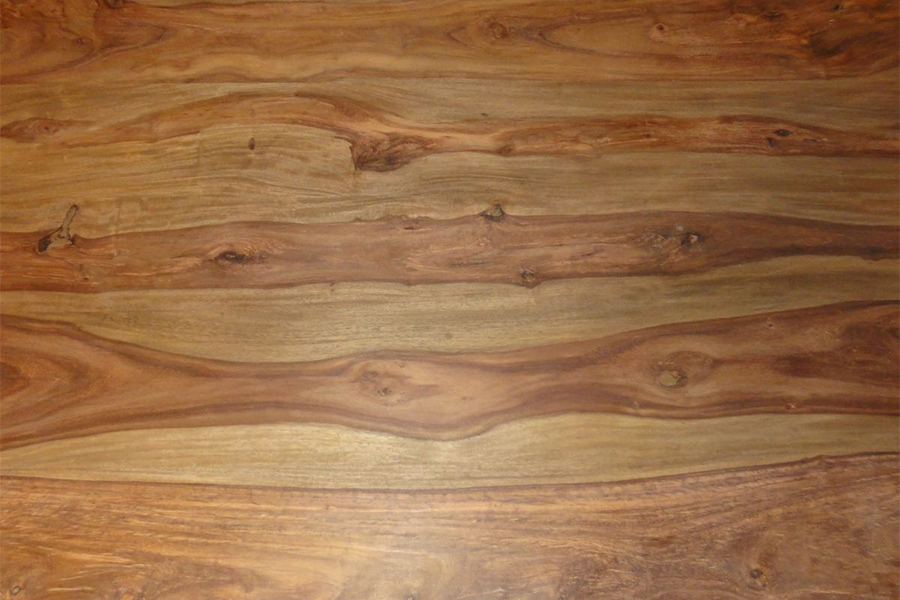
If you've bought solid wood furniture in India, there's a good chance it was sheesham - even if the shop called it rosewood, Indian rosewood, or just "solid wood" without specifying further. It's the most commonly used furniture wood in the country.
Sheesham is a genuine hardwood. Dense grain, naturally occurring oils in the wood itself, and a surface that resists moisture and insects without needing chemical treatment. That's not marketing - those oils are real, and they're why sheesham furniture left untreated still holds up in humid Indian conditions far better than most alternatives.
The colour starts as a warm golden-brown and deepens over time into a richer, darker tone. A sheesham table that looks good today will look even better in fifteen years if it's been maintained with occasional oiling. This is not something you can say about most furniture materials.
It's also widely available across India, which keeps prices reasonable relative to its quality. You're not paying a premium for rarity - you're paying for actual solid wood that lasts.
One honest note: sheesham does need occasional oiling to maintain those natural oils, especially in rooms with heavy air conditioning. A dry environment over years will eventually dull the surface. It's easy to fix - teak oil or danish oil once or twice a year - but it's a maintenance step worth knowing about before you buy.
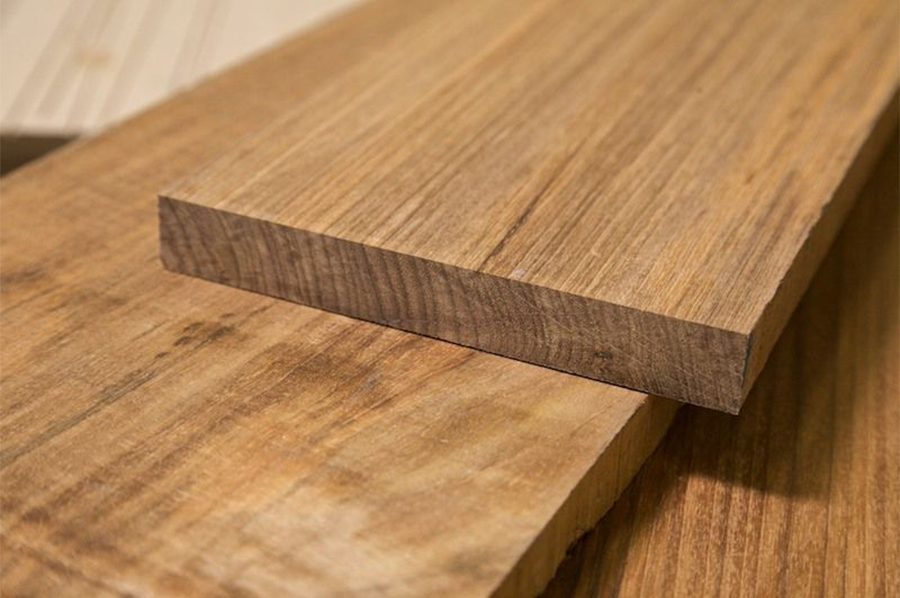
Teak is the benchmark. When furniture makers and interior designers talk about hardwood for furniture making, teak is the reference point everything else gets compared to.
The reason is simple: teak has the highest natural oil content of any furniture wood. That oil content makes it exceptionally resistant to water, humidity, insects, and weather - without any treatment needed. It's the only wood genuinely suited for outdoor Indian conditions - garden furniture, balcony seating, anything exposed to direct rain and sun.
Indoors, teak is essentially indestructible under normal household use. A good teak dining table bought today, maintained properly, is furniture you hand down to the next generation. That's not an exaggeration - there's teak furniture in Indian homes from the 1950s that's structurally sound and still beautiful.
The obvious catch is price. Teak is expensive. Significantly more expensive than sheesham, mango, or any engineered wood option. And demand has only made that gap wider over time as teak forests have been regulated and supply has tightened.
Here's the honest calculation: if you're buying furniture for a home you'll be in for a long time, teak's cost per year over its lifespan is often lower than replacing cheaper furniture every five to seven years. If you're furnishing a rental or need a short-term solution - teak is probably not where to spend the money.
Also a practical note: be careful with labelling. "Teak finish," "teak colour," and "teak wood" are three very different things in Indian furniture shops. The first two are just stain colours applied to cheaper wood. Always ask specifically whether the wood is plantation teak or old-growth teak, and ask to see an unfinished section if possible.
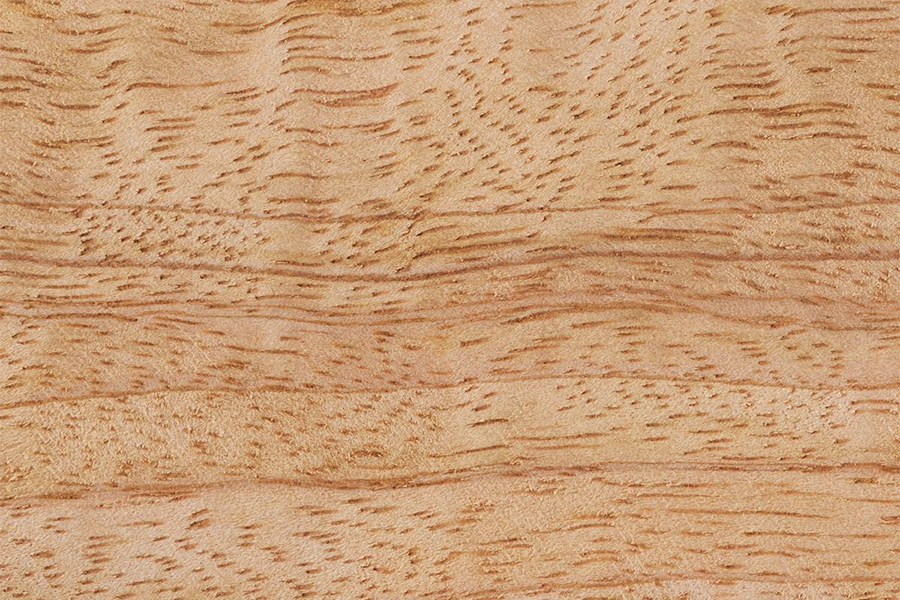
Mango wood has one origin story that makes it genuinely interesting from a sustainability angle. When mango orchards stop producing fruit at commercial volumes - typically after 25 to 30 years - the trees are harvested for timber. The wood that would otherwise be discarded or burned becomes furniture instead. Nothing is grown specifically for logging.
That sustainability angle is real, not just a marketing line.
The wood itself has attractive, highly varied grain patterns - streaks of brown, gold, and sometimes greenish tones depending on the specific tree. Because each tree is different, mango wood furniture has natural variation that solid blocks of teak or sheesham often don't. That character is part of its appeal.
It's slightly softer than sheesham. Not dramatically so, but enough that it's more prone to surface dents and scratches from heavy daily use. This makes mango wood excellent for bedroom furniture, side tables, display units, and occasional-use pieces - and slightly less ideal for dining tables or desks that take heavy, continuous use over years.
For the price point, mango wood is genuinely good quality. It's one of the better furniture wood names in the mid-range budget category, and it's widely available across India in both raw and finished form.
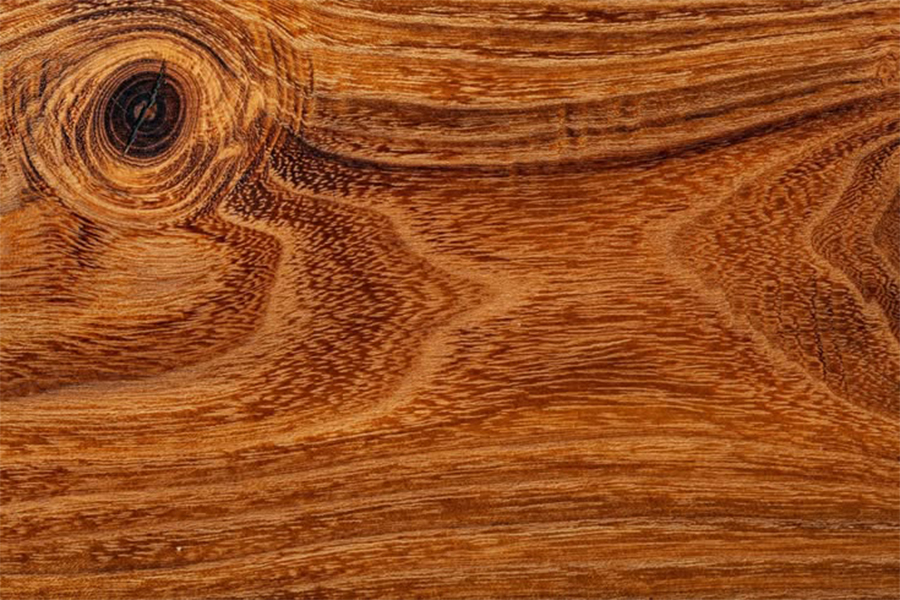
Acacia is one of the hardest and densest furniture woods available - harder than sheesham, harder than mango, and approaching teak in structural strength. If you need a piece of furniture that takes serious weight or heavy daily use without flinching, acacia is a serious option.
The visual character is part of its identity. Acacia grain is irregular and dramatic - swirling patterns, sharp contrast between heartwood and sapwood, sometimes dark streaks running through lighter wood. No two pieces look alike. If you want furniture with visible character and uniqueness built into the material itself, acacia delivers that naturally.
It's used less commonly in mass-market Indian furniture than sheesham or mango, which means it's worth specifically looking for if you want it. Dining tables, countertops, and heavy-use surfaces are where acacia really earns its place.
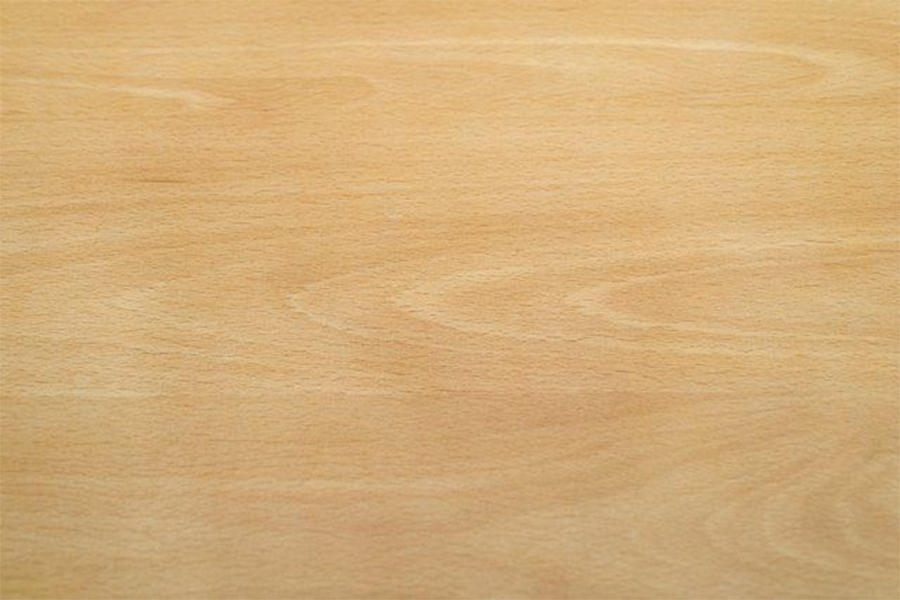
Rubber trees spend roughly 25 to 30 years producing latex. Once they're no longer economically productive for that purpose, the timber is harvested - again, similar to mango wood, this is an end-of-life harvest rather than dedicated logging.
Rubber wood is stable, which is the key technical quality that makes it useful for furniture. Stable means it doesn't expand and contract dramatically with humidity changes - it holds its shape well across seasons. It takes paint and stain evenly, which is why it's the wood behind most of the white-painted or uniformly coloured furniture you see in budget and mid-range retail.
It's softer than sheesham or teak, and it doesn't have the same natural oil content that resists moisture without treatment. Rubber wood furniture that's well-finished and kept dry holds up fine. Rubber wood furniture exposed to moisture or left with an inadequate surface finish starts deteriorating faster.
You'll find it most in budget bedroom sets, children's furniture, and flat-pack style pieces. It performs reasonably within that category. The honest summary: rubber wood is a legitimate, sustainable material - not a premium one.
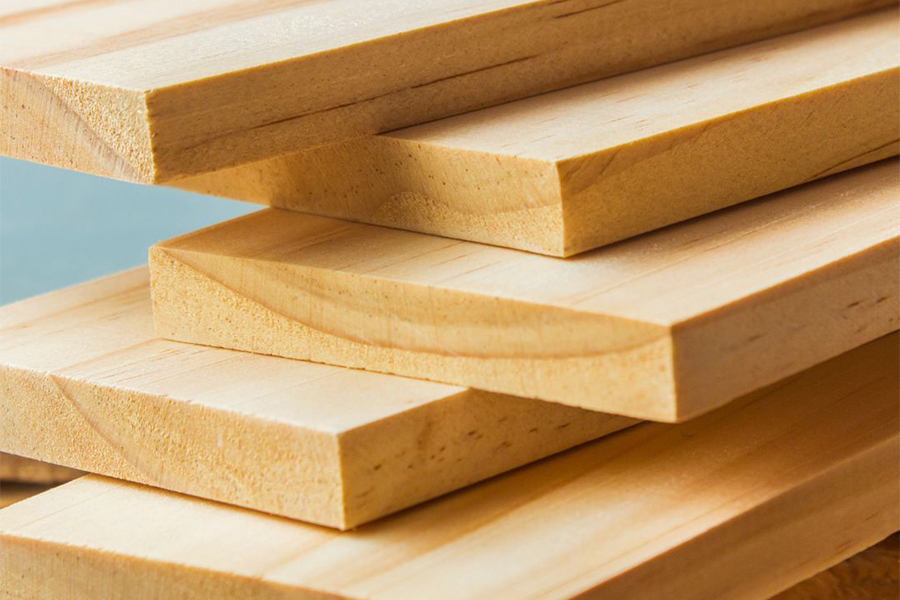
Pine is a softwood. Light in colour, light in weight, easy to work with, and noticeably more affordable than any hardwood on this list. It has a clean, almost Scandinavian-looking grain that suits certain interior styles very well.
The trade-off is durability. Pine is soft - it dents, scratches, and marks more easily than any hardwood type for furniture. A pine dining table in a home with children will show its history clearly and quickly. Scratches from everyday objects, pressure marks from writing, scuffs from chairs being dragged - pine records all of it.
That doesn't make it useless. Pine works well for decorative shelving, display units, furniture in low-traffic areas, and anywhere the lived-in, worn look is part of the aesthetic intent. What it's not suited for is heavy daily-use furniture - dining tables, study desks, or anything that gets hard use from multiple people over years.
In India's climate, pine also needs sealing and maintenance more than denser hardwoods, because its open grain absorbs moisture more readily.
Solid wood and engineered wood are not the same thing - and a lot of furniture marketing blurs this line deliberately. "Wood finish" and "wood frame" and "wooden furniture" can all legally refer to engineered wood products. Here's what each one actually is.
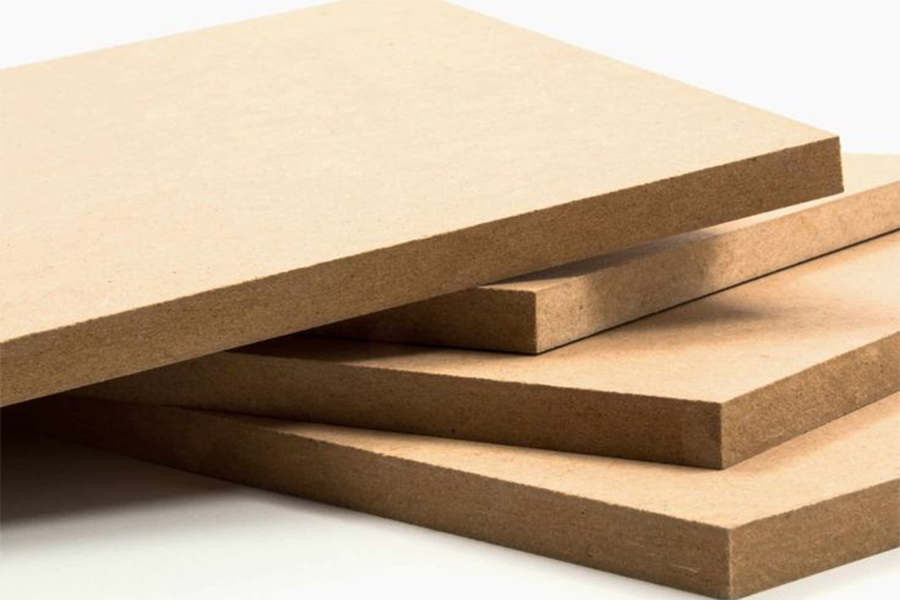
MDF is made by breaking wood down into individual fibres, mixing them with resin and wax, and compressing everything under high heat and pressure into flat boards. The result is extremely uniform and smooth - which is why MDF takes paint better than almost any other material. No grain, no knots, no texture variation. Perfect for painted cabinet doors and modular furniture where a flawless finish matters.
The serious limitation is moisture. MDF swells when it absorbs water - and unlike solid wood, which expands and then returns roughly to its original shape when it dries, MDF swells and stays swollen. The fibres, once separated by moisture, don't rebind the same way. This damage is permanent.
That rules out MDF for kitchens without very thorough sealing, bathrooms, outdoor use, and any room with persistent humidity. In India's monsoon season, rooms without adequate waterproofing can be enough to start the damage.
MDF is fine for dry, interior applications - TV units, bedroom wardrobes in air-conditioned rooms, painted furniture kept away from moisture. It's not fine for anywhere water or humidity is a real factor.
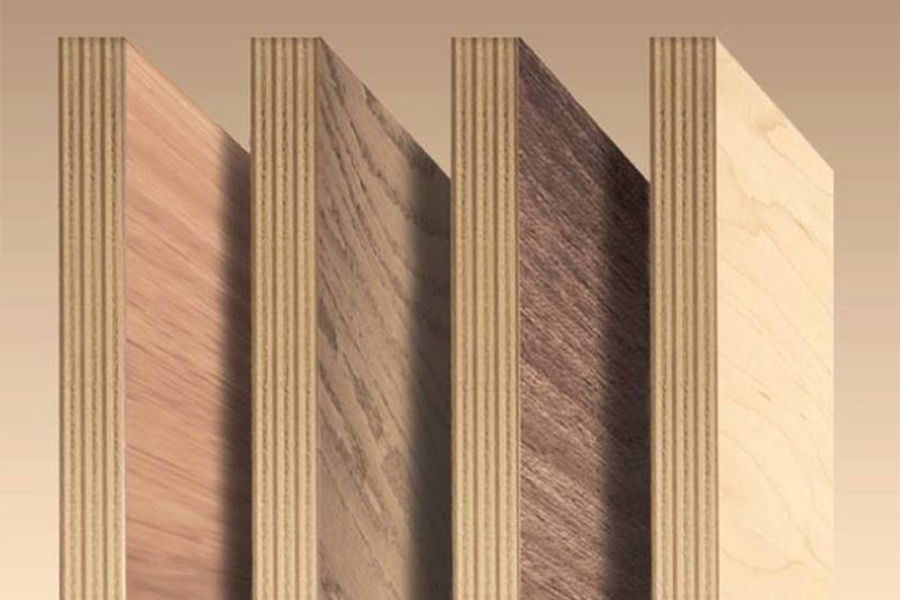
Plywood is layers of wood veneer - thin sheets peeled from logs - stacked and glued together with each layer's grain running perpendicular to the one above it. This cross-grain construction is what gives plywood its structural strength and resistance to warping.
It's genuinely stronger than MDF, more moisture resistant, and holds screws and fasteners far better. Plywood bends before it breaks, where MDF cracks. For furniture that needs to carry weight, handle stress, or live in environments with any humidity variation - plywood is the significantly better engineered wood choice.
Good quality plywood - BWR (Boiling Water Resistant) grade - can handle real moisture exposure. It's the standard for kitchen cabinets in India for exactly this reason. Marine-grade plywood goes further and is genuinely waterproof.
The surface is not as smooth as MDF out of the box, so painted finishes require more preparation. But for structural furniture - beds, wardrobes, kitchen cabinets, shelving - plywood is the engineered wood worth specifying.
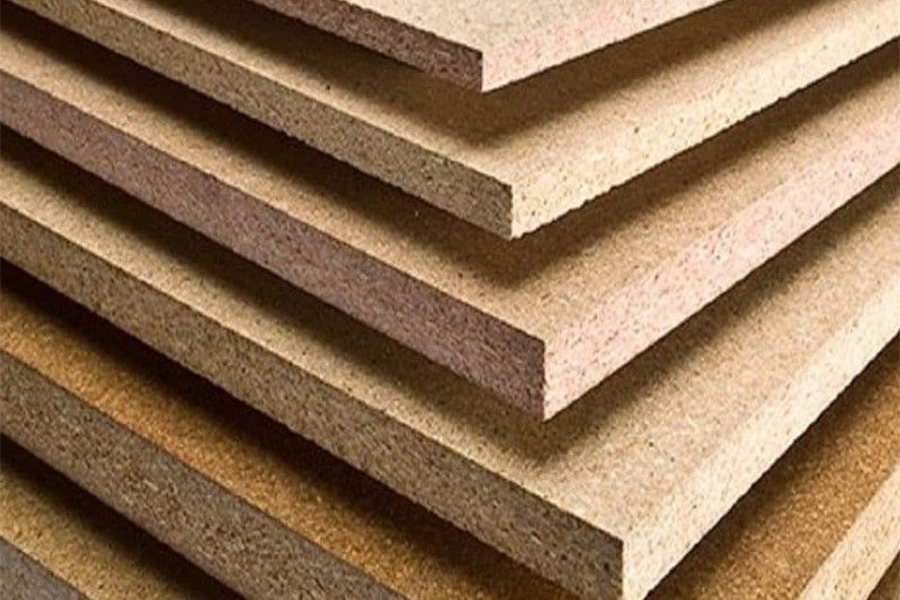
Particle board is the most basic engineered wood - wood chips and sawdust compressed with adhesive into boards. It's cheaper than both MDF and plywood, and it's weaker than both.
It doesn't hold screws well - the chips don't grip fasteners the way wood fibres do, so hinges and fittings can work themselves loose over time. It's heavier than it looks for its strength. And it absorbs moisture readily.
Particle board shows up most in budget flat-pack furniture - the kind with pre-drilled holes and dowel joints that you assemble yourself. For light storage, temporary use, or furniture that won't carry heavy loads - it functions adequately. For anything structural, long-term, or in a humid environment - it's the weakest choice across the board.
This matters more than most furniture guides acknowledge.
India puts furniture through a specific stress cycle that most other countries don't experience in the same way. Monsoon season brings high humidity - wood absorbs moisture from the air and expands. Air conditioning runs for months - the same wood dries out and contracts. This expansion-contraction cycle, repeated across seasons and years, is what separates furniture that lasts from furniture that fails.
Solid wood handles this cycle better than engineered wood because it moves as a single piece. When sheesham or teak expands in the monsoon, the whole piece expands together and then contracts together when it dries. It's predictable, manageable, and what solid wood is designed to do.
Engineered woods handle this cycle differently - and often worse. MDF swells and doesn't return. Plywood can delaminate at the glue lines over repeated cycles. Particle board deteriorates with each absorption-drying sequence.
This is why the wood type matters so specifically in India - not just for aesthetics or budget, but because the climate creates real stress that cheaper materials may not survive long-term.
The practical hierarchy for Indian conditions: teak at the top for durability and moisture resistance, sheesham as the best value solid wood, mango and rubber wood for mid-range performance, good-quality plywood for engineered applications, and MDF only in dry, controlled environments.
Here's the honest version of everything above, condensed.
If you're buying furniture you want to keep for ten-plus years, buy solid wood. Sheesham is the most practical choice for most budgets and handles Indian conditions well. Teak is better in every technical measure but costs significantly more. Mango wood is a solid mid-range option for rooms that don't take hard daily punishment.
If you're on a tighter budget or furnishing something temporary, plywood-based furniture is the engineered wood worth spending on. It holds up far better than MDF or particle board across the humidity cycles India puts furniture through every year.
Avoid MDF in kitchens, bathrooms, and any room without consistent climate control. It looks fine until it doesn't - and when it fails, it fails for good.
The main thing to remember: the finish is what you see in the showroom. The wood is what you live with for the next decade. Take thirty seconds to find out which one you're actually buying. That thirty seconds is worth more than any amount of time spent choosing between colour options.
We will be back with the next blog soon. Till then, stay tuned!
Image Source: Pinterest, Google, and Wooden Street
Read More - How to Remove Scratches from Wooden Furniture
A Sheesham for the best value in solid wood. Teak if budget allows - it's the most moisture and weather resistant option available.
A Teak has higher natural oil content and greater weather resistance. Sheesham is more affordable and nearly as durable for indoor use - excellent value.
A Yes, for mid-range furniture. It's sustainable, attractively grained, and durable enough for bedroom and occasional-use pieces. Not ideal for heavy daily-use surfaces.
A Plywood is stronger, holds screws better, and handles moisture far better than MDF. MDF gives a smoother painted finish but swells permanently when wet.
A Teak - its natural oil content resists moisture without treatment. Sheesham performs nearly as well indoors. Both significantly outlast any engineered wood in humidity.
Trending Products
Top Picks from EveryoneArticles you will love to read

Discover simple and effective ways to restore shine to your furniture using natural ingredients. This guide explains how to polish wood furniture at home while also introducing safe alternatives like natural door polish for long-lasting results without harsh chemicals.
Continue Reading
Give old furniture a fresh new look with this beginner-friendly guide to repaint wood furniture at home. Learn about paint for painting wood, wooden polish colour options, painting timber furniture techniques, and expert tips for painting furniture with chalk paint to achieve stylish, durable, and professional-looking results.
Continue Reading
New furniture can leave behind strong chemical or polish odors that affect indoor comfort. This guide explains how to get rid of new furniture smell quickly using ventilation, natural odor absorbers, cleaning techniques, and practical home remedies to keep your interiors fresh, comfortable, and healthier for everyday living.
Continue Reading
A complete guide to every type of chest of drawers, from tallboy and gentleman's chest to media chest and cane front designs, with practical advice on choosing the right one for Indian bedrooms of any size.
Continue Reading
Not all wardrobes are created equal. This guide breaks down the most popular types of wardrobes, compares wardrobe material types, and explains door mechanisms, storage configurations, and space-planning considerations. Learn the pros, cons, and hidden factors buyers often overlook before investing in a wardrobe for their home
Continue Reading