





Choosing the right bed involves more than just size. This guide explores all types of beds, including storage, platform, canopy, bunk, and upholstered designs. Learn about different types of beds, varieties of bed styles, and the names of beds that best suit your room layout, lifestyle, and storage needs.
You walk into a furniture store. There are 30 beds lined up. They all look beautiful. So you pick the one with the headboard you like the most - and three months later, you realise the mattress has to come off every time you want to reach something stored underneath. Or the drawers hit the wall. Or the whole thing wobbles because the wood is not solid at all.
Sound familiar? You are not alone. Most people go through this. And the reason is simple - we focus on how the bed looks, not on how it works.
This blog covers all kinds of beds - every major type - and breaks down exactly which one fits your room, your storage situation, and your daily life. No fluff, no confusing terms. Just straight talk.
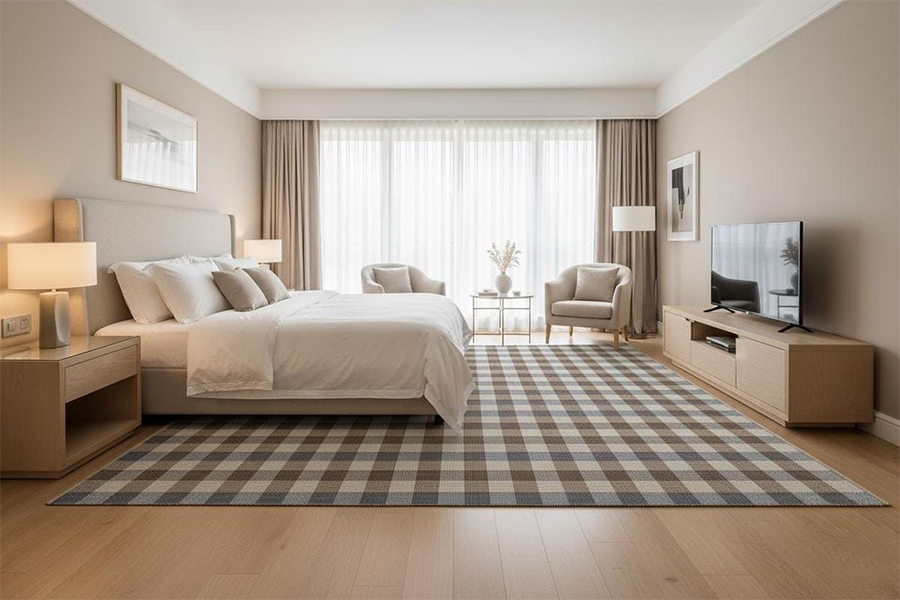
Here is a truth that most furniture sellers will never tell you: the design of a bed is the last thing you should be choosing. The headboard, the colour, the fabric - all of that comes after.
What actually matters first? Three things:
Most people who end up unhappy with their bed made the same mistake - they bought varieties of bed based purely on aesthetics. The headboard looked stunning in the showroom. But at home, it blocked the window, the drawers did not open fully, or the mechanism broke in eight months.
Know the type first. Then pick the design. That order saves a lot of regret.
Let us go through all types of beds one by one - what each one actually does, who it is for, and what to watch out for before you buy.
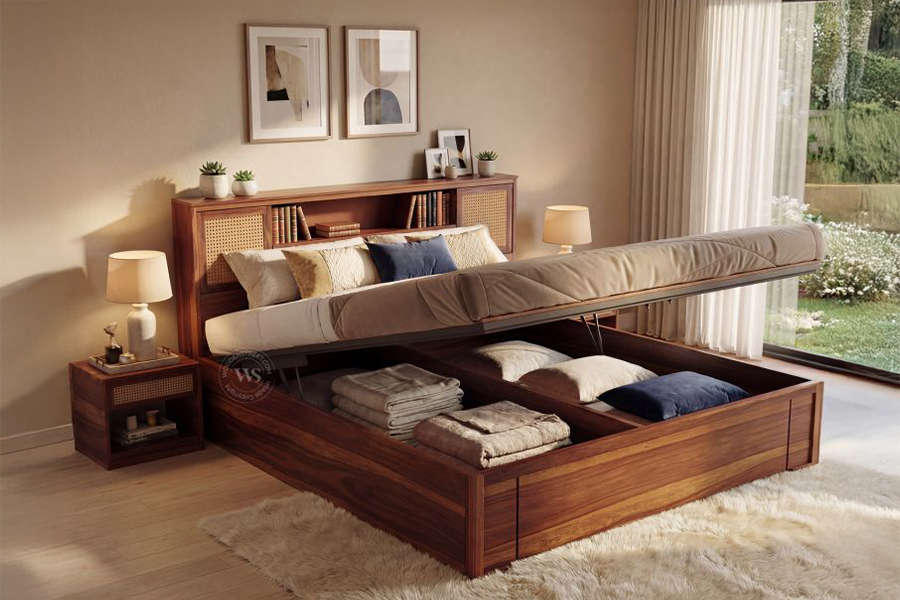
If you live in a city apartment and storage is a genuine problem, this is probably the most practical bed you can buy. The entire area under the mattress - all of it - opens up via gas pistons on the sides. You lift the mattress up and the whole cavity is yours.
We are talking about serious storage. Seasonal clothes, extra bedding, suitcases, things you do not need every day but cannot throw away - all of it fits under there.
Watch Out: This is not a daily-access setup. You cannot quickly grab socks from under a hydraulic bed. Every time you open it, the mattress goes up. So think of it as deep storage, not everyday storage.
Quick Tip: Before you buy, ask the seller the piston rating in kilograms and the warranty on the mechanism. Cheap pistons fail within 10 to 14 months. A good quality hydraulic bed should have pistons rated for at least 200 kg and a minimum 2-year mechanism warranty.
Among all the different types of beds available today, the hydraulic storage bed gives you the highest storage volume per square foot - which is exactly why it is so popular in Indian homes where every inch counts.
This one is for everyday storage. Drawers on the side - sometimes two, sometimes four - that you can open any time without touching the mattress. Clothes, books, chargers, medicines - things you reach for regularly.
The trade-off is total volume. Drawers cannot match the full cavity of a hydraulic bed. But they are far more convenient for day-to-day use.
Watch Out: Always check if the drawers open on the side you actually have space. Many buyers get the bed home and realise the drawers bang into the wardrobe or the wall. Measure your clearance before ordering.
If you are someone who hates lifting and rearranging things just to find what you need, the drawer bed is the smarter daily-use choice among all varieties of bed available in the market.
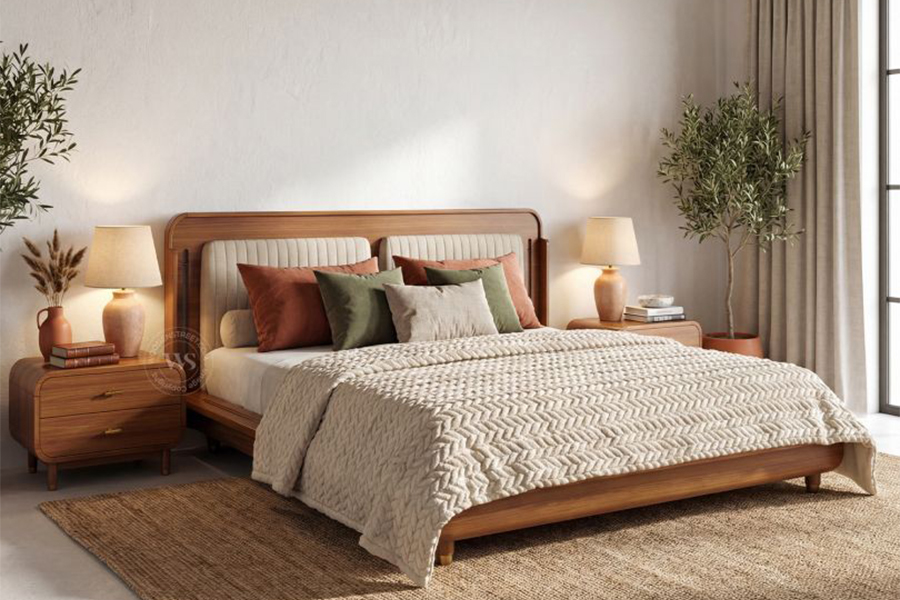
No storage. No frills. Low to the ground, clean lines, and a very modern look. That is the platform bed.
People love how it makes a room feel - open, minimal, like something out of a design magazine. And honestly, if your wardrobe is doing all the heavy lifting on storage, a platform bed is a perfectly valid choice.
Watch Out: But if storage is already tight in your room, do not choose this just because it looks good. You will regret giving up that under-bed space. Among the names of beds people regret buying, the platform bed in a storage-starved room tops the list.
Quick Tip: Platform beds work beautifully in rooms that have been designed with enough built-in storage elsewhere - floor-to-ceiling wardrobes, under-stair storage, that kind of setup.

This is the one with the padded headboard - fabric or leatherette, sometimes tufted, sometimes plain. And before you dismiss it as purely decorative, there is a real functional reason people buy it.
If you read in bed, work on a laptop in bed, or just sit up and watch something before sleeping, a padded headboard actually makes a big difference. Leaning against a hard wooden or metal headboard for an hour is genuinely uncomfortable. The upholstered headboard solves that.
Watch Out: Two real problems to know about. Leatherette (synthetic leather) tends to crack and peel in dry, air-conditioned rooms - especially in cities where AC runs for months straight. Fabric headboards collect dust and need regular cleaning. If you have allergies, this matters. Choose fabric that can be spot-cleaned or is removable.
Among the different types of beds, this one has the most visual impact in a bedroom. If the look of the room matters to you, an upholstered bed delivers that instantly.
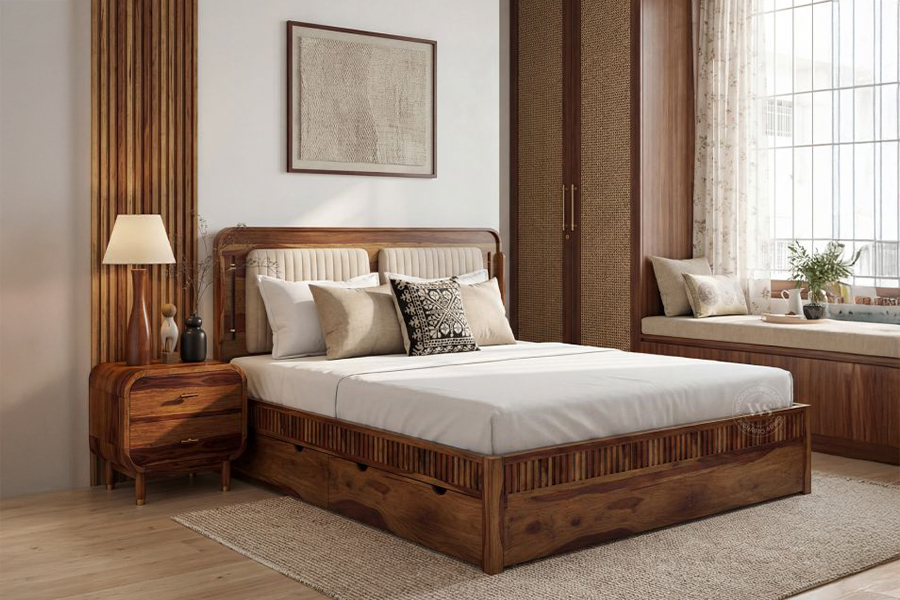
Here is the honest truth about solid wood beds: they cost more upfront, and they are worth every rupee.
Sheesham wood. Teak. Mango wood. These are not just materials - they are decades of use. A well-made solid wood bed will outlast three or four mattresses. It will not wobble after two years. It will not have joints that loosen or panels that crack. You buy it once and stop thinking about it.
Quick Tip: When shopping for a solid wood bed, ask the seller specifically which wood it is made from. 'Wooden bed' can mean anything - including MDF with a thin wood veneer that looks solid but is not. Solid sheesham or teak should have visible grain, real weight, and no laminate surface.
Out of all kinds of beds on the market, the solid wood bed has the best long-term value. The investment genuinely compounds over time - lower maintenance, no replacement cost for years, and it actually ages well if maintained.
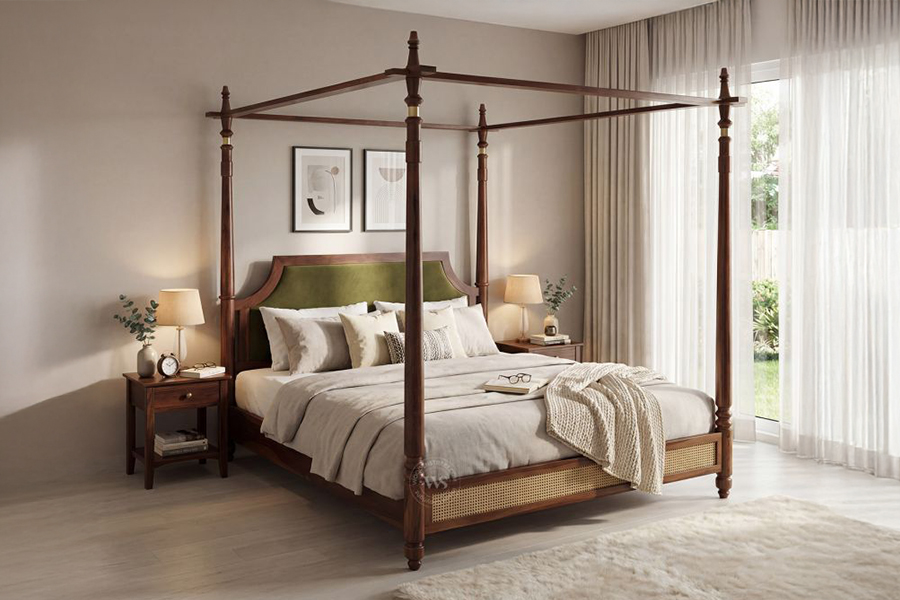
Four tall posts, often with a frame across the top. This is the bed that makes a room feel like a hotel suite - or a historical manor, depending on the design.
But here is the thing almost no one tells you before you buy one: four-poster beds need room to breathe. Vertically.
Watch Out: In a room with a standard 8-foot ceiling, a four-poster bed looks cramped and almost claustrophobic. The proportions are all wrong. These beds are designed for rooms with at least 9-foot ceilings - ideally higher. If your room does not have that height, this is not the right bed for the space, no matter how much you love the look.
Quick Tip: The canopy frame is not just decorative. It is genuinely functional - you can hang mosquito nets from it, drape fabric for a more enclosed sleeping feel, or add fairy lights. In Indian homes especially, the mosquito net functionality makes it practical, not just pretty.
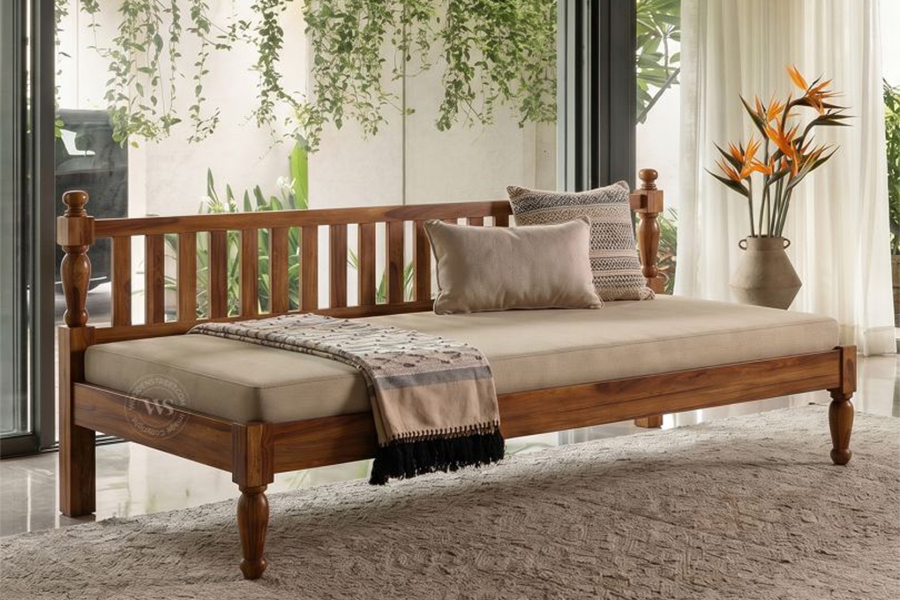
The diwan is the most versatile piece of furniture on this list. During the day, it sits against the wall and works as a sofa - guests can sit on it, you can lounge on it, it does not scream 'bedroom furniture.' At night, it is your bed.
This makes it the go-to option for studio apartments, guest rooms that double as study rooms, or any space that needs to do more than one job.
Watch Out: The single biggest mistake people make when buying a diwan is not checking the mattress depth it can accommodate. Many diwans have shallow frames that only work with a thin mattress, 4 to 5 inches. If you want a proper 6 or 8-inch mattress for real sleep comfort, the frame needs to support that. Check this before buying.
A diwan with the right mattress and good cushion backing can honestly be one of the most comfortable setups in the house - and among all names of beds, it is probably the most underrated.
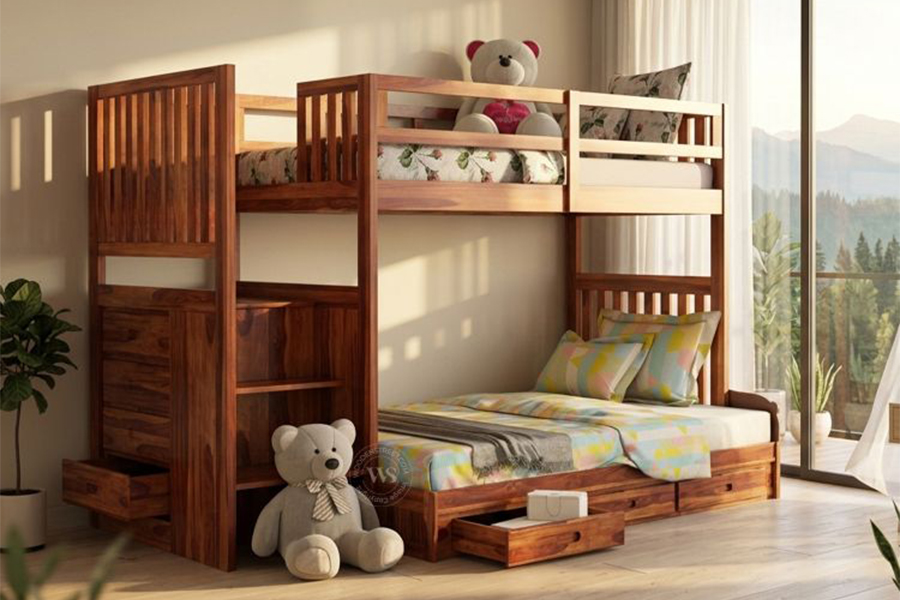
Two beds, one footprint. For siblings sharing a room, kids in a hostel, or any space where you need two sleeping spots without taking up double the floor area, bunk beds are the obvious answer.
But not all bunk beds are equally safe, and this is not a small thing.
Watch Out: Always, always verify the upper bunk weight rating before buying. Never assume. Many bunk beds sold at lower price points have upper bunks rated for 60 to 80 kg - which is fine for a young child but not for a teenager or an adult. Check the spec sheet.
Quick Tip: For children under 8, look specifically for staircase-style bunk beds over ladder-style ones. Stairs are significantly safer - easier to climb, harder to fall off, and less intimidating for younger kids at night. The extra floor space a staircase takes is well worth it for the safety benefit.
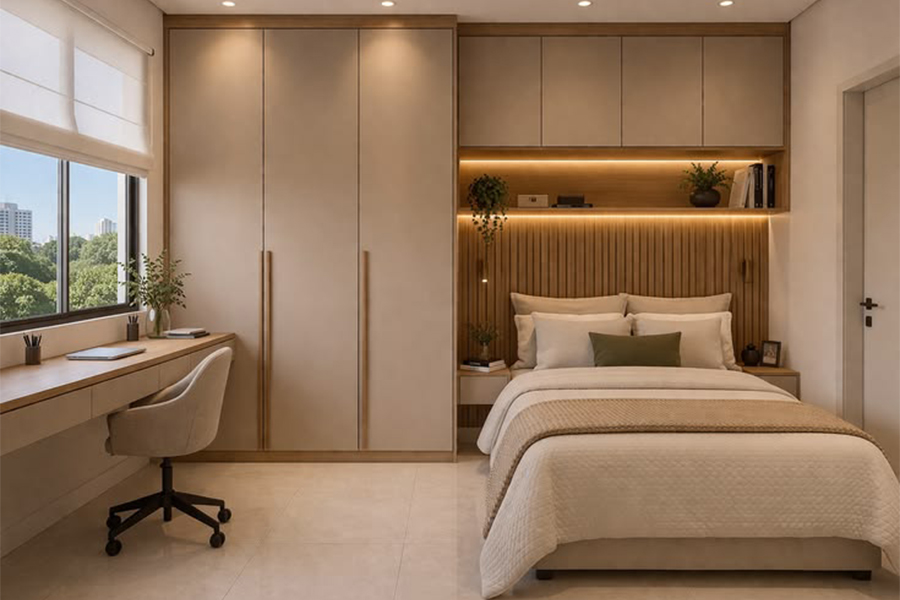
The Murphy bed folds up into the wall when not in use. Full floor space during the day, full bed at night. On paper, it sounds like the perfect solution for small spaces.
In practice, it is only truly useful in one specific situation: when it is integrated with built-in shelving, a desk, or a cabinet system around it.
Watch Out: A Murphy bed on its own, folding into a blank wall, does not actually solve a space problem - it just moves the obstacle. The real magic happens when the surrounding wall unit has a desk that folds out, shelves for storage, and the bed mechanism is part of a cohesive system. That is when you genuinely reclaim the room. If you are only putting in the bed without the surrounding setup, think carefully about whether it is worth the installation cost.
Among all types of beds, the Murphy bed requires the most planning upfront - but when done right, it transforms a room completely.
Stop overthinking it. Use this table. Match your situation to the right bed type.
| Situation | Best Bed Type |
| Small bedroom, need storage | Hydraulic Storage Bed |
| Daily access to stored items | Drawer Storage Bed |
| Guest bedroom or spare room | Diwan / Daybed |
| Kids sharing a room | Bunk Bed |
| Studio or one-room home | Murphy / Wall Bed |
| Just care about aesthetics | Platform or Upholstered Bed |
| Looking for a forever bed | Solid Wood Bed |
| Room with high ceilings (9ft+) | Four-Poster Bed |
If your situation is not on this table, ask yourself two questions: How much storage do I need? And how often do I need to access it? Those two answers will lead you straight to the right type.
Buying a bed is not complicated - but most people make it complicated by starting with the wrong question. They ask 'which one looks good?' when they should be asking 'which one actually works for my room?'
Go through the nine types. Match your situation to the decision table. Check the one thing that trips most buyers up - storage access, ceiling height, piston quality, mattress depth - whichever applies to your choice.
Get that right, and everything else - the design, the colour, the headboard style - is just the fun part at the end. We want to hear from you!
Which type of bed do you currently have - and would you buy the same one again? Or are you stuck between two options and cannot decide? Drop it in the comments below.
Image Source: Pinterest, Google, and Wooden Street
We will be back with the next blog soon. Till then, stay tuned!
A Hydraulic storage bed - maximum storage, zero extra floor space. If storage is sorted elsewhere, a platform bed works great too.
A Yes, absolutely - but buy quality. Cheap pistons fail fast. Check the mechanism warranty before you pay anything.
A Platform beds have zero storage - purely aesthetic. Storage beds use under-mattress space via drawers or a hydraulic lift.
A Solid wood - sheesham, teak, or mango. A good one outlasts three or four mattresses without any significant wear.
A A low, headboard-free bed that works as a sofa by day and a bed by night. Perfect for multipurpose rooms.
Trending Products
Top Picks from EveryoneArticles you will love to read
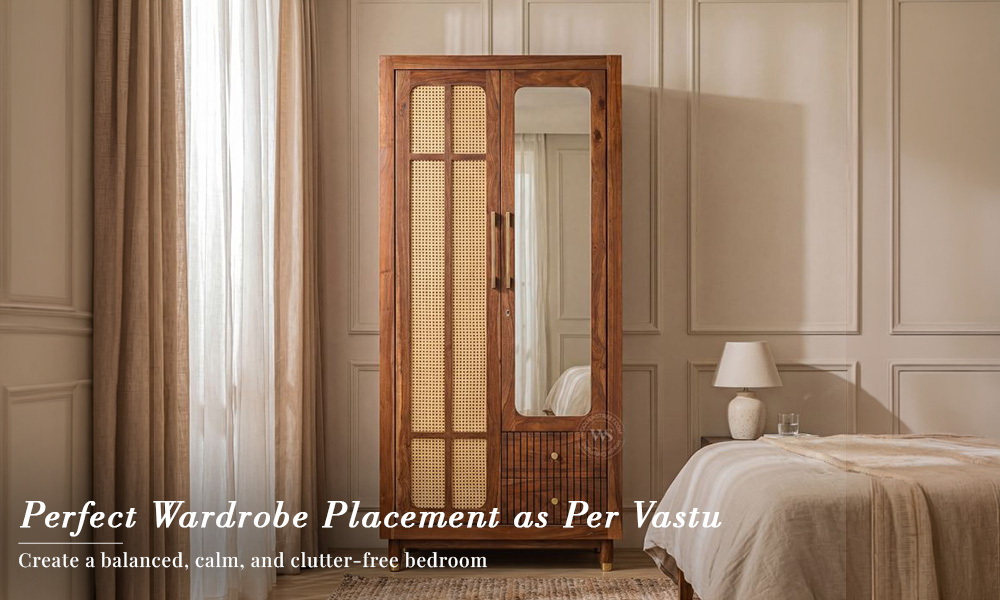
The placement of your almirah plays a bigger role in your bedroom than you might expect. According to Vastu, the right direction can make your space feel more balanced, organised, and comfortable. This blog walks through the best directions for wardrobe placement, common mistakes to avoid, and simple, practical tips you can apply, whether you’re setting up a new room or adjusting an existing one while understanding wardrobe direction as per vastu and overall bedroom vastu.
Continue Reading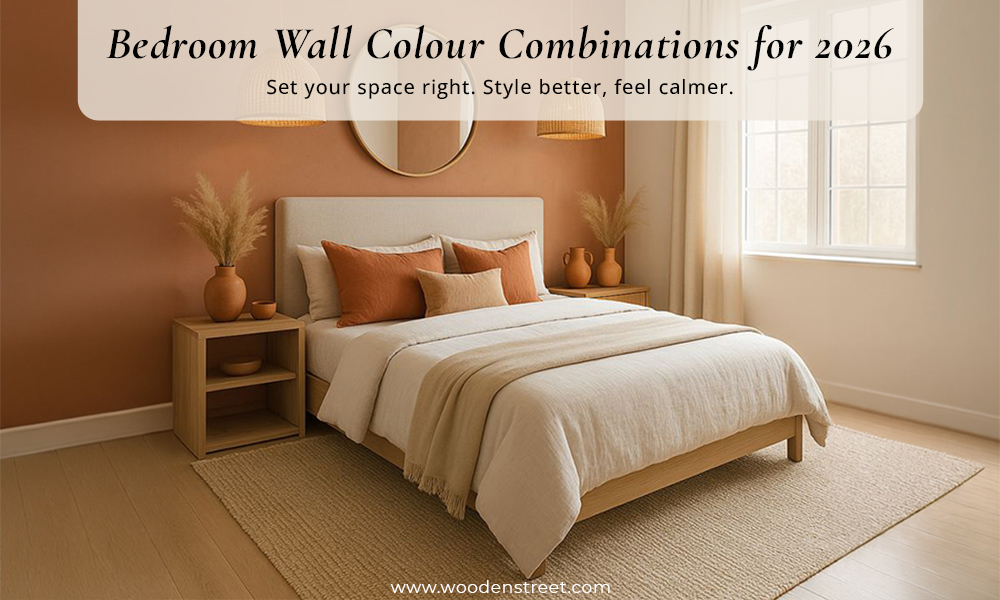
Discover the best bedroom wall colour combination ideas for 2026. From earthy olive to royal navy, learn how to match room colour with your furniture for a perfect home.
Continue Reading
Discover the best direction to sleep according to science and Vastu. Learn why south is ideal, why north should be avoided, and which side is best for sleeping
Continue Reading
If your air mattress no longer feels comfortable or practical, it may be time for an upgrade. This guide explores smarter alternatives to air beds, inflatable beds, bed inflatable mattress setups, and blow up mattresses that offer better support, durability, comfort, and long-term value for guests or everyday sleeping.
Continue Reading


