





Whether you're renovating or building a new home, the right window style can transform your interiors. This guide showcases 25+ inspiring ideas, including every modern box window design trend, to help you improve lighting, functionality, and aesthetics across living rooms, bedrooms, kitchens, and more.
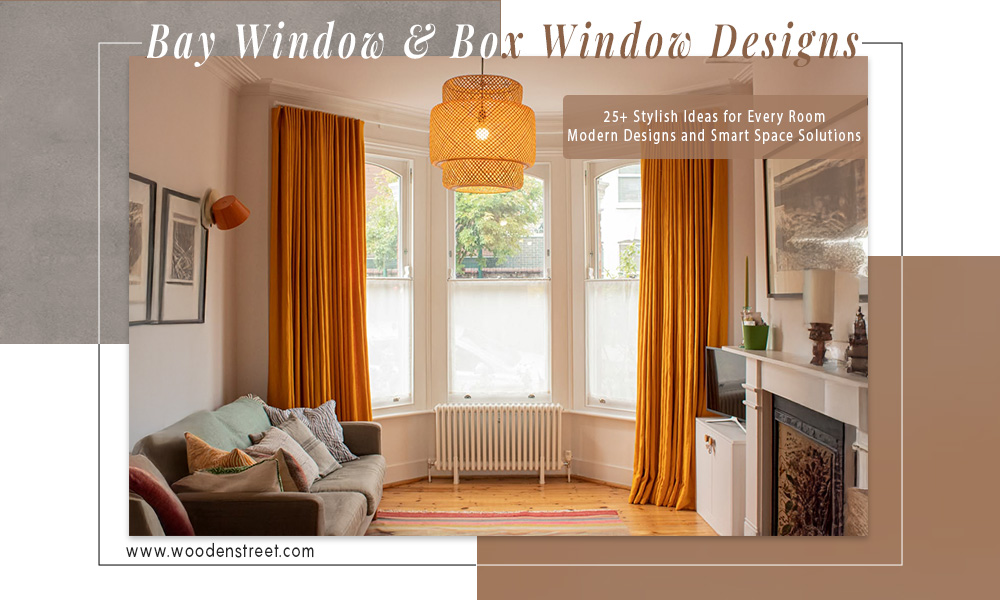
Walk into any home with a great window and you'll feel it before you even notice why. More light, more space, a corner that suddenly feels worth sitting in. That's the magic of a well-designed bay window design or box window. They're not just glass and frames. They're the difference between a flat, ordinary room and one that actually feels alive.
Whether you're building from scratch or planning a renovation, this guide covers it all, like about the differences, the styles, the materials, and the practical details that matter for Indian homes.
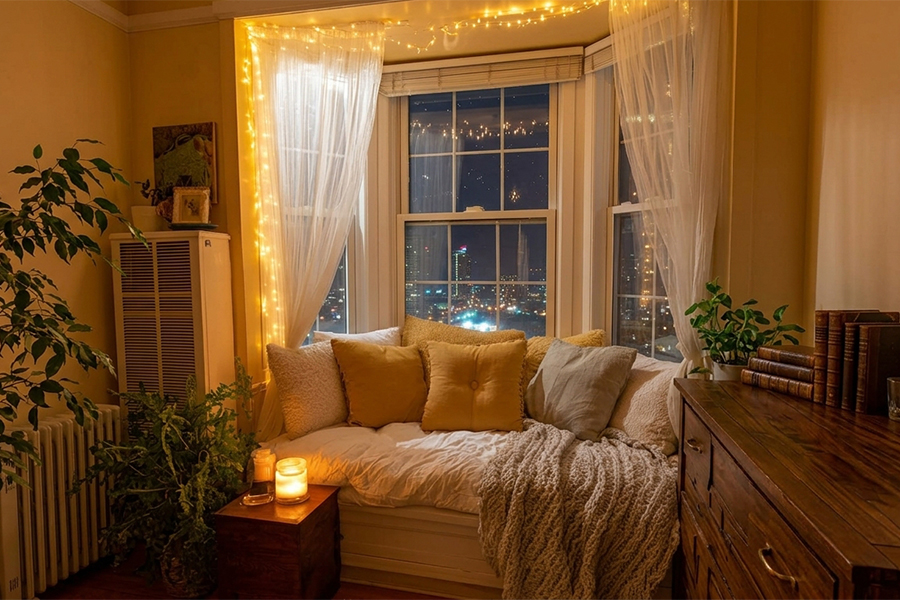
A bay window projects outward from the wall at an angle, typically made up of three or more panels joined together. This angled structure creates a wide, panoramic view and a cosy alcove inside, thus said to be perfect for a window seat, reading nook, or extra display space.
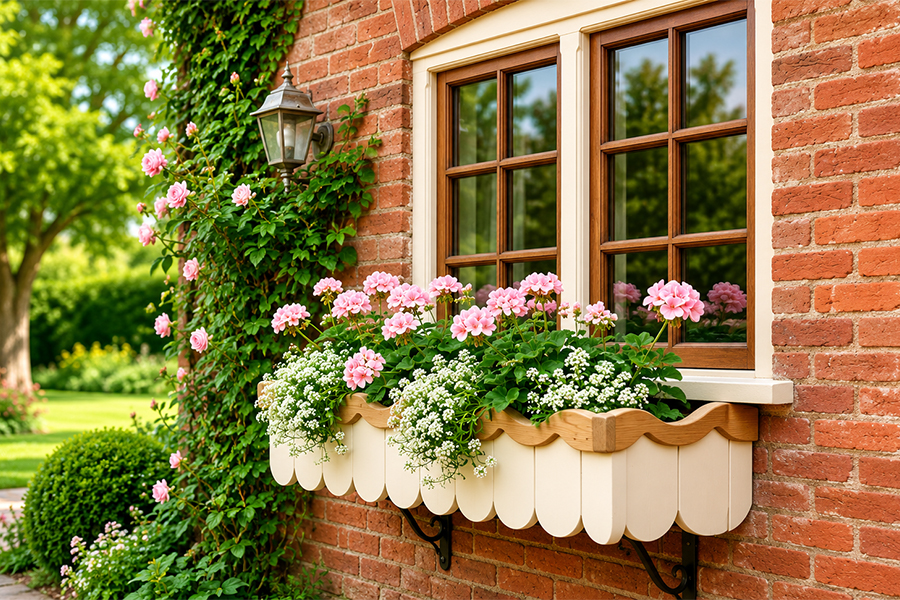
A box window, sometimes called a bow or projected window, extends straight outward in a square or rectangular shape rather than at an angle. It adds depth and extra interior space without the wide panoramic spread of a bay window, making it a more compact, modern choice.
Bay Window vs Box Window: Quick Comparison Table
|
Feature |
Bay Window |
Box Window |
|
Shape |
Angled, multi-panel |
Square or rectangular |
|
Projection |
Projects outward at an angle |
Projects straight out |
|
Natural light |
Excellent, wide-angle |
Good, more focused |
|
Best for |
Living rooms, large bedrooms |
Kitchens, small rooms, study |
|
Cost |
Higher (more glass, framing) |
More affordable |
|
Style |
Traditional, classic, ornate |
Modern, minimalist, compact |
If you want a dramatic focal point with sweeping views and extra seating space, go with a bay window. If you prefer a cleaner, more compact addition that suits smaller rooms or modern architecture, a box window design works better. Budget, room size, and the style of your home should guide the final call.
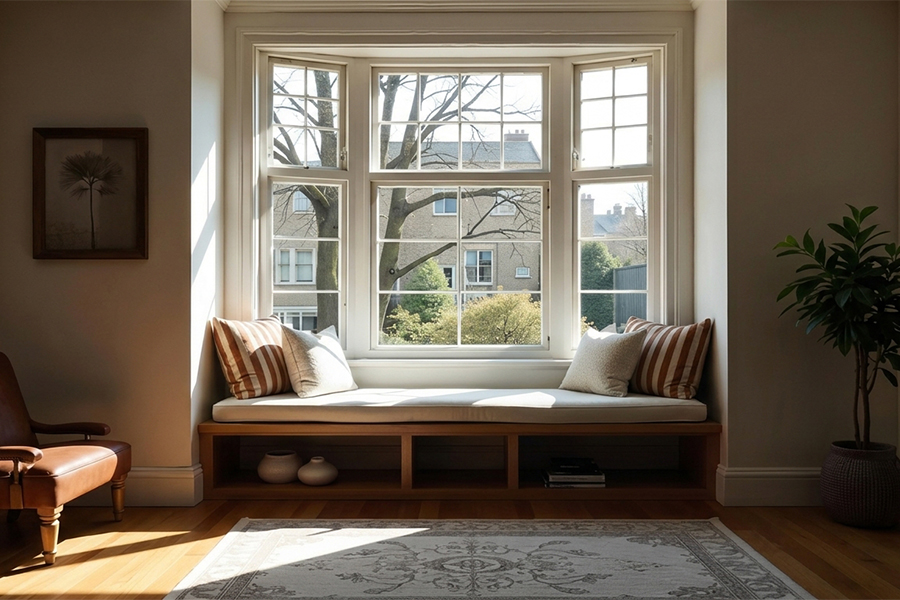
A classic bay window paired with a built-in bench seat and cushions creates an instantly cosy reading corner, which is timeless, comfortable, and always in style.
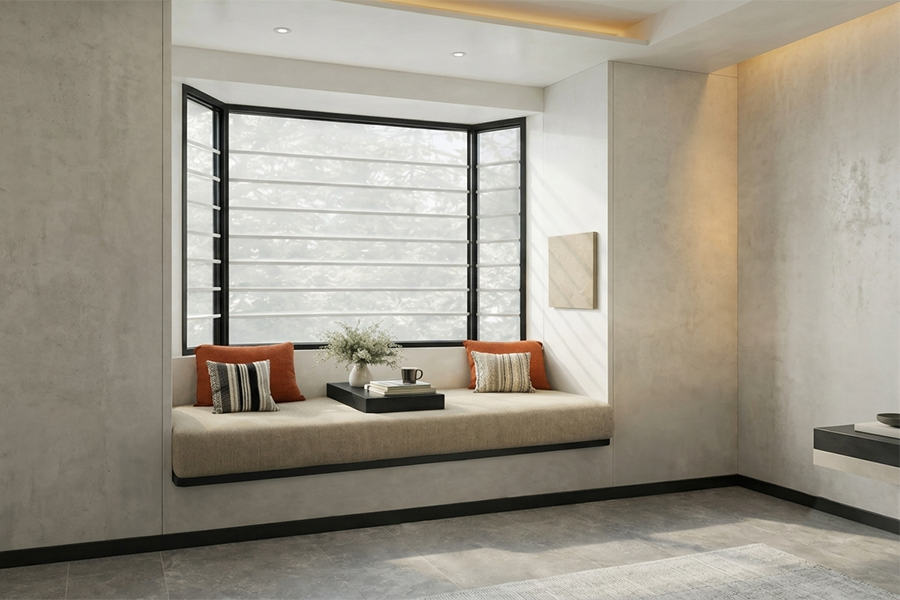
Clean lines, slim aluminium frames, and large uninterrupted glass panels give bay windows a sleek, contemporary look that suits minimalist interiors perfectly.
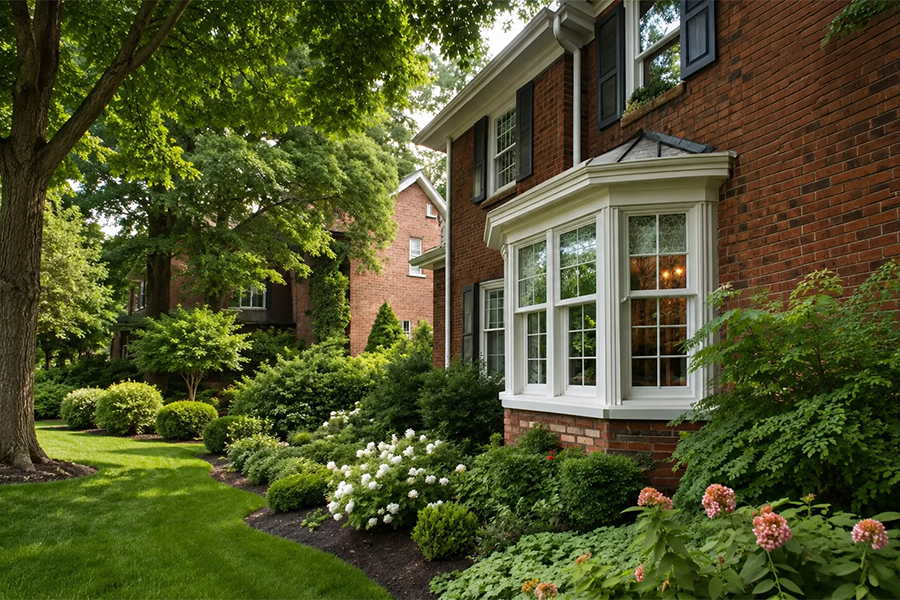
Ornate trims, decorative mouldings, and multi-pane glass details bring old-world charm. They are considered as an ideal addition for heritage-style homes or anyone wanting a touch of grandeur.
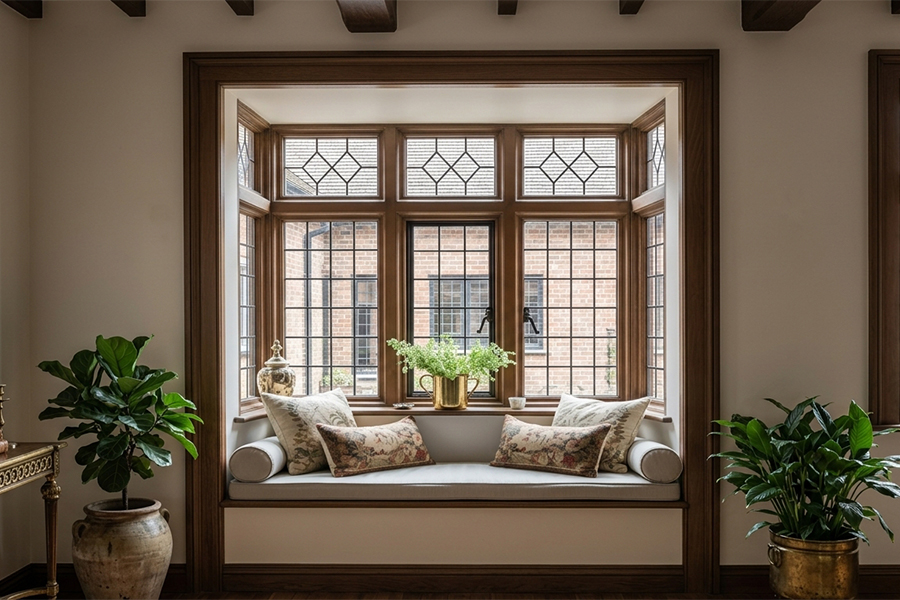
Natural wood frames with visible grain texture add warmth and character, especially when paired with earthy interiors and exposed wood furniture.
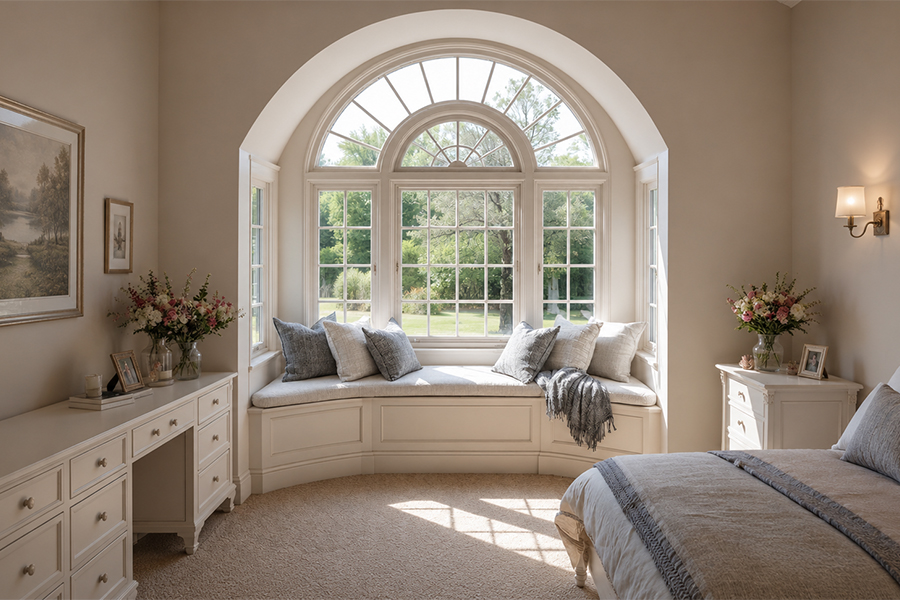
Instead of sharp angles, curved bay windows use rounded glass panels for a smoother, softer architectural statement that feels especially elegant from the outside.
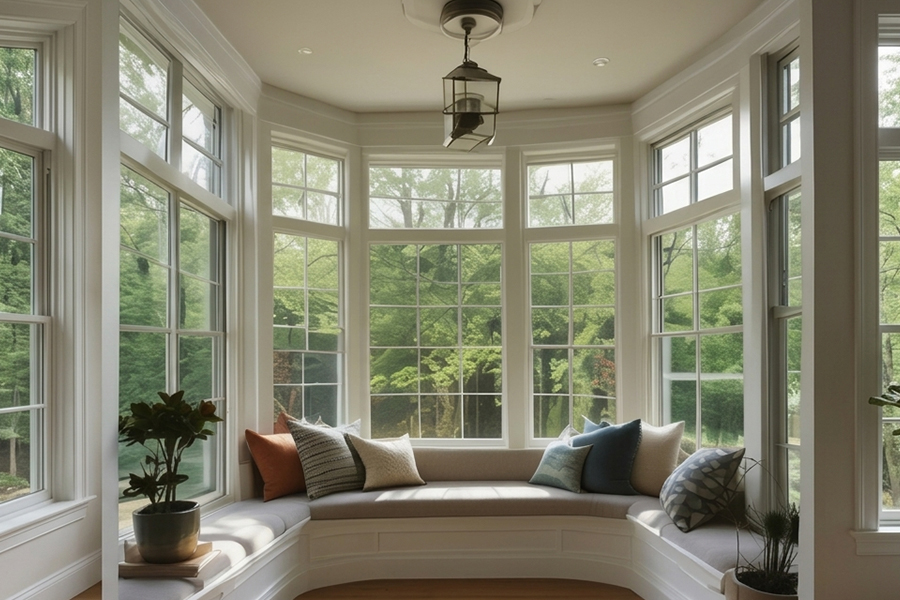
Designed with extra-wide glass panels, panoramic bay windows maximise the view and flood the room with natural light, therefore becoming perfect for homes with a scenic outlook.
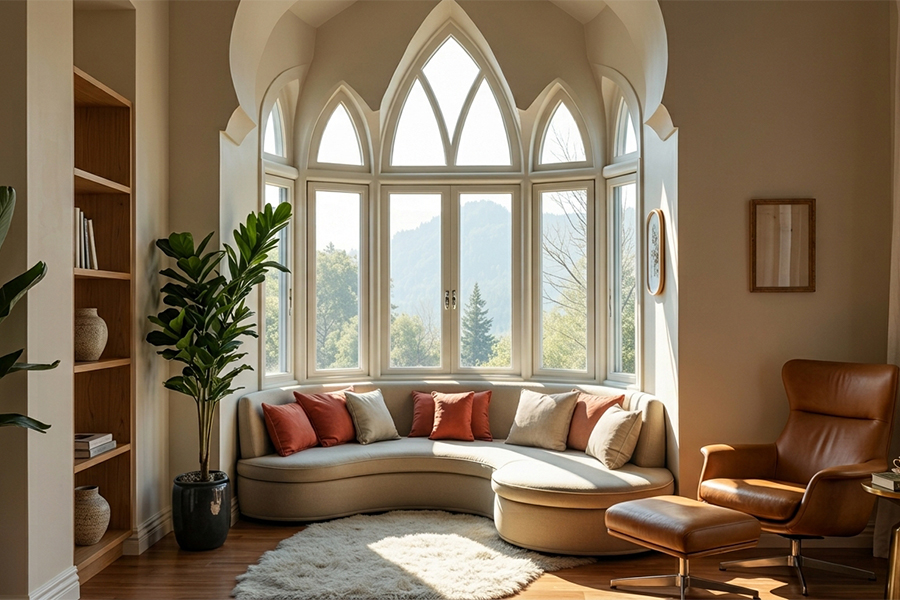
Sharp angular shapes and bold structural lines make geometric bay windows a striking architectural feature, especially suited to contemporary or industrial-style homes.
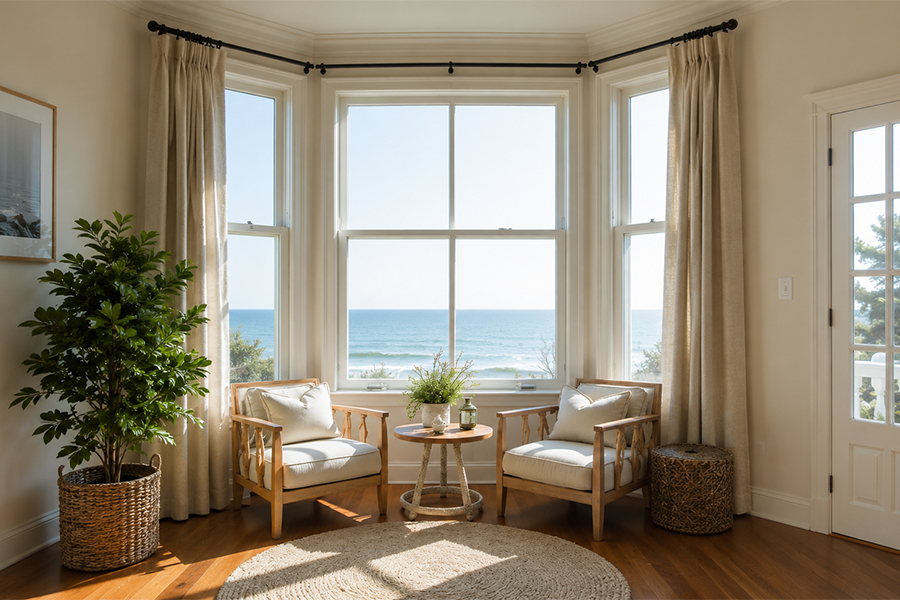
Light wood tones, white or pastel frames, and breezy sheer curtains give bay windows a relaxed, beach-house feel that works beautifully in sunlit rooms.
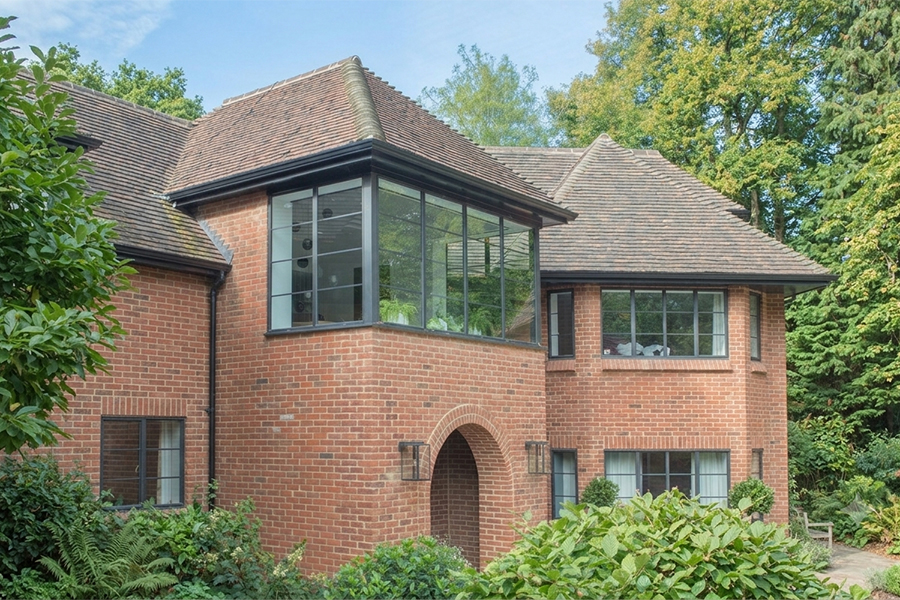
Dark metal frames combined with expansive glass panels bring a raw, urban edge, which as a result, is ideal for loft-style interiors or homes with exposed brick walls.
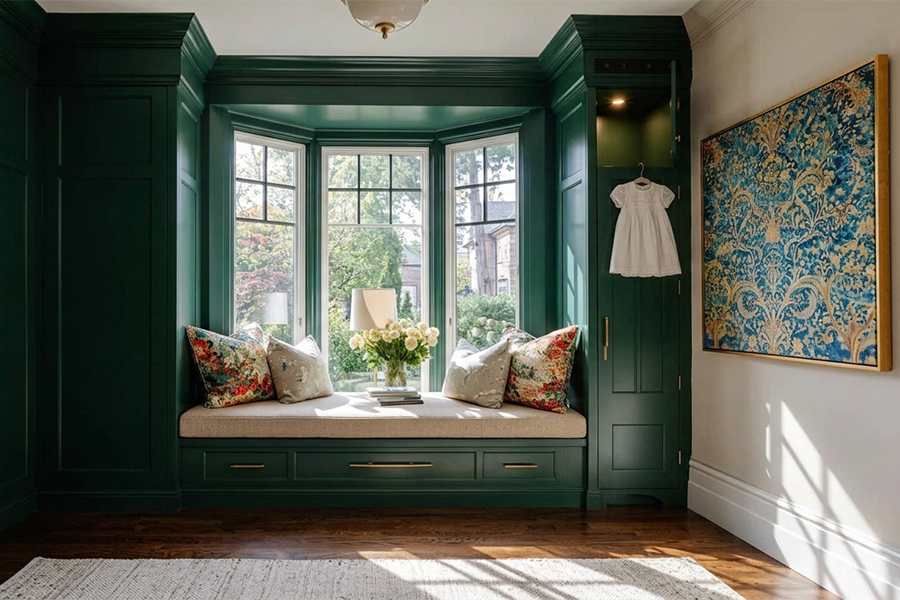
Mixing materials, colours, and textures, such as wood trim with metal accents, creates a personalised, characterful bay window that doesn't follow one fixed style.
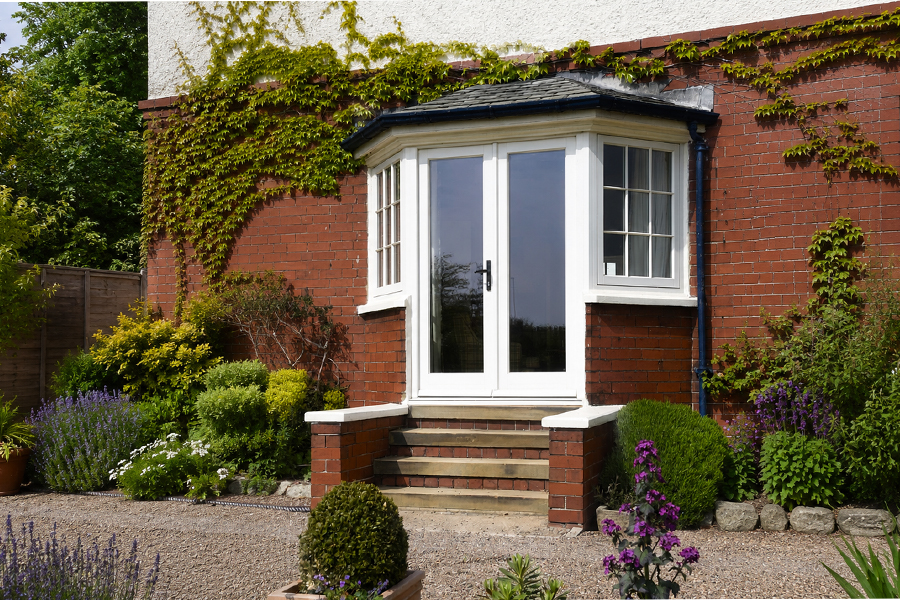
Pairing a bay window with adjoining French doors creates a seamless connection between indoor and outdoor spaces, ideal for ground-floor rooms opening onto a garden.
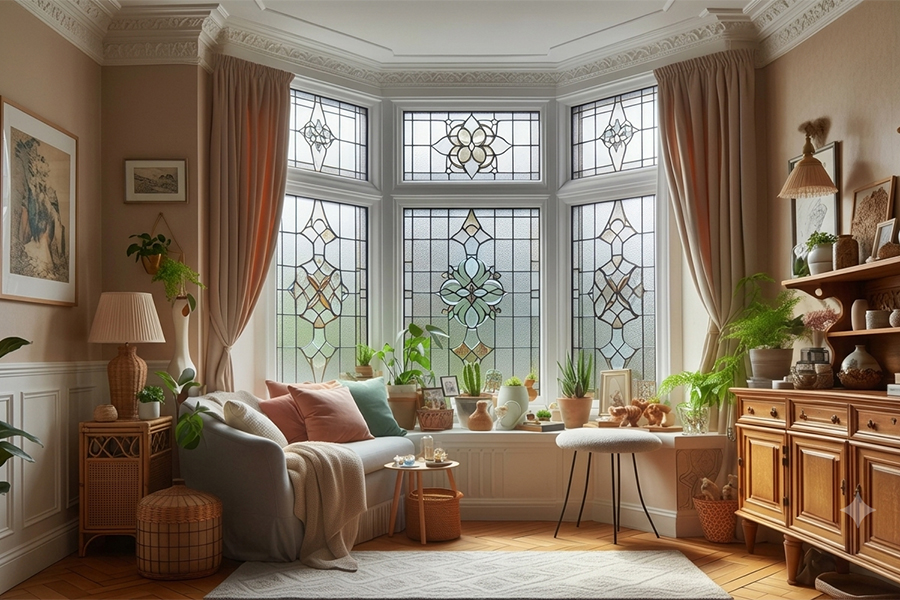
Coloured glass panels within a bay window structure add a vibrant, artistic touch, casting beautiful patterns of light across the room throughout the day.
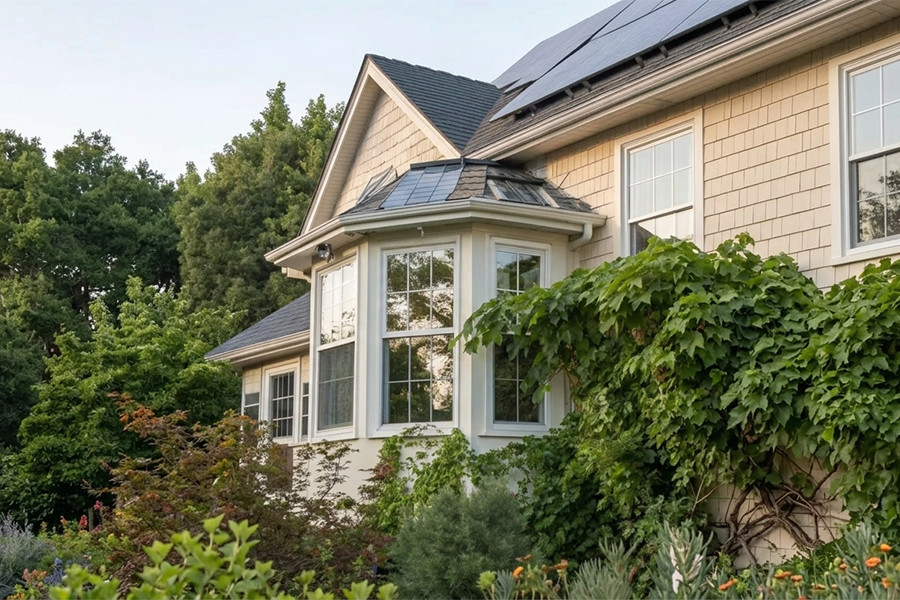
Detailed trim work and custom mouldings around the window frame elevate the overall look, adding a refined, tailored finish to the architectural feature.
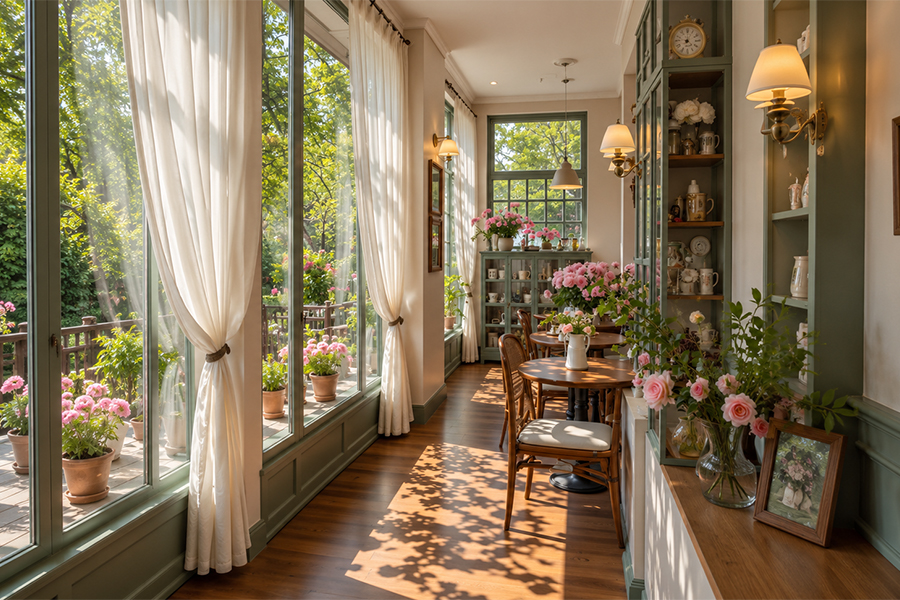
Minimal framing, sheer curtains, and uninterrupted glass create a light, breezy feel. Hence, ideal for sunrooms or rooms where natural ventilation is a priority.
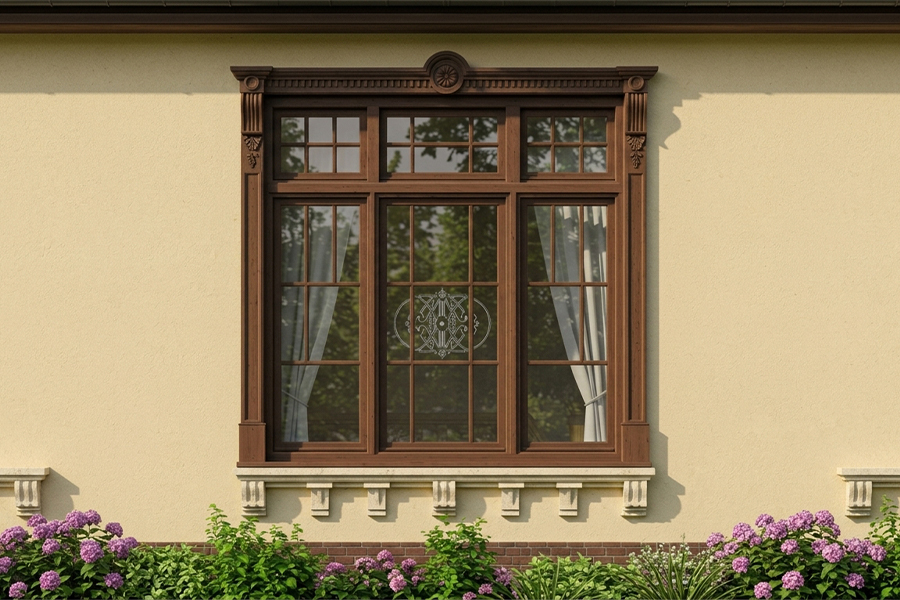
A straightforward square or rectangular projection with a clean frame, which is simple, functional, as well as a timeless choice for traditional Indian homes.
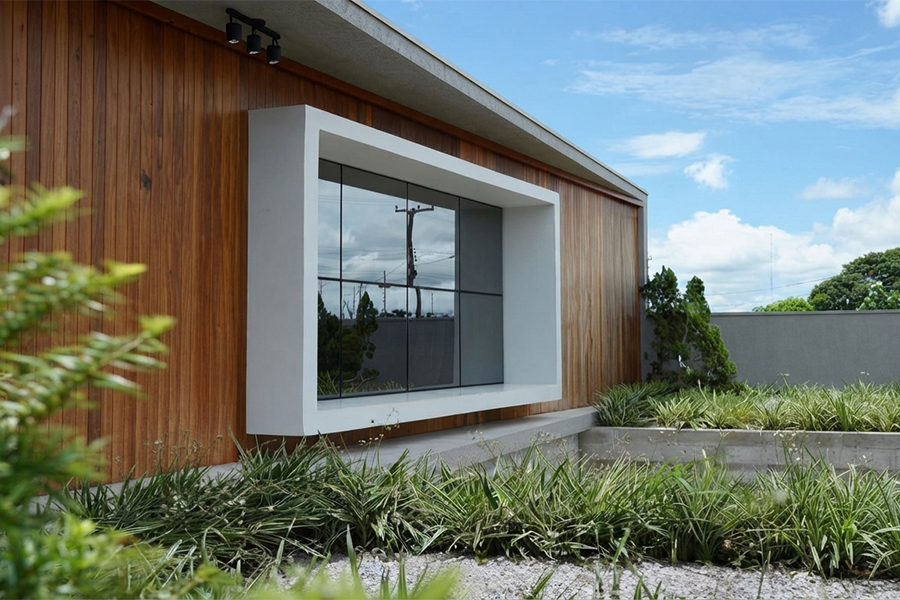
Slim aluminium sliding frames with large glass panels give box windows a contemporary, unobstructed look that suits modern apartment interiors well.
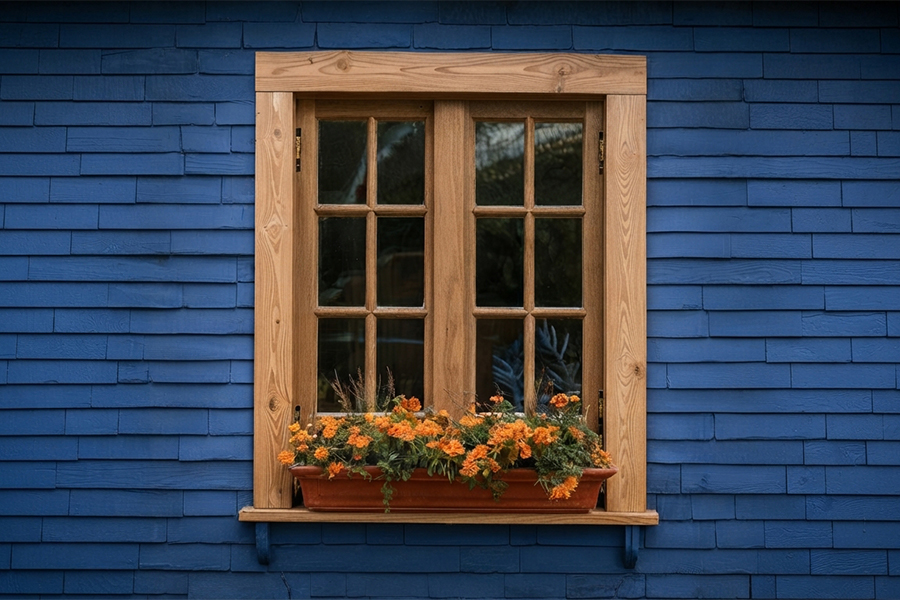
Natural wood framing brings warmth and texture to a box window design for home interiors with a cosy, traditional aesthetic, especially when paired with protective coatings for humidity resistance.
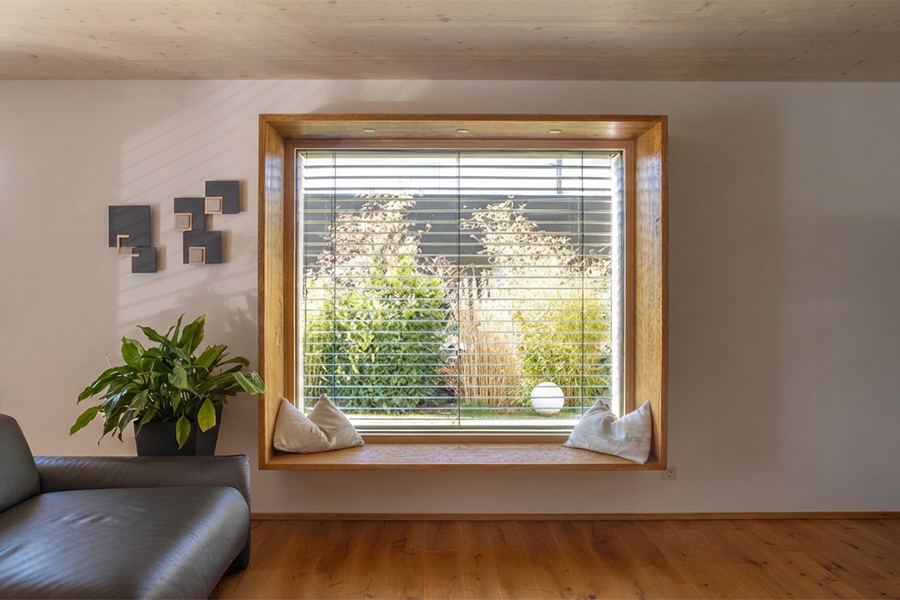
Combining safety grills directly into the frame design keeps the window secure without compromising on style. A practical choice for ground-floor rooms.
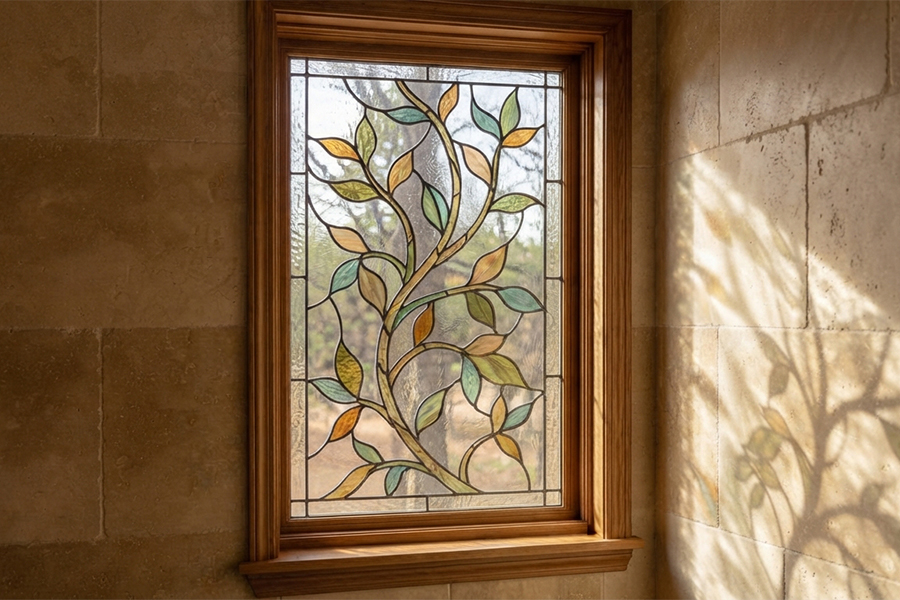
Coloured glass panels within a compact box window structure bring artistic flair to smaller spaces, adding personality without needing extra square footage.
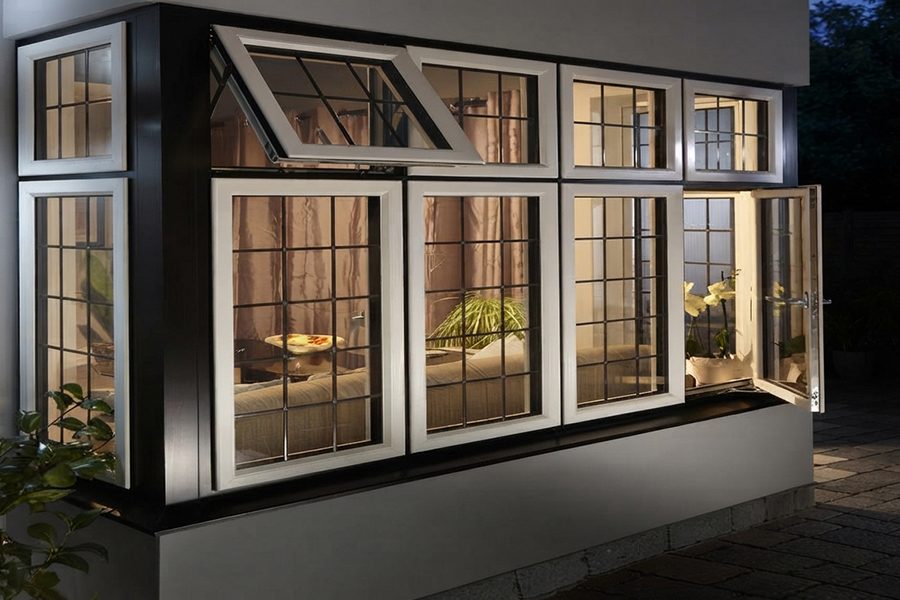
Dark metal frames and expansive glass sections give box windows a bold, urban character, often paired well with exposed brick or concrete interiors.
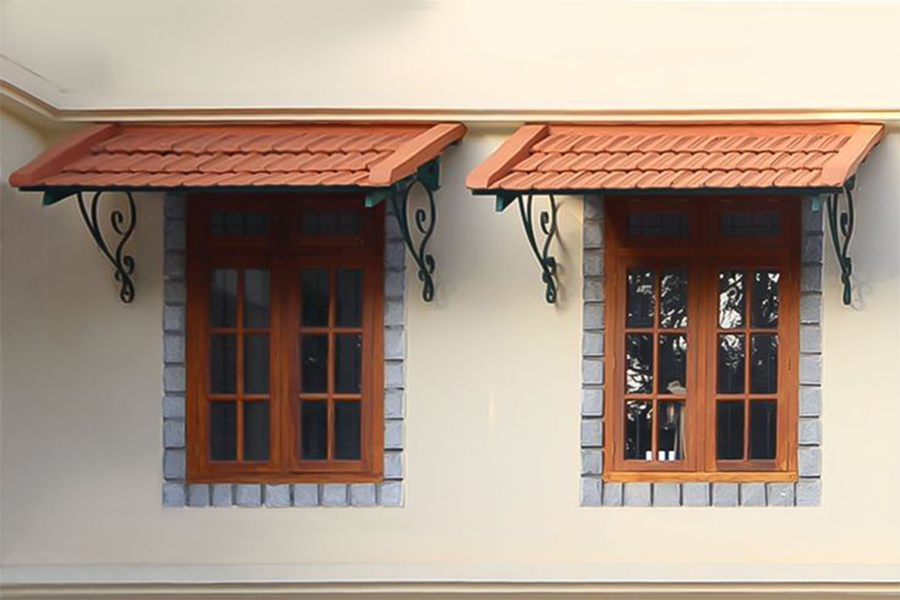
A solid concrete-framed projection adds structural durability and a contemporary aesthetic, which is particularly popular in newer Indian residential construction.
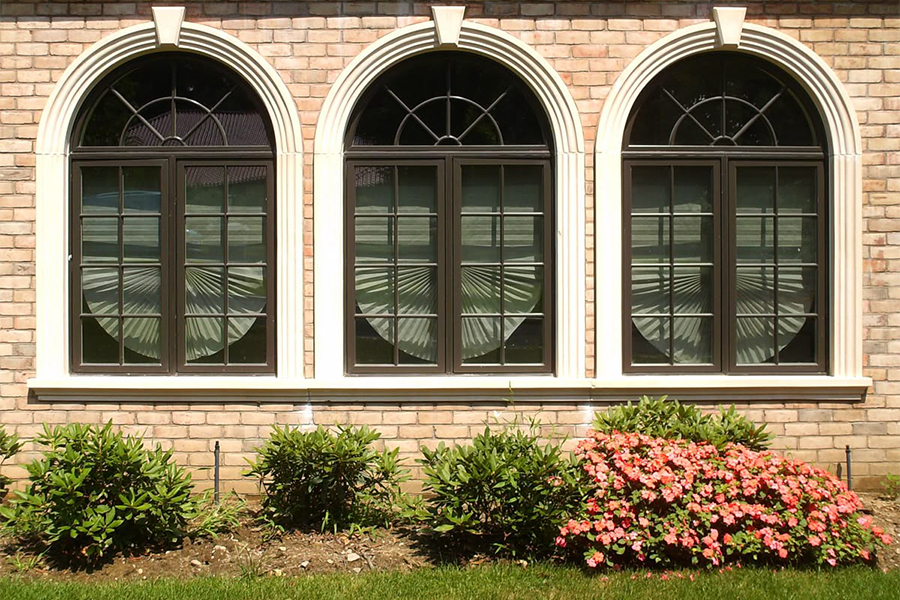
An arched top adds a softer, more architectural detail to an otherwise straight-edged box window, blending modern function with classic visual appeal.
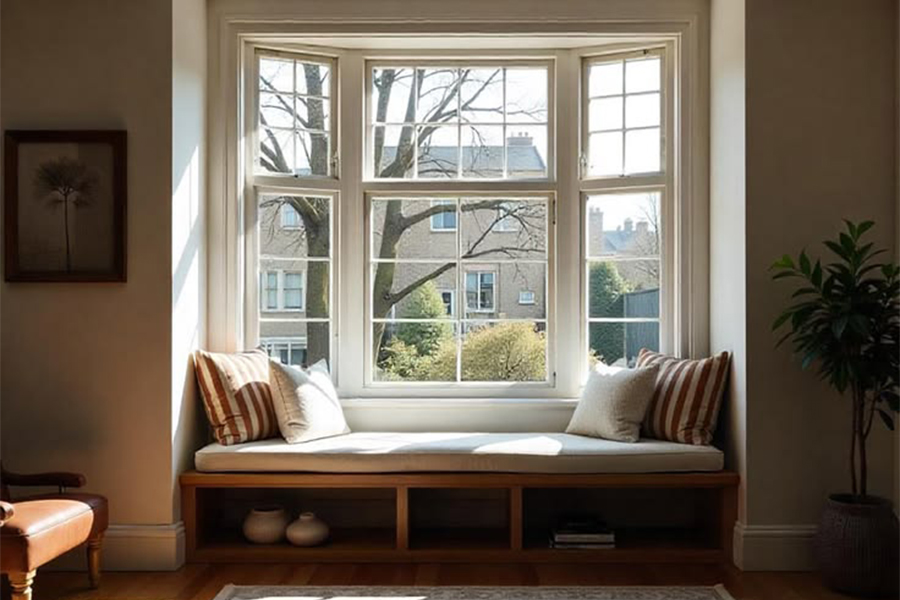
The recessed alcove created by a bay window is perfect for built-in drawers or cabinets beneath the seating area, adding practical storage without using extra floor space.
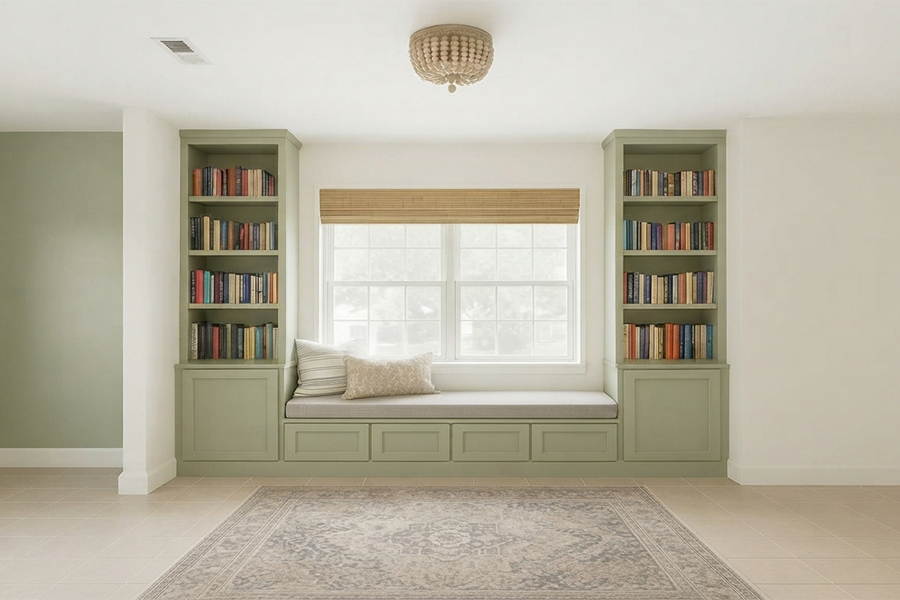
Shelving installed along the sides of a bay window makes excellent use of otherwise unused space. They are ideal for books, décor, or plants.
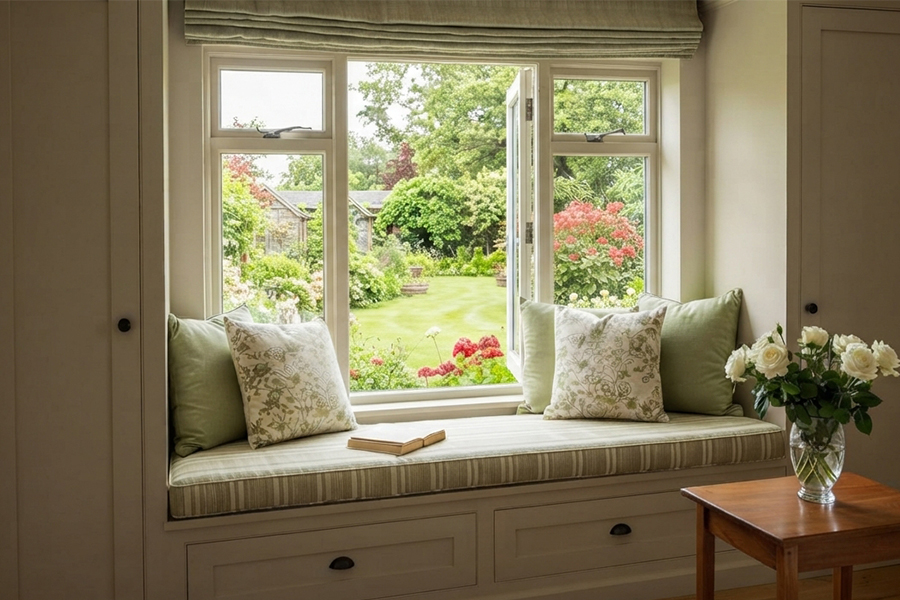
A padded bench seat with soft cushions transforms the bay window alcove into a comfortable spot for reading, relaxing, or enjoying the view.
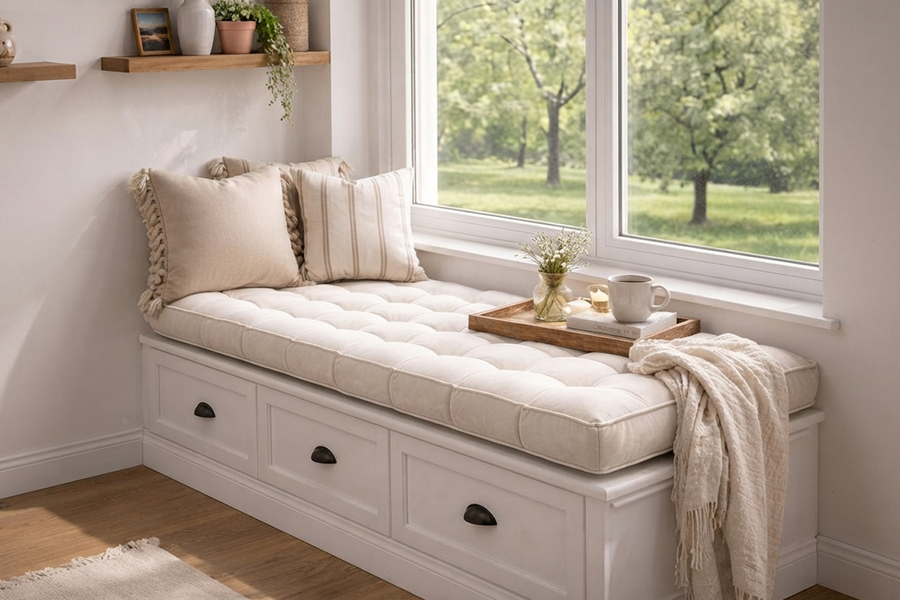
For a more tailored, furniture-like finish, upholstered seating with fitted fabric adds comfort and a polished, designer touch to the window nook.
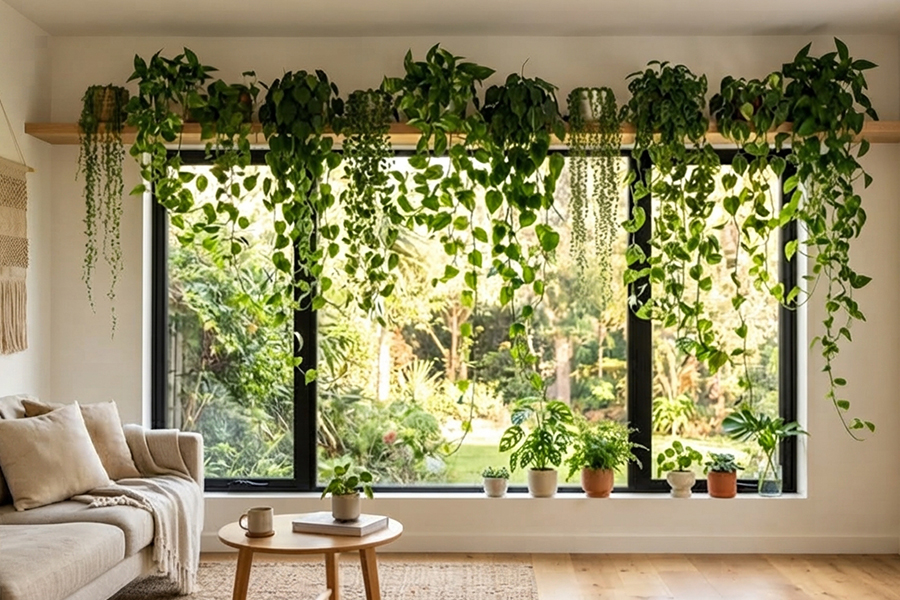
The extra light from a bay window makes it an ideal spot for indoor plants. A dedicated shelf along the window base keeps greenery thriving and visible.
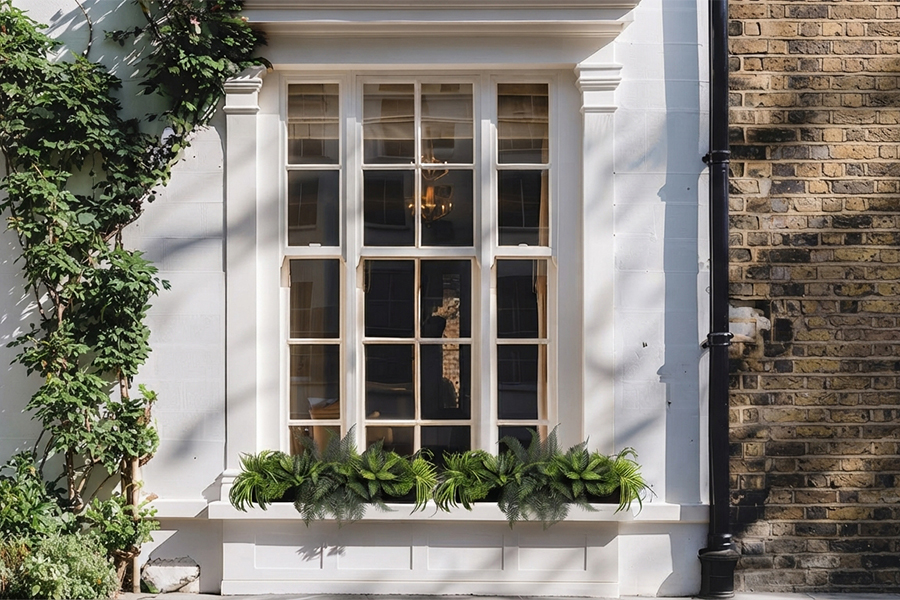
Smaller box windows work beautifully as compact plant displays, especially in kitchens, where herbs and small potted plants benefit from direct light.
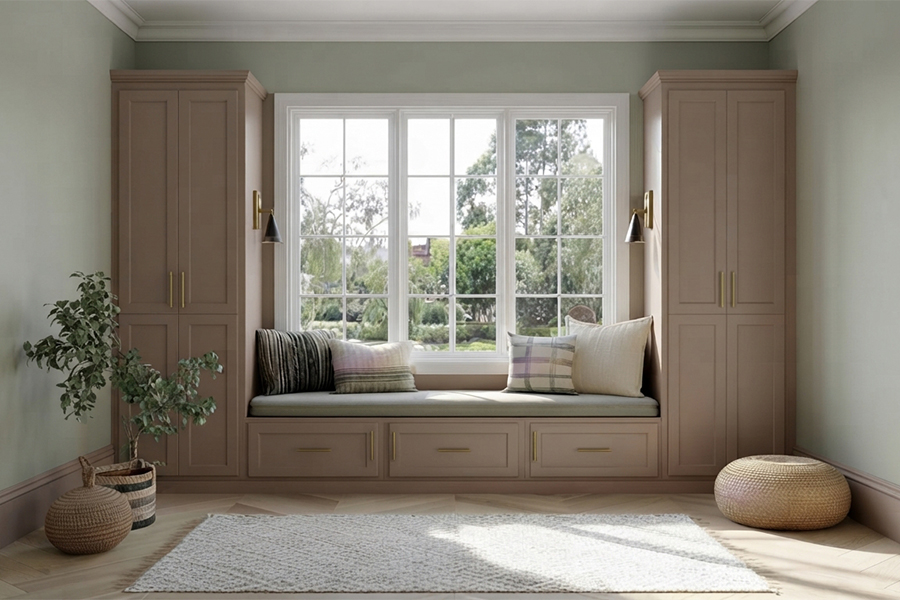
A box window with a slim built-in shelf or cabinet underneath adds practical storage in tight spaces, especially useful in compact bedrooms or studies.
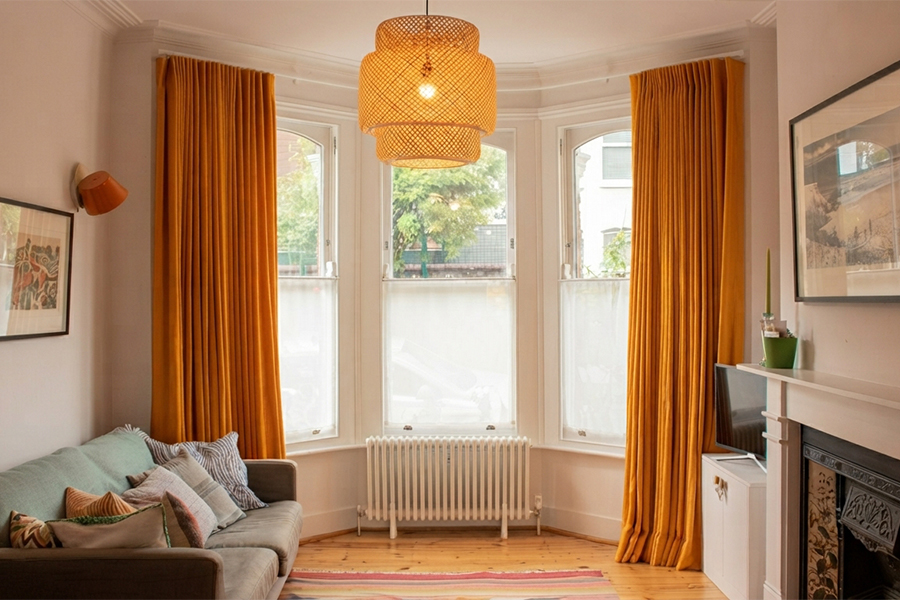
A bay window in the living room creates a natural focal point, thus perfect for a reading nook, additional seating, or simply framing the best view in the house.
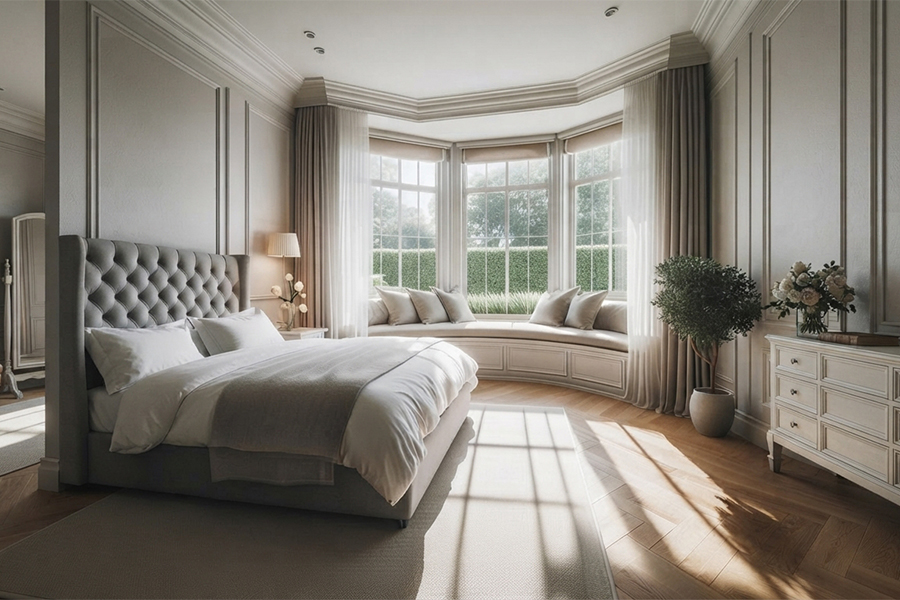
In bedrooms, a bay window with a soft seating area or daybed adds a peaceful retreat space, ideal for morning light and quiet relaxation.
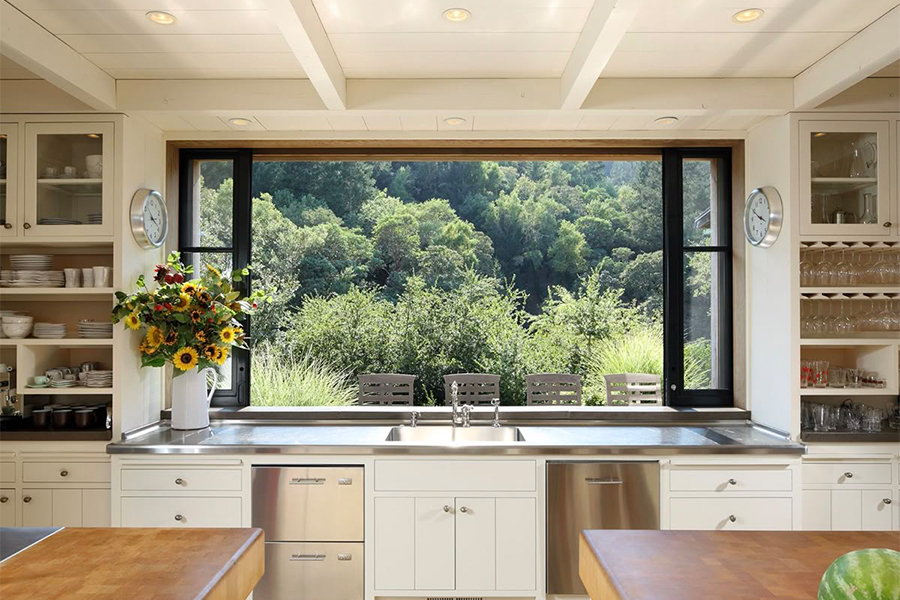
A box window above the sink or counter brings in natural light and is ideal for a small herb garden, combining function with everyday charm.
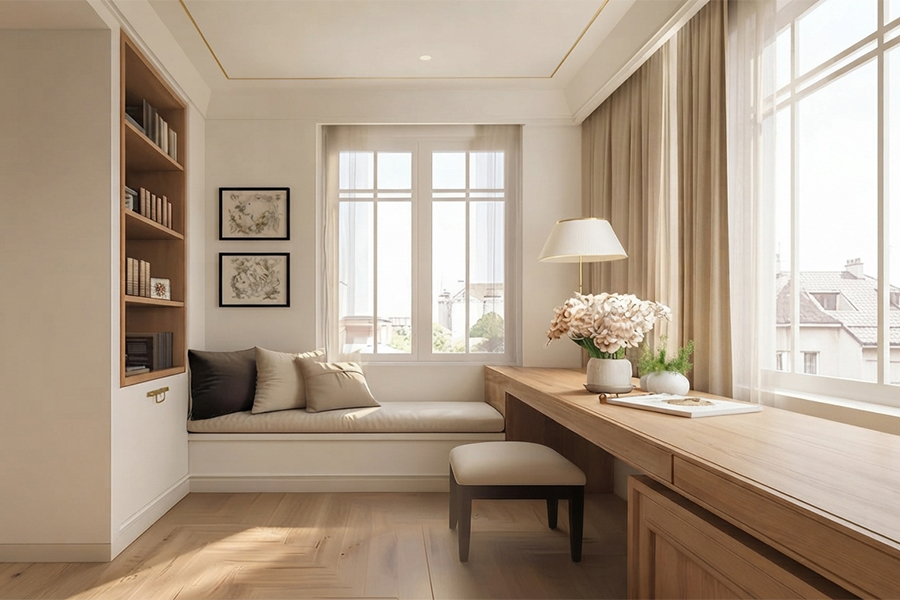
A compact box window adds natural light to a workspace without overwhelming the room, helping create a bright, productive environment.
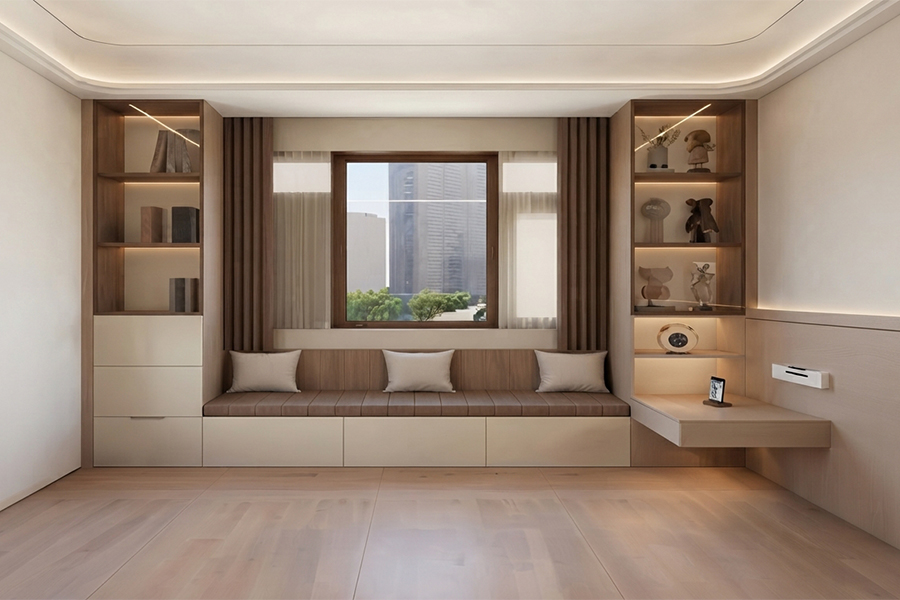
Even in smaller rooms, a well-proportioned bay window can make the space feel larger by extending the visual boundary and adding extra light.
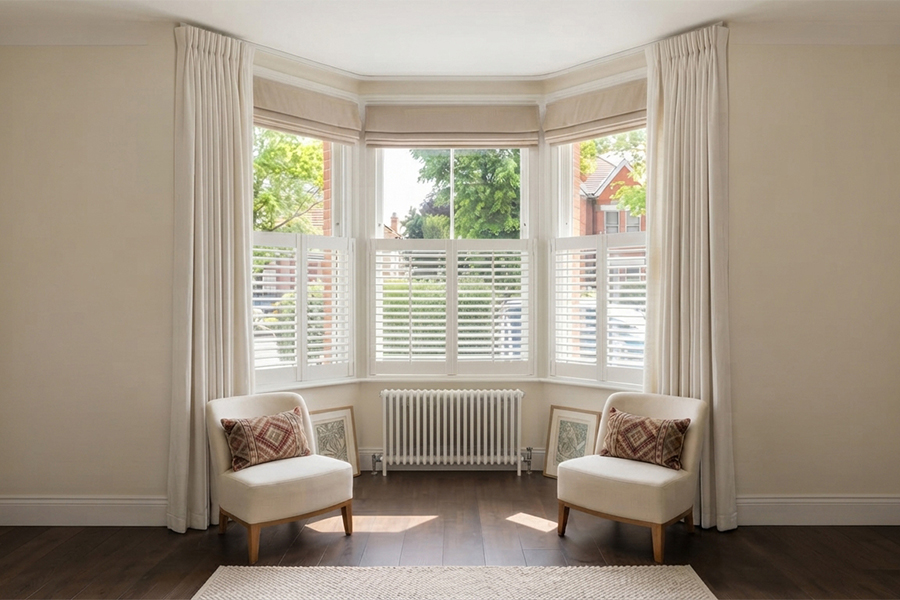
Individual blinds fitted to each panel of a bay window allow precise light control across the angled structure, working well for both privacy and function.
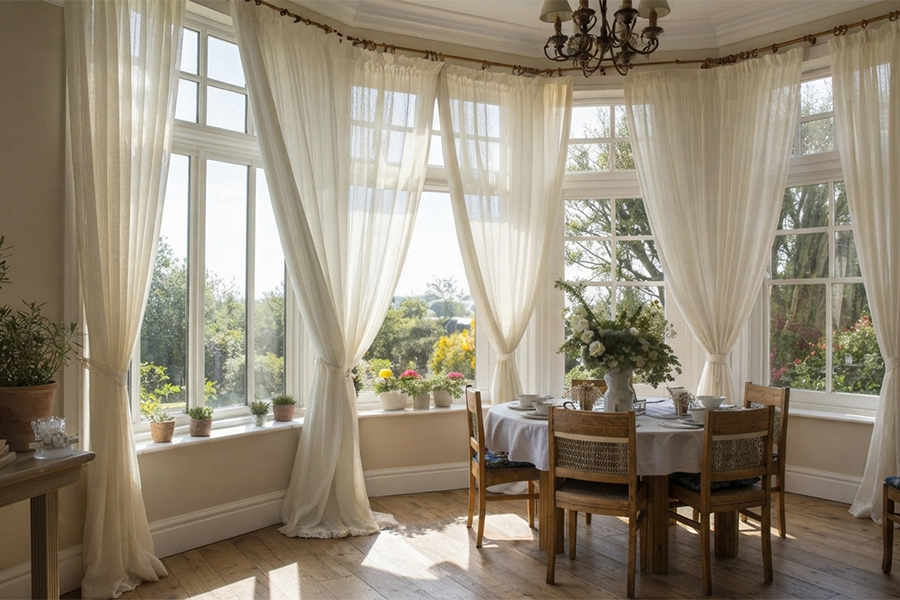
Long, flowing curtains add drama and softness to a bay window, especially in living rooms or bedrooms where a more luxurious look is desired.
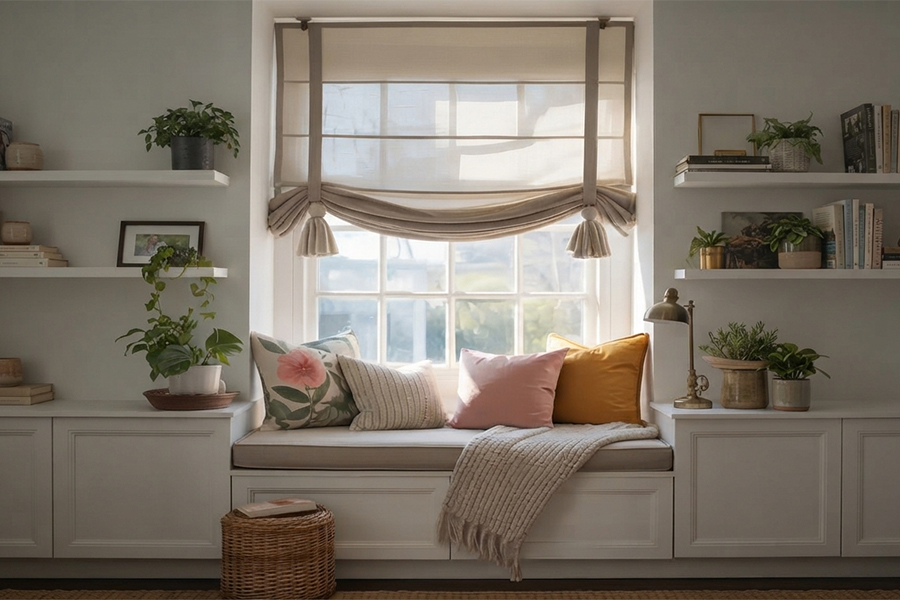
Roman blinds suit the cleaner lines of a box window, offering a neat, tailored look that complements both modern and traditional interiors.
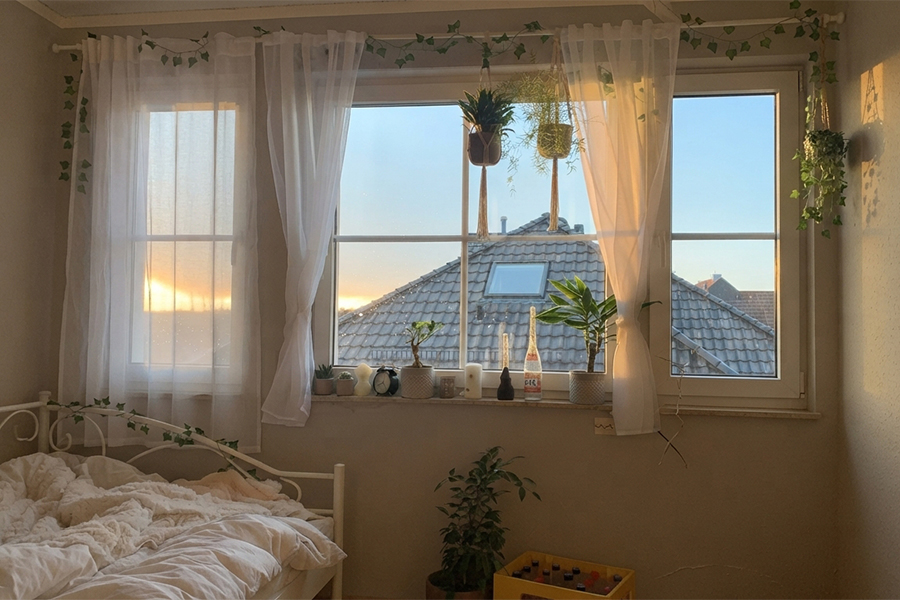
Lightweight sheer curtains let in soft natural light while maintaining privacy: a simple, elegant dressing option for compact box window designs.
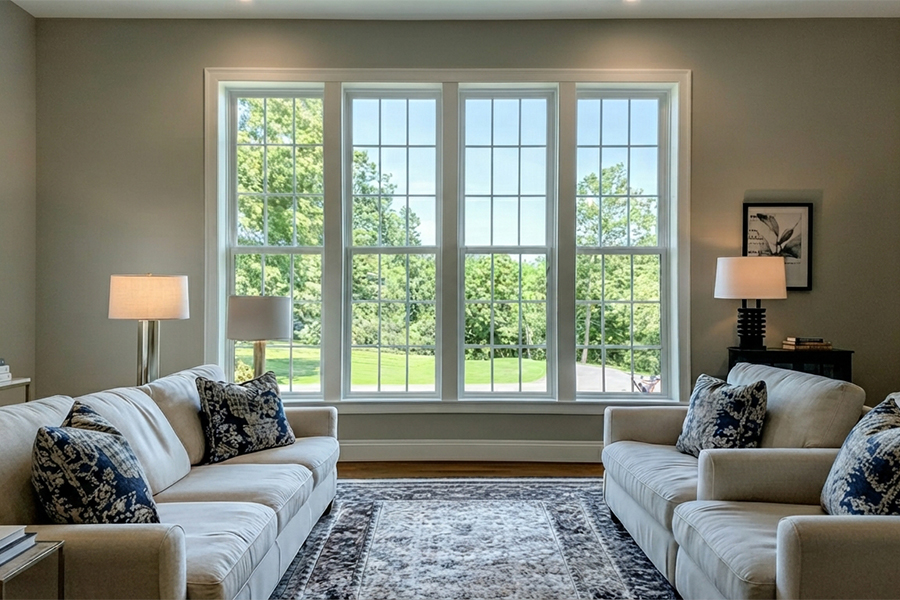
uPVC is low-maintenance, weather-resistant, and budget-friendly. A popular choice across Indian climates, particularly in humid or coastal regions.
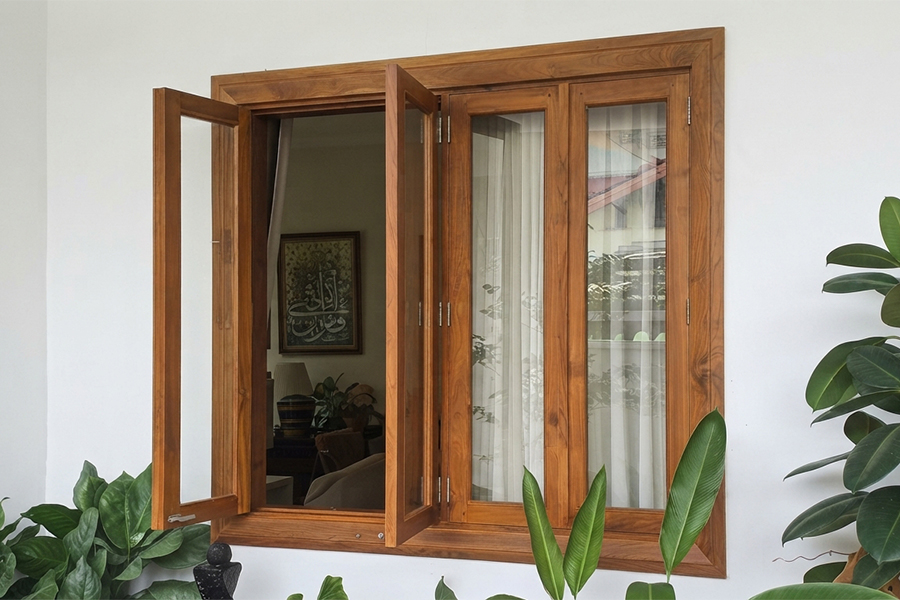
Wood offers natural warmth and classic appeal but requires regular maintenance, especially protective coatings, to withstand humidity and monsoon conditions.
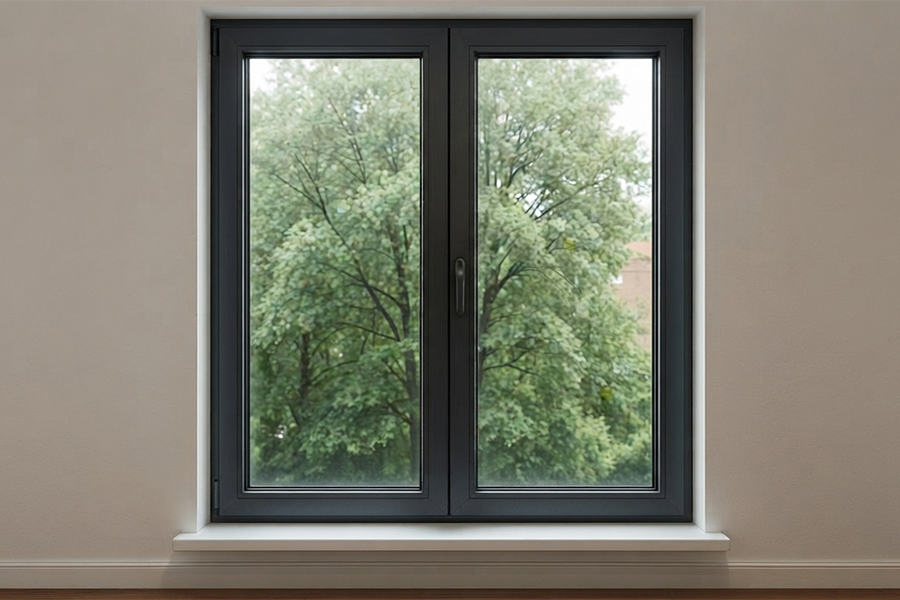
Aluminium frames are durable, corrosion-resistant, and ideal for slim, modern sightlines. They handle India's varied climate well with minimal maintenance over the years.
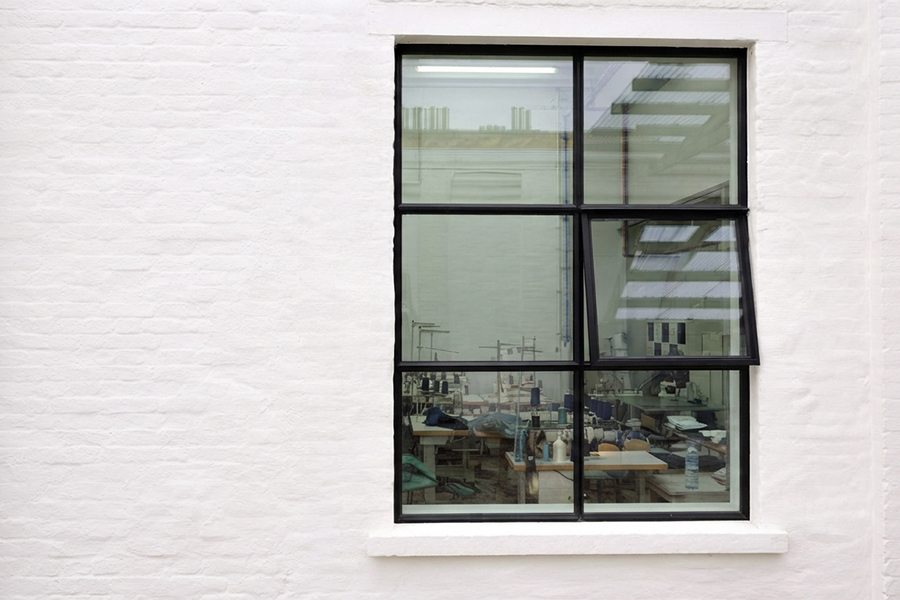
Steel and iron frames suit bold, industrial-style box or bay windows, offering strength and a distinctive raw aesthetic, though they need rust protection in humid areas.
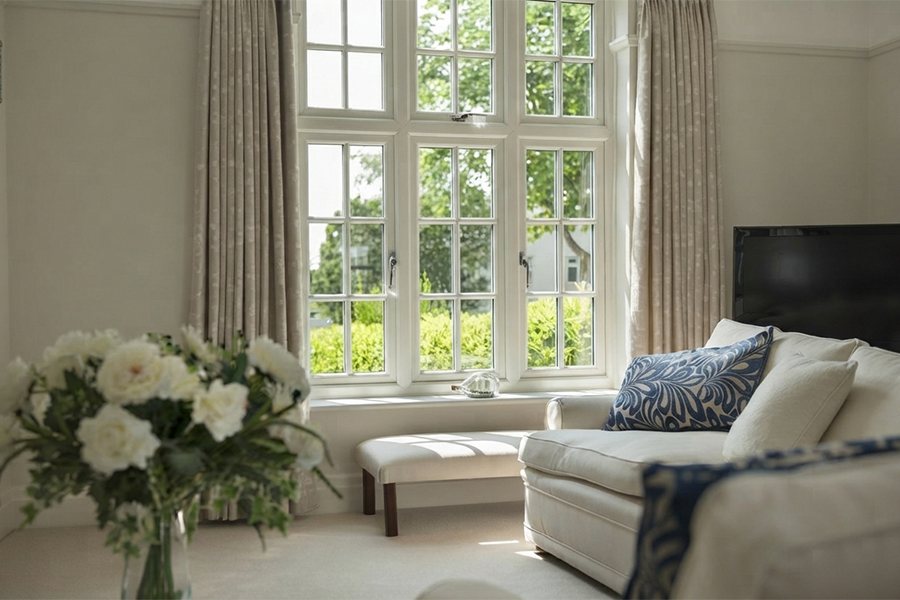
Coastal and humid regions benefit most from uPVC or aluminium for corrosion resistance. Drier inland climates can comfortably accommodate wood. Aluminium remains the most versatile choice across most Indian climate zones.
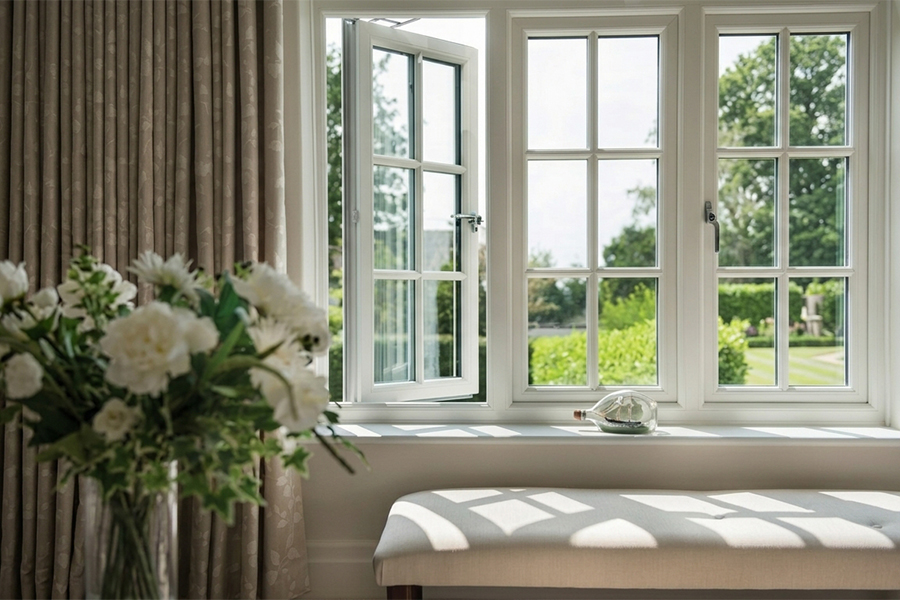
The angled, multi-panel structure of a bay window captures light from multiple directions throughout the day, while opening panels improve cross-ventilation significantly.
With the right glazing and shading, box windows can reduce direct heat gain while still allowing ample light, particularly useful for west-facing rooms in Indian summers.
Single glazing is the most affordable but offers limited insulation. Double glazing significantly reduces heat transfer and noise, while triple glazing offers maximum insulation, though it's less commonly needed in most Indian climates.
Choose double glazing for west and south-facing windows, opt for light-coloured frames to reflect heat, and ensure proper sealing with quality gaskets to reduce energy loss through air leaks.
Integrated grills, designed into the frame rather than added as an afterthought, maintain the window's aesthetic while providing essential security, especially for ground-floor rooms.
Proper sloped sills, quality sealants, and weatherproof flashing around the projection are essential to prevent water seepage during heavy monsoon rains.
According to Vastu principles, windows in the north or east bring positive energy and morning light, while west-facing windows are generally avoided for main living spaces.
Double glazing, thick curtains, and acoustic seals significantly reduce outside noise, particularly helpful for bay windows facing busy roads or city streets.
Yes, both can meaningfully increase a home's appeal and resale value. A well-designed bay window design often adds a distinctive architectural feature that stands out to buyers, while box windows offer a more subtle but still valuable boost through added light, space, and modern aesthetics. The actual value depends on construction quality, materials used, and how well the design suits the rest of the home.
Choosing between a bay window design and a box window ultimately comes down to your room size, budget, and the style you're going for. Bay windows bring drama, panoramic views, and cosy seating nooks, which are perfect for living rooms and larger bedrooms. Box windows offer a cleaner, more compact alternative that fits beautifully into kitchens, study rooms, and modern interiors.
Whichever you choose, the right materials, glazing, and safety features make all the difference for Indian homes, balancing aesthetics with practicality through monsoons, summers, and everything in between. With 25+ design ideas to draw from, you now have everything you need to turn an ordinary window into the most loved corner of your home.
We will be back with the next blog soon. Till then, stay tuned!
Image Source: Pinterest, Google, and Wooden Street
Articles you will love to read
Discover 30+ interior design ideas to elevate your home with modern aesthetics and smart functionality. From stylish living room makeovers to creative space-saving solutions, explore trendy and budget-friendly inspirations to revamp your space effortlessly with Wooden Street’s expert design collection.
Continue Reading
Explore vibrant orange colour combinations that suit every space and are perfect for adding warmth and energy to your furniture. Find smart yet stylish orange furniture ideas for every interior.
Continue Reading
Explore blue colour combination ideas for living rooms, bedrooms, and kitchens. From a blue sofa set to cupboards, pair shades with white, gray, yellow, or turquoise for stylish interiors.
Continue Reading
Kitchen colour as per Vastu Shastra plays a vital role in balancing energy and ensuring health, wealth, and harmony at home. This blog explores the most auspicious colour combinations to make your kitchen vibrant, positive, and aligned with prosperity.
Continue Reading
Find smart home renovation ideas, from kitchen makeovers to sofa renovation, and transform your house with stylish, functional, and budget-friendly upgrades.
Continue Reading