






Coir and orthopedic mattresses are designed with different priorities in mind. This guide compares their firmness, pressure relief, spinal alignment, durability, and ideal users, helping you choose the mattress that best supports your sleeping position, comfort preferences, and long-term back health.
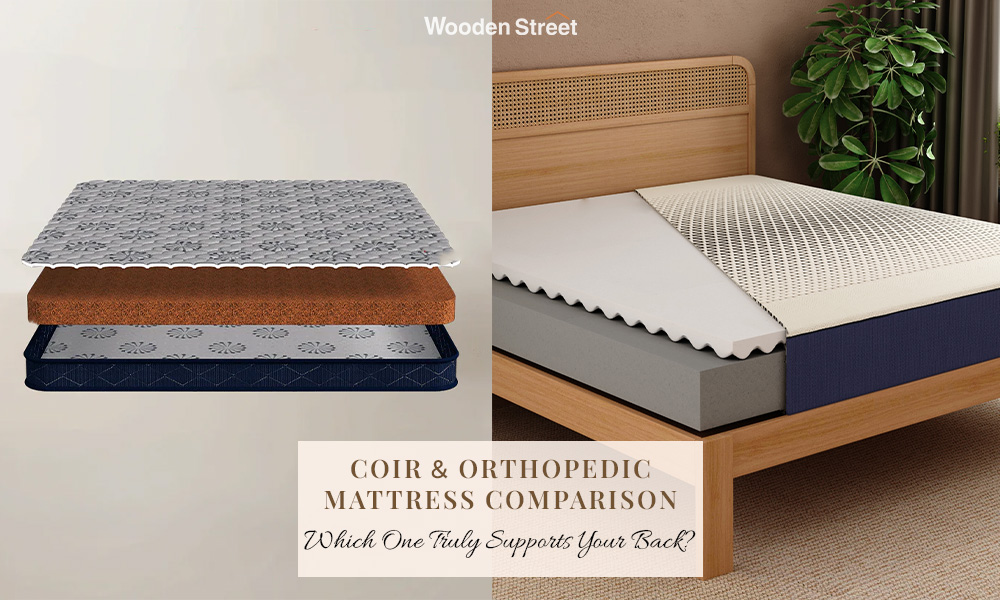
Walk into any mattress store in India and you'll find two things side by side: a coir mattress with a modest price tag, and something labelled "orthopedic" costing anywhere from 30% to double the price. The natural assumption is that orthopedic means medically superior, that someone, somewhere, has certified it as better for your back. So you pay more, bring it home, and sleep on it for years assuming you made the right call. But here's what nobody tells you at the point of sale: "orthopedic" is not a regulated term. No doctor signs off on it. No government body approves it. And in most cases, the mattress underneath that label isn't fundamentally different from the coir mattress sitting right next to it. Before you spend another rupee based on a word printed on a tag, it's worth understanding what's actually inside both, plus what your spine genuinely needs from either one
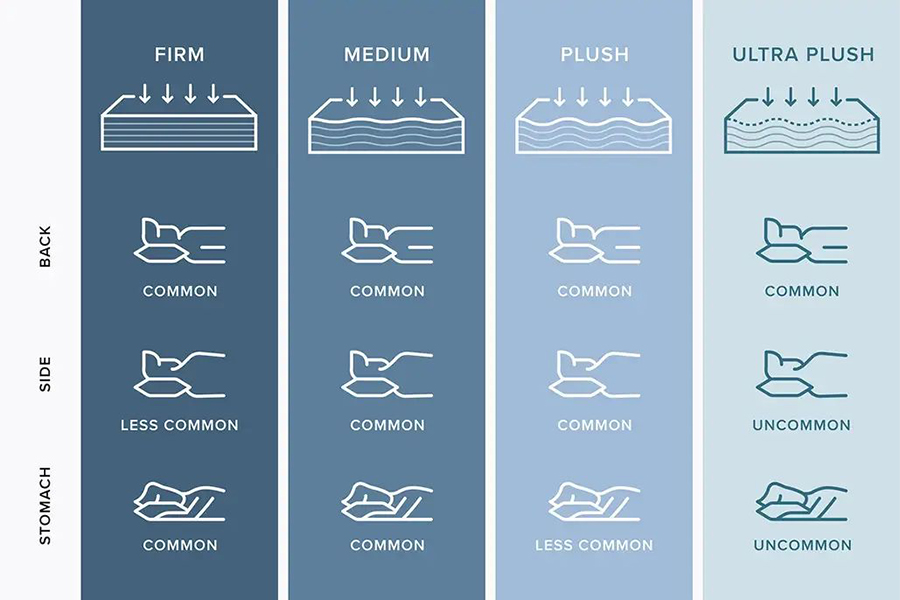
Here’s the comparison no one in a mattress showroom floor will give you: coir is a raw material, which is compressed coconut husk fibre, processed into a firm sleeping surface. Orthopedic is a marketing term with zero industry certification behind it. No regulatory body in India. Not the BIS, not any medical association, officially certifies a mattress as orthopedic. Any manufacturer can print that word on a tag and charge a premium for it. Asking “Should I get a coir mattress or an orthopedic mattress?” is a bit like asking “Should I get a wooden table or an ergonomic table?” One describes the material; the other is a claim about what it does. What you actually need to ask is: what’s inside, and does the construction support how my spine needs to rest?

Before comparing any mattress, it helps to understand what the spine is actually doing during the eight hours you’re on it. The spine isn’t a straight rod. It has four natural curves: cervical (neck), thoracic (mid-back), lumbar (lower back), and sacral (base). During sleep, the goal is to keep those curves in neutral alignment: supported without being flattened, cushioned without sinking.
Neutral spinal alignment means your spine rests in roughly the same position it holds when you stand upright with good posture. The lumbar curve, the inward arch at the lower back, is the most vulnerable during sleep. If it’s not supported, the surrounding muscles work overtime to compensate, which is why you wake up stiff even after a full night of sleep.
A mattress that’s too soft allows your heavier body parts, like hips and shoulders, so as to sink deeper than your lighter areas. This creates a hammock effect: the lumbar spine rounds downward, the natural inward curve is lost, and the discs and ligaments along that curve are placed under sustained stress. For side sleepers, this can pull the entire spine out of lateral alignment. People who sleep on soft mattresses often report that the ache is worse in the lower back, exactly the lumbar area that has been rounding all night.
A mattress that’s too firm pushes back against the body’s natural contours instead of accommodating them. The lumbar gap is the space between your lower back and the mattress when lying on your back. It gets no support. Shoulders and hips bear concentrated pressure at the contact points, which compresses blood flow to those areas and causes pins-and-needles or joint discomfort. For side sleepers on very firm surfaces, this pressure at the shoulder is often the first complaint they can’t explain.
The sweet spot is a mattress that resists the heavier parts of your body so they don’t sink, while simultaneously filling in the lighter areas, such as the lumbar curve, the neck, and the space behind the knees, so that they’re not suspended in mid-air. That combination is what the sleep science literature consistently points to as optimal spinal support. A mattress that only does one of these two things will always leave something wanting.

Coir, also called coconut husk mattress material, is extracted from the fibrous outer shell of the coconut and then processed, rubberized, and compressed into sheets. India has been producing it for generations; it’s not a new or experimental material. A standard coir mattress uses these compressed sheets as the primary sleeping surface, sometimes sandwiched between thin fabric or foam quilting. Rubberized coir, which uses natural latex to bind the fibres together, is the more durable and slightly more forgiving variant you’ll find in quality products.
Coir is naturally firm. It resists compression well, meaning your bodyweight doesn’t cause it to bottom out over time, the way softer foams do. Its open fibre structure allows excellent airflow, making a coir mattress inside genuinely cooler to sleep on, a meaningful advantage in Indian summers. It doesn’t trap body heat the way dense memory foam mattress does. It’s also naturally resistant to dust mites and mould, which makes it a sensible choice for humid climates.
This is the limitation that most coir mattress reviews gloss over. Coir provides a flat, consistent resistance across its entire surface. That’s excellent for preventing sinking. What it cannot do is adapt to your body’s shape. It won’t fill the lumbar gap, it won’t cushion a jutting hip bone, and it won’t relieve the concentrated pressure at the shoulder of a side sleeper. For a healthy-spined adult who sleeps on their back, this is fine. For anyone with pre-existing pain, a curved spine, or a side-sleeping habit, plain coir alone can be genuinely uncomfortable over time.
This is exactly why every reputable coir mattress in the market today, including rubberized coir variants, adds a comfort layer on top. A 1 to 2-inch layer of PU foam, memory foam, or natural latex gives you the contouring that coir alone cannot provide. The coir handles the structural support; the foam or latex handles the adaptive cushioning. Together, they meet both requirements your spine needs: resistance and contouring. This layered construction is not a luxury. It’s the logical engineering solution to coir’s single real shortcoming.

This is the single most important thing to understand before buying any mattress marketed as orthopedic. In India, there is no certification body, no government standard, no medical board endorsement, that officially qualifies a mattress as orthopedic. The term is entirely self-declared by manufacturers. A brand can call any mattress orthopedic regardless of its construction, and no one can legally stop them. That doesn’t mean all orthopedic-labelled mattresses are bad. It just means the label itself tells you nothing. What’s inside does.
Strip away the label, and most mattresses sold as orthopedic in India contain one of the following constructions: a coir base with a foam comfort layer, a high-density PU foam core with a firmer top layer, a pocket spring or Bonnell spring system with foam, or a combination of rubberized coir and memory foam. The common thread is firmness. Orthopedic is essentially the industry’s way of saying “firmer than average.” It’s not a material. It’s a firmness philosophy dressed up in medical-sounding language.
Now the comparison becomes genuinely useful. When most people ask about “coir vs orthopedic,” they’re really comparing two versions of the same foundation: a plain coir mattress on one side, and a coir-plus-foam or coir-plus-latex layered construction on the other, with the latter often wearing an “orthopedic” tag. The coir inside an orthopedic mattress is the same material as in a plain coir mattress. What’s different is the added comfort layer on top. That’s the actual upgrade. Not the label. The real question is, therefore, this: does your spine need just firm support, or does it need firm support plus targeted contouring? Answer that, and you know exactly what to buy.

If you sleep on your back or stomach, have no existing back or joint issues, and wake up without pain or stiffness, a plain coir mattress, particularly rubberized coir with a thin quilted layer, is a perfectly sound choice. It keeps the spine well-supported, stays cool, and lasts well with basic maintenance. There’s no clinical reason to pay extra for a foam layer you don’t functionally need.
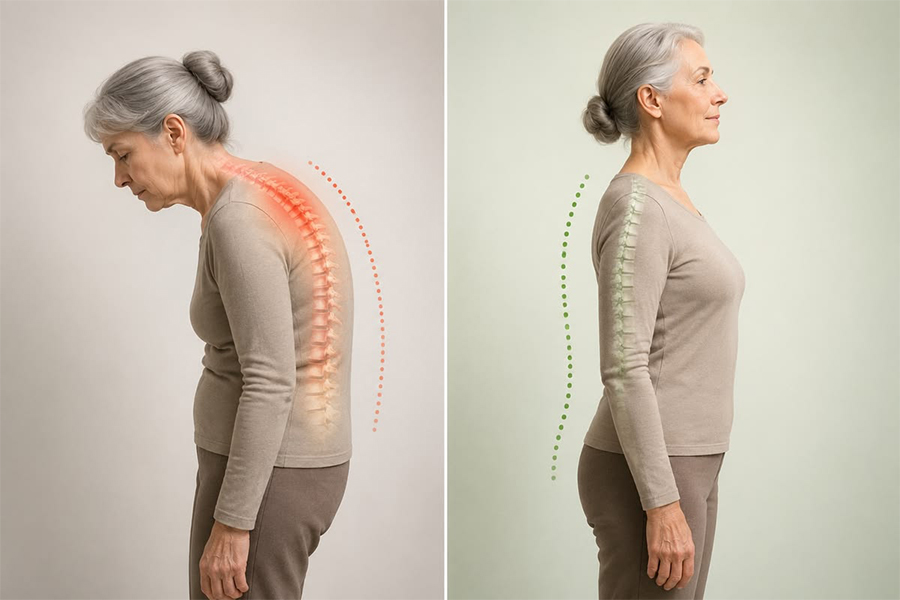
If you wake up with stiffness, have a diagnosed lumbar issue, are recovering from any spinal injury, or are over 50 with reduced spinal flexibility, the layered construction matters. A coir base with a 1.5 to 2-inch memory foam or natural latex top layer mattress gives you the firm foundation your spine needs while filling in the gaps that plain coir leaves unsupported. This is the construction that most well-made “orthopedic” mattresses actually deliver and what you should be looking for on the product specification sheet, not the label.

India’s climate makes heat retention a real issue. If you run warm at night or live in a humid region, coir’s open-fibre structure makes it demonstrably cooler than dense memory foam. Even in a layered coir-plus-foam construction, the coir base maintains airflow through the mattress core in a way that an all-foam design cannot. For hot sleepers, a coir-based mattress, plain or layered, is almost always the right starting point.
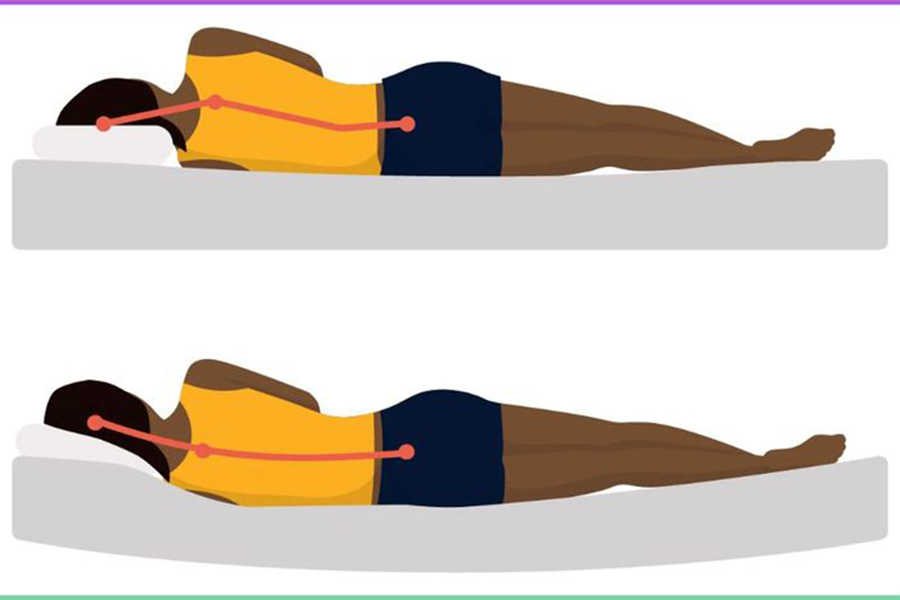
Side sleeping concentrates the body’s full weight at two points: the shoulder and the hip. A flat, rigid surface like plain coir creates measurable pressure at these points over several hours, which can cause numbness, joint ache, and interrupted sleep. Suppose you sleep on your side, even occasionally, you need a comfort layer. This doesn’t have to be thick or memory foam; even a 1-inch latex top on a coir base changes the pressure profile significantly. Don’t skip this layer if side sleeping is your natural position.
The next time you see a mattress tagged “orthopedic,” flip open the product spec sheet and look at what’s actually layered inside. If it’s rubberized coir with a foam or latex comfort layer, you’re looking at a genuinely well-built mattress. The label is just marketing. If it’s a thin sheet of coir with a fancy tag and little else, the label is doing all the heavy lifting. Your spine doesn’t respond to labels; it responds to construction. For most sleepers, a coir base with a quality comfort layer on top is the right answer, firm enough to prevent sinking, adaptive enough to fill the gaps. WoodenStreet’s mattress range is built on exactly this logic: not sold on a buzzword, but constructed to actually do the job.
We will be back with the next blog soon. Till then, stay tuned!
Image Source: Pinterest, Google, and Wooden Street
Articles you will love to read

Sofa-cum-beds are the perfect utilitarian furniture units, and at Wooden Street, we have a wide range of sofa-cum-beds in different sizes, finishes and designs. Check the looks of various sofa cum beds, that will help you in choosing the one for you
Continue Reading
Are you someone who is rooted in tradition when it comes to decorating your personal space? And someone who always wanted to add classic and timeless design to your bedroom? Then this blog is for you, which includes tradition bedroom furniture units
Continue Reading
Dressing table is that one piece of furniture which can offer a chic look to your bedroom décor. These aren’t just for storage or for personal grooming, but also act as a platform to showcase your personality by embellishing it.
Continue Reading
Are you thinking to replace your old mattress? Or want a companion for your new bed? It may sound like a simple question- but it is usual to be distracted by different types of mattresses when you're looking for a new one. From size, material and com
Continue Reading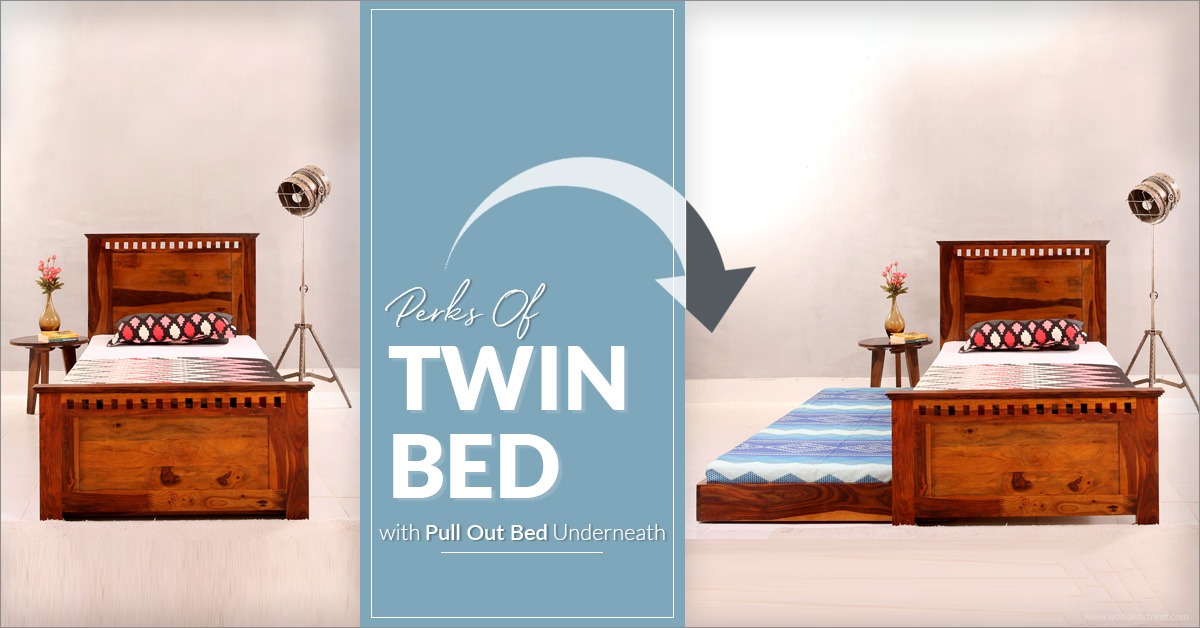
A twin bed with pull out bed underneath, in short, a trundle bed is the most wonderful and stylish way to use a constraint space. Trundle beds are not just for kids but also for adults as most of us are heading towards the urban life where every inc
Continue Reading