



Hot summers, humidity, and long sitting hours make chair material more important than most people realize. This guide compares mesh, foam, and wooden chairs based on breathability, maintenance, comfort, durability, and Indian weather conditions to help you choose the right seating option for work, dining, or everyday home use.

Walk into any furniture store and you'll find chairs built for European comfort standards - moderate temperatures, low humidity, predictable seasons. India is none of those things. Between a Mumbai monsoon that pushes indoor humidity past 90%, a Delhi summer that crosses 45°C, and dusty winter air that gets into everything, your chair material isn't just a comfort decision. It's a durability decision. Get it wrong and you're replacing it in two years. Get it right and it holds up for a decade.
Most furniture is tested and rated in controlled conditions. Real Indian conditions are something else entirely.
Monsoon season brings humidity levels that cause foam to absorb moisture, wood to expand, and mesh fibres to stretch. Summer heat - regularly above 40°C in large parts of the country - turns any heat-retaining material into a problem fast. And then the dry winter months bring fine dust that settles into every weave, every foam pore, every joint. A chair that feels great in October can be a sweaty, saggy, dusty mess by April if the material isn't right for where you live.
This is why the mesh vs foam vs wood question matters more here than in most places.
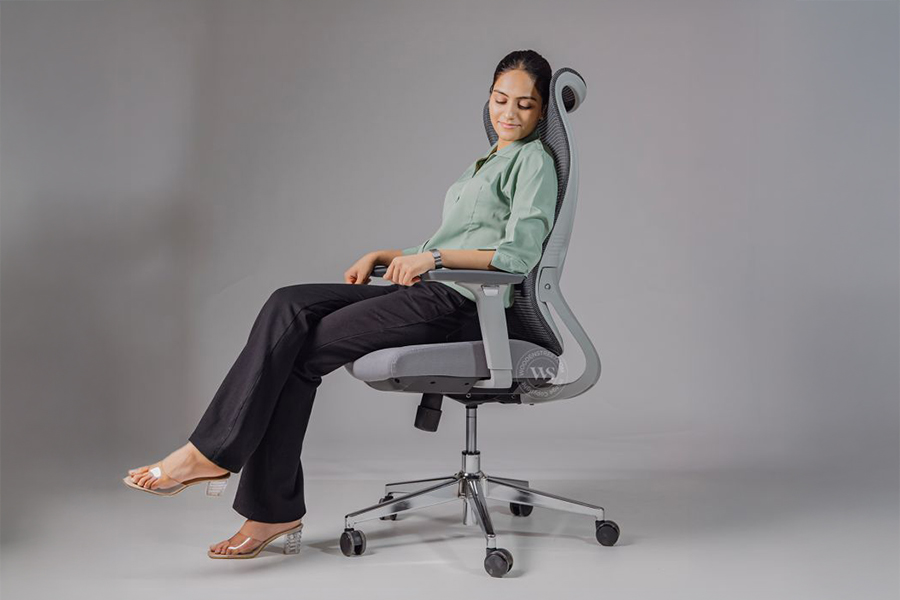
In peak Indian summer, a mesh chair is genuinely hard to beat for desk use. The open weave allows airflow across your back and seat constantly - there's no surface for heat to build up on, no fabric trapping body warmth. If you're sitting for six to eight hours a day without AC, or with AC that cycles on and off, mesh is almost certainly the most comfortable option through April to June.
It's also lightweight, easy to move around, and most good mesh chairs offer enough lumbar support for long work sessions. For a home office in a warm city, it's often the default recommendation for good reason.
The same open weave that makes mesh breathable in summer becomes a dust trap in winter. Fine particulate dust - especially common in North Indian winters and in cities near construction - settles into the mesh fibres and is genuinely difficult to clean out. A vacuum helps, but the weave holds onto particles in a way that a wooden or foam surface simply doesn't.
Humidity is the other problem. In high-humidity coastal cities, mesh chairs - particularly cheaper ones - can begin to sag within 18 to 24 months. The fibres stretch under constant load and moisture exposure. Once a mesh seat sags, there's no fixing it. The chair looks fine but the support is gone.
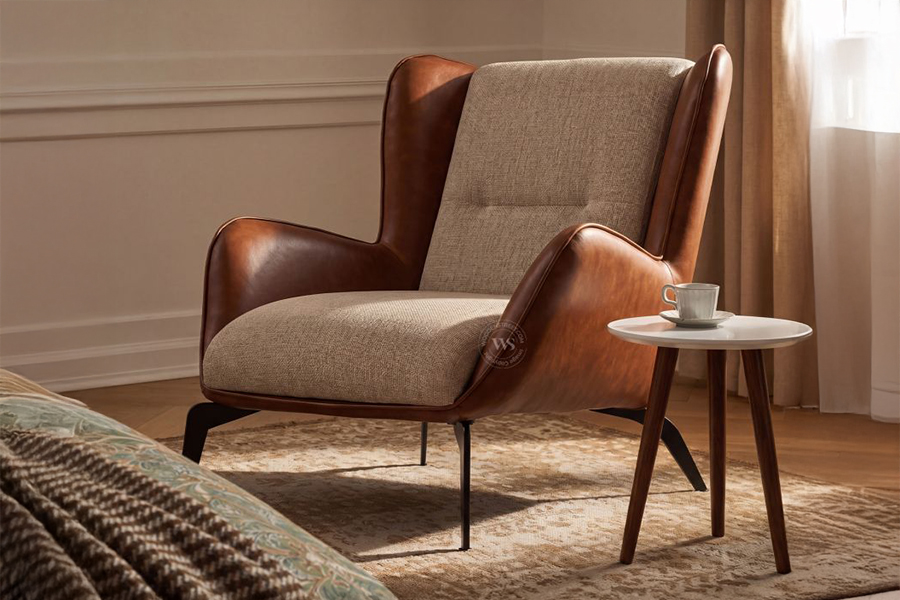
Fresh foam feels great immediately. There's no break-in period, pressure distribution is even from day one, and for people who find mesh too firm or wooden chairs too unforgiving, foam-padded chairs are the obvious comfort pick.
In a properly air-conditioned room - say, an office that stays at 22–24°C consistently - foam holds up well and delivers exactly what it promises. The heat retention issue largely disappears when the ambient temperature is controlled. If your workspace runs on AC for most of the day, foam is a perfectly reasonable choice.
Take that same foam chair outside the AC and it becomes a problem quickly. Foam retains heat badly - it traps body warmth against you rather than letting it dissipate, which means sweating within 20 to 30 minutes in a non-AC room during summer. In a Mumbai or Chennai monsoon, foam also absorbs ambient moisture over time, which leads to a slightly damp, heavier seat that never quite fully dries - and eventually starts to smell.
Foam density degrades faster in humid conditions too. A chair rated for 5 years of normal use may compress and lose its shape in 2 to 3 years in a humid coastal home. The foam sinks, the seat feels lower than it should, and the support disappears before the chair looks visually worn out.
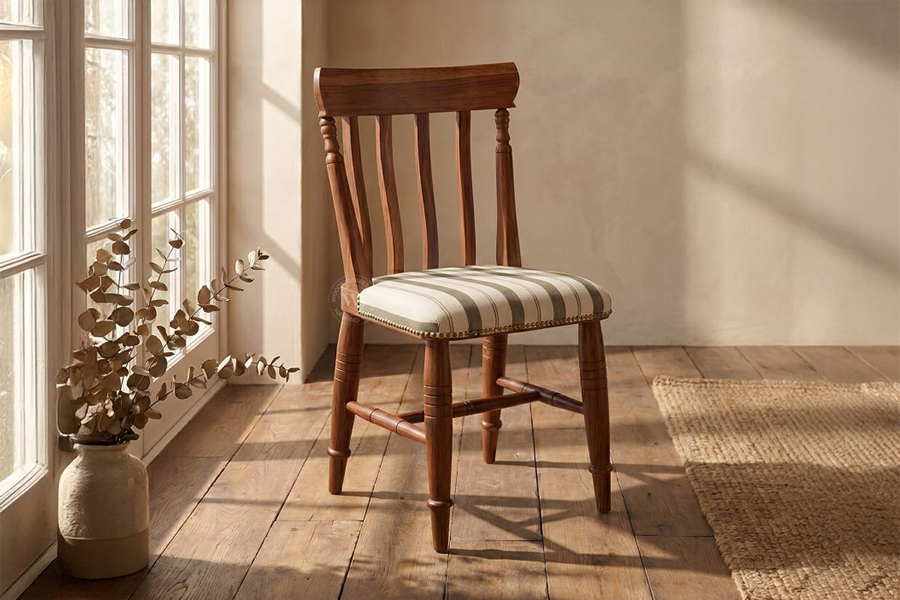
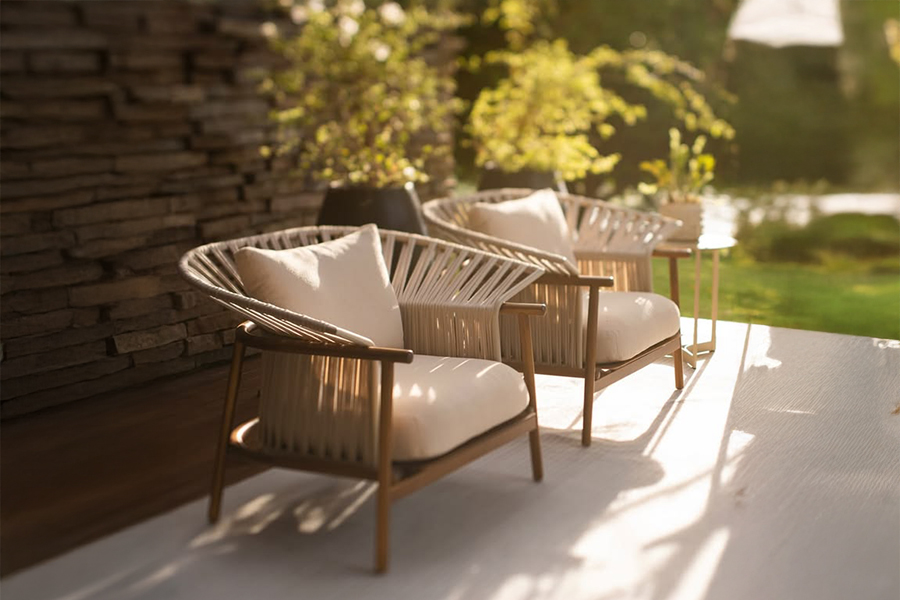
Wood doesn't trap heat. Sit on a well-finished wooden chair in 38°C weather and it stays closer to room temperature than foam or even mesh. It doesn't retain sweat, it doesn't absorb moisture into the seating surface, and cleaning it is as simple as wiping it down.
A solid wood chair treated with proper polish or lacquer handles Indian conditions remarkably well. It doesn't sag, warp in normal indoor humidity, or degrade quietly the way foam does. And the lifespan - decades, not years, if maintained even minimally. A wooden chair bought today and wiped down occasionally will still be in use when a foam chair bought the same day has been replaced twice.
For living rooms, dining areas, and spaces where the chair isn't being used for eight straight hours, wood is often the smartest long-term call.
It's not cushioned, which is the obvious trade-off. For short sittings - a meal, a conversation, a reading session - this is completely fine. For a full work day at a desk, a wooden chair without a seat pad gets uncomfortable around the two to three hour mark for most people.
Extreme humidity - think a ground-floor home in coastal Kerala or Bengal during monsoon - can cause even treated wood to expand slightly at joints over many years. This is manageable with annual care and occasional re-polishing, but it's not a zero-maintenance material the way some people assume.
|
City / Climate Type |
Mesh |
Foam |
Wood |
|
Hot & dry - Rajasthan, Delhi summers, Nagpur |
✅ Best for desk use |
⚠️ Avoid without AC |
✅ Great if padded |
|
Humid coastal - Mumbai, Chennai, Kochi, Kolkata |
⚠️ Sags faster, check quality |
❌ Absorbs moisture |
✅ Best overall |
|
Moderate - Bengaluru, Pune, Hyderabad |
✅ Works year-round |
✅ Works well with AC |
✅ Works well |
|
High altitude / cool - Shimla, Mussoorie, Ooty |
⚠️ Cold against skin |
✅ Warm and comfortable |
⚠️ Needs moisture care |
Three questions. Answer these honestly and the decision mostly makes itself.
Do you have AC or not? If yes - foam is a reasonable option. If no, or if the AC is unreliable, mesh is the safer call for desk use and wood is the better call for general seating.
How many hours a day do you sit in it? Under three hours - wood with a cushion or foam both work. Three to eight hours at a desk - mesh is the only material that keeps you comfortable without requiring AC support.
Is it an office chair or a living room chair? Living room and dining chairs almost never need mesh. Wood handles those roles better and lasts far longer. A dedicated ergonomic office chair for daily work is where mesh genuinely earns its place.
The most expensive chair in the showroom isn't automatically the right one for your home. A high-end foam executive chair that costs ₹25,000 will still trap heat in a non-AC Chennai room and compress faster than you'd expect in a humid Mumbai flat. A well-built wooden chair or a quality mesh chair bought with your actual climate in mind will outlast it and stay more comfortable doing it.
Your city, your room setup, and your daily hours matter more than the brand name on the back of the chair.
We will be back with the next blog soon. Till then, stay tuned!
Image Source: Pinterest, Google, and Wooden Street
Articles you will love to read

Wooden Street brings this wardrobe buying guide that will tell you everything you need to know about the wardrobes, from choosing right type to right material and other things that needed to be considered.
Continue Reading
Discover the ultimate guide to choosing the perfect TV table for Indian homes in 2026. From modern TV table stand designs and wall mount TV stand ideas to television tables, TV showcase units, and TV cupboard styles, explore functional and stylish television tables and stands for every living room.
Continue Reading