

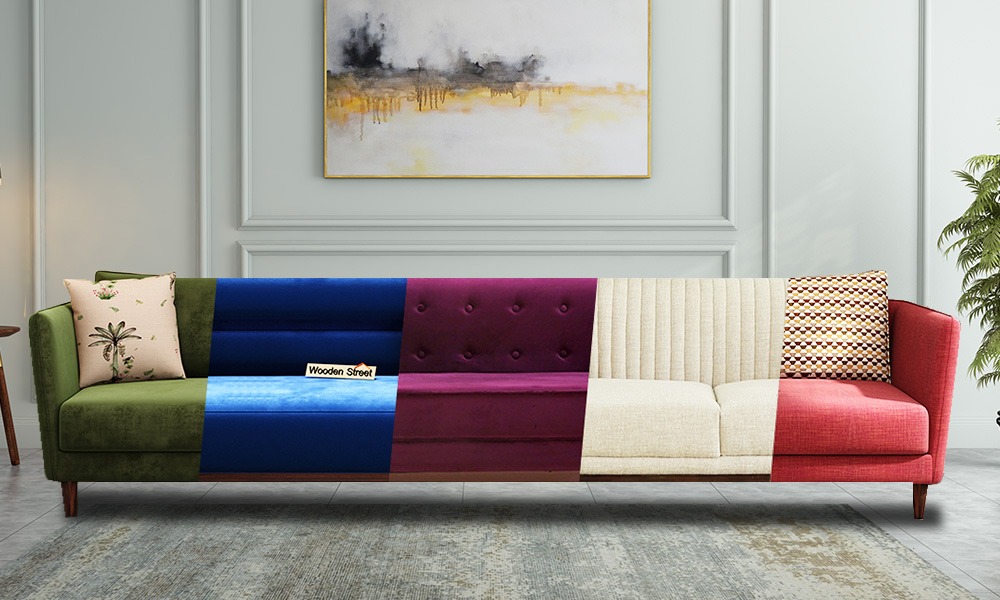

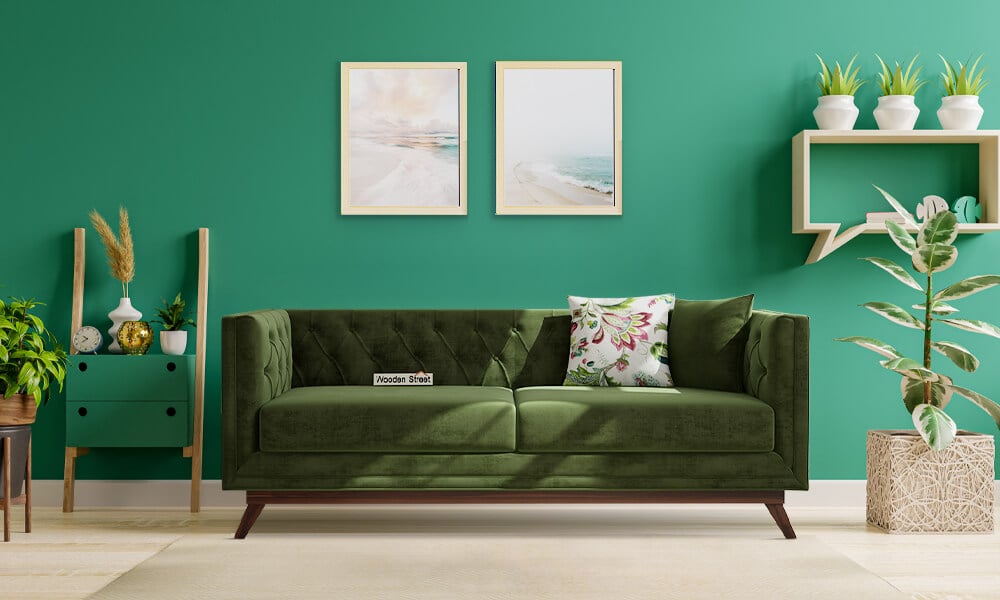


Buying furniture before moving in can lead to expensive regrets. This guide shares practical furnishing tips for first time home buyers, including smart layouts, budgeting, sizing, and furniture buying advice for first time home buyers to help create a comfortable, functional, and future-ready first home

Getting the keys to your first home is one of those moments that stays with you. The EMI is sorted. The registration is done. The loan came through. You've survived the paperwork and the bank visits and the two years of waiting.
And then, almost immediately, you start buying furniture. Fast. Excitedly. Without a plan.
This is where most first time homeowners lose a significant amount of money and end up with rooms that don't quite work, pieces that don't fit together, and at least one purchase they'll quietly regret for the next five years.
The financial blogs have covered the EMI calculations and the stamp duty and the pre approval checklist. This guide covers the part that comes after all of that, the furniture decisions that first time buyers get wrong before they've even moved a single box into the new flat. These are mistakes that no real estate guide warns you about, because furniture isn't their department. But it's ours.

This is the one that causes the most dramatic problems on delivery day and nobody talks about it until it has already happened to them.
You've measured the living room carefully. You know the sofa will fit. You've visualised exactly where it will sit. The dimensions match. You place the order, you wait three weeks, delivery day arrives, and the crew brings the sofa to your door and cannot get it in.
Standard Indian apartment door openings are 32 to 36 inches wide. A standard three seater sofa is typically 90 to 100 inches long and 36 to 40 inches deep. Getting a sofa through a 34 inch doorway means turning it on its end and manoeuvring it through at an angle. When the sofa's depth when turned vertically is greater than the door opening width, it simply does not fit. No amount of tilting or creative angling changes the physics.
The same problem appears with wardrobes, bed frames with tall headboards, and large dining tables. A wardrobe might have the right dimensions for your bedroom wall but be too tall to pass through the staircase landing on the way up to the fourth floor. A dining table top might need to be removed and carried separately.
Door width, from frame to frame at the narrowest point. Door height. The width of the staircase landing at every floor between ground and yours. If there's a lift, the interior dimensions of the lift car and the height of the lift opening. Some buildings have lift openings that are shorter than the lift interior, creating a hidden bottleneck.
Write these down. Have them open when you're on a furniture website or in a showroom. For any large piece, specifically ask: what are the delivery dimensions and will it enter as one piece or does it assemble inside the room?
Modular furniture is the most practical answer to the doorway problem for first time home owner tips on large pieces. A modular wardrobe arrives as panels and hardware and assembles completely inside the room. A modular sofa arrives in sections that are individually small enough to enter through any standard door. The joinery is designed for in room assembly without any loss of structural integrity. For the first home, modular is almost always the smarter choice for large pieces.
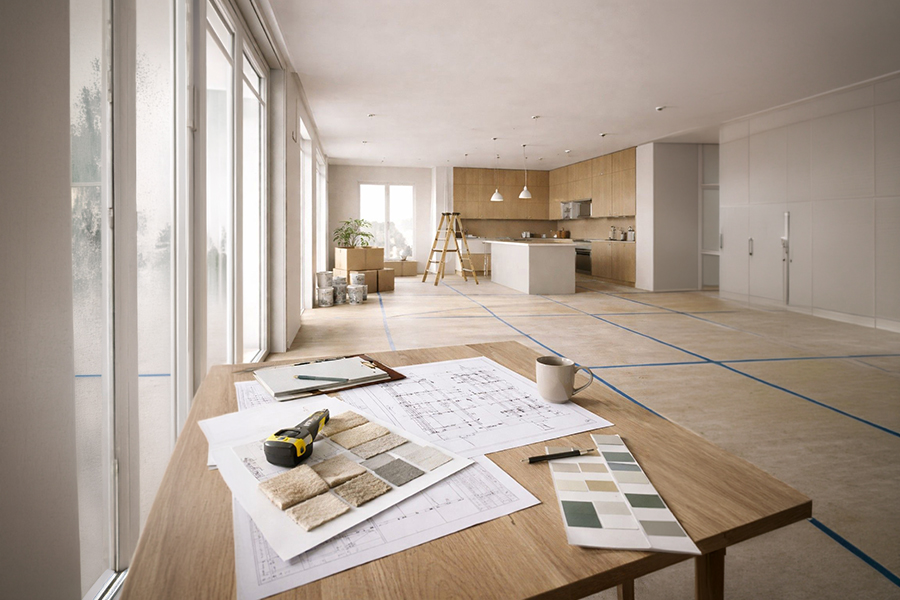
This one is subtler but the consequences compound over years in a way that the doorway mistake doesn't. You can replace a sofa that won't fit. It's harder to repaint every room because the furniture you've already bought doesn't work with any wall colour you like.
Most first time buyers choose wall colours first. The logic seems reasonable: paint is easier to decide and you need it done before you move in. Then you buy furniture to match the walls you've painted.
The problem is that furniture is the most expensive and least replaceable element in a room. A wall colour can be repainted for a few thousand rupees. A sheesham dining table you chose to match those walls is staying for fifteen years.
The correct sequence for furnishing tips for first time home buyers is this: start with the flooring tone, which is already fixed and can't be changed without major renovation. Choose your primary furniture wood tone and upholstery colour based on what works with that flooring. Then choose your wall colour to work with the furniture. Accessories and soft furnishings come last.
Flooring first, then furniture, then walls, then accessories. Not the other way around.
Indian apartments come with a lot of marble and vitrified tile flooring in cool grey and off white tones. Sheesham, which is India's most widely used furniture wood, has a warm reddish brown tone with red and orange undertones.
When buyers paint their walls in a cool grey because it looks contemporary and minimal in photographs, then bring in sheesham furniture, something feels off. Not dramatically wrong, just slightly uncomfortable. The cool grey wall and the warm reddish sheesham are pulling the room in two different directions without either element being wrong on its own.
The fix is a wall colour with warm undertones when the furniture is sheesham or mango wood. Warm white, cream, terracotta, sage green with warm yellow in it, pale ochre. These sit on the same side of the warm cool spectrum as the wood and the room feels settled rather than slightly restless.
If you specifically want a cool grey wall, pair it with metal framed furniture or a white or light grey upholstered sofa and use wooden accents sparingly. The two work together when everything is on the cool side. They don't when warm wood is the dominant element.

This is the section that saves the most money in the first year, and it runs directly against the instinct most first time buyers have, which is to furnish the whole home at once as quickly as possible.
Bed, mattress, one wardrobe, kitchen basics. That's the complete list for week one.
The bed and mattress are non negotiable because sleep quality is non negotiable. The wardrobe, at least one for the bedroom, because you need somewhere to put your clothes. Kitchen basics because you need to eat.
Nothing else. No sofa yet. No dining set yet. No study furniture. Nothing decorative.
This is the most important first time homebuyer tip in this entire guide, and the hardest one to follow when you're excited about a new home and want every room to look finished immediately.
After you've lived in the space for two to four weeks, you know things you couldn't know from a floor plan. You know where the natural light falls in the morning and in the evening. You know which direction the breeze comes from if you're in a city with cross ventilation. You know which corner of the living room feels most comfortable and which feels slightly awkward. You know how much time your household actually spends at a dining table.
That last one matters more than people expect. A significant number of Indian households, especially nuclear families in cities, almost never use a formal dining table. Meals happen at the kitchen counter, at a low coffee table, or in front of the television. Buying a full six seater dining set because the room has a dining area is a furniture buying advice mistake that a lot of first time home buyers make and then quietly live with for years.
After one month of actual living, you know whether you need a dining set and what size. You know where the sofa belongs. You know these things from experience rather than from a floor plan.
By month three you know what the rooms actually need rather than what you imagined they'd need. The study desk that seemed essential turns out to be used exclusively for storing things. The TV unit location that looked obvious on the plan doesn't work because of a window you hadn't accounted for.
Phased buying is not a compromise because you can't afford everything at once. It's the smarter approach regardless of budget, because the information you have about your home at month three is genuinely better than the information you have at week one.
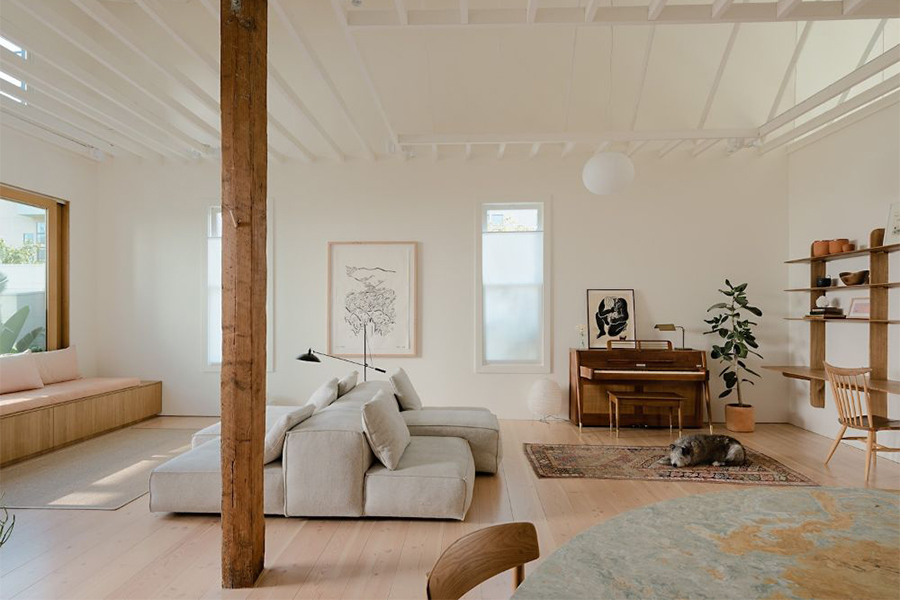
This is one of the most common and most uncomfortable furniture mistakes in Indian homes. The dining area is 9 by 9 feet. The homeowner buys a six seater dining table because they have a family of four and want to be able to host. The table fits the room in the sense that it doesn't hang out of the doorway. But using it is a different matter entirely.
A dining chair, when pulled out for someone to sit in, extends about 20 inches from the table edge. When that person is seated and eating, there needs to be enough space behind them for another person to walk past without squeezing. That requires at least 36 inches from the table edge to the wall for a comfortable seating clearance, and 42 inches on the primary traffic side where people walk through to get to the kitchen.
In a 9 by 9 foot dining area with a standard six seater table, there is often less than 24 inches between the chair backs and the wall. Sitting at the ends of the table means your back is essentially against the wall. Getting up requires everyone near you to stand first. The room is technically furnished with a dining set, but it doesn't function as a dining room in any practical sense.
The rule for furniture buying advice for first time home buyers on dining tables: measure the room, subtract the 36 to 42 inches of clearance you need on each side, and whatever space is left is the maximum table dimension. A four seater in a room that was designed for a four seater is infinitely better than a six seater that turns the room into an obstacle course.
A king bed in a 10 by 10 foot bedroom leaves approximately 18 inches of walking space on each of the three accessible sides. You can technically get into the bed. You cannot open a wardrobe door while someone else is standing beside the bed. You cannot walk around the room without pressing against the furniture.
The benchmark worth knowing: a comfortable bedroom needs at least 24 inches of clear passage on each side of the bed. 30 inches feels genuinely comfortable. Below 24 inches and the room starts to function like a hotel room that you're paying apartment prices for.
For a 10 by 10 bedroom, a queen at 60 by 78 inches leaves roughly 24 to 28 inches on the sides depending on exact room dimensions. It sleeps two adults comfortably. The room remains usable as a room rather than just a place a large bed happens to be. This is one of those tips for first home buyers that feels like a downgrade in theory and an upgrade in daily life.
Rugs sized to the furniture group rather than the room make small spaces feel more intentional and more spacious simultaneously. A rug that extends 12 to 18 inches beyond the sofa on the sides and 24 inches in front of it anchors the seating group visually. A rug that tries to cover the whole room floor in a small space just makes the floor look covered. The furniture group floats without grounding.
The first home is usually smaller than the dream home. This is not a complaint about the home, it's a prompt to furnish it intelligently.
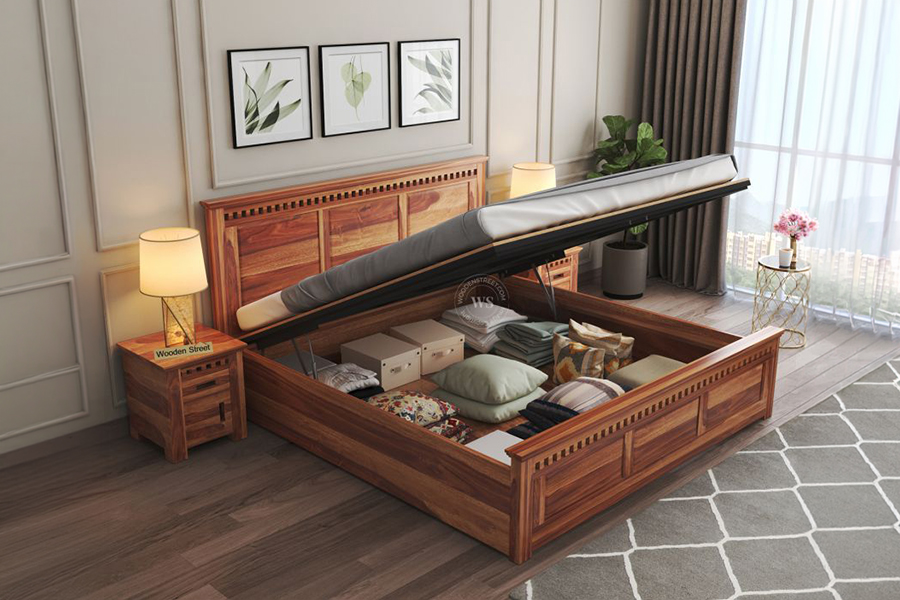
An apartment under 1,000 square feet has a storage problem that no amount of organisation skills fully solves. A hydraulic storage bed addresses the single largest untapped storage volume in a bedroom, the entire floor area under the mattress, and converts it into usable space for seasonal items, extra linen, suitcases, and anything that needs a home but doesn't need to be accessed daily.
For the first home, a storage bed is less of a luxury choice and more of a spatial necessity. The cabinet space in a compact flat simply doesn't cover everything that needs to live somewhere.
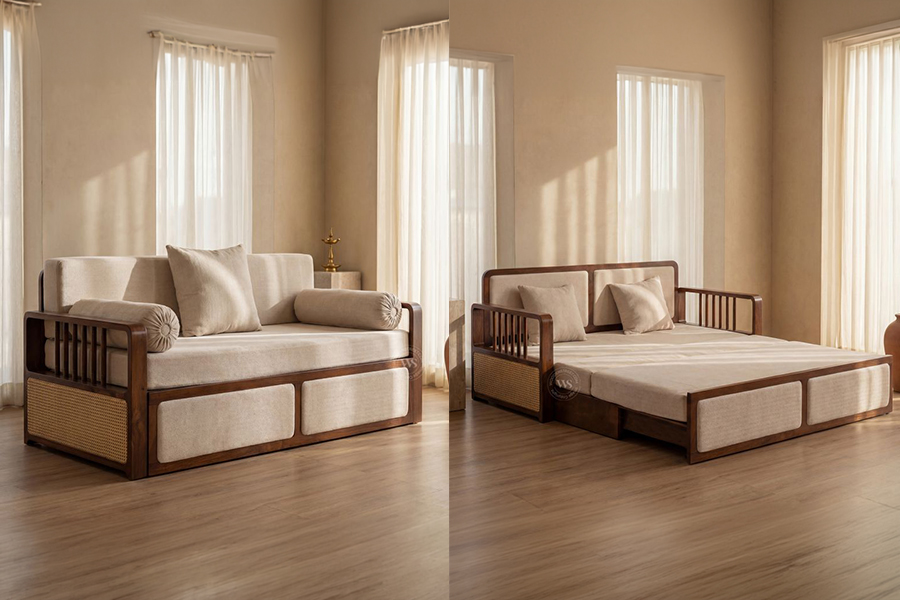
If you have a guest room or if the living room occasionally needs to double as a sleeping space, a sofa cum bed is a reasonable piece of multi functional furniture. But the mechanism determines how long it remains functional, and this is something showrooms rarely walk you through.
Pull out mechanisms extend a sleeping platform from under the sofa seat. They're the most structurally reliable of the three common types because the mechanism is simple and the sleeping surface is supported across its full length.
Fold out mechanisms unfold the backrest flat to create a sleeping surface. Reliable when well made, prone to mechanism wear on cheaper versions after a few years of regular use.
Click clack mechanisms recline the backrest in steps to a flat position. The simplest mechanism, lowest cost, and most prone to the hinge loosening with frequent use. Fine as an occasional guest option. Not the right choice if the piece will be unfolded multiple times a week.
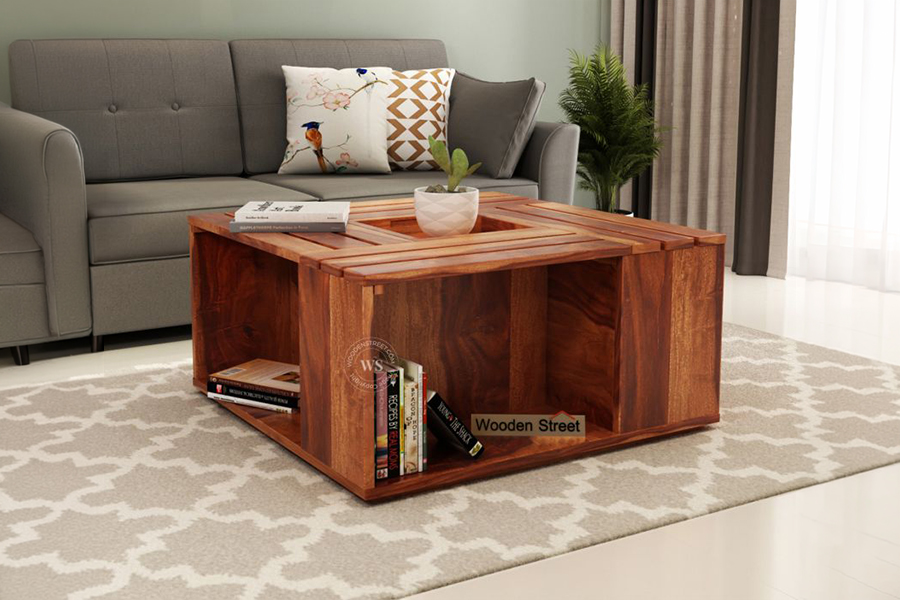
This is an underrated call for first homes. A nested set of two or three tables stacks into a compact footprint when not in use and provides flexible surface area when you need it. Hosting six people for a gathering and need extra surface space around the living room? The nested tables come out. Every other day they sit together and take up less floor space than a single coffee table.
A standard coffee table takes up roughly the same floor footprint as a nested set but provides only a fixed surface that's either in use or in the way. For a compact living room, nested tables are genuinely the smarter choice.
A useful starting framework for furnishing tips for first time home buyers: allocate approximately 50 percent of your total furniture budget to the bedroom and living room combined. These are the two rooms you inhabit most and where furniture quality has the most direct daily impact. Spend roughly 30 percent on the dining area and study. The remaining 20 percent covers every other room and space.
This doesn't mean the other rooms don't matter. It means the bedroom and living room furniture quality compounds over the years you use it in a way that a spare room's furniture doesn't.
Three pieces: the bed frame, the mattress, and the sofa frame.
You use all three daily. You use them for years. A mattress that costs half as much and lasts three years instead of ten is not a saving over a decade. A sofa frame that develops a lean or a creak within two years is not cheaper if it needs to be replaced at year three.
The bed frame and mattress together affect your sleep quality every single night. The sofa frame is what you sit on every evening. The quality you put into these three pieces is quality that comes back to you daily for as long as you live in the home.
Decorative items. Rugs. Curtains. These are the elements of a room that you will want to change as your taste evolves, as the home is updated, as new things catch your eye. They're also the elements that don't carry a structural or ergonomic function the way a bed or a sofa frame does.
A beautiful rug that costs a quarter of the premium version looks nearly as good and can be replaced in five years when your taste shifts. The same logic applied to a mattress is a false economy.
Spend on the structural, ergonomic pieces. Economise on the decorative ones. Upgrade the decorative ones gradually as you settle into the home and understand what it actually needs.
The first home is exciting in a way that makes patience difficult. Every empty room feels like an invitation to fill it immediately. The instinct to get everything done, to have a complete home, as fast as possible is completely understandable.
But the mistakes in this guide all share a common origin: decisions made too quickly, without enough information about the actual space, the actual lifestyle, the actual dimensions of the doors and the rooms and the clearances needed to make furniture usable rather than just present.
The home will be complete when it's ready to be. The good news is that the things you get right in those first few months are the things that make the difference every day for the next decade.
Ready to furnish your first home the right way? Explore Wooden Street's full range of solid wood beds, storage beds, sofas, dining sets, and modular wardrobes, all available with delivery, assembly, and the dimensions you need to check before ordering.
We will be back with the next blog soon. Till then, stay tuned!
Read More
10+ Best Couch Materials in 2026 : Complete Buying Guide
Image Source: Pinterest, Google, and Wooden Street
Trending Products
Top Picks from EveryoneArticles you will love to read
Discover the ultimate guide to choosing the perfect TV table for Indian homes in 2026. From modern TV table stand designs and wall mount TV stand ideas to television tables, TV showcase units, and TV cupboard styles, explore functional and stylish television tables and stands for every living room.
Continue Reading![Top 10 Sofa Bed Brands in India [Brand Buying Guide]](https://blog.woodenstreet.com/images/data/image_upload/1772005241top-10-sofa-cum-brands.jpg)
Looking for space-saving furniture in 2026? This blog lists the top 10 sofa kam bed brands in India, highlighting build quality, comfort, styles, and value for money to help you find the ideal option for compact and modern living spaces.
Continue Reading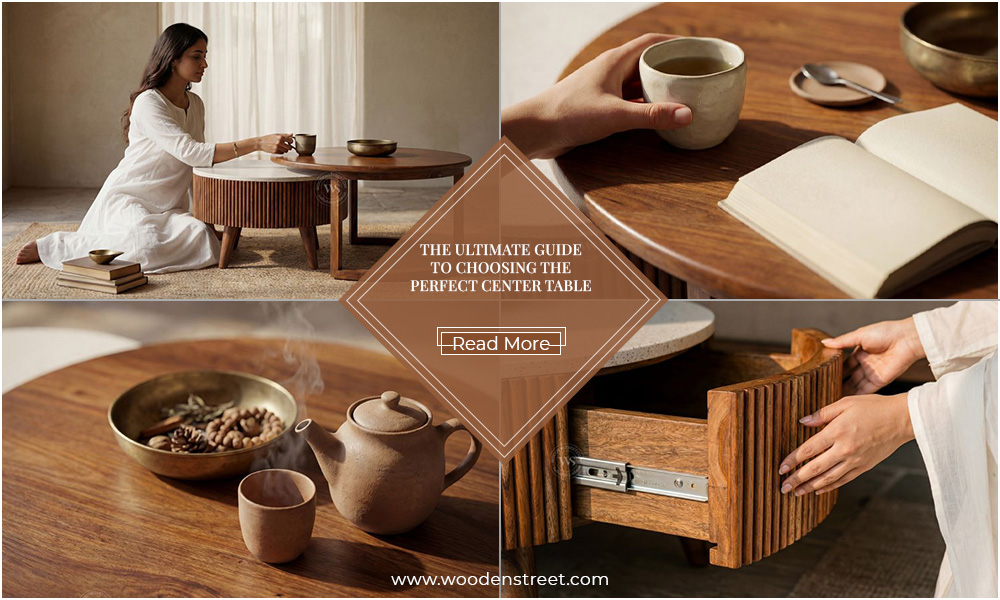
Choosing the right wooden center table for living room enhances both style and function. This guide covers ideal sizes, shapes, materials, storage options, and placement tips to help you find a table that perfectly complements your décor, sofa arrangement, and everyday living needs
Continue Reading
Planning to upgrade your living space? This guide reveals expert tips to choose the perfect 3 seat recliner couch, covering comfort, materials, mechanisms, and interior styling. Learn how to balance functionality with aesthetics to create a cozy, modern, and space-efficient home setup in 2026.
Continue Reading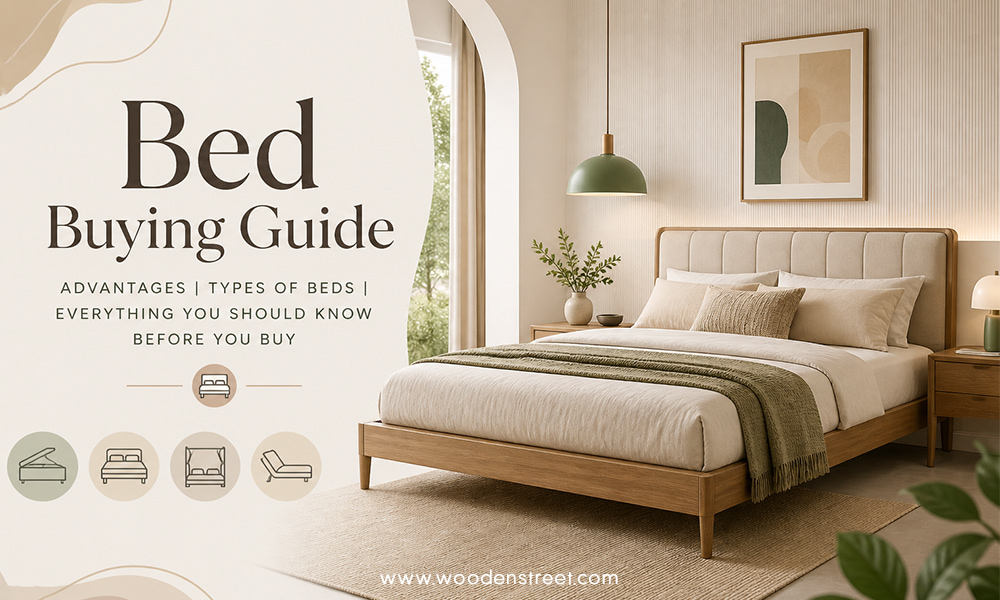
Choosing the right bed is essential for comfort, sleep quality, and bedroom aesthetics. This comprehensive bed buying guide covers the advantages of different bed styles, popular bed types, materials, storage options, and important factors to consider before making a purchase. Whether you're furnishing a new home or upgrading your bedroom, this guide helps you find the perfect bed to match your space, lifestyle, and budget.
Continue Reading


