






Bed bugs and dust mites are often confused, but they require different treatment approaches. This guide explains how to identify each, recognize the warning signs, and how to get rid of dust mites and bed bugs using effective cleaning, prevention, and mattress care strategies for a healthier sleeping environment.
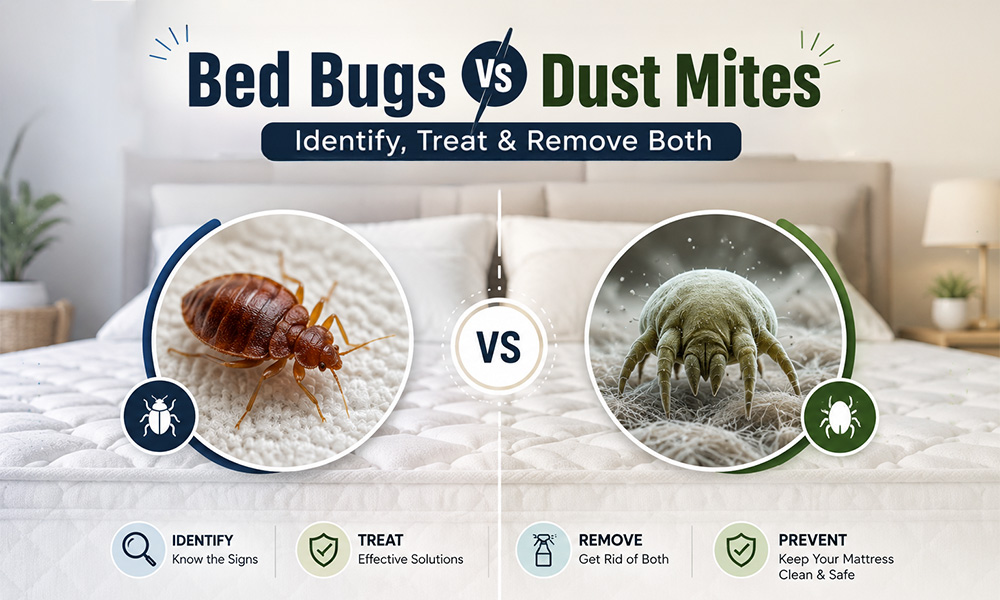
It might be possible that something is messing up with your sleep schedule, such as you’re getting itchy skin, sneezing fits, or mystery marks on your arms. Before your spiral, let’s take a walk through and figure out about who the real culprit is. Bed bugs and dust mites are two very different problems that need very different solutions. The below guide is made for you that breaks it all down quickly.
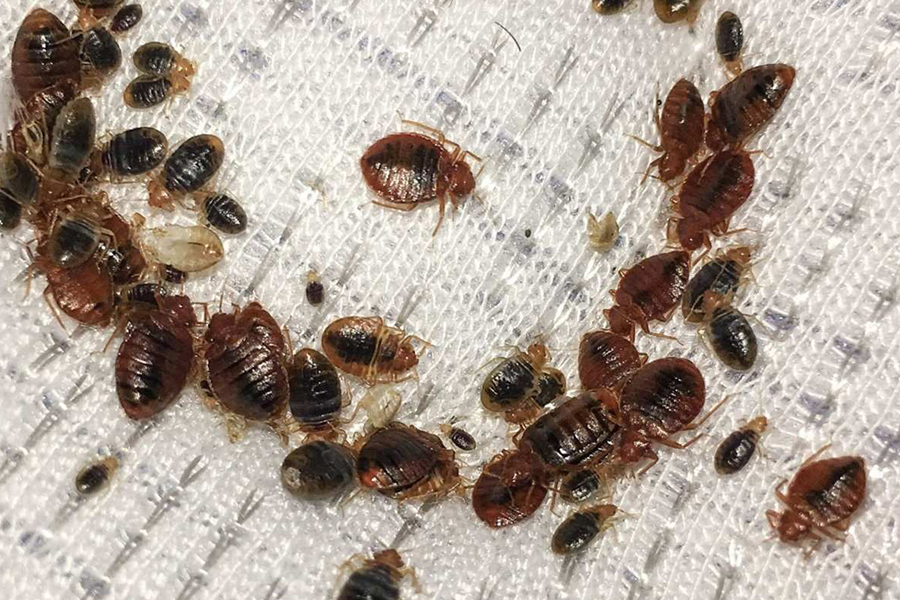
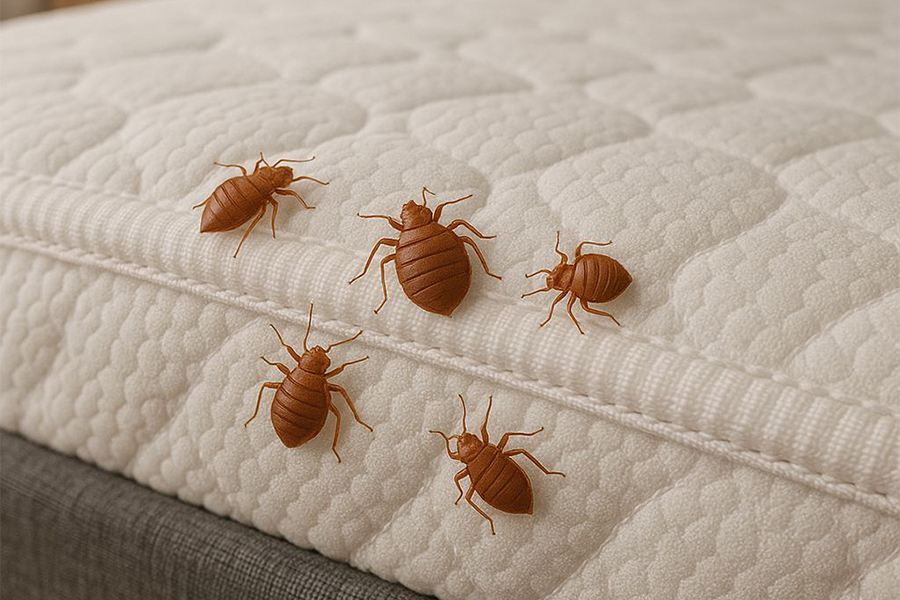
Bed bugs are quite small, reddish-brown insects that feed on blood while you’re sleeping. They’re about the size of an apple seed, visible to the naked eye, plus are said to be expert hiders. They live in mattress seams, bed frames, as well as cracks in furniture. One female can lay up to 500 eggs in her lifetime, so this means a small problem can become a big infestation fast.

Dust mites are called as microscopic arachnids. Too small to see, yet it feeds on dead skin cells. They don’t bite, but their waste particles can trigger allergic reactions, such as sneezing, itchy eyes, rashes, and asthma flare-ups. Your mattress, with its warmth, moisture, and shed skin, is their perfect home. A single mattress can easily house over a million of them.
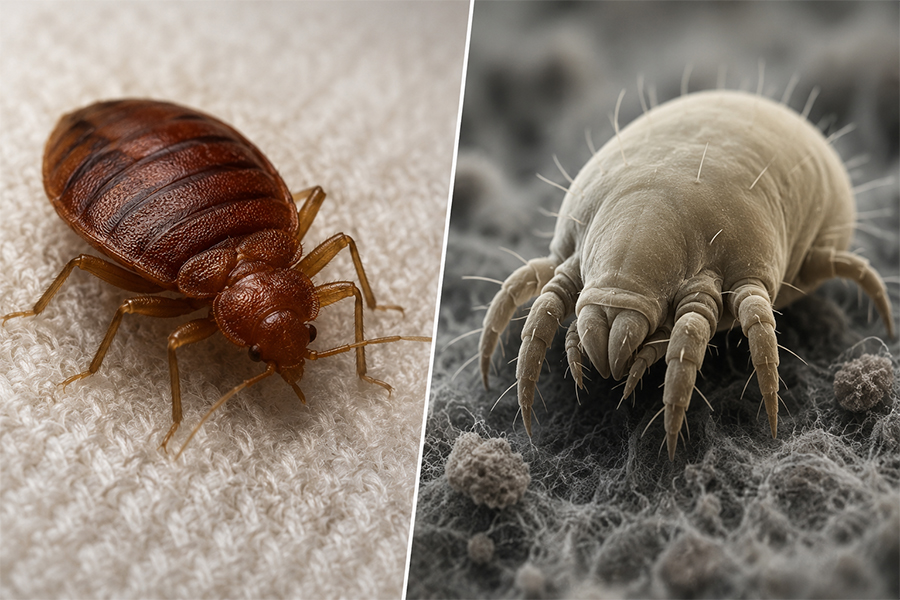
Bed bugs are visible, brownish, flat, about 5-7mm. Dust mites are completely invisible without a microscope. If you can see it crawling, it's not a dust mite.
Bed bugs hide in seams, folds, and furniture cracks near the bed. Dust mites live deep inside mattresses, pillows, and soft furnishings, anywhere warm and humid.
Bed bugs leave itchy bite marks, usually in lines or clusters, on exposed skin. Dust mites don't bite but trigger allergy symptoms, especially first thing in the morning.
Bed bugs are harder to fully eradicate. Dust mites are nearly impossible to wipe out completely, the goal is reduction and ongoing control.
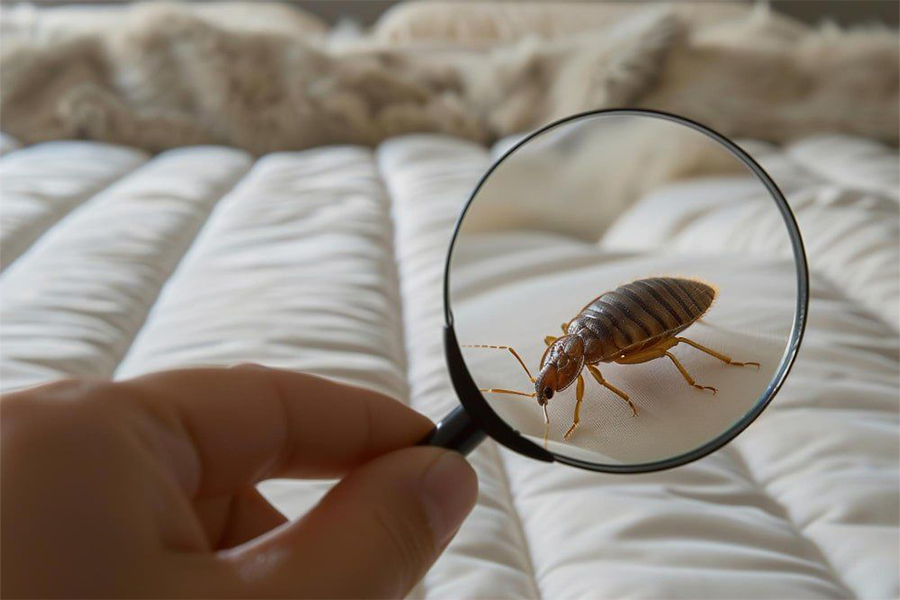
Check mattress seams for tiny dark dots (excrement) or rust-coloured smears (crushed bugs or dried blood). These are the most common first signs.
Use a torch and inspect seams carefully. Adult bugs are brownish and oval; eggs are tiny, white, and found in clusters. Either confirms an active infestation.
As bed bugs grow, they shed translucent exoskeletons. Finding these near seams or under the bed frame is a strong sign, even without spotting a live bug.
Heavy infestations produce a sweet, musty smell, similar to overripe fruit. If your mattress suddenly smells strange, add this to your checklist.
Bed bug bites appear in lines or clusters on exposed skin, arms, neck, shoulders. They show up overnight and are one of the earliest signs people notice.
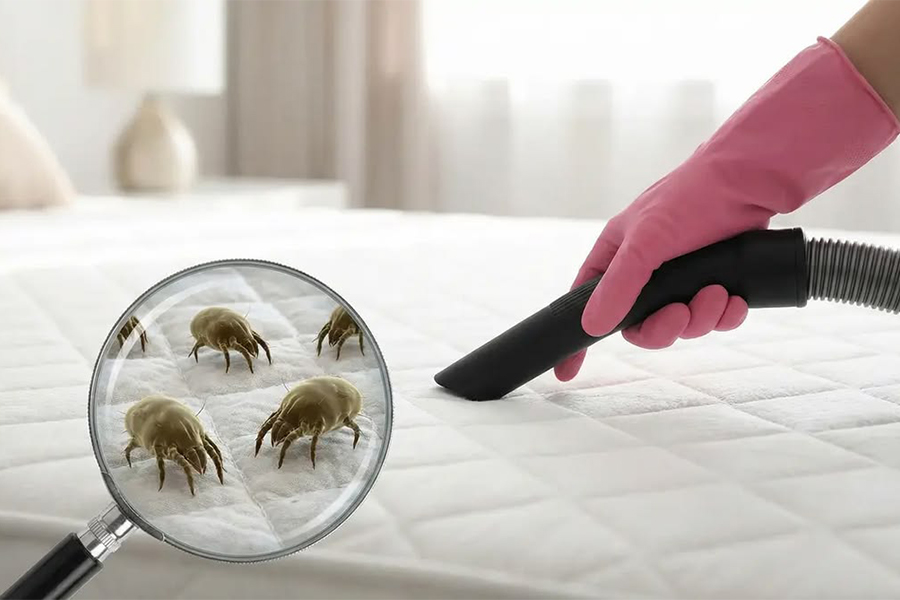
You can't see them. But a dust mite test kit (available at pharmacies) can confirm their presence. Alternatively, if your allergy symptoms ease when you're away from home, dust mites are very likely involved.
Dust mites don't actually bite. What people call "dust mite bites" is usually a skin reaction, redness, itchiness, or a rash, caused by allergens in their waste, not an actual bite.
Symptoms include: morning sneezing, nasal congestion, itchy/watery eyes, skin rashes, and worsening asthma. If these improve when you're away from home or after changing bedding, dust mites are the likely cause.
Bed bugs have nothing to do with how clean your home is. They're hitchhikers. Common causes include:
Once inside, they multiply quickly. Act fast.

Dust mites thrive in temperatures of 20-25°C and humidity above 50%. They colonise mattresses, pillows, duvets, carpets, and soft furnishings. Reducing warmth and moisture is the most effective way to control them.
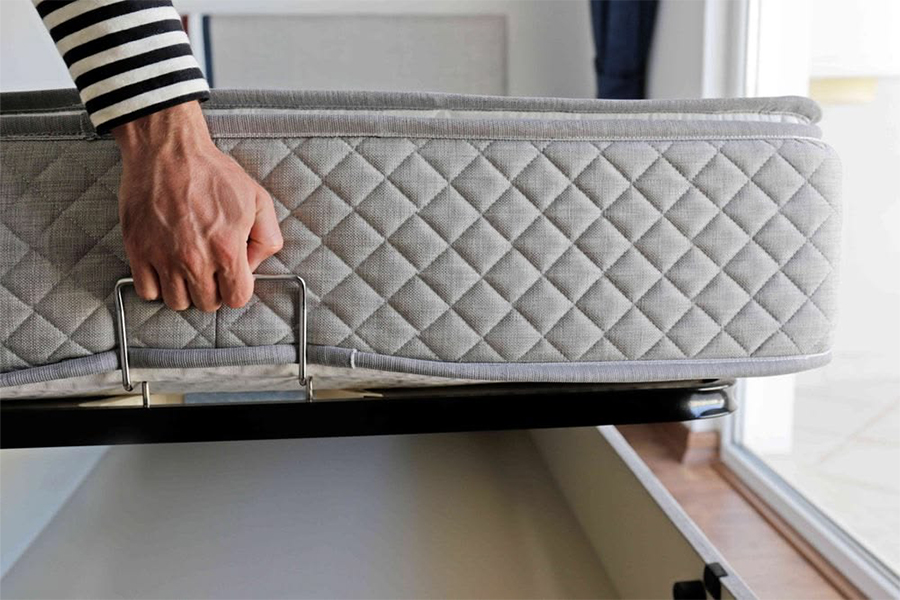
Usually, no. For dust mites, replacement doesn't help, they'll colonise a new mattress just as quickly. For bed bugs, proper treatment (heat, vacuuming, encasement) can save the mattress in most cases. Replacement is only needed for severe structural damage or extreme infestations.
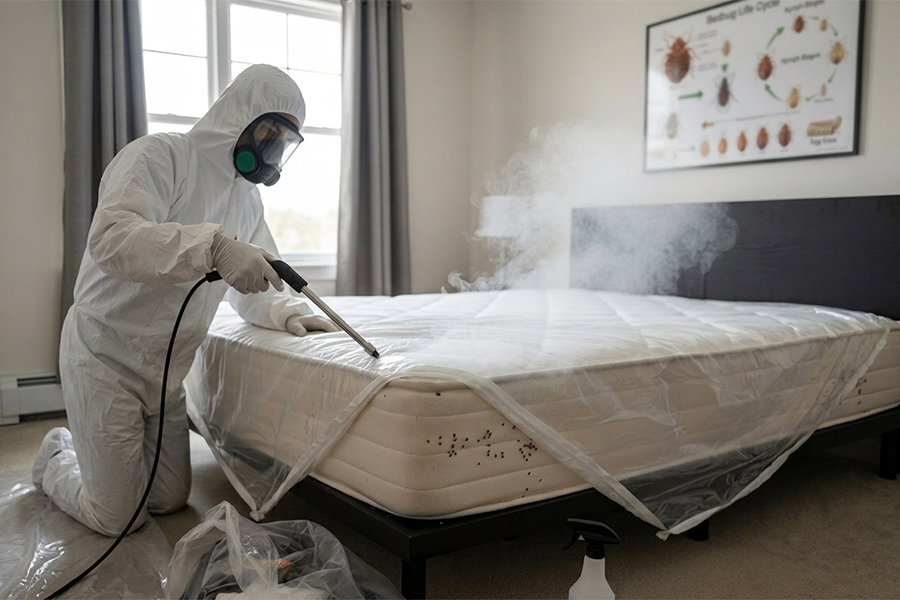
Wash everything in hot water (60°C+) and tumble dry on high heat for 30 minutes. Seal items in bags before moving them to avoid spreading bugs.
Use a hose attachment on every surface, seams, tufts, edges, and both sides. Seal and bin the vacuum bag immediately afterwards.
This is a key step for how to remove bed bugs from a mattress. Steam above 120°C kills bugs and eggs on contact. Move slowly along seams for maximum effect.
Lightly dust DE or borax along seams, under the mattress, and around the bed frame. Leave for several days, then vacuum up. Both damage insect exoskeletons and cause dehydration.
A bed bug-proof zippered encasement traps any remaining bugs and starves them out. Leave it on for at least 12 months. This is essential for how to get rid of bed bugs from a mattress for good.
Bugs don't only live in the mattress. Vacuum and steam the frame, apply DE to cracks, and treat the whole room. For heavy infestations, call professional exterminators.
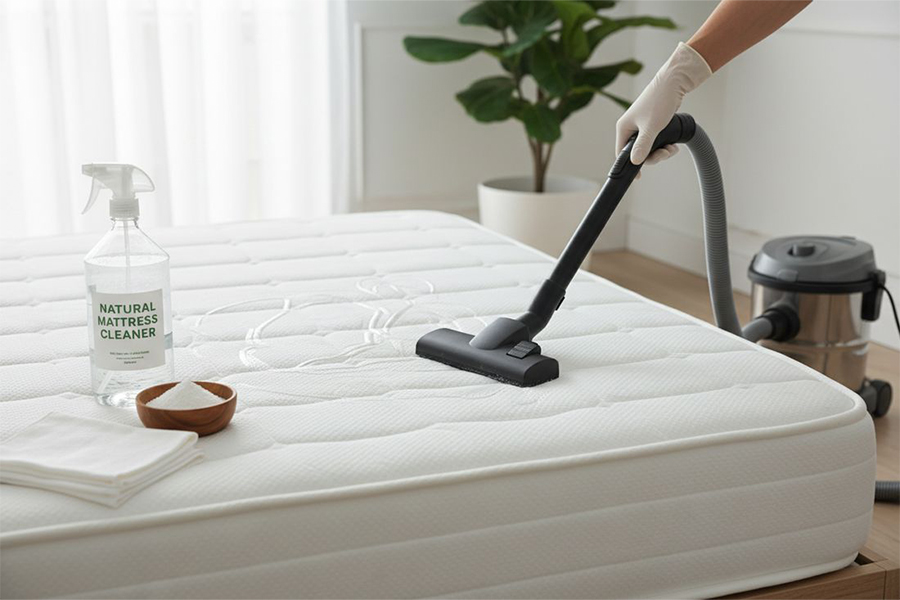
Use a damp cloth on surfaces to avoid scattering allergens. Steam clean mattresses and upholstery regularly, heat above 55°C kills dust mites instantly.
For severe allergy sufferers, a daily vacuum of the mattress surface with a HEPA-filter vacuum makes a real difference in allergen load.
Don't immediately make the bed after waking. Let bedding air for 20-30 minutes to release overnight moisture, the very thing dust mites need to survive.
Silica gel sachets absorb moisture near the bed. DE lightly dusted on the mattress surface dehydrates and kills mites. Vacuum off after a few hours.
Keep bedroom humidity below 50% using a dehumidifier and good ventilation. Even small drops in warmth and moisture significantly reduce mite populations.
A HEPA air purifier won't kill mattress mites but captures airborne allergen particles, reducing sneezing and eye irritation while you sleep.
Tightly woven allergen-barrier covers prevent mites from reaching the sleep surface and are one of the most recommended measures by allergists.
Replace bedroom carpet with hard flooring if possible. Swap heavy curtains for blinds. Fewer fabric surfaces means fewer places for mites to colonise.
Clutter traps dust and creates hard-to-clean allergen hot spots. Keep the bedroom simple, floors clear, and nothing stored under the bed.
This is non-negotiable if you have a dust mite allergy. Weekly washing at 60°C+ kills mites and removes allergen build-up that accumulates throughout the week.
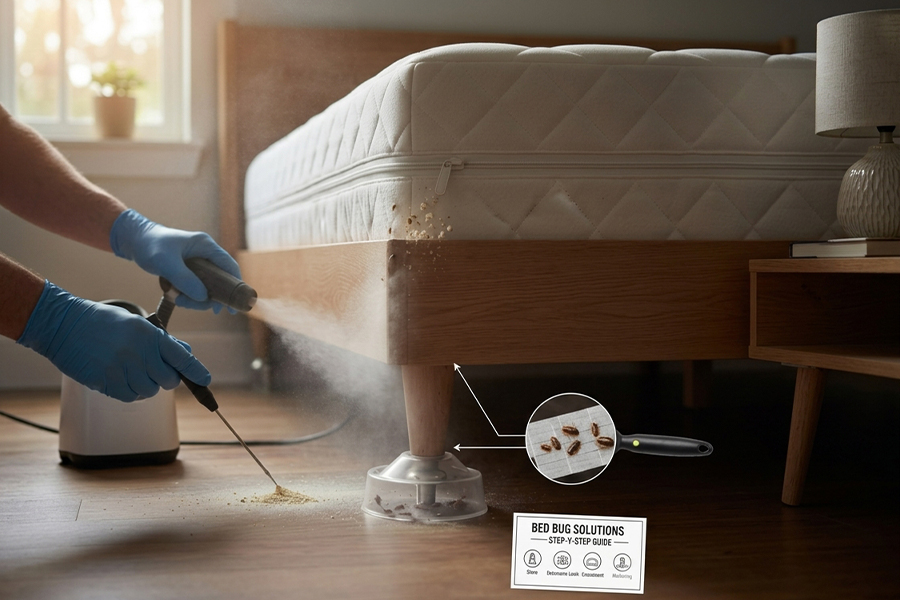
Bed bug-proof encasements trap bugs inside and prevent new ones from reaching you. Use alongside other treatments for best results.
Dilute 20 drops in 200ml water and spray on mattress surfaces. Useful as a repellent and supplementary treatment, not a standalone fix for active infestations.
Sprinkle on the mattress, leave a few hours, then vacuum. Evidence is limited, but it's a harmless supplementary step alongside more effective treatments.
More potent than baking soda, borax damages bed bug exoskeletons. Apply to seams and the bed frame. Keep away from children and pets.
One of the most effective chemical-free options. Move the steamer slowly across all mattress surfaces, fast movement reduces the heat impact on bugs.
Pyrethroid-based sprays kill bugs but resistance is growing. Natural options like neem oil and lavender sprays are safer alternatives for regular use.
For severe infestations, professional treatment is the most reliable option. Experts combine chemical, heat, and monitoring methods that DIY approaches can't match.
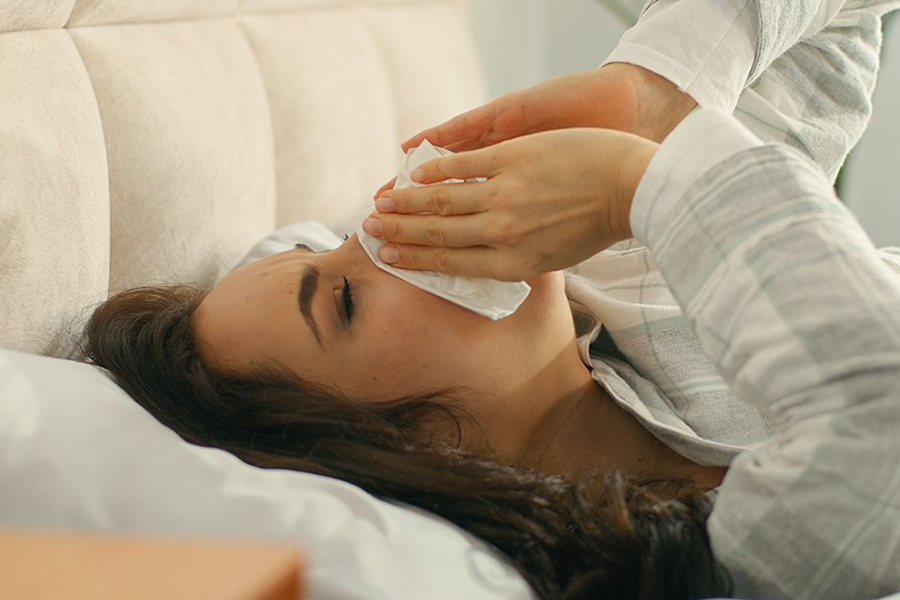
Antihistamines (cetirizine, loratadine) reduce sneezing and itching. Nasal corticosteroid sprays are more effective for persistent symptoms. Use as directed.
Physical barrier covers on your mattress, pillows, and duvet are often the single most impactful step for reducing dust mite allergy symptoms at night.
A HEPA air purifier running in the bedroom continuously reduces airborne allergen particles, making a noticeable difference to morning symptoms.
If symptoms persist despite environmental controls, or if asthma is involved, see a doctor. They may recommend allergy testing or immunotherapy for long-term relief.
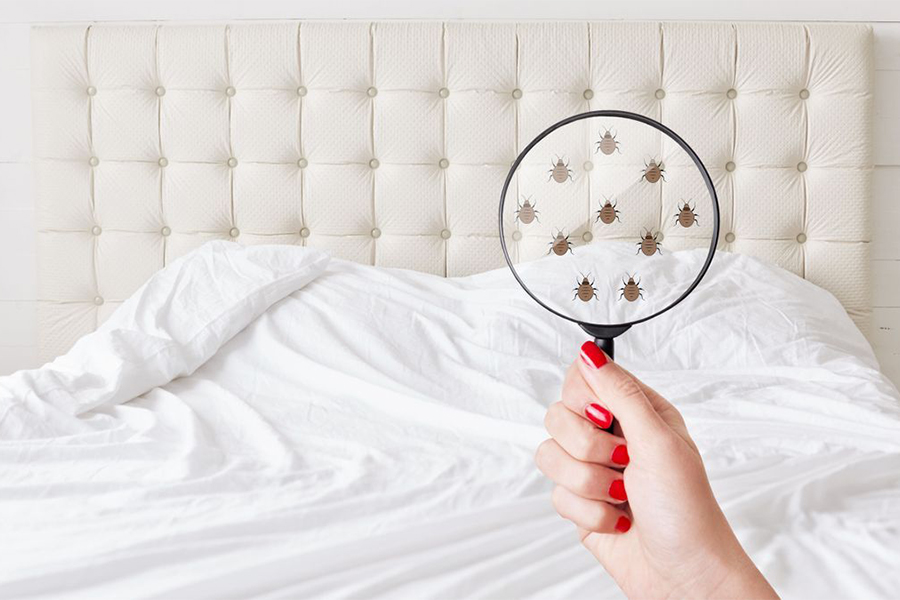
Check mattress seams and the bed frame monthly. Catching a new infestation early makes treatment far simpler and less costly.
Fewer hiding places means bugs are easier to spot. Vacuum regularly and avoid storing items on the floor near the bed.
Bugs travel through cracks in walls and skirting boards. Seal gaps with caulk and use door sweeps to block entry points between rooms.
Bed bug interceptors placed under each leg trap bugs trying to climb up. Keep the bed away from walls and stop bedding from touching the floor.
Inspect hotel mattress seams before unpacking. Keep luggage off the floor. Wash all clothing in hot water as soon as you return home.
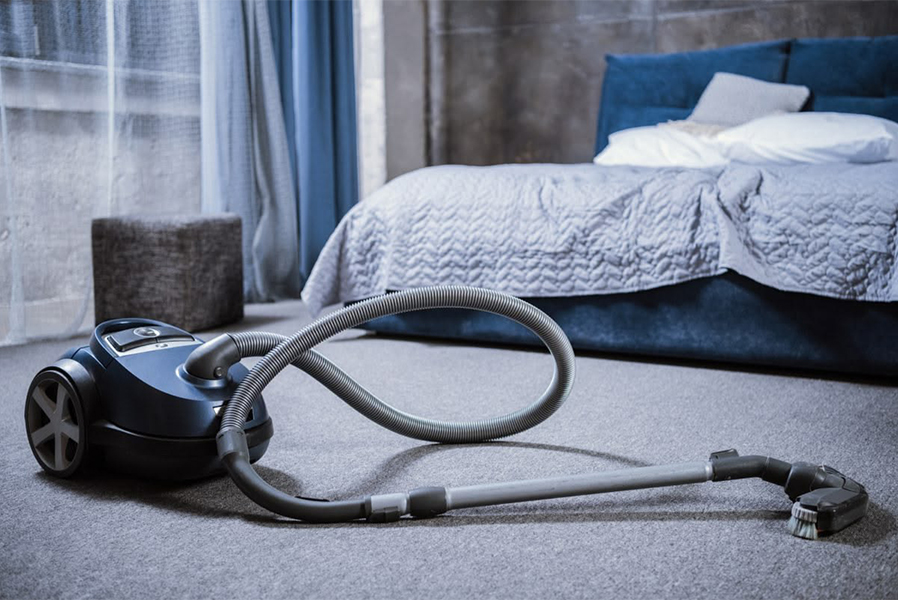
Use a dehumidifier and open windows regularly. Dust mites struggle to survive when bedroom humidity stays consistently below 50%.
Set a weekly reminder and stick to it. This single habit does more to control dust mites than almost anything else.
Allergen-barrier protectors work continuously between washes. Replace every 1-2 years and wash the covers at least once a month.
A fortnightly HEPA vacuum of your mattress top, sides, and seams significantly reduces allergen load, especially if you don't yet have barrier covers.
Direct sunlight kills dust mites. On warm days, leave the mattress near a window or outside for an hour. It also helps dry out overnight moisture.
Your mattress type matters more than most people realise. Here's what to know.
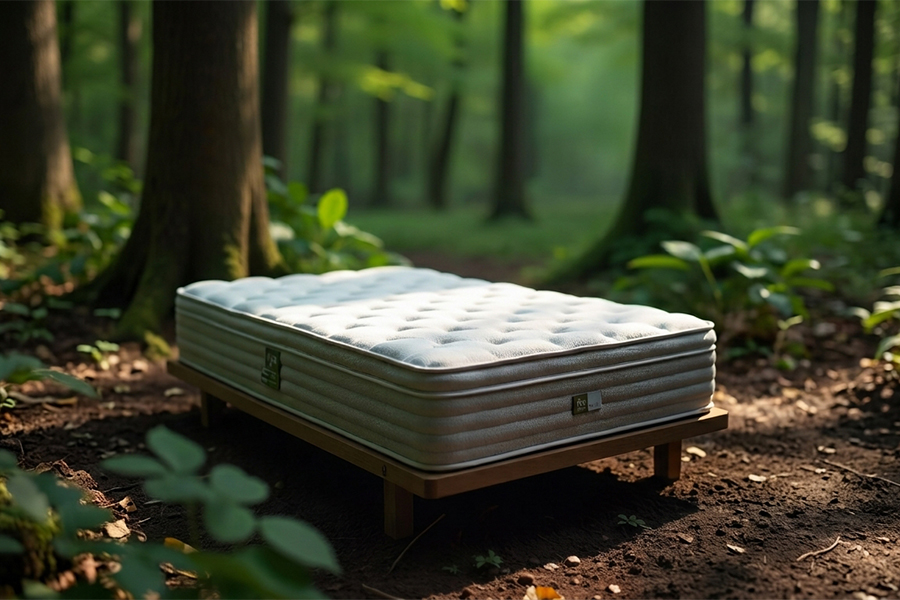
Natural latex mattress is antimicrobial and naturally resistant to dust mites. Its dense structure gives bugs and mites very little to work with. A strong choice for allergy sufferers.
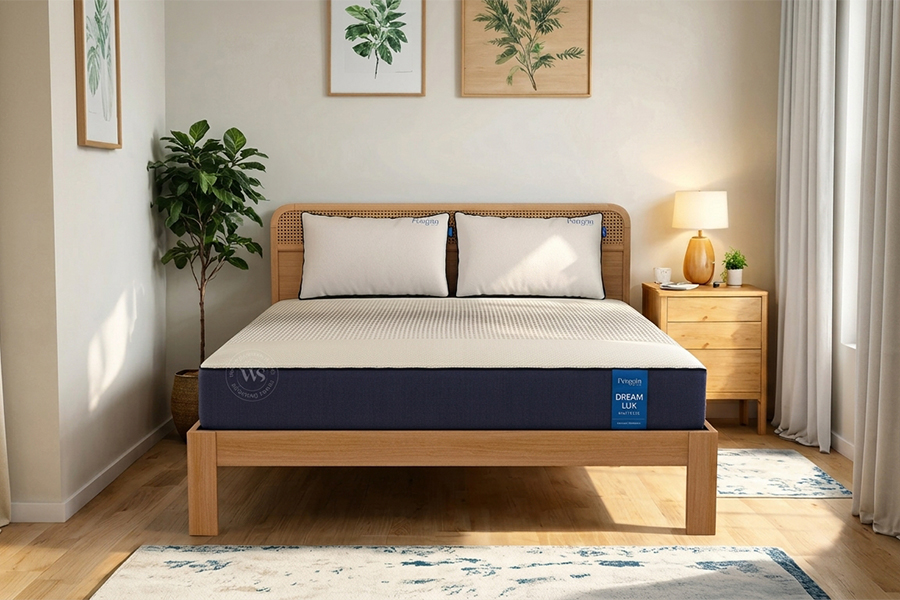
Dense foam with fewer seams and voids is less hospitable to both bed bugs and dust mites. The Dream Lux mattress pairs an Adaptive Memory Foam Layer with AeroWAVE™ Technology and a breathable mesh cover, improving airflow and reducing the warmth and moisture that dust mites need to thrive.
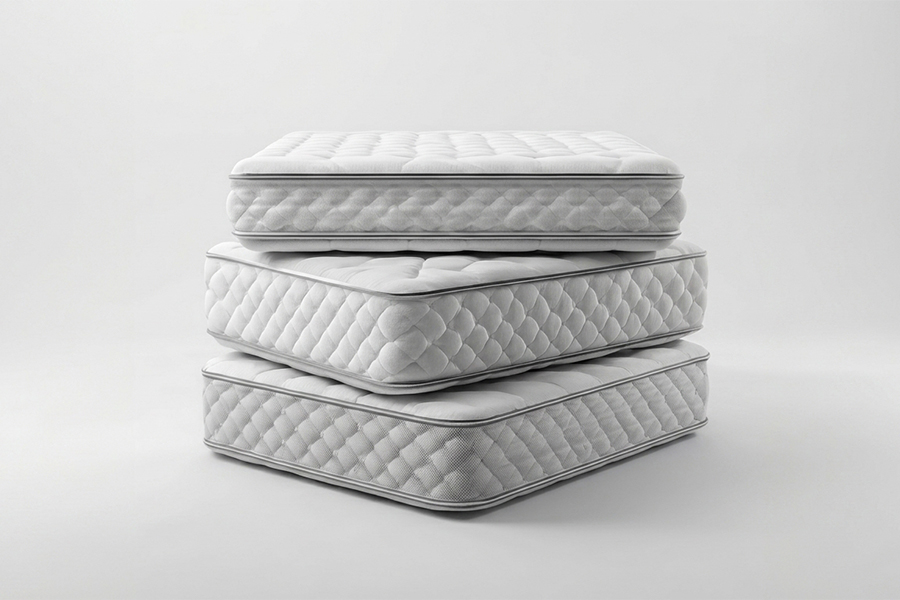
More internal space than foam mattresses, so regular cleaning and a good protector are essential. Good airflow, especially in mattresses with active ventilation technology, helps keep moisture-loving mites in check.

Naturally hypoallergenic and free from chemical treatments. Cotton breathes well but can still harbour mites over time. A good mattress protector is a must.
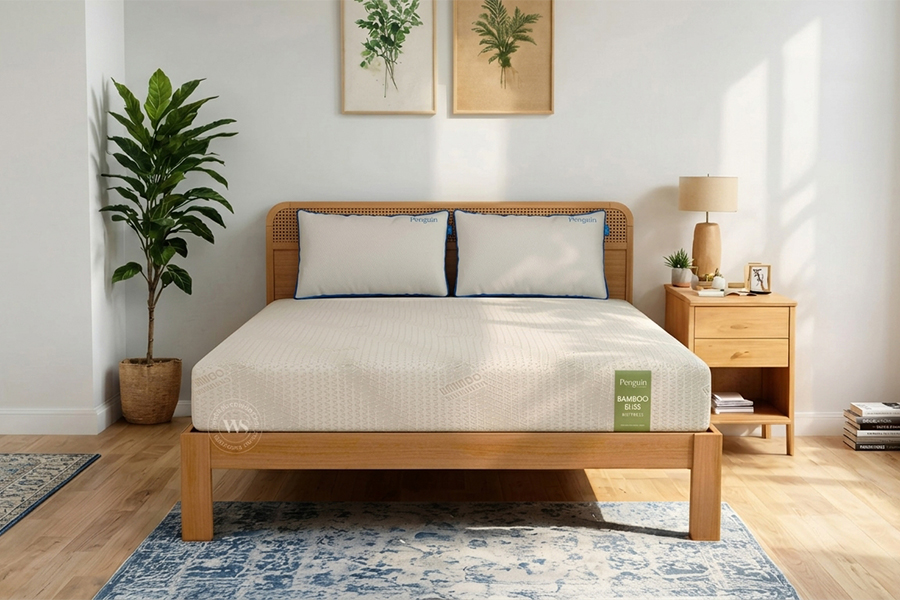
Bamboo-based mattresses are naturally breathable and hypoallergenic, two properties that directly discourage dust mites. The Bamboo Bliss mattress features a High-GSM Bamboo-Infused Fabric Cover for superior temperature regulation and airflow, a Responsive Latex Pinhole Layer for natural ventilation, a 5-Zone CNC-Cut HR Foam for targeted support, and an Anti-Skid Base for stability. A cooler, drier sleep surface means a less hospitable environment for mites.
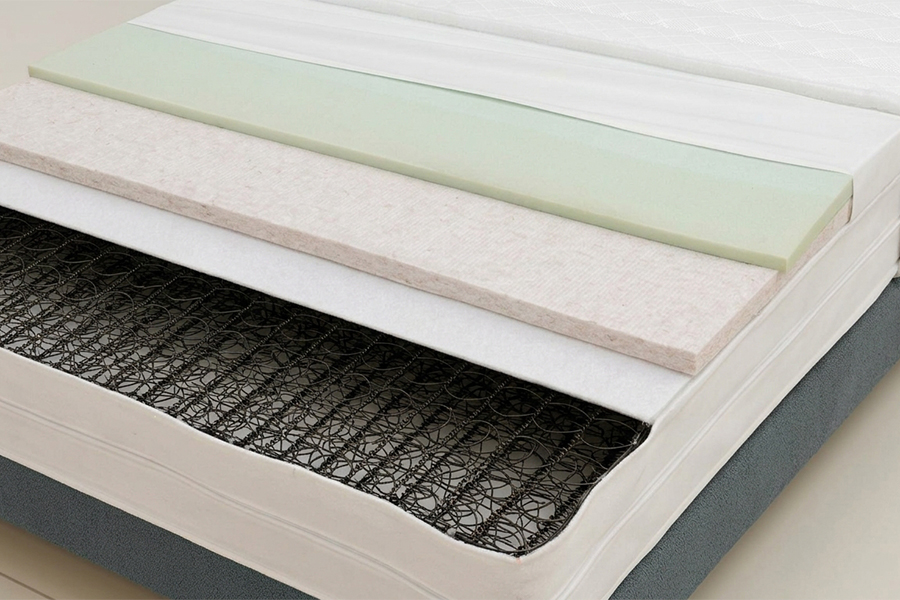
More seams and crevices make innerspring mattresses more vulnerable to both pests. A high-quality allergen-barrier protector makes a major difference, it's non-negotiable with this mattress type.

Smooth PVC surfaces give mites and bugs very little to grip. Great as a low-risk, easy-to-clean option for guests. Wipe down after use and store sealed.
Bed bugs and dust mites are two very different problems, but they share one thing in common: your mattress is their favourite place to be. The good news is that with the right approach, both are manageable.
If you're dealing with bed bugs in a mattress, act fast. Strip, vacuum, steam, apply DE, encase, and treat the whole room. Don't give them time to multiply. For dust mites, it's less about one big fix and more about consistent habits, washing bedding weekly, controlling humidity, using allergen-proof covers, and keeping the bedroom clean and clutter-free.
And if you're thinking about a new mattress, choose wisely. A mattress with natural breathability, like the Bamboo Bliss with its bamboo-infused cover and latex ventilation layer, or the Dream Lux with AeroWAVE™ Technology and mesh fabric for active airflow, creates a cooler, drier sleep environment that's far less welcoming to dust mites from day one.
At the end of the day, good sleep starts with a clean, healthy mattress. You spend a third of your life on it, it's worth protecting.
We will be back with the next blog soon. Till then, stay tuned!
A Yes. Adult bed bugs are about 5–7mm, brownish, and visible, though they hide well in seams and dark crevices.
A Yes. Dust mites will colonise any mattress within weeks given the right warmth, humidity, and shed skin to feed on.
A With consistent treatment, most infestations clear in 2–4 weeks. Severe cases may need professional treatment over a few months.
A No. They also hide in bed frames, headboards, skirting boards, furniture, and electrical outlets near the sleeping area.
A Bite marks overnight suggest bed bugs. Morning sneezing, itchy eyes, or nasal congestion point toward dust mites instead.
A Yes. Washing at 60°C and tumble drying on high heat kills bed bugs at all life stages, including eggs.
A Temperatures above 50°C kill bed bugs. Steam at 120°C+ is effective on contact and also destroys eggs immediately.
A Rarely life-threatening, but they significantly affect sleep quality and can seriously worsen asthma symptoms over time.
A Latex and dense foam mattresses resist mites best. Pair any mattress type with an allergen-barrier protector for optimal protection.
A Yes, if reintroduced via travel, second-hand items, or untreated neighbouring rooms. Ongoing vigilance and prevention are essential.
Trending Products
Top Picks from EveryoneArticles you will love to read

Sofa-cum-beds are the perfect utilitarian furniture units, and at Wooden Street, we have a wide range of sofa-cum-beds in different sizes, finishes and designs. Check the looks of various sofa cum beds, that will help you in choosing the one for you
Continue Reading
Are you someone who is rooted in tradition when it comes to decorating your personal space? And someone who always wanted to add classic and timeless design to your bedroom? Then this blog is for you, which includes tradition bedroom furniture units
Continue Reading
Dressing table is that one piece of furniture which can offer a chic look to your bedroom décor. These aren’t just for storage or for personal grooming, but also act as a platform to showcase your personality by embellishing it.
Continue Reading
Are you thinking to replace your old mattress? Or want a companion for your new bed? It may sound like a simple question- but it is usual to be distracted by different types of mattresses when you're looking for a new one. From size, material and com
Continue Reading
A twin bed with pull out bed underneath, in short, a trundle bed is the most wonderful and stylish way to use a constraint space. Trundle beds are not just for kids but also for adults as most of us are heading towards the urban life where every inc
Continue Reading


