






Knowing how to flip a mattress depends on its construction, as many modern mattresses only require rotation. This guide explains when to flip, how often to rotate, why regular maintenance improves comfort and longevity, and which mattresses-including infant models-should never be flipped incorrectly.
You spent good money on your mattress. But if you've never rotated it, or you've been flipping a mattress you were never supposed to flip, you've probably been slowly wrecking it without even knowing.
Here's everything you need to know about how to flip a mattress, when to rotate, how often to do it, and what happens when you skip it entirely.
Most people use these words like they mean the same thing. They don't. Getting this wrong can actually damage your mattress.
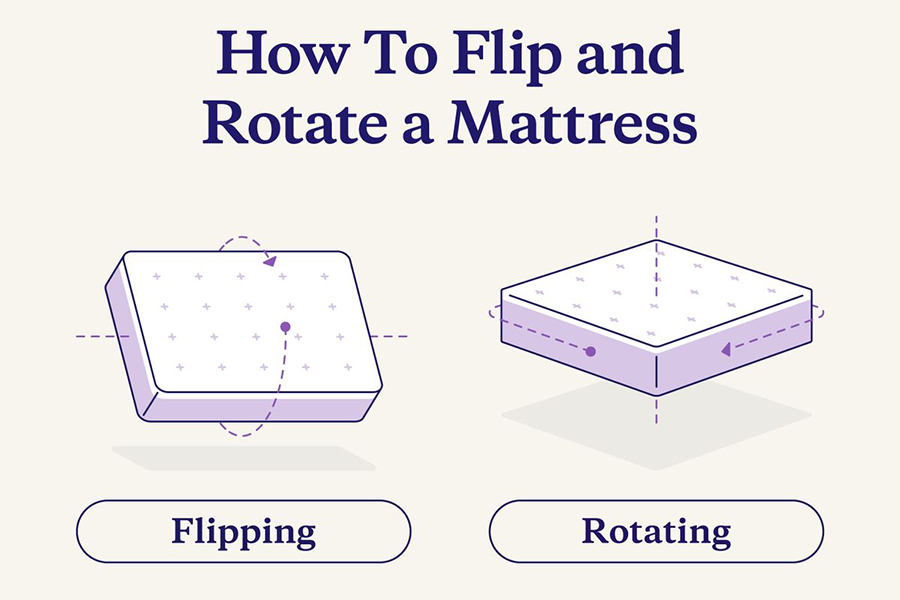
Rotating means turning your mattress 180 degrees on the same side, head becomes foot, foot becomes head. The sleep surface stays facing up, but the position shifts. This is the right move for most modern mattresses and directly addresses uneven wear caused by sleeping in the same spot every night.
Flipping means turning the mattress completely upside down so the underside becomes the new sleep surface. This only works on double-sided mattresses, ones built with comfort layers on both sides. Flip a one-sided mattress and you'll be sleeping on the hard support base. Not ideal.
|
Feature |
Rotation |
Flipping |
|
What it means |
Turn 180° head-to-foot |
Turn upside down |
|
Who it's for |
Almost all mattresses |
Double-sided only |
|
How often |
Every 3–6 months |
Every 3–6 months |
|
Main benefit |
Evens out surface wear |
Uses both sleep sides |
|
Risk if done wrong |
Very low |
Damages one-sided mattress |
The short answer: probably not. Unless your mattress was specifically built to be flipped, doing so will ruin it.
True double-sided mattresses are the only ones you should flip. These include some older innerspring models, certain natural latex mattresses built with identical layers on both sides, and specialty orthopaedic designs that come with explicit flip instructions from the manufacturer. If your mattress came with a care card that says "flip quarterly", do it. Otherwise, don't guess.
This covers the vast majority of modern mattresses, memory foam, hybrid, pillow-top, and most latex designs. These are engineered with comfort layers on top and a firm support base at the bottom. Flip them and you're sleeping on the base layer. You lose all pressure relief, ruin the foam structure, and likely void the warranty too. The rule is simple: if it came with a pillow-top, euro-top, or any kind of soft top layer, never flip it.
Yes, almost always. Rotation is the single most effective habit for extending mattress life.
You sleep in the same spot every night. Your hips sink into the same zone. Your shoulders press the same area for 2,500+ hours a year. Over time, that creates body impressions, dips and soft spots that don't bounce back. Rotating your mattress moves that worn zone to the foot of the bed, where only your legs rest, and brings the fresher end to the top. It's not magic, it's just basic physics. Spread the load and the mattress lasts longer.
Most do. A small number of mattresses, typically high-end models with very specific zoned support systems, are designed to stay in one orientation. Always check the manufacturer's care guide first. But for the majority of foam, latex, hybrid, and spring mattresses, regular rotation is the number one maintenance habit that actually makes a difference.
There's no one-size-fits-all answer. Here's a quick guide by mattress type, and a reference table to stick on the fridge.
|
Mattress Type |
Rotate? |
Flip? |
|
Memory Foam |
Every 3–6 months |
No |
|
Latex |
Every 6 months |
Only if double-sided |
|
Hybrid |
Every 3–6 months |
No |
|
Innerspring |
Every 3–6 months |
Only if double-sided |
|
Pillow-Top |
Every 3 months |
Never |
|
Orthopaedic |
Every 3–6 months |
No |
|
Double-Sided |
Every 3 months |
Every 3–6 months |
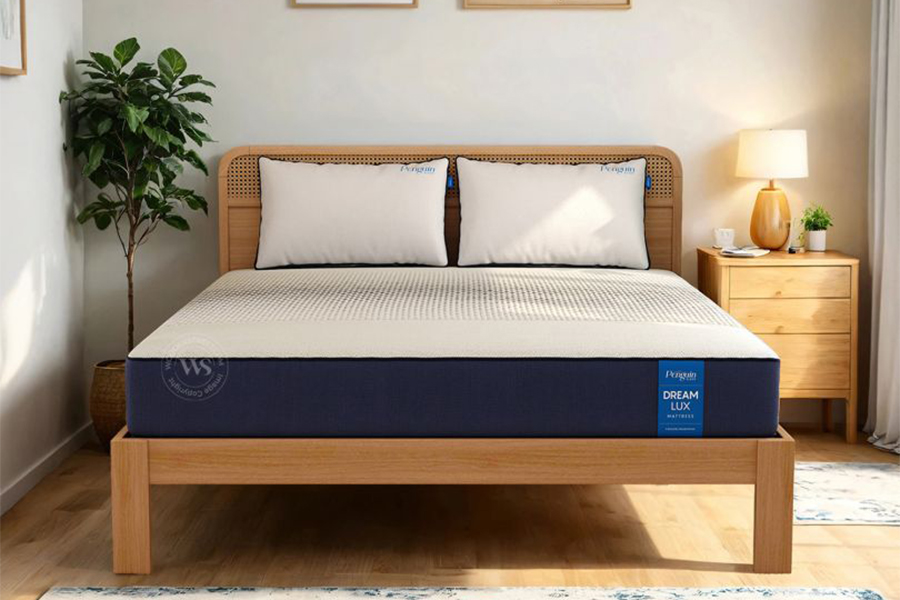
Rotate every 3–6 months. Never flip. Memory foam is one-sided by design, its pressure-relieving layers sit on top, and the dense base is not meant to be slept on. If you're wondering how often to flip a mattress like this, the answer is never. Rotate instead, and your foam will wear far more evenly over the years.

Rotate every 6 months. Some natural latex mattresses are double-sided and can be flipped, check the manufacturer's instructions. If yours has a firmer and a softer side, flipping lets you switch between them, which is a bonus for couples with different comfort preferences.
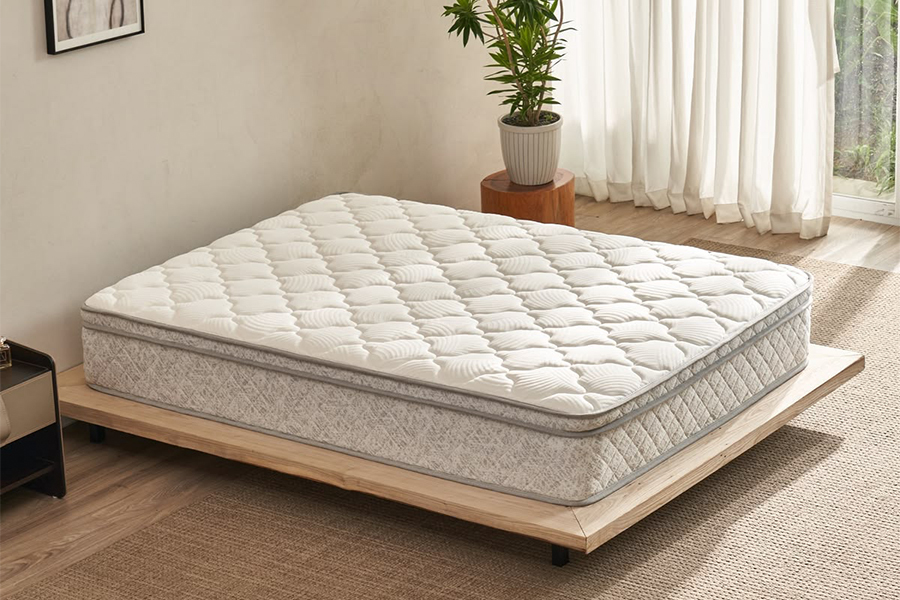
Rotate every 3–6 months. Don't flip. Hybrid mattresses combine foam or latex comfort layers with a spring support core. The coil system is built to sit at the base, sleeping on top of it defeats the whole design.
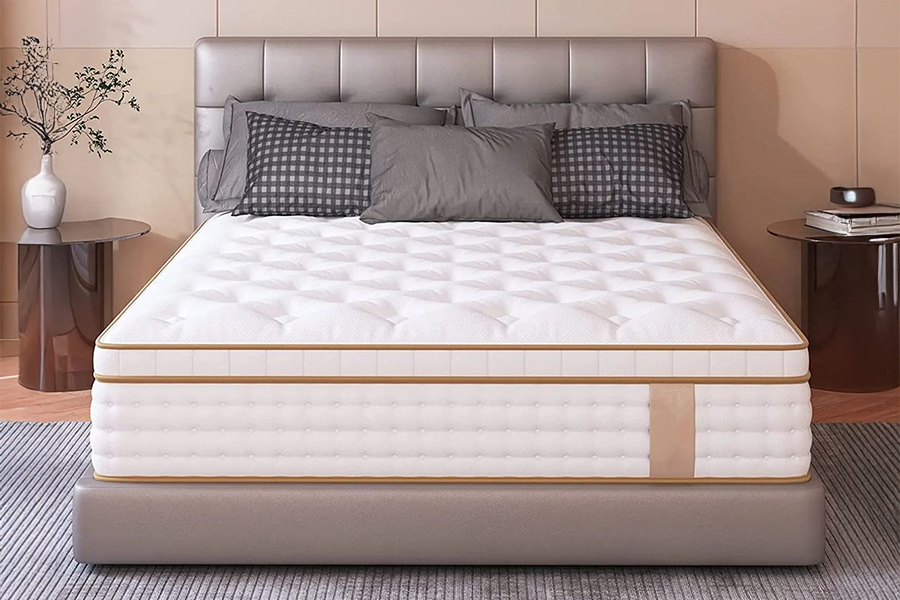
Rotate every 3–6 months. Older innerspring mattresses may be double-sided and suitable for flipping, check the label. Newer innerspring models are one-sided. Regular rotation is still important because spring systems can lose tension in compressed zones over time.
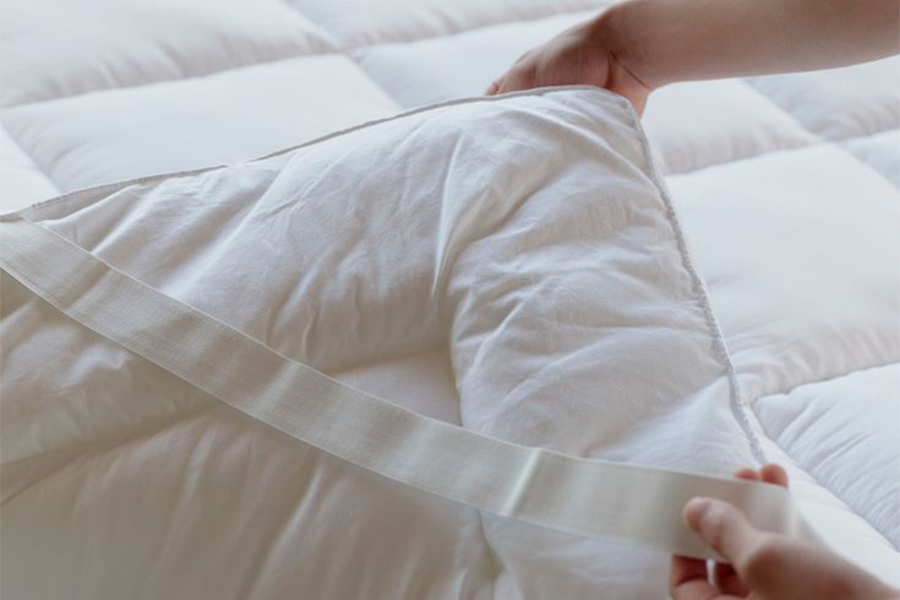
Rotate every 3 months. Never flip. The pillow-top is sewn onto the top surface, there's no usable underside. Pillow-tops are also more prone to body impressions than other mattress types, so rotating every three months (rather than six) makes a noticeable difference.

Rotate every 3–6 months. Most orthopaedic mattresses are one-sided with targeted support zones, so flipping is not recommended. Check the care label if you're unsure, as some older orthopaedic designs are double-sided.
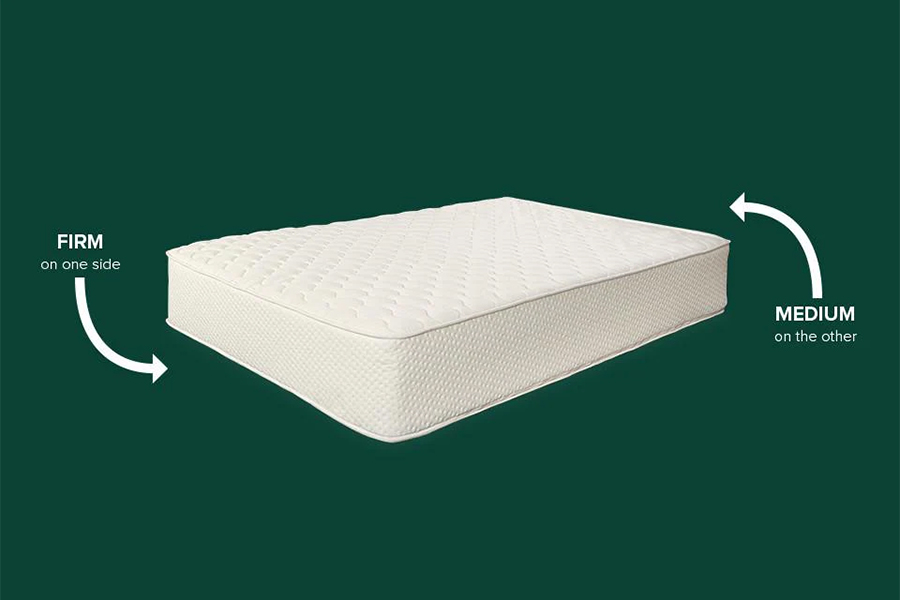
Rotate every 3 months and flip every 3–6 months, alternating between the two. This is the best of both worlds for mattress longevity. A well-maintained double-sided mattress can comfortably last 10–15 years when properly cared for.
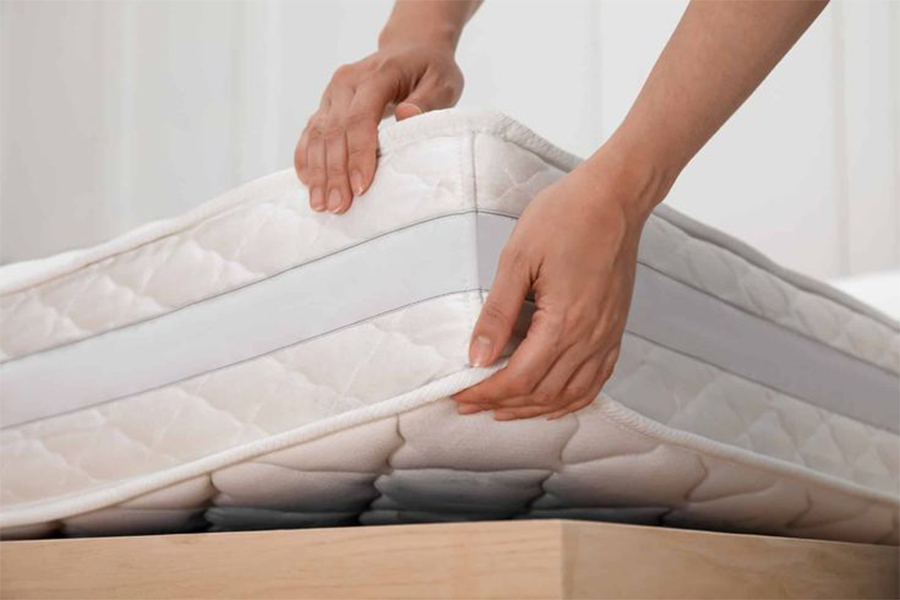
It sounds simple. It mostly is. But doing it wrong can scratch the bed frame, hurt your back, or shift the mattress off-centre.
Remove all bedding, pillows, and the mattress protector. This keeps everything clean and gives you a clear grip. Don't try to rotate with sheets still on, they bunch up, you lose your grip, and the mattress ends up crooked.
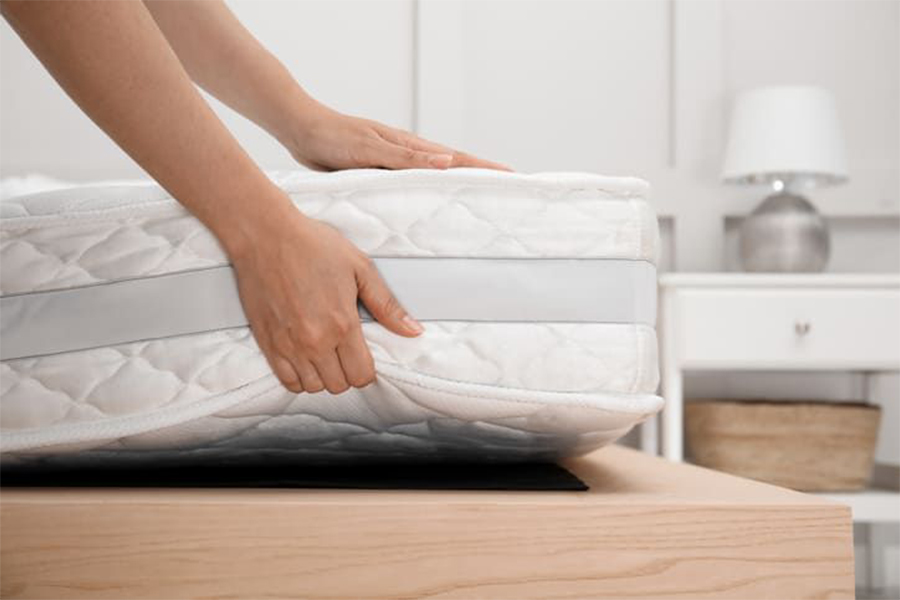
Grip the sides of the mattress firmly and slide it so the foot end moves toward the head of the bed frame. For heavier mattresses, it helps to stand at the side and push from the middle. Keep the mattress flat, don't let it tilt or fold. Once rotated, check it sits squarely on the base with no overhang.
Run your hand along all four edges to confirm the mattress is centred on the base. Replace the protector and bedding. First night after rotation, the mattress may feel slightly different as you've moved to a less-worn zone, that's normal and a sign it's working.
For a single or double mattress, one person can usually manage. For a king or super king, two people makes the job much easier and reduces the risk of dropping it or bending it awkwardly. If you're working alone on a large mattress, slide it rather than lift it wherever possible.
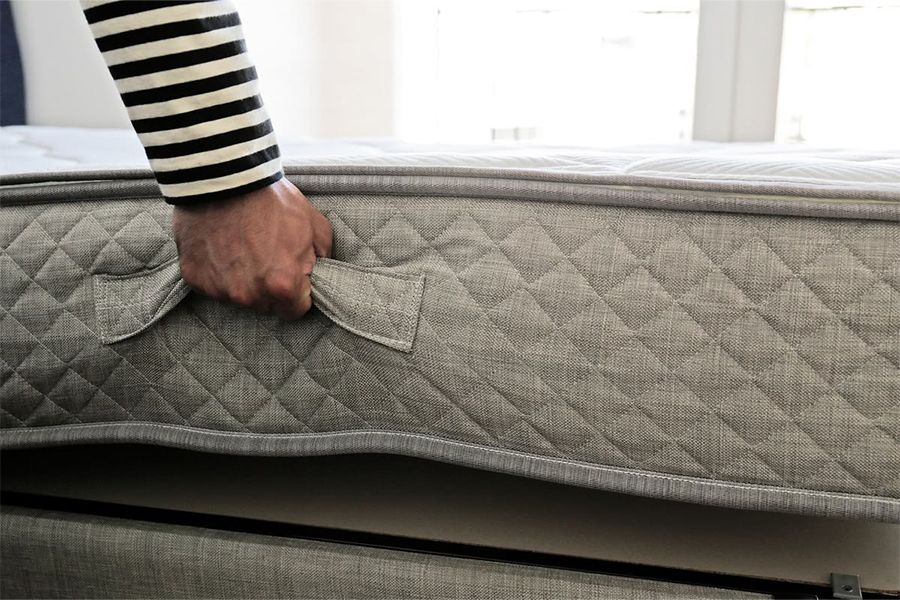
You'll need two people for almost any size. Stand on opposite sides of the bed, grip the handles (if present) or the sides firmly, and tilt the mattress up onto one edge first. Then, lower it gently to the other side. Never fold or bend the mattress, this can damage internal components. Once flipped, rotate 180° head-to-foot as well, so you're also shifting the wear zone on the newly exposed side.
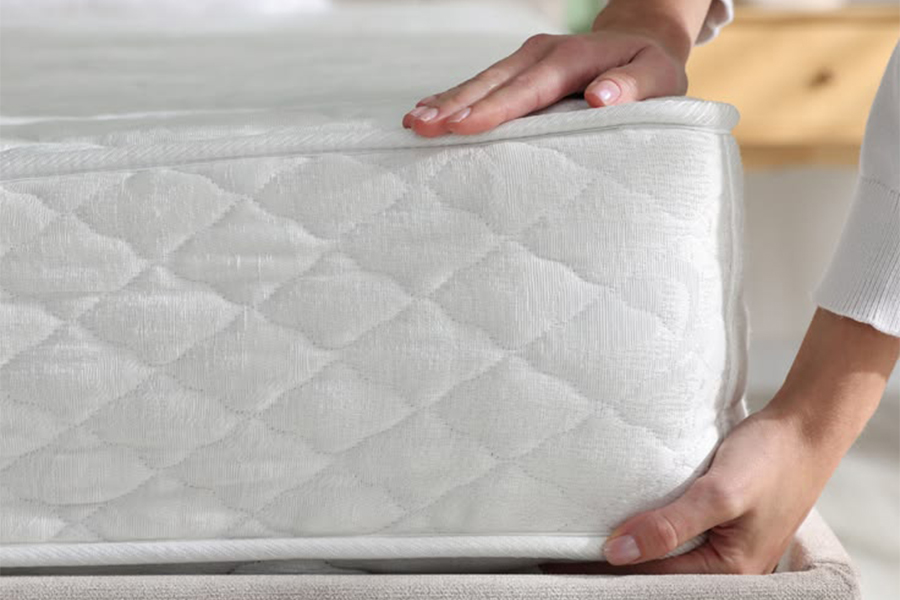
Don't wait for the mattress to fall apart before acting. These signs mean it needs attention now.
Stand back and look at your mattress from the side. Can you see a dip or hollow where you normally sleep? That's compressed foam or worn springs that haven't been redistributed. Rotating now won't reverse the damage, but it will stop it from getting worse on the same spot.
Press your hand into the mattress and lift it. If the indent stays for more than a few seconds, the material in that zone has lost resilience. Some impression is normal, more than 2.5cm is a problem and a sign that rotation has been left too long.
Waking up stiff isn't always a mattress problem, but if it's new and nothing else has changed, a worn sleep zone is a likely culprit. A quick rotation often improves this noticeably within a few days as your body adjusts to a firmer, less compressed surface.
If one partner wakes up fine and the other is sore, that side of the mattress is more worn. Rotation helps distribute the load more evenly across the whole surface, not just head-to-foot but across the width too over successive rotations.
A creaking mattress often means the spring system is under stress in a worn zone. Sometimes rotating relieves the pressure from that area and quiets things down. If the creaking continues after rotation, the issue may be the bed frame rather than the mattress itself.
A new mattress needs time to break in, the materials settle and adjust to your body shape. Rotating during the first three months helps this process happen evenly rather than creating a permanent body impression in one spot from day one. Some brands recommend rotating once a month for the first six months.
Adjustable bases flex and move, which means the mattress is already shifting its pressure points regularly. Many manufacturers of adjustable-base compatible mattresses say rotation is still beneficial, but check your specific warranty as some state it's not required. Never flip a mattress on an adjustable base.
Mattresses with memory foam, latex, or AeroWAVE™-style comfort layers are always one-sided. The technology is built into the top layers, flipping would put you in direct contact with the support base. Always rotate only. The OrthoZen mattress, for example, features AeroWAVE™ Technology for pressure redistribution and an open-channel airflow structure, rotating it regularly keeps wear even across those active comfort zones.
An older mattress can still benefit from rotation, it slows further wear. But if it's already significantly sagged or the materials have lost most of their resilience, rotation alone won't fix it. At this stage, you're buying time rather than solving the problem.
Yes. The base your mattress sits on affects both how you rotate it and how well it performs afterwards.
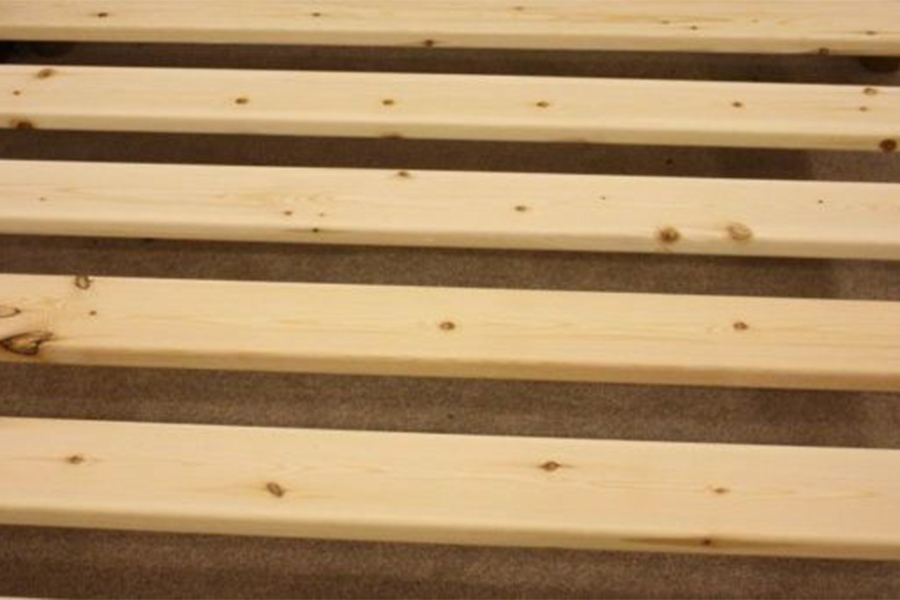
Most modern mattresses work well on slatted frames. Check that slat spacing is no more than 7–8cm apart, wider gaps can cause memory foam or latex to sag between slats over time. After rotating, press the mattress surface to confirm it's sitting evenly across all slats with no bounce or flex at the centre.
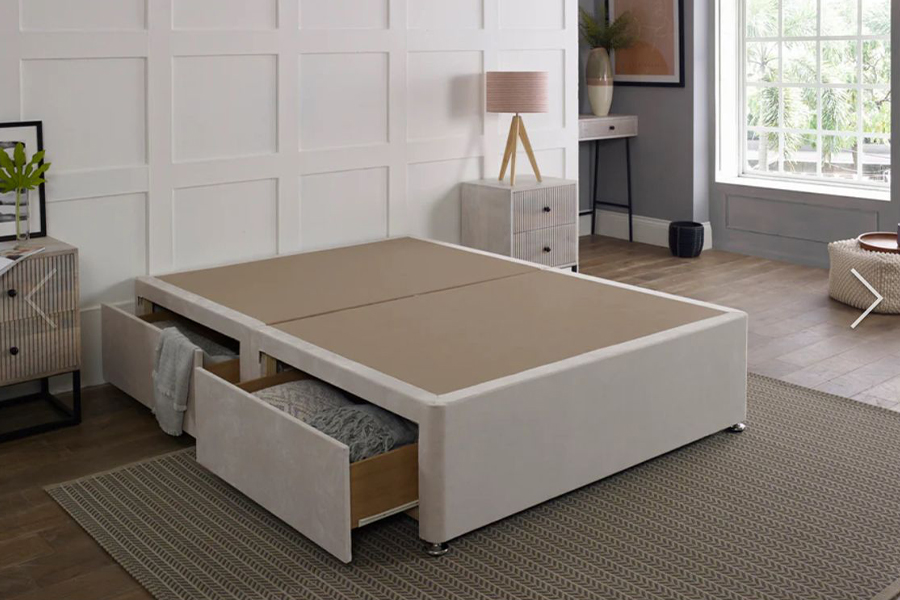
Box springs and divan bases provide a flat, solid platform, ideal for rotating. Rotation on these surfaces is straightforward and low-risk. Just make sure the divan drawers are closed before sliding the mattress to avoid catching the fabric on the edges.

Platform beds provide a solid base with no slats, which is great for support. Rotating is simple on a flat platform. Just be mindful of bed frame edges when manoeuvring a larger mattress, the rigid structure leaves less room for error.
If your mattress is on a base that's too flexible, too narrow, or poorly maintained, rotation might shift the mattress to a part of the base that gives less support. Always inspect the base before rotating, check for broken slats, sagging springs, or uneven surfaces that could accelerate mattress wear in a new zone.
Rotation can extend your mattress life. But there comes a point where it can no longer fix what's broken.
Memory foam: 8–10 years. Latex: 10–15 years. Hybrid: 8–10 years. Innerspring: 6–8 years. Pillow-top: 6–8 years. These are averages with regular rotation and proper care. Skipping maintenance shortens these significantly.
Sagging deeper than 3–4cm. Body impressions that stay permanently. Rotation no longer improves how the mattress feels. Increased allergies or dust mite sensitivity despite regular cleaning. These are signs the materials have broken down beyond what repositioning can fix.
You wake up in pain every morning. You sleep better in a hotel than in your own bed. The mattress is visibly misshapen. It's over 10 years old and comfort has noticeably declined. Coils are poking through or the mattress makes constant noise. At this point, no amount of flipping or rotating will help, it's time to replace.
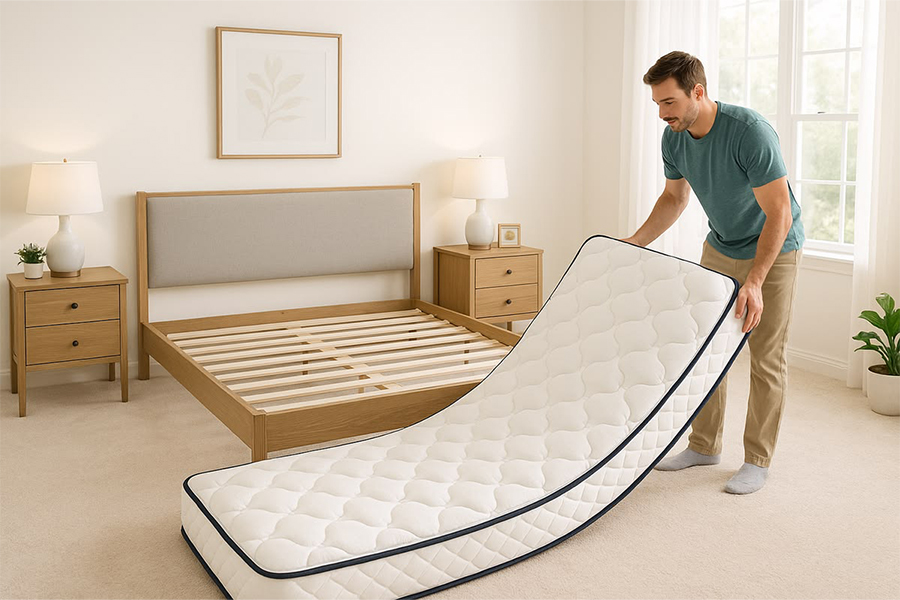
Rotating is one part of a wider care routine. Here's the full picture.
A mattress protector is the single most impactful thing you can add from day one. It blocks sweat, skin oils, dust mites, and spills from reaching the mattress material, all of which degrade foam and fabric over time. Wash it monthly and replace it every 1–2 years. Without a protector, no amount of rotating will fully protect the internal layers.
Use a vacuum with a HEPA filter on the mattress surface, sides, and seams once a month. This removes dead skin, dust, and allergen build-up that accumulate over time and feed dust mites. Do it every time you rotate for a complete refresh.
After sleeping, pull back the covers and let the mattress breathe for 20–30 minutes before making the bed. This releases overnight moisture, one of the main things that encourages mould, mildew, and dust mite growth inside the mattress.
Never let spills sit. Blot immediately with a dry cloth, don't rub. Use a fan or open the window to air dry the area fully. Moisture that reaches the internal foam or latex layers causes irreversible material degradation and can void your warranty. A bamboo or breathable fabric protector, like the High-GSM Bamboo-Infused Cover on the Bamboo Bliss mattress, helps actively wick moisture away from the sleep surface.
For fresh stains: blot dry, then dab with a mild detergent diluted in water using a damp cloth. Don't soak the mattress. For dried stains: the same approach works, gentle, damp, minimal moisture. Let the area dry completely before putting bedding back on. Avoid bleach or harsh chemicals, which break down foam materials.
Knowing how to flip a mattress correctly (and when not to) is one of the most overlooked parts of mattress ownership. But it's also one of the easiest habits to build. Set a calendar reminder. Do it in under ten minutes. Your mattress will last longer, sleep better, and save you money in the long run.
And if you're in the market for a new mattress, choose one built to last. The Dream Lux with its AeroWAVE™ Technology promotes airflow and pressure redistribution built into the structure itself, making each rotation even more effective. The Bamboo Bliss pairs a breathable bamboo cover with a latex ventilation layer to keep the sleep surface cooler and drier, which directly supports long-term mattress health. Good sleep starts with the right mattress. And the right mattress lasts when you look after it.
We will be back with the next blog soon. Till then, stay tuned!
Image Source: Pinterest, Google, and Wooden Street
A Check the care label sewn into the mattress edge. It will state flip instructions if double-sided. If no flip guidance is given, it's one-sided.
A It can help if pain is caused by a worn sleep zone. Rotating shifts you to a less compressed area, which may noticeably ease morning stiffness.
A For king and super king sizes, yes. Two people makes the job safer and prevents awkward bending that could damage the mattress or your back.
A No. Most warranties actually require regular rotation. Skipping it is more likely to void your warranty than doing it.
A Yes, rotation is fine. Never flip it though. Check the manufacturer’s guidance, as some adjustable-base mattresses have specific orientation requirements.
Trending Products
Top Picks from EveryoneArticles you will love to read

Looking for the best mattress in India? Here’s a quick list of the top 10 mattress brands in India (2026) known for comfort, durability, and back support. Explore expert picks like Duroflex, Wakefit, and Penguin by Wooden Street to find your perfect mattress for restful sleep.
Continue Reading
Confused between latex vs memory foam mattress? Understand which mattress works better for back pain, spinal support, and daily sleep comfort.
Continue Reading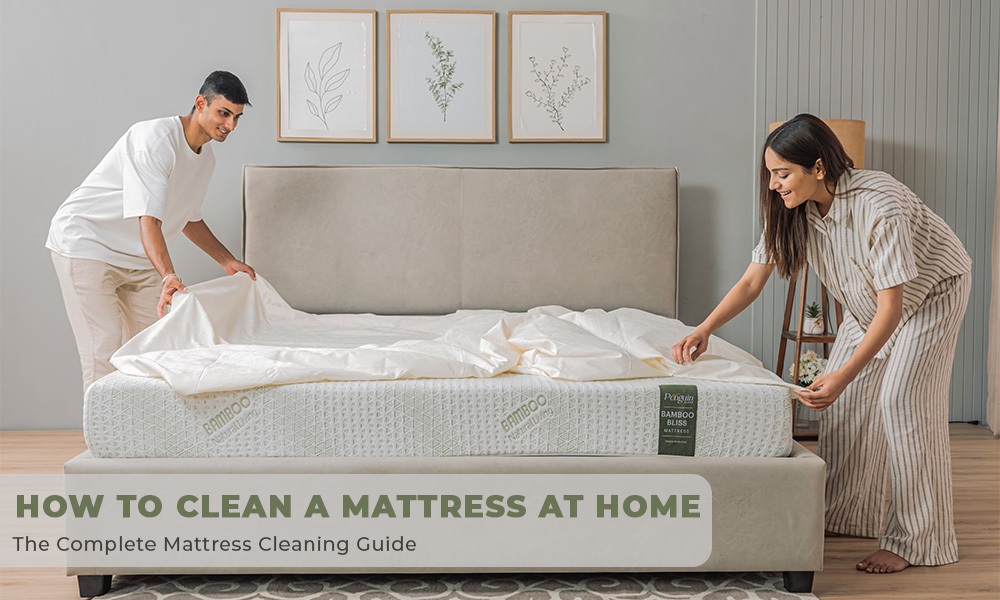
Discover how to clean a mattress at home with simple step-by-step methods. Remove stains, odours, sweat marks, and keep memory foam, spring, and latex mattresses fresh, hygienic, and long-lasting.
Continue Reading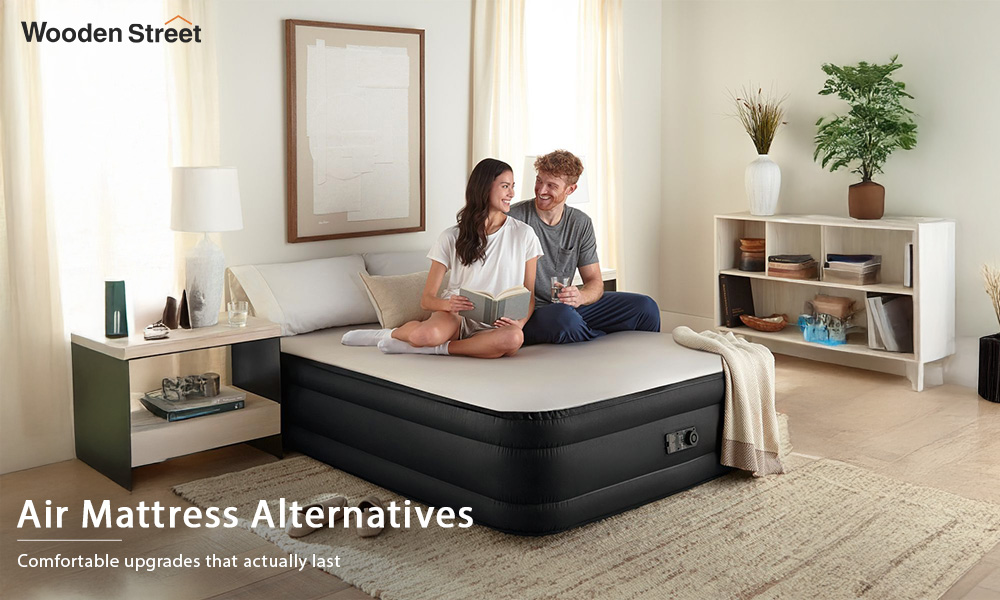
If your air mattress no longer feels comfortable or practical, it may be time for an upgrade. This guide explores smarter alternatives to air beds, inflatable beds, bed inflatable mattress setups, and blow up mattresses that offer better support, durability, comfort, and long-term value for guests or everyday sleeping.
Continue Reading
Not all mattresses feel or perform the same. This guide explores the most common types of mattresses, including memory foam, latex, spring, hybrid, and orthopedic options. Learn about different types of mattresses, their construction, comfort levels, durability, and how to choose the best type of mattress for your sleeping style and needs
Continue Reading


