


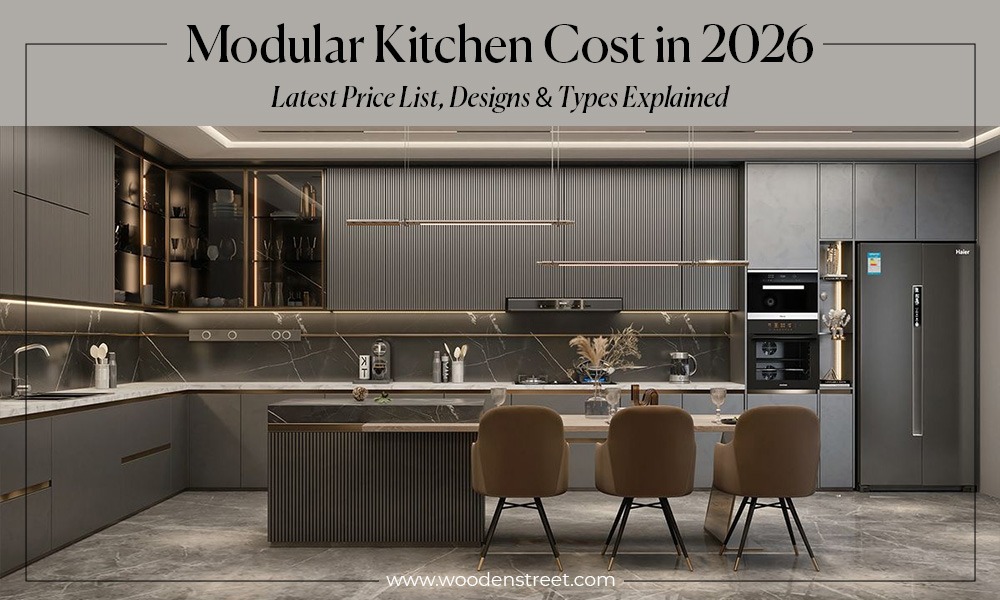
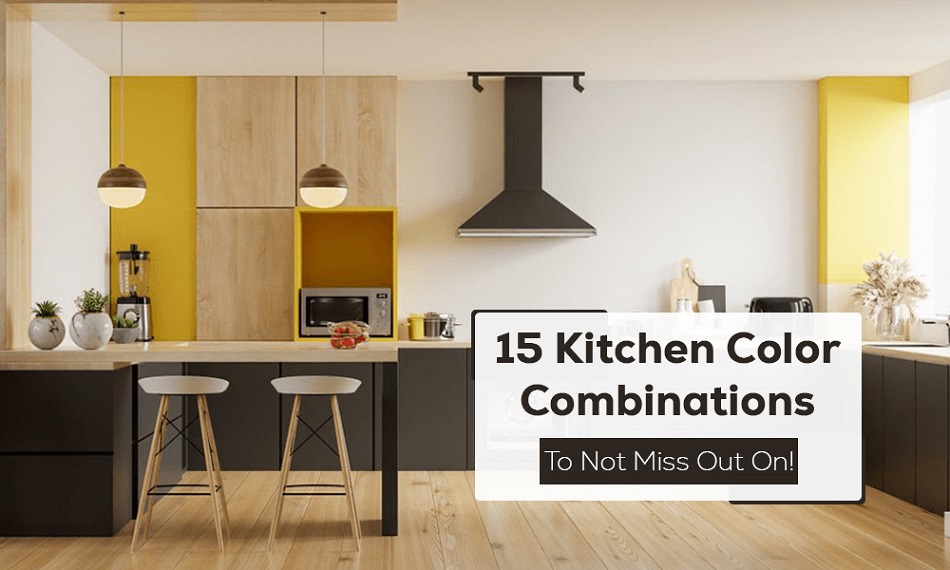


This blog explores middle-class Indian kitchen design ideas that balance affordability, functionality, and warmth. From smart layouts and budget-friendly materials to modular accessories and lighting, it offers practical inspiration for small homes designed around real Indian cooking habits.

For most Indian homes, the kitchen is not about being just another room. It is where mornings begin with the sound of pressure cookers, where evening tea turns into long conversations, as well as where family recipes are passed down like precious memories. And, when we talk about a middle-class household, the kitchen carries a lot of emotions, routines, and responsibilities quietly, all at once. It feeds the family, hosts laughter, and sometimes even becomes a place to sit and think after a long day.
There is a common belief that a good-looking kitchen needs a heavy budget. Many families delay improving their kitchen because they think good design always comes with high spending. The truth is very different. With the right ideas and practical planning, a simple kitchen can look neat, warm, and well organised without crossing a middle-class budget.
This blog focuses on low-cost, simple kitchen designs that feel real and relatable. Designs that adapt well to Indian cooking habits, fit best into small homes, work perfectly with semi-modular setups, plus leave room for flexible furniture. If you live in a compact flat or an independent house with limited space, these ideas are meant for you.
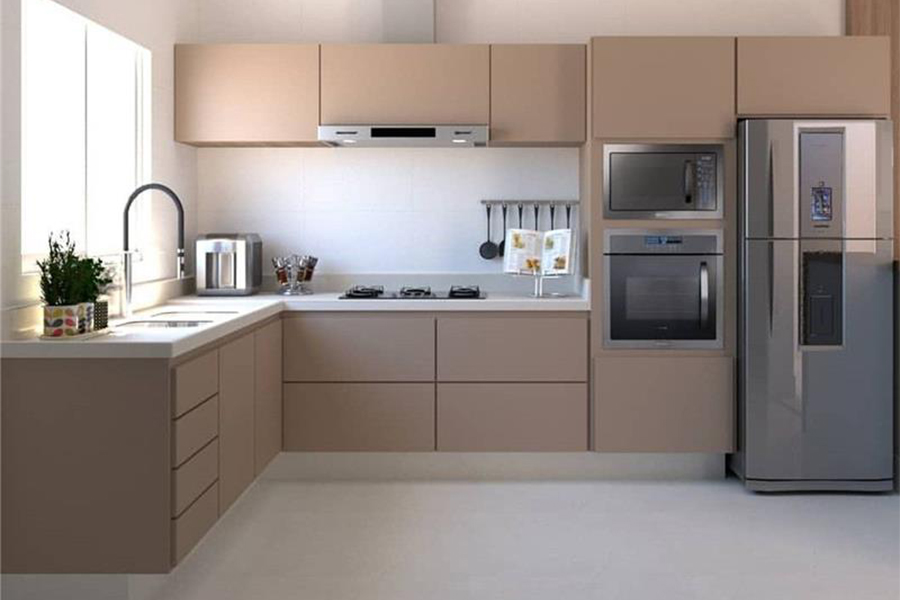
Indian middle-class kitchens today are shaped by three clear needs. Practical use, sensible spending, and ease of daily work. People want kitchens that are easy to maintain, easy to move around in, and easy on the pocket.
Modular kitchens are popular, but not everyone wants or needs a fully modular setup. This is where semi-modular kitchens come in. They offer the structure of modular units while allowing flexibility in materials and layout. For smaller homes, semi-modular kitchens often make more sense because they can be adjusted to existing walls and spaces.
When it comes to materials, most middle-class families prefer options that are durable and affordable. Laminates are widely used for shutters because they are cost-friendly and simple to clean. MDF works well for cabinets where moisture is controlled. Plywood remains a trusted choice for kitchen carcasses due to its strength. On average, a simple kitchen using these materials can fall anywhere between a modest to mid-range budget, depending on size and layout.
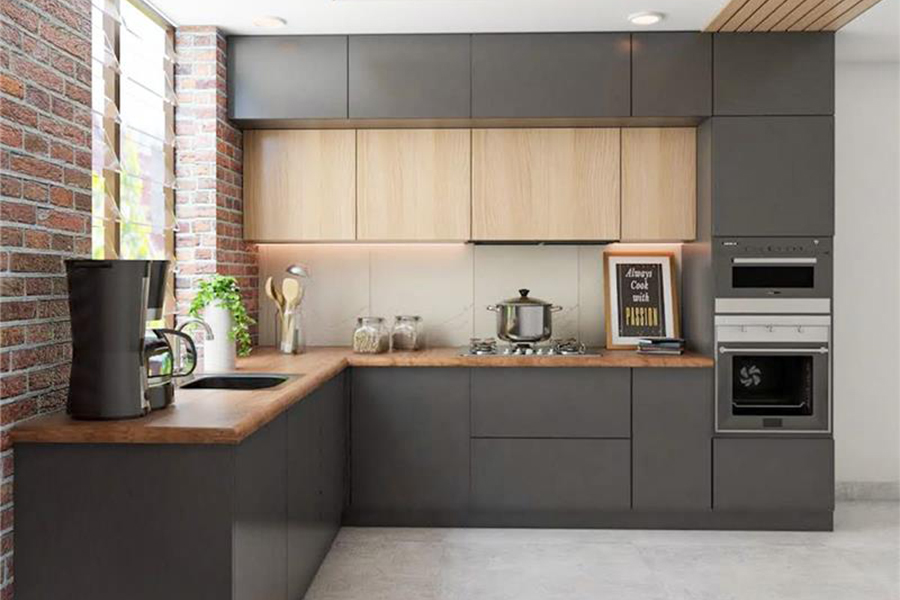
An L-shaped kitchen is said to be one of the most preferred choices when it comes to middle-class families. It uses corner space in a proper manner while keeping everything within your reach. This layout gives you enough amount of counter space, plus leaves room so as to move comfortably without making you feel boxed in.
It works especially well for small as well as medium-sized homes where space needs to feel open. You can place the sink on one side and the stove on the other, therefore keeping cooking smooth and stress-free during busy hours.
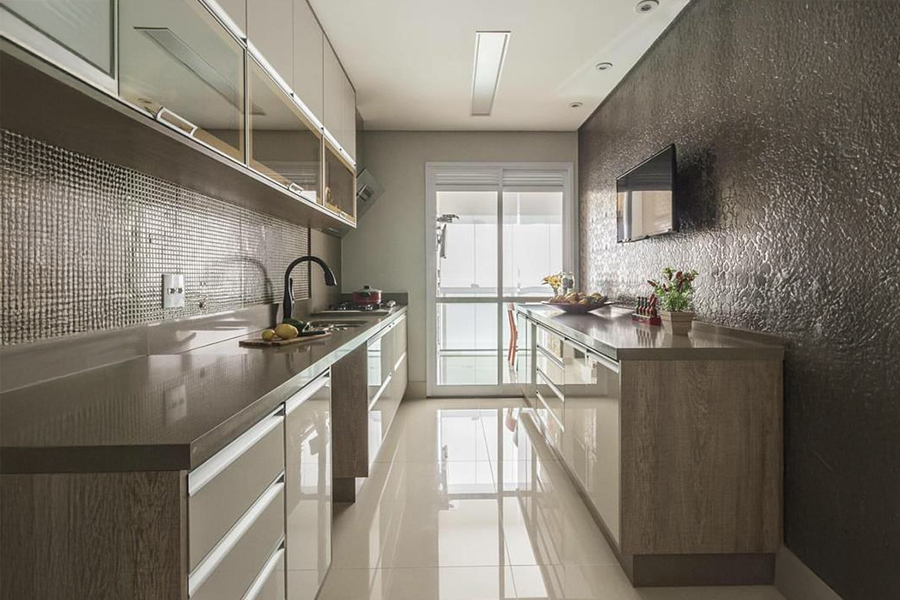
Parallel kitchens are very common in city apartments where space is quite limited. With counters on both sides, this layout helps you keep storage and cooking areas close. It reduces walking back and forth, which turns out to be a good choice during morning rush or festival cooking.
This layout feels practical for families who cook daily. Even though the space may be narrow, proper lighting as well as bright coloured cabinets can stop it from feeling tight or dark.
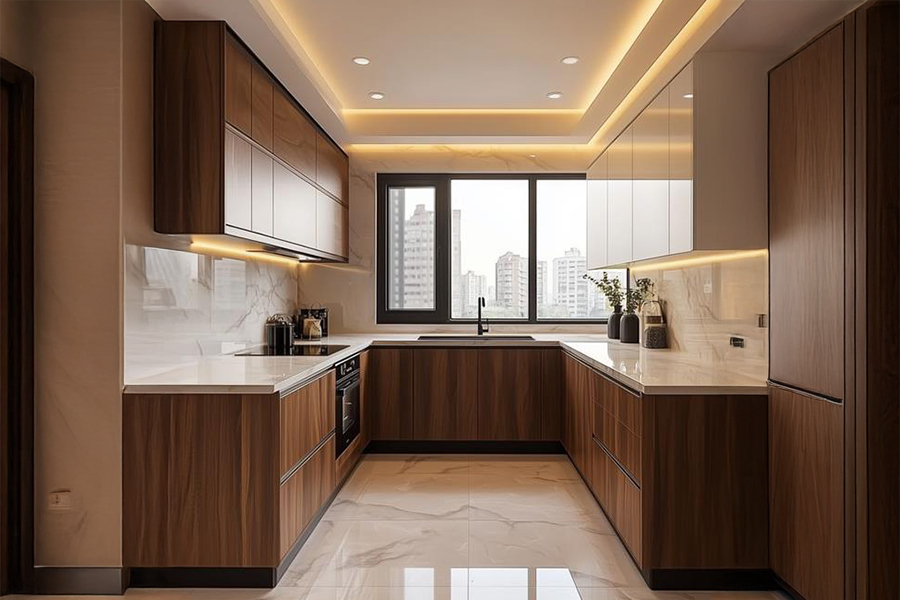
A U-shaped kitchen goes well in larger middle-class homes where cooking is a big part of daily life. It provides you with more counter space as well as storage. Thus, this makes it easier for you to manage appliances, groceries, and utensils without clutter.
This type of layout works well for joint families or homes where more than one person cooks together. With proper planning, it looks and feels organized rather than crowded.
Good lighting, proper ventilation, as well as smart furniture placement improve every layout. Simple wall cabinets, storage benches, and clear pathways make kitchens easier to use and pleasant to spend time in.
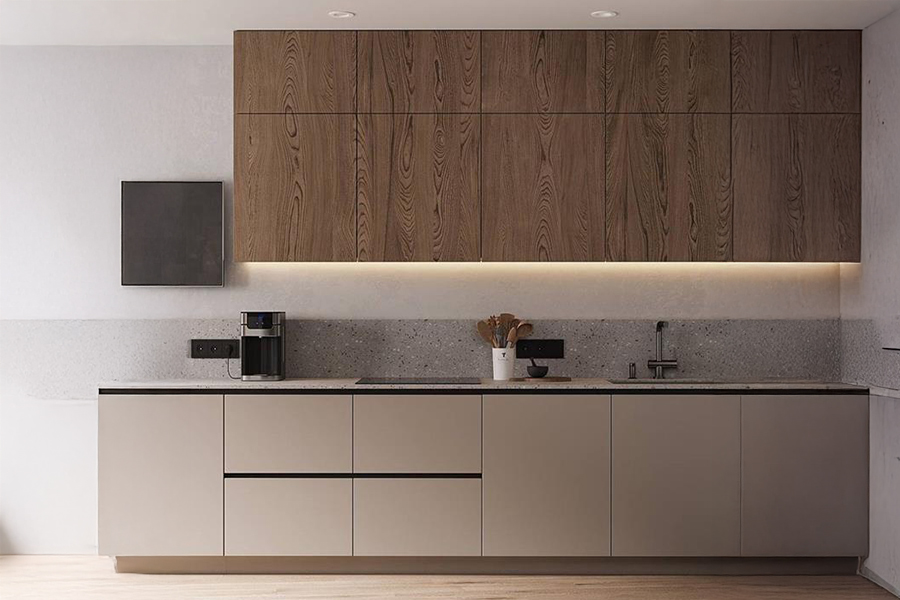
Laminate cabinets are a favourite in Indian homes because they handle daily use well. They do not stain easily, plus are simple to clean with a cloth. This makes them perfect for familis who cook often.
They are also available in many colours as well as finishes, from plain shades to wood patterns. This allows families to go for a style that they like without having to worry about high costs or difficult maintenance.
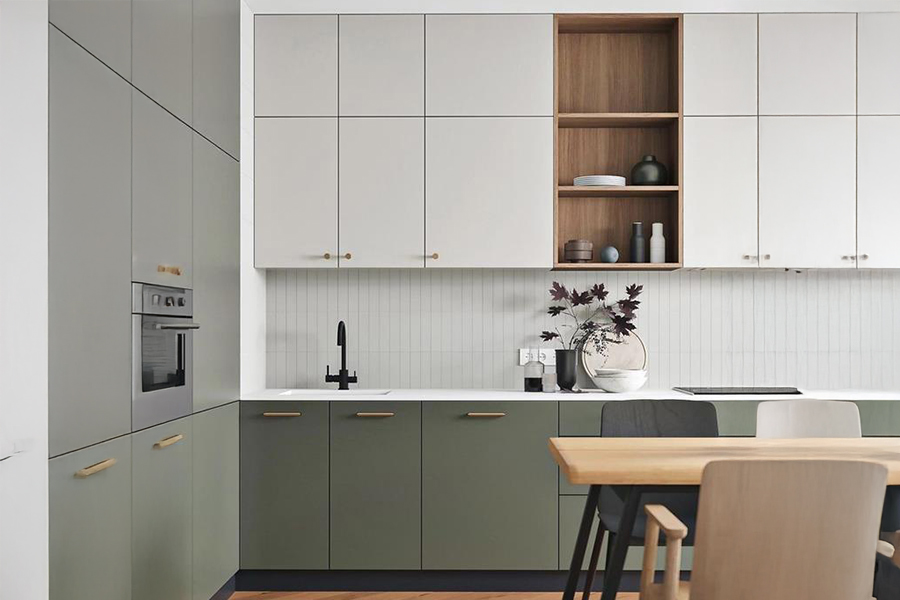
MDF is often used for cabinet shutters in areas that stay dry. It helps reduce costs and gives a smooth finish. However, for cabinet boxes, plywood is a safer option for Indian kitchens.
Plywood handles moisture and heat better, which matters when cooking daily. Using MDF and plywood wisely helps balance strength and budget without compromising daily comfort.
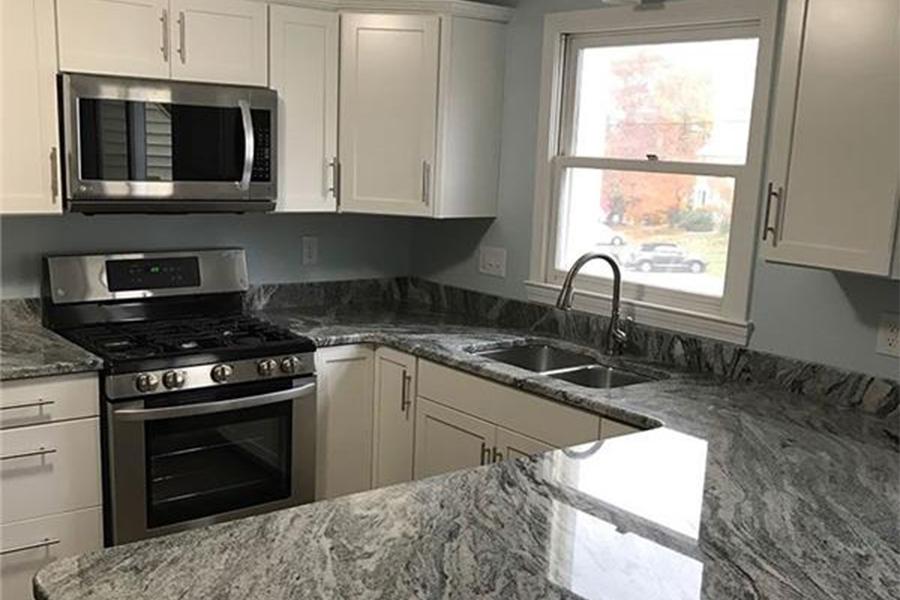
Granite has been one of the most trusted countertop choices for Indian homes. It is strong, heat-resistant, as well as easy to maintain. It matches Indian cooking styles very well.
Quartz and composite stone offer you a cleaner look along with a uniform finish, but they cost slightly more. Families can choose based on cooking habits as well as budget comfort.
Most simple kitchens fall between ₹1,000 and ₹2,500 per square foot. Wooden Street style modular furniture follows similar thinking, focusing on everyday use rather than showy designs.
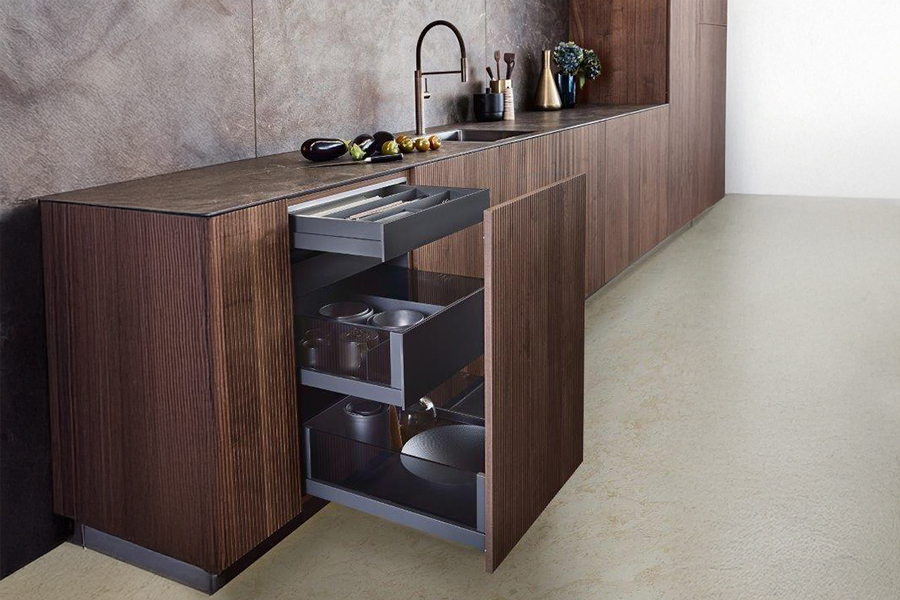
Modular accessories may look small, but they change how a kitchen feels every day. They help reduce mess and save time during cooking.
Spice racks, when placed near the stove, keep all your essentials handy. Pull-out pantry units help you organise groceries without having to dig through shelves. Corner baskets make use of awkward spaces that usually get wasted.
Even basic accessories, such as cutlery trays and bottle holders, make daily routines smoother. These additions are affordable, plus they help the kitchen to stay well-organised without adding any unnecessary expense.
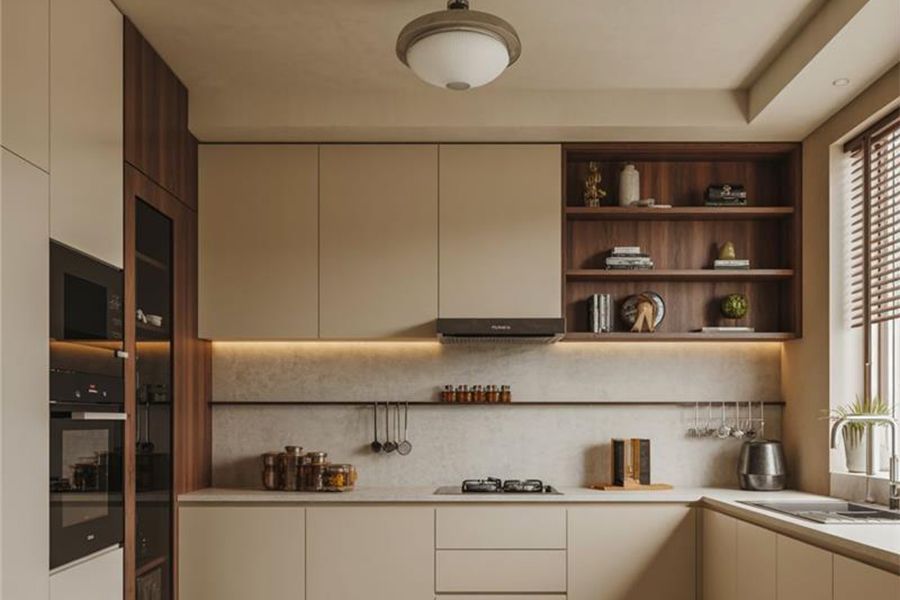
Light colours like white, cream, soft green, or pale blue help kitchens feel bigger. They reflect light and create a calm atmosphere. This is especially useful in small homes where space feels limited.
These colours also age well and do not feel tiring over time. Families find them easier to live with compared to very dark or bold shades.
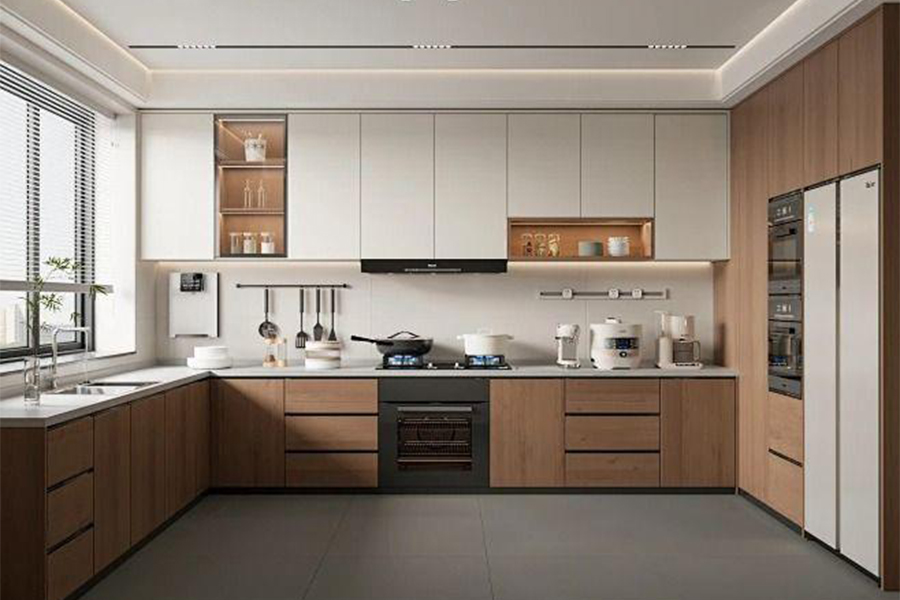
Wood tones bring comfort into the kitchen. They remind people of traditional homes while creating a sense of warmth. By using of wood in shelves or cabinets balances lighter colours in a nice way.
This combination protects the kitchen from feeling too plain or cold. It feels familiar as well as welcoming, especially during long cooking hours.
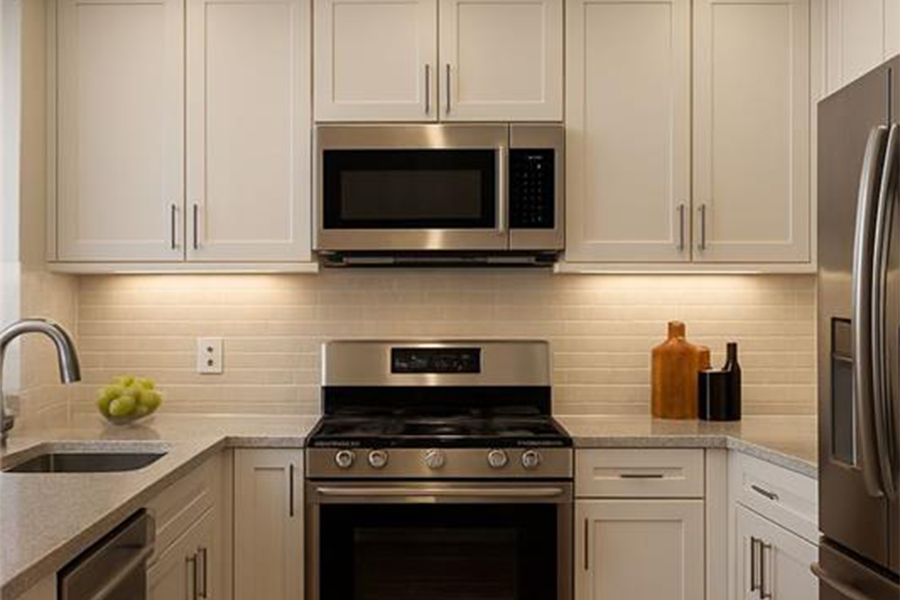
POP ceilings with simple recessed lights brighten kitchens evenly. Under-cabinet lights help during chopping and cooking. These lighting options are affordable as well as practical.
Good lighting reduces strain on the eyes while making the kitchen feel safer. Using LED lights also helps to control electricity bills in the long run.
Natural light that comes from windows and slightly glossy surfaces makes kitchens feel open. These small choices improve comfort without any kind of structural changes.
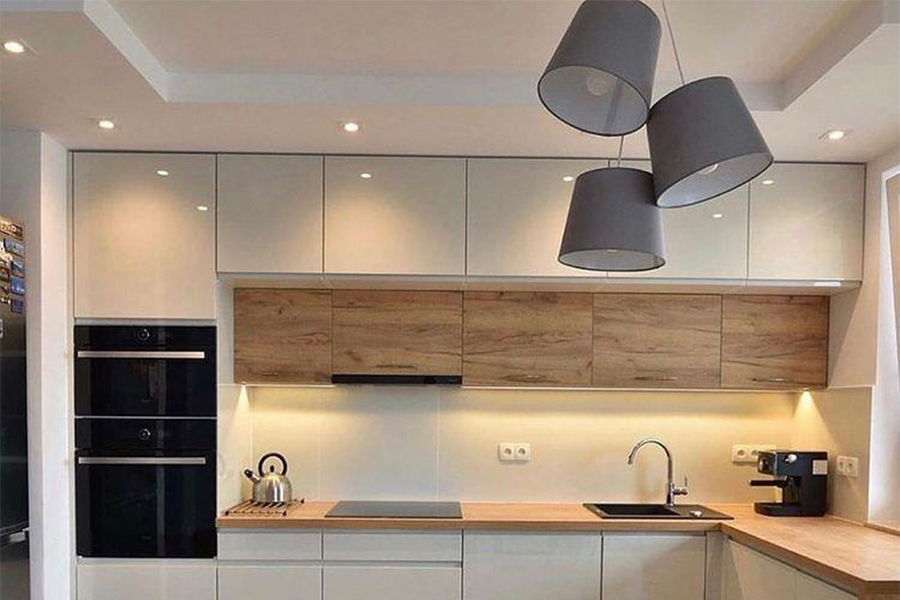
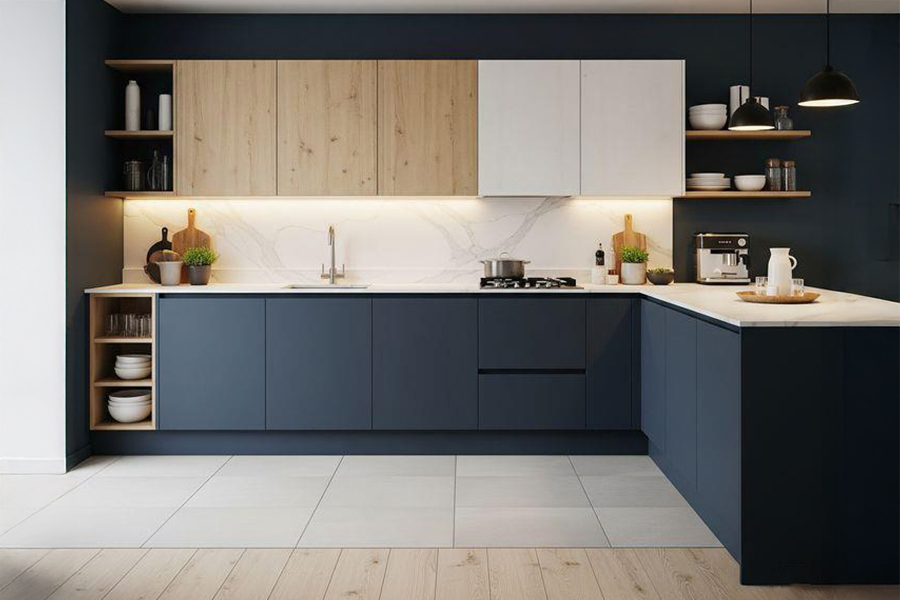
This kitchen style combines white cabinets with wooden shelves or counters. It feels clean but not cold. The wood adds warmth while white keeps the space bright and open.
It suits families who like simple surroundings and works well in both apartments and independent homes without feeling heavy.
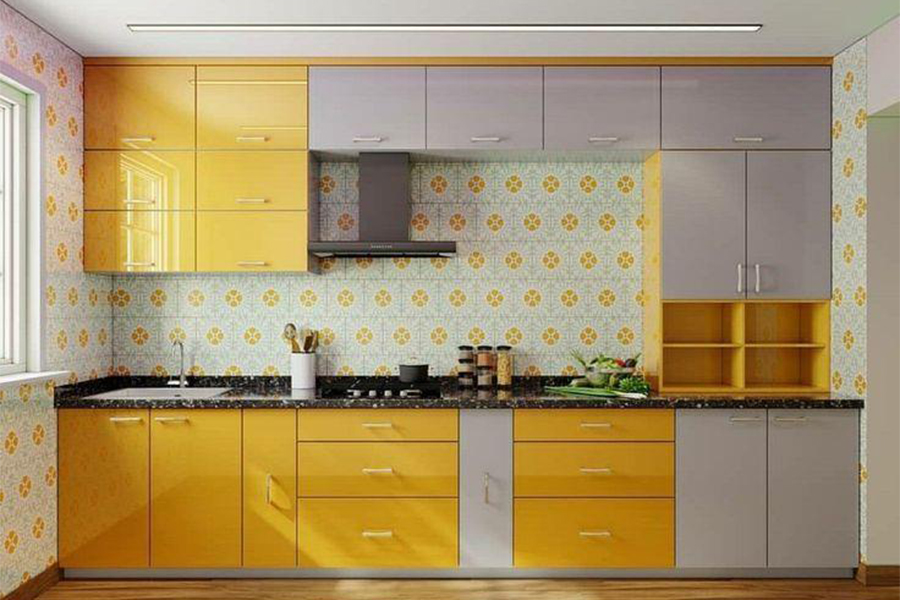
Yellow kitchens feel cheerful and lively. A yellow cabinet or wall can easily lift up the overall mood, especially when we talk about homes where sunlight is limited.
This colour works best when balanced with white or a light mood. Therefore, this keeps the space pleasant rather than being overpowering.
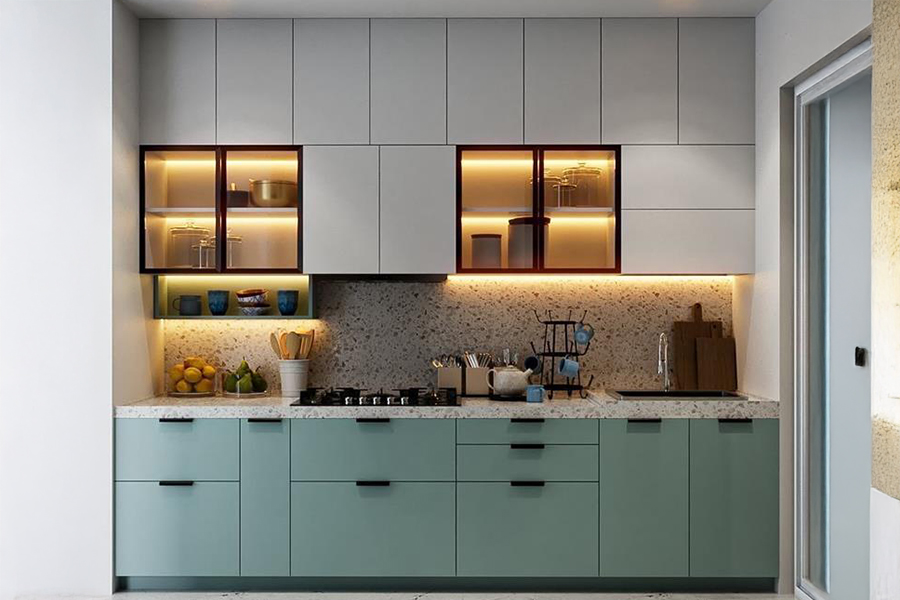
This type of kitchen is designed in a way for city living, which focuses on vertical storage as well as open shelves. Everything has a place, making small spaces easier to manage.
It works quite well for working families who want to have a quick access and minimal clutter in everyday clutter.
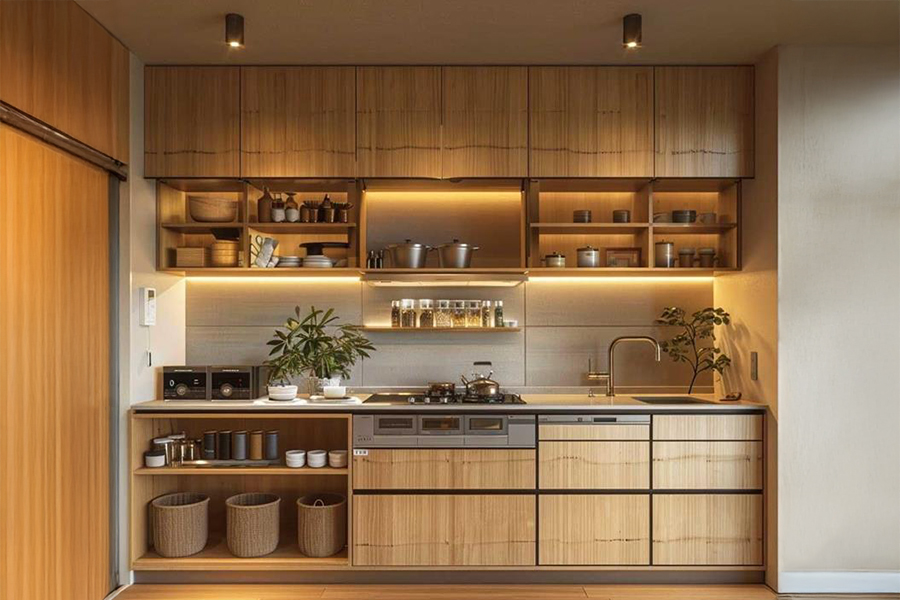
This style uses wood textures along with earthy shades that are inspired by traditional homes. It feels warm as well as familiar, reminding people of old kitchens and family cooking.
Simple wooden stools or shelves bring in character without the need for any kind of heavy decor.
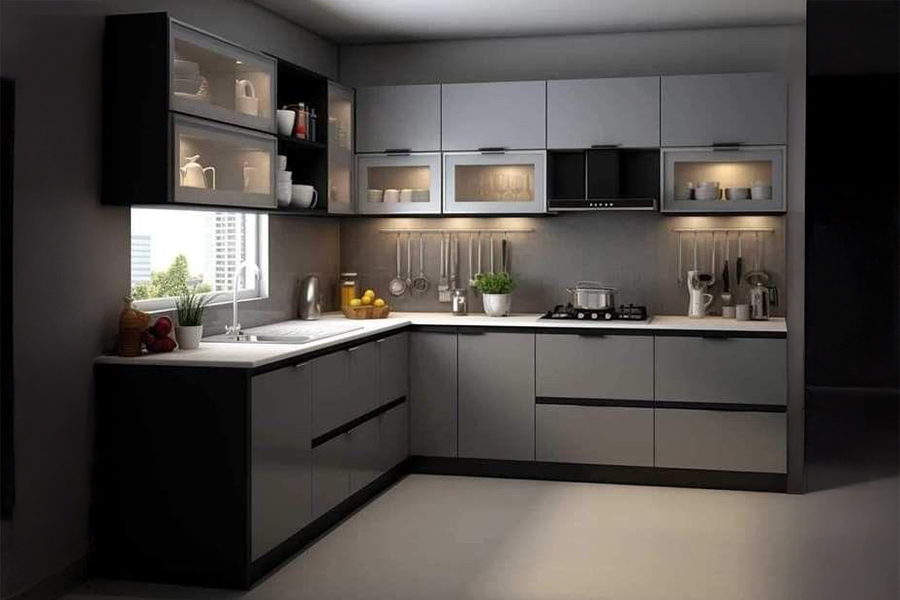
Black and white kitchens feel neat and modern when kept simple. Matte finishes and limited accessories keep costs under control.
This design suits families who prefer clean lines and organised spaces without unnecessary decoration.
Each idea naturally connects with wooden cabinets, shelves, or seating that feels useful rather than decorative.
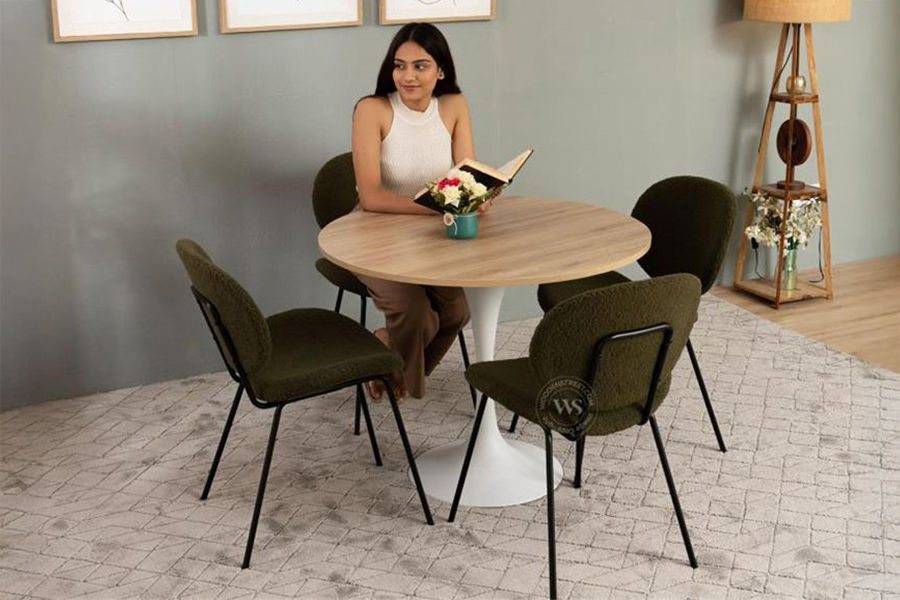
Folding dining tables are very helpful when it comes to small kitchens. They can be opened during meals and folded away later when not needed. Benches with storage underneath give you extra space to keep utensils or groceries.
This furniture keeps the kitchen flexible and comfortable without taking up permanent space.
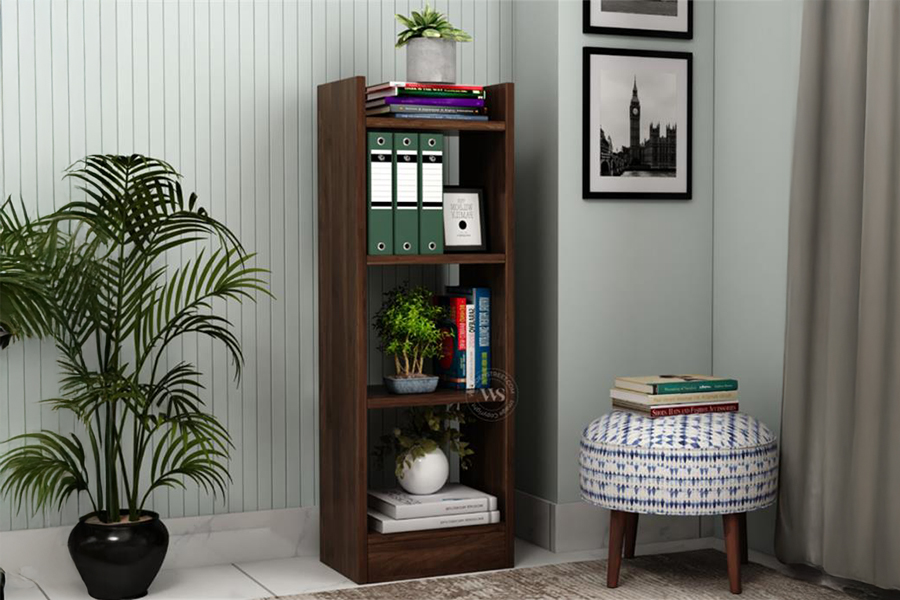
Vertical cupboards use wall height efficiently. Open shelves above counters store daily items without crowding the kitchen.
This approach keeps things organised and reduces the need for bulky cabinets in small spaces.
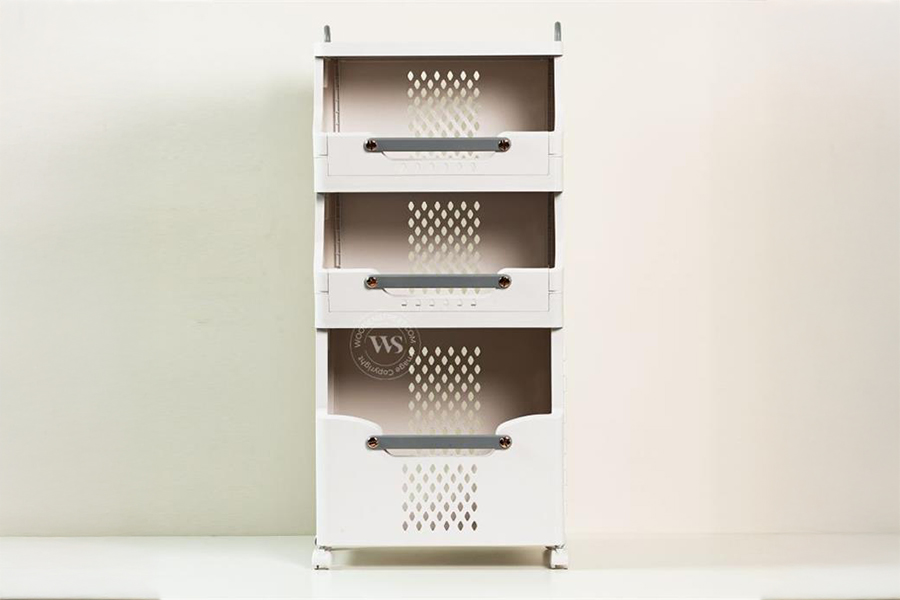
Wooden trolleys provide extra counter space and storage. They can be moved easily and adjusted as needed during cooking or gatherings.
They suit kitchens where space needs change often.
Many brands, including Wooden Street, focus on such practical furniture ideas that suit real Indian homes without appearing excessive.
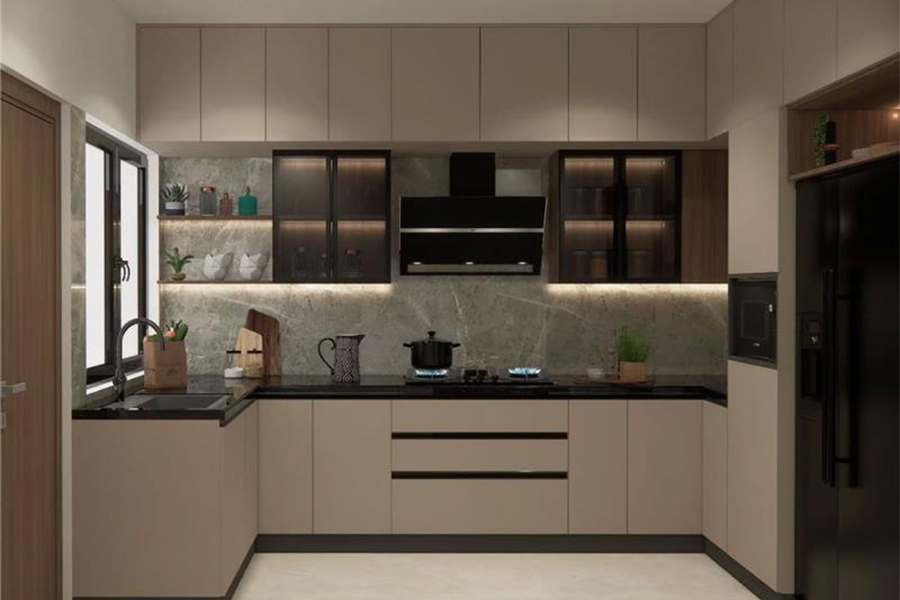
It is built with an understanding of daily habits, family routines, as well as real needs. Middle-class kitchens carry stories of shared meals, rushed mornings, plus festive cooking that no luxury finish can replace. When layouts are planned out in a proper manner and materials are chosen wisely, even a simple kitchen feels complete.
Wooden furniture adds warmth, modular storage keeps things organised, and thoughtful lighting makes cooking comfortable. None of this needs a huge budget. It needs clarity, patience, and honest choices. A kitchen that works well every day slowly becomes the most loved space in the house. It supports family life quietly, without showing off. With small decisions and a little creativity, your middle-class kitchen can truly become a place of comfort, pride, and affordable elegance.
We will be back with the next blog soon. Till then, stay tuned!
Image Source: Pinterest, Google, and Wooden Street.
Related Blogs
Best Kitchen Colour Combination as per Vastu for Health & Prosperity
Small Modular Kitchen Designs & Parallel Layout Inspirations for Modern Apartments
A L-shaped or parallel kitchens work best for middle-class homes. They use space efficiently, reduce movement while cooking, and remain affordable with semi-modular cabinets and simple finishes.
A A combination of plywood for cabinet carcasses and laminate or MDF shutters offers durability, moisture resistance, and easy maintenance, making it ideal for daily Indian cooking within budget.
A Use light colours, vertical storage, open shelves, and compact layouts like L-shaped or parallel kitchens. Semi-modular units and smart accessories help maximise space without extra cost.
A A basic modular kitchen in India usually costs between ₹1,000 and ₹2,500 per square foot, depending on layout, materials, accessories, and overall kitchen size.
A Choose simple laminates, neutral colours, good lighting, and minimal accessories. Clean layouts, wood accents, and organised storage create a modern look without investing in expensive finishes.
Articles you will love to read

Kitchen colour as per Vastu Shastra plays a vital role in balancing energy and ensuring health, wealth, and harmony at home. This blog explores the most auspicious colour combinations to make your kitchen vibrant, positive, and aligned with prosperity.
Continue Reading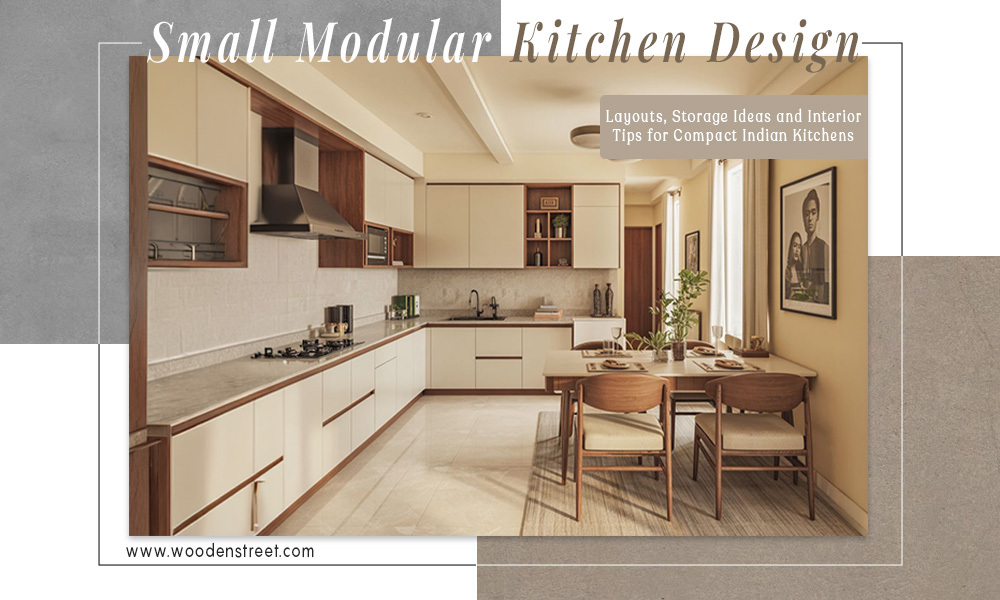
Discover practical layouts, clever storage solutions, and stylish kitchen interior for small kitchen spaces. This blog shares space-saving tips, modular setups, and tiny kitchenette ideas tailored for compact Indian apartments and homes, helping you create a functional yet modern cooking space without compromising comfort or aesthetics.
Continue ReadingUpgrading to modular kitchen? Read our blog to find out about modular kitchen cost, different finishes, trending styles and designs before you invest.
Continue Reading
This blog highlights the importance of choosing the right kitchen trolley by explaining styles, materials, costs, and smart add-ons. It also guides homeowners on creating a practical, organised kitchen setup while understanding essential kitchen trolley price factors and trending modern designs.
Continue Reading
This blog explores 10 space-saving modular kitchen trends for 2026, highlighting smart storage, tall units, and essentials like the modular kitchen basket. From spice racks to carousel corners, these accessories help create organised, clutter-free kitchens perfect for modern Indian homes.
Continue Reading