





Republic Day 2026 is a reminder that honoring our past and strengthening self-reliance are essential steps toward shaping a united, innovative, and prosperous India.
India is not only rich in diversity and culture but also deeply enriched by its history. In ancient times, India was known as the Golden Bird because of its vast wealth and abundance of resources. Throughout history, despite prolonged British rule, India’s prosperity and grandeur drew attention from across the world. After a long and determined struggle, India finally broke free from colonial dominance in 1947.
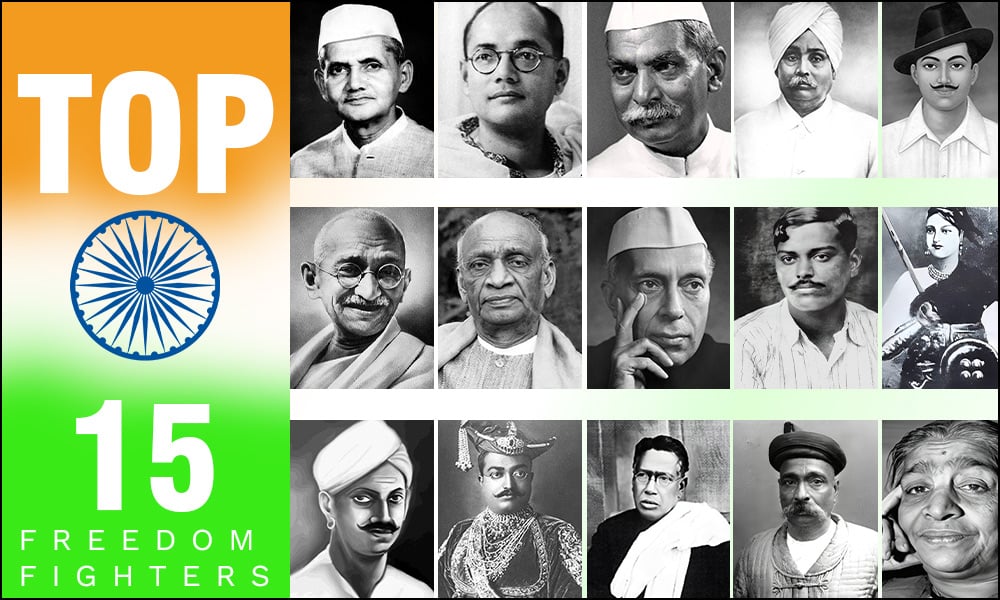
Countless Indian freedom fighters shed their blood, sweat, and tears to safeguard the nation’s pride, with many laying down their lives for independence. Their sacrifices paved the way for a sovereign nation governed by its own ideals and values. On this Republic Day, we remember and honor these heroes and celebrate the Constitution that upholds the freedom, unity, and democracy we cherish today. Republic Day 2026 is a reminder that honoring our past and strengthening self-reliance are essential steps toward shaping a united, innovative, and prosperous India.
Republic Day 2026 Theme
The theme for Republic Day 2026 beautifully blends national pride with progress, centering on two significant pillars: the 150th anniversary of the patriotic song “Vande Mataram” and the vision of Atmanirbhar Bharat (Self-Reliant India). Together, these themes honor India’s rich cultural heritage while highlighting its journey toward innovation, self-sufficiency, and global leadership.
“Vande Mataram,” a song that ignited the spirit of freedom and unity, stands as a timeless symbol of love for the motherland. Marking its 150th anniversary reminds us of the emotional and cultural foundation of our nation—one that inspired countless freedom fighters and continues to evoke national pride. Alongside this, the Atmanirbhar Bharat initiative reflects modern India’s determination to build a strong, resilient, and self-reliant economy driven by creativity, technology, and indigenous capabilities.
Republic Day 2026 also encourages active public participation through art, singing, and cultural competitions, allowing citizens, especially the youth, so as to express their patriotism and contribute creatively to the national narrative. Adding an international dimension, the presence of European Union leaders as chief guests underscores India’s growing global partnerships and commitment to cooperation and diplomacy.
This year’s theme calls upon every citizen to celebrate not only the adoption of our Constitution but also India’s evolution as a confident nation rooted in tradition and empowered for the future.
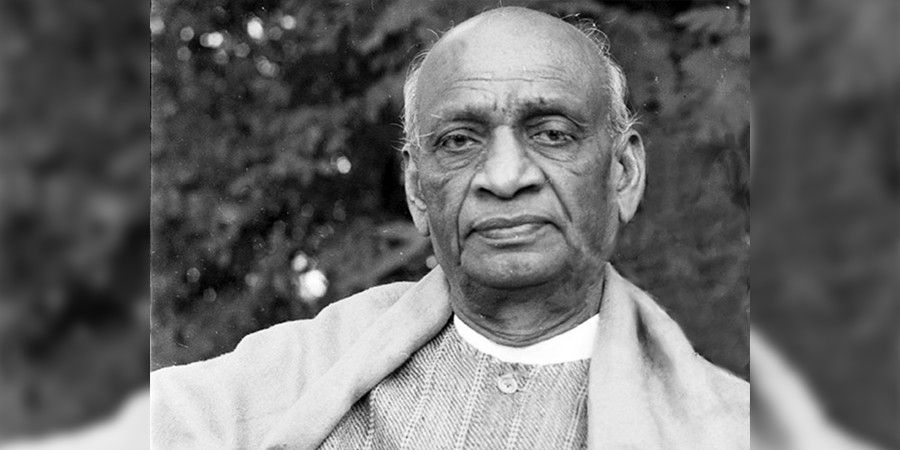
Also known as the Iron Man of India and Bismarck of India, Sardar Vallabh Bhai Patel was one of the famous Indian freedom fighters renowned for his bravery and epic from a very young age. Initially a lawyer, Sardar Patel left the legal profession to fight for India's independence from British control. Following India's independence, he was appointed as the country's Deputy Prime Minister and worked tirelessly to bring princely states into the Union of India. He also received the honorary Bharat Ratna Award for his hard work and dedication.
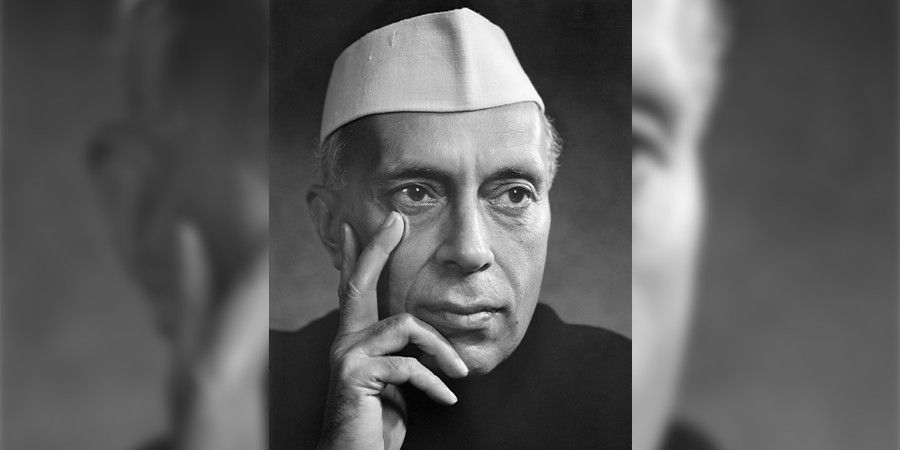
Popularly known as Chacha Nehru, he adored kids very much and his birthday is celebrated as Children’s Day. Nehru, who started out as a lawyer, became one of the most famous freedom fighters of India and politician. Mahatma Gandhi's attempts to free India from the British had a big impact on his fervour for the country's independence. He participated in the war for freedom, rose to the position of President of the Indian National Congress, and finally was appointed the country's first Prime Minister upon independence.
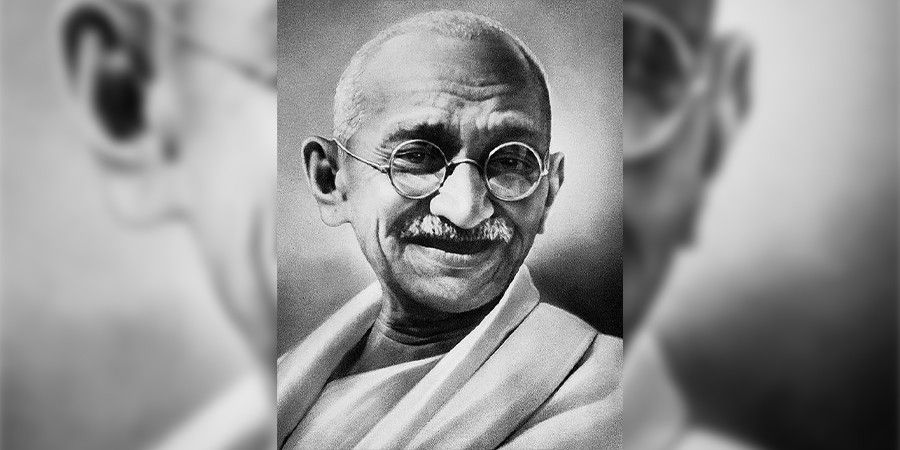
“Father of the Nation," Mahatma Gandhi earned the name because of his great (mahan) deeds, like non-violent movements. He married Kasturba when he was 13 and studied law in London before traveling to South Africa to practice law. There, he was inspired to fight for human rights by seeing racial discrimination toward some Indians. Gandhi fervently joined the liberation struggle after seeing how India was being ruled by Englishmen. One of the most influential freedom fighters of India, Mahatma Gandhi led various non-violent protests against the British people in his quest for independence, including the "Dandi March" movement, which he took on his bare foot to remove the salt tax.
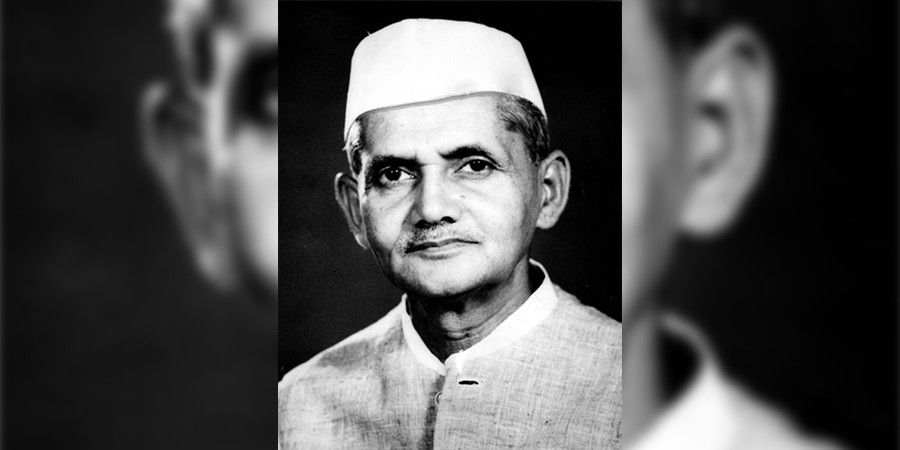
Lal Bahadur Shastri was born in Mughalsarai, Uttar Pradesh, in 1904. When he finished his studies at Kashi Vidyapeeth, he received the title "Shastri" Scholar. He was one of the most impactful freedom fighters of India who joined the Mahatma Gandhi-led Salt Satyagraha campaign, the Civil Disobedience movement, and the Quit India movement as a silent but active liberation warrior. Being an independence freedom fighter he spent a lot of time behind bars. He held the office of Home Minister upon India's independence before being elected as the second Prime Minister of India in 1964. The most popular phrase “Jai Jawan, Jai Kisan” was coined by him in 1965.
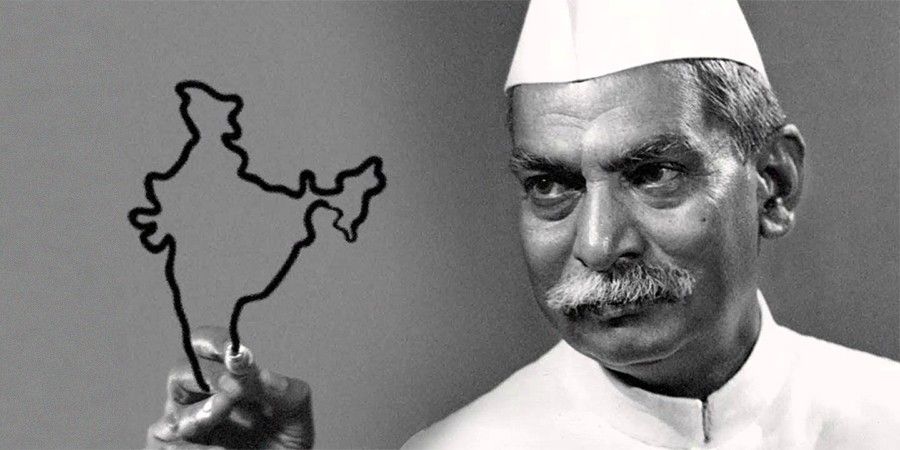
Dr. Rajendra Prasad, the creator of the Indian Constitution and the free country's first president, comes in second on the list of the most famous freedom fighters in India. He was a fierce advocate for Mahatma Gandhi. In 1947, Dr. Rajendra Prasad, who served as India's first president from 1950 to 1962, saw his goal come true. He was also among the first Indian presidents to be elected to two consecutive terms. He raised money for Searchlight and Desh during the Independence Movement while also contributing articles to these periodicals. In 1962, Prasad also received the Bharat Ratna, the highest civilian honor.
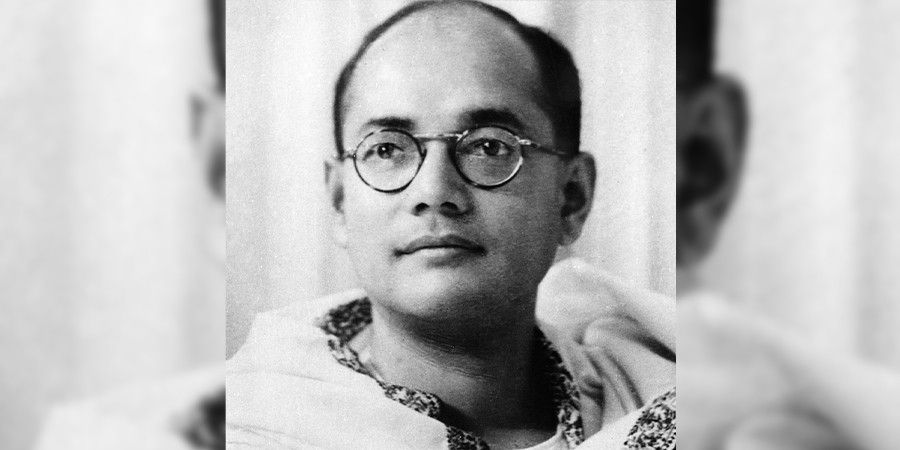
Subhas Chandra Bose, one of the bravest freedom fighters of India also known as Netaji, was born in Orissa. He may have been shaken by the Jallianwala Bagh Massacre and forced to leave England for India in 1921. He became a member of the Indian National Congress and participated in the Civil Disobedience Movement. He sought assistance in Germany after becoming dissatisfied with Gandhi Ji's Non-Violence Method of Freedom and finally founded the Azad Hind Government and Azad Hind Army, now known as the Indian National Army (INA), where he trained and supervised all freedom fighters.
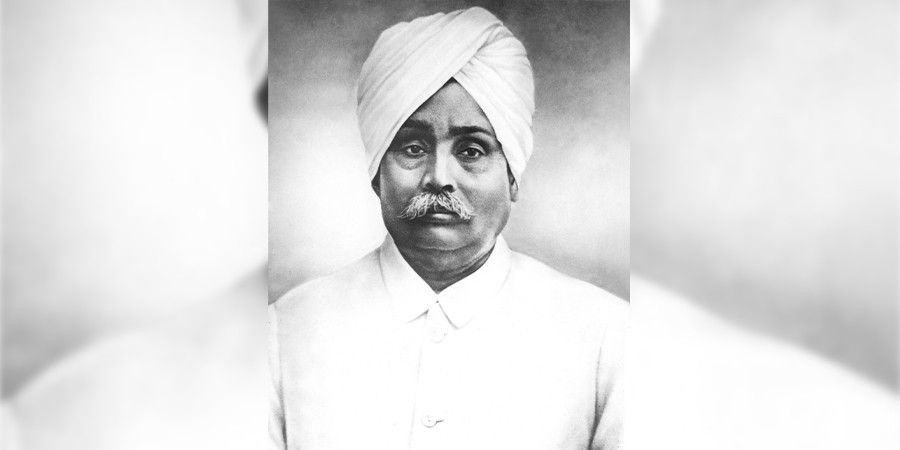
Lala Lajpat Rai, also known as “Punjab Kesari”, was an Indian author and one of the bravest national heroes of India. He was an extreme member of the Indian National Congress and a member of the Lal-Bal-Pal trio. He rose to prominence in 1920 as a result of his leadership of the Punjab Protest and the Non-Cooperation Movement after the Jalliawala Bagh event. He passed away in 1928 during a Simon Commission protest after a harsh British Lathi charge.
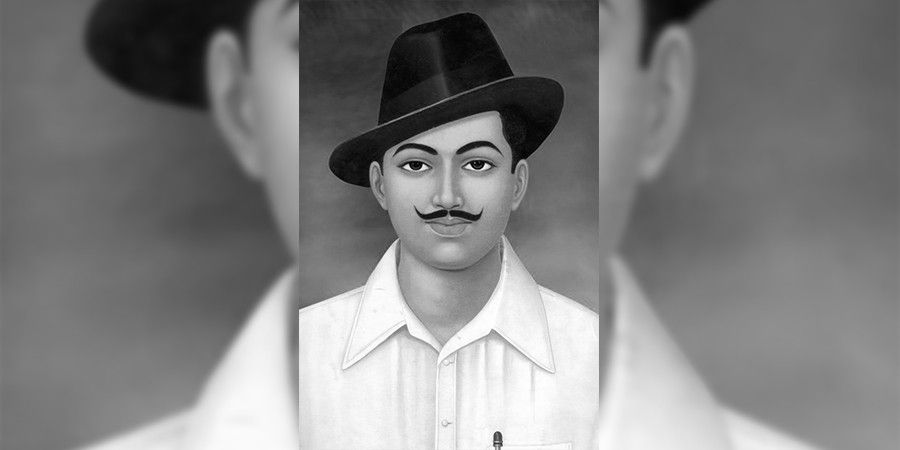
Bhagat Singh was a well-known revolutionary, and a contentious & my personal favourite Freedom Fighter for India who eventually died as a proud martyr for his nation. He was born in Punjab in a Sikh family of independence warriors. Since he was a naturalized citizen, he joined the non-Cooperation movement in 1921. To foster patriotism in Punjabi youth, he founded the "Naujawan Bharat Sabha." The Chauri-Chaura Massacre changed him completely. At the age of 23, he was hung to death by British colonizers. His enduring nickname is "Shaheed (martyr) Bhagat Singh." Freedom fighter Bhagat Singh popularized the term "Inquilab Zindabad", and it eventually became the anthem of the Indian independence struggle.
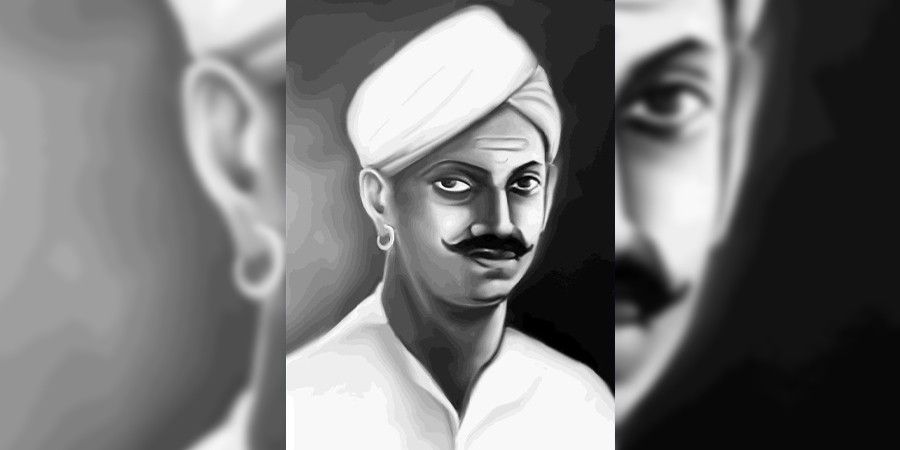
He was the first freedom fighter in the country. Despite being a soldier in the British Army, he rebelled when he learned that the cartridges the soldiers were given were lubricated with pig fat. For the first time, Mangal Pandey inspired Indians by introducing the phrase "Maro Firangi Ko." His uprising served as the catalyst for the first liberation struggle. He was one of the earliest rebels to motivate young Indian soldiers to start the 1857 Great Rebellion, Indian Mutiny, also called India's First War of Independence.
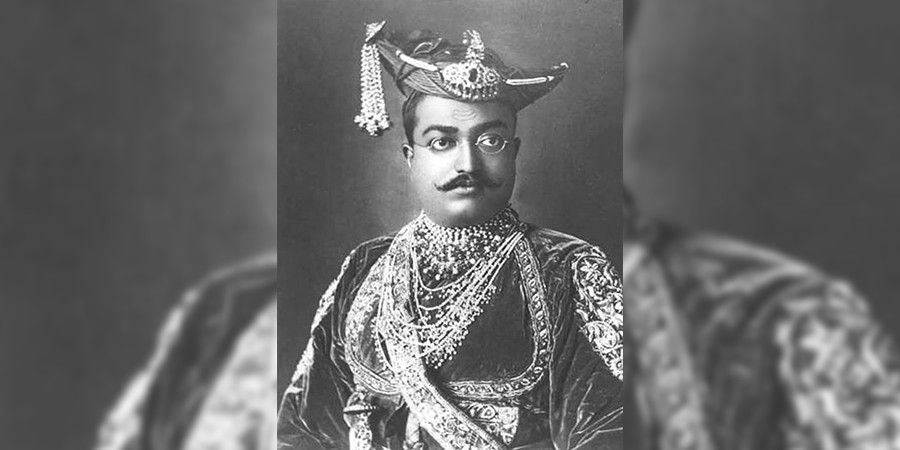
Nana Sahib, who headed a band of fervent rebels, made a crucial contribution to the 1857 insurrection. By slaughtering the force's survivors, he overran the British soldiers in Kanpur and threatened the British camp. In addition to being bold and brave, Nana Sahib was a talented administrator who organized and oversaw thousands of Indian warriors. He is one among the best freedom fighters of India.
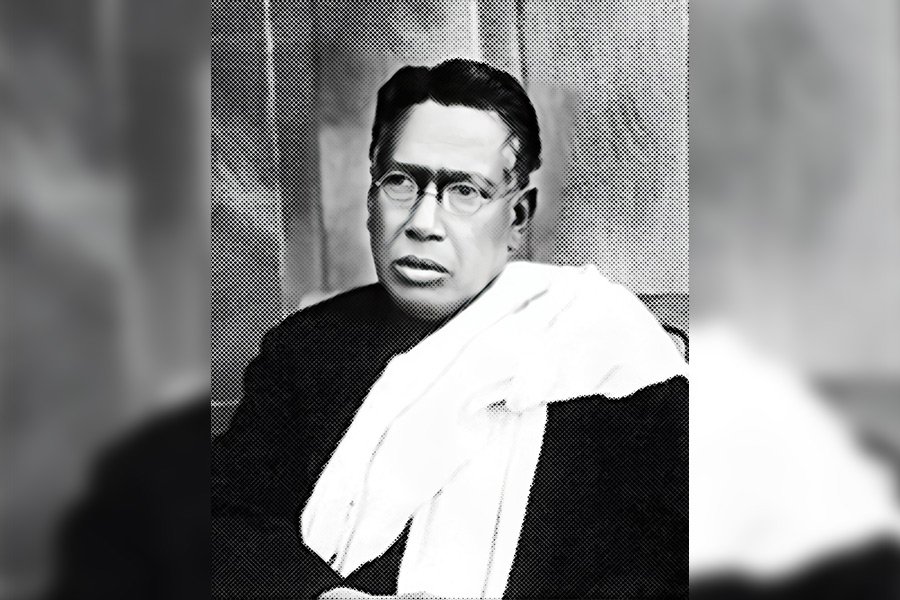
Bipin Chandra Pal,one of the most important freedom fighters of India, passionately advocated for Swaraj (self-rule) and Swadeshi (self-reliance). As part of the influential Lal-Bal-Pal trio, he inspired public sentiment against British colonialism through his compelling speeches, writings, and editorial work. Pal's strong nationalism and ability to inspire the masses played a crucial role in awakening a strong sense of national identity and resistance among Indians.
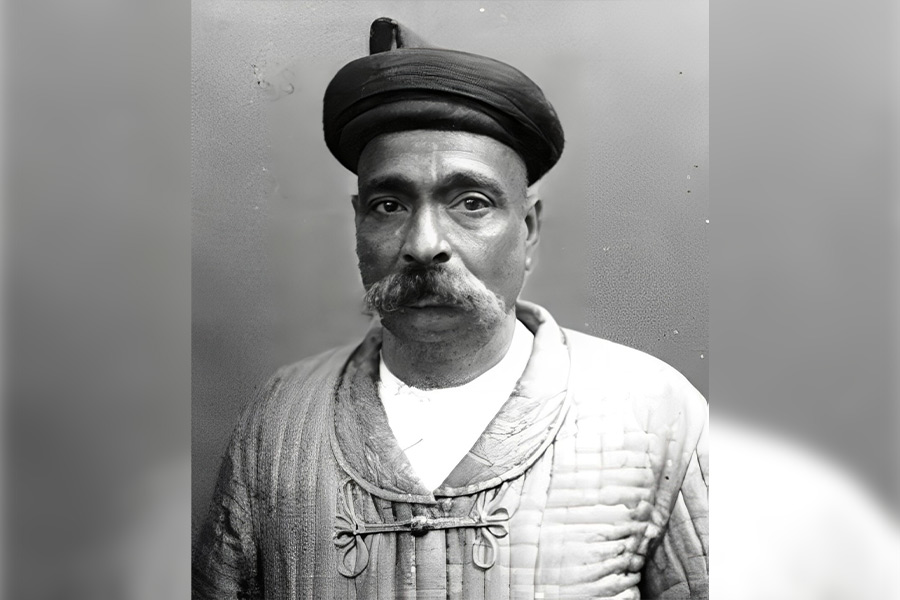
Bal Gangadhar Tilak, known as the 'Father of Indian Unrest', was among the most passionate freedom fighters of India. His famous declaration, "Swaraj is my birthright and I shall have it," inspired and mobilized the Indian people. Tilak's leadership and efforts were instrumental in the formation of the All India Home Rule League, which played a crucial role in pushing for India's independence from British rule through widespread grassroots activism.
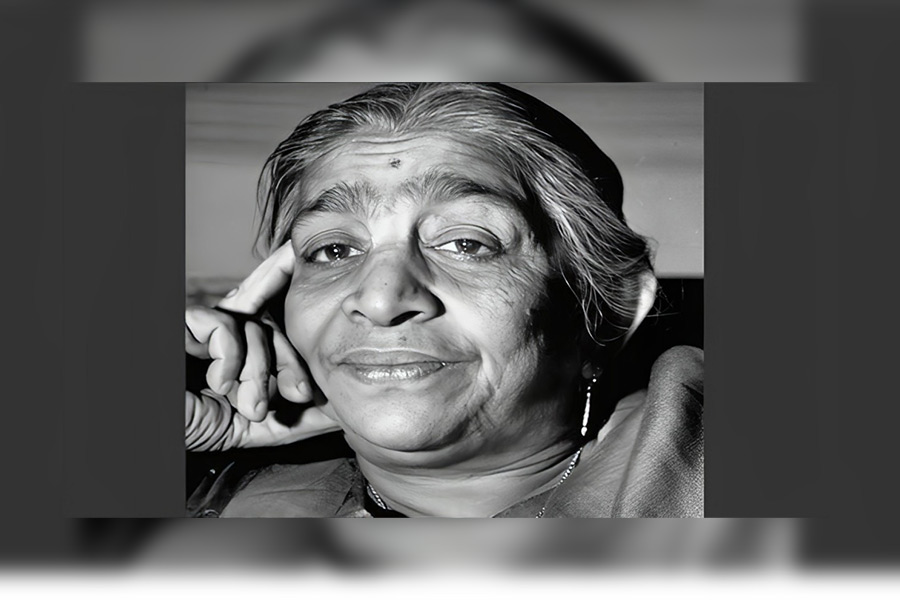
Sarojini Naidu, the 'Nightingale of India', was a renowned poet and influential activist. She played a vital role in the civil disobedience and Quit India movements, leading protests and inspiring many. Naidu made history as the first woman president of the Indian National Congress and later as the first woman governor of an Indian state, contributing significantly to India's struggle for independence and post-independence governance. She is the most underrated freedom fighters of India who made great efforts for our nation.
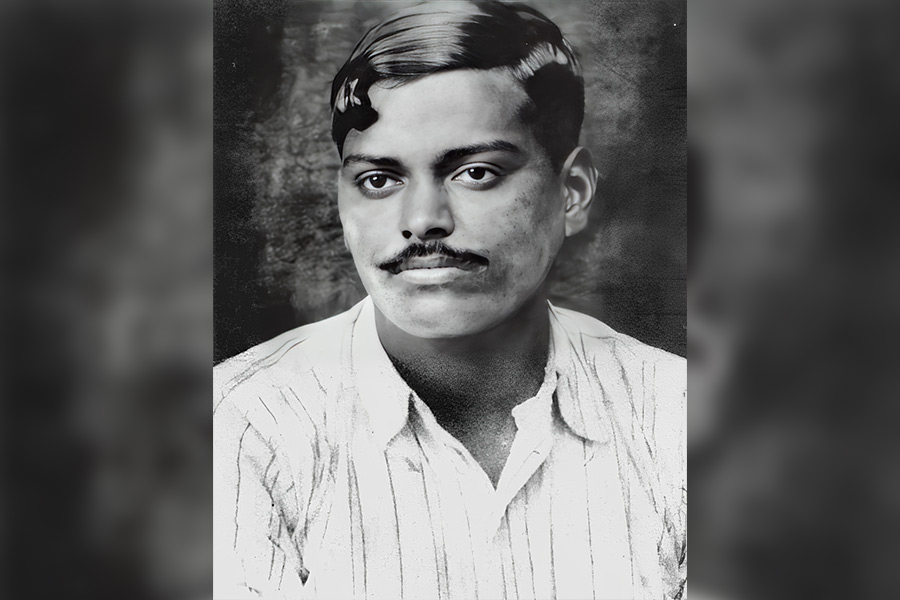
Chandra Shekhar Azad was one of the dynamic freedom fighters of India and a key member of the Hindustan Socialist Republican Association (HSRA). He actively participated in several anti-British activities, most notably the Kakori Train Robbery. Known for his unwavering commitment to freedom, Azad famously declared he would never be captured alive by the British. True to his word, he died in a dramatic shootout with the police, solidifying his legacy as the most fearless freedom fighters of India.
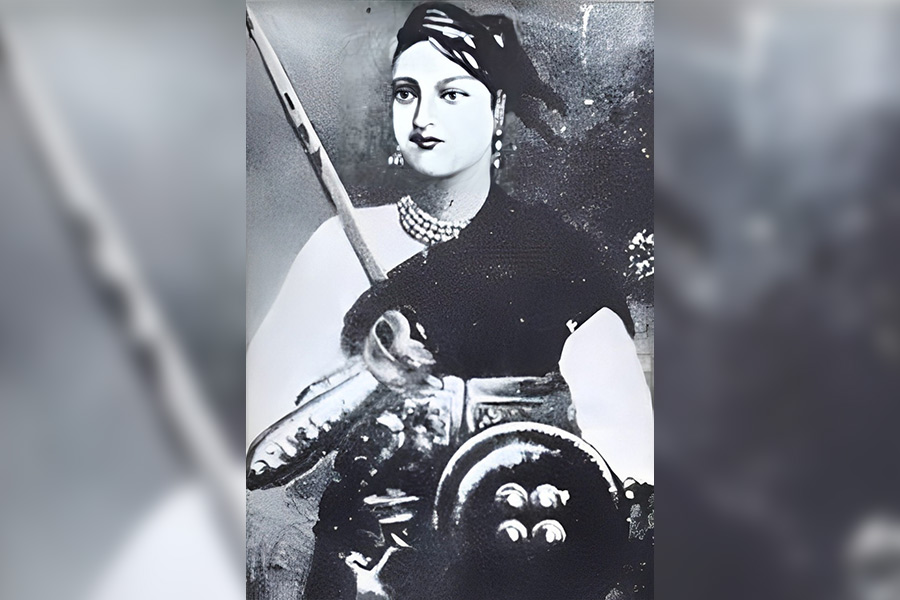
Rani Lakshmibai, the valiant Queen of Jhansi, played a pivotal role in the 1857 Indian Rebellion against British rule. Renowned for her exceptional bravery and strategic intelligence, she led her forces with remarkable courage. Her fierce resistance and defiant spirit made her an enduring symbol of India's fight for freedom, inspiring countless others to join the struggle against colonial oppression and fight for their homeland's independence.
As we celebrate India’s Republic Day in 2026, we proudly reflect on the values enshrined in our Constitution—justice, liberty, equality, and fraternity—that continue to guide the nation’s progress. This day marks not just the adoption of the Constitution, but also India’s transformation into a sovereign, democratic republic shaped by the vision and sacrifices of countless freedom fighters.
The Republic Day 2026 theme, celebrating the 150th anniversary of “Vande Mataram” alongside the vision of Atmanirbhar Bharat, reminds us to honor our cultural roots while embracing innovation and self-reliance. It encourages every citizen to draw inspiration from our glorious past and actively contribute to building a strong, resilient, and progressive India.
At Wooden Street, we take pride in supporting India’s cultural heritage through thoughtful design, craftsmanship, and innovation. As a brand deeply rooted in Indian values, we remain committed to contributing to a self-reliant future that reflects our traditions and the aspirations of a modern nation.
On this Republic Day, let us reaffirm our dedication to the ideals of the Constitution and work together toward a united, confident, and empowered India.
Jai Hind!
We will be back with the next blog soon; till then, stay tuned!
Image Source: Pinterest, Google, and Wooden Street
Related Blogs
Women Freedom Fighters of India
15+ ‘Firsts’ by Indian Women Who have Made the Nation Proud
Independence Day Decoration Ideas for Every Corner of Your Space
A Rani Lakshmibai of Jhansi is considered the first female freedom fighter of India. She bravely led her army against British forces during the Revolt of 1857, becoming a symbol of resistance and women's valor in India’s independence movement.
A Freedom fighters shaped modern India by laying the foundation of democracy, unity, and self-rule. Their sacrifices inspired the Constitution, social reforms, and national identity, influencing India's values of secularism, equality, and commitment to justice and development.
A We can honor their legacy by preserving historical sites, educating the youth about their stories, actively participating in nation-building, and upholding democratic values. Celebrating national days with respect and awareness also keeps their sacrifices alive in public memory.
A Bhagat Singh is remembered for his fearless fight against British rule and his revolutionary ideas. His bold actions, writings, and martyrdom at just 23 made him a national hero and an enduring symbol of youth-led resistance and patriotism.
Articles you will love to read
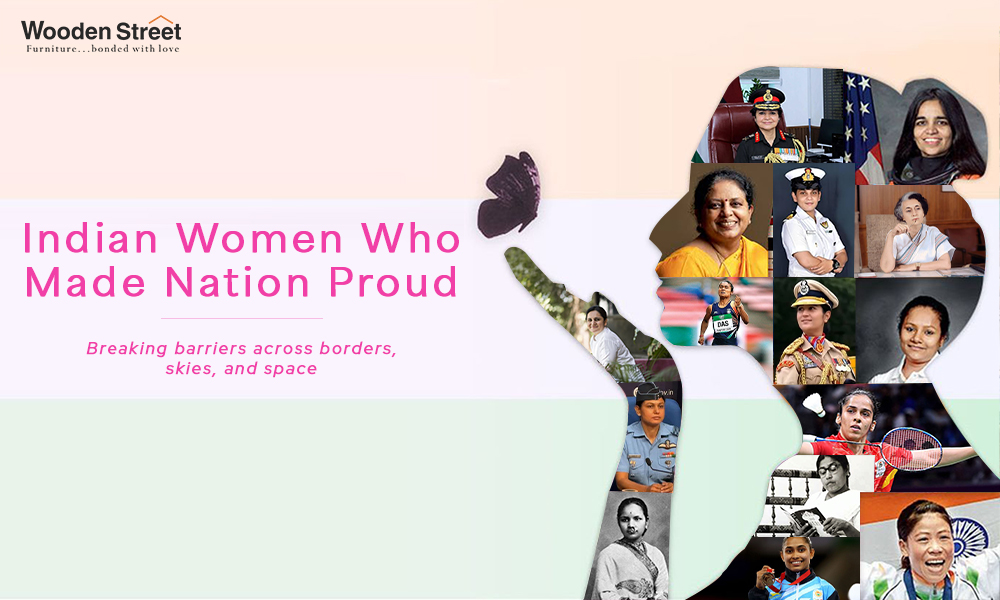
From commanding troops and leading Republic Day parades to flying fighter jets, conquering space, and breaking global records, Indian women have consistently redefined excellence. This blog celebrates trailblazing Indian women, from Army and CRPF leaders to sports icons, scientists, and global firsts, whose achievements have made the nation proud.
Continue Reading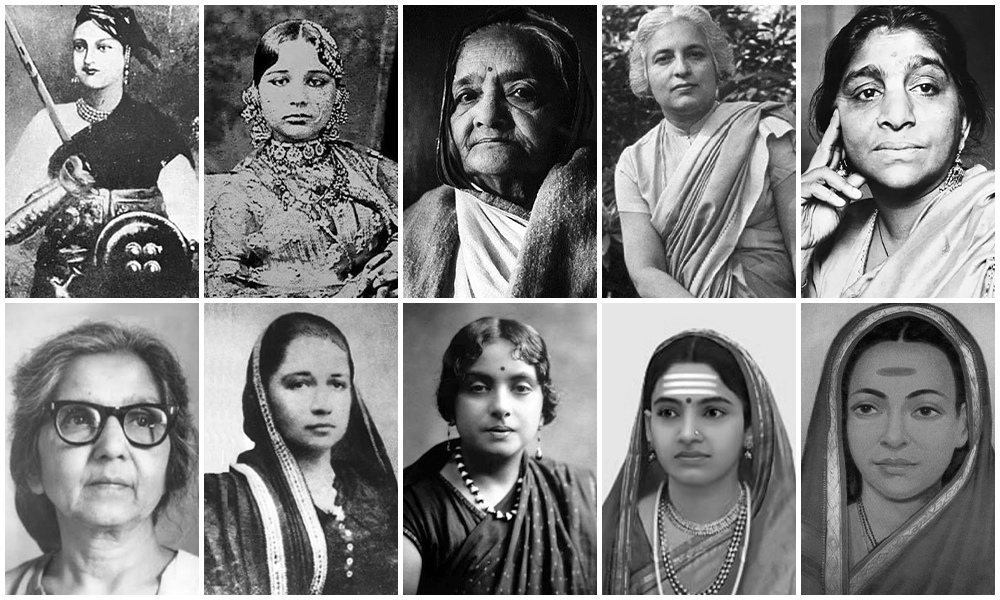
The contributions of our female freedom fighters are still prominent, so let's learn how these heroic ladies changed the course of our history.
Continue Reading
Looking for the best Republic Day decoration ideas for 2026? This guide shares easy and creative 26 January decoration ideas for home, office, and school, including tricolor rangoli designs, DIY crafts, balloon décor, lighting ideas, and patriotic wall decorations to celebrate India’s Republic Day with pride and style.
Continue Reading