




Discover everything about bamboo cane furniture, including materials, durability, styles, and care tips. This guide helps you understand its benefits, compare options, and make an informed buying decision for your home or outdoor space.
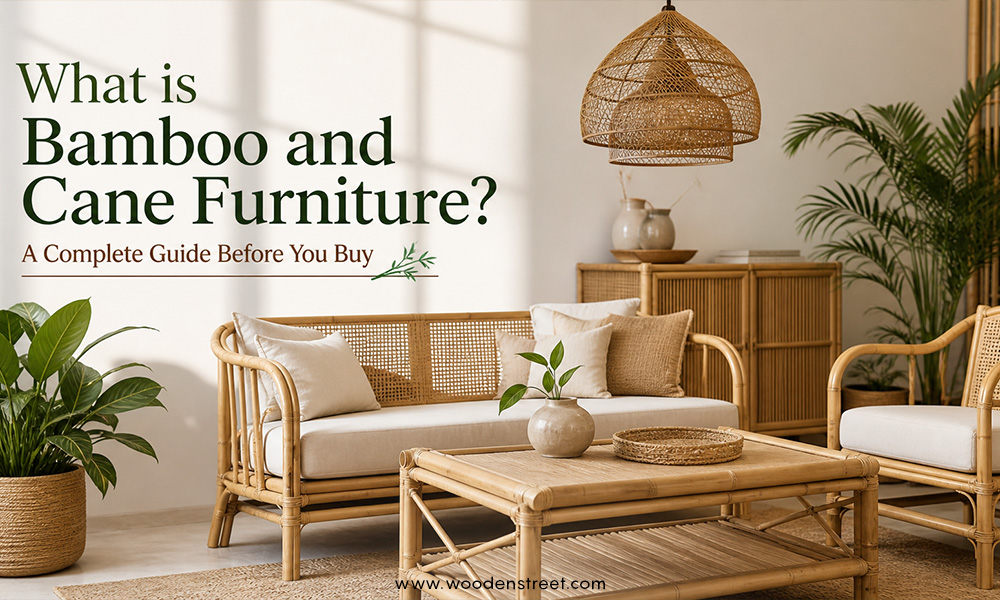
Walk into any modern Indian home in the present time, and you’ll notice a shift here that people are choosing furniture that feels closer to nature. From airy balconies to cozy living rooms, bamboo furniture and cane furniture are suddenly everywhere. But here’s the catch. Most people still mix up bamboo, cane, rattan, and wicker. Are they the same? Not really.
That’s exactly where this blog post comes in. Think about it as your no-confusion zone. We’ll break down what bamboo cane furniture really is for you, how it’s made, plus whether it fits into your lifestyle or not. If you’ve been eyeing that beautiful, light in weight piece but aren’t sure if it’s worth it, then it’s time for you to keep reading. Your perfect furniture choice might be simpler than you think.
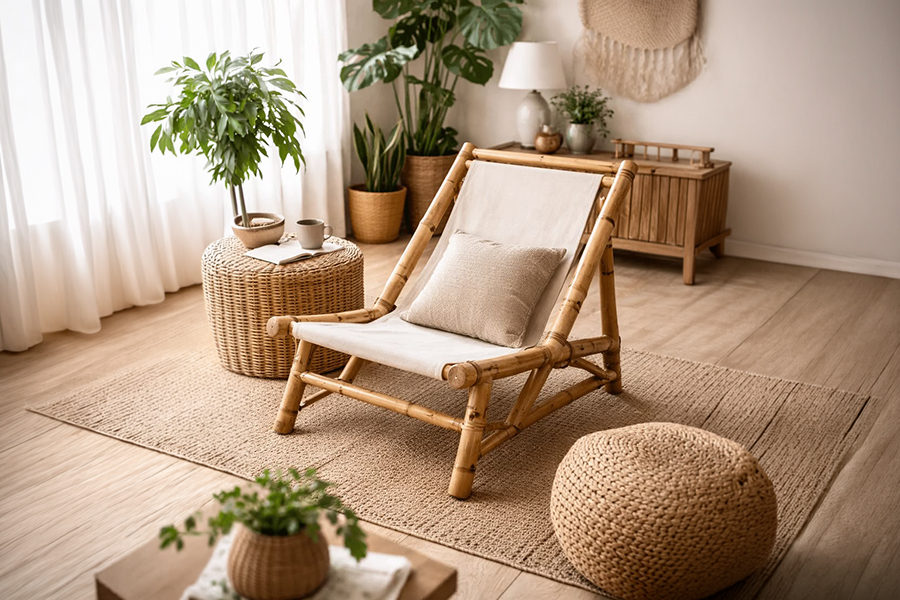
Ever thought about bamboo being just another type of wood? Here’s a twist. It’s actually a grass! Yes, bamboo is a fast-growing tropical grass, not a tree. It’s one of the fastest-growing plants on Earth, not just any grass, thus shooting up in just a few months.
You’ll find bamboo growing widely across India, Asia, and even parts of Africa. What makes it so special? It grows back quickly after cutting, therefore making it one of the most sustainable materials out there. No long waiting years, such as traditional timber.
But don’t mistake its light look for weakness. Bamboo is surprisingly strong, flexible, plus naturally resistant to pests. That’s exactly why it’s so popular in bamboo furniture. It gives you durability without the heavy feel. Stylish, eco-friendly, and tough, bamboo truly checks all the boxes.
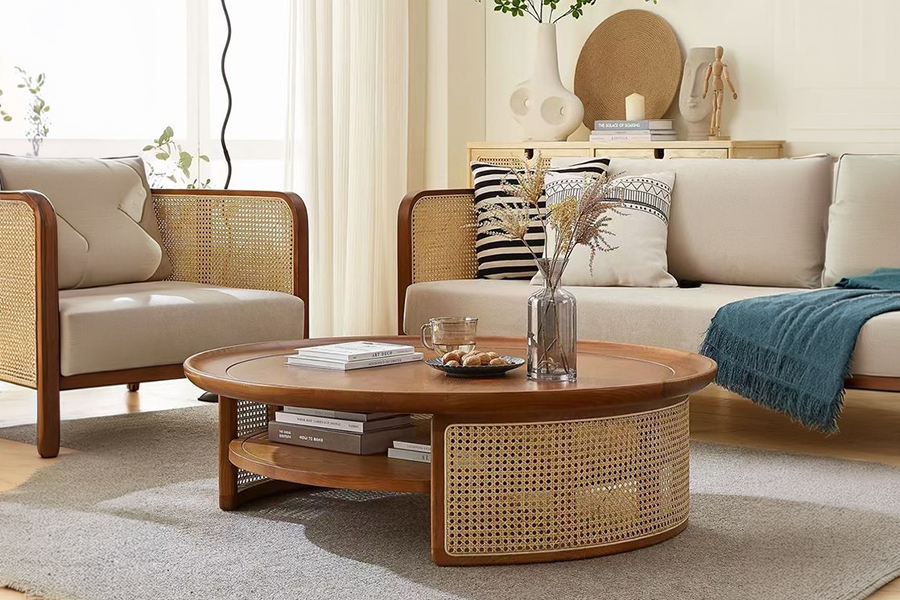
Now, let’s clear the real confusion about what exactly is cane? Cane is not a plant on its own. It is the outer skin of the rattan vine, which is carefully peeled, processed, as well as turned into those beautiful woven patterns that you see in cane furniture.
Here’s where it gets interesting, rattan is the full vine, cane is its outer layer, and wicker? That’s not a material at all, but a weaving style. Sounds simple now, right?
The process is almost like art. The outer layer is stripped, softened, and then woven into delicate yet strong designs. That’s why modern cane furniture looks so light but still holds up well over time. Cane bends easily without breaking, thus making it perfect for curves, patterns, plus that airy, elegant feel every home loves today.
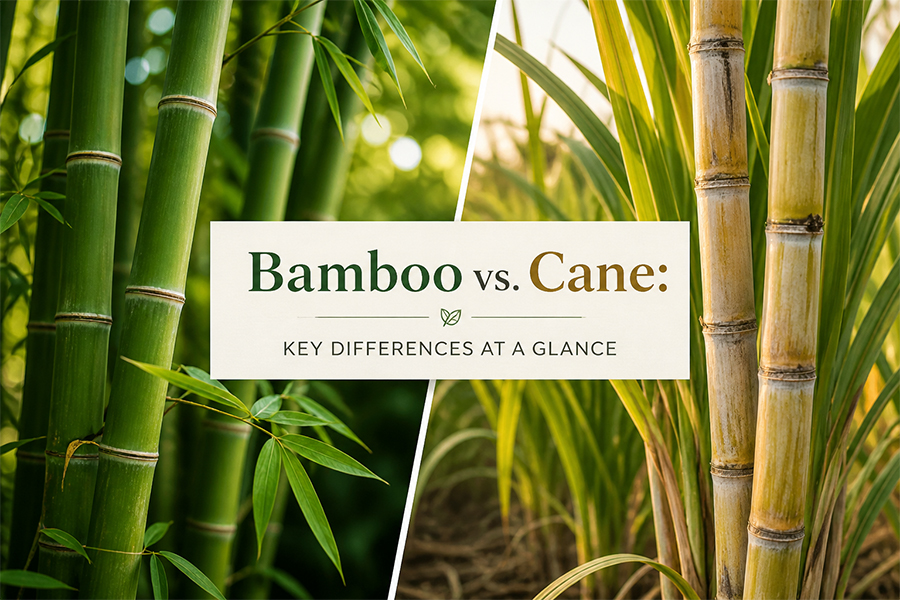
So, Bamboo or Cane? What should you really go for? At first glance, they may look similar, but they’re quite different once you take a closer look. Bamboo furniture comes from a solid, fast-growing grass, which as a result, gives it a sturdy yet slightly heavier feel. On the other side, cane furniture is made up from the outer layer of rattan, which is lighter, more flexible, plus is considered perfect for weaving elegant patterns.
Even their look tells a story. Bamboo has a smooth, natural finish, while cane feels airy yet textured. If you want strength along with structure, then bamboo works great. If you love light, breathable designs, cane is your go-to.
Here’s a quick, no-confusion comparison to help you decide:
|
Feature |
Bamboo |
Cane |
|
Source |
Solid grass |
Outer peel of rattan vine |
|
Look |
Smooth, clean |
Woven, textured |
|
Strength |
Strong and sturdy |
Flexible but slightly lighter |
|
Weight |
Heavier |
Lightweight |
|
Best Use |
Beds, sofas, frames |
Chairs, panels, décor |
|
Price in India |
Affordable to mid-range |
Mid to slightly premium |
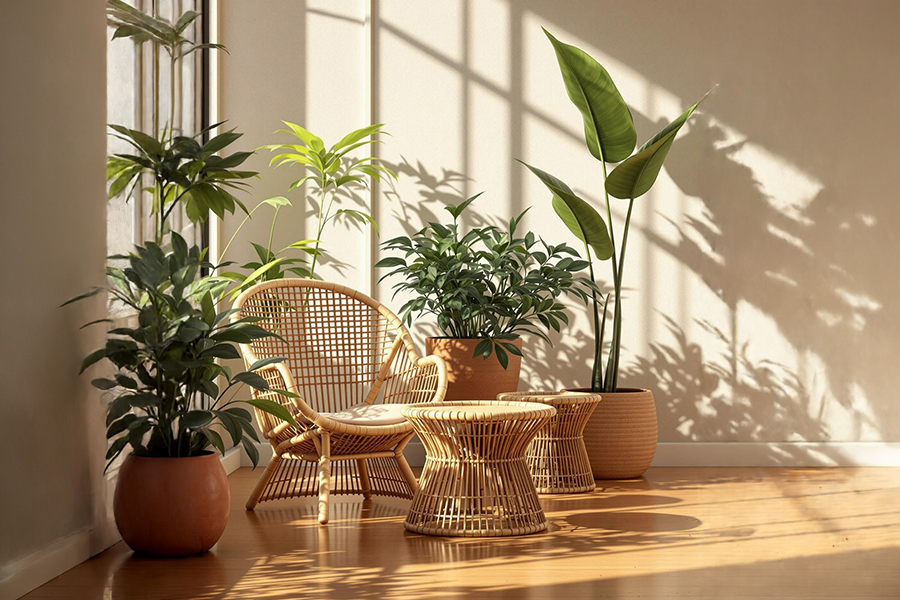
It all starts in the fields. Bamboo is cut at the right age, not too young and not too old. So it stays strong. But here’s the real magic: raw bamboo can crack or attract pests if left untreated. So, it goes through simple treatments such as drying, smoking, or even boiling. These steps remove moisture plus make it tougher for daily use. Some makers also use safe chemical treatments to protect it further. This is why good bamboo furniture lasts for years without having to loose its charm.
Now comes the craft. Traditional pieces are made by tying and lashing bamboo poles together, no heavy nails, just smart design. For a more modern look, bamboo is pressed into flat boards and shaped using machines. Hence, it becomes perfect for clean, minimal styles.
From cozy chairs and sturdy beds to shelves, side tables, and even room dividers, bamboo cane furniture brings strength along with style into your home, without feeling bulky.
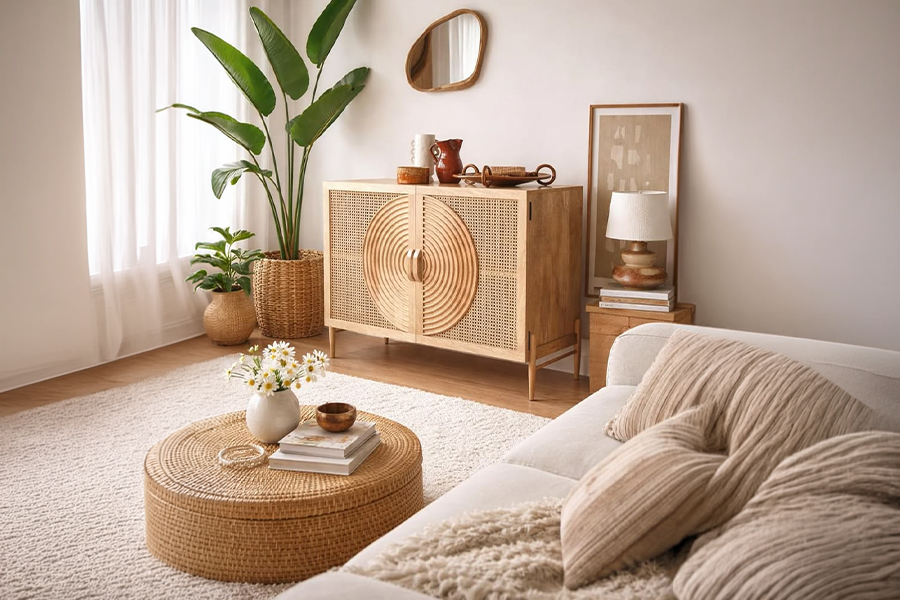
The journey of cane furniture starts with the rattan vine. Its outer layer, the cane, is carefully peeled off, almost like removing a thin skin. This layer is then cleaned, soaked, and then cut into thin strips or wide sheets. These are what you see as those neat woven patterns.
One of the most loved styles is cane webbing. These are ready-made panels with beautiful patterns, usually used in chair backs, cabinet doors, and even bed headboards. They look delicate, but don’t be fooled. They’re strong yet breathable, thus perfect for Indian weather.
Now comes the real art. Cane is hand-woven over a solid frame, which often comes in wood or metal. This is what gives modern cane furniture its light yet sturdy feel. The weaving allows air to pass through. Thus, it becomes super comfortable, especially in the summer.
From chairs and sofas to bar stools and cabinets, cane wood furniture adds a relaxed, stylish vibe to any space, without making it feel heavy or crowded.
When it comes to thinking of upgrading your home without harming the planet or your budget, that’s exactly where bamboo cane furniture catches the eye here. It’s not only about looks. It’s about smart, feel-good choices that combine style, comfort, as well as sustainability in the simplest way.
Before you fall completely in love with the charm of bamboo cane furniture, let’s talk about the real side too. Every material has its own limits, plus knowing them early can save you from regret later. A little awareness now means your furniture will stay beautiful for years.
Love the look of bamboo cane furniture? Then you’ll also have an interest towards this part even more. It’s actually very easy to take care of, as long as you follow a few simple habits. A little care goes a long way in keeping that natural shine and strength alive.
Wondering where bamboo cane furniture will actually shine in your home? The beauty of these materials is that they don’t simply fill a space. They transform to how it feels. Light, airy, as well as calming, they can quietly uplift every corner.
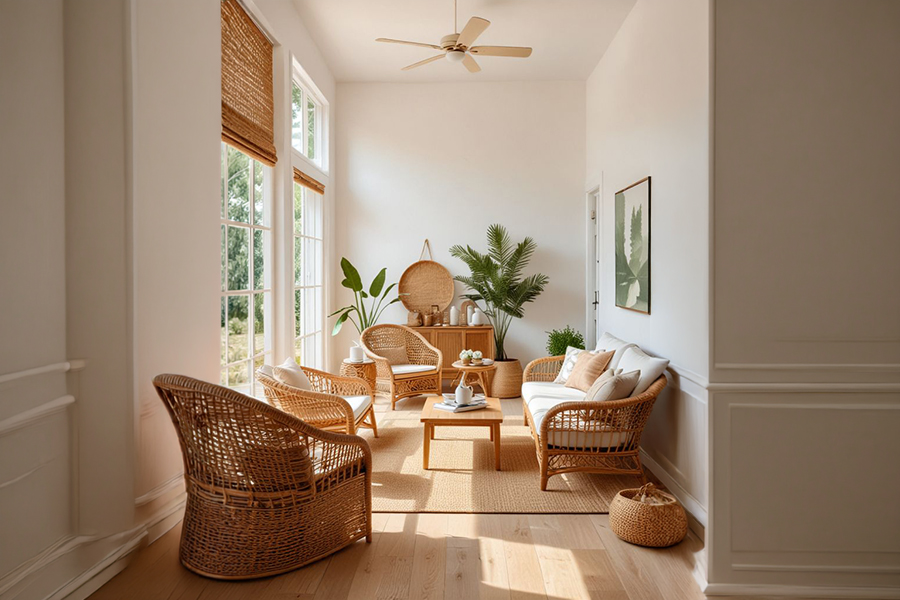
A cane furniture sofa or accent chair adds texture in an instant, while a bamboo coffee table keeps the space feeling open, not bulky.
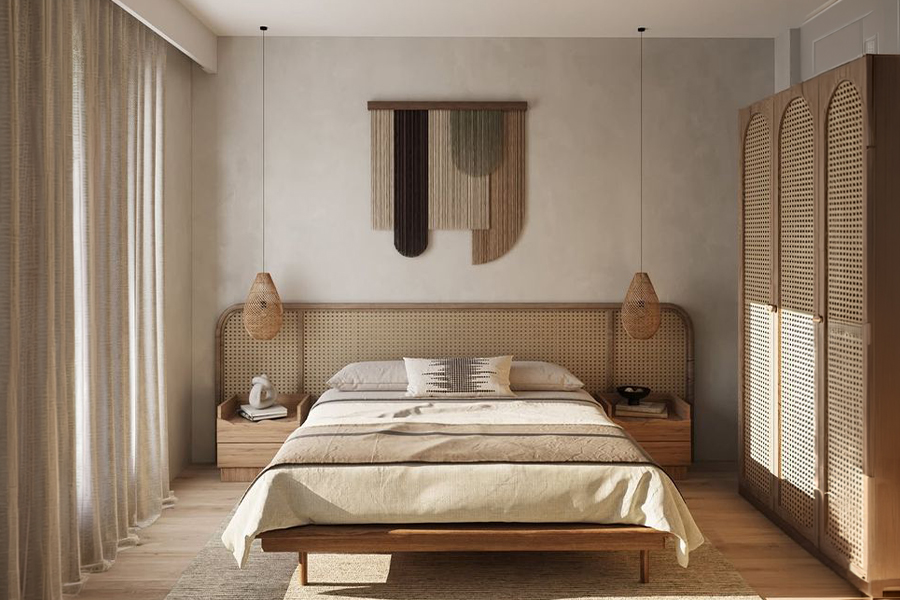
Cane headboards bring to you a soft, relaxed vibe, plus bamboo furniture, such as wardrobes or bedside tables keeps the room looking light as well as clutter-free.
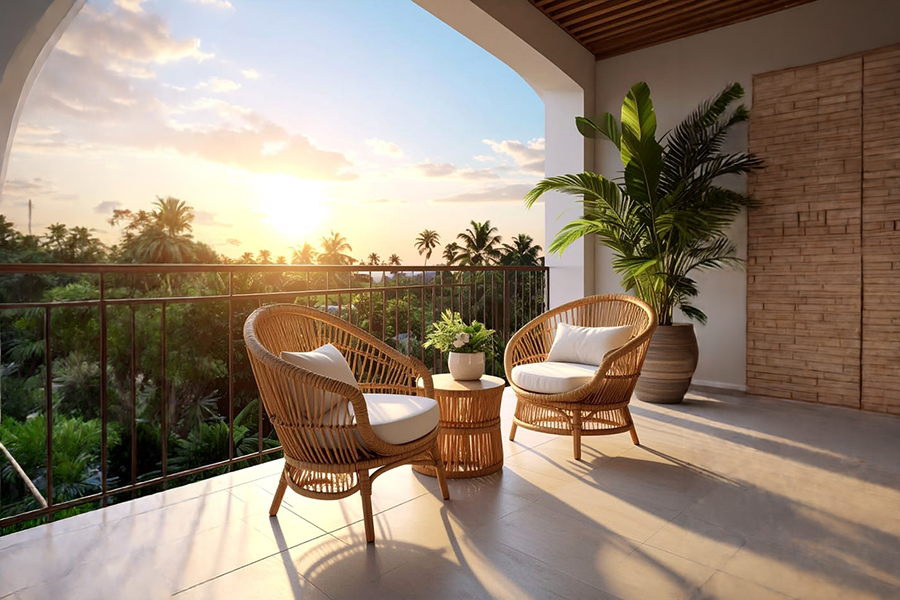
Lightweight bamboo seating sets are easy to move around as and when needed, therefore making them perfect for cozy corners with plants and evening chai moments.
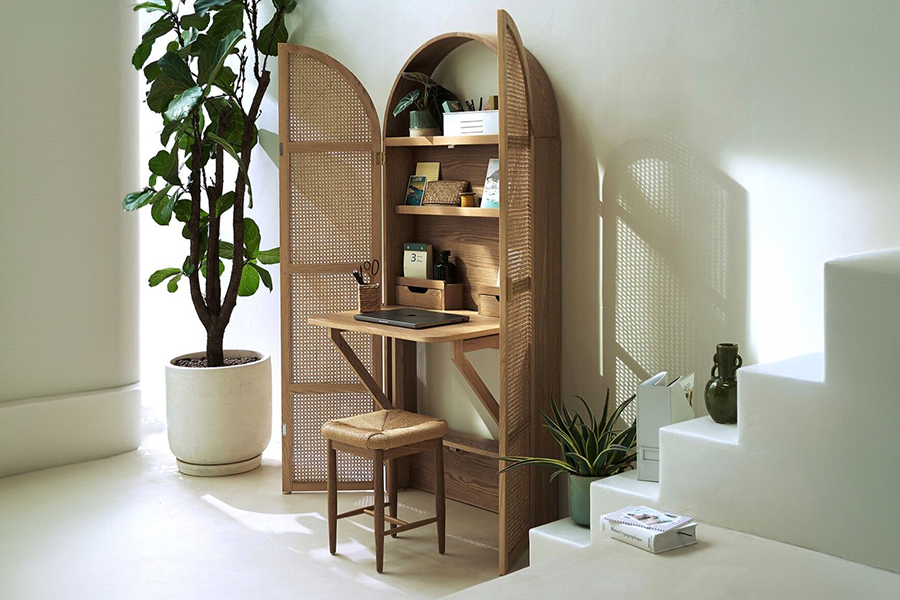
Bamboo shelves and cane-back chairs create a calm, breathable setup that helps you to focus without feeling boxed in.
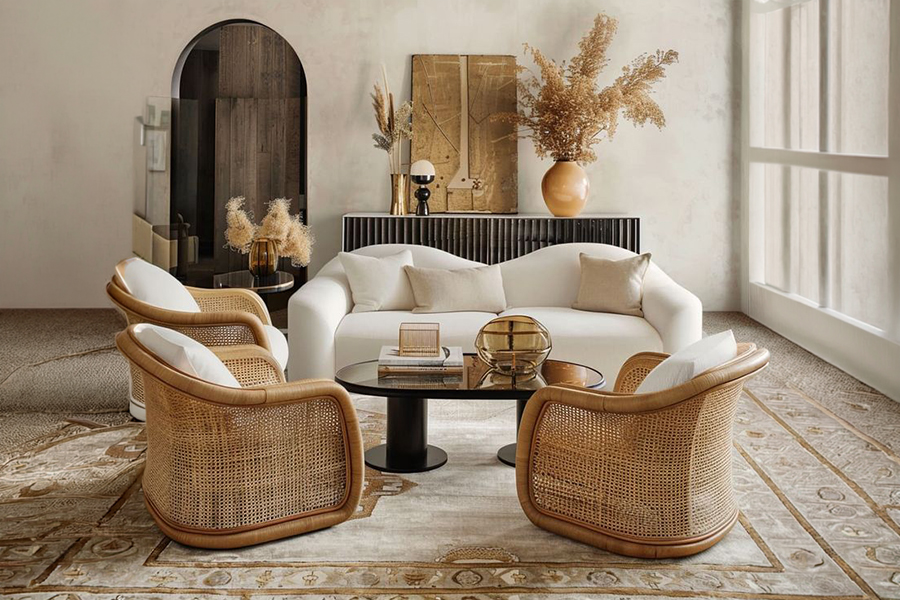
Pair modern cane furniture with linen, cotton, jute, and earthy tones to create a warm, natural look that feels effortlessly put together.
So, what’s the final takeaway? If you’re looking for furniture that feels light, looks beautiful, plus is kind to the planet, bamboo furniture and cane furniture are hard to beat. One gives you strength along with structure, while the other brings in softness as well as design. Together, bamboo cane furniture creates spaces that feel calm, natural, as well as truly welcoming.
The best part? You don’t have to choose style over comfort or budget anymore. Whether it’s a cozy corner or your entire home, these materials fit in effortlessly as well as grow on you over time.
Now it’s your turn, are you team bamboo or team cane? Or do you love a mix of both? Tell us in the comments below, we’d love to hear what you think!
We will be back with the next blog soon; till then, stay tuned!
Image Credit: Google, Pinterest, Wooden Street
Read More - Furniture Inspired by the Quiet Wisdom of India
A Bamboo furniture can be very strong, sometimes comparable to hardwood, but it is lighter and more flexible, making it durable for everyday use when properly treated and maintained.
A Rattan is the full vine used for structure, while cane is its outer layer used for weaving, which is why cane furniture often has that light, patterned look.
A Yes, bamboo furniture and cane furniture work well in Indian climates as they stay cool, breathable, and comfortable, but they should be protected from excess moisture and heavy rain.
A With proper care, bamboo furniture can last 10–15 years or more, especially when kept indoors and protected from moisture, pests, and direct sunlight.
A Cane furniture can be used outdoors in covered areas like balconies, but it should not be exposed to rain or harsh sunlight unless properly sealed and treated for weather resistance.
Trending Products
Top Picks from EveryoneArticles you will love to read

Explore the 26 biggest interior trends shaping homes in 2026, from furniture innovations and colour palettes to decor inspirations. This guide covers everything you need to elevate your Home Interior Design with stylish, functional, and future-ready ideas for every room.
Continue Reading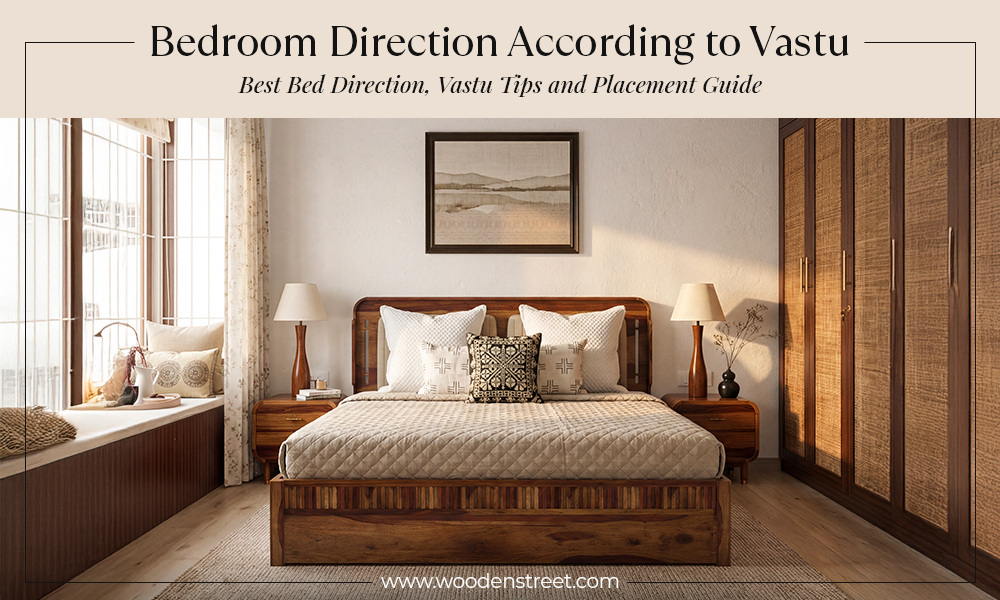
Explore the ideal bedroom direction according to Vastu with practical insights and scientific reasoning. Learn the best bed placement according to Vastu, ideal sleep directions, and smart bedroom design tips to create a peaceful, balanced, and energy-aligned living space.
Continue Reading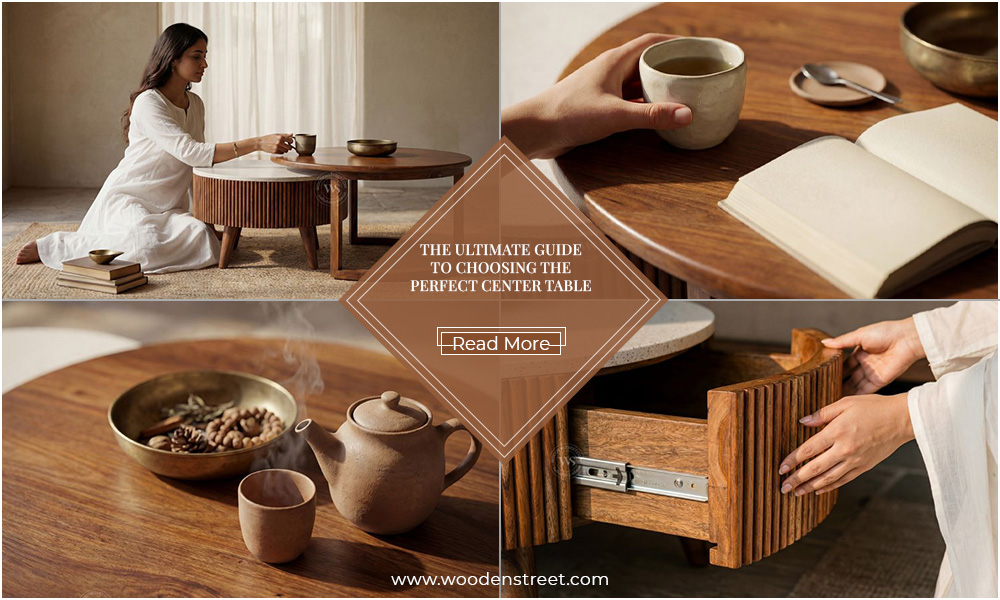
Choosing the right wooden center table for living room enhances both style and function. This guide covers ideal sizes, shapes, materials, storage options, and placement tips to help you find a table that perfectly complements your décor, sofa arrangement, and everyday living needs
Continue Reading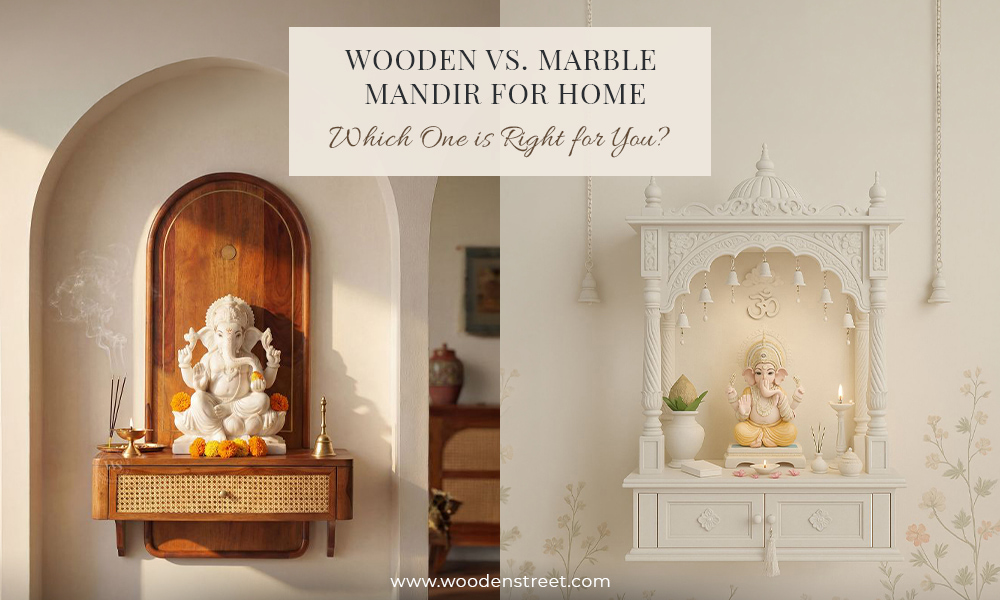
Choosing between a wooden and marble mandir depends on your budget, style, and maintenance needs. From elegant marble designs to durable Sagwan mandir options, this guide helps you understand the pros and cons of each to find the perfect fit for your home.
Continue Reading
Discover the beauty of ancient temples made of wood that have stood strong for centuries. This blog explores their remarkable architecture, cultural significance, and enduring craftsmanship, highlighting how these wooden marvels continue to inspire with their resilience, artistry, and deep-rooted spiritual heritage across the world.
Continue Reading


