




PVC kitchen furniture is redefining modern Indian kitchens with its moisture resistance, termite-proof durability, low maintenance, and affordable pricing. From PVC modular kitchens to UPVC sink cabinets, explore why homeowners in 2026 are moving beyond plywood toward smarter, longer-lasting kitchen solutions.
Indian kitchens are genuinely tough environments. Pressure cooker steam at seven in the morning. Monsoon months where everything in the room feels slightly damp for weeks. Water pooling around the sink that never fully goes away. The cabinet below the sink in most Indian homes tells a story nobody wants to hear after three years.
Plywood had a good run. So did solid wood. Both look very respectable on day one. The real problem shows up later. Swollen cabinet bases. Laminate peeling at corners where moisture crept in. Termite damage spreading quietly before anyone notices. Families who spent sixty to eighty thousand rupees on a modular kitchen setup finding themselves redoing sections inside five years. That is not a rare situation. That is the common experience across a large number of Indian homes.
PVC kitchen furniture entered this conversation not as a luxury product but as a practical answer to a very specific frustration. In 2026, it has moved well past its image as a budget workaround. PVC kitchen cabinets, PVC cupboards, and fully configured PVC modular kitchen setups are now being chosen by homeowners who have looked at what actually holds up in an Indian kitchen over five, eight, ten years and made a deliberate call.
PVC is Polyvinyl Chloride. A synthetic polymer used in plumbing pipes and industrial construction for decades before the furniture industry discovered what it could do in board form. In the context of kitchen furniture, PVC is manufactured into rigid panels used to build kitchen cabinets, kitchen cupboards, kitchen storage cabinets, kitchen trolleys, pantry units, and full modular kitchen sets.
Three main board types are used in the market today. Hollow PVC boards are exactly what the name suggests. Lightweight, with a hollow internal structure. These work well for wall mounted upper modular kitchen cabinets and basic storage units where the load is not heavy.
Foam PVC boards have a dense foam core that gives them better structural support. Base cabinets and kitchen sets that carry real weight use these boards as the primary construction material.
UPVC is a separate category. Unplasticized Polyvinyl Chloride skips the plasticizers used in standard PVC, which makes the board considerably harder and more rigid. UPVC kitchen cabinets have become the go to option for sink side cabinetry and any area with consistent direct moisture contact.
Both materials look nearly identical from outside and most buyers use the terms interchangeably. That is worth correcting because the performance difference between the two is meaningful in certain kitchen zones.
| Feature | PVC Kitchen Cabinets | UPVC Kitchen Cabinets |
| Full Form | Polyvinyl Chloride | Unplasticized Polyvinyl Chloride |
| Structure | Slightly flexible with hollow or foam core | Rigid and dense with no plasticizers |
| Moisture Resistance | Excellent | Excellent with higher structural strength |
| Termite Resistance | Completely termite proof | Completely termite proof |
| Cost | More affordable | Slightly higher than standard PVC |
| Weight | Very lightweight | Heavier than standard PVC boards |
| Load Bearing Capacity | Moderate | Better suited for heavier storage |
| Best Use | Wall cabinets, upper units, basic kitchen setups | Sink area, base cabinets, high humidity kitchen zones |
| Finish Options | Wide range of textures and colours | Good range with slightly fewer options |
Coastal homes, ground floor apartments in older buildings, and kitchens in regions where rainfall stretches on for months. Those are the situations where UPVC kitchen cabinets clearly justify the price difference over standard PVC options.
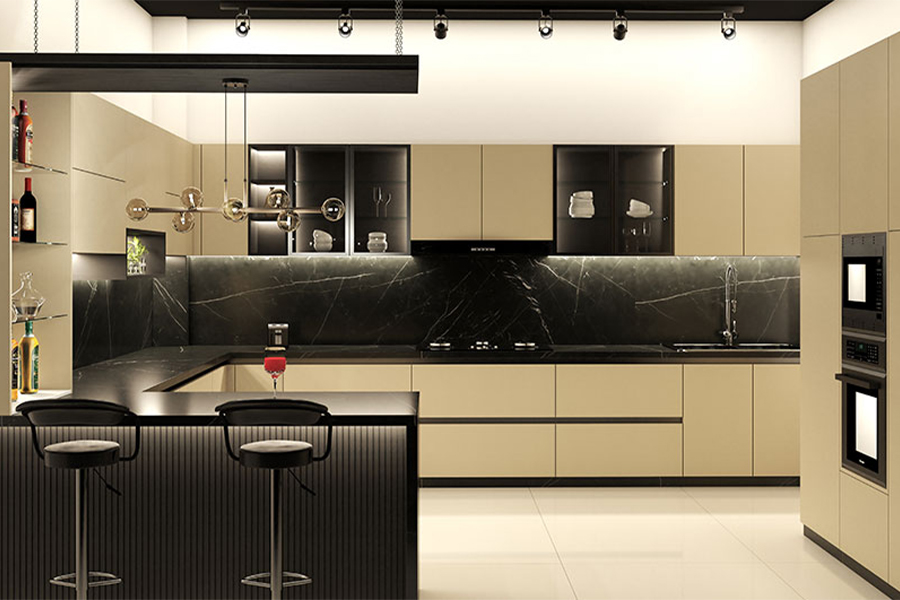
A few things have converged to push this material into mainstream preference. Buyers are more informed now than they were five years ago. People who watched plywood kitchen furniture swell and deteriorate the first time are not making the same choice again. The termite story is something almost every Indian family in a standalone home or older apartment has experienced at some point. PVC kitchen cabinets are completely immune to that problem. Not resistant. Immune. Termites have no use for synthetic material.
Water resistance is the other driver. PVC kitchen cabinets do not absorb moisture at all. No laminate peeling at joints. No swollen cabinet base. No warped door that refuses to shut because the board underneath expanded through three monsoon months. In a country where cooking is intense and seasonal humidity is a given across most regions, this is not a small detail.
The cost gap matters considerably too. A PVC modular kitchen typically costs thirty to fifty percent less per square foot than a plywood equivalent. That saving, across a full kitchen, is meaningful. It creates room to spend better on hardware, countertops, or kitchen trolley additions that would otherwise be out of budget.
Builder demand is pushing numbers further still. New housing projects across Indian cities have shifted toward PVC kitchen furniture for standard unit configurations. Light, fast to install, no real structural load on walls. Kitchen pantry units and modular kitchen cabinets in PVC go up in a fraction of the time plywood kitchens require.
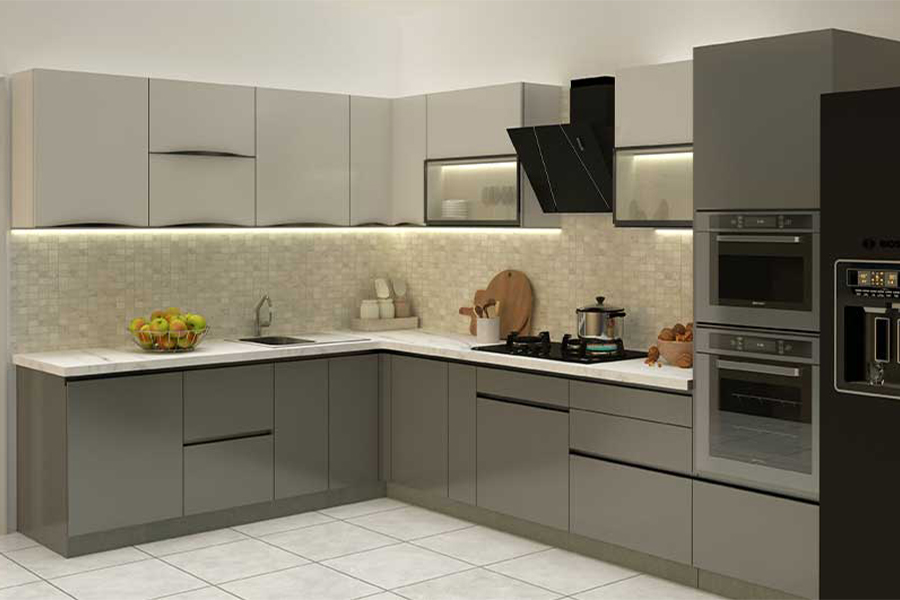
Plywood absorbs water. That is simply what wood does when exposed to it repeatedly. Over months and years of sink splashes, steam, and seasonal damp, the board expands, laminate starts separating at edges, and the structure weakens from inside. PVC kitchen cupboards around the sink area stay exactly as they were on installation day. No swelling. No surface cracking. No laminate lifting at corners.
Chemical termite treatments wear off. Pest control visits become recurring. PVC kitchen furniture removes this cycle entirely. The material gives termites nothing to feed on, so infestations do not happen. For kitchen storage cabinets holding food and dry goods, this matters from a hygiene angle as much as a structural one.
PVC kitchen furniture lands thirty to fifty percent lower in price than comparable plywood or acrylic kitchen sets. Not a quality compromise. Just a reflection of what the raw material and manufacturing process actually cost. A buyer gets a properly configured modular kitchen for a realistic budget without settling for poor fittings.
PVC boards are light, easy to cut, and quick to assemble. Kitchen pantry units, kitchen trolleys, overhead modular kitchen cabinets, and base units all come together faster than plywood builds. For renovation projects where the kitchen cannot be out of commission for weeks, this makes a real practical difference.
No polishing. No oiling. No annual pest control bookings. A damp cloth is genuinely all that most PVC kitchen cupboard surfaces need. Common cleaning products work without damaging the finish, which is not always the case with laminates used on wooden kitchen furniture.
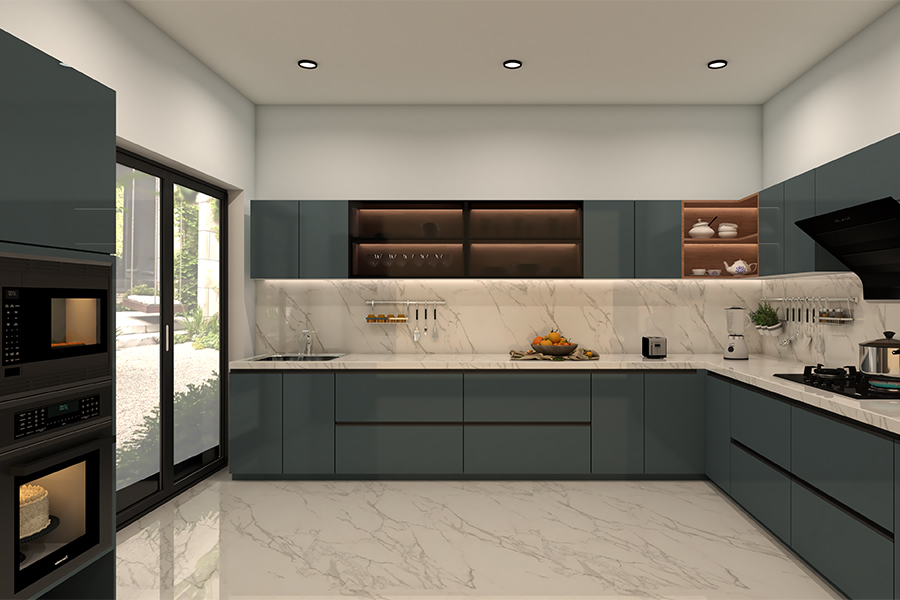
Being honest about this matters. PVC kitchen furniture is not the right answer for every kitchen.
Heat is its main weakness. Direct contact from very hot cookware on PVC surfaces can cause marking. Modular kitchen cabinets placed immediately next to a high BTU gas burner without a protective panel are not an ideal setup. Manageable with sensible planning, but worth factoring in.
The finish options, while much wider than they once were, still fall short of the visual depth that high gloss acrylic or lacquered surfaces give. For someone building a kitchen where finish quality needs to look genuinely exceptional, PVC kitchen cabinets may leave a visible gap.
Load bearing storage is another real consideration. Normal kitchen use is fine. PVC base cabinets carrying very heavy cookware collections over many years need good hardware and careful load distribution. Solid wood is more forgiving on this front.
And for a luxury kitchen with imported hardware, stone surfaces, and a high end architectural brief, PVC kitchen furniture is simply not the right fit.
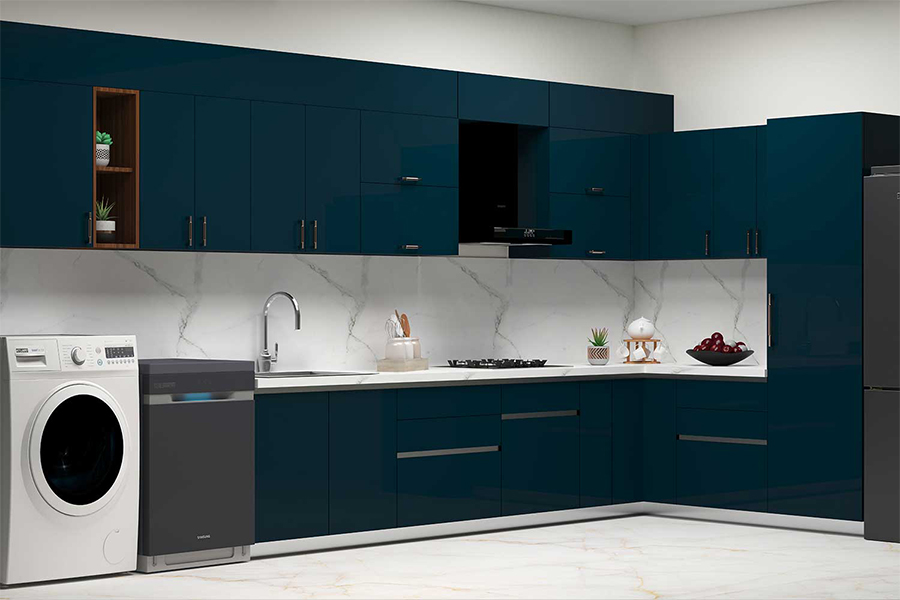
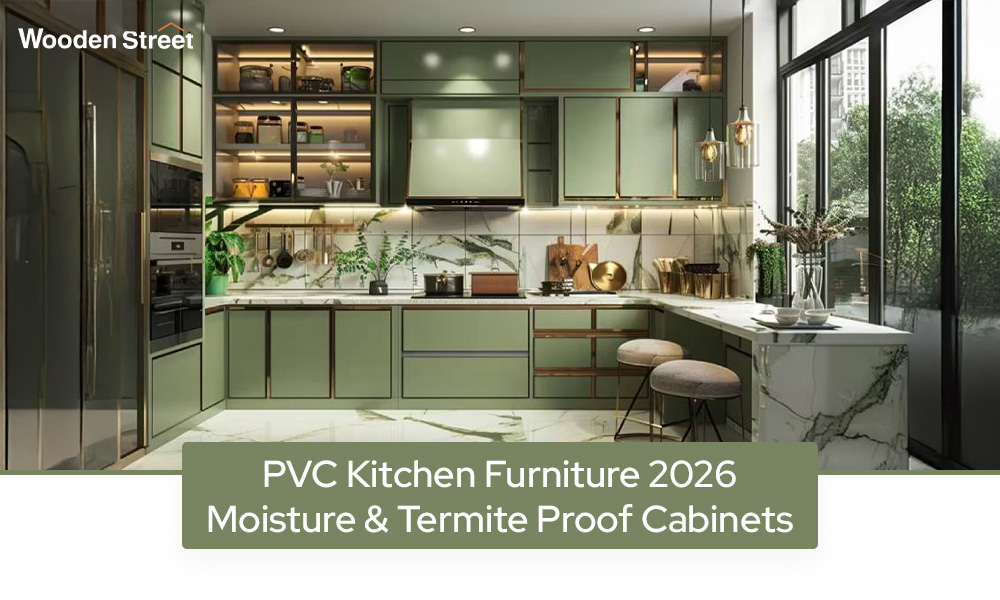
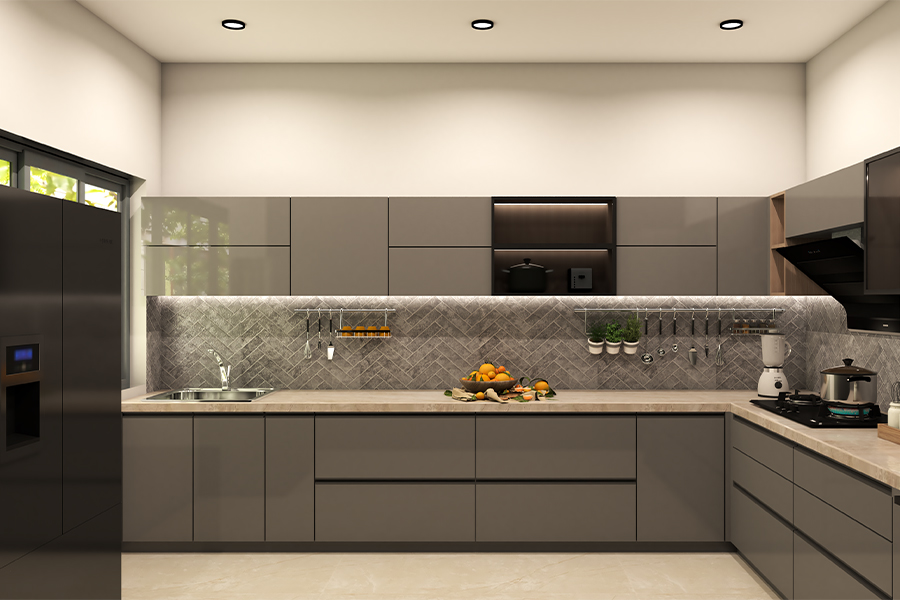
The design range for PVC kitchen furniture has come a long way. Matte finishes lead the market right now. Matte grey, matte olive, and matte white PVC kitchen cupboard designs dominate new setups because they handle daily fingerprints and surface marks far better than gloss options and tend to age more evenly.
Dual tone PVC modular kitchens are gaining real ground. A darker lower cabinet with a lighter upper section gives the kitchen visual depth that previously required mixing materials. With PVC kitchen furniture it is achievable within one category at a fraction of that cost.
Glossy white holds its position in smaller urban apartments where the reflective surface helps tight spaces feel slightly more open. Compact PVC modular kitchen layouts for 1BHK homes, with pull out pantry units and integrated kitchen trolleys, are among the fastest growing segments in the category right now.
| Cabinet Type | Estimated Cost Range |
| Basic PVC Kitchen Cabinets | Rs. 800 to Rs. 1,200 per sq. ft. |
| Mid Range PVC Modular Kitchen | Rs. 1,200 to Rs. 1,800 per sq. ft. |
| High Grade UPVC Kitchen Cabinets | Rs. 1,800 to Rs. 2,500 per sq. ft. |
| PVC Kitchen Trolley (per unit) | Rs. 3,500 to Rs. 8,000 per unit |
| Full PVC Modular Kitchen (10 to 12 ft layout) | Rs. 60,000 to Rs. 1,80,000 depending on size and configuration |
Prices vary based on city, brand, finish type, hardware quality, and installation complexity.
A comparable plywood modular kitchen of similar size can easily cost forty to sixty percent more than these numbers, with no meaningful advantage on moisture resistance or pest protection. That cost difference, across a full kitchen setup, is not small.
Materials go through a process in every industry. Something familiar gets used for a long time. Something more practical comes along and takes years to earn trust. Then it earns it.
PVC kitchen furniture is in that third stage in India now. The early reputation as a cheap substitute for wood has largely faded among buyers who have lived with the material for a few years. Homeowners who chose PVC kitchen cabinets four or five years ago are not redoing their kitchens the way some plywood owners are. The material holds. It does not react to water. It does not attract pests.
For the demands of Indian kitchens in 2026, PVC kitchen furniture makes a strong practical case. Not the most glamorous one. But an honest one. And honest performance is what kitchen furniture actually needs to deliver.
Image Source: Pinterest, Google, Wooden Street
A Yes. Indian kitchens are tough environments and PVC kitchen cabinets handle that environment well. No swelling from moisture, no termite damage, no deterioration from daily cooking steam. Under normal household use, good quality PVC kitchen furniture performs reliably for ten to fifteen years without major maintenance.
A UPVC is harder and more rigid because it does not use plasticizers in production. For areas around the sink, under the cooking zone, and in regions with persistently high humidity, UPVC kitchen cabinets perform better over time. Standard PVC kitchen cupboards are lighter, more affordable, and work well for upper cabinets, wall units, and kitchens in less extreme conditions.
A Matte finish PVC cupboard designs in grey, white, and olive tones lead the market right now. Dual tone PVC modular kitchen setups with contrasting upper and lower cabinet colours are gaining ground. Compact configurations with pull out kitchen trolleys and integrated pantry units are in high demand for smaller apartment kitchens.
Trending Products
Top Picks from EveryoneArticles you will love to read
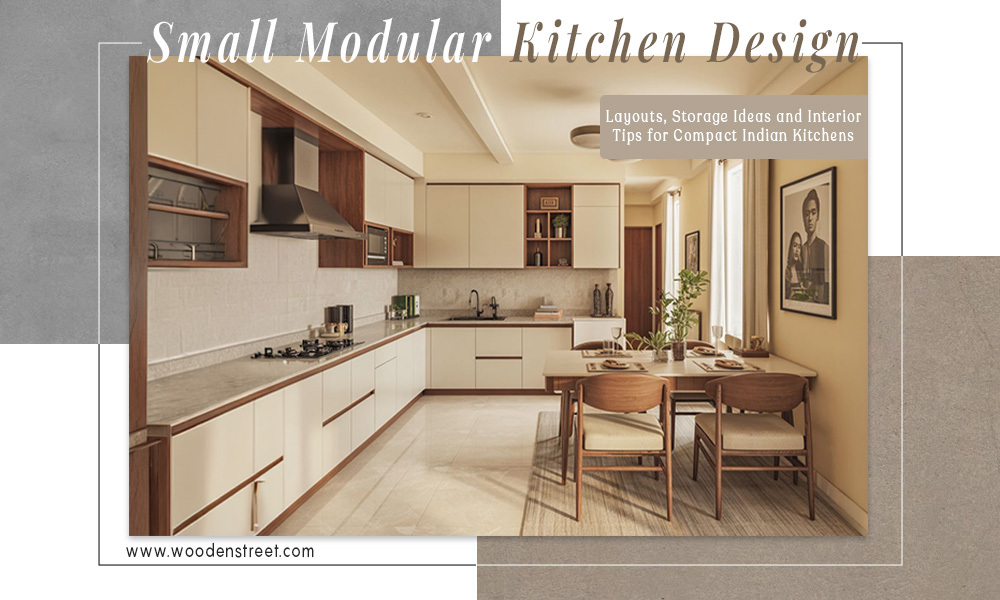
Discover practical layouts, clever storage solutions, and stylish kitchen interior for small kitchen spaces. This blog shares space-saving tips, modular setups, and tiny kitchenette ideas tailored for compact Indian apartments and homes, helping you create a functional yet modern cooking space without compromising comfort or aesthetics.
Continue Reading
This blog explores 10 space-saving modular kitchen trends for 2026, highlighting smart storage, tall units, and essentials like the modular kitchen basket. From spice racks to carousel corners, these accessories help create organised, clutter-free kitchens perfect for modern Indian homes.
Continue Reading
From compact flats to modular kitchens, explore trending chimney for kitchen designs that work well for Indian homes in 2026.
Continue Reading
Explore modular kitchen dimensions tailored for Indian homes, covering minimum clearances, smart storage planning, and accurate furniture fit. This guide helps you choose the right layout, avoid common sizing mistakes, and design a kitchen that feels functional, spacious, and comfortable for everyday use
Continue Reading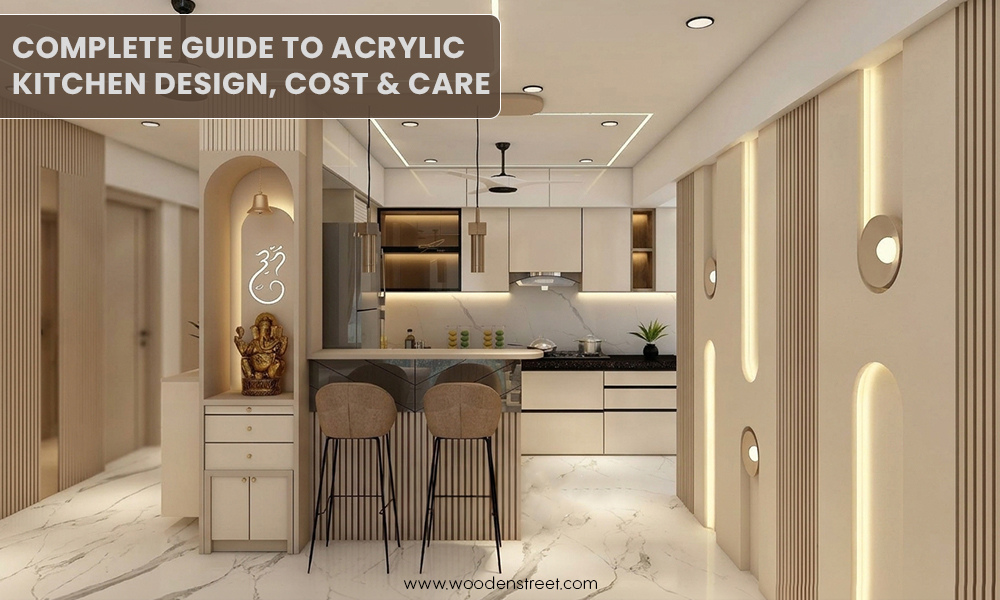
Acrylic kitchen design looks premium, but is it practical? Explore acrylic kitchen cabinets, price, colours, and maintenance in a simple, real-life way.
Continue Reading


