






Our full month test reveals the Bezus chair provides consistent lumbar support and breathability despite a slightly firm seat cushion.
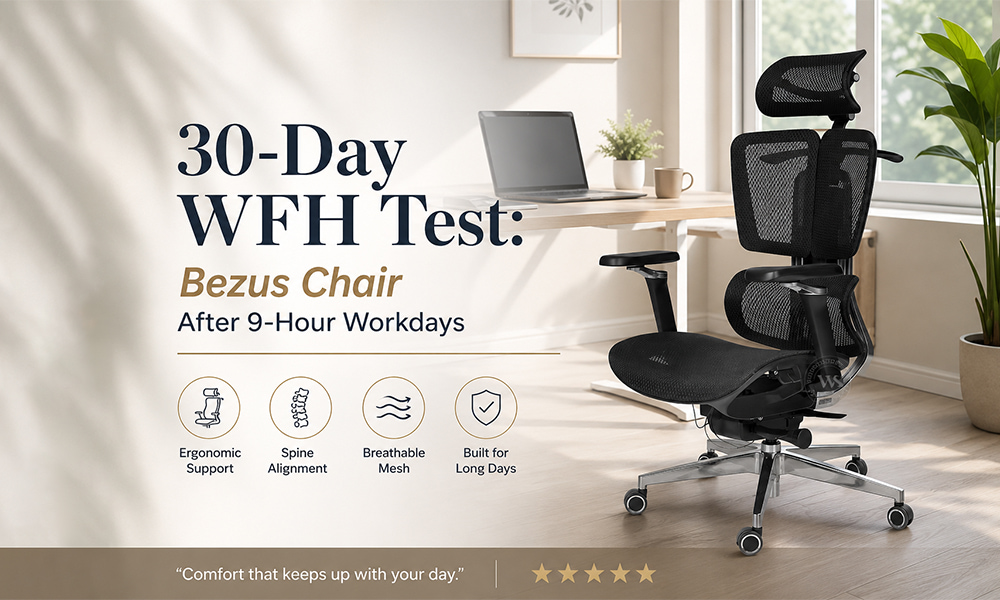
I did not buy the Bezus because I was excited about it. I bought it because my back hurt, my old chair had failed me quietly over eighteen months, and I needed something that could actually handle the way I work - long hours, bad posture habits, and an apartment that turns into an oven by afternoon.
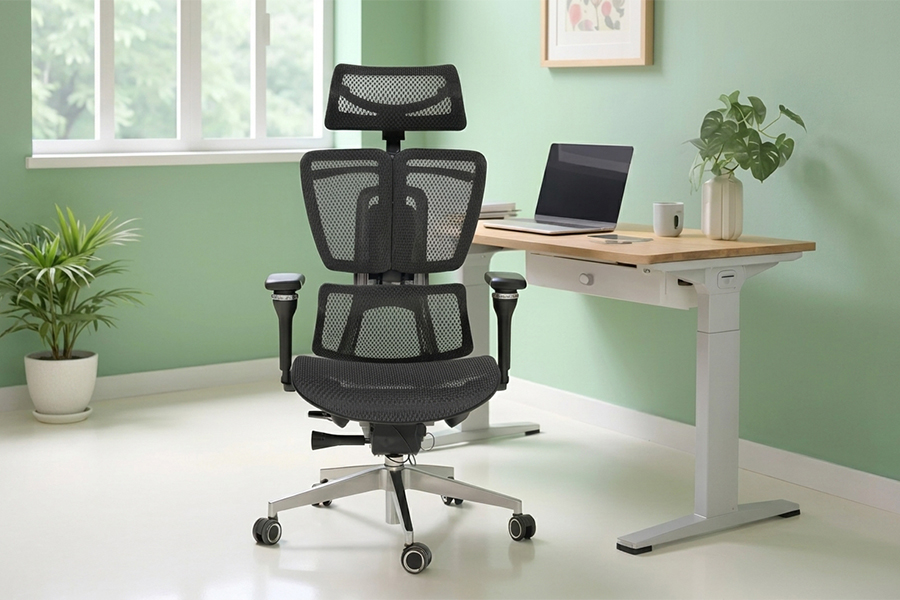
The chair I replaced was a mesh executive chair - the kind you find in every mid-budget home office setup in India. It cost around ₹8,500, looked professional enough on video calls, and was completely fine for the first six months.
Then the lumbar support started losing its shape. By month twelve, sitting in it past four in the afternoon meant a dull ache across my lower back that I had started accepting as just part of the workday. The mesh had softened unevenly. The armrests wobbled. I was unconsciously leaning forward all day to avoid the broken lumbar zone.
I wanted the Bezus to fix one specific thing: keep my lower back supported through the second half of long days. I was sceptical it would. Most chairs feel fine in the showroom.
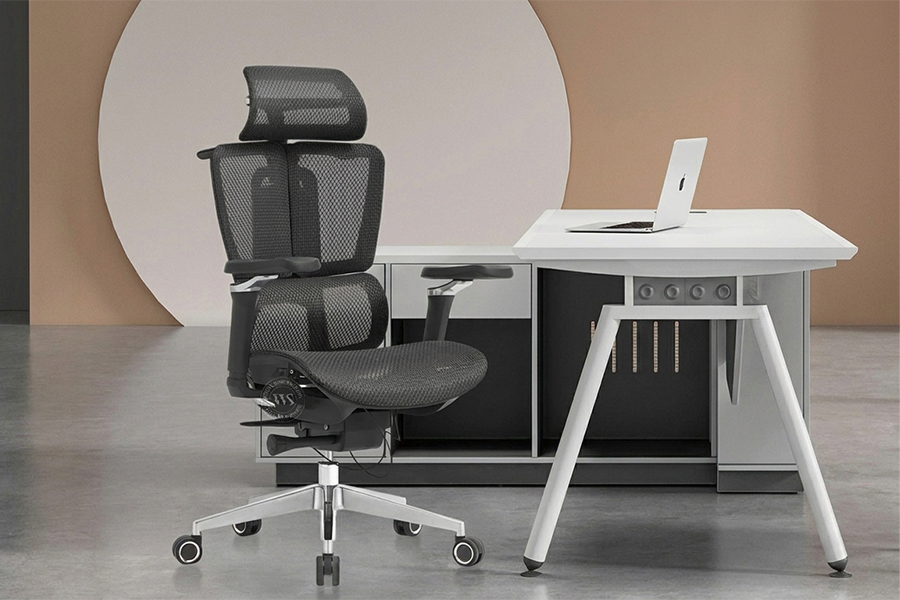
The first thing I noticed was the headrest - and I expected to hate it. Headrests on budget chairs usually sit at the wrong height or push your neck forward at an odd angle. The Bezus one is adjustable, and it took me two days to find the right position, but once I did, it actually got used. That surprised me.
What I expected to be great and wasn't: the armrests. They adjust in height but not in width or angle. For someone who types with arms slightly outward, they end up being decorative rather than supportive. I pushed them down and mostly ignored them for the rest of the month.
The lumbar support felt almost aggressive in week one. I kept second-guessing it. By day ten, I had stopped noticing it - which turned out to be exactly the point.
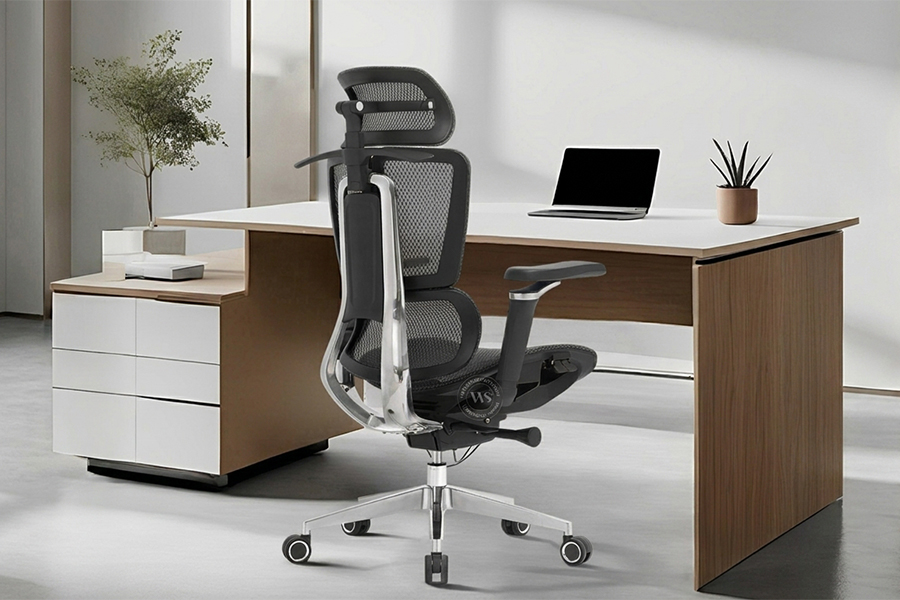
The first real test was a day with six back-to-back video calls - nine hours with maybe forty minutes total off the chair. By call five I was waiting for the familiar lower back fatigue. It did not come. The chair held a consistent position all day without me consciously adjusting.
The second test was a deadline night - working past 1 AM, which means slouching, shifting positions, and generally abandoning any pretence of good posture. Mesh chairs either hold up in these sessions or they remind you they were designed for upright office workers, not deadline survivors. The Bezus did not become uncomfortable, but I noticed the seat pan felt slightly firm after hour ten. Not painful, just present.
The third test was a hot afternoon with the power out. Mesh chairs are supposed to breathe. This one did. My previous office chair would get sticky by 3 PM on a hot day. The Bezus did not. That single afternoon made the material difference obvious.
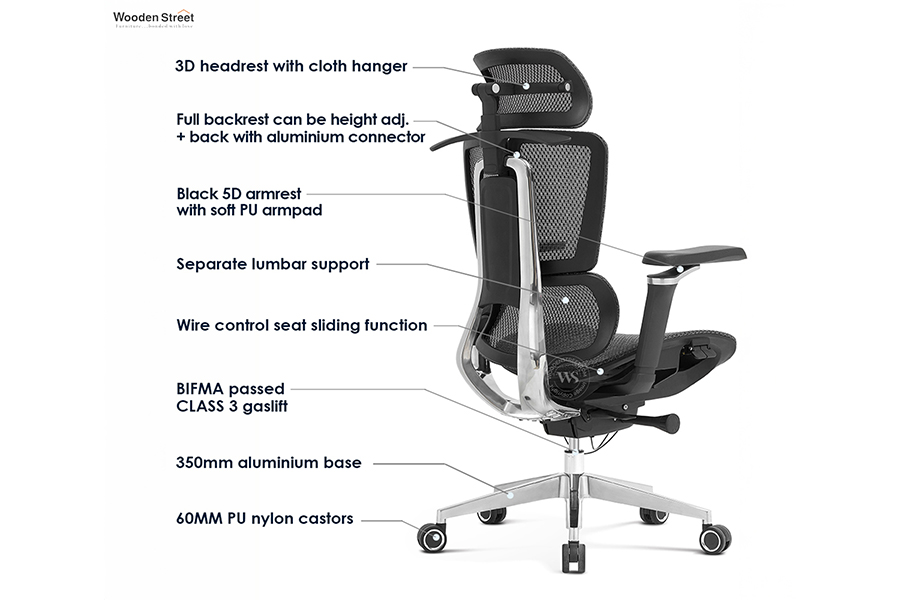
By the end of the first week, I stopped adjusting the lumbar support. That is a good sign - it means it settled into something consistent rather than requiring daily recalibration.
The chair did not transform my workdays. It just quietly removed a problem I had normalised. That, honestly, is the better outcome.
If you work six or more hours a day at a desk and your current chair has started failing silently - the way mine did - the Bezus is worth buying. The lumbar support is consistent, the mesh breathes well, and it holds up through the kind of days that expose cheap chairs quickly.
Read More:
Explore Types Of Office Chairs
Trending Products
Top Picks from EveryoneArticles you will love to read

Explore the different colors for sofa selection and how sofa color psychology can affect the overall interior design. Let's dive in!
Continue Reading
The Veda Collection by Wooden Street brings together furniture inspired by Indian design values. Crafted using solid wood, cane, and brass, the collection focuses on balance, comfort, and everyday functionality across living, dining, and bedroom spaces.
Continue Reading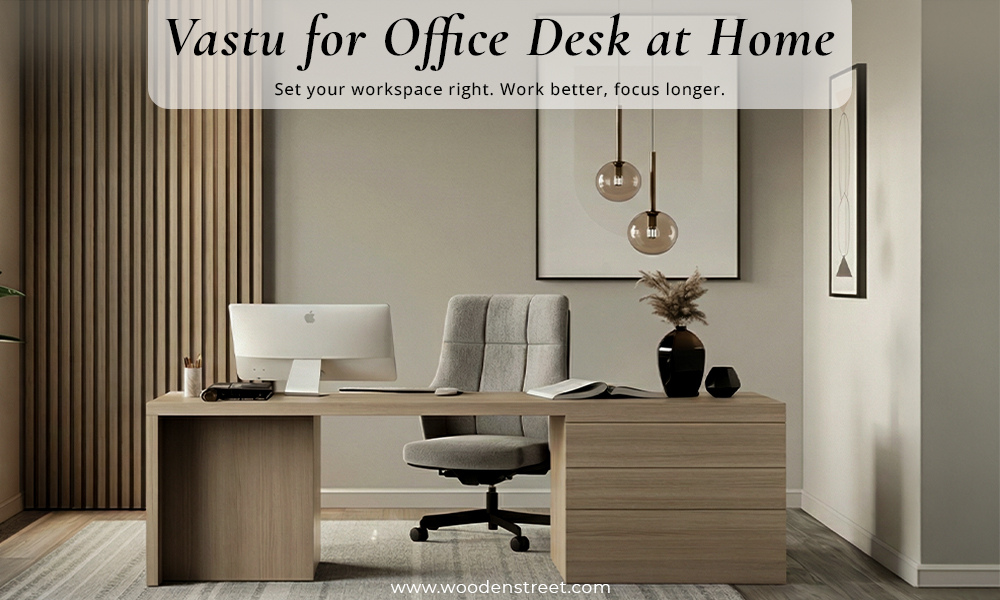
Setting up your workspace the right way can completely change how you work from home. This blog on Vastu for office desk at home explains the best desk direction, seating positions, and simple adjustments that help improve focus and comfort. From choosing the right home office desk and chair to creating a balanced work from home setup, these practical tips make your home office feel more organised and easier to work in every day.
Continue Reading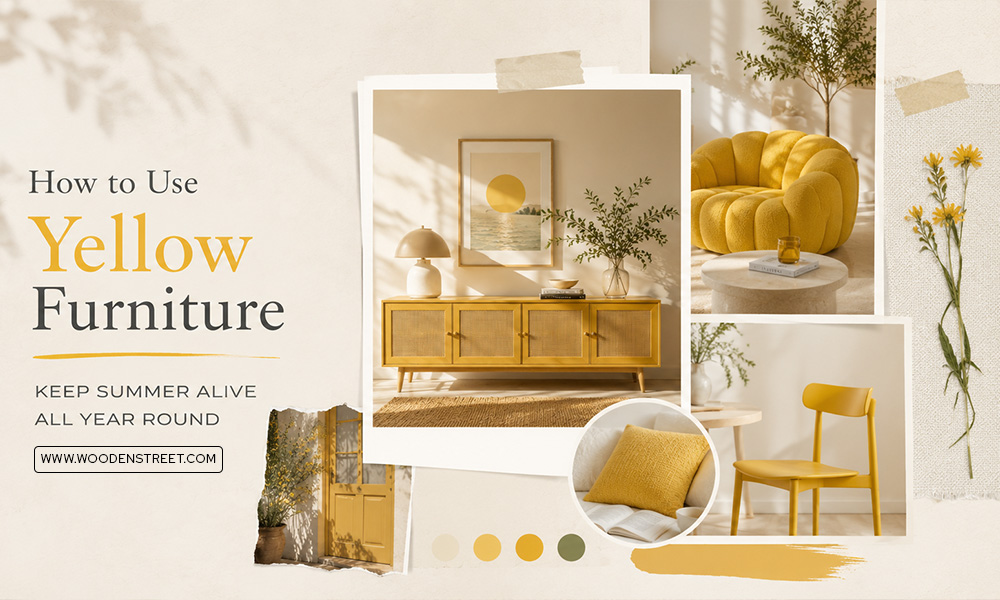
Bring warmth and energy into your interiors with yellow furniture inspired by the latest summer furniture trends. This guide explores easy styling ideas, trending colors for spring and summer, and timeless décor updates that help your home feel bright, cheerful, and fresh long after the summer trend season ends.
Continue Reading


/31.jpg)
/87.jpg)