



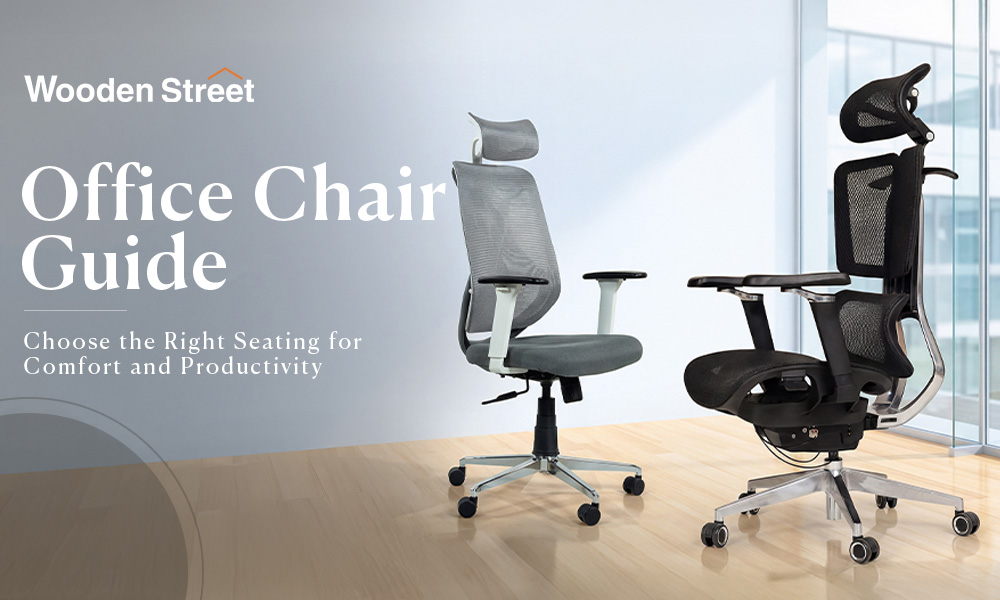
Understanding the various office chair categories can make it easier to find seating that supports your posture, workflow, and comfort. This guide explains the purpose, features, and ideal users for each chair type, helping you choose the right option for home offices, corporate spaces, and specialized work environments
Walk into any office furniture store in India and you'll see the same thing rows of chairs that look almost identical but have price tags ranging from ₹3,000 to ₹80,000. The salesperson will point you toward whichever one fits your budget. The brand website will describe every chair as "ergonomic" and "designed for maximum comfort."
Neither of those is a useful guide for actually choosing the right chair.
The right office chair is not the most expensive one you can afford. It's the one built for the specific way you work how many hours you sit, what kind of work you're doing, and what your body actually needs over that duration. A chair that works perfectly for a two hour meeting is completely wrong for an eight hour work day. A chair designed for a reception area has no business being used at a computer desk.
There are more types of office chairs than most buyers realise, and each category exists for a real reason. Here's what separates them and which one you actually need.
This is the principle that most office chair buying ignores, and it's why so many people end up either overspending on a chair they don't need or underspending on a chair that fails them.
The hours you sit determine the category you need. That's the starting point before brand, before price, before appearance.
Under two hours of desk sitting per day? A basic task chair does the job. Two to four hours? A mid range task chair with decent lumbar support. Six to eight hours, five days a week? That's the territory where only a properly adjustable ergonomic chair does what the body actually needs over time. Buying a premium ergonomic chair for someone who sits for two hours a day is wasteful the features are irrelevant. Buying a budget task chair for someone sitting eight hours a day is painful the foam compresses within months and the support disappears.
Match the chair to the use. Then set a budget within that category. Not the other way around.
These are the chairs designed for actual computer work regular desk use over hours, where adjustability and sustained support are what separate adequate from genuinely good.
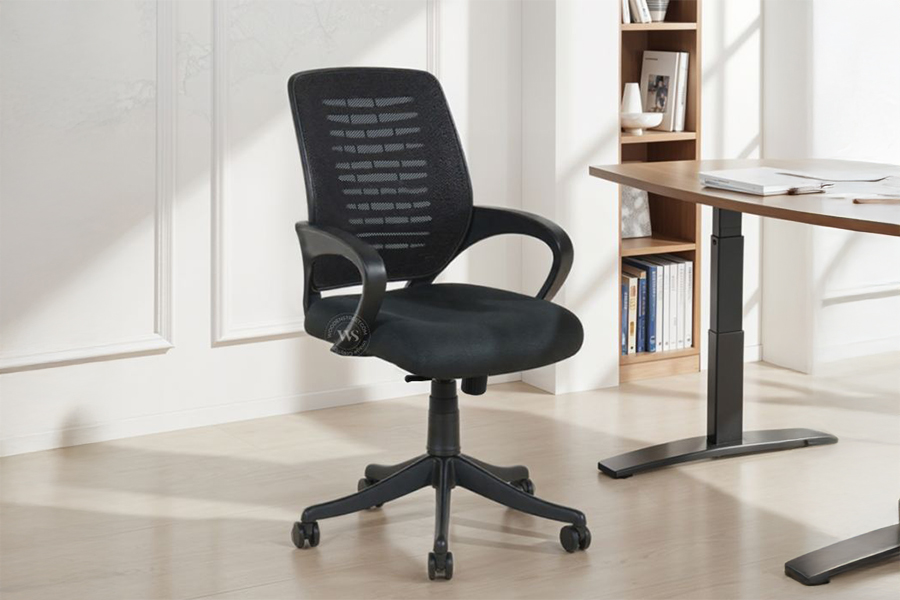
The task chair is the baseline office chair height adjustable seat, swivel base on casters, and some version of back support. It's what most people picture when they hear "office chair," and it's what fills the majority of offices and home workstations across India.
For light use up to three or four hours of daily sitting a decent task chair does its job reasonably well. It gets you to the right height at the desk, it swivels, it rolls. Basic function covered.
The problem emerges with extended daily use. Budget task chairs typically use foam under 35 kg/m³ density, which sounds like a technical spec but has a very practical consequence. That foam compresses under daily body weight within 8 to 12 months. The seat that felt cushioned when new starts to feel like sitting on a firm board. The lumbar padding that was supposed to support the lower back loses its shape and stops doing its job.
This is the chair that most people buy first, find uncomfortable within a year, and then replace. If the use is genuinely light, a task chair works. If the daily sitting hours are creeping toward five or six, it's the wrong starting point.
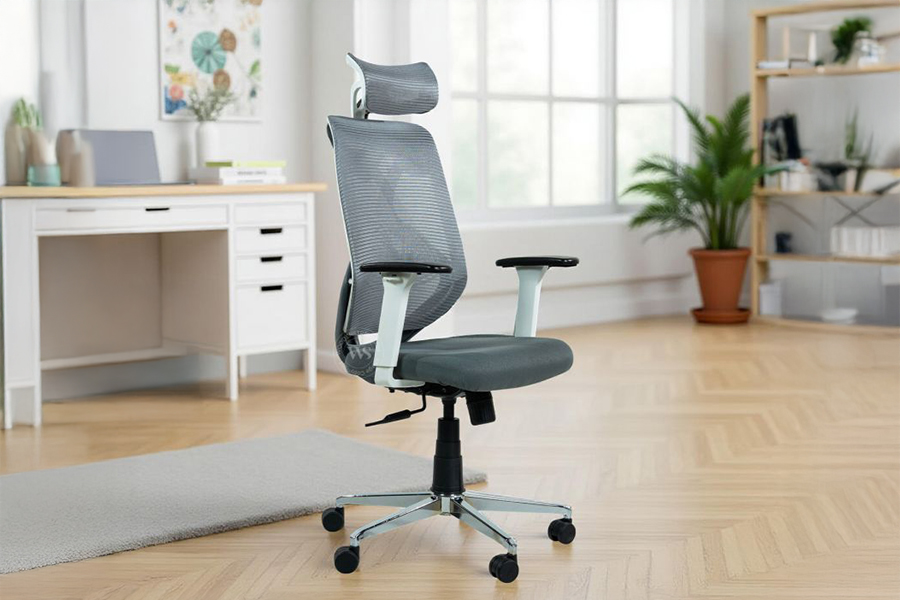
The ergonomic chair is a different category from a task chair, not just a more expensive version of the same thing. The distinction matters because people frequently confuse the two every chair brand in India labels its products "ergonomic" regardless of whether they actually are.
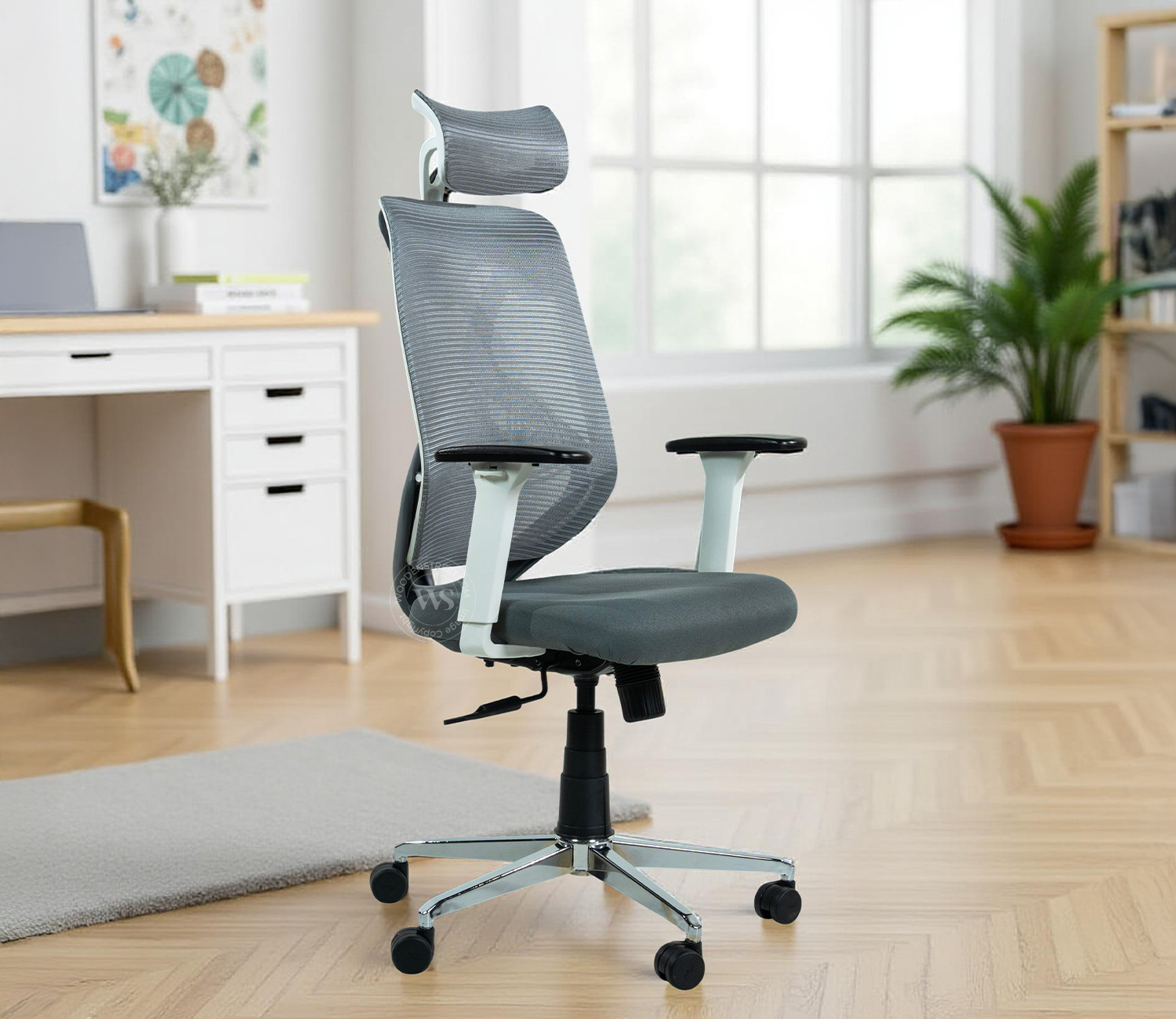
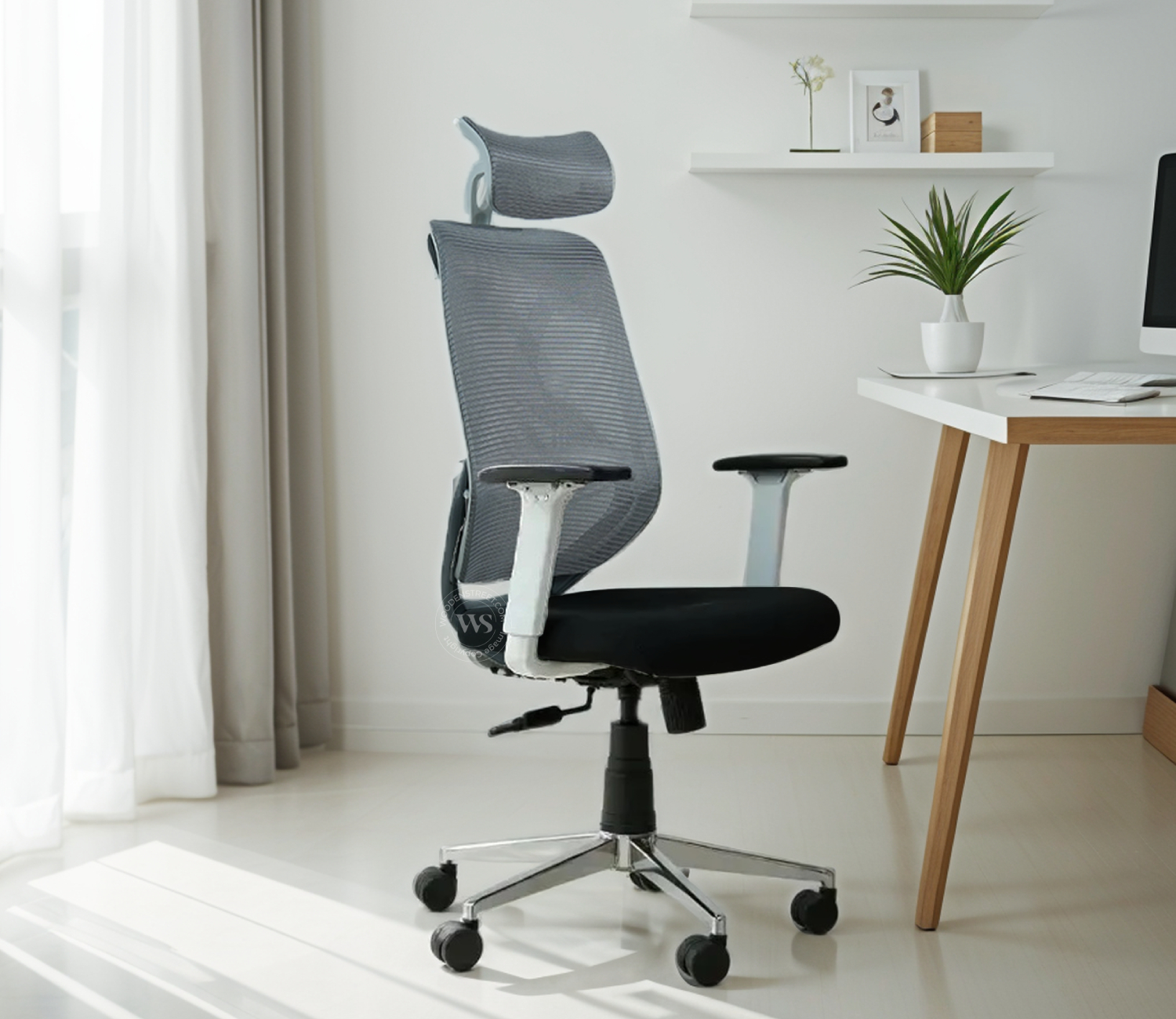
A genuinely ergonomic chair has multiple coordinated adjustment points that work together: lumbar support that adjusts in height and depth independently of the backrest, seat depth adjustment so the seat pan suits different leg lengths, armrests that adjust in height, width, and sometimes angle, and a tilt mechanism with tension control so the backrest responds to the body rather than holding it in a fixed position.
The point of all these adjustments is to fit the chair to the specific body sitting in it, not to a generic average. A 5'2" woman and a 6'1" man sitting in the same chair for eight hours a day have completely different needs. An ergonomic chair accommodates both. A task chair accommodates neither particularly well.
For anyone sitting 6 or more hours at a desk on a regular basis, an actual ergonomic chair is not a luxury. It's the category of chair that was built for exactly that use, and the body notices the difference within weeks of switching from a basic task chair.
Among the different types of office chairs, this is the one where quality variance is highest a well made ergonomic chair from a reputable brand earns its price. A cheap chair with the word "ergonomic" printed on the box does not.
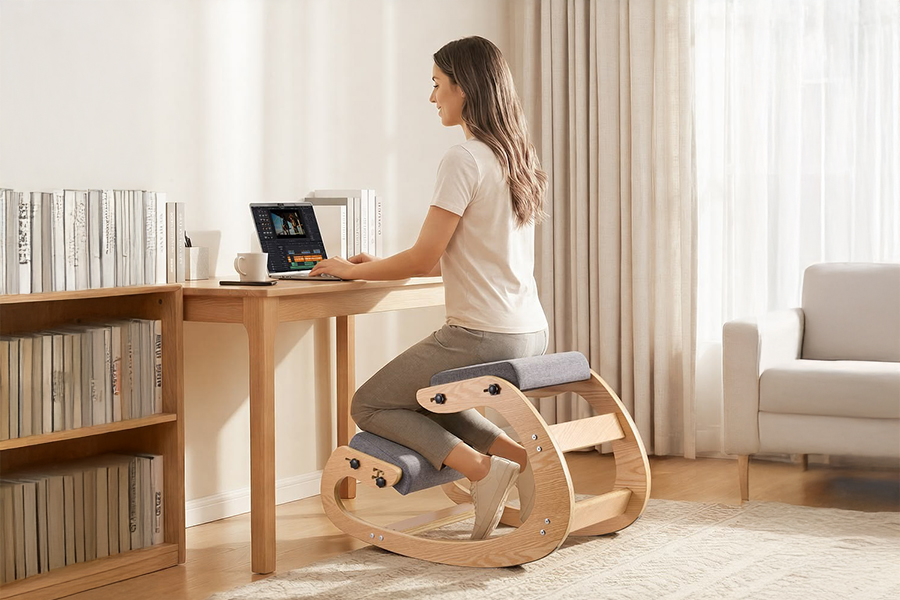
The kneeling chair looks unusual there's a sloped seat and shin pads below it, and no back support at all. Sitting in one position tilts the pelvis forward, which naturally promotes the lower spine's natural curve rather than the backward tilt that causes lumbar rounding in standard chairs.
For people with specific lower back problems where lumbar compression is the core issue, a kneeling chair does something genuine it redistributes weight between the seat and the shin pads, reducing the pressure on the lumbar spine compared to standard sitting.
The honest limitations: it's not suitable as a primary chair for full workdays. The shin pads create pressure on the knees and shins that becomes uncomfortable over several hours. There's no back support to rest against. Most people use a kneeling chair for portions of the day alternating with a standard chair rather than as a complete replacement.
An adjustment period of a week or two is normal when switching to a kneeling chair. The muscles responsible for the new posture need time to build up. Jumping in for eight hours immediately is a reliable way to end up sore in new places.
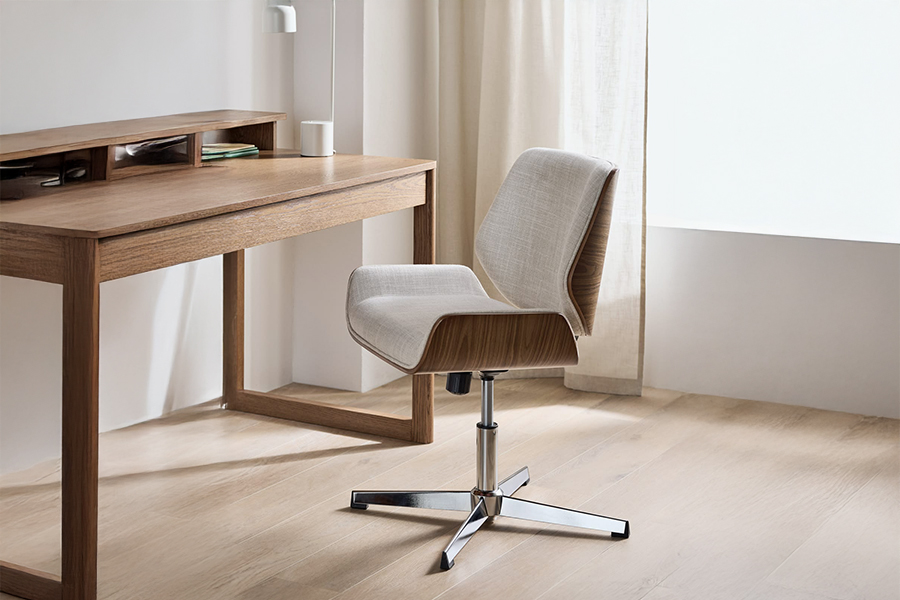
The fixed office chair has a stationary base a sled frame or four leg structure with no wheels and no swivel. It stays exactly where it's placed and doesn't move with the person sitting in it.
This design makes it entirely unsuitable for actual computer work. Reaching different parts of a desk, rotating to access a second monitor, turning to speak to someone beside you all of these require movement that a fixed chair prevents. Without wheels and swivel, every reach or rotation means lifting and repositioning the chair or contorting the body.
Fixed chairs belong in front of a desk, not behind one visitor seating across from the person working, reception area seating, conference room use where someone sits for a meeting and then leaves. For those applications, the clean fixed frame suits the setting perfectly. For daily computer work, it's the wrong tool for the job from the start.
These chairs are designed as much for what they communicate in a professional environment as for the seating they provide.
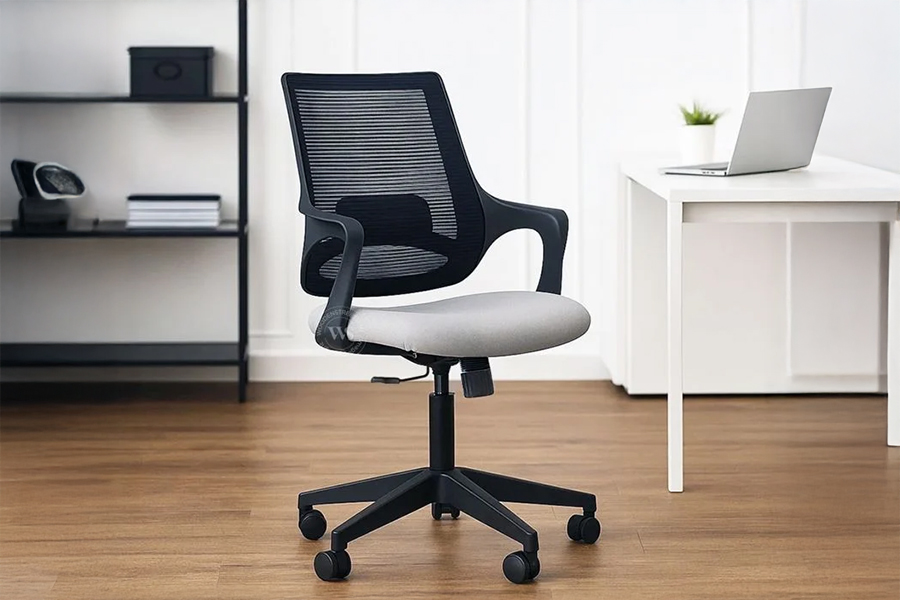
The executive chair is built on a specific set of priorities: a high back that reaches the head or neck level, generous padding throughout, and upholstery leather or high quality faux leather that signals status and seniority in a professional setting.
It is built for appearance as much as function, and that's not a criticism it's the category's design brief. In a corporate environment where the chair someone sits in communicates something about their position, the executive chair delivers on that signal clearly.
The honest ergonomic trade off: executive chairs are typically less adjustable than dedicated ergonomic chairs. The high back and heavy padding create a chair that looks authoritative but doesn't always fit different body types as well as a leaner, a more adjustable ergonomic chair does. For someone sitting eight hours daily, an ergonomic chair usually supports the body better. For someone sitting four to five hours in a senior role where the chair's appearance matters, the executive chair is a reasonable and well understood choice.
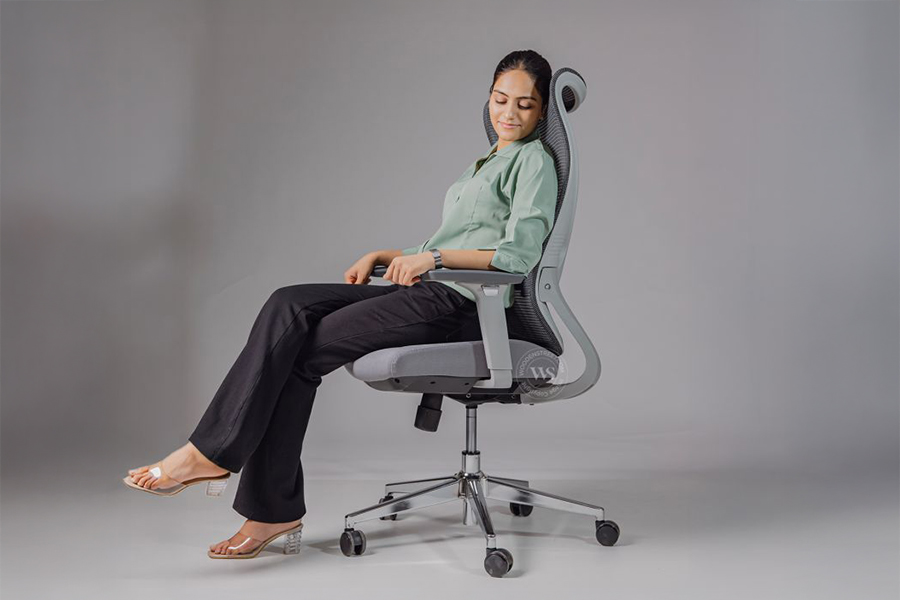
Conference chairs are designed for meetings typically one to two hours of sitting, after which the person gets up and leaves.
That duration shapes everything about the design. Moderate padding that's comfortable for an hour and a half. Aesthetics that suit a meeting room's look coordinated, clean, professional rather than the functional adjustability of a workstation chair. Often stackable or at least compatible with the uniform appearance of a conference table setup.
Among the kinds of office chair categories, the conference chair is the one most honestly defined by its time limit. It is not meant for sustained use, and it doesn't pretend to be. Using a conference chair as a daily workstation chair is the same mismatch as using a dining chair at a computer desk it works for a bit, then it doesn't.
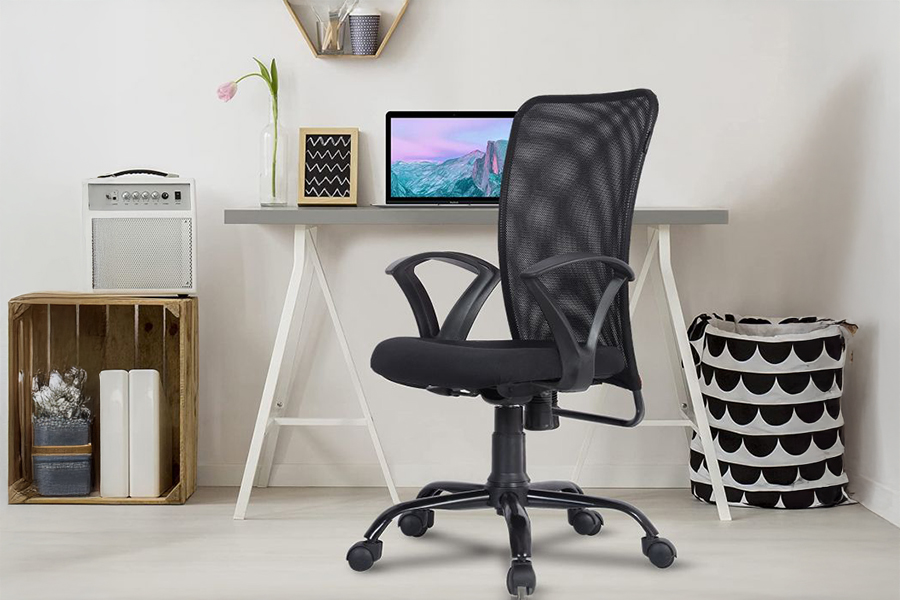
The boss chair is a specific fixture in Indian office culture oversized, heavily padded, and almost always upholstered in leather or faux leather. It takes up significant space, makes a strong visual statement, and communicates a clear message about whose room it's in.
It prioritises corporate presence and visual weight over ergonomic adjustability. In traditional Indian executive cabins and senior management offices, the boss chair is the default not because it's the most supportive chair for long hours of work, but because it's the most recognisable visual symbol of seniority.
The practical reality: most boss chairs sacrifice adjustability for appearance. The lumbar support is fixed, the seat depth doesn't adjust, and the armrests are often decorative rather than functional. For genuine long hour desk work, an ergonomic chair is more appropriate. For the visual requirements of a traditional executive setting, the boss chair fills a role that no other chair category quite replaces.
These chairs solve specific problems that standard office chairs aren't designed to address.
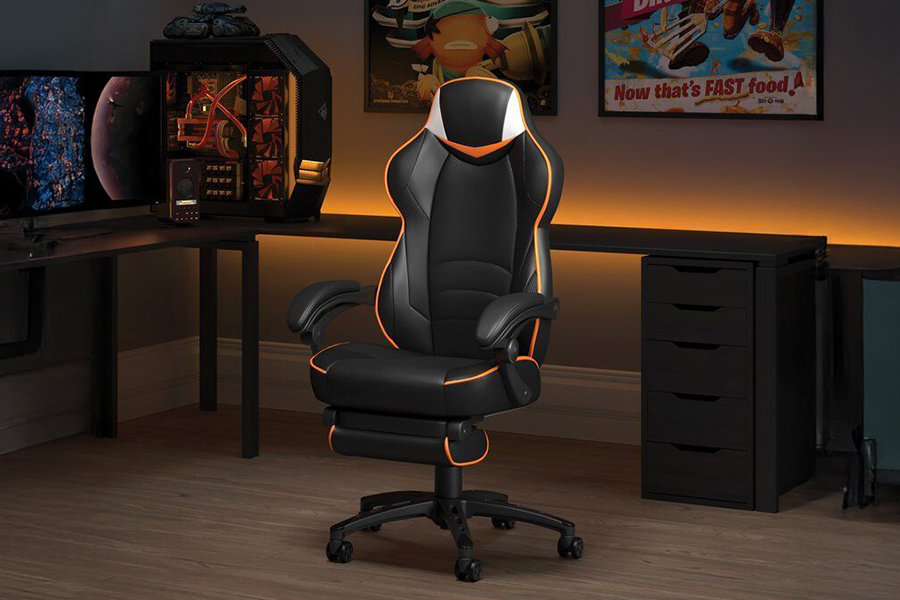
The gaming chair arrived with a bold claim: racing seat design, bold colours, external lumbar and neck pillows, and branding that implied superior ergonomics for long sessions at a desk.
The reality is more nuanced. Gaming chairs are not inherently more ergonomic than office chairs whether a gaming chair supports you well depends entirely on the specific model's adjustment range and build quality, not on the category itself. Some gaming chairs have genuinely good lumbar systems and adjustment points. Many are primarily visual products the racing aesthetics are the main feature, and the ergonomic claims are secondary.
The external lumbar pillow, in particular, divides opinion. A built in adjustable lumbar mechanism that sits precisely where your spine needs it is more effective than an external pillow held in place by a strap, which tends to shift during use.
If the gaming chair you're considering has real height adjustment, a functional tilt mechanism, and genuine lumbar support, it may be a good chair. If the main features are the racing stripe and the colour scheme, it's a design choice, not an ergonomic one.
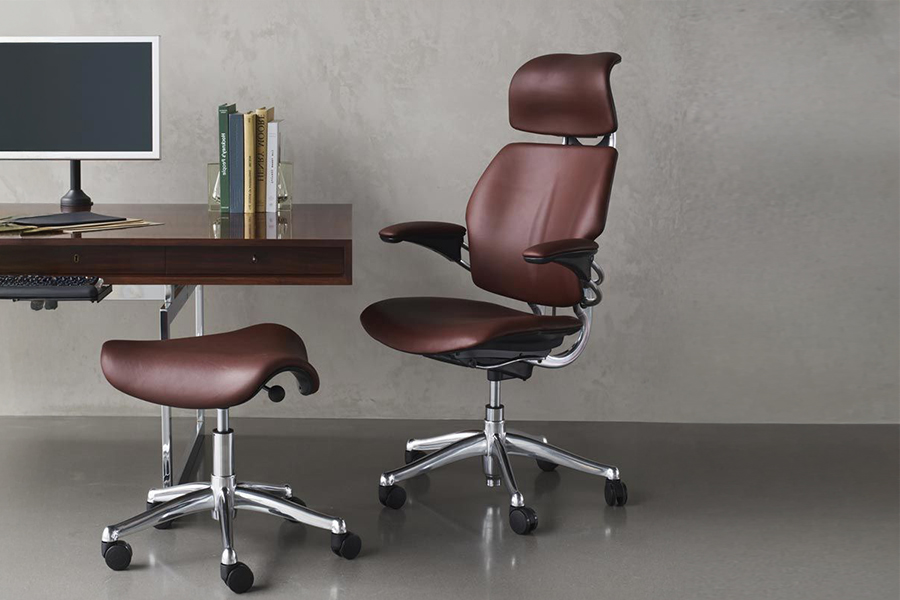
The saddle chair has a seat shaped like a horse saddle the centre is lower than the sides, and there's no flat seat pan. Sitting in one naturally separates the legs at a wider angle and tilts the pelvis forward, opening the hip angle significantly compared to standard flat seat chairs.
The result, for people who find it works for them, is reduced compression in the lumbar spine and a more natural posture without consciously trying to maintain it. It's particularly valued by people who work at slightly elevated surfaces standing desk users, dentists, architects at drafting tables where the forward tilt positions the body well relative to the work surface.
The caveats are real. There's an adjustment period of at least two weeks where the unfamiliar position creates discomfort in the hips and inner thighs as the body adapts. It genuinely isn't for everyone people with hip or knee issues often find it uncomfortable even after adjustment. And it's most effective as part of a varied sitting strategy rather than a chair used exclusively all day.
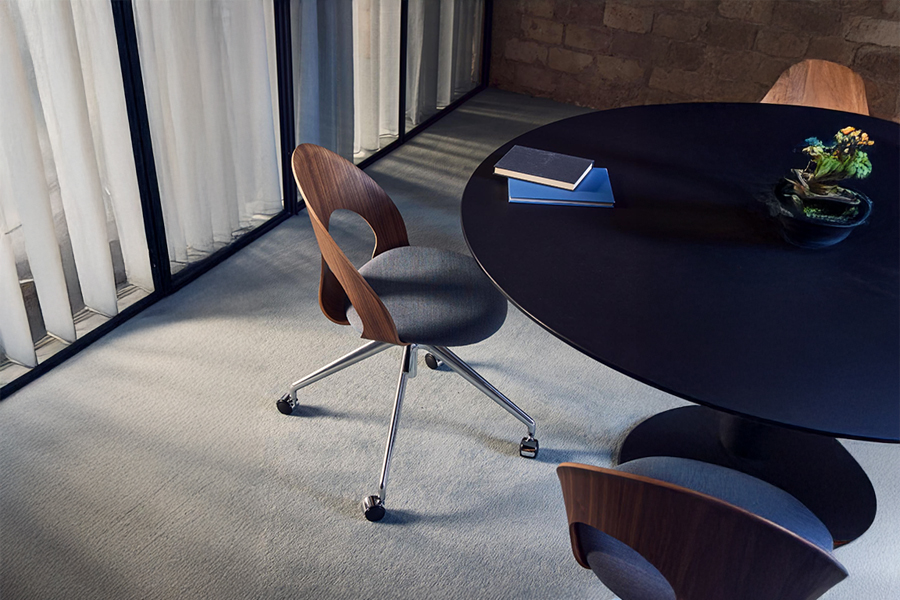
Active sitting chairs balance balls on frames, wobble stools, chairs with rounded or spring mounted bases share one design principle: the base is intentionally unstable. Sitting on an unstable surface continuously engages the core and stabilising muscles to maintain balance, rather than allowing the body to go passive, the way it does in a supportive chair.
The evidence behind this is real to a degree these chairs do engage muscles that standard chairs don't. But they're not a full day solution. Continuous active engagement fatigues the core muscles within a few hours, and a fatigued core means worse posture, not better. Most specialists recommend using active sitting chairs for portions of the day an hour or two alternated with a properly supportive ergonomic chair rather than as the only chair in the setup.
They work best as variety. Used in rotation, they add genuine value to a workday. Used as the only chair from 9 to 6, they tend to produce their own kind of discomfort.
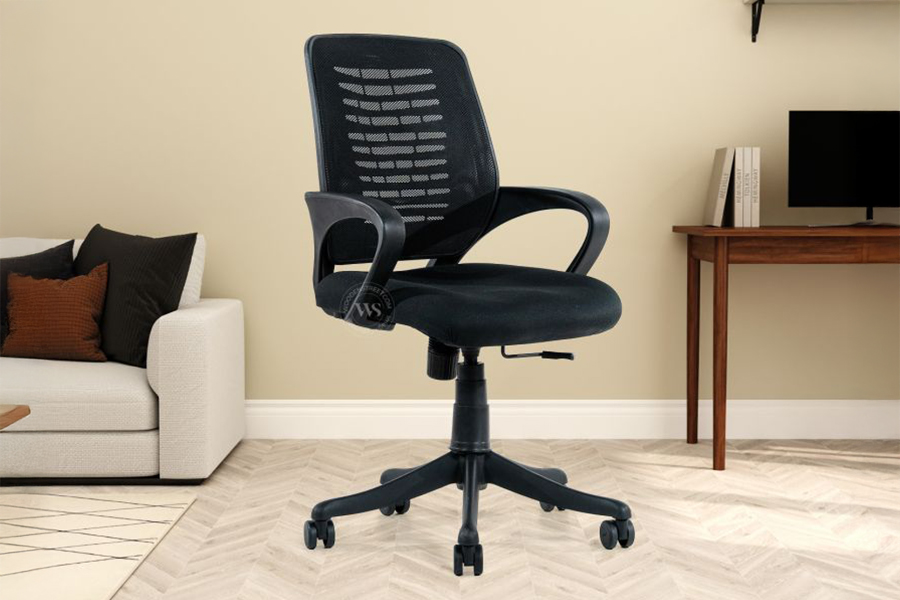
A drafting chair looks like a standard task chair but with a crucial difference the gas cylinder is longer, raising the seat height significantly above a normal desk chair. Most also include a circular foot ring welded to the base, giving the user a place to rest their feet when the seat is too high to reach the floor.
This exists for a specific use case: standing desks in their seated mode, drafting tables, raised counters, and architectural or design workstations where the surface height sits significantly above a standard desk height. A normal office chair at these heights leaves the user sitting too low relative to the work surface the drafting chair bridges that gap cleanly.
It's a niche chair for a specific setup but for someone working at a raised surface daily, it's not optional. A standard chair at the wrong height creates the same problems as a wrong height chair at a normal desk, just in a different direction.
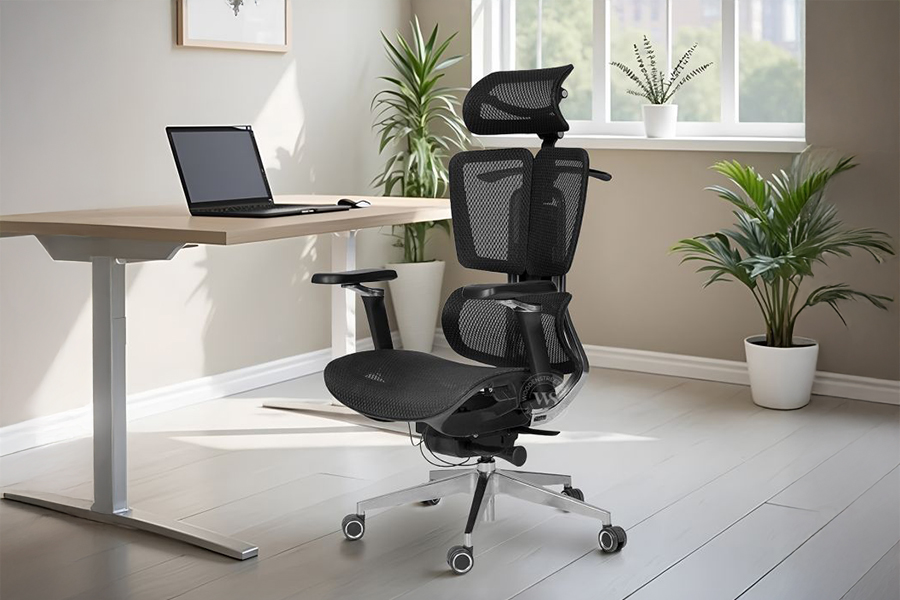
Most office chairs are designed for a single user working a single shift roughly eight hours of use, then a period of rest. The foam, the mechanisms, and the structural frame are engineered to that load cycle.
A 24 hour chair is built for continuous use across multiple shifts, potentially by different users of different weights and sitting styles, without the chair getting time to rest and recover between uses. The frames are reinforced beyond standard office chair specs. The foam density is high enough to resist compression under sustained, rotating loads. The mechanisms are rated for the kind of wear that multiple daily users produce.
These chairs are essential in dispatch centres, security monitoring stations, hospitals, air traffic control, and anywhere shift work means a chair is occupied around the clock. For home or standard office use, a 24 hour chair is more than what's needed. For environments where chairs run 24/7 it's not optional, it's the minimum specification required.
Two numbers that almost no Indian chair brand publishes voluntarily and both of which determine whether a chair is worth buying, regardless of which category it sits in.
These two specs cut through every marketing claim about ergonomics, lumbar support, and premium design. A chair with high density foam and a Class 3 cylinder will outlast three chairs that don't specify either regardless of how they're labelled.
Every type of office chair on this list was built for a specific kind of use. The task chair for light daily work. The ergonomic chair for long hours at a desk. The kneeling chair for lumbar pressure relief. The executive and boss chair for professional environments where appearance carries weight. The gaming chair for the right model, not the category. The drafting chair for raised surfaces. The 24 hour chair for non stop shift use.
The mistake isn't buying a cheap chair it's buying the wrong category of chair for the work being done, and then wondering why it becomes uncomfortable by the afternoon.
Match the category to the hours. Check the foam density and cylinder class before buying anything. And remember that the chair you sit in for eight hours a day has more impact on how your body feels than almost any other piece of furniture in your life. It's worth getting that decision right.
We will be back with the next blog soon; till then, stay tuned!
Read More :
Discover the Most Popular Types of Living Room Chairs
Image Source: Wooden Street, Google, Pinterest
A A task chair offers basic height and swivel adjustment. An ergonomic chair has multiple coordinated adjustments - lumbar depth, seat depth, armrests - designed for 6+ hour daily use
A Not inherently. Gaming chairs vary widely - some have genuine ergonomic features, many prioritise looks. The specific model's adjustability matters more than the category label.
A A kneeling chair tilts the pelvis forward to reduce lumbar compression. It helps some back pain sufferers but isn't suitable as a full-day primary chair
A A properly adjustable ergonomic chair - the only category designed for 6 to 8 hours of continuous daily desk use with coordinated lumbar, seat, and armrest adjustment.
Trending Products
Top Picks from EveryoneArticles you will love to read
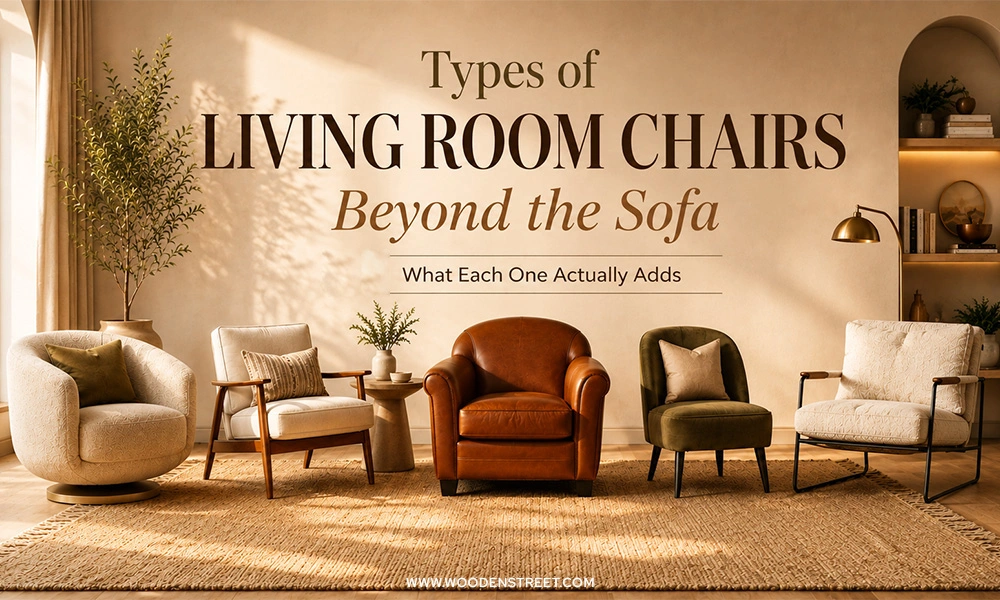
A well-designed living room needs more than just a sofa. This guide explores different types of living room chairs, from accent and lounge chairs to recliners and armchairs. Learn how various kinds of living room chairs and types of sitting room chairs add comfort, style, flexibility, and functionality to your space.
Continue Reading
Choosing the right curtains involves more than picking a color. This guide explores different types of curtains, popular fabrics, and practical functions for bedrooms, living rooms, and other spaces. Learn about window curtains types, hanging styles, light control options, and the kinds of curtains best suited to your home’s needs
Continue Reading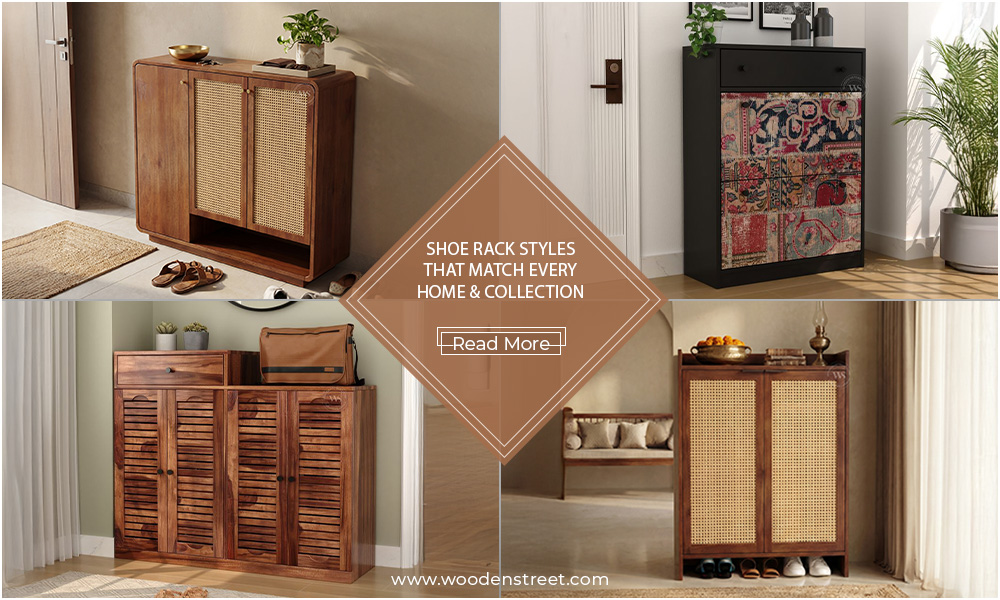
The right shoe rack can keep your entryway organized and clutter-free. This guide explores different types of shoe racks, from open shelves and closed cabinets to stackable and multifunctional designs. Learn about popular shoe rack types and discover which option best suits your collection, available space, and daily routine.
Continue Reading
Selecting from the many kinds of dining table options requires balancing space, seating needs, and functionality. This guide breaks down dining tables by shape, dimensions, and extension mechanisms, helping you identify the most practical and visually appealing choice for your home.
Continue Reading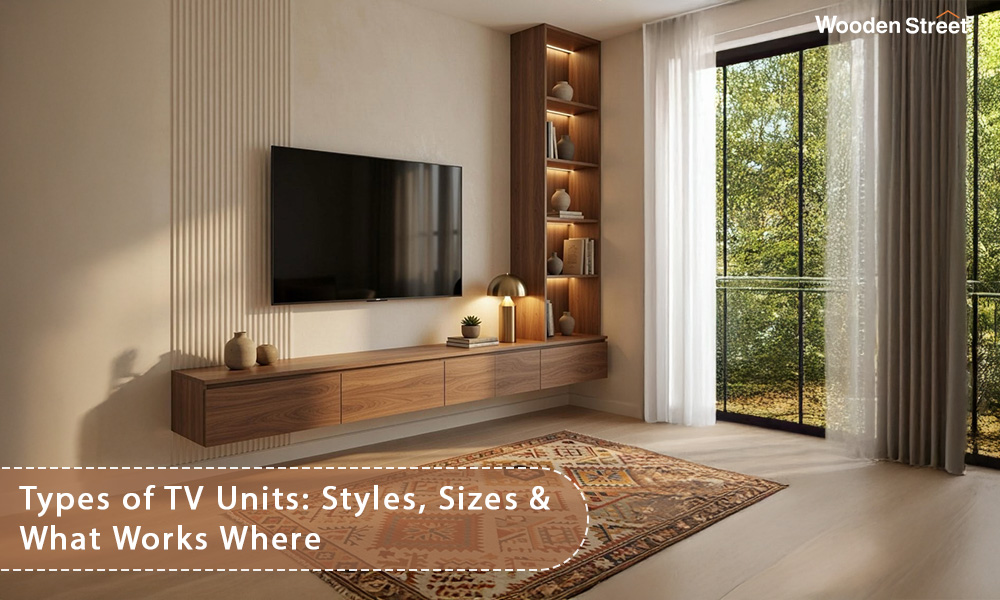
Understanding the various types of TV stands and entertainment units can help you create a functional and organised living space. This guide compares wall-mounted panels, floating units, and floor-standing designs, highlighting where each style works best based on room size, storage needs, and layout
Continue Reading



/34.jpg)
/87.jpg)