




A modular kitchen combines smart design and high-quality materials to create an efficient, beautiful cooking space. From acrylic finishes to durable granite countertops, choosing the right material is key to achieving both style and function. In this guide, explore the best modular kitchen materials and finishes that suit your lifestyle and budget.

A modern home deserves a kitchen that’s both functional and visually appealing — and that’s exactly what a modular kitchen offers. From layout flexibility to elegant finishes, modular kitchens blend practicality with design. However, your choice of materials and finishes can make or break the longevity and appearance of your setup. In this complete guide, explore the best materials and finishes for modular kitchens in 2026, understand their pros and cons, and learn how to choose the right combination for your home — wherever you live.
Now, let’s dive deeper into this.
When someone plans about a kitchen, the first big question that comes up is always the same: “What materials should I go for?” And, honestly, this is the exact point where most people get confused. But there is no need for you to worry here. The below blog guide will make everything simple, because it becomes quite important to understand the modular kitchen materials that actually help you out in building your kitchen from the inside out. Whether you have a love for simple designs or you want a premium-grade kitchen that makes you smile every morning, you’ll find everything explained here in a clear as well as friendly way.
So take a deep breath, imagine your dream space, and let’s walk through each material one by one — what it is, why it works, and how it will fit into your kitchen cabinet design perfectly.
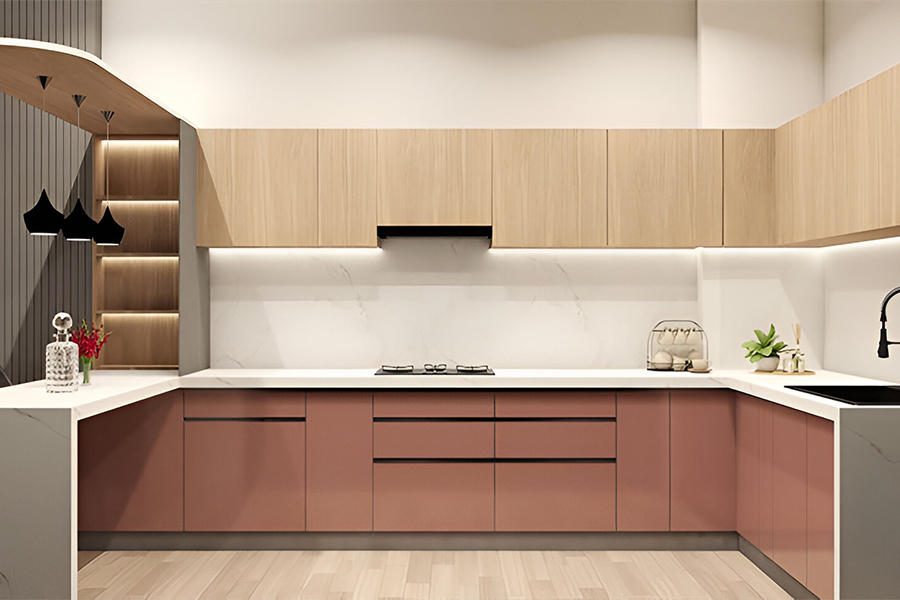
A modular kitchen is a pre-designed arrangement of cabinets, drawers, racks, and worktops designed to maximize efficiency and space. Each unit (or module) is fabricated separately and assembled on-site, allowing easy customization and maintenance.
From L-shaped layouts to U-shaped and parallel designs, modular kitchens fit every space and style. They’re ideal for modern homes, small apartments, and luxury spaces alike — making cooking organized, enjoyable, and clutter-free.
In simple words, we can say that a modular kitchen is a kitchen that comes in ready-made parts, where each one has its own job. And, when everything is fixed together, the kitchen looks neat as well as works in a smooth manner. It helps you in keeping your things in order, finding things quickly, plus moving around without any trouble. Even if your space is small, the layout makes it feel open yet easy to use. And if you ever want to add something later, you can do it without having the need to break anything. It’s a clean, simple, and practical way so as to setup a kitchen that easily adapts to your daily routine.
When it comes to choosing the right base material, it is the first step toward a strong as well as long-lasting kitchen. The material you are going to pick decides about how well your cabinets handle daily use, moisture, heat, and time. In order to make things simple here, the following are some of the most common yet trusted options that are used in kitchens around the world today.
Engineered woods are said to be man-made boards that are created by pressing wood chips, fibers, or thin sheets together. They look neat, cost much less than solid wood, as well as come in a variety of finishes. Most homeowners showcase their liking for them because they are easy to work with, plus give a clean yet organized look to the kitchen.
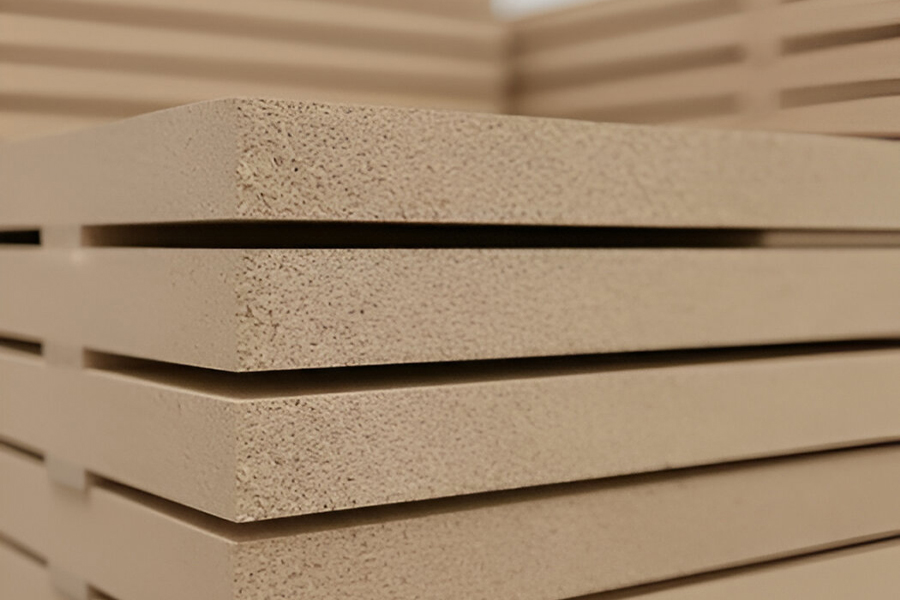
MDF has a smooth and even surface. Therefore, it becomes a great option for painted or laminated shutters. It doesn’t bend easily and is good for shelves or doors in dry parts of the kitchen.
Pros: Smooth, budget-friendly, easy to shape
Cons: Not waterproof; avoid near water
HDF-HMR is comparatively stronger than MDF and can handle moisture in a better manner. If you live in a place where there is high humidity or want to go for something that is safe around the sink area, then this is a reliable choice.
Pros: Strong, moisture-resistant, smooth
Cons: Costs a bit more than MDF
Particle board is a light material that is made by pressing small wood particles together. It matches perfectly with low-use kitchens or rental homes where the goal is to stay within budget. It works well as long as it’s kept dry.
Pros: Very affordable, lightweight
Cons: Not as strong or moisture-safe as plywood or HDF
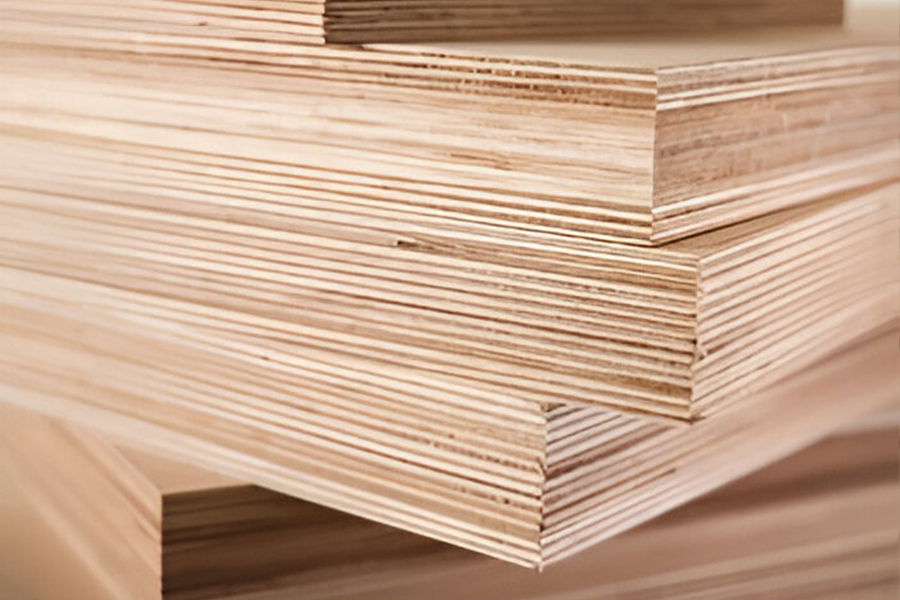
Plywood is the material that most people trust when we talk about modular kitchens. It is made by sticking thin wood layers together in a crisscross pattern, which, as a result, makes it strong as well as stable. It handles daily use very well, plus is a good option for almost all kitchen zones.
MR plywood is best for dry areas of the kitchen. It can easily deal with normal humidity as well as stays strong for many years. It is also resistant to termites and cost-effective.
BWR plywood is designed so as to handle steam, heat, and moisture. It is commonly used for cabinets, cupboards, and areas that face light water contact.
BWP plywood is fully waterproof and the safest pick for kitchens in coastal or humid regions. If you want maximum durability and don’t want to worry about water at all, then this is the top choice for you.
|
Plywood Type |
Durability |
Water Resistance |
Ideal Use (One Full Sentence) |
|
MR |
High |
Moderate |
MR plywood is best for dry parts of the kitchen, especially upper cabinets that stay away from direct water. |
|
BWR |
Very High |
Strong |
BWR plywood works well for areas that face light moisture, including regular cabinets and spaces close to the sink. |
|
BWP |
Excellent |
Waterproof |
BWP plywood is the safest choice for the entire kitchen, especially in homes that face high humidity or coastal weather. |
The finish that you’re going to pick decides about how your kitchen will look as well as how well it will handle daily use. A good finish keeps the cabinets safe from marks, heat, and stains, while also giving your kitchen its final style.
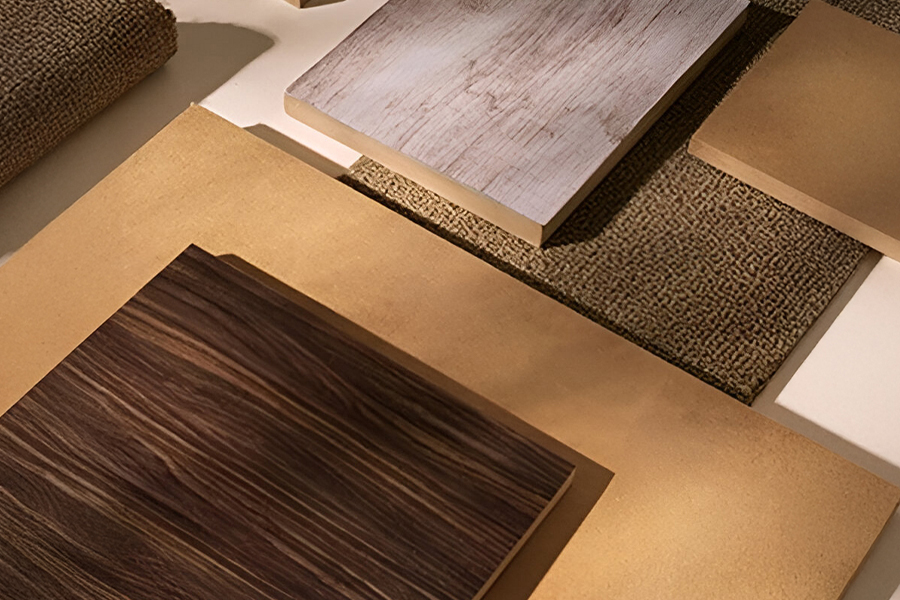
Laminates (usually called Sunmica) are the most common finishes that are being used in the kitchens. They are made by pressing thin plastic sheets together, plus come in many options, such as matte, glossy, and textured. They are simple to clean and hold up well in busy kitchens.
Pros: Scratch-resistant, easy to wipe, available in a variety of designs
Cons: Not as shiny or rich-looking as acrylic
Best For: Homes that need a strong yet stylish finish to be used on a daily basis
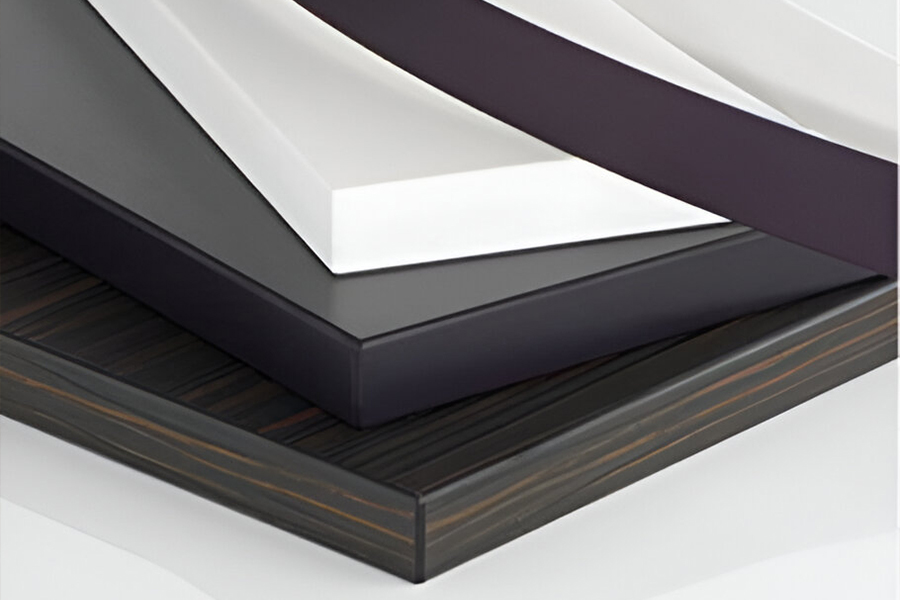
Acrylic gives a bright, mirror-like shine that makes the kitchen look fresh as well as modern. It showcases light well and comes in deep, rich colours that catch the eye in an instant. Many people go for acrylic when they want to have a clean, high-end look.
Pros: Very glossy, modern appearance, eye-catching
Cons: Can get scratches if not handled with care
Best For: Modern homes that want a premium, showstopper kitchen
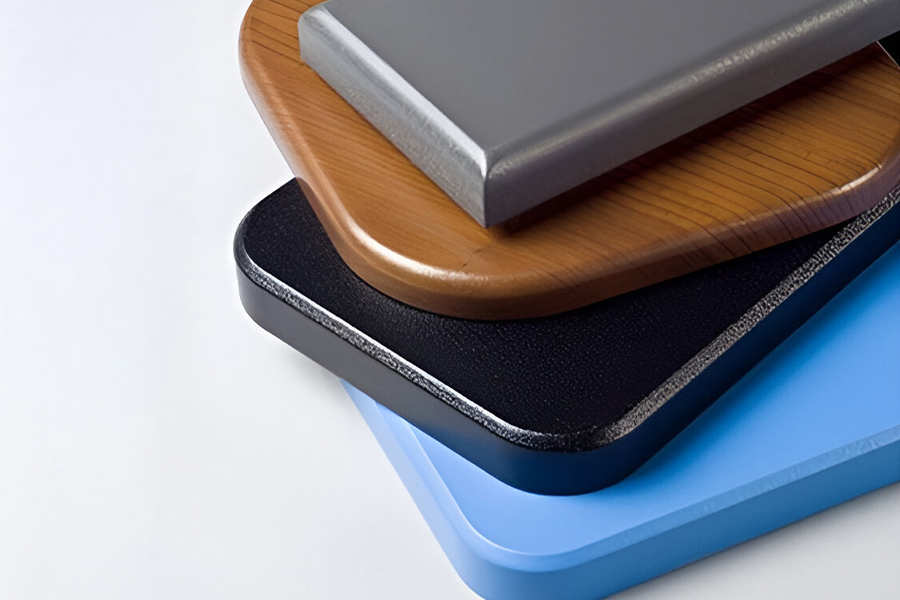
PU (Polyurethane) is a painted finish that is done on MDF or plywood. It provides you with a smooth and uniform surface that looks neat as well as polished. It also lasts long and allows you to pick bold colours without worry.
Pros: Smooth, smooth look, long-lasting
Cons: Costs more and needs skilled work
Best For: Premium-grade kitchens where the owner wants rich colours and a clean, painted finish
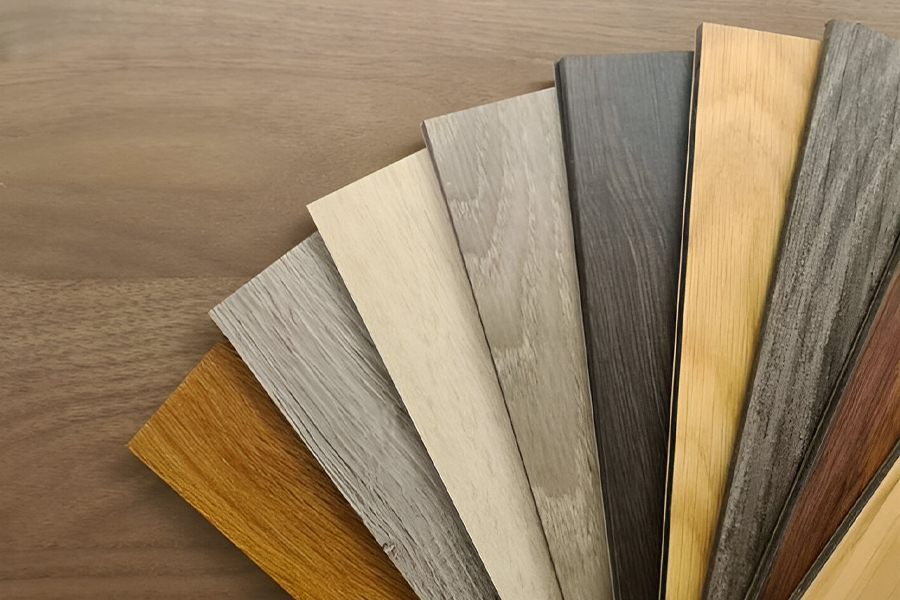
PVC is a waterproof finish that is made by fusing thin plastic with paper layers. It is quite easy to clean, plus works well in homes that want to have a proper balance between cost and strength. It handles moisture better than many other options.
Pros: Affordable, low-maintenance, moisture-safe
Cons: Color options are quite less as compared to acrylic or PU
Best For: Budget-friendly kitchens and rental properties where easy cleaning is important
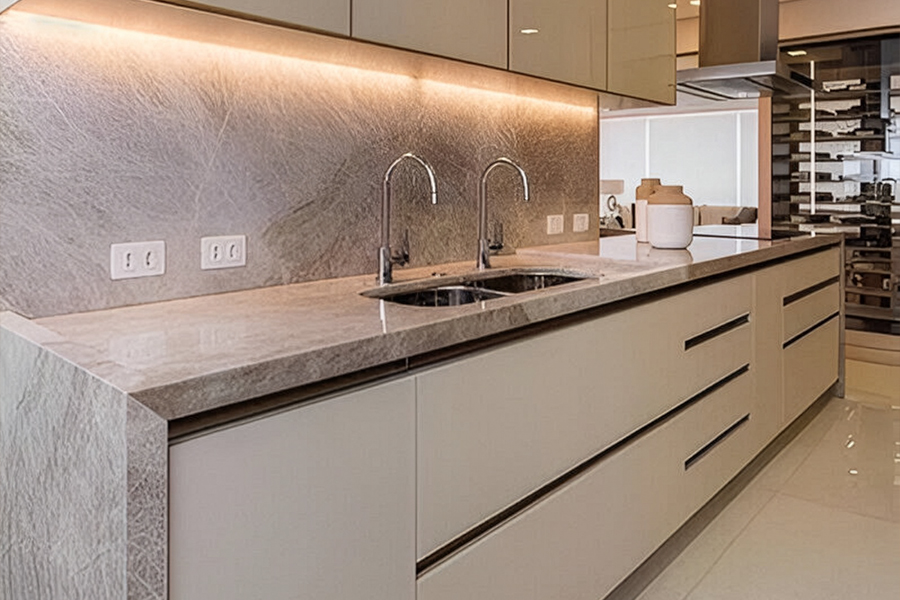
When selecting the right combination of material and finish, it becomes easier while thinking about how you are going to use your kitchen, how much you would want to spend, as well as the kind of weather your home faces. A small checklist can help you in making a clear decision without getting confused.
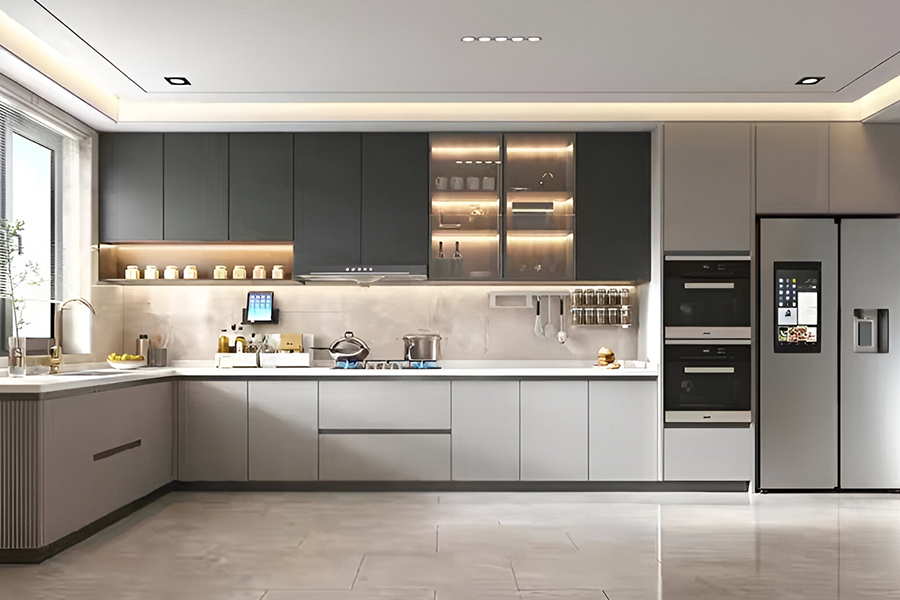
Taking care of a modular kitchen isn’t anything complicated. Most of it is just common sense stuff that we usually forget when we’re in a hurry.
These are simple things, but they help the kitchen stay in good shape without much effort.
A modular kitchen isn’t only about how it looks. But, it’s more about how it feel to work in it everyday, how long it lasts, as well as how neat everything stays without putting in too much effort. That’s the part most people care about once they actually start using the kitchen.
At Wooden Street, the idea is to help you build a kitchen that fits well into your home, plus the way you cook. When you walk, we show you 3D views, different materials, and finish samples so that you can actually imagine how your kitchen is going to look before anything is made. You get to pick things at your pace, and we guide you with simple suggestions so that you don’t feel confused.
If you have been planning to redo your old kitchen, then we are right here to help you fix the problems that you already face. And, if you’re setting up a new one, we help you to plan it from scratch, from the base material to the final touch. Our team stays with you through the whole process, therefore making sure the design is practical, strong, as well as something that you will enjoy using every single day.
Many people who make a visit to Wooden Street have their own idea of about how their kitchen should feel, plus they want someone who can turn that idea into something real. That trust is what our customers coming back, not just from India but from different places all around the world.
One of our recent projects was for a family in Jaipur. They had a very old, traditional kitchen that didn’t have enough storage as well as felt cramped. So, they wanted something fresh yet modern but still easy to maintain. After a few discussions and showing them some 3D layouts, they decided to go with BWP plywood for the strength and acrylic shutters for a clean, glossy look.
When the kitchen was finally installed, the whole space changed completely. It looked brighter, more open, as well as everything had its own place. The family told us later that cooking felt a lot easier because they didn’t have to struggle with clutter anymore. It was a simple transformation, but it made a lot of difference in their daily routine.
Your kitchen stays with you for years, so it makes sense to go for materials that can handle daily usage and finishes that feel right for your style. When the right look meets the right strength, the kitchen becomes a space that you enjoy being in, not just a place to cook.
If you’re setting up a new home or giving your old kitchen a fresh start, Wooden Street has got plenty of options that you can pick from. You can choose the layout, the finish, the storage style, and even the small details that make the kitchen feel like it belongs to you. Our team helps you in figuring out as to what works best, and you get a design that fits best into your space without having any kind of confusion.
If you’re curious or want help planning your own kitchen, just tell us in the comments or drop a message. We’d love to hear what you have in mind.
We will be back with the next blog soon. Till then, stay tuned!
Image Source: Pinterest, Google, and Wooden Street.
A BWP (Boiling Waterproof) plywood is the most durable material for modular kitchens. It offers excellent strength, long-term stability, and complete water resistance, making it ideal for heavy usage, humid regions, and long-lasting kitchen installations.
A The best finish depends on your needs—laminates are durable and budget-friendly, acrylic offers a premium glossy look, and PU provides a smooth, luxurious painted finish. Each performs well, but laminates remain the most practical for daily use.
A BWP plywood is the top waterproof material for modular kitchens. It withstands constant moisture, steam, and spills without swelling, making it highly reliable for sink areas, coastal regions, and kitchens that need maximum water resistance.
A A modular kitchen should be maintained regularly with basic cleaning after cooking and a deeper check every few months. Wiping spills immediately, drying sink areas, and tightening loose hinges ensure long-lasting performance with minimal effort.
A The average cost of a modular kitchen varies based on materials, finishes, and layout but typically ranges from budget-friendly to premium setups. Prices generally start at basic levels and increase depending on customization and quality choices.
Trending Products
Top Picks from EveryoneArticles you will love to read
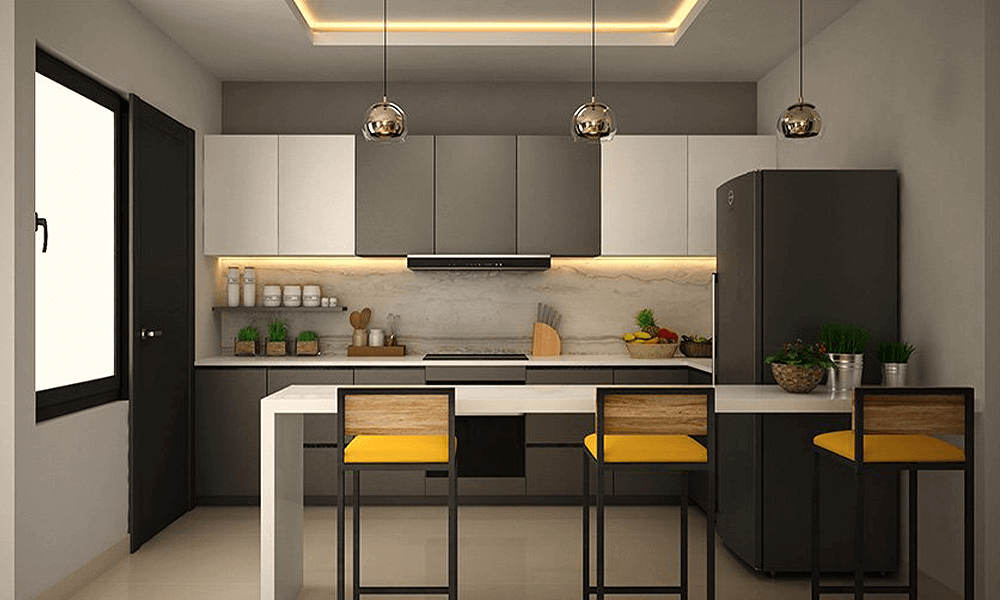
Kitchen is the more than merely a serviceable space in the home and thus, we want to look its best and clutter-free. Therefore, WoodenStreet is here with the modular kitchen design ideas blog to pull out your kitchen layout in the perfect way.
Continue Reading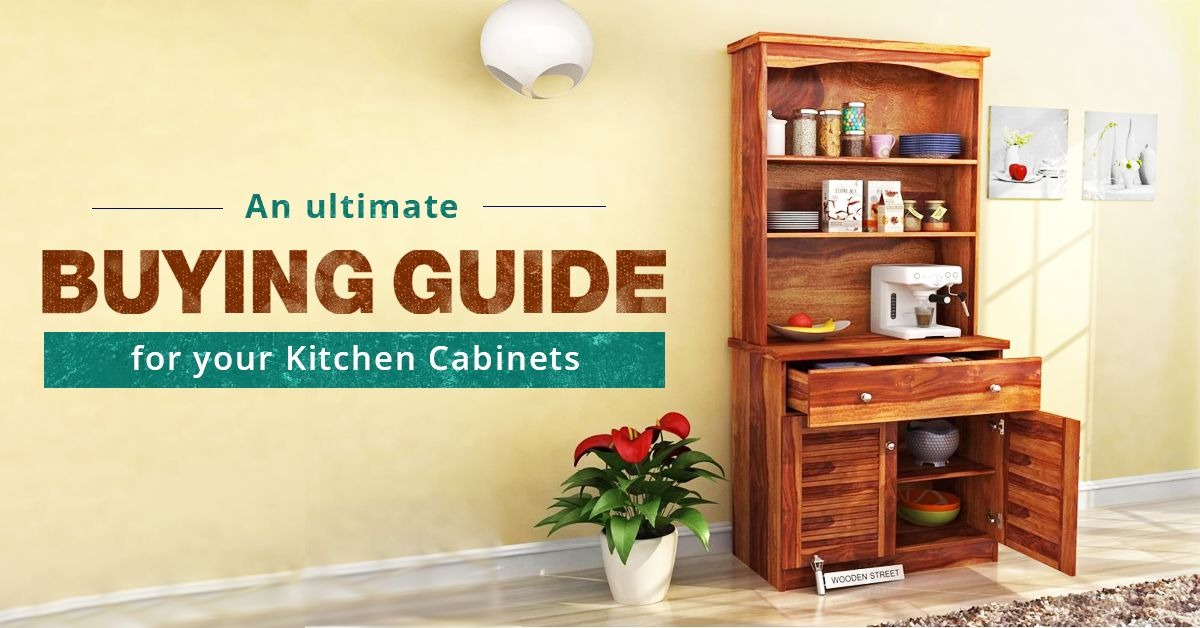
A kitchen is a place where everyday magic happens. Groceries go in and come out in the form of delicious and finger-licking food. But, to maintain all functioning kitchen cabinets plays a vital role.
Continue Reading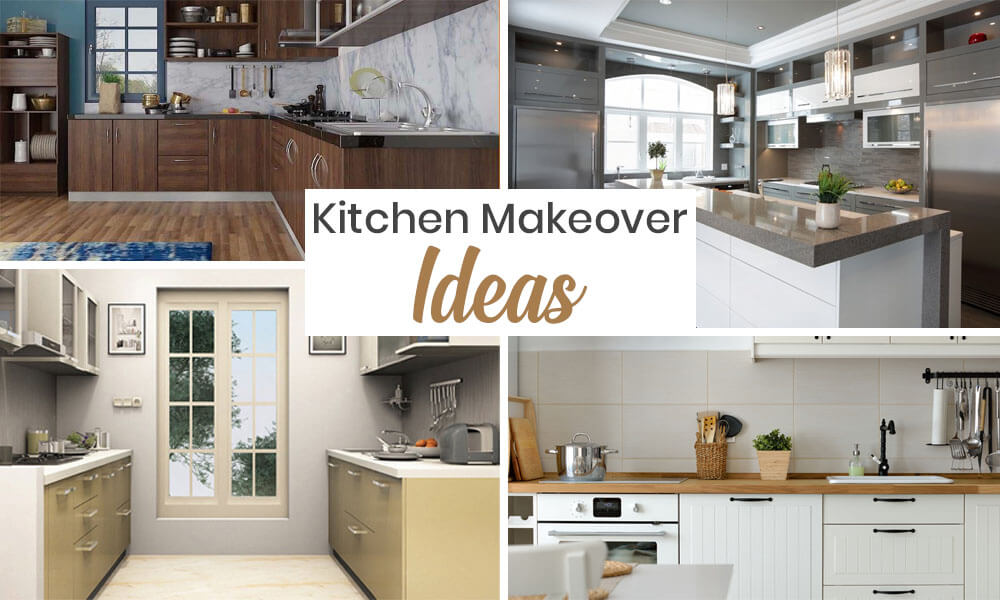
Make your kitchen space more efficient and decorated with these 25 best kitchen furniture ideas. Bring out the true beauty of your kitchen without worrying about the size of your space.
Continue Reading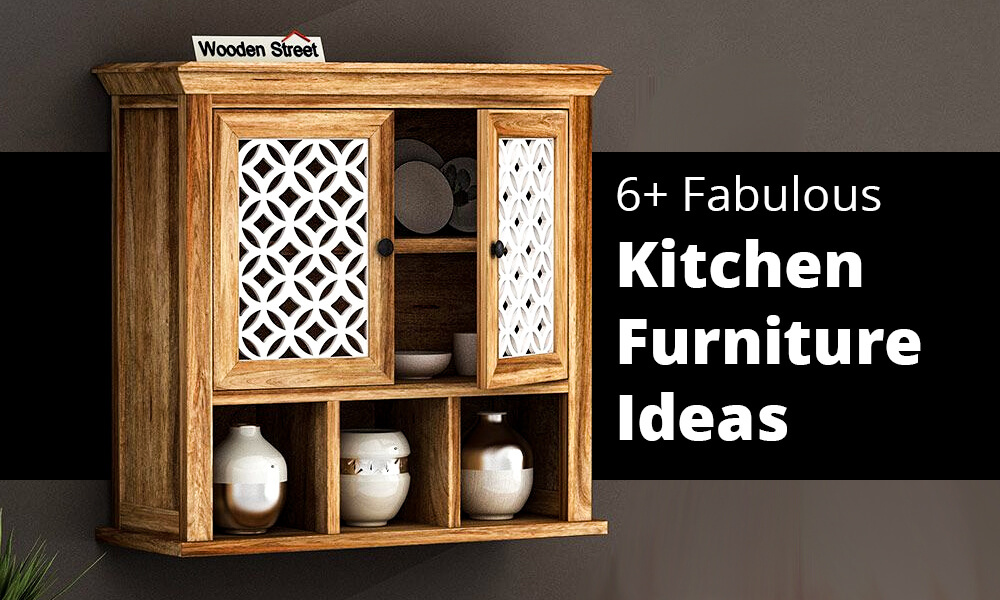
Increase the efficiency & beauty of your kitchen space with these amazingly designed storage furniture options.
Continue Reading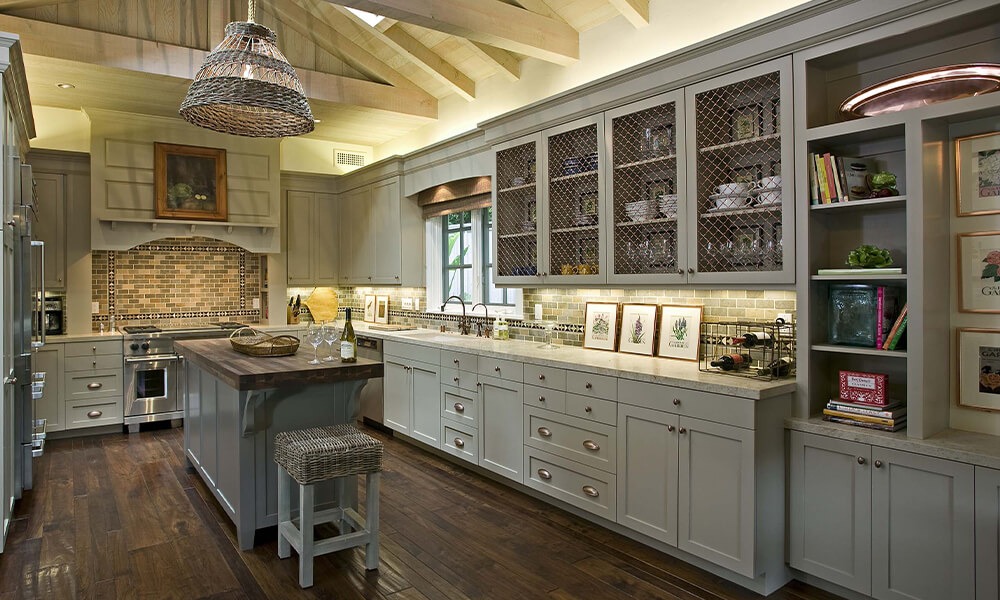
The kitchen is the heart of our house, and what is better than restyling it to welcome the new year with zestful hopes? With these below-mentioned trendiest kitchen designs for 2022, Start Off the Year with the Right Vibe!
Continue Reading
