





Wood seasoning is one of the most important yet overlooked stages in furniture manufacturing. By controlling moisture content, seasoning improves strength, dimensional stability, and longevity. This guide explains the science behind the process and why properly seasoned wood is essential for furniture that performs reliably for years.

Wood is the material. Seasoning is the science behind it. Most people shopping for wooden furniture spend time comparing designs, finishes, and prices - very few ever ask what happened to the wood before it was turned into furniture. That question, it turns out, is the most important one of all.
A drawer that jams every morning. A table leg that wobbles six months after delivery. A teak finish peeling at the edges before the first year is up.
Most people blame the design. Almost nobody identifies the real cause - wood that was never properly prepared before it became furniture.
One term to remember: seasoning. Get this right, and furniture lasts decades. Skip it, and no amount of good design can save it.
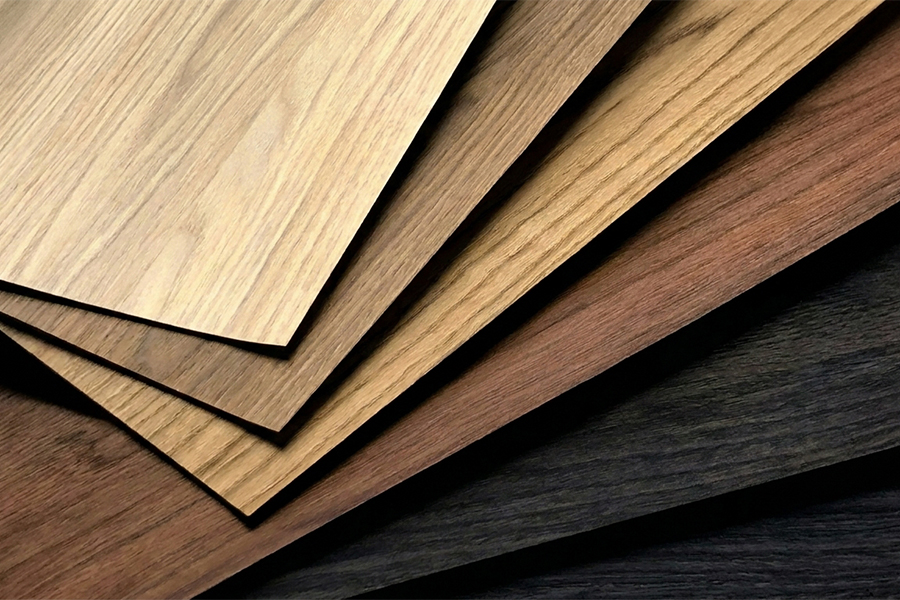
Raw timber is full of moisture. A freshly cut log can carry moisture content between 50% and 100% of its dry weight - it is as much water as it is wood.
Once inside your home, that moisture escapes unevenly. Indoor air, air conditioning, and seasonal changes pull moisture out at different rates through the surface and the core. That uneven loss causes:
Seasoning is the controlled removal of that moisture before the wood becomes furniture - so it has already done its moving before it is cut, jointed, and finished.
|
Air Drying |
Kiln Drying |
|
|
Method |
Timber stacked outdoors, dried naturally |
Controlled chamber with regulated heat and airflow |
|
Time |
1 year per 25mm of thickness |
Days to weeks depending on species |
|
Consistency |
Variable - depends on climate and season |
Controlled and measurable every time |
|
Reliability |
High quality when done with patience |
High quality when not rushed |
Both methods work. The discipline to do either one properly is what most of the industry skips.
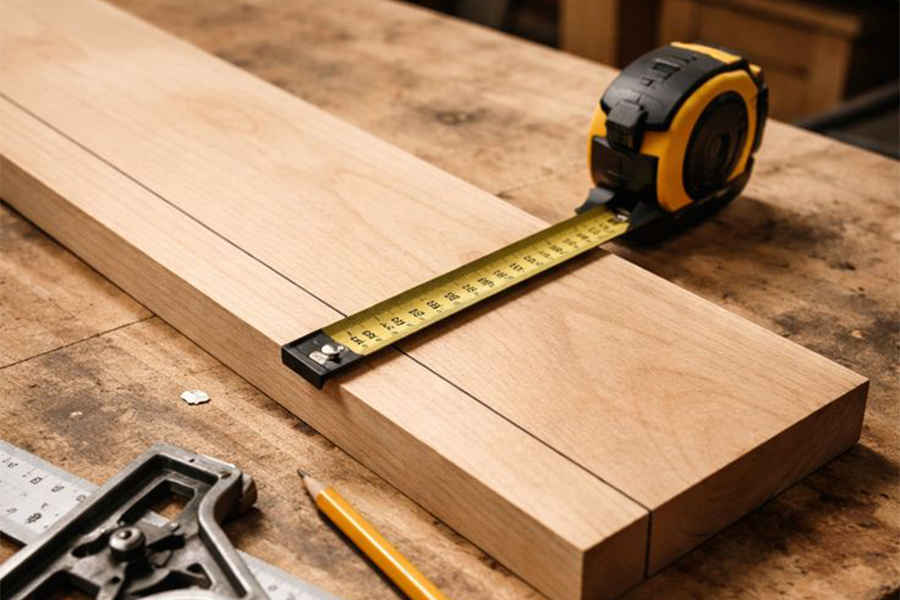
Every piece of seasoned timber has a moisture content percentage - a measurable number that tells you exactly how much water remains in the wood.
For indoor furniture, the target is 6–8%. Above that:
Most manufacturers never share this number - ask for it. If a brand cannot tell you, that tells you something.
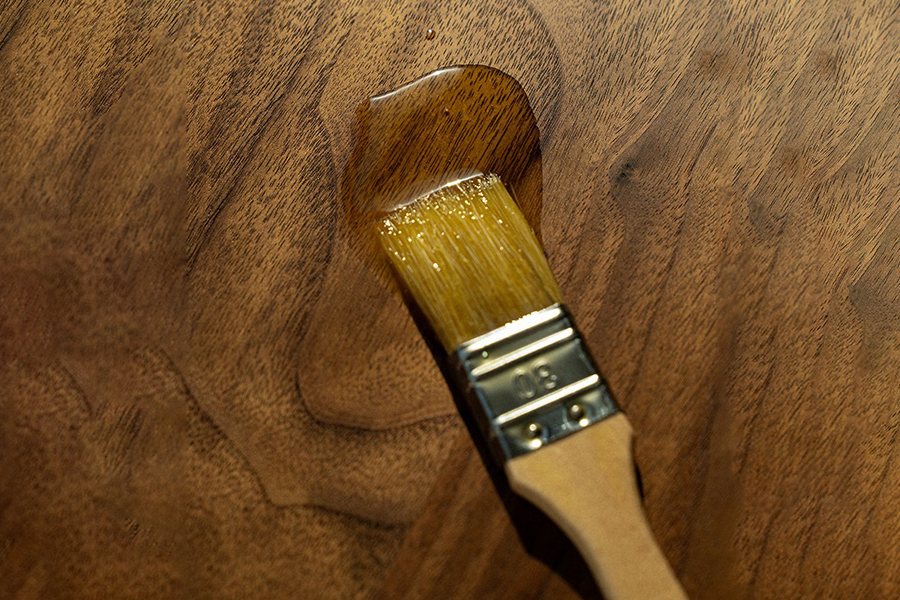
Proper seasoning takes weeks. Phased kiln drying, post-kiln stabilisation, moisture testing - it all adds time that production timelines do not always allow for.
The result is a widespread gap between what is promised and what is practised. Rushed timber looks identical to properly seasoned wood. The difference only shows up later - when the furniture starts moving in ways it should not.
Wooden Street follows a four-step process built around measurable outcomes:
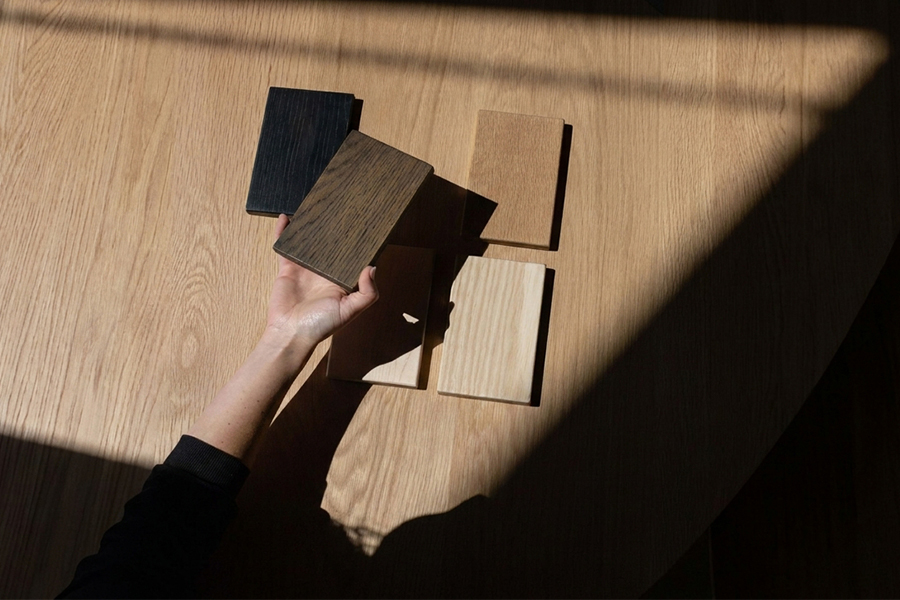
The best craftsmanship is invisible. You do not see the kiln cycle or the moisture testing - you just open a drawer that works perfectly and never think about why.
That is the point. Explore WoodenStreet's collection - furniture built on wood that has genuinely earned the right to become furniture.
We will be back with the next blog soon. Till then, stay tuned!
Image Source: Pinterest, Google, and Wooden Street
Articles you will love to read

It would sound as if we are boastful if we say that Wooden Street makes everyone say, “my home should have it”. But it is true. Today, we bring you two of the most loved beds based on our customer’s feedbacks. See which everyone’s favourite is.
Continue Reading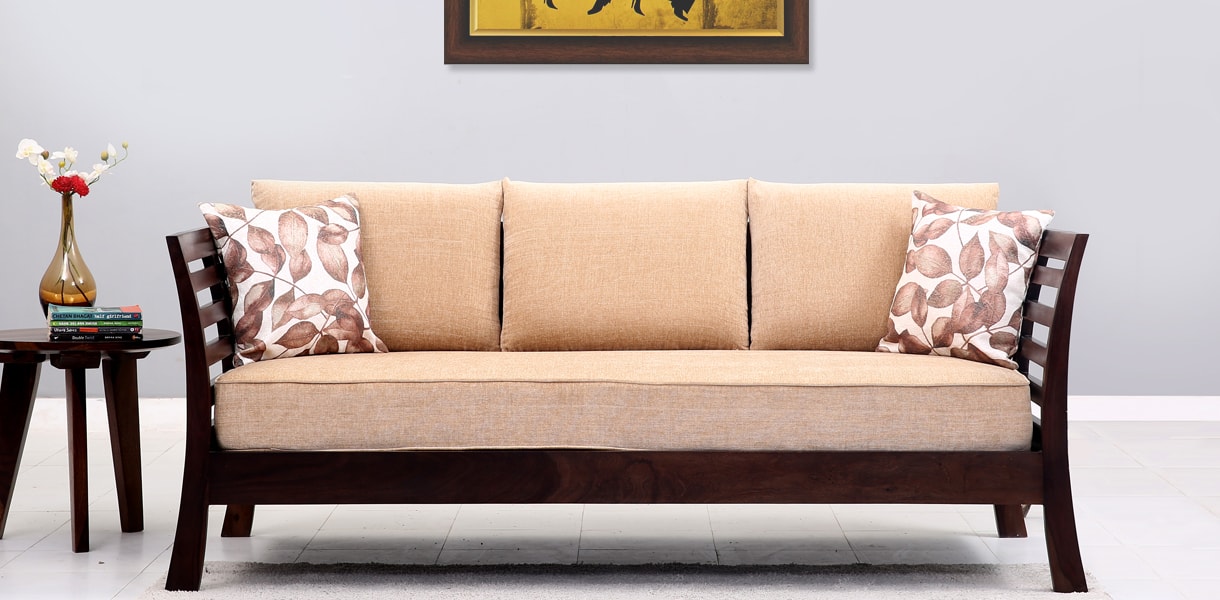
Wooden sofas from the house of Wooden Street add warmth to any living room, making it feel truly rich. Today, we are sharing some glimpses of the journey of seasoned Sheesham Wood to a well-crafted and finely coated Darwin Sofa Set.
Continue Reading
Wooden Street brings some stunning storage solutions in the form of sideboards and chest of drawers, so you can multiply your storage without investing in more space. See and get inspired by our ingenious clients who enhanced their storage with style
Continue Reading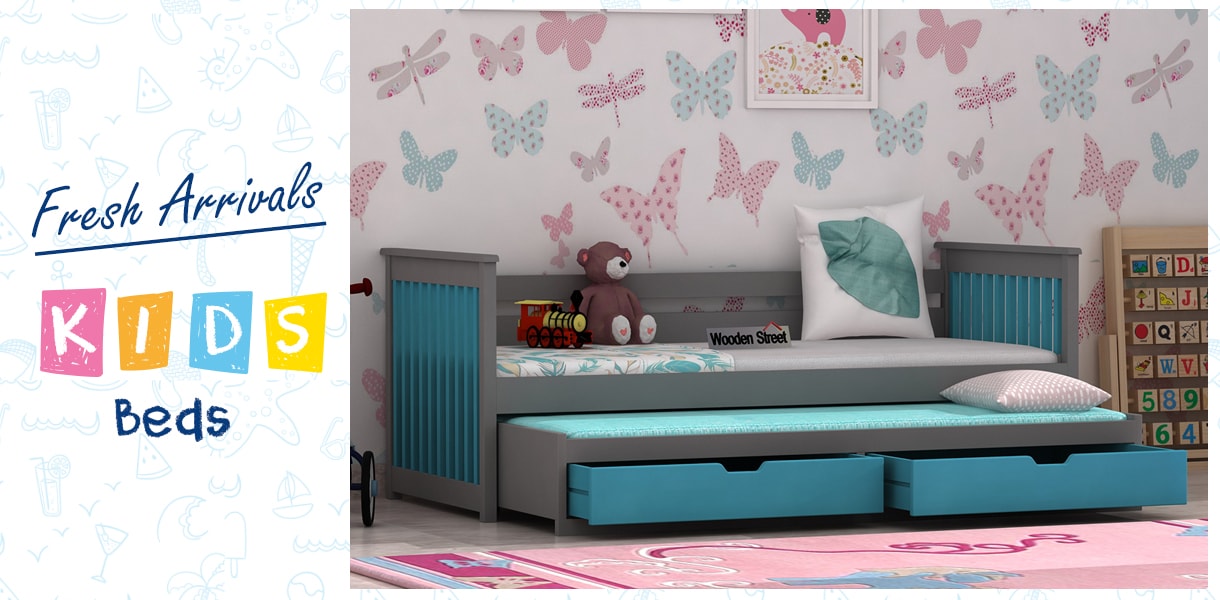
Wooden Street has a wide range of kids’ beds, varying from cribs to bunk beds and single to loft beds. Today, we are introducing the new additions to the kids’ beds, so you get more choices just to see the smiles on their faces.
Continue Reading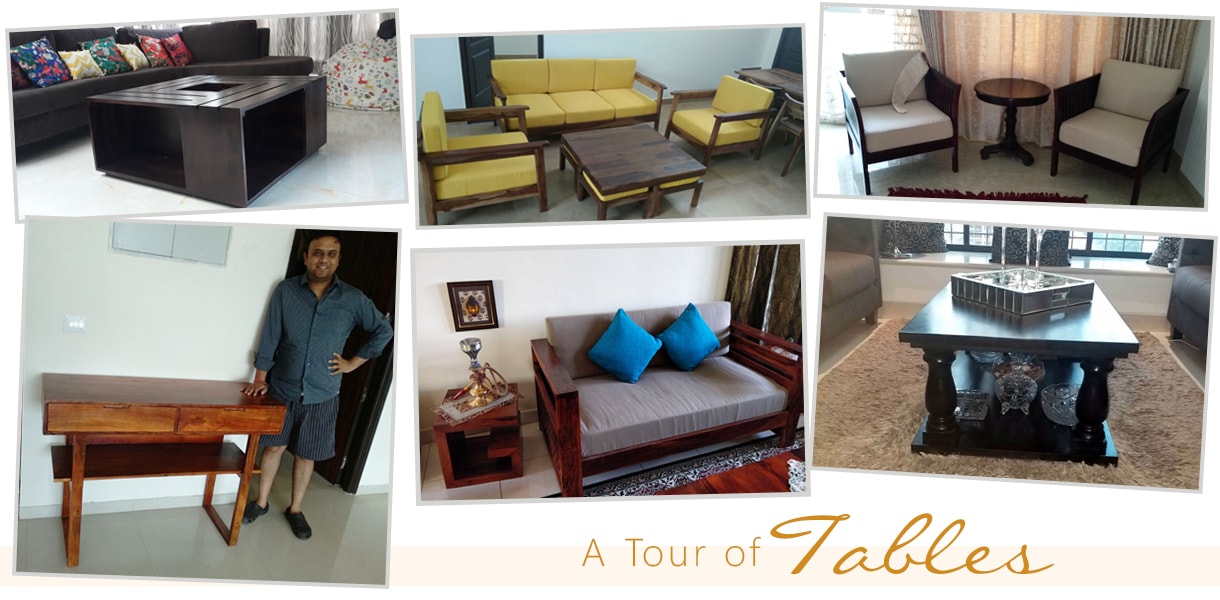
Table is meant for every room. Wooden Street brings a variety of tables to beautify your space and give it a personal touch while fulfilling your needs. Take a tour of the tables exclusively by Wooden Street to furnish different parts of your home.
Continue Reading