

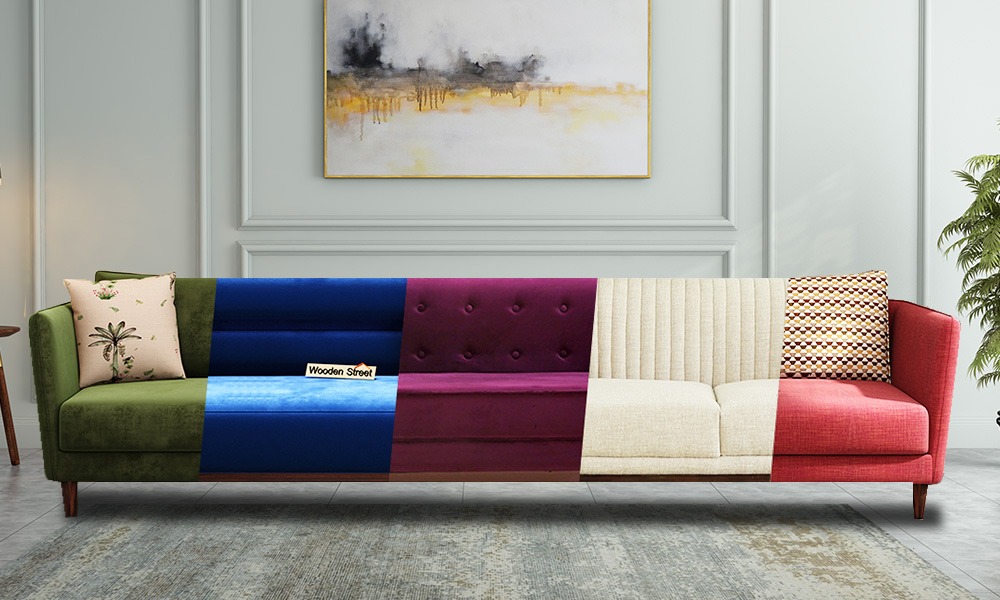

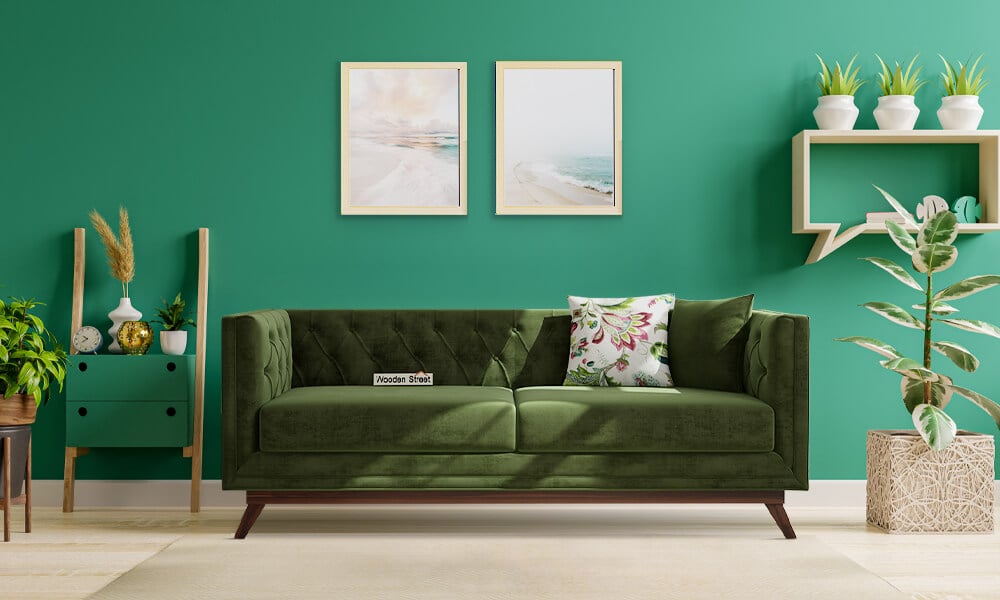


Explore 20 types of chairs for home, including classic, modern, and functional designs. This guide explains chair names, uses, and popular styles to help you select the right seating for living rooms, dining areas, offices, and outdoor spaces.

Chairs are one of the most basic yet important pieces of furniture in any space. We use them every single day, while eating, working, relaxing, reading, or spending time with family. In the below blog post, we are not focusing on buying or shopping. Instead, we will understand about charis from a knowledge point of view.
So, what exactly is a chair?
A chair is a piece of furniture that is designed for one person to sit on. It usually has a seat, a backrest, and sometimes armrests. Some chairs also have cushions, wheels, or special support features. Simple, right? But even though the idea is simple, the designs are not.
There are many different types of chairs because people use them in different ways. A dining chair is not the same as an office chair. A lounge chair feels very different from a study chair. The shape, height, material, as well as comfort level all change based on purpose. That is the reason why you will find various types of chairs around you.
When we talk about furniture and interior design, chairs are often grouped based on their function, structure, style, or placement. For example, some are made for dining, some for working, some for relaxing, and some for outdoor use. Designers also classify them by design styles, be it modern, traditional, minimalist, rustic, or more. This helps us to understand the chair types and their roles in a more clear manner.
In this guide, we will learn about 30 chair designs in a simple and well-defined way. We will explore their names, where they are used, plus what makes each one of them special. By the end, we will be able to recognize about many types of chairs and understand that how they fit best into different spaces.
Have you ever wondered that how experts organize so many types of chairs? With different shapes along with designs around us, there has to be a simple way to group them. In furniture design, chairs are usually classified in four main ways: by function, by design style, by structure, and by materials.
Let’s understand each one step by step.
The most common way of grouping different kinds of chairs is by how they are used.
Ask yourself: Where will this chair be placed?
This method helps us to understand the purpose of each chair. That is the reason why you will see that chairs are designed for specific rooms such as the living room, bedroom, study, or patio.
Chairs are also grouped by how they look. Design plays a major role in furniture. Some chairs have a modern yet well-defined look. Others have detailed carvings and a classic feel.
For example, there are different types of armchairs with unique back shapes, arm styles, as well as leg designs. Some look royal and traditional, while others look simple plus minimal.
When people talk about style, they are usually referring to the visual identity of the chair.
Another way to classify various types of chairs is by their build along with features.
Think about this:
A small structural change can create a new category. A chair with wheels becomes an office chair. A chair that reclines becomes a recliner. Structure defines about comfort as well as function.
Chairs are also grouped by what they are made of. Wood, metal, plastic, fabric, leather, and cane are common materials.
The material affects the look, strength, plus comfort of the chair. For example, wooden chairs usually feel warm yet traditional. Metal chairs may look modern or industrial. Fabric and leather bring to you softness along with comfort.
One of the simplest ways to understand about different types of chairs is by looking at how they are used. Every space has a purpose, and the chair placed there is designed in a manner so as to match with that purpose.
Living rooms are made for sitting, talking, relaxing, as well as spending time together. Chairs in this space can be of two types:
The following are some of the common options:
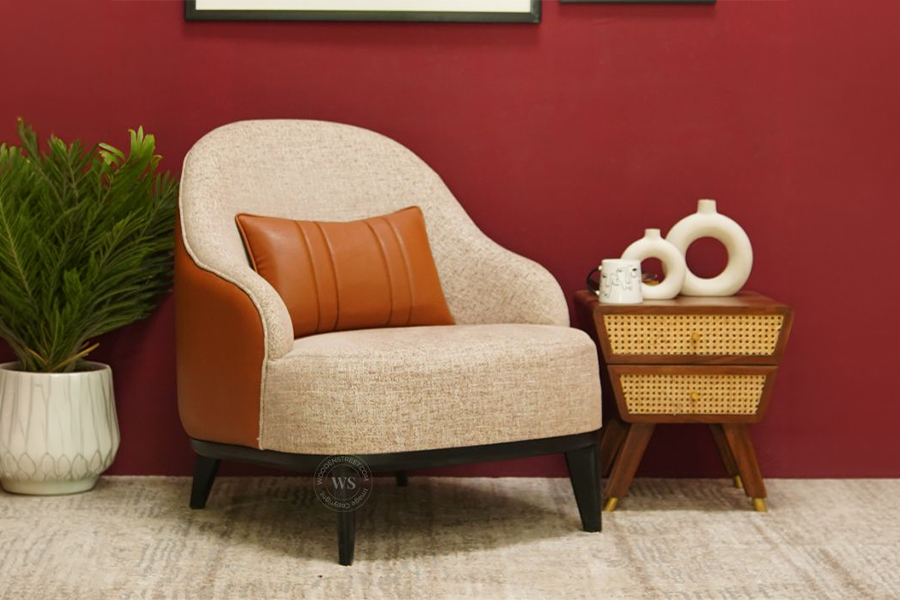
An armchair has a backrest along with arm support. It is comfortable plus often used as primary seating when it comes to living rooms. Among different types of armchairs, this is the most basic yet widely used.
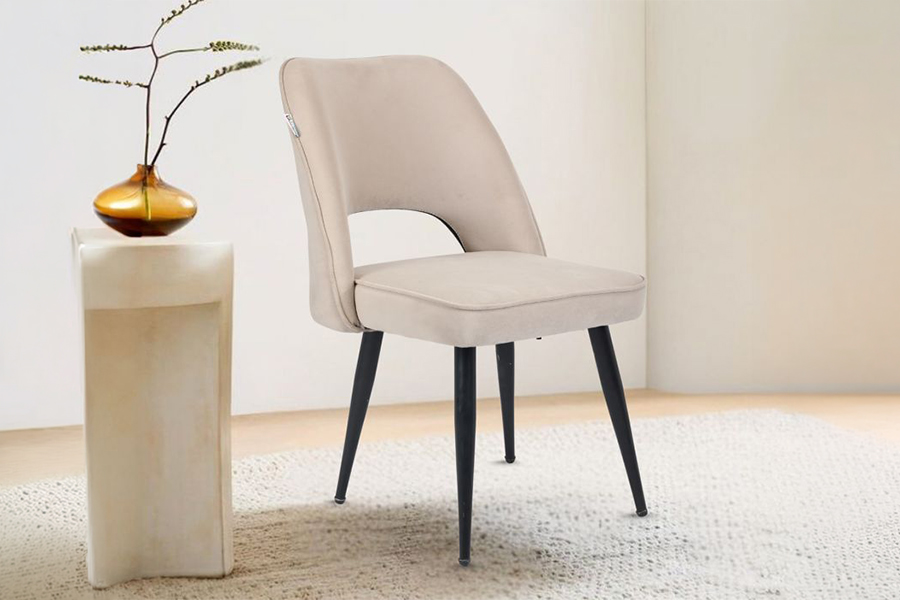
An accent chair is more about style. It brings in personality to a room with the use of bold colors or unique shapes. It is usually secondary seating.
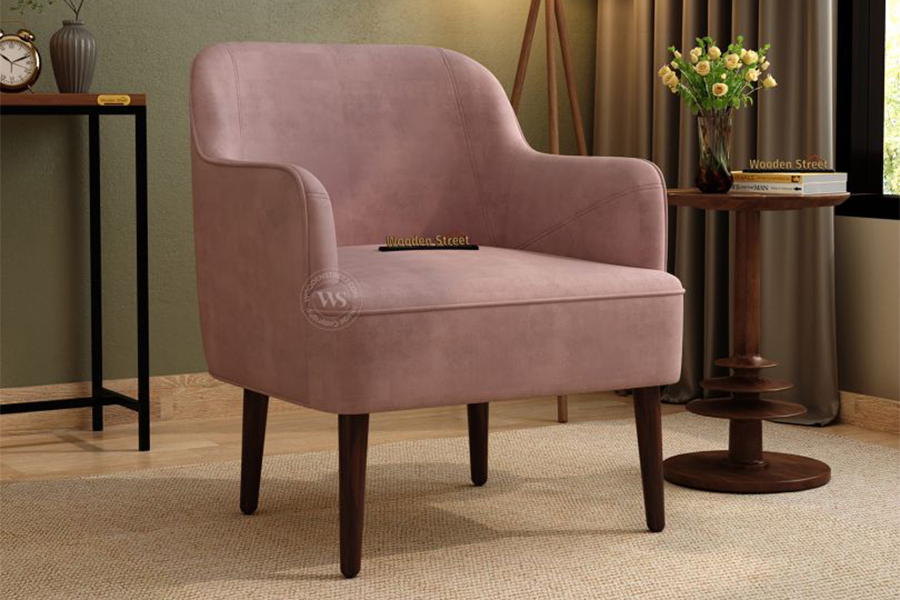
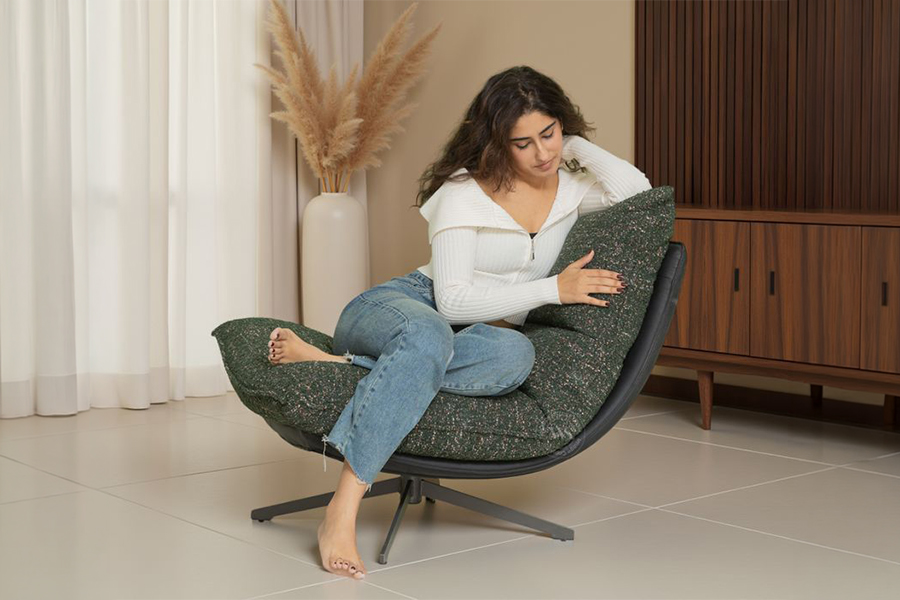
A lounge chair is made for relaxation. It has a deep seat as well as slightly tilted back so that you can stretch out and rest in a comfortable manner.
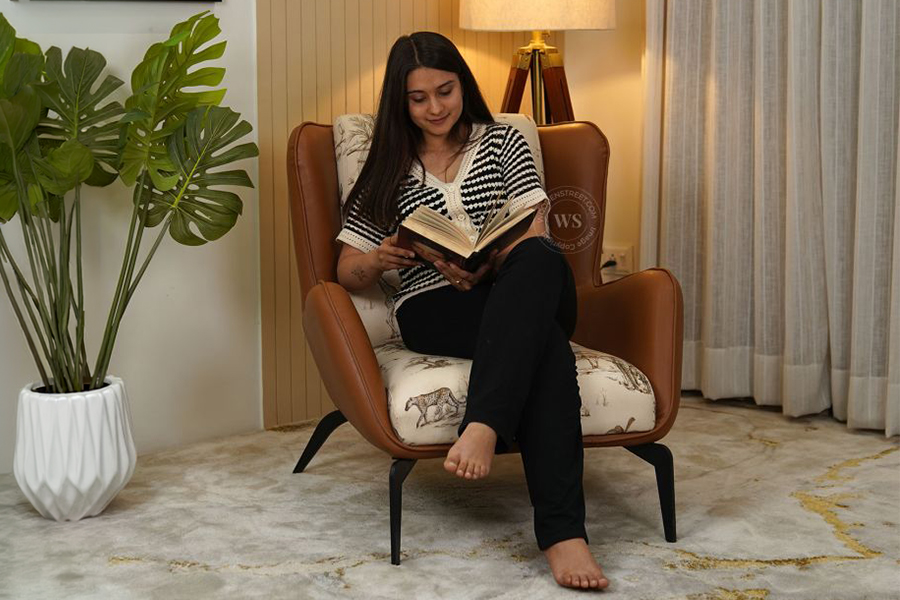
A club chair is wide, soft, as well as heavily cushioned. It feels cozy, plus is often placed near coffee tables for casual seating.
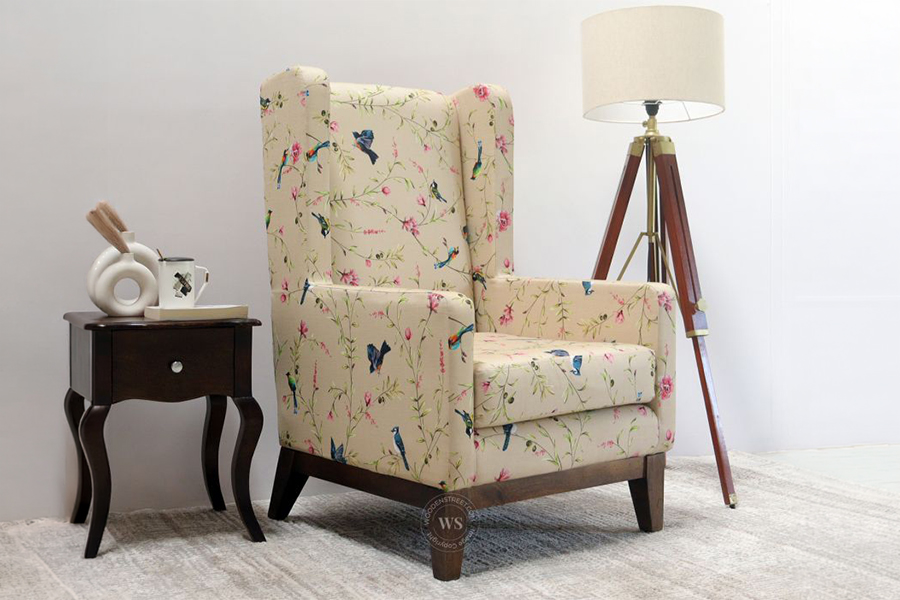
This chair has got “wongs” on the sides of the backrest. It was originally designed in a way so as to block drafts, but today it adds a classic yet elegant look.
In bedrooms, chairs are usually not the main seating. They are used as extra or occasional seating. You might sit there while reading, getting ready, or relaxing quietly.
Let’s take a look at a few options:
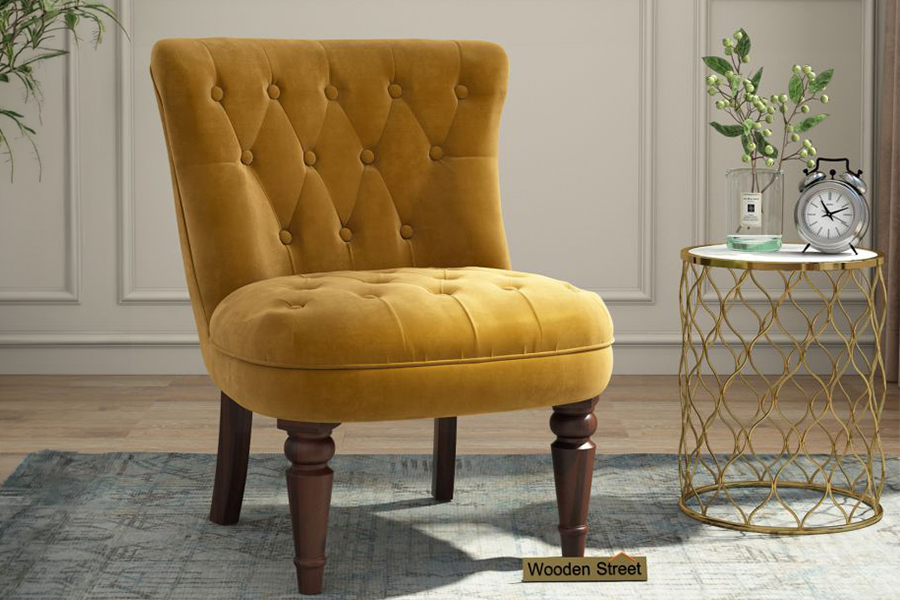
A slipper chair has no arms and a low seat. It is compact plus perfect for small bedroom corners.
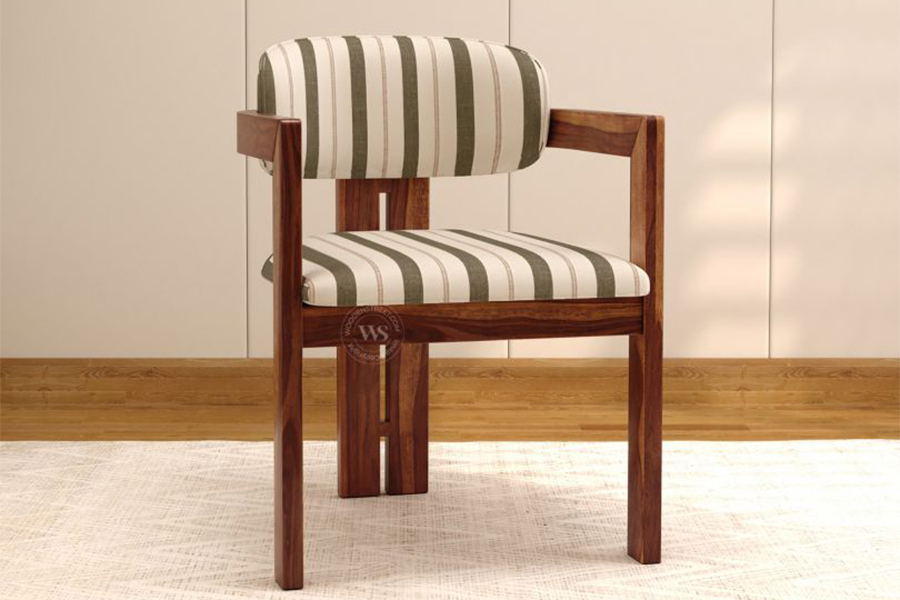
This chair is placed near a dressing table. It is small, light, as well as easy to move.
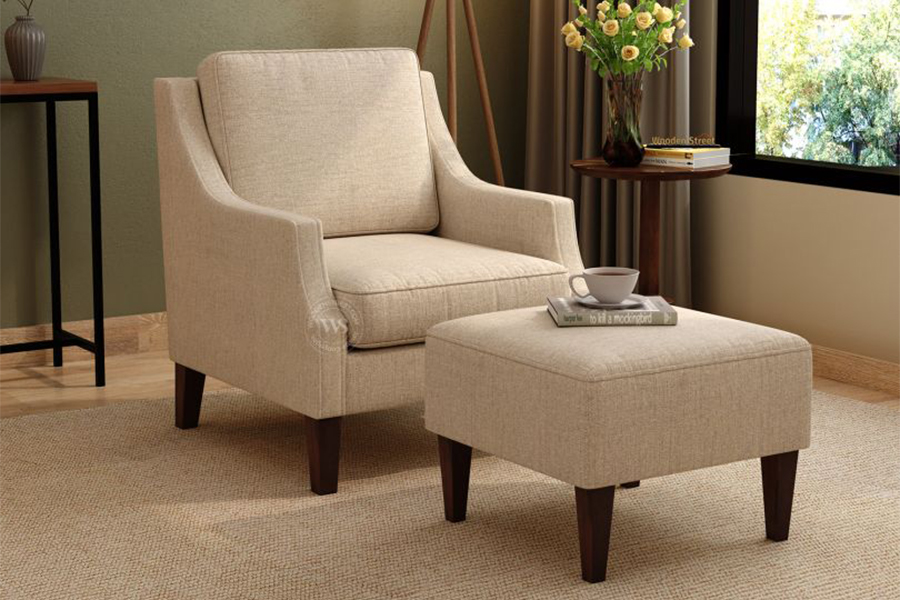
A reading chair is designed in order to give you comfort. It often has a soft cushion as well as good back support for long reading sessions.
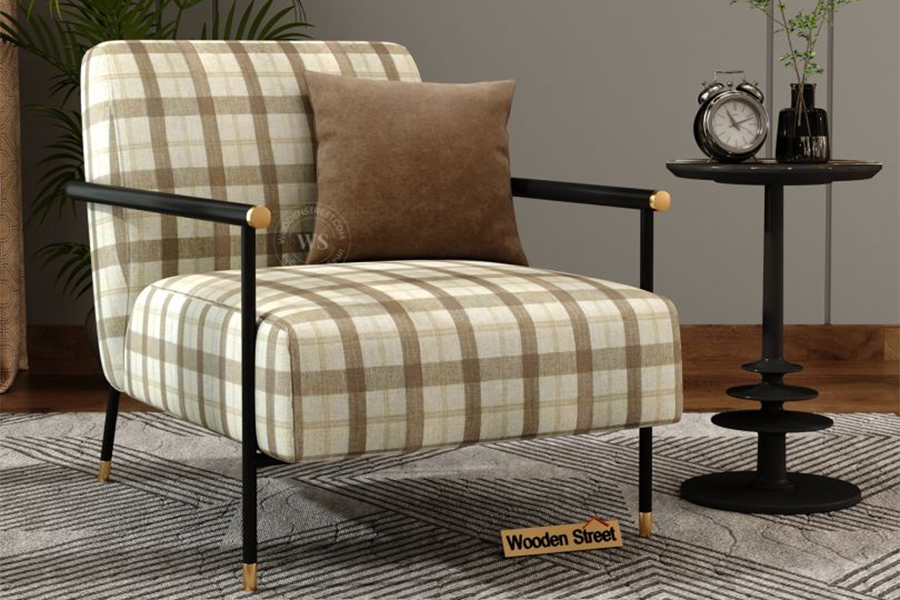
Similar to a living room accent chair, this one adds style to the bedroom. It also provides you with extra seating as and when needed.
Work and study chairs are purpose-driven. They are not only about looks. They focus on the part of posture, back support, plus comfort during long sitting hours.
Here are some common types:
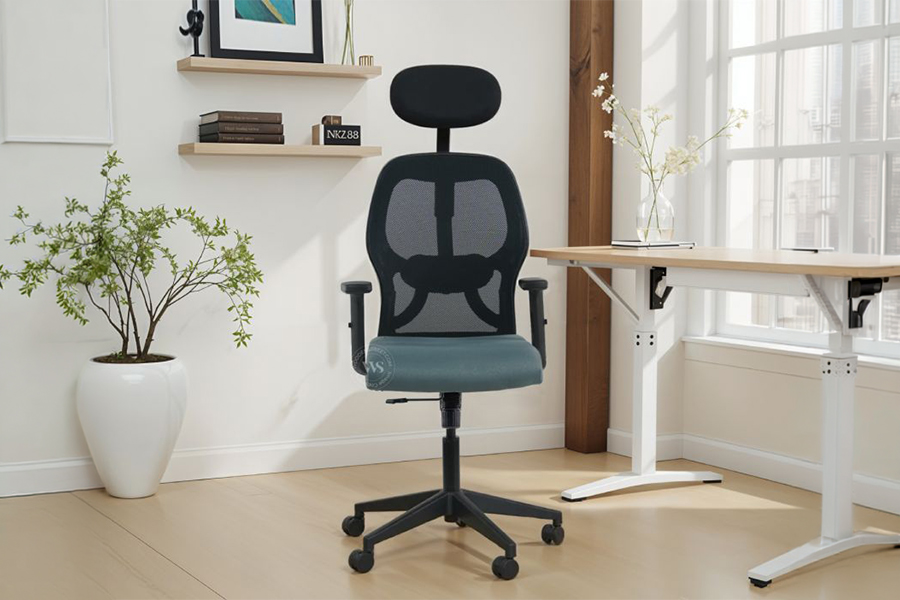
A task chair is simple yet adjustable. It usually has wheels along with height control. This makes it suitable for desks.
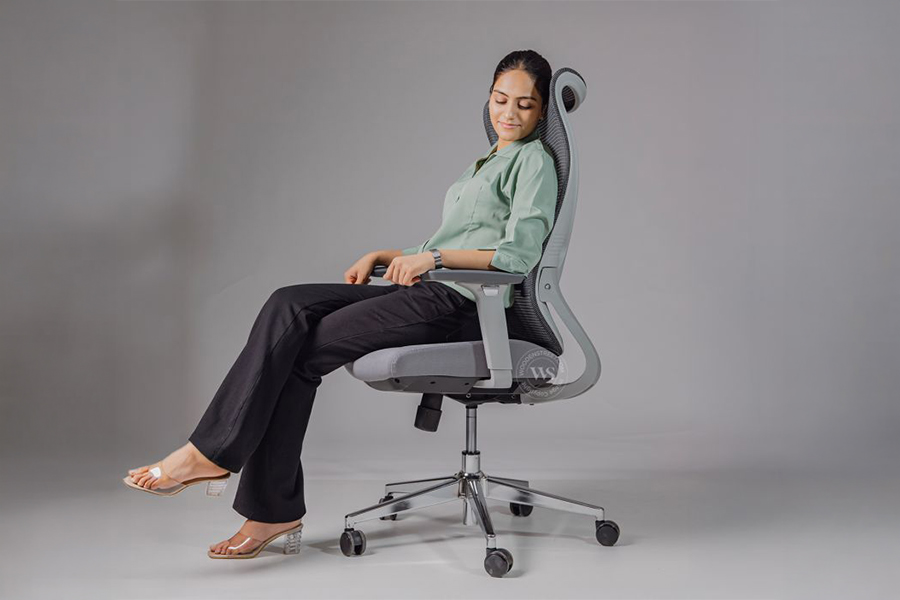
An ergonomic chair is designed in a way so as to support the body in a proper manner. It supports the lower back, neck, and arms to reduce strain.
An executive chair is larger as well as more padded. It usually has high back support and a formal look, commonly used in offices.
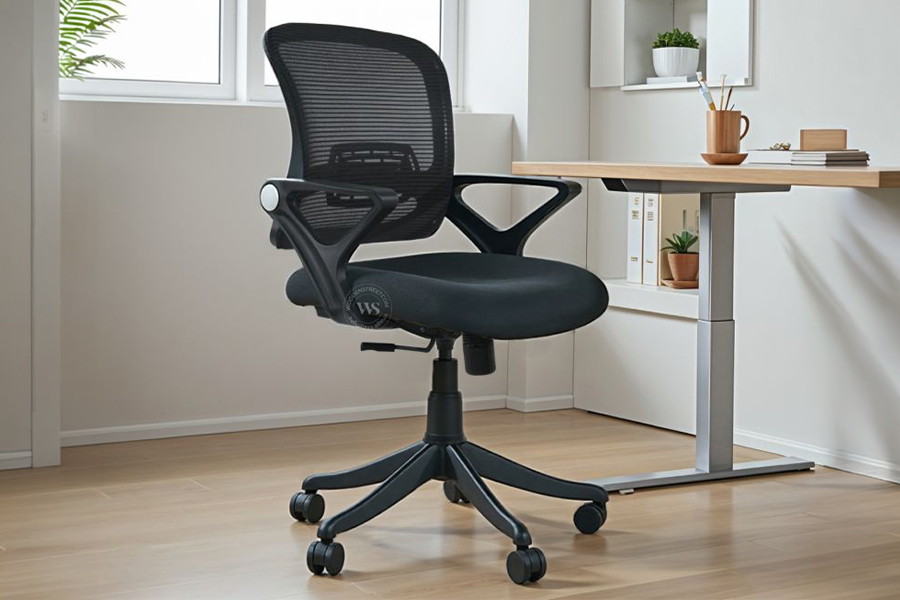
A drafting chair is taller than regular office chairs. It is used with high desks or work tables.
Armchairs are one of the most popular seating options in homes. In fact, when people think about comfort seating, they usually imagine about an armchair first. Among all types of chairs, armchairs form a major sub-category because they combine comfort, support, as well as style.
So, what defines an armchair?
An armchair is a single-seater chair that has armrests on both sides. It usually comes with a strong backrest and soft cushioning. The arms support your elbows. The back supports your spine. The seat cushion adds comfort. This simple structure makes it ideal for relaxing.
Structurally, most armchairs have:
Even small changes in shape or padding create different types of armchairs. Let’s explore a few common ones.
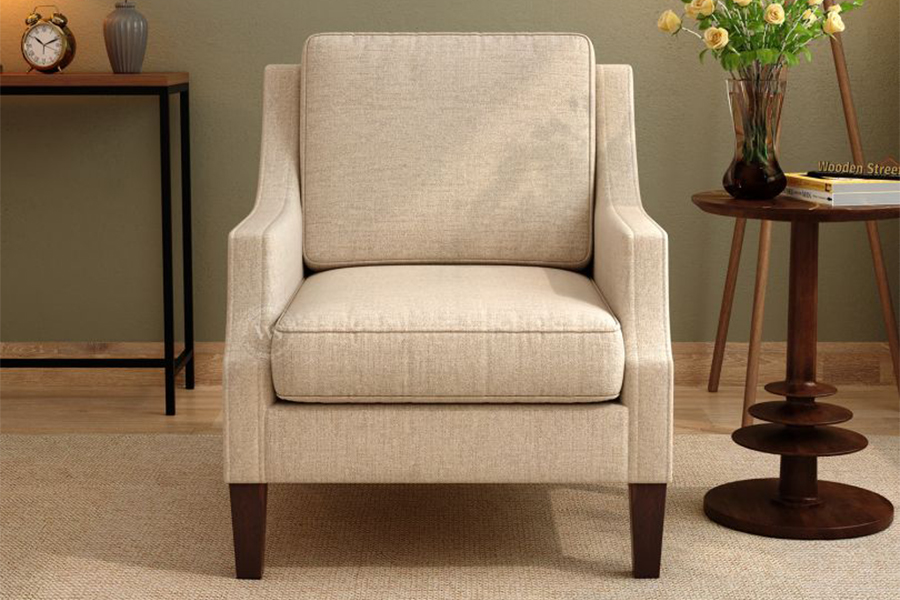
A Club Armchair is deep, wide, as well as heavily cushioned. It usually has rounded arms, plus a low back. It feels cozy and is perfect for living rooms or reading corners.
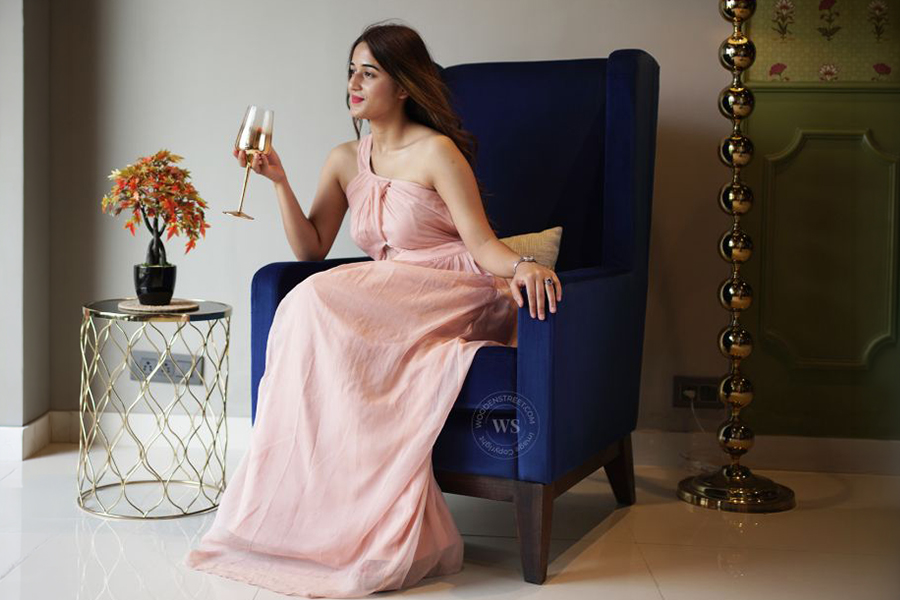
This chair has got “wings” on both sides of the backrest. These side panels extend forward from the back. It gives a classic as well as slightly formal look. It is one of the most recognizable different style of armchairs.
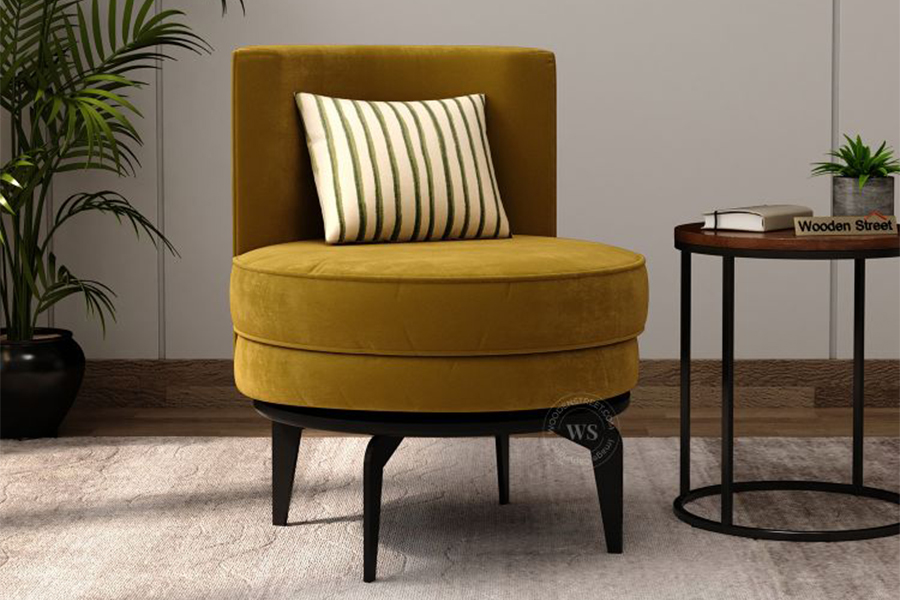
A Barrel Chair has a curved back that forms a round shape, almost like a barrel. The arms and back are connected in one smooth curve. It looks stylish plus works well in modern spaces.
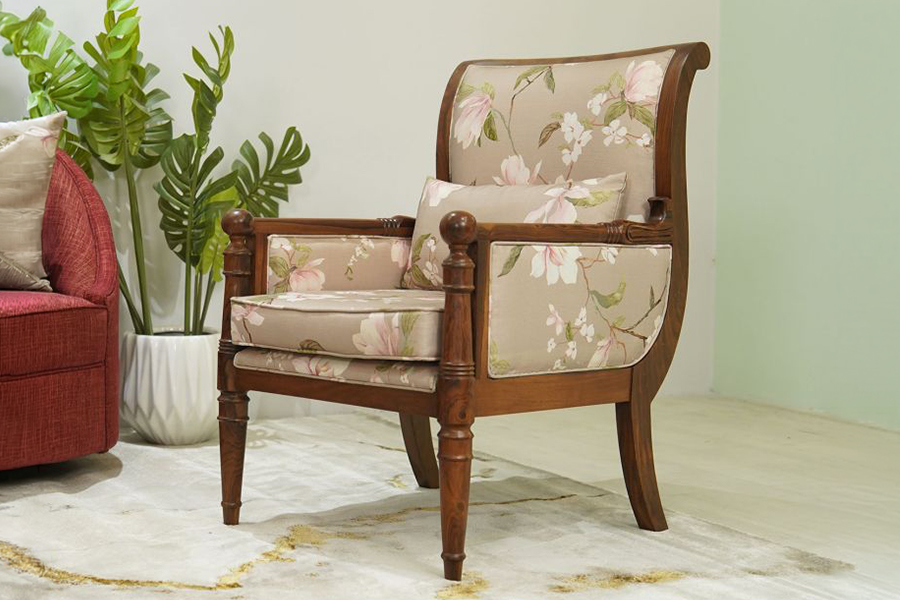
This armchair is well-known for its deep button tufting along with rolled arms. It usually has leather upholstery. The design feels traditional and luxurious at the same time.
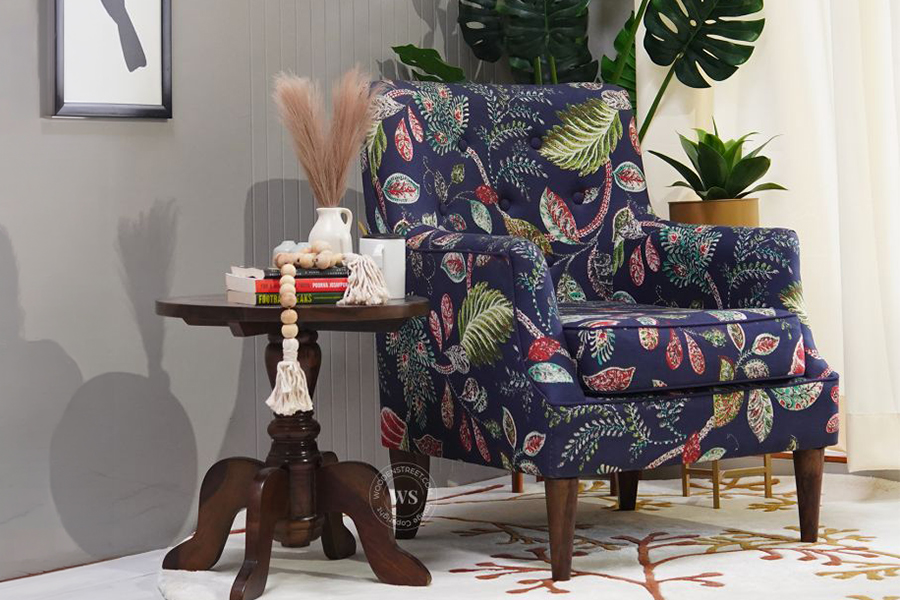
A Recliner Armchair allows you to lean back and stretch your legs. It has a built-in mechanism that adjusts the back and footrest. It is designed to offer you maximum comfort as well as relaxation.
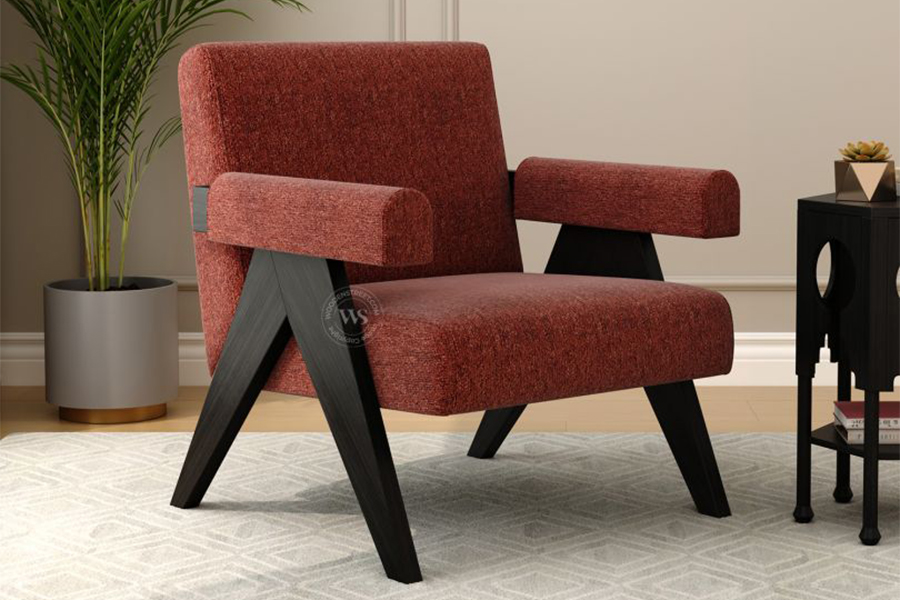
Now that we have explored many different types of chairs, let’s step back and look at the bigger picture.
A chair is not just something we sit on. It is both a functional object and a design element. It supports our body, but it also shapes how a space looks and feels. A simple wooden chair gives a different vibe than a soft, padded armchair. Both serve the same basic purpose, yet they create very different experiences.
When we study types of chairs, we start to see patterns. Some chairs are made mainly for comfort. Some are built for work. Others are designed to make a visual statement. This balance between function and design is what makes furniture interesting.
Classification plays an important role here. When we group chairs by use, structure, style, or material, it becomes easier to understand them. Instead of seeing random designs, we begin to notice clear categories. This helps us recognize chair types names and understand why each design exists.
Think about it this way:
If all chairs looked the same, would they work in every space? Probably not. A dining chair would not be ideal for office work. A drafting chair would look unusual in a bedroom. That is why learning about various types of chairs matters. It builds basic furniture knowledge.
By now, you can see that chairs are more than everyday objects. They are carefully designed pieces created for specific needs and environments. Understanding this makes it easier to appreciate furniture not just as items in a room, but as thoughtful design solutions.
And that is the real value of learning about kinds of chairs, where you begin to see purpose behind every shape and structure.
Chairs may look simple, but they have a wide world behind them. In this guide, we explored different types of chairs, their names, uses, and design styles. From living room seating to bedroom chairs and work chairs, each one is made with a clear purpose in mind.
We also learned that chairs are not just for sitting. They are a mix of function and design. The shape, structure, material, and style all matter. That is why there are so many types of chairs for home, each created for a specific space and need.
Understanding these categories helps you see furniture in a smarter way. Now, when you look at a chair, you can notice its features and understand why it was designed that way. You can even identify chair types names more easily.
So, which chair style did you find the most interesting? Is there a favorite among the many various types of chairs we discussed?
Let us know in the comments section below. We would love to hear your thoughts and experiences!
Related Blogs
Top 5 Stylish Dining Chairs to Elevate Your Space in 2026
Best Office Chair for Sciatica Pain - Find Comfort, Support & Relief
A A chair is a basic single seat with a backrest. An armchair is a larger version with armrests and extra cushioning, designed for added comfort and support.
A Living rooms usually have armchairs, lounge chairs, accent chairs, or club chairs. These chairs focus on comfort and style, serving as both primary and secondary seating.
A An ergonomic chair is best for long hours. It supports the back, neck, and arms properly, helps maintain good posture, and reduces body strain.
A Metal chairs can be comfortable if they include cushions or ergonomic design. Without padding, they may feel hard, but they are strong, durable, and easy to maintain
A Chairs have different shapes to match different uses, body support needs, and design styles. Shape affects comfort, posture, space usage, and overall room appearance
Trending Products
Top Picks from EveryoneArticles you will love to read

Decorating your home is all about making your home look more beautiful. Interior Designing experts from Wooden Street brings you some interior decorating tips you should consider to transform your home into you dream abode.
Continue Reading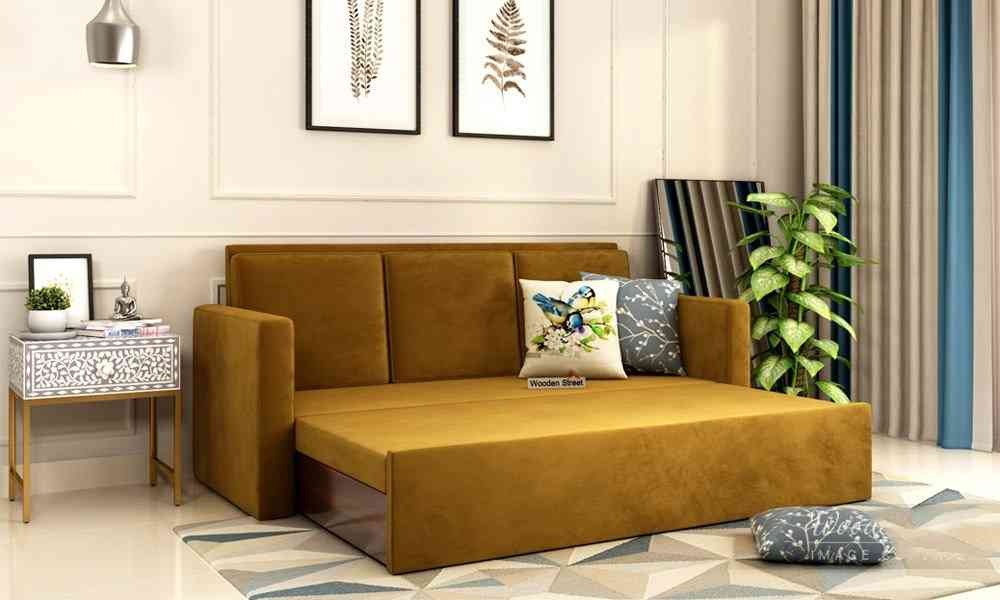
Sofa-cum-beds are the perfect utilitarian furniture units, and at Wooden Street, we have a wide range of sofa-cum-beds in different sizes, finishes and designs. Check the looks of various sofa cum beds, that will help you in choosing the one for you
Continue Reading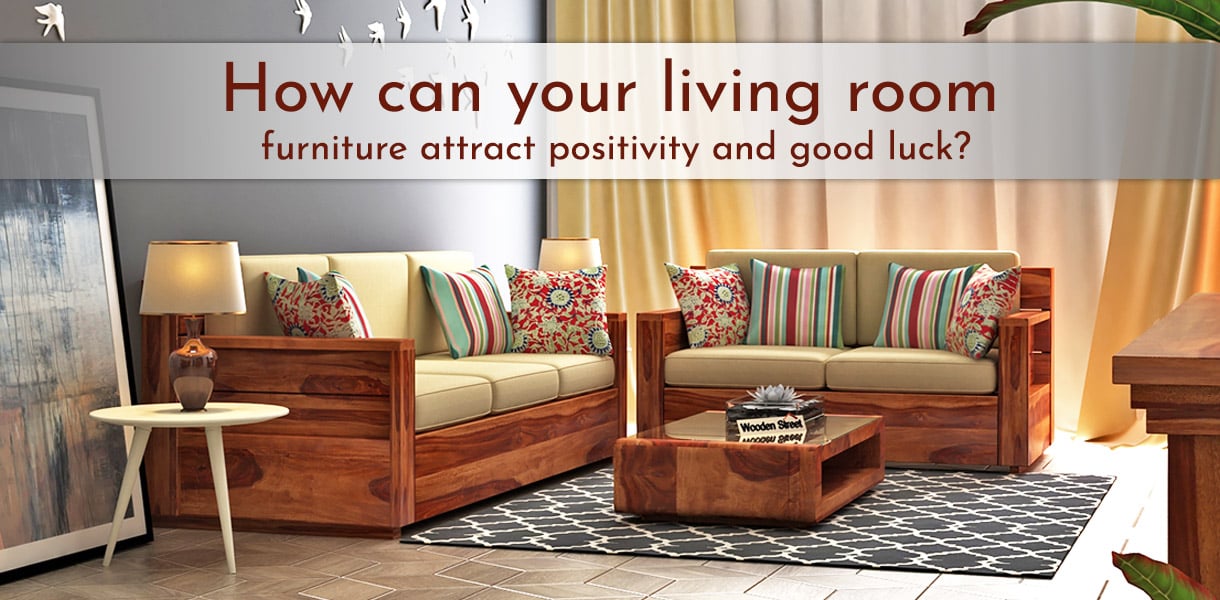
Living room defines the sense of style of your home, and it is vital to arrange your living room furniture in the best way. WS Interior Designers brings Feng-Shui tips and make your living room a pavilion to all the happiness inside your home.
Continue Reading
This year, Team WoodenStreet decided to get out of their comfortable zone to bring comfort to those for whom Diwali passes in a shade of grey. Let’s have a glimpse of our special Deepawali celebration with special people.
Continue Reading


