




Before focusing on materials, adjustments, or design details, it’s important to understand how a chair will be used. This guide highlights three essential questions that can simplify the selection process, helping you evaluate comfort, functionality, and long-term suitability for your specific needs and environment

Most people buy a chair the same way they buy a pair of shoes online they look at how it looks, check the price, and order it, hoping it fits.
The difference is that a chair that does not fit costs more than a return label. A dining chair that is the wrong height for your table means every meal is slightly uncomfortable. A desk chair that cannot adjust to your body means back pain by Thursday. A living room accent chair that is the wrong visual scale makes the whole room feel off.
Three questions eliminate most of these problems before you look at a single spec sheet. Who is sitting in it? Where is it going? For how long? Get these right and the shortlist writes itself.
Walk into any furniture showroom and the floor staff will immediately start talking about materials, colours, and cushion types. All of that matters eventually. But it is the wrong place to start.
Who is sitting in the chair determines the physical dimensions it needs to have. Where it is going determines the height, the visual weight, and how much adjustability the situation demands. How long they will sit determines whether comfort is a preference or a structural requirement.
These three answers alone eliminate roughly 80 percent of wrong choices before a single spec is read. Skipping them and going straight to the product is how people end up owning beautiful chairs they never use.

A chair is not one size fits all, even when it looks like it should be. Seat height, seat depth, and backrest height each need to correspond to the person who will actually use it.
A seat height of 46 cm is standard and suits most people between 5'7" and 5'11". For someone 5'2", the same chair means feet hovering slightly above the floor fine for twenty minutes, progressively uncomfortable beyond that. For someone 6'2", the knees are raised too high and the backrest hits in the wrong place.
Seat depth matters equally. A 52 cm seat depth on a dining chair is generous for a tall adult and too deep for a smaller person who ends up either sitting forward and losing back support, or sitting back with legs that extend forward without floor contact.
If the chair is primarily for one person, size it for that person. If it is for varied household use, find the dimensions that work for the majority of users and compensate with cushions where needed.

Back pain, knee issues, hip stiffness, and limited mobility each point toward specific features that move from "nice to have" to non negotiable.
Chronic lower back pain needs proper lumbar support either built into the backrest or adjustable. A chair without lumbar support that compresses the lower spine for hours is not a minor inconvenience. It is an ongoing injury.
Knee issues change the priority on seat height significantly. Too low and standing up requires effort and strain. Armrests become essential for leverage. Seat firmness matters too a very soft, low seat makes rising from the chair a genuine physical challenge for someone with knee or hip problems.
These are not edge cases. A significant portion of adults over forty deal with at least one of these issues. If that describes the primary user, the physical requirements come before the aesthetic ones. Every time.

The one measurement that makes or breaks a dining chair: seat height relative to table height.
A standard dining table is 75 cm high. The chair seat should sit at 45 to 48 cm. This gap roughly 27 to 30 cm between seat and tabletop gives the average adult enough clearance to sit with natural posture and use the table comfortably.
Measure both before buying either. If you already own the table, measure it before shopping for chairs. If the table is 72 cm or 78 cm rather than the standard 75, the chair height needs to shift accordingly. Buying a chair first and the table second is fine only if you know the chair height and plan the table around it.
A 1 or 2 cm mismatch feels fine at first and becomes noticeably wrong over a long meal.
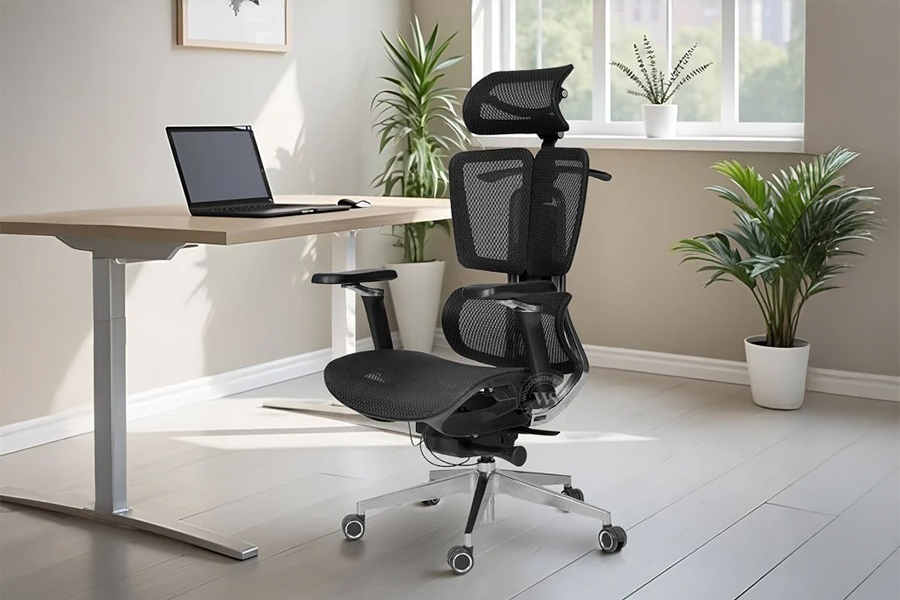
For a desk or home office chair, adjustability matters more than any aesthetic consideration. A chair that looks exactly right but cannot be set to the correct height for your specific desk, monitor, and body is uncomfortable within an hour of actual work.
The configuration that matters: when seated, forearms should rest roughly parallel to the desk surface, and feet should be flat on the floor. Most people set their chair too low or their desk too high and compensate with poor posture. An adjustable seat height and adjustable armrests correct both.
For anyone sitting four or more hours a day which describes most people working from home lumbar support, seat depth adjustment, and recline tension are not premium upgrades. They are the baseline specification. A chair that lacks these features for extended daily use is not a chair; it is an expensive way to develop back pain.

In a living room, the chair's relationship to the sofa is the primary consideration. A chair that is too visually heavy tall back, oversized scale, bold upholstery competes with the sofa and fragments the seating group. A chair that is too small looks like it wandered in from another room.
The practical guide: the chair's seat height should be within 3 to 5 cm of the sofa seat height. Visual alignment at the seat level creates cohesion. A low, deeply cushioned sofa paired with a formal, upright accent chair at a significantly different seat height looks unresolved regardless of how good either piece is individually.
This is the question that determines how demanding the requirements are.
Under two hours a dining chair, a reading chair used occasionally, an accent piece comfort and aesthetics guide the decision in roughly equal measure. The chair does not need to be ergonomically sophisticated. It needs to be pleasant and proportionate.
Over four hours a desk chair, a primary seating position for someone who works from home, a chair used for daily extended reading ergonomic adjustability is non negotiable regardless of price. The human body was not designed to be static for four hours. A chair that compensates for this with lumbar support, adjustable height, and some degree of recline is not a luxury. It is the minimum requirement for that use case.
The mistake is applying living room logic to a workspace chair, or applying office chair logic to a dining chair. Match the specification to the actual use.
Reading specs is useful. Sitting in the chair is essential. Three tests take less than five minutes and reveal more than any product description.
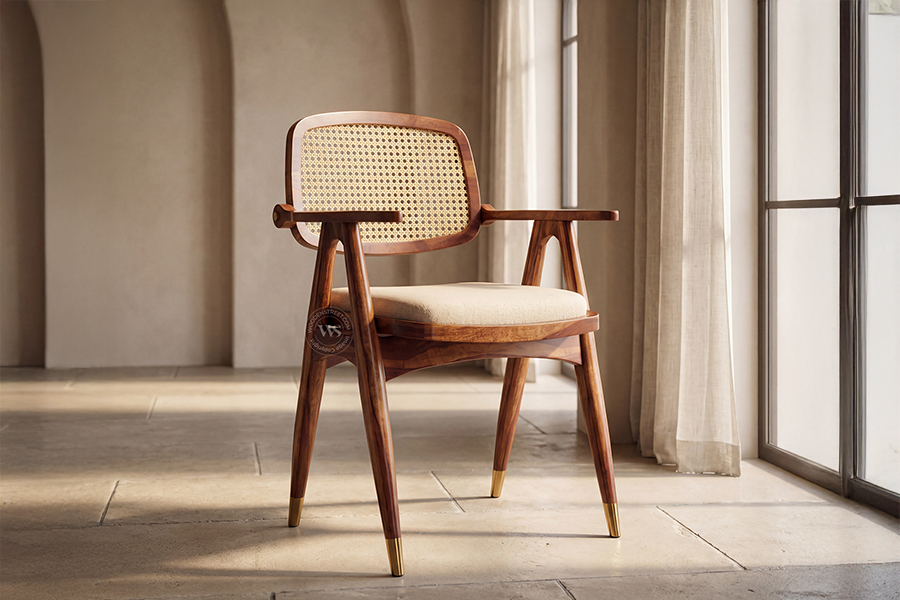
Sit in the chair for at least ten minutes. Not a brief perch actually sit in it, in the position you would use it. Discomfort that appears in ten minutes becomes pain in four hours. A pressure point on the seat edge, a backrest that hits the wrong vertebra, armrests at the wrong height all of these announce themselves within ten minutes if you actually sit long enough to notice.
Most people sit for forty five seconds in a showroom and decide. That is not enough time to know anything.
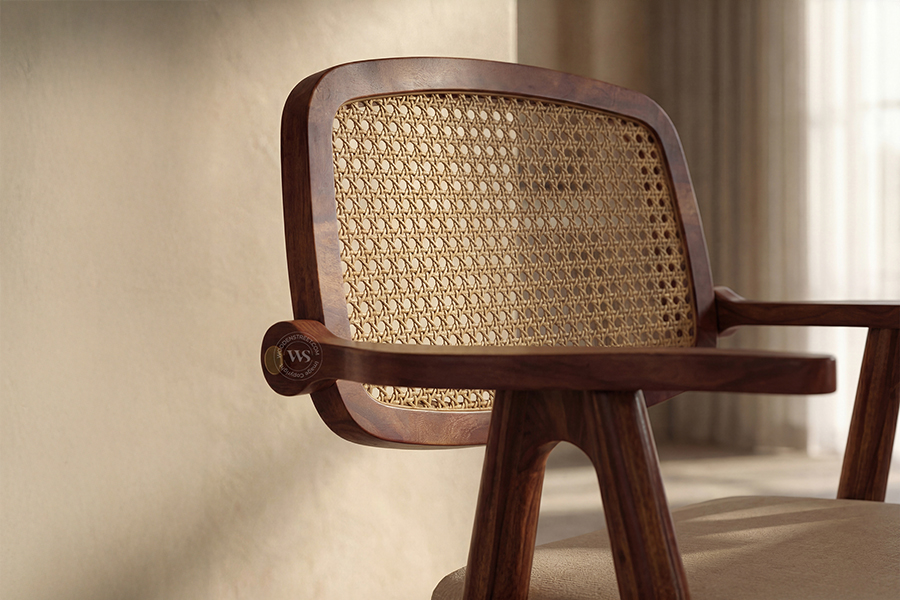
Place both hands on the backrest and push gently. Any flex, creak, or movement in a brand new chair is a sign of weak joinery. Chair joints take enormous cumulative stress over years of use a joint that is already slightly loose when new will become noticeably loose within a year. A well made chair on a solid frame should feel completely rigid.
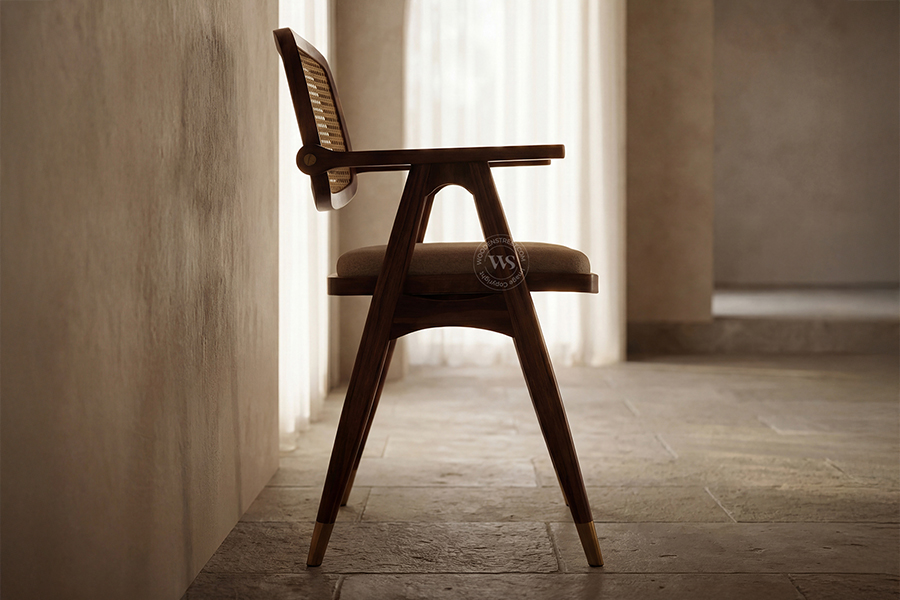
Check that all four legs contact the floor simultaneously. Place the chair on the flattest surface available in the showroom and apply gentle pressure to each corner. A chair that rocks on a level floor has either a warped frame or uneven legs and it will always rock, on every floor, in every room. This is not fixable at home.
Size the chair for the person who will actually sit in it. Match the seat height to the surface it sits at. Decide how long they will sit and let that answer determine how much the ergonomics matter. Then sit in it for ten minutes, push the back, check all four legs. That is the full process. Everything else is preference.
We will be back with the next blog soon. Till then, stay tuned!
Read More :
Do you know all the types of chairs for every space and purpose?
Image Source: Pinterest, Google, and Wooden Street
A 45–48 cm for a standard 75 cm dining table. Always measure your table first and match the chair height to it
A Look for adjustable lumbar support, correct seat height so feet rest flat, and firm - not soft - seat cushioning that does not compress under weight
A Adjustable seat height and lumbar support. Without both, the chair cannot be configured correctly for your body and desk, causing discomfort within hours
A Measure the table height first. The chair seat should sit 27–30 cm below the tabletop - typically 45–48 cm for a standard 75 cm table
Trending Products
Top Picks from EveryoneArticles you will love to read

Choosing the right wooden center table for living room enhances both style and function. This guide covers ideal sizes, shapes, materials, storage options, and placement tips to help you find a table that perfectly complements your décor, sofa arrangement, and everyday living needs
Continue Reading
Planning to upgrade your living space? This guide reveals expert tips to choose the perfect 3 seat recliner couch, covering comfort, materials, mechanisms, and interior styling. Learn how to balance functionality with aesthetics to create a cozy, modern, and space-efficient home setup in 2026.
Continue Reading
Find the best fabric for couches based on your lifestyle, budget, and home setup. Easy tips, real examples, and no confusion
Continue Reading
Choosing the right bed is essential for comfort, sleep quality, and bedroom aesthetics. This comprehensive bed buying guide covers the advantages of different bed styles, popular bed types, materials, storage options, and important factors to consider before making a purchase. Whether you're furnishing a new home or upgrading your bedroom, this guide helps you find the perfect bed to match your space, lifestyle, and budget.
Continue Reading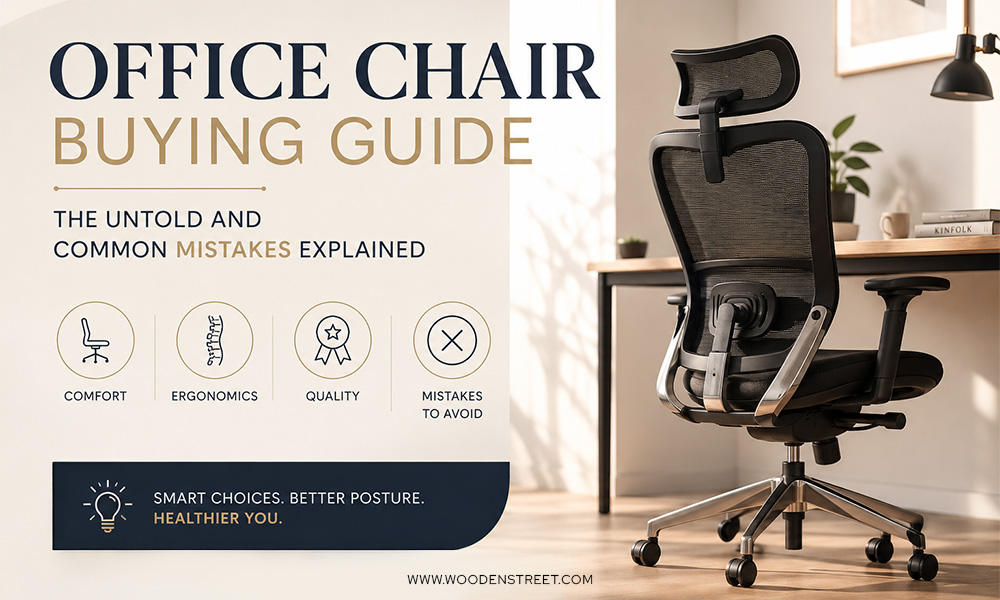
Buying the wrong office chair can lead to discomfort, poor posture, and wasted money. This guide explains the most common office chair buying mistakes, essential ergonomic features, material choices, sizing tips, and practical factors people often overlook before selecting a chair for work, study, or long daily sitting hours
Continue Reading


