




Many seating terms are used interchangeably, but each has distinct origins and characteristics. If you've ever wondered what is a settee and how it differs from a sofa, couch, divan, or loveseat, this guide breaks down the definitions, features, and typical uses of each furniture type.
You searched "sofa vs settee", and now you are looking at twelve tabs, four of which use the words interchangeably and three of which contradict each other. The furniture industry has a terminology problem - the same piece of furniture gets called five different things depending on which country the catalogue was printed in, which decade the brand was founded, and occasionally, no reason at all. This guide cuts through it. Every term, what it actually means, and whether any of it matters when you are standing in a showroom trying to buy a sofa.
A sofa and a settee are the same thing - the word you use depends on where you grew up. "Settee" is the older British term; "sofa" is the more widely used modern version. Couch, divan, and loveseat are related but technically distinct - each one has a specific meaning that is worth knowing before you buy.
Sofa -
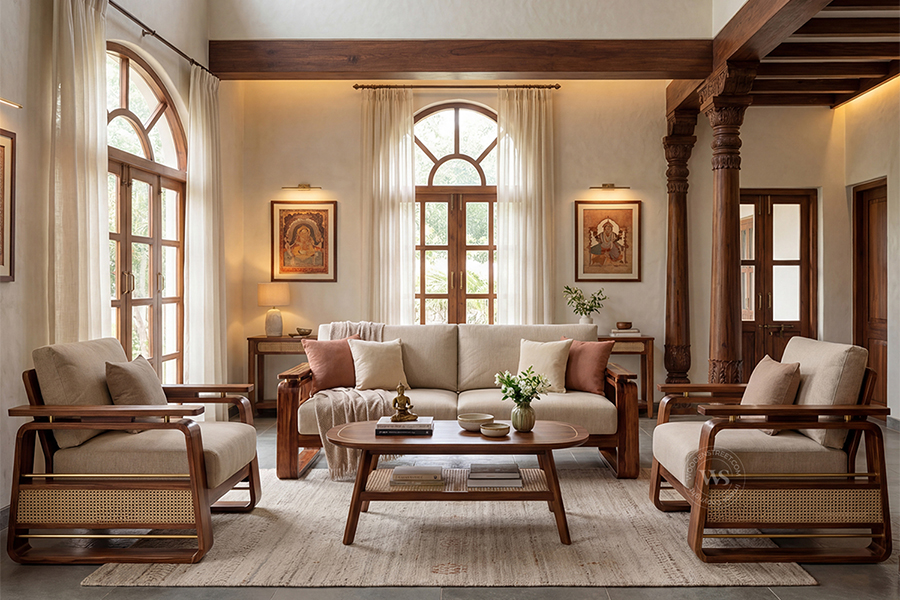
The standard term for upholstered seating with a back and arms, designed for two or more people. Comes from the Arabic "suffah" - a raised bench covered with cushions. The most common word used in Indian retail today.
Settee -
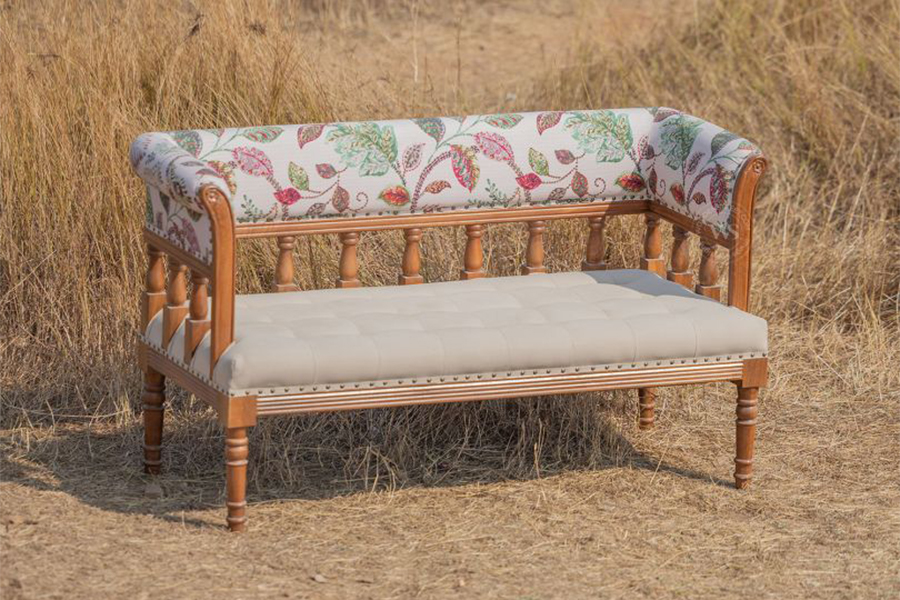
Historically, a settee was a lighter wooden-framed seat with a high back, distinct from the heavily upholstered sofa. In modern use, settee and sofa are interchangeable - "settee" simply reflects British English. The word comes from "settle," a long wooden bench with a back used in English homes from the 17th century.
Couch -
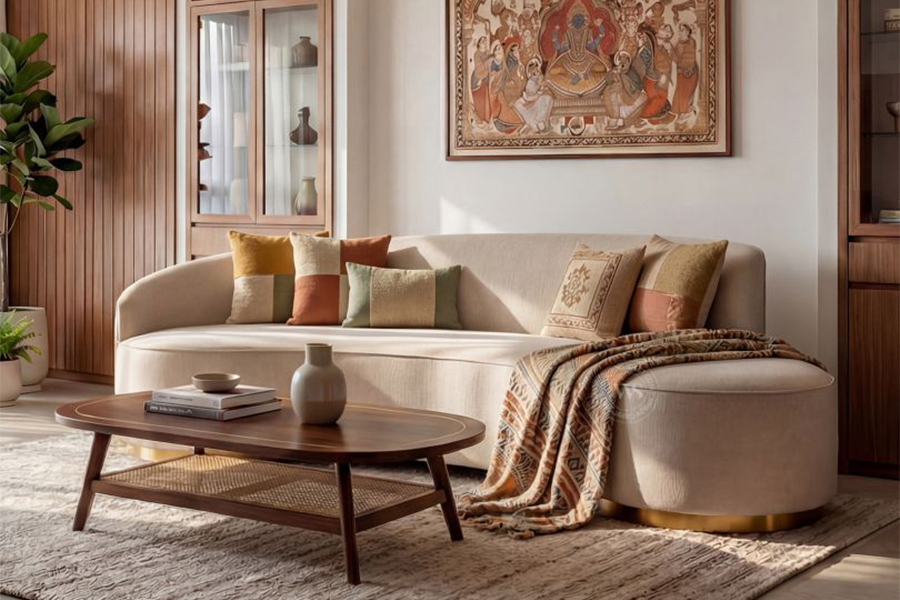
Originally referred to a piece of furniture for lying down on, not sitting upright. The word comes from the French "couche" - to lie down. Today, couch and sofa are used interchangeably in conversation, but technically a couch has no arms or a lower back than a sofa.
Divan -
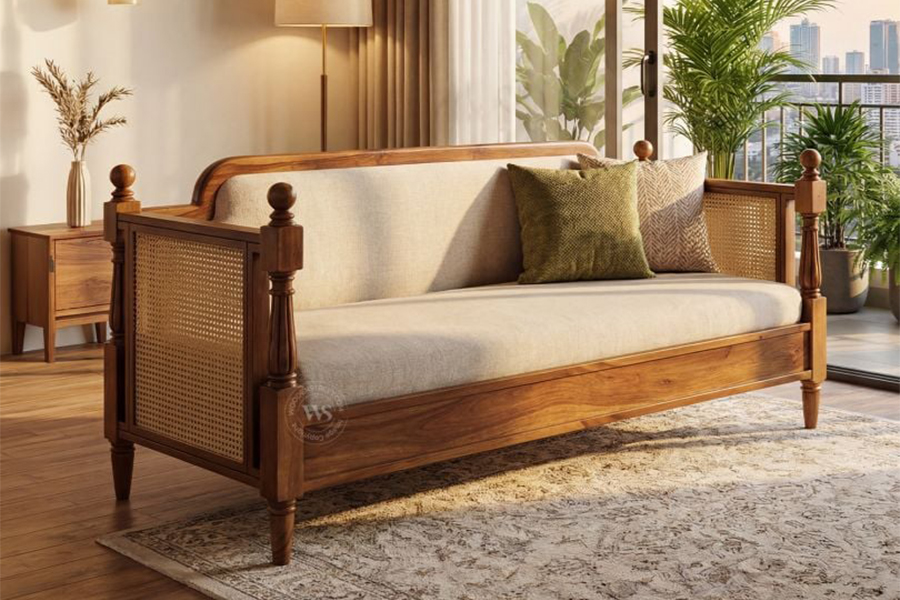
A low, armless upholstered platform, usually without a back. In South Asian and Middle Eastern tradition, divans were used as day beds or floor-level seating. In Indian retail, the word is often used loosely for any low sofa or storage bed base.
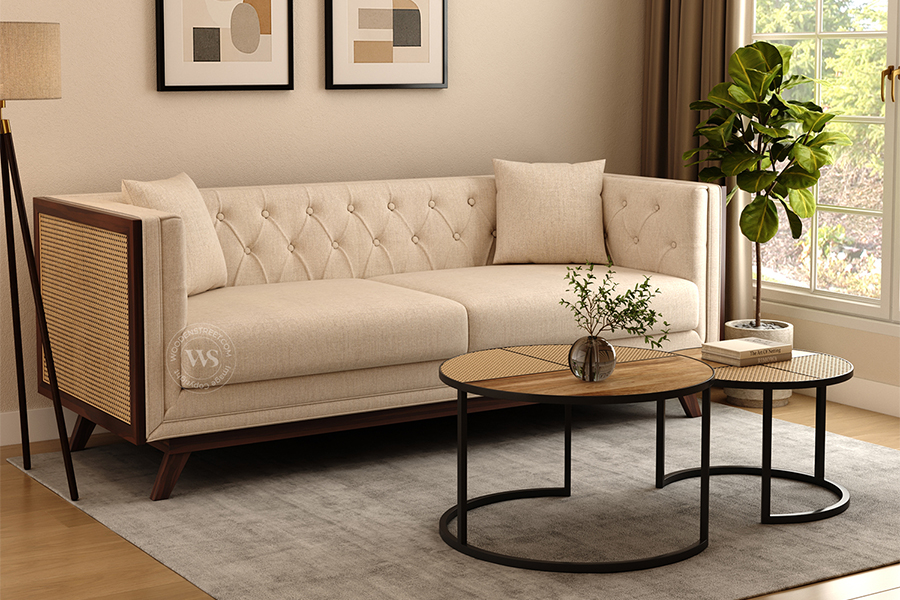
A specific sofa design: rolled arms at the same height as the back, deep button tufting, and traditionally covered in leather. Named after the Earl of Chesterfield in 18th-century England. When you see this word in a furniture catalogue, it refers to design style - not a different category of seat.
Loveseat -
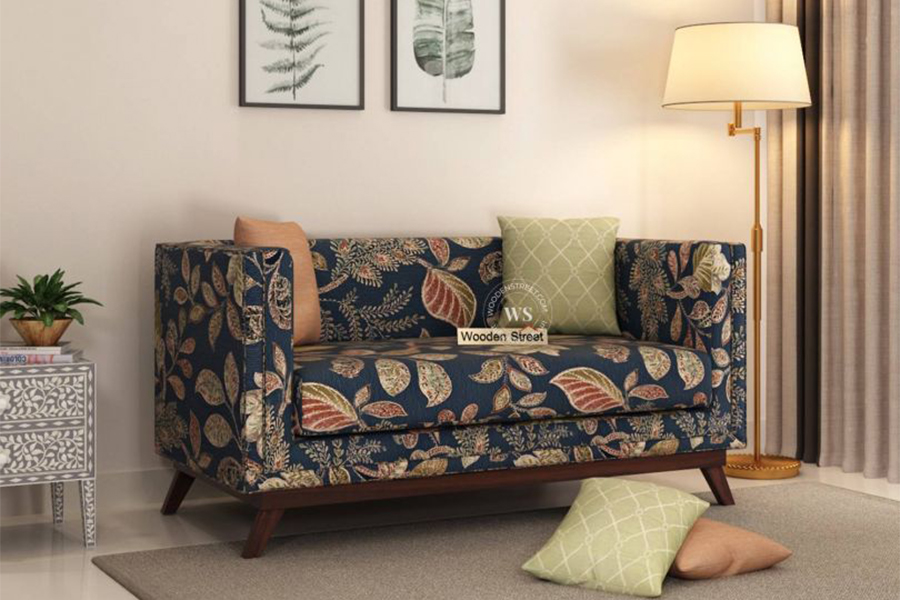
A two-seater sofa designed for two people to sit close together. The name comes from the S-shaped "tête-à-tête" chair popular in Victorian England. In modern retail, loveseat and 2-seater sofa are used as the same thing.
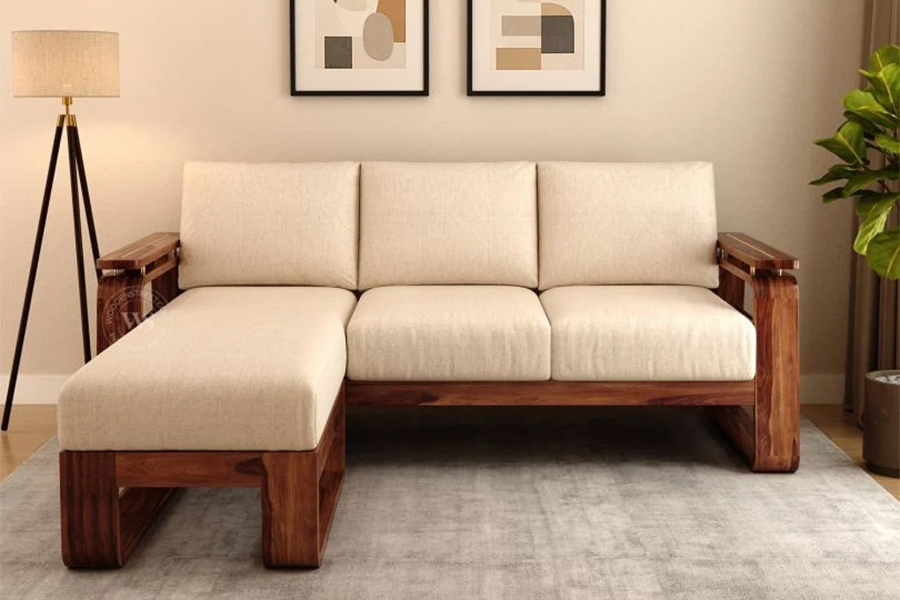
A sofa built from multiple connected pieces that can be configured in different shapes - L-shaped, U-shaped, or open-ended. In Indian retail, the L-shaped sofa is the most common version of what an international catalogue calls a sectional.
Daybed -
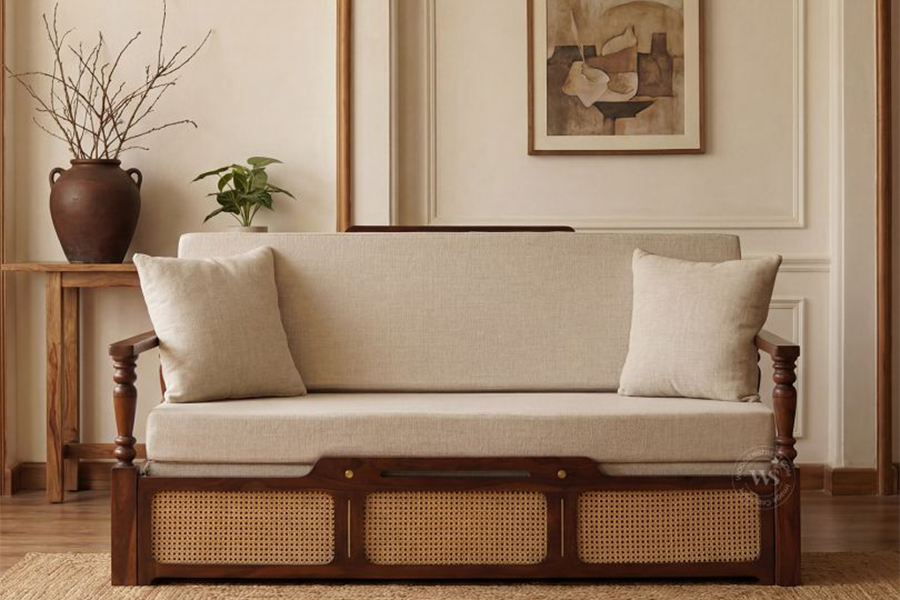
A narrow, mattress-like piece of furniture that functions as both a single bed and a seating surface. Has a back on one long side only - or no back at all - which is what separates it from a sofa.
In Indian retail, almost none of these distinctions affect what you will find in a showroom or on a product page. A "3-seater sofa" and a "3-seater couch" are the same listing with different words. "Settee" is rarely used by Indian retailers at all - it is a term you are more likely to encounter in a British brand catalogue or an imported furniture website.
What does matter are the specific design words. "Chesterfield" tells you what the sofa looks like. "Sectional" or "L-shaped" tells you how it is configured. "Daybed" tells you it doubles as sleeping furniture. These terms carry real product information - they tell you what you are actually getting. The rest are largely regional vocabulary that varies by country and generation.
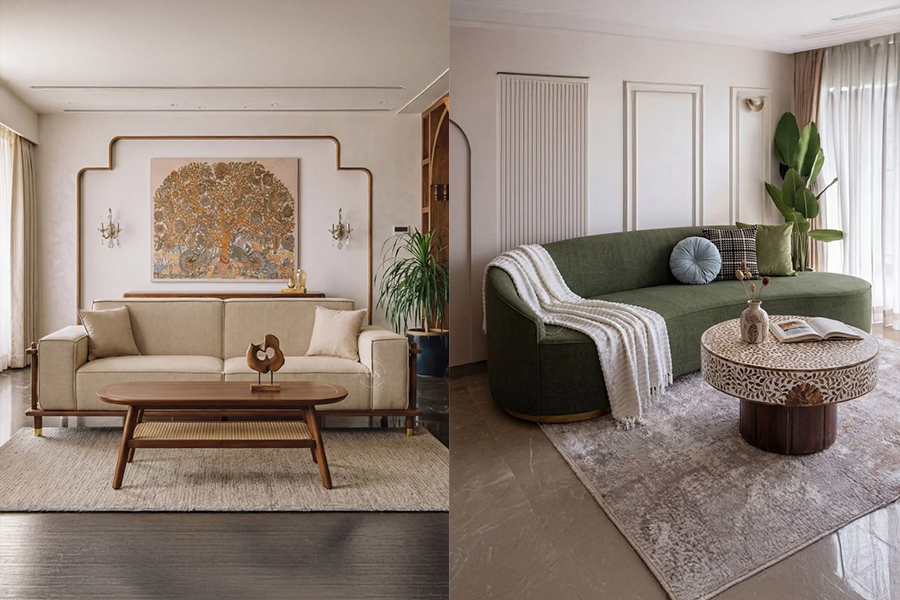
No practical difference in modern usage. Use either. In conversation and in retail, they mean the same thing.
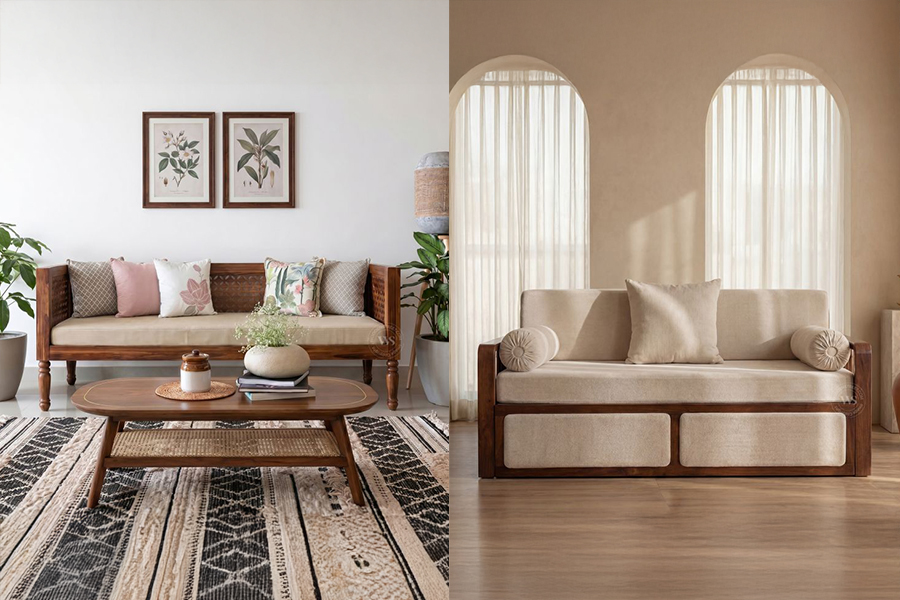
These get swapped constantly. A daybed is a narrow, mattress-topped piece used for lying down, with a back on one side. A divan in Indian use usually refers to a low cushioned platform - often a storage bed base sold as a seating piece. They look similar but serve different purposes.
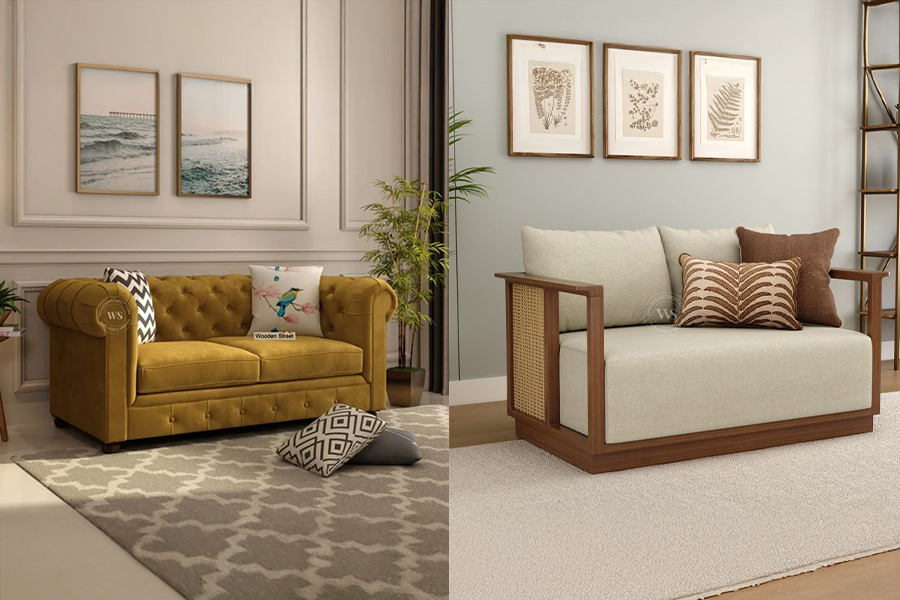
Identical in modern retail. A loveseat is simply the decorative name for a two-person sofa. Some catalogues use loveseat to imply a slightly smaller, more compact build - but there is no standardised size difference.
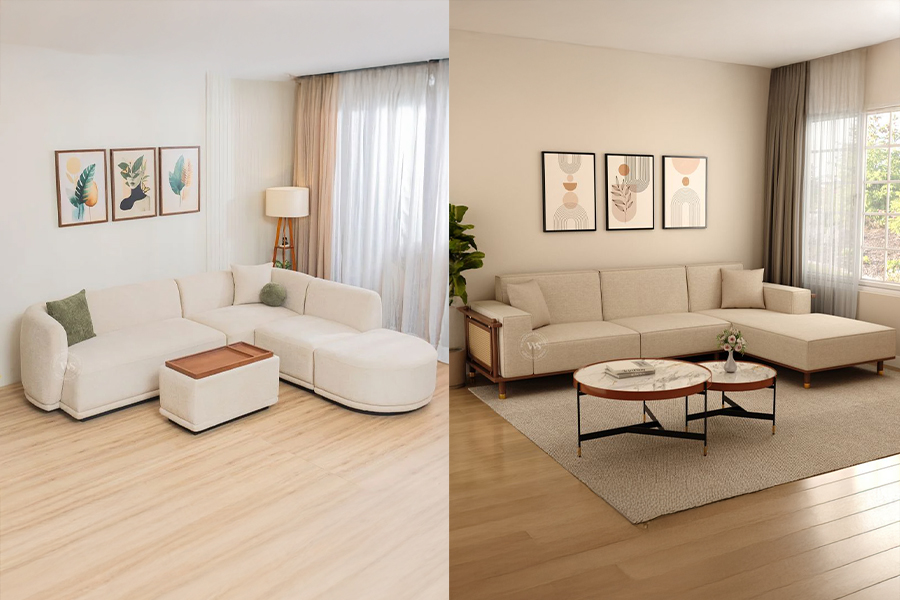
Also, the same thing. Sectional is the international term; L-shaped sofa is the term Indian retailers use. Both refer to modular seating that connects at a corner. If a retailer uses one term and a brand uses the other, they are describing the same configuration.
The furniture industry runs on terminology that was never standardised - words borrowed from Arabic, French, and 17th-century English, used inconsistently across brands and countries for decades. None of it matters as much as knowing what you are actually looking at. A sofa by any other name is still something you will sit on every day for the next ten years. Get the size right, get the material right, and whether you call it a sofa, a settee, or a couch is entirely up to you.
We will be back with the next blog soon. Till then, stay tuned!
Image Source: Pinterest, Google, and Wooden Street
A A settee is an older British word for a sofa. In modern use, the two terms mean the same thing - the difference is only regional vocabulary.
A Yes, in everyday use. Technically a couch has no arms, but in modern retail and conversation, sofa and couch are completely interchangeable.
A A divan is a low, armless, backless upholstered platform. In India, the term is often used loosely for a low seating or a storage bed base.
A A loveseat is a two-seater sofa. The name is decorative - in Indian retail, a loveseat and a 2-seater sofa are the same product.
Trending Products
Top Picks from EveryoneArticles you will love to read

Keep your sofa clean as a whistle with 7 ways that could return your sofa to the splendour it has when bought new. Read and try what works for your sofa.
Continue Reading
Bring warmth and energy into your interiors with yellow furniture inspired by the latest summer furniture trends. This guide explores easy styling ideas, trending colors for spring and summer, and timeless décor updates that help your home feel bright, cheerful, and fresh long after the summer trend season ends.
Continue Reading
Explore every type of sofa with this complete guide. From L-shaped sectionals to sofa cum beds and recliners, find out which sofa type actually works for your room size, lifestyle, and daily use
Continue Reading
Choosing among the various types of wood finishes can significantly affect the look, feel, and lifespan of wooden furniture and surfaces. This guide explains how different finishes enhance grain, provide protection, and perform over time, helping you select the most suitable option for your aesthetic and practical requirements.
Continue Reading
The question of leather or fabric sofa which is better cannot be answered by materials alone. Your household, daily habits, maintenance preferences, and climate all play a role. This guide focuses on three key lifestyle factors that help determine the sofa option most likely to suit your home and long-term needs
Continue Reading


