

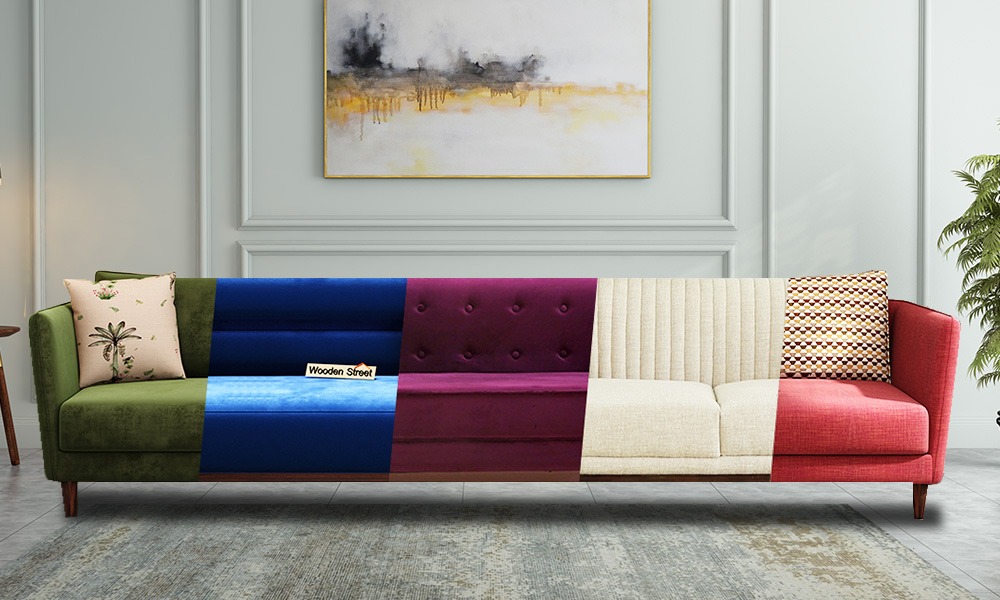




A well-designed living room needs more than just a sofa. This guide explores different types of living room chairs, from accent and lounge chairs to recliners and armchairs. Learn how various kinds of living room chairs and types of sitting room chairs add comfort, style, flexibility, and functionality to your space.
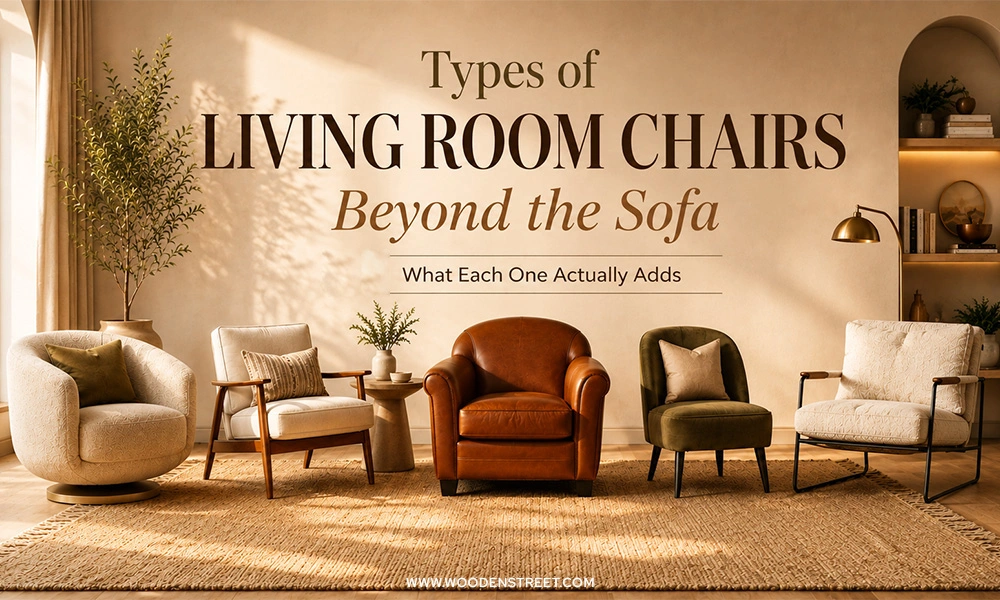
Most living rooms in India follow the same formula. A three-seater sofa. Maybe a two-seater. A centre table. Done.
And then the room sits there - functional, but flat. Nothing to look at. No corner that draws you in. No spot that feels like it was designed for a specific kind of moment.
That's what a well-chosen chair does. Not just adds seating - adds intention. A single right chair can change how a room feels, how people move through it, and how long they want to stay in it.
But there are many different types of living room chairs, and each one does something different. Some are about comfort. Some are about how the room looks. Some solve the specific problem of a small space. Knowing which is which before you buy saves you from ending up with something that looks great on a website and sits wrong in your actual room.
Here's what each type actually offers.
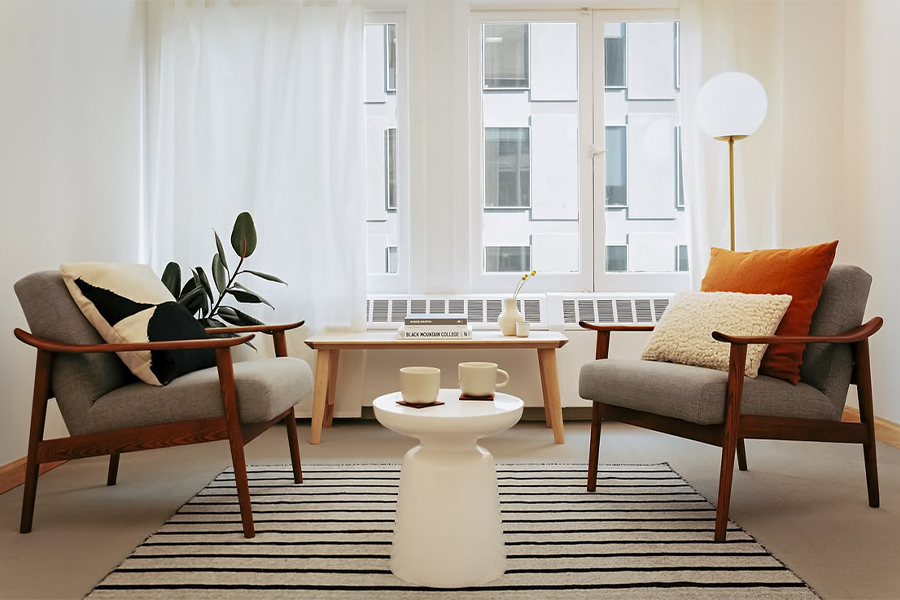
The sofa anchors a living room. Everyone knows this. But it can only do one thing - anchor. It sits against a wall or in the middle of a room and defines where the main seating area is. After that, it's done.
A well-chosen accent chair does something a sofa never can. It creates a second focal point. It gives a corner a reason to exist. It breaks the monotony of a room where every piece of upholstery is the same colour, the same texture, the same voice.
More than any of that - a chair signals something. A sofa says "we have seating." A thoughtfully placed chair in a room says someone actually made decisions here. The room was designed, not just furnished.
That's not a small difference. It's the thing separating a living room that feels finished from one that just has furniture in it.
These are chosen first and foremost for how they feel - and how long you can sit in them before wanting to get up.
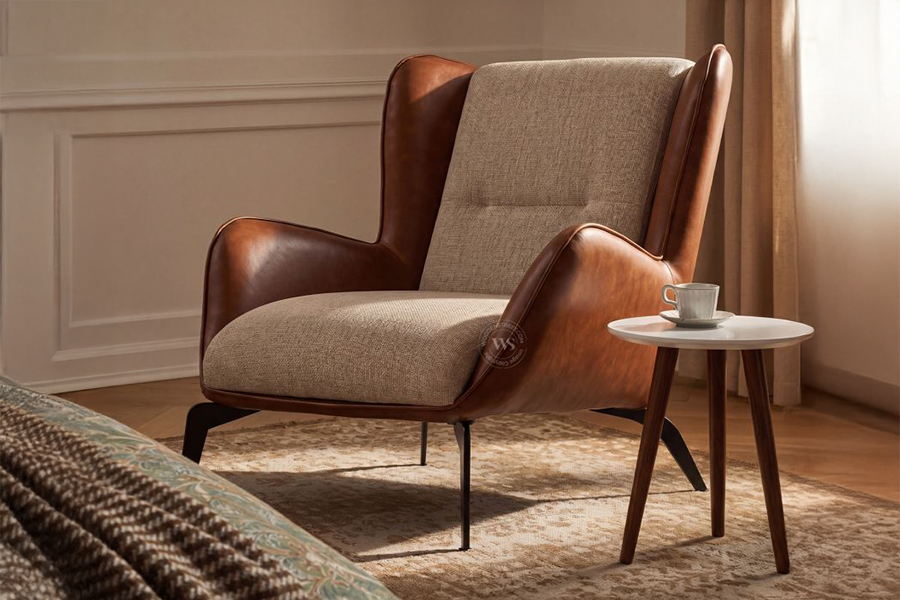
The lounge chair is the most committed comfort chair you can put in a living room. Deep seat. Back angled slightly further than a standard upright chair. Wide armrests at a height where your arms actually rest rather than hover.
Everything about the design is oriented toward one purpose: extended relaxed sitting. Reading for an hour. Watching something on a laptop. Simply sitting and doing nothing in particular for a while. The lounge chair does not rush you out of it.
In Indian homes, this is the chair that becomes someone's chair. The one person in the house who claims it, reads in it every evening, and quietly defends it as their own. If you know that person - buy this chair.
It works best placed slightly away from the main sofa grouping, near a lamp and a side table within arm's reach. Give it its own zone rather than crowding it into the seating arrangement, and it'll get used every single day.
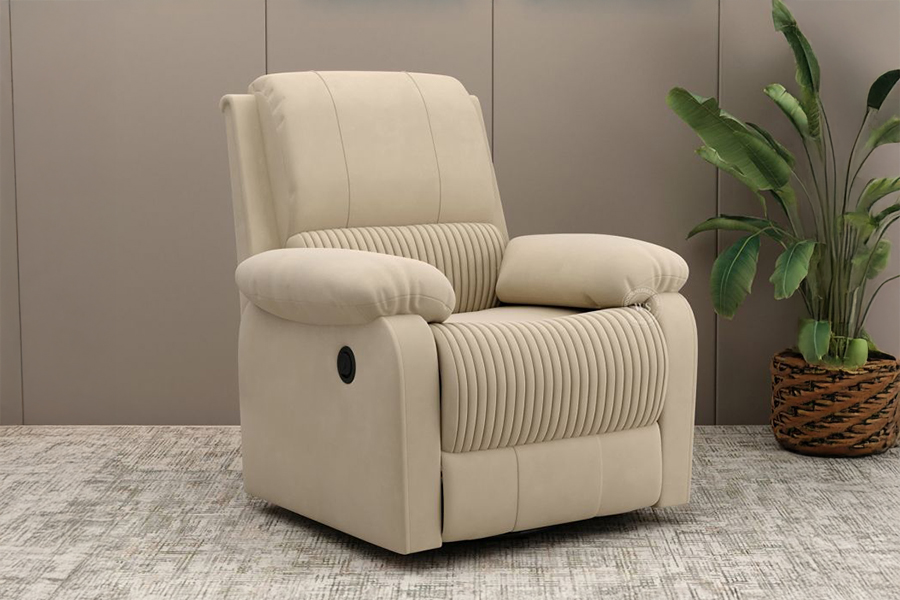
A recliner gives you active control over your comfort. The back adjusts. The footrest extends. You can go from upright to nearly horizontal and stop at any point in between depending on what you actually want from the chair at that moment.
That distinction from a lounge chair matters. A lounge chair gives you one fixed position - comfortable, but fixed. A recliner gives you a range. Upright for conversations, partially reclined for TV, fully back for an afternoon rest. All from the same chair.
The practical thing most people miss when buying one: clearance. A recliner needs room behind it and in front of it to function. A chair that reclines into a wall is stuck in its upright position forever. Before buying, measure how much space you have, check the manufacturer's recline clearance spec, and make sure the math works in your room.
Among the kinds of living room chairs that people specifically shop for - recliners are almost always bought with a purpose already in mind. If that purpose is yours, they deliver on it consistently.
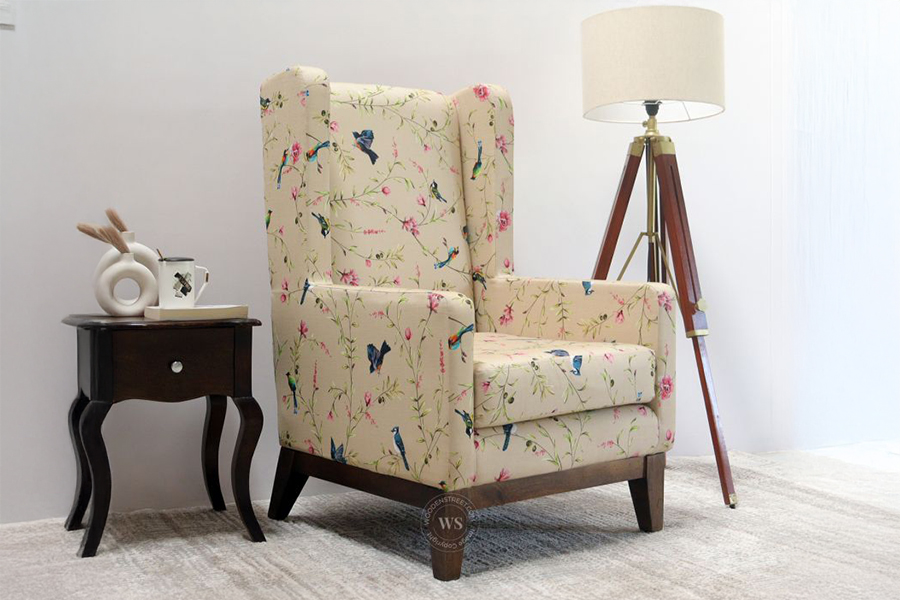
The wingback has a history that goes back a few hundred years. It was designed to do something very specific - the tall back and the panels that wrap forward from either side were meant to block cold draughts when chairs were placed beside fireplaces in cold European homes.
None of that history applies to India. And yet the wingback chair is one of the most enduring and recognisable living room chair silhouettes in the world because the shape works.
That high back creates a sense of enclosure. Sitting in a wingback feels slightly more private than sitting in a standard armchair, even in the middle of an open room. The silhouette is distinctive and strong - it commands space in the way most chairs don't.
In a modern Indian living room, a wingback in a textured fabric or a rich jewel tone sits beautifully beside a neutral sofa. It doesn't need to match anything - it just needs to be placed with intention. Near a window, beside a bookshelf, or anchoring a corner are all spots where it works.
These are chosen as much for what they add to the room visually as for the seating they provide.
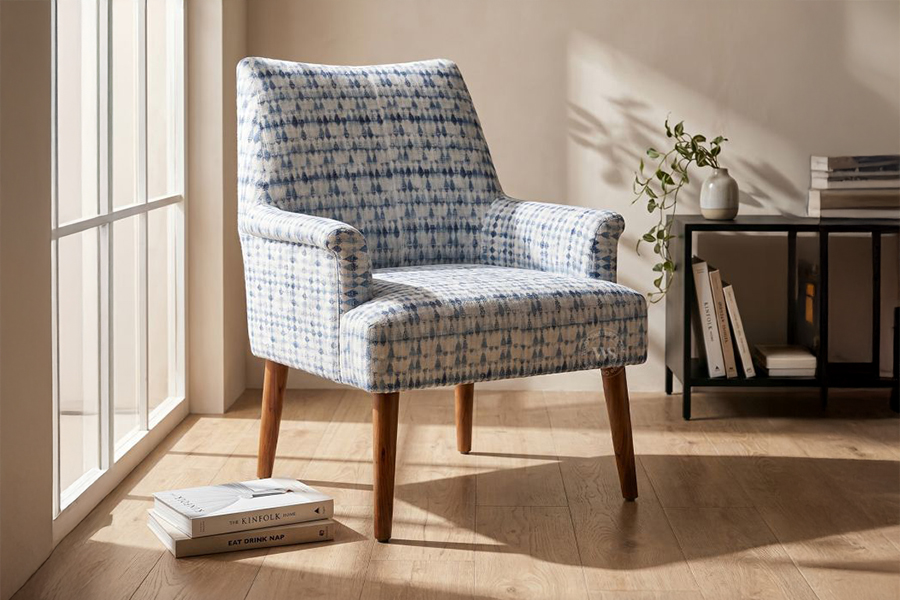
An accent chair is defined less by its shape and more by its intent. It’s a chair that is quite different from the sofa. It has a different colour, material, styles, sometimes different era, which is placed so as to create contrast rather than uniformity.
A grey sofa with a mustard accent chair. A modern sofa with a cane-backed accent chair. A neutral sectional with a velvet occasional chair in deep green. The accent chair is the room's curveball.
Done well, it’s the piece that makes people notice the room was actually put together rather than simply just filled. Done poorly when the contrast is too random. When the chair looks like it was chosen without any correlation to the rest of the room, it just looks out of place.
The rule for making an accent chair work is that it should contrast the sofa in one way but echo something else in the room. Contrast the sofa’s colour, but pick up a colour from the rug. Contrast the sofa’s material, but match its general style. One shared thread is enough to make the contrast feel intentional.
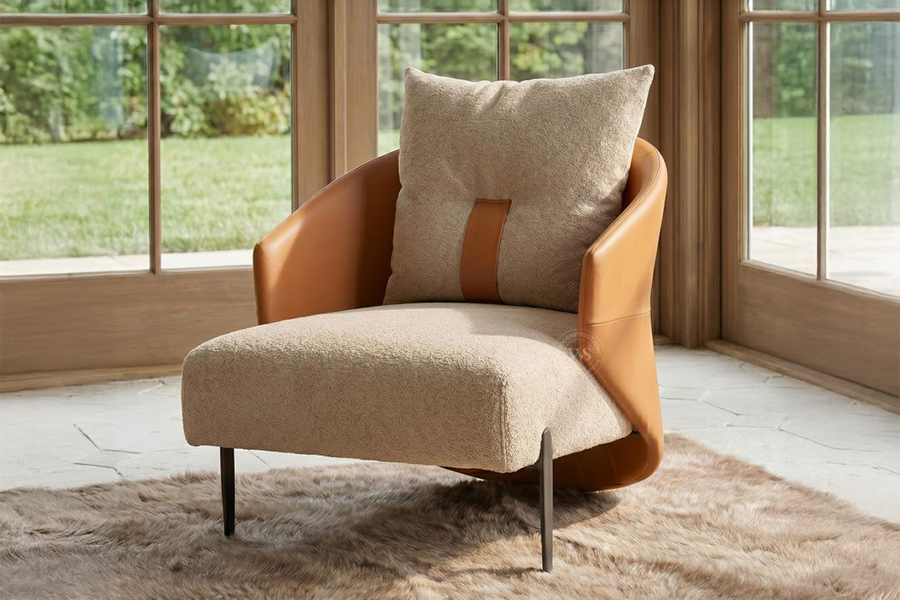
The barrel chair gets its name from its shape - a rounded, continuous back that curves around to form the arms, enclosing the seat in a roughly barrel-shaped silhouette. There are no sharp angles. No high back. Just a clean, sculpted curve.
It's the most architectural of the types of sitting room chairs. It doesn't disappear into a room the way a standard side chair does - it occupies space with a presence that other chairs don't have.
This makes it best used as a solo statement piece. One barrel chair in a corner, ideally with some breathing room around it rather than pushed against other furniture, reads as a deliberate design choice. Two of them together can work if the room is large enough. Three starts to feel repetitive and loses the impact.
Fabric choices matter a lot with barrel chairs - the shape is prominent enough that a bold print or rich texture becomes part of the room's visual story.
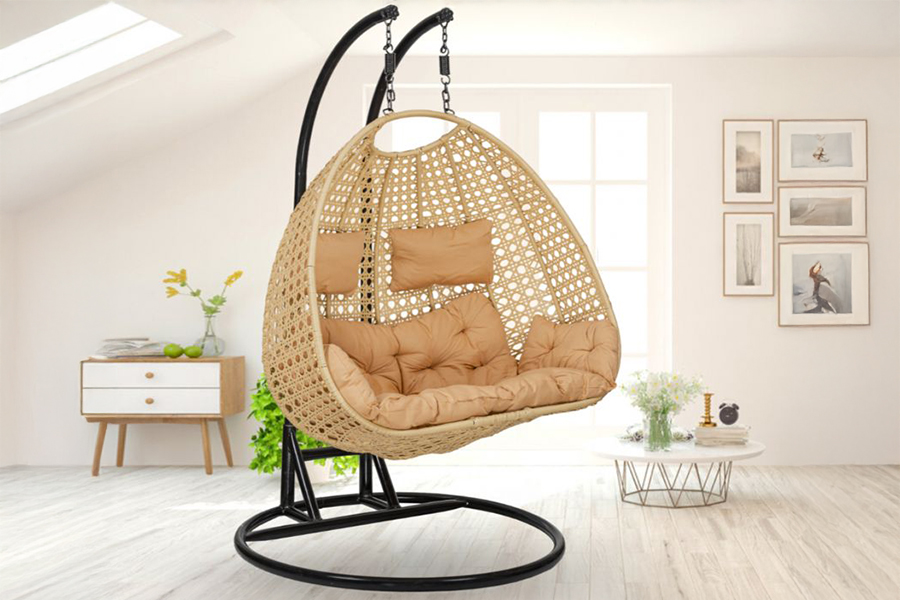
The egg chair takes enclosure one step further than the barrel chair. The back wraps completely around - above the head, down both sides - creating what's essentially a pod. An enclosed environment within an open room.
This is the chair for when someone genuinely wants to be in their own world even when other people are around. The enclosure muffles sound slightly, reduces visual distraction from the sides, and creates a psychological sense of privacy that no open-back chair can replicate.
It's also unmistakably an object. You cannot put an egg chair in a room and have it go unnoticed. It changes the room's identity - makes the space feel more intentional, more designed, occasionally more dramatic depending on how it's used.
Original Arne Jacobsen egg chairs are collector pieces at serious prices. Good-quality replicas exist at a range of price points and are what most Indian buyers are actually purchasing. The quality gap between a decent replica and a poor one is real - the difference shows up in how the chair holds its shape after a year of use.
These types of living room chairs are specifically suited for compact rooms where floor space is limited and every piece needs to earn its place.
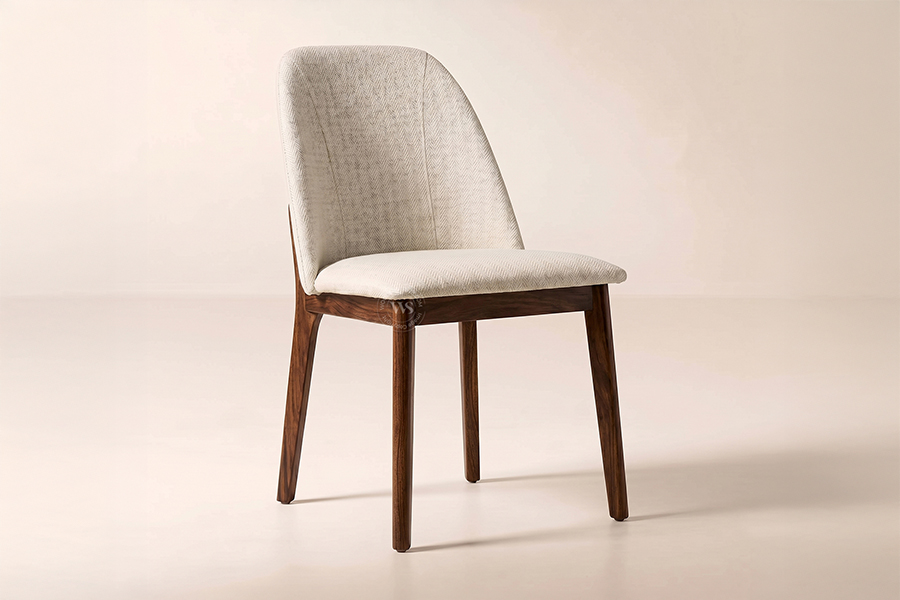
The armless chair - sometimes called a slipper chair - does something simple and effective: it removes the armrests.
That sounds like a subtraction. In a small living room, it's the opposite. Armrests are the widest part of any chair. Without them, a chair takes 25 to 30 percent less floor space for the same amount of seating. In a compact room where every square foot matters, that's the difference between a room that feels workable and one that feels crowded.
The visual effect matters too. An armless chair reads as lighter and less imposing than an armchair. It sits in a room without demanding attention. Two of them across from a sofa create a proper seating arrangement without making the room feel like it's been overfilled.
For smaller 1BHK and 2BHK living rooms in Indian cities - this is often the most practical addition to a sofa setup.
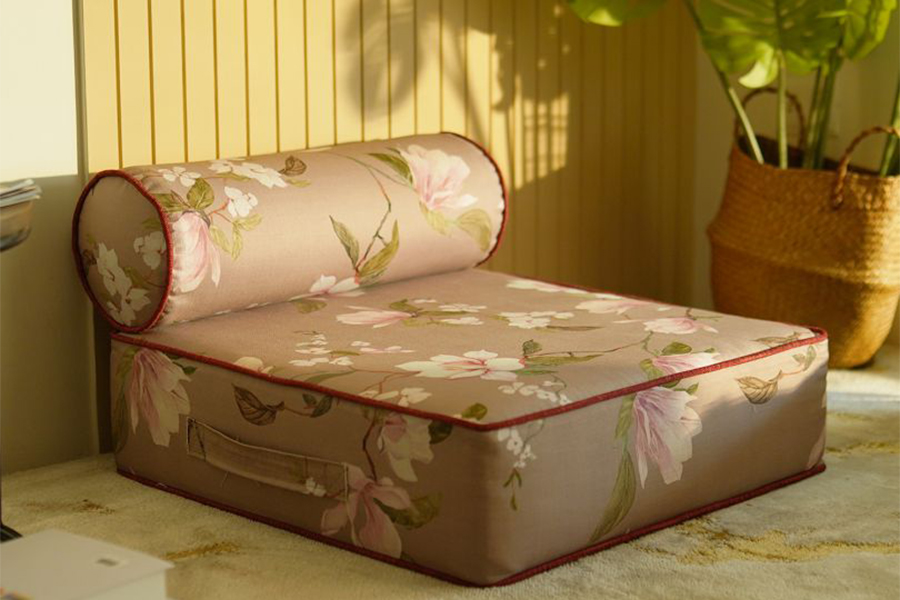
No legs. No frame. No fixed position. A pouf or floor cushion is simply a flexible seating object - it goes where it's needed, gets moved when it's not, and stores easily because it has no rigid structure to work around.
For casual households, joint families, or homes where the number of people in the living room varies significantly from day to day - a couple of large floor cushions or poufs solve the occasional extra-seating problem without permanently occupying floor space.
They also work well in children's rooms and reading corners, and on balconies where weather-appropriate ones can stay outdoors without any structural concern.
They're not the right choice for anyone who finds getting down to and up from floor level uncomfortable. But for the right household, they're among the most genuinely useful types of living room chairs on this list - precisely because they don't behave like chairs at all.
These are chosen for functionality - they do something that a standard chair simply doesn't.
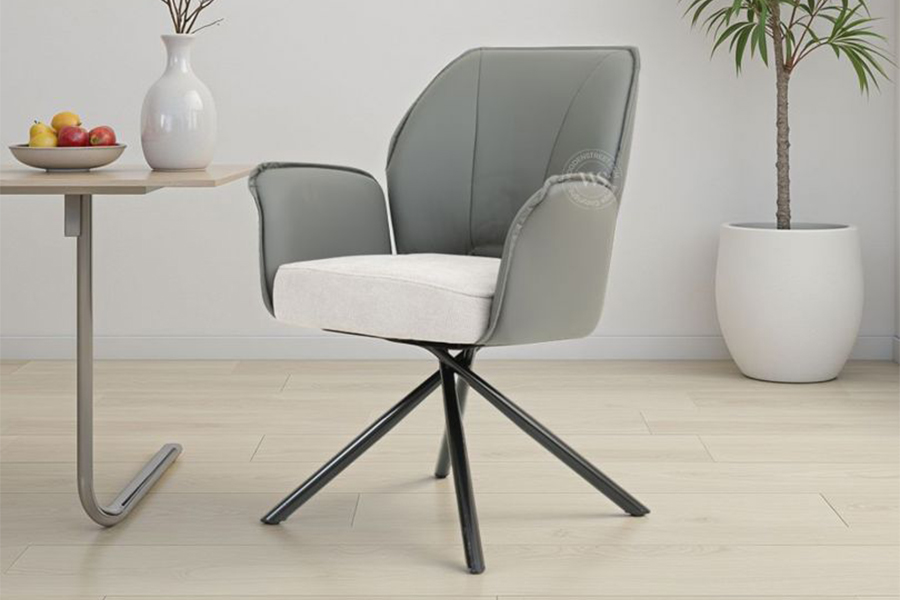
A swivel chair rotates 360 degrees on a central base. That's the whole mechanical feature - and in the right room, it's a genuinely useful one.
In open-plan spaces, where the living area flows into a dining area or a small home office without a wall in between, a swivel chair lets someone reorient effortlessly from one zone to another. Watching TV, then turning for a conversation, then swivelling to face the dining table - without getting up, without rearranging.
They also work well as accent seating in larger living rooms where the seating area isn't rigidly oriented in one direction.
Visually, a swivel chair on a pedestal base looks modern and a little unexpected in a living room - which works in its favour as a piece with some design personality.
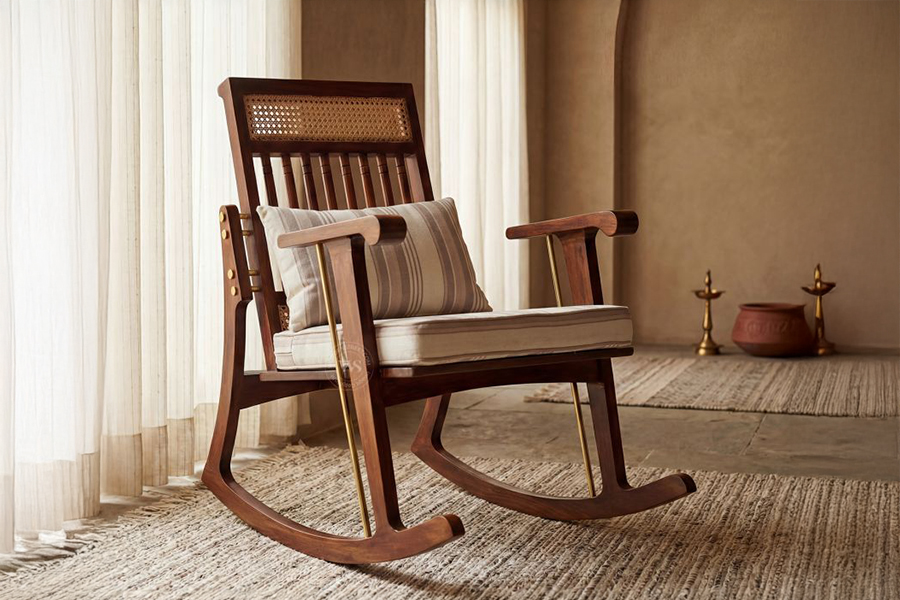
The rocking chair is genuinely underused in Indian living rooms. And that's a shame, because it solves something no other chair does - it keeps you moving while you sit still.
The gentle rhythmic motion of a rocking chair has a measurable effect on stress levels and alertness. It's the same instinct that makes people rock a restless baby to sleep, or why swinging on a porch feels so calming. The motion itself does something.
For reading corners, it's ideal. For balconies - which in most Indian apartments are the one genuinely relaxed space in the home - a rocking chair is one of the best things you can put there.
Traditional wooden rocking chairs suit heritage-style and eclectic interiors. Modern rocking chair designs in moulded plastic or with metal frames work in contemporary spaces. The shape reads as nostalgic, but the function is timeless.
Most living rooms in India arrange chairs and sofas in parallel. Everything faces the TV. It's a theatre layout - functional for watching, poor for conversation.
A chair placed at a right angle to the sofa, facing partly toward the sofa and partly toward the room, creates something different. It invites conversation. It makes eye contact natural rather than requiring everyone to turn their heads. It creates the kind of seating arrangement where people actually talk.
Parallel placement creates theatre. Right-angle placement creates conversation. Decide which you want from your living room - and then position accordingly. Most people have never consciously made that choice. Making it changes how the room gets used.
A living room built around just a sofa is a room built around one decision. Adding even one well-chosen chair - the right type, the right placement, the right reason - is what takes a room from functional to finished.
Comfort first: go with a lounge chair or recliner if you want a chair you'll use every day without thinking about it. Aesthetics first: an accent chair, barrel chair, or wingback will do more for a room's visual identity than almost any other single piece. Small space: an armless chair or a good pouf keeps the room usable without making it feel tight.
And then place it at a right angle to the sofa. Give it a side table. Give it a lamp. Give it a reason to exist in that specific corner.
That's all it takes for a room to feel like someone actually designed it.
We will be back with the next blog soon; till then, stay tuned!
Image Source: Wooden Street, Google, Pinterest
Trending Products
Top Picks from EveryoneArticles you will love to read

Explore every type of sofa with this complete guide. From L-shaped sectionals to sofa cum beds and recliners, find out which sofa type actually works for your room size, lifestyle, and daily use
Continue Reading
Not all wardrobes are created equal. This guide breaks down the most popular types of wardrobes, compares wardrobe material types, and explains door mechanisms, storage configurations, and space-planning considerations. Learn the pros, cons, and hidden factors buyers often overlook before investing in a wardrobe for their home
Continue Reading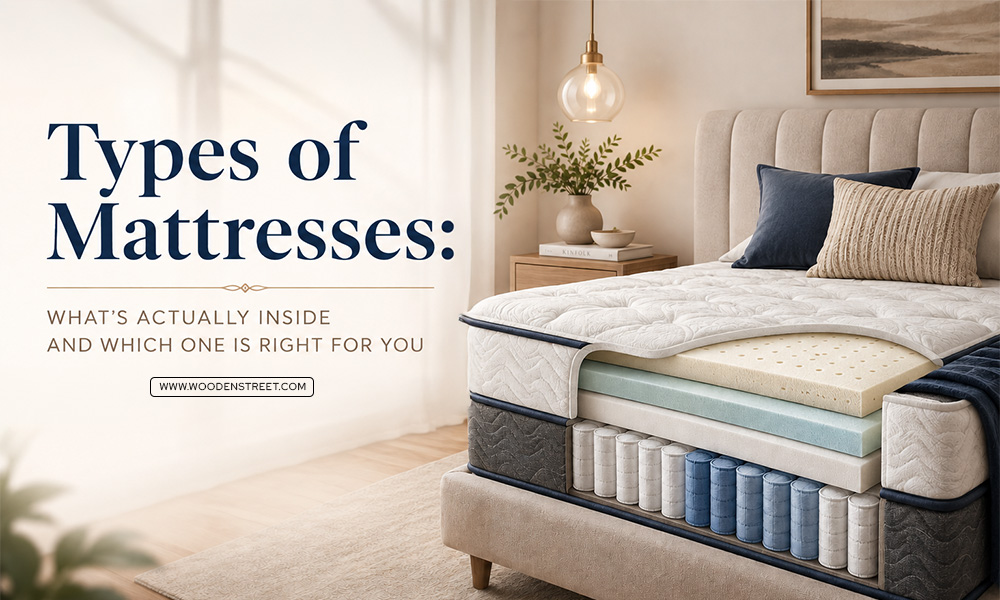
Not all mattresses feel or perform the same. This guide explores the most common types of mattresses, including memory foam, latex, spring, hybrid, and orthopedic options. Learn about different types of mattresses, their construction, comfort levels, durability, and how to choose the best type of mattress for your sleeping style and needs
Continue Reading
Understanding the types of wood for furniture can help you make a smarter investment. This guide compares popular furniture wood names, hardwood types for furniture, and other commonly used materials, explaining their appearance, durability, maintenance needs, and long-term performance so you know exactly what to expect before buying.
Continue Reading
Not all space saving furniture delivers on its promise. This guide explores the most effective space-saving solutions, from multifunctional beds and foldable tables to smart storage units and compact furniture designs. Learn what genuinely improves everyday living and what may look impressive in photos but falls short in real homes
Continue Reading


