




Discover how to clean outdoor furniture effectively with this material-by-material guide. From wood to metal and wicker, learn safe cleaning methods, essential tools, and expert tips to extend the life of your patio pieces and keep them looking fresh year-round.
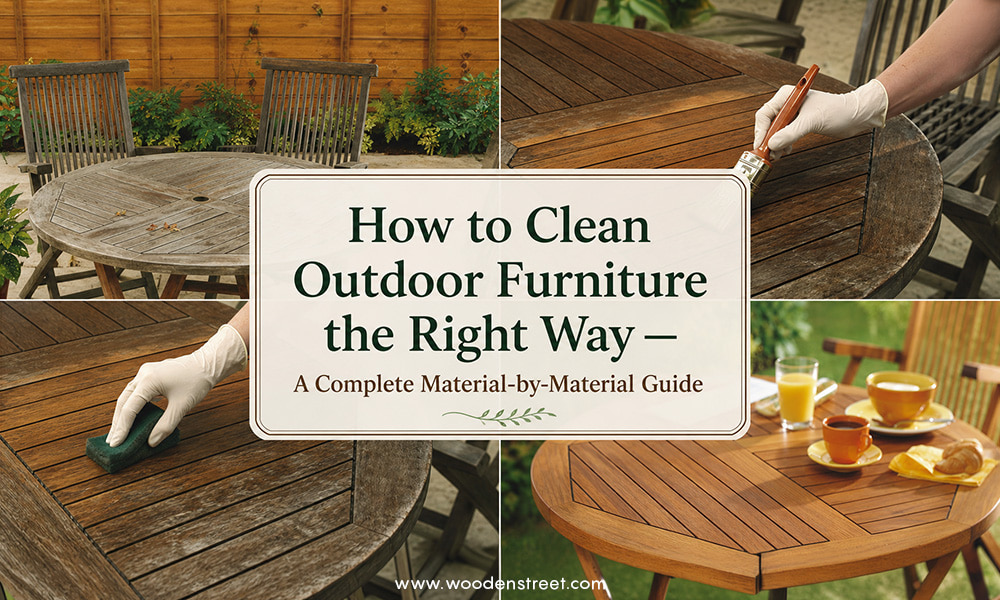
Your outdoor furniture goes through a lot more than you can think of. One day it’s baking under harsh sunlight, the next it’s covered in dust, rain, or sticky humidity. Slowly, colors fade, surfaces start to dull, and dirt settles deep into the material.
But here’s the good news. Regular cleaning can change everything. With just a little care, you can keep your furniture looking fresh, strong, as well as welcoming for years to come. No need for expensive treatments or any complicated tools.
In the below blog guide, you’ll learn how to clean outdoor furniture the right way, step by step. From wood and metal to plastic and wicker, we’ll make it simple, practical, plus easy to follow, so that your outdoor space always feels like new.
Think your outdoor furniture is “fine” simply because it still looks okay? Then look a little closer. Dust settles quietly, moisture seeps in, and even harsh sunlight slowly eats away at the surface. Over time, wood starts to crack, metal begins to rust, as well as colors fade without leaving any warning.
A quick wipe now and then helps, but that’s only surface cleaning. It removes visible dirt, not the hidden grime. Deep cleaning, done once in a while, reaches inside the material and clears out what you can’t see. That’s what truly protects your furniture.
When you learn about how to clean outdoor furniture in the most appropriate manner, you are surely going to stop problems before they start. No mould patches, no weak spots, no dull finish, just clean, strong, plus long-lasting furniture that always looks ready to use.
Before you jump into cleaning, pause for a second. By using the right tools can make the job quick and safe at the same time, while going for the wrong ones can damage your furniture in minutes. A little preparation goes a long way here.
Start right, and everything else becomes easier.
Not all outdoor furniture is the same, and treating them the same is the fastest way so as to ruin them. Each material needs a little different care. Don’t worry, it’s easier than it actually sounds. Let’s break it down step by step.

Wood looks beautiful, but it needs gentle care. Begin by mixing mild soap with water. Use a soft brush and scrub lightly in the direction of the grain. Rinse with clean water and then let it dry fully.
Got green algae or bird mess? Clean it quickly before it settles in. A soft scrub usually does the trick.
Once dry, apply teak oil or a wood sealer. This brings back the natural shine plus protects it from the sun and rain.
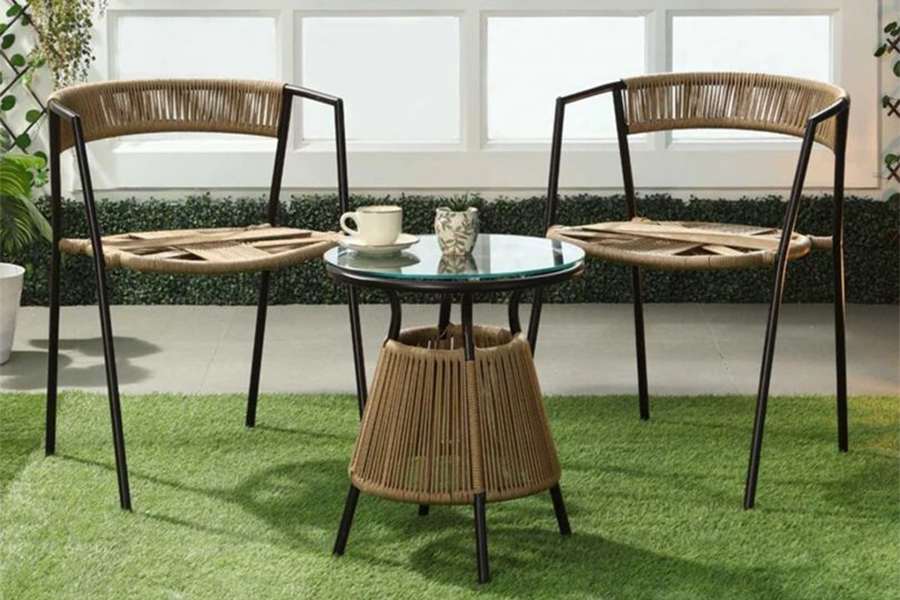
Metal is strong, but rust can creep in quietly. Check for iron and steel frames for rust spots. If you see any, gently scrub them off and use a rust remover.
For aluminium, keep it simple. Use mild soap along with a soft cloth. Avoid anything rough that can scratch the surface.
Finish by applying a protective coating. This, as a result, helps to stop rust from coming back.
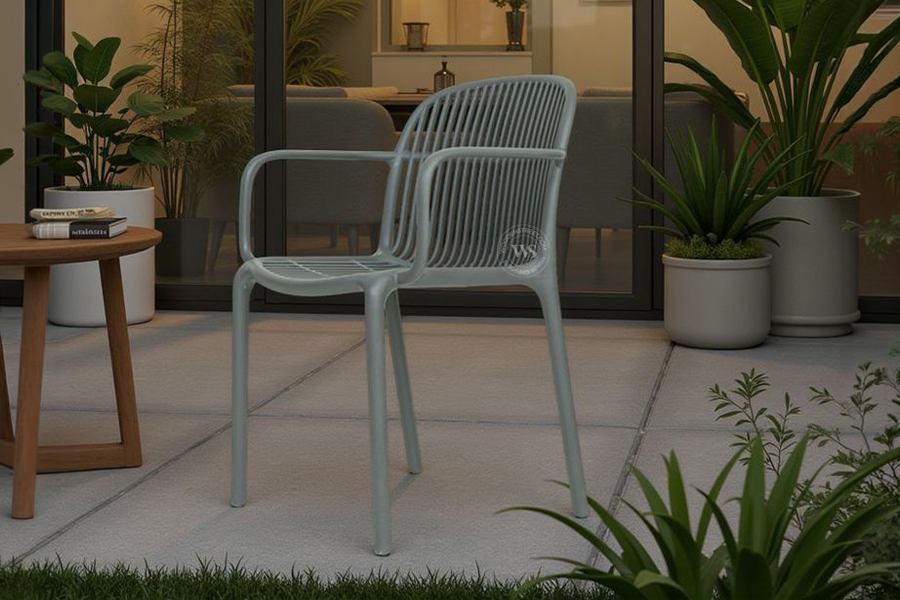
This is the easiest method to clean. Just use soap and water with the use of a cloth or sponge. It removes most dirt in minutes.
For yellow stains or tough marks, you may need a little extra scrubbing. Do it a gentle manner.
To protect from sun damage, use a UV-protective spray. It helps to keep the color from fading.
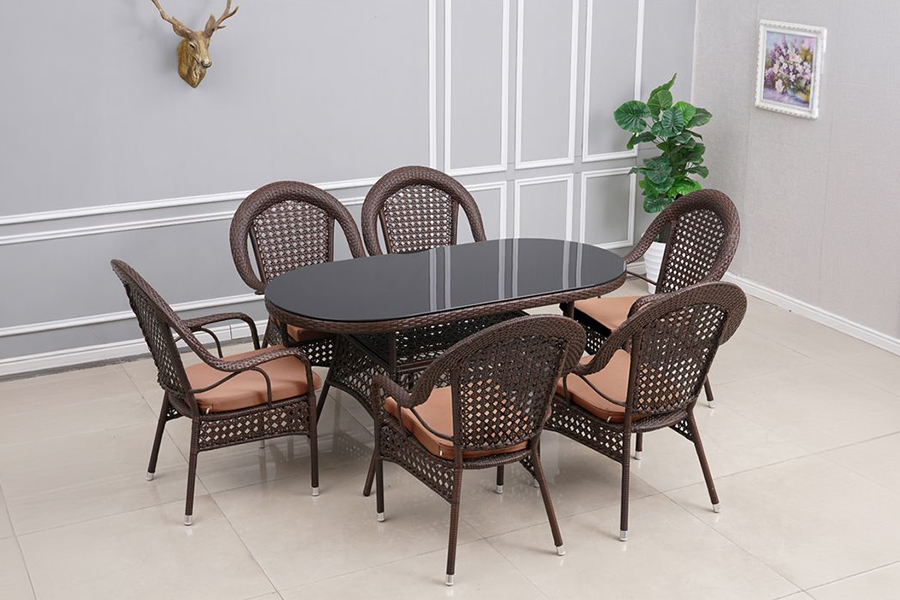
These look delicate, and they need careful cleaning. For natural rattan, use dry or slightly damp cleaning. Too much of water can damage it. Synthetic wicker can handle a bit more water.
Use a soft toothbrush to clean between the weaves. It works surprisingly well.
Always dry it completely. Moisture trapped inside can lead to mould.
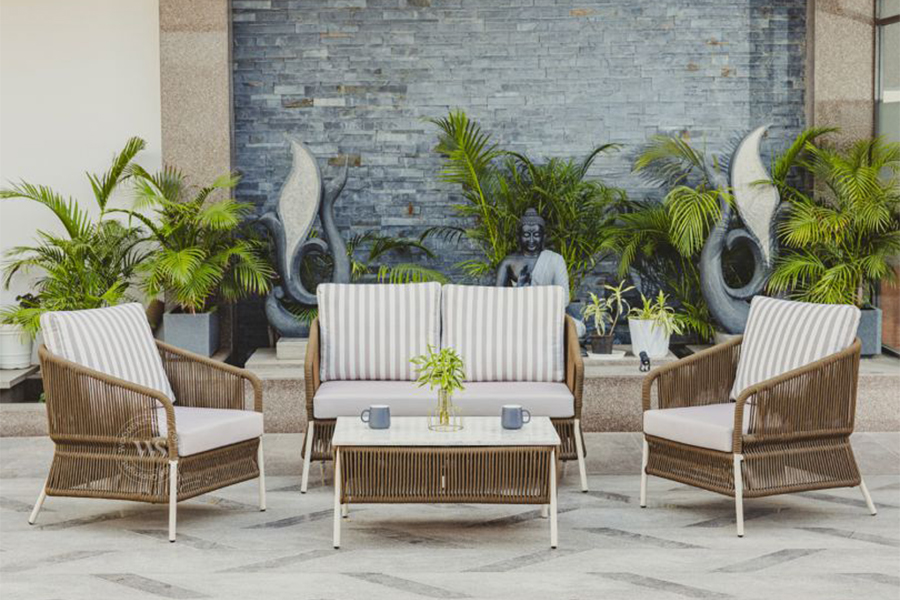
These materials are light but sensitive. Clean gently with the use of a damp cloth and mild soap. Avoid soaking them in water, as this can cause cracks.
After cleaning, apply a little linseed or tung oil. This keeps the fibres strong as well as flexible.
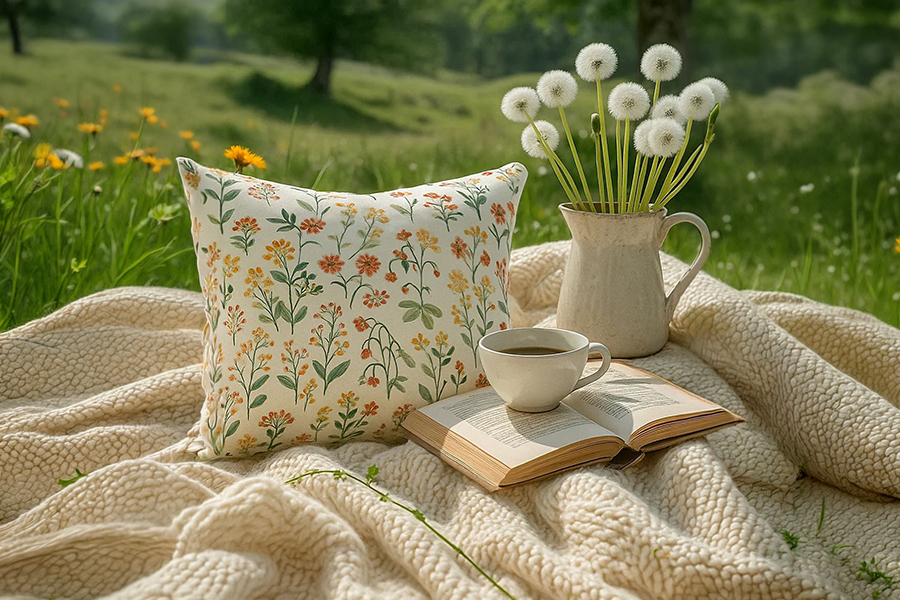
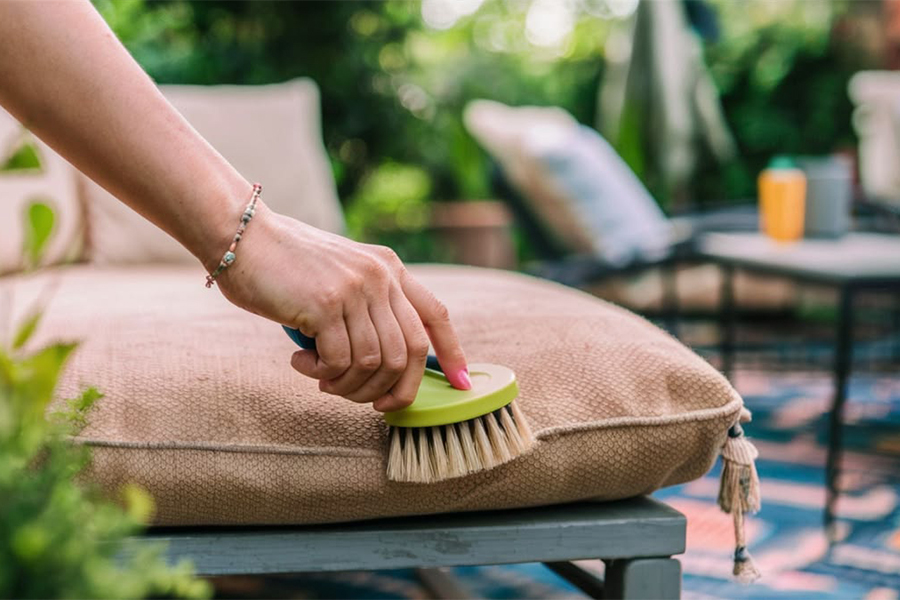
Cushions usually take the most damage. Remove covers and clean stains such as mildew or food marks as soon as possible.
Some covers can go in the washing machine, while others need hand washing. Always check for the label.
During heavy rain or when not in use, store cushions in a dry place. This simple step can save them from damage.

Outdoor furniture doesn’t simply need cleaning. It needs care that changes with the weather. What works in summer won’t always work during heavy rains or cold months. If you adjust your routine with each season, your furniture stays strong, clean, as well as ready to use anytime. Think of it as a simple habitat helps you in saving money and effort later.
Here’s what to do through the year:
Summer:
Monsoon:
Winter / Post-Season:
Want your outdoor furniture to look new year after year? It’s not about doing a lot. It’s about doing a few simple things at the right time. Small habits can make a lot of difference in how long your furniture stays strong while being beautiful at the same time.
A little care now saves you from big repairs later.
When taking care of your outdoor furniture, it doesn’t have to feel like a big task. With the right steps and a little consistency, you can keep every piece looking clean, strong, as well as beautiful through every season. From simple washing to protective care, each small effort adds years to your furniture’s life.
The best part? You don’t need to have fancy tools or expert skills. Just a bit of time and the right approach is what needed here. Start small, stay regular, and you’ll see the difference quickly.
Now it’s your turn—what cleaning tricks or challenges have you faced with your outdoor furniture? Tell us in the comments section, we’d love to hear your experience!
Read More
Almirah Direction as Per Vastu: Best Placement for a Balanced Bedroom
Image Source: Wooden Street, Google, Pinterest
A You should clean outdoor furniture lightly every 2–3 weeks to remove dust. Do a deeper cleaning at least once every season to prevent long-term damage and buildup.
A A simple mix of mild soap and warm water works best for most furniture. For tougher stains, adding a little vinegar can help clean without damaging surfaces.
A Brush off loose mould, then clean with mild soap and water or a vinegar solution. Let the cushions dry completely in sunlight to prevent mould from coming back.
A Pressure washers can damage delicate materials like wood or wicker. Use them only on strong surfaces like metal or plastic, and always keep the pressure low.
A Keep wooden furniture covered or under shelter. Apply a protective oil or sealant before the monsoon and avoid direct contact with rainwater to prevent swelling and cracks.
Trending Products
Top Picks from EveryoneArticles you will love to read

Check out the exclusive decor ideas for creating an ultimate outdoor space, where family meets happiness.
Continue Reading
Make the best out of your outdoors to gear up the enjoyment of monsoon season. Check out these decor hacks below and jazz the vibe accordingly.
Continue Reading
Check out our list of top 10 balcony and outdoor furniture pieces to give your space a comfy and stylish turn up on a budget.
Continue Reading
From living rooms and dining areas to offices and outdoor spaces, understanding the various styles of chairs helps you choose the right seating for every need. This guide explores chair categories, their defining features, and the practical differences that set them apart across residential and commercial environments
Continue Reading


