




A sofa cover looks like a simple purchase until it starts slipping, shrinking, or losing shape after

If you have a sofa at home, and honestly, who in India doesn't, you already know the scene. That one relative who shows up with chai and settles right into the best seat. The kid who treats the sofa like a trampoline. The pet whose fur has claimed the armrest as permanent territory. And somewhere in all of this, the sofa you spent good money on is slowly getting ruined. So you think: just put a sofa cover and done, sorted.
And then the sofa cover arrives, looks fine for two weeks, and starts sliding off every time someone sits. Or it puckers up at the corners. Or it shrinks in the first wash. Sound familiar? That is exactly why this sofa cover buying guide exists. Let us sort this out properly.
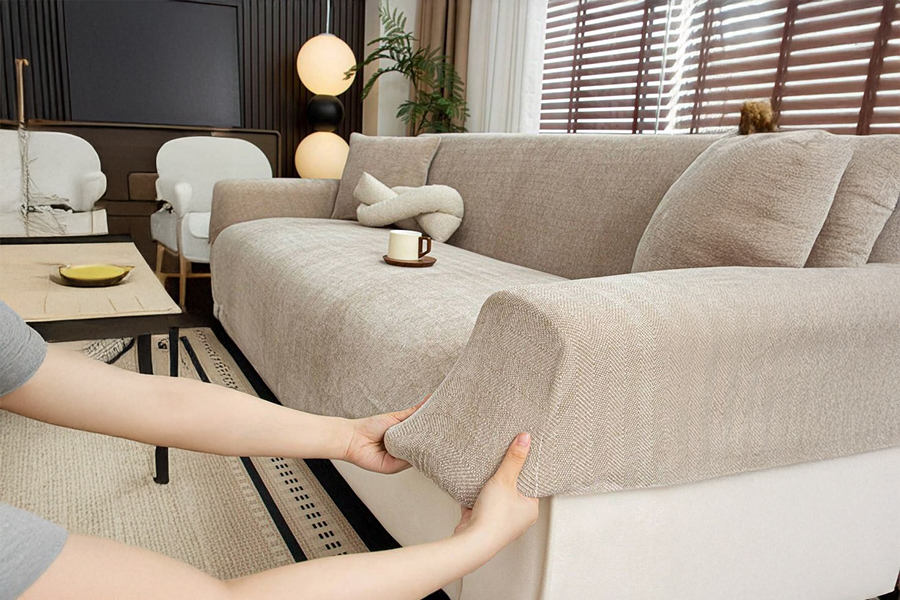
Most sofa covers fail for three very specific reasons, and none of them are about price.
Wrong fit is the biggest one. People buy a universal cover for a sofa that is 84 inches wide, but the cover is made for 72 inches. It bunches up at the back, pulls tight at the front, and looks worse than no cover at all.
Poor elastic quality is the second reason. Cheap covers use thin elastic that loses stretch within 3 to 4 washes. After that, no amount of tucking keeps it in place.
Wrong material for the climate is the third. Velvet looks beautiful in a showroom photo, but in a Mumbai summer it traps heat, shows every watermark, and pills up within months.
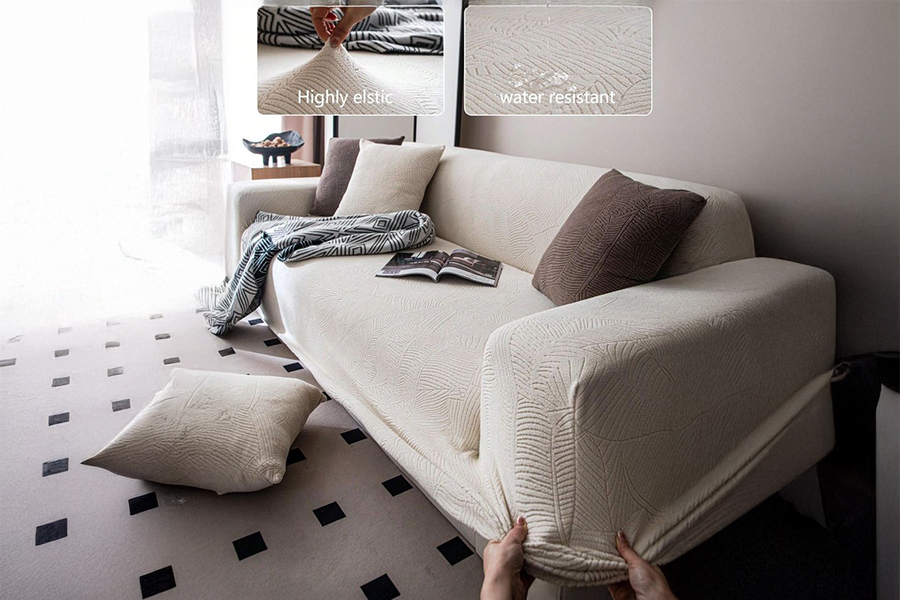
This is the most common type available in India. Spandex blended fabric stretches over the sofa shape and is held by elastic at the bottom and tucking strips along the seat gap. It works well for standard 3-seater and 2-seater sofas with simple straight shapes. It fails on sofas with wide armrests, curved backs, or tight back cushions. If your sofa is a standard Indian size with no unusual shaping, universal fit is a sorted, affordable option.
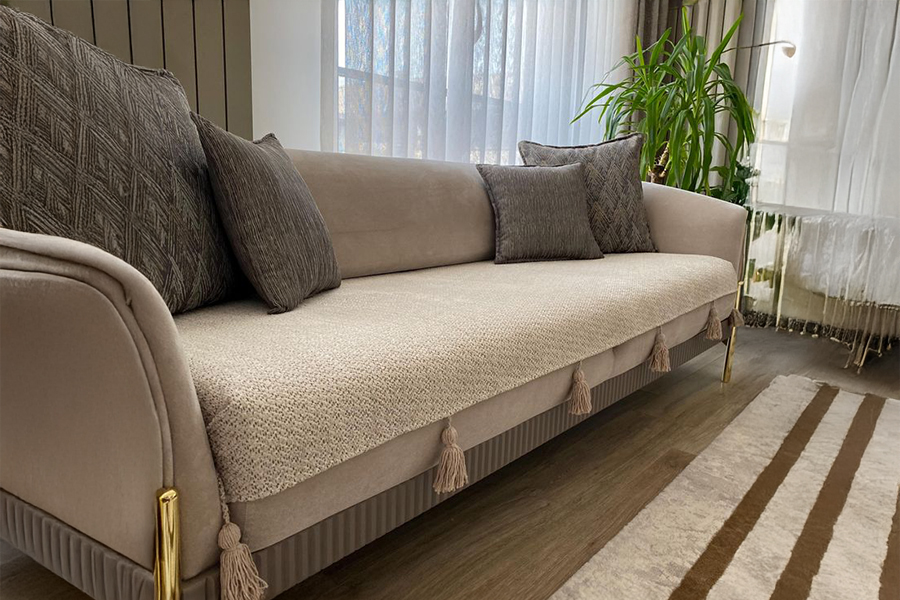
Custom fit covers are made to your sofa's exact measurements. They look sharper, stay in place better, and last longer. The trade-off is cost: a good custom cover costs 2 to 3 times more than a universal one. If you change sofas, the cover becomes useless. Go for custom fit only if you are keeping the sofa long term.
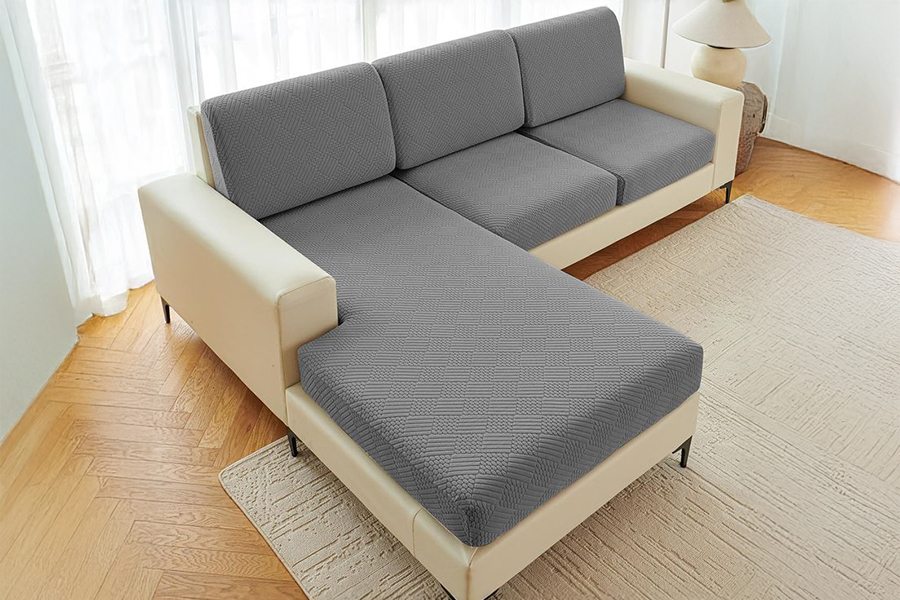
L-shape covers are sold in multiple pieces: one for the main section, one for the chaise. The thing most buyers miss is the left hand versus right-hand chaise difference. Stand facing your sofa. If the chaise is on your left, you need a left hand chaise cover. Getting this wrong means you have a cover that does not fit at all. Always confirm chaise orientation before ordering.
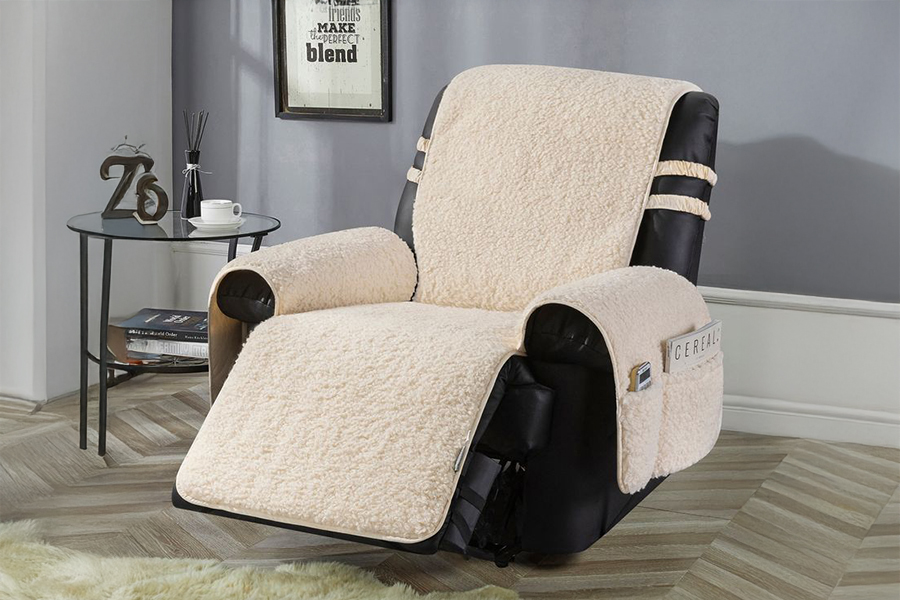
A standard cover does not work on a recliner because the footrest opens outward, completely breaking the shape the cover is designed around. Recliner covers have a separate panel for the footrest and velcro or elastic at the hinge point. Always confirm a cover is specifically made for recliners before buying.
| Material | Best Use Case | Washability | Durability | Indian Climate Suitability |
|---|---|---|---|---|
| Spandex Blend | Universal covers, daily use | Machine washable | Moderate | Good |
| Cotton | All season family use | Machine washable | Good | Excellent |
| Microfibre | Homes with pets and kids | Machine washable | Very good | Good |
| Jacquard | Living rooms, low daily use | Gentle wash | Very good | Good in cooler months |
| Velvet | Occasional use, AC rooms only | Dry clean | Moderate | Poor in summers |
| Linen | Casual, breezy setups | Machine washable | Moderate | Excellent |
| Faux Leather | Easy clean setups | Wipe clean | Good | Moderate |
| Canvas | High traffic family sofas | Machine washable | Excellent | Very good |
| Feature | Worth It? |
|---|---|
| Waterproof layer | Yes, for homes with kids, pets, or elderly members |
| Removable armrest covers | Yes, armrests wear out fastest |
| Zipper closure | Yes, on custom fit covers |
| Non slip backing | Always worth it for leather and rexine sofas |
| Machine washable label | Non negotiable for Indian family homes |
Four measurements before buying any sofa cover:
For L-shape sofas, measure each section separately and confirm chaise orientation. Always size up, not down. A slightly large cover can be tucked. A tight one pulls out every time someone sits.
Sofa cover buying sounds simple, but as you can see, there are quite a few things that go wrong between the purchase and the first wash. The good news is that once you know what to check, the whole process becomes very straightforward. Right material, right fit, right construction, and your sofa stays sorted for years. Whether it is the evening chai session with family or the kids doing what kids do on every sofa in India, a good cover handles it all without any drama.
We will be back with the next blog soon. Till then, stay tuned!
Read More :
Image Source: Pinterest, Google, and Wooden Street
A Cotton and linen are the best choices. Both breathe well, wash easily, and do not trap heat. Velvet and faux leather are the ones to avoid completely in hot and humid conditions
A Three things help: anti-slip backing on the cover, tucking strips pushed deep into the seat gap, and the right size cover so it is not stretched too tight. A slightly larger cover that tucks well is always more stable than a tight one
A Microfibre and canvas. Both handle scratches well. Microfibre holds pet hair, so lint roll it regularly. Canvas holds up far better against claws and rough daily use
A Most use a polyurethane membrane that reduces breathability. For Indian summers, look for covers specifically labelled breathable waterproof. These resist spills but still allow some airflow
A Total width across both armrests, seat depth from front edge to back cushion, back height from seat to top, and armrest height from seat level upward. Always size up if between sizes. For L-shape sofas, confirm left or right chaise orientation before ordering
Trending Products
Top Picks from EveryoneArticles you will love to read

Reflect on your comfort and convenience in your workspace by choosing the best study table. Check out this buying guide to shop the most ideal study table!
Continue Reading
A simple buying guide to help you choose the right sofa cum bed in 2026, covering types, pricing, usage, and maintenance for Indian homes.
Continue Reading
Choosing the right wooden center table for living room enhances both style and function. This guide covers ideal sizes, shapes, materials, storage options, and placement tips to help you find a table that perfectly complements your décor, sofa arrangement, and everyday living needs
Continue Reading
Planning to upgrade your living space? This guide reveals expert tips to choose the perfect 3 seat recliner couch, covering comfort, materials, mechanisms, and interior styling. Learn how to balance functionality with aesthetics to create a cozy, modern, and space-efficient home setup in 2026.
Continue Reading


