



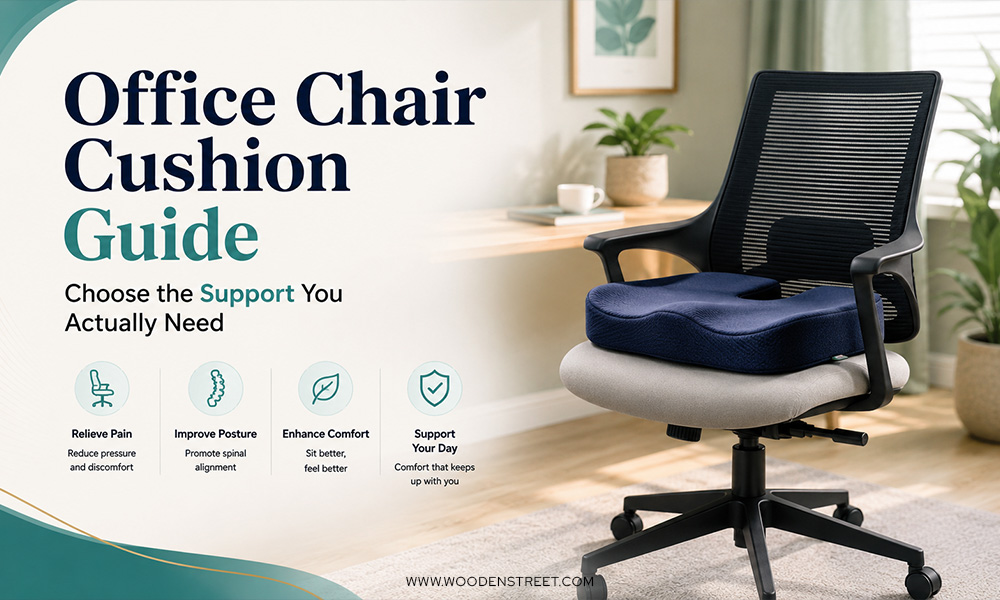
Not all office chair cushions solve the same problem. From seat pads to specialized backrest support for chair ergonomics, the right choice depends on where you experience discomfort and how long you sit each day. This guide helps diagnose your needs before you invest in additional support accessories
Most people who buy an office chair cushion buy the wrong one not because they picked badly, but because they skipped the diagnosis. Lower back pain, wrong cushion. Tailbone discomfort, wrong cushion. The cushion arrives, fixes nothing, and sits unused. This guide works differently: diagnose the problem first, then buy.
Every generic cushion list tells you what each product does. Almost none ask where you actually hurt. A lumbar cushion on a seat does nothing. A coccyx cushion on a broken chair barely helps. Get the problem wrong and the cushion is just an expensive addition to a chair you already hate sitting in.
Pain at the Base of the Spine or Tailbone
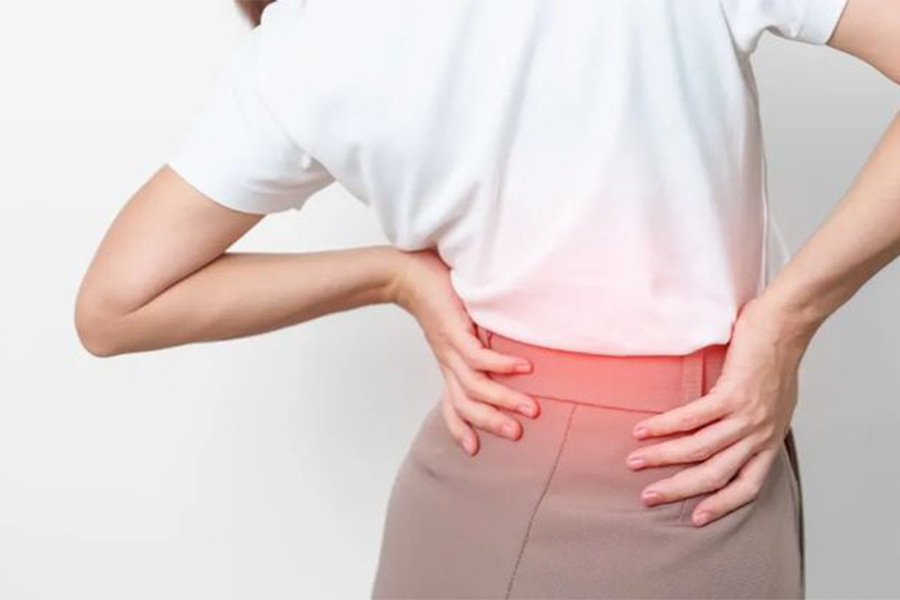
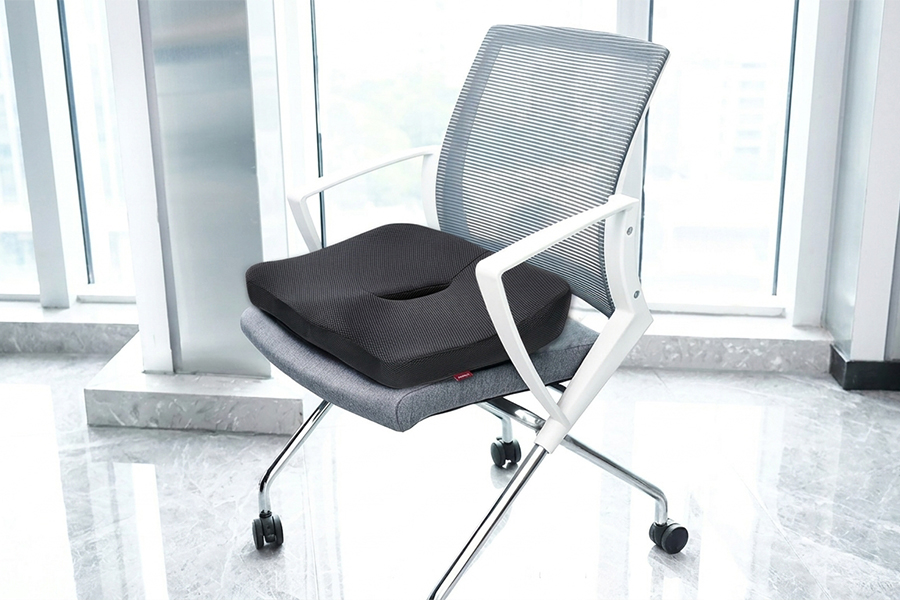
This is coccyx territory. The coccyx cushion has a U-shaped or V-shaped cutout at the rear of the seat this removes contact pressure from the tailbone entirely, redistributing weight to the thighs and sit bones instead.
The cutout geometry is what makes it work. A cushion without the cutout does not qualify as a coccyx cushion regardless of what the label says.
Foam density matters here: look for 50-60 kg/m³. Below this, the foam compresses under body weight and the cutout closes removing the entire benefit. Best for: people sitting 6+ hours daily, anyone recovering from a tailbone injury, and anyone whose chair seat pan feels like a wooden board by afternoon.
Lower Back Ache That Builds Through the Day
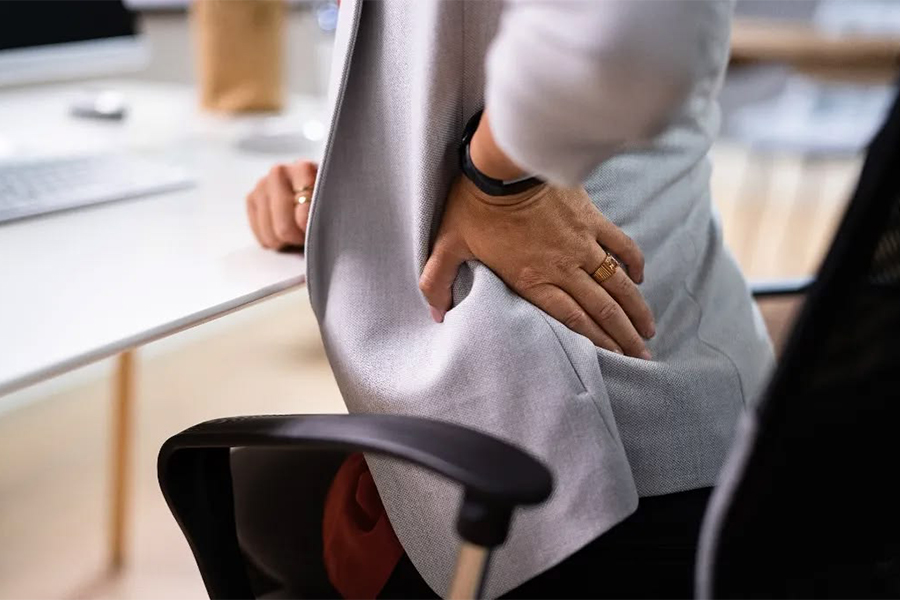
This is a lumbar problem the lumbar curve is unsupported and the back muscles are compensating all day until they give out.
A lower back support for chair works only if it fills the right gap. Most people place lumbar cushions too low at the base of the tailbone rather than at the natural inward curve of the lower spine, which sits roughly at belt-line height.
Strap-mounted cushions stay positioned correctly. Loose cushions migrate downward within an hour. Look for a contoured shape with at least 10-12 cm of forward projection at the centre.
Neck and Shoulder Tension

Neck and shoulder tension usually means the headrest is at the wrong height or absent entirely. A headrest cushion helps only if the chair already has a headrest mount. What to check first: can you adjust the headrest to sit at the base of your skull? If not, no cushion fixes the angle. The chair needs replacing.
General Seat Discomfort After Long Hours

This is a pressure redistribution problem the chair seat pan is too firm or too narrow, and sitting for hours creates pressure points at the thighs and sit bones.
Memory foam conforms to body shape but retains heat a real problem in Indian summers. Gel disperses heat better. Gel-infused foam sits between the two. For Indian conditions, gel-infused foam is the most practical choice for long hours.
Coccyx / Tailbone Cushion
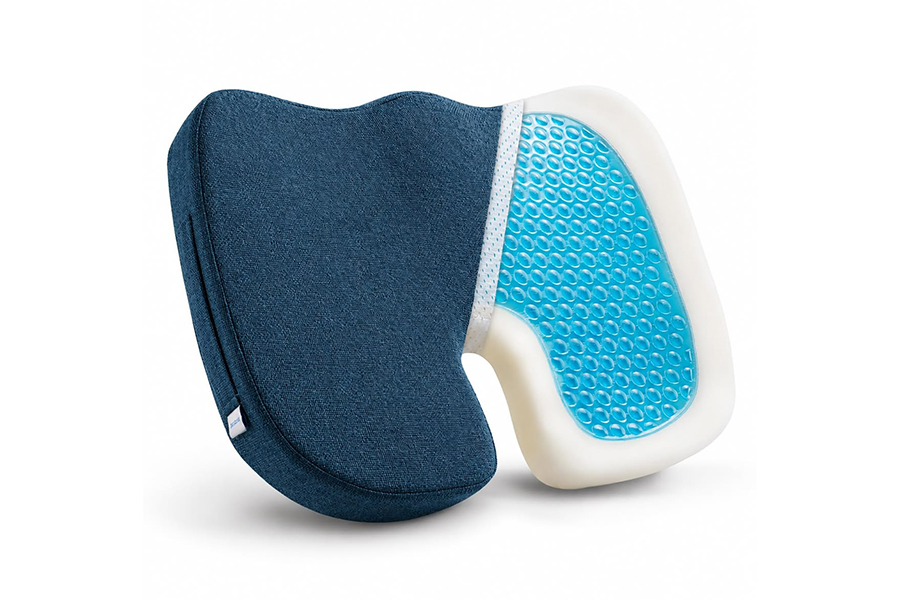
The cutout must be deep enough to fully suspend the tailbone at least 8-10 cm of clearance. Foam density: 50-60 kg/m³. Cover material should be removable and machine washable a coccyx cushion used daily without a washable cover becomes a hygiene problem within weeks. A hard plastic base makes it look like a coccyx cushion. A proper cutout and correct density makes it work like one.
Lumbar Support Cushion for Chair
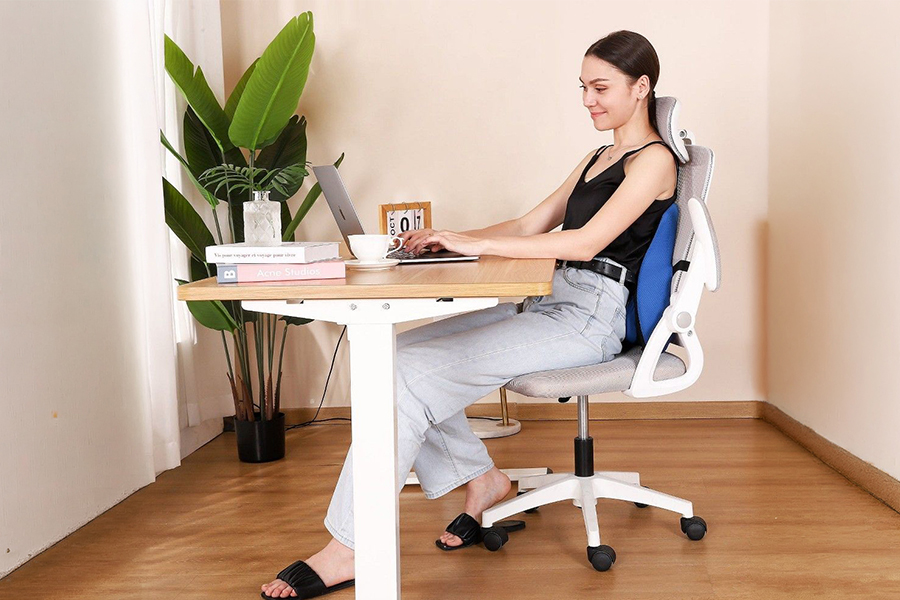
Strap quality determines whether a backrest support for chair stays where you put it. Thin elastic straps stretch within weeks. Look for wide velcro or adjustable buckle straps. Back profile matters: a flat backrest takes a flat lumbar cushion. A curved backrest requires a cushion with matching contour a flat cushion on a curved back creates a gap rather than filling one.
Seat Cushion
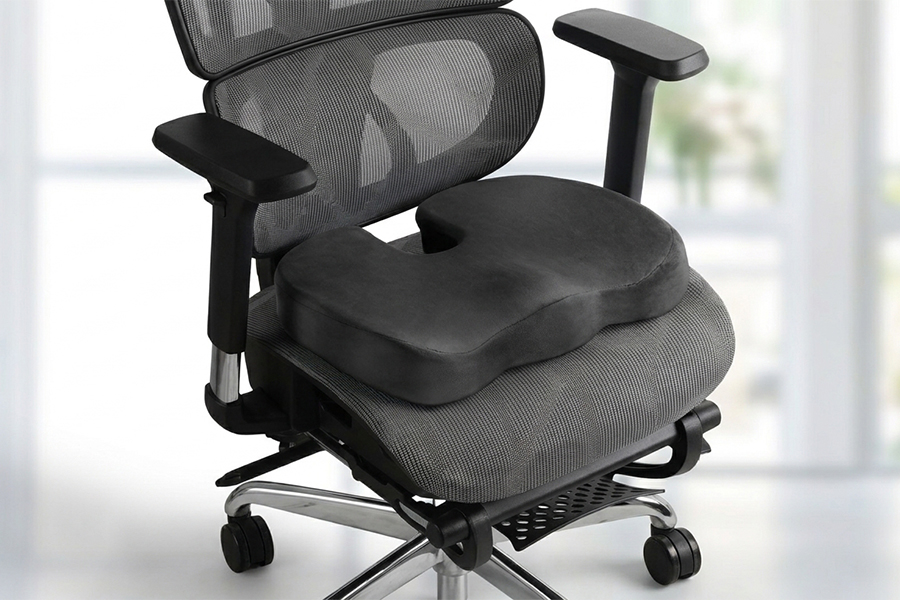
Every centimetre of cushion thickness raises your effective seat height by one centimetre. A 5 cm cushion on a correctly set chair means the seat is now 5 cm too high. Check your current seat height against your popliteal height before adding any seat cushion. Non-slip base is non-negotiable a sliding cushion is a safety problem.
Wedge Cushion
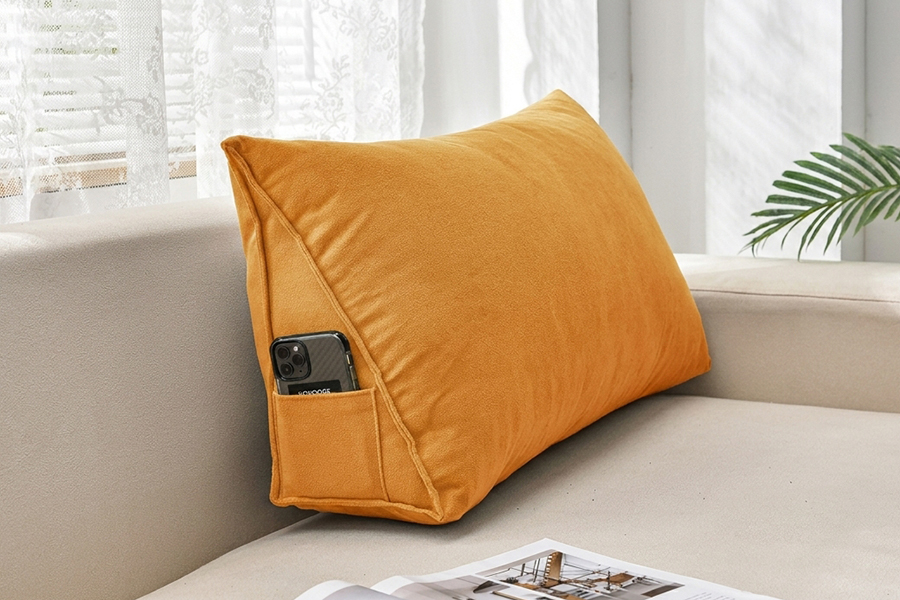
A wedge cushion tilts the pelvis slightly forward, opening the hip angle and reducing lumbar loading. Useful for people with tight hip flexors or anterior pelvic tilt. Not recommended for knee problems or if the chair already has a forward tilt function.
Full Chair Cushion Set
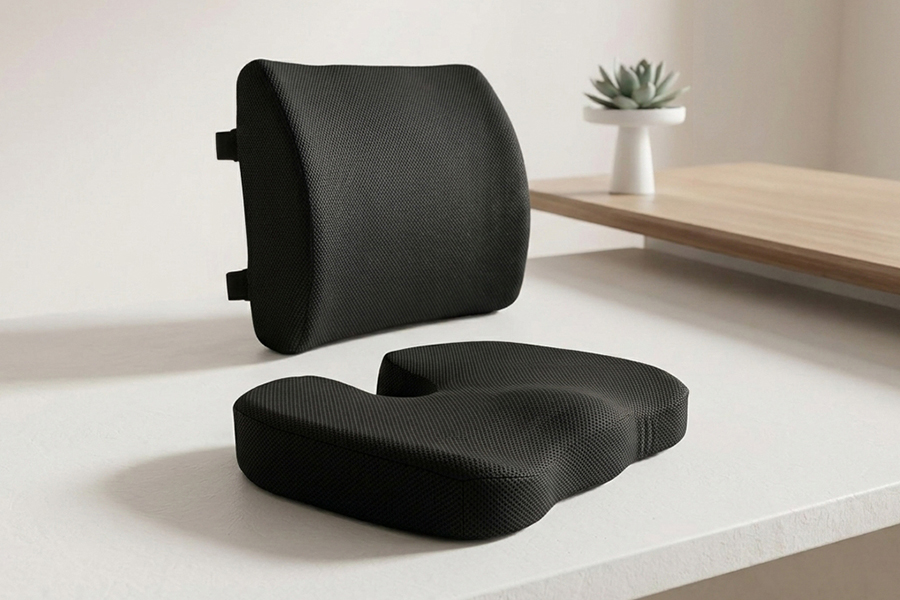
Makes sense when the chair has no support at all budget chairs or dining chairs pressed into desk use. If the chair already has usable lumbar support, a targeted single cushion solves it more precisely.
| Material | Pressure Relief | Heat Retention | Lifespan | Washability | Best Use |
|---|---|---|---|---|---|
| Memory Foam | High | High | 2-3 yrs | Cover only | Cool rooms, short use |
| Gel | Good | Low | 3-4 yrs | Wipe clean | Hot climates, all-day |
| Gel-Infused Foam | High | Medium | 2-3 yrs | Cover only | Indian summers, long hours |
| High-Density Foam | Moderate | Low | 4-5 yrs | Cover only | Durability priority |
| Buckwheat | Moderate | Very Low | 5+ yrs | Not washable | Natural preference |
| Air-Cell | Adjustable | Very Low | 3-4 yrs | Wipe clean | Pressure injury prevention |
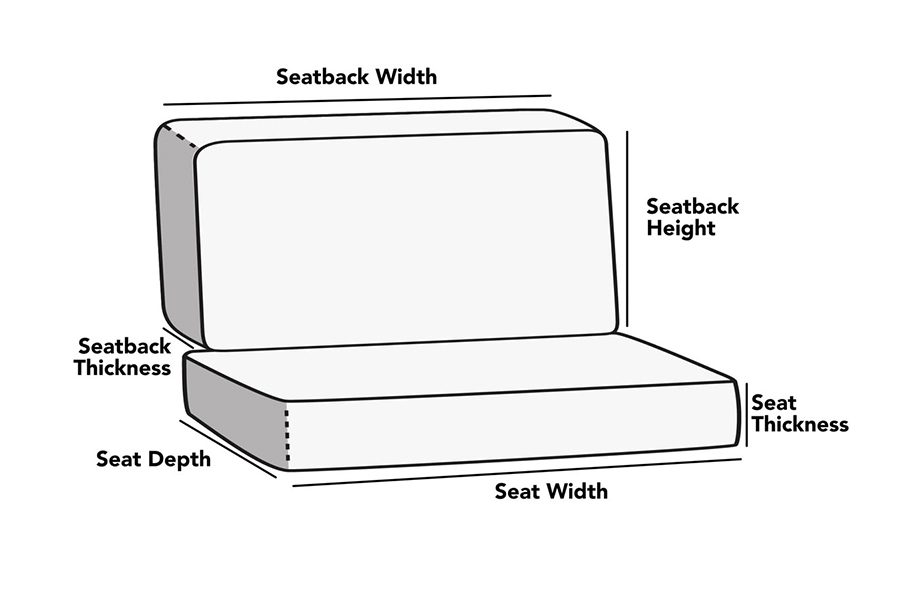
Foam below 35 kg/m³ compresses flat within three to six months of daily use. Look for 40-60 kg/m³ for a cushion that holds its shape across a year of use.
Thickness sweet spot for seat cushions: 4-6 cm. Below 4 cm adds minimal relief. Above 6 cm compromises chair height ergonomics for most users and creates instability.
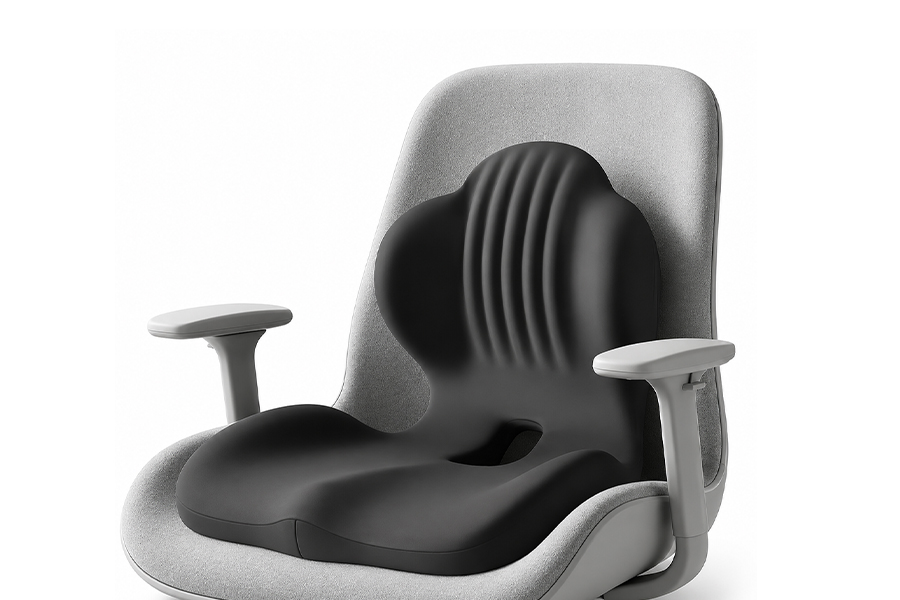
Current seat height plus cushion thickness equals new effective seat height. If your correct seat height is 40 cm and your cushion is 5 cm thick, your chair needs to drop to 35 cm to compensate. If the chair cannot go that low, the cushion creates a new problem while solving the original one. Check chair adjustment range before buying any seat cushion above 3 cm.
Three signs the chair needs replacing, not cushioning:
| ☐ | Where does the pain occur: tailbone, lower back, neck, or general seat pressure? |
| ☐ | Will the cushion thickness alter the correct seat height based on your popliteal measurement? |
| ☐ | Does the cushion include a non-slip base? |
| ☐ | Is the foam density higher than 40 kg/m³? |
| ☐ | Is the cover removable and machine washable? |
| ☐ | Is the lumbar strap adjustable and wide enough to stay securely in position? |
Most cushion buying decisions get made backwards product first, problem second. A coccyx cushion bought for lower back pain does nothing. A lumbar cushion bought for tailbone discomfort does the same. The diagnosis is not a formality before the purchase; it is the purchase decision.
If the checklist at the end of this guide pointed you toward a cushion, buy with confidence. If it pointed you toward a chair replacement, that is the more useful answer even if it is not the one you were hoping for. A cushion on a broken chair is money spent twice.
We will be back with the next blog soon. Till then, stay tuned!
Read More :
Is Your Office Chair Sinking? Fix It Now!
Image Source: Pinterest, Google, and Wooden Street
A A strap-mounted lumbar cushion with contoured shape and 10–12 cm forward projection, positioned at belt-line height - not at the tailbone
A Yes. Every centimetre of cushion thickness raises effective seat height by one centimetre. Adjust chair height downward to compensate before use
A A cushion with a rear cutout that suspends the tailbone. Best for anyone with tailbone pain or sitting 6+ hours daily on a hard seat
A Gel-infused foam. It combines pressure relief with better heat management than memory foam - important in Indian summer conditions without consistent AC
A Minimum 40 kg/m³ for daily use. Below 35 kg/m³ and the foam compresses flat within three to six months
A Yes, if the chair's lumbar is absent or poorly positioned. No, if the chair mechanism is broken - a cushion cannot replace a failed structural component
A Lower back ache that builds through the day - lumbar cushion. Pressure or discomfort under the thighs and sit bones - seat cushion. Tailbone pain - coccyx cushion.
Trending Products
Top Picks from EveryoneArticles you will love to read
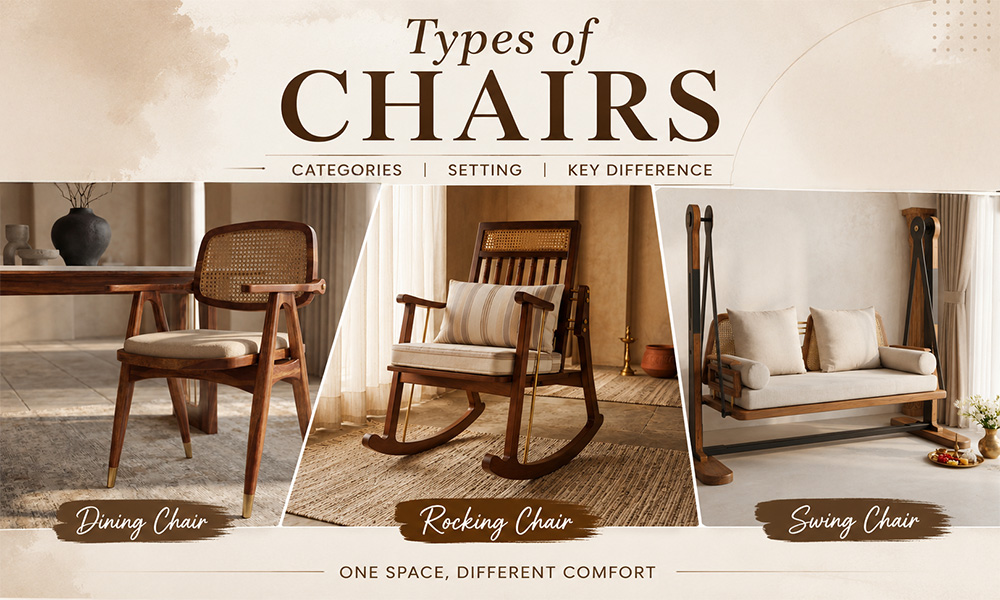
From living rooms and dining areas to offices and outdoor spaces, understanding the various styles of chairs helps you choose the right seating for every need. This guide explores chair categories, their defining features, and the practical differences that set them apart across residential and commercial environments
Continue Reading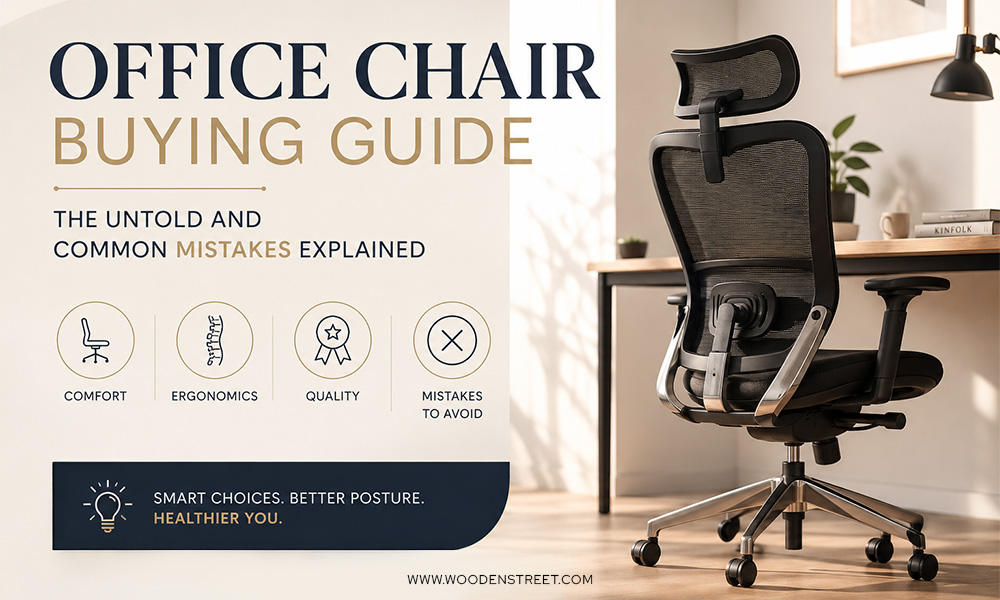
Buying the wrong office chair can lead to discomfort, poor posture, and wasted money. This guide explains the most common office chair buying mistakes, essential ergonomic features, material choices, sizing tips, and practical factors people often overlook before selecting a chair for work, study, or long daily sitting hours
Continue Reading
Hot summers, humidity, and long sitting hours make chair material more important than most people realize. This guide compares mesh, foam, and wooden chairs based on breathability, maintenance, comfort, durability, and Indian weather conditions to help you choose the right seating option for work, dining, or everyday home use.
Continue Reading
A well-designed living room needs more than just a sofa. This guide explores different types of living room chairs, from accent and lounge chairs to recliners and armchairs. Learn how various kinds of living room chairs and types of sitting room chairs add comfort, style, flexibility, and functionality to your space.
Continue Reading
Understanding the various office chair categories can make it easier to find seating that supports your posture, workflow, and comfort. This guide explains the purpose, features, and ideal users for each chair type, helping you choose the right option for home offices, corporate spaces, and specialized work environments
Continue Reading