

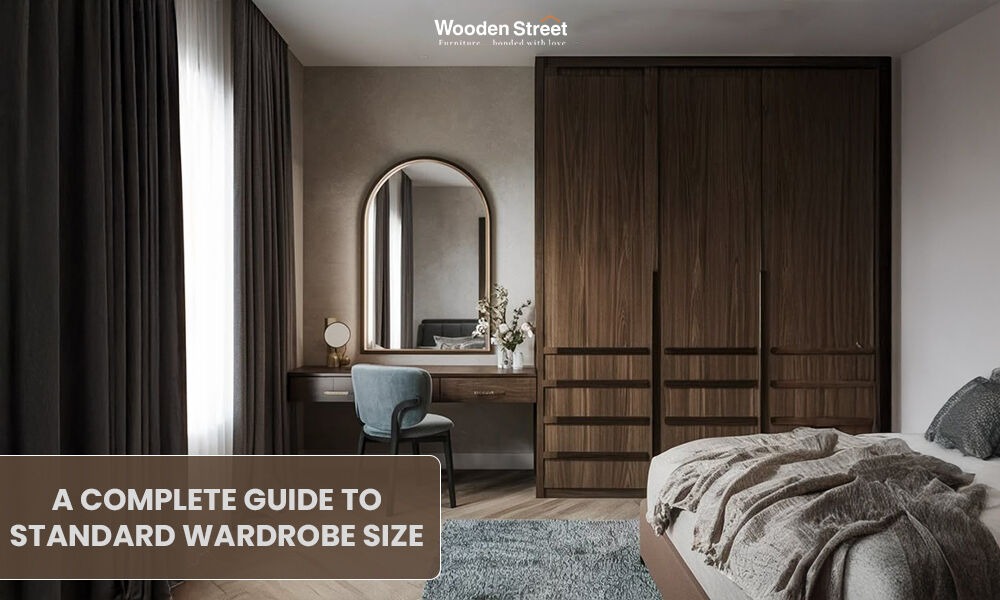


Many wardrobe purchases are driven by appearance rather than actual storage requirements. By examining what works and what falls short in your current wardrobe, you can make better decisions about capacity, shelving, hanging space, drawers, and organization features, ensuring your next wardrobe genuinely improves everyday functionality
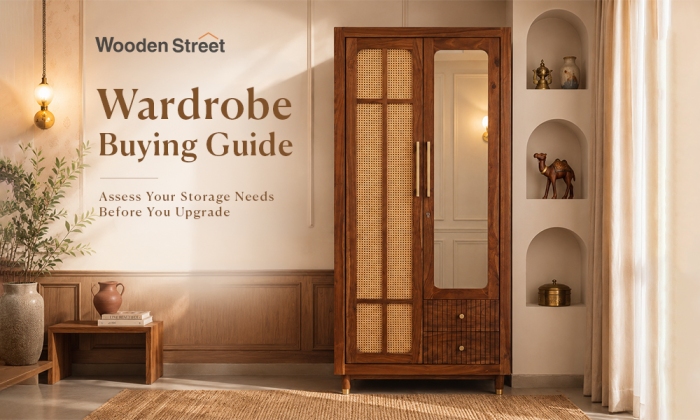
Nobody opens a wardrobe and thinks, this is working perfectly. There is always the shelf that becomes a dumping ground, the hanging section that runs out of space by October, or the bottom half that somehow swallowed three bags and a broken umbrella.
That chaos is actually useful information. It tells you exactly what your next wardrobe needs to fix.
Most people skip this step. They walk into a showroom, pick something that looks good, bring it home, and transfer the same mess into a newer, more expensive box. Six months later, nothing has changed except the price tag.
Before you buy anything, spend ten minutes with your current storage. What you find will tell you more than any salesperson ever will.
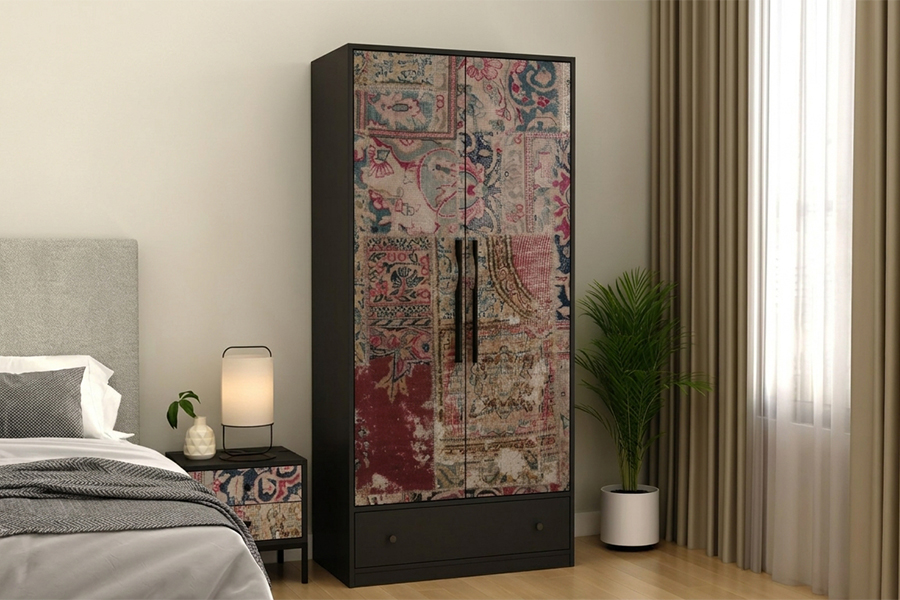
Most buyers start with the showroom. The right start is standing in front of your existing storage and auditing what it holds, what it fails to hold, and why.
This is the most important question to answer before you look at any configuration. If you have a wardrobe full of hanging clothes and only two shelves sitting empty, you do not need more shelves. You need more hanging rail. If your shelves are overflowing with folded kurtas, jeans, and knitwear but your rail has breathing room, the opposite is true.
A lot of buyers get this backwards. They buy whatever the showroom has on display, which is usually a balanced split, and then wonder why one section is always bursting while the other half stays empty. Count your hanging pieces and your folded pieces before you walk into any store.
This question is the brief for your next purchase. If your suitcases are living under the bed, the new wardrobe needs base storage or a deep bottom section. If extra bedding is piled on a shelf in another room, you need wider shelving. If shoes are lined up on the floor because there is nowhere else for them, you need a shoe section built in.
Write the answer down. Literally. Bring that list when you shop.
A shared wardrobe without a clear internal division becomes one person's wardrobe within three months. Both people start with good intentions. Within a few weeks, the tidier person's side has expanded, the other has compressed, and resentment is stored alongside the winter clothes.
If two people are sharing, the layout needs a physical boundary built into it. Separate hanging rails, separate drawer columns, separate shelving zones. Not guidelines, actual divisions.
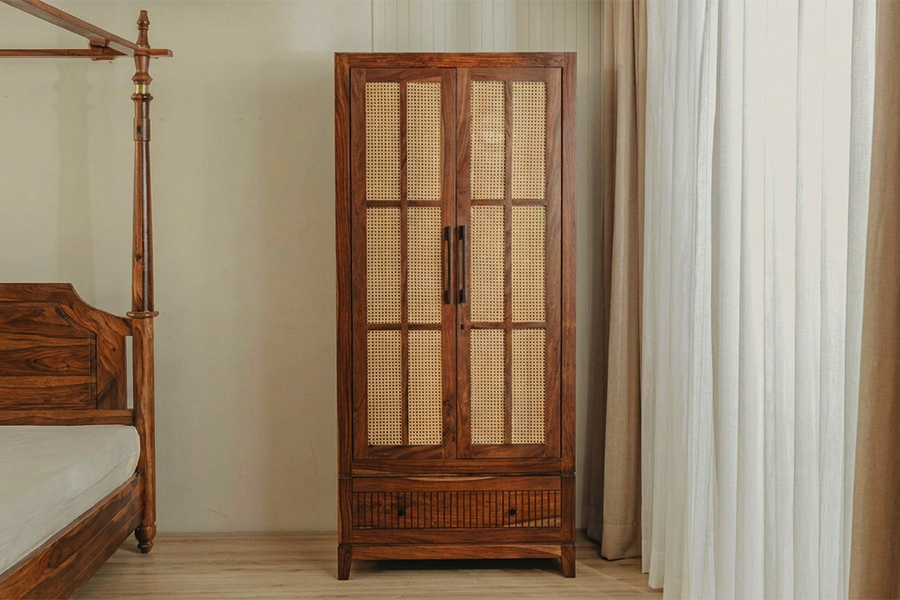
Getting the wardrobe size right without checking the room is one of the most common and most avoidable mistakes in furniture buying.
Hinged doors need 18 to 24 inches of clear floor space in front to open fully. In a bedroom where the bed sits close to the wardrobe, that clearance often does not exist. Sliding doors solve this entirely since they need zero swing space, but they come with a trade-off: you can only ever access half the wardrobe at once.
Measure the actual floor space in front of where the wardrobe will sit before you decide. Not the space you think is there. The actual space.
Most standard wardrobes leave a gap between the top and the ceiling. That gap collects dust, makes the ceiling feel lower than it is, and wastes storage that could hold seasonal items or spare bedding. A floor-to-ceiling wardrobe eliminates all three problems.
The extra cost of going to ceiling height is usually modest and almost always worth it, especially in bedrooms where every cubic foot of storage counts.
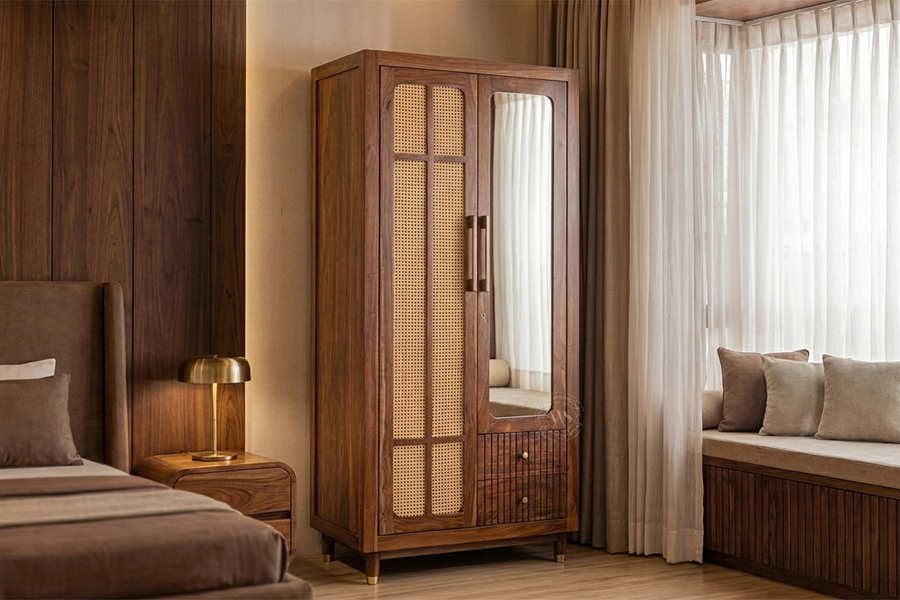
What a wardrobe looks like on the outside and how long it actually lasts are two completely different conversations.
The hinges, drawer runners, and handles in any wardrobe are only as reliable as the board they are fixed into. MDF and low-grade particleboard are soft materials. Over time, screws loosen, hinges start to sag, and drawer runners stop sitting level. With solid wood, the hardware stays firm for years because the material holds it properly.
Engineered wood is not a bad choice if the board quality is high. But cheap particleboard with a laminate finish, which is what a lot of budget wardrobes are made from, tends to show its age quickly, especially around the hinges and drawer edges.
Open shelves look organised on day one. By week two, they look like a before photo from a home organisation video. Drawers are what actually maintain organisation over time because they limit what you pile in and make you put things back in a defined space.
Wherever the configuration allows, prioritise drawers over open shelving for folded items. Shelves work well for bags, boxes, and items that stand upright. For everything else, a drawer with a rough category assigned to it will serve you better than a shelf that gradually becomes a horizontal pile.
Internal depth. Standard wardrobe depth is 55 to 60 cm. Anything shallower and standard hangers sit at an angle, clothes do not hang flat, and the rail never feels properly usable. This number rarely appears in the headline specs on a product listing, but it determines how functional the hanging section actually is.
Before buying, check the internal depth, not the external depth. Those two numbers are not the same once you account for the back panel and door thickness.
We will be back with the next blog soon. Till then, stay tuned!
Read More :
Which Center Table Matches Your Style?
Image Source: Pinterest, Google, and Wooden Street
A Sliding wardrobes save floor space because doors do not swing outward, making them ideal for compact bedrooms with limited clearance around furniture
A A balanced layout with separate hanging sections, shelves, drawers, and dedicated storage zones ensures both people have organized and easily accessible space
A Yes, floor-to-ceiling wardrobes maximize vertical storage, reduce dust accumulation on top, create a seamless look, and make better use of available space
A The standard wardrobe depth is typically 24 inches (60 cm), providing enough room for hanging clothes without causing overcrowding or obstruction
A Assess your clothing volume, accessories, seasonal items, and future storage needs, then allocate hanging, shelving, and drawer space accordingly
Trending Products
Top Picks from EveryoneArticles you will love to read
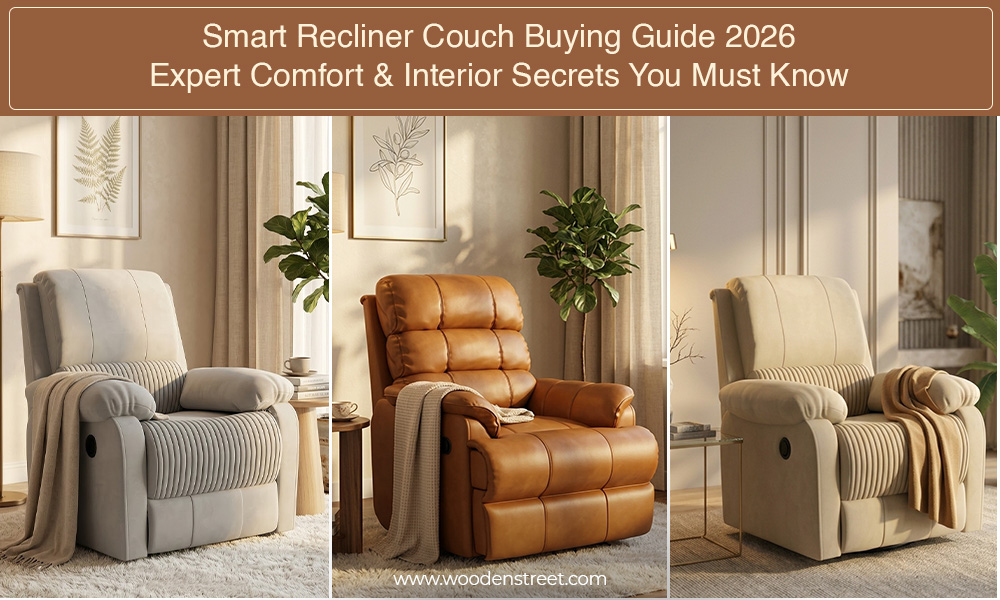
Planning to upgrade your living space? This guide reveals expert tips to choose the perfect 3 seat recliner couch, covering comfort, materials, mechanisms, and interior styling. Learn how to balance functionality with aesthetics to create a cozy, modern, and space-efficient home setup in 2026.
Continue Reading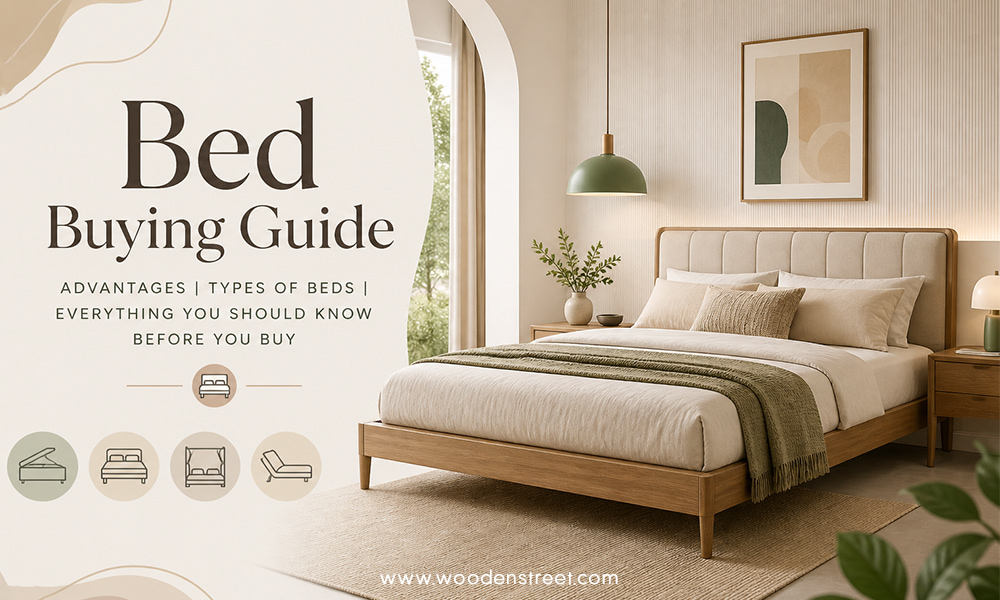
Choosing the right bed is essential for comfort, sleep quality, and bedroom aesthetics. This comprehensive bed buying guide covers the advantages of different bed styles, popular bed types, materials, storage options, and important factors to consider before making a purchase. Whether you're furnishing a new home or upgrading your bedroom, this guide helps you find the perfect bed to match your space, lifestyle, and budget.
Continue Reading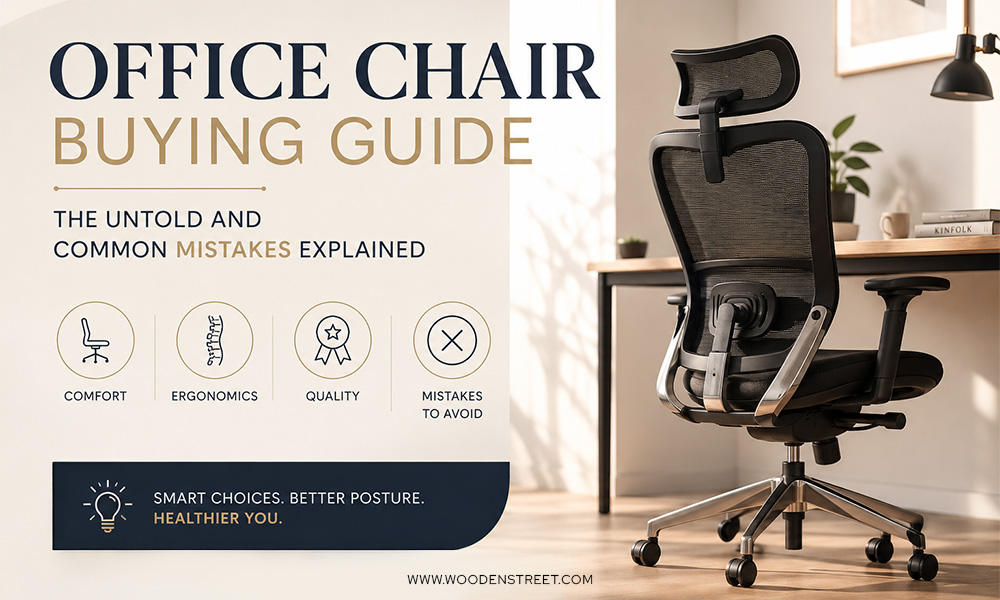
Buying the wrong office chair can lead to discomfort, poor posture, and wasted money. This guide explains the most common office chair buying mistakes, essential ergonomic features, material choices, sizing tips, and practical factors people often overlook before selecting a chair for work, study, or long daily sitting hours
Continue Reading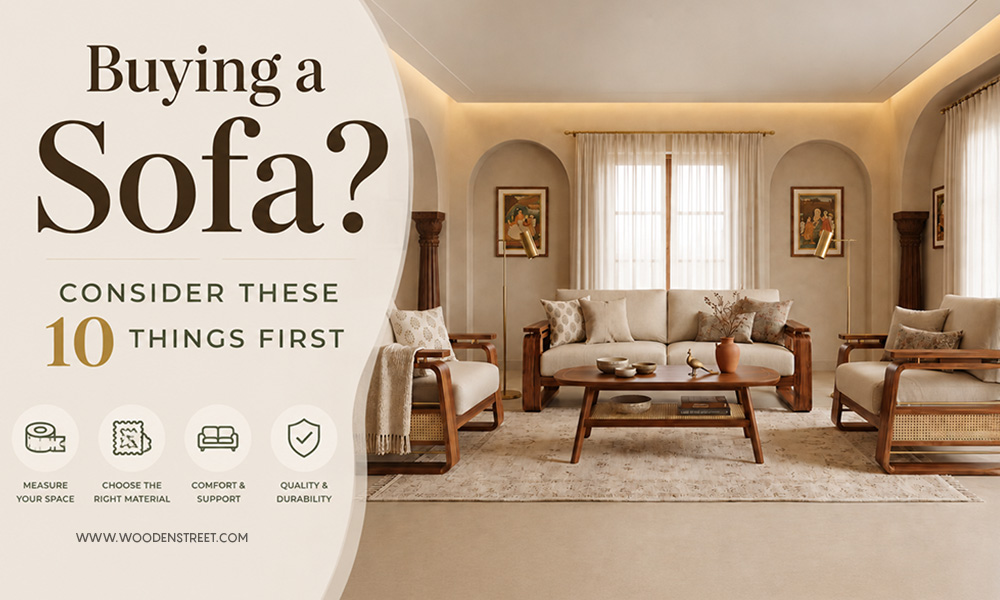
Buying a sofa involves more than choosing a design you like. This guide covers the most important factors people often overlook, including dimensions, upholstery, frame quality, seating comfort, maintenance, and room layout, helping you make a practical investment that suits your lifestyle and space
Continue Reading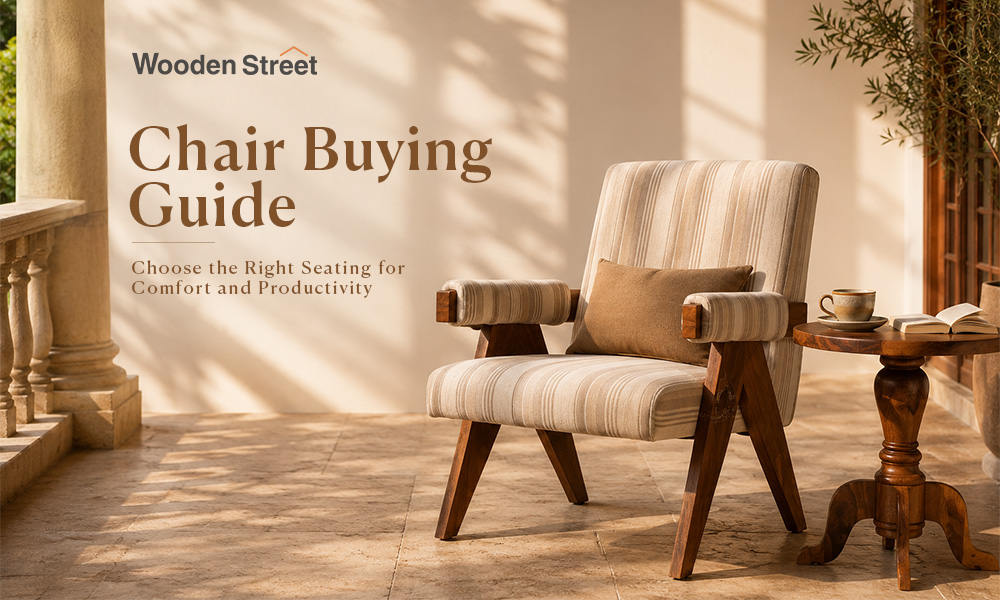
Before focusing on materials, adjustments, or design details, it’s important to understand how a chair will be used. This guide highlights three essential questions that can simplify the selection process, helping you evaluate comfort, functionality, and long-term suitability for your specific needs and environment
Continue Reading


