





Find out how warm white, neutral white, and cool white lighting affect bedrooms, living rooms, furniture, and décor. A practical lighting guide for homeowners.
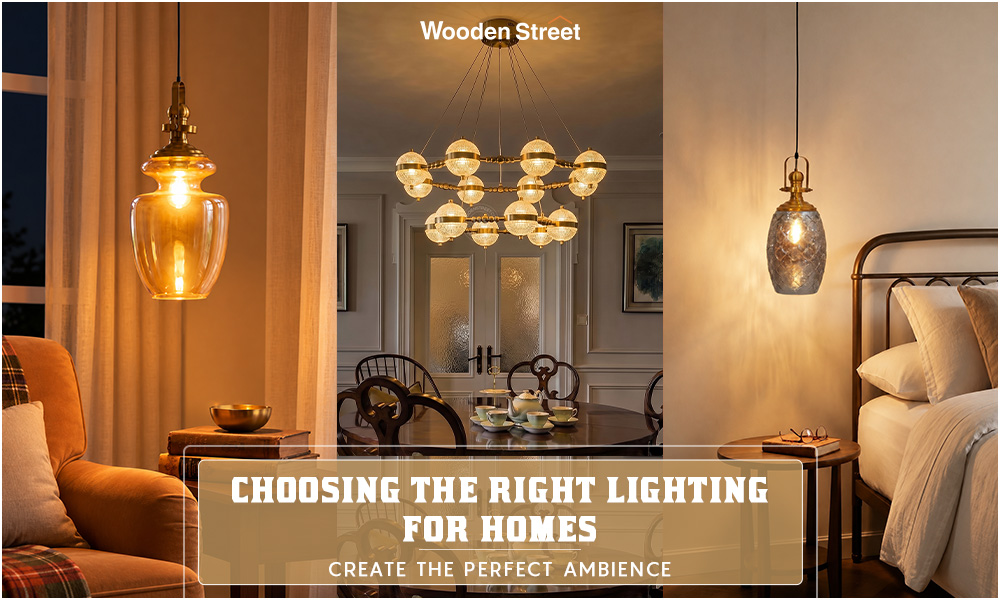
There are days when we visit someone's home and instantly feel that the room looks amazingly warm, much more welcoming and richer, even though the furniture itself was not overly fancy? Also, you would have also noticed that while purchasing any furniture like Sheesham wood bed, spending good money on it, bringing it home, and somehow it didn't look as rich as it looked in the showroom. Now before you blame the furniture, wall paint or curtains, there is one thing that most homeowners completely ignore.
The lamps and lighting. And no, we are not talking about brightness alone. We are talking about that tiny number printed on the bulb box that most of us never bother checking, i.e., 2700K, 3000K, 4000K, 6500K.
Most people simply ask for a "white light" or a "yellow light" and call it a day. But believe it or not, this one number can completely change how your furniture looks, how your room feels and even how people look when sitting inside that room.
Before you finalize setting-up lighting for your home, it is important to have a complete idea about colour temperature because that makes the overall room set-up feels complete.
Let's understand why.
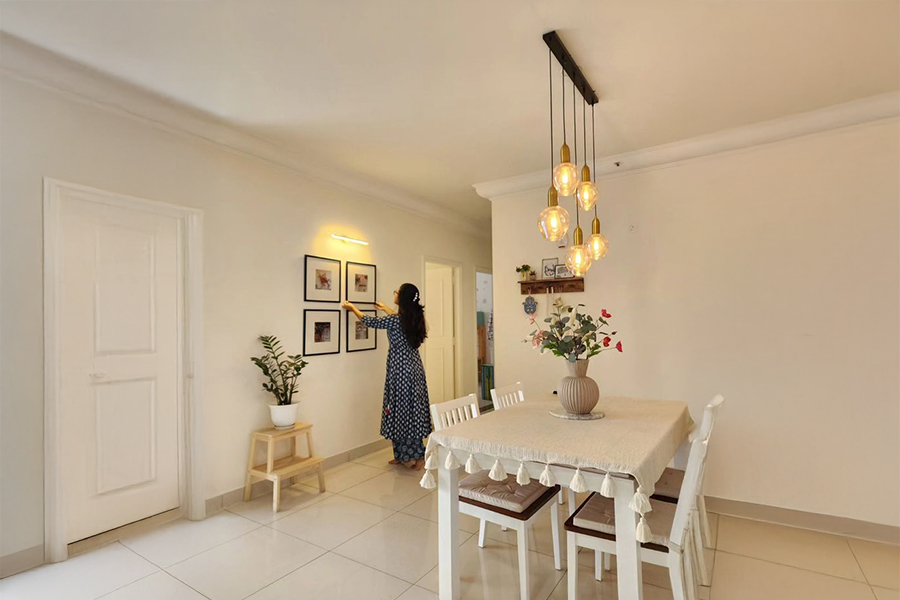
When most Indians buy a bulb, they usually check two things: Price and wattage. That's it. The electrician says 12W is enough, so we buy 12W. The shopkeeper says this one is brighter, so we buy that one.
But the number that actually changes the mood of your room is Kelvin (K). Kelvin tells you the colour temperature of the light. Think about it this way: imagine the exact same bedroom. Same bed. Same wardrobe. Same curtains. Same paint.
Now switch the light from 2700K to 4000K. Suddenly the room starts feeling completely different. That's because Kelvin controls the light colour for room settings much more than most people realise.
And once you understand it, choosing the right light colour for bedroom, living room or dining space becomes much easier.
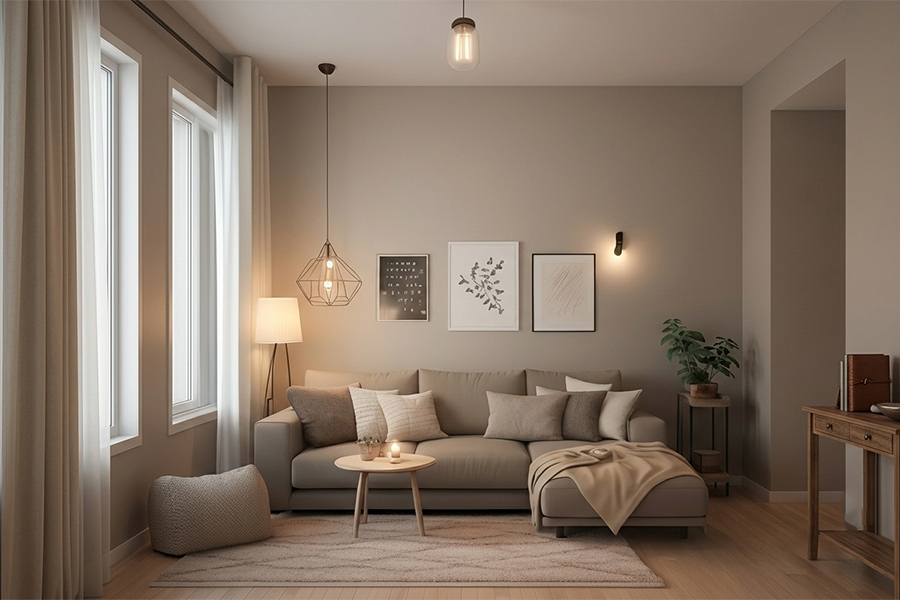
This is the light you often see in premium hotels, luxury bedrooms and beautifully styled homes. The light has a soft yellow tone. It makes wooden furniture look richer. It makes fabric colours appear softer. It even makes skin tones look healthier.
If you own Sheesham wood furniture, teak furniture or mango wood furniture, warm white lighting can make them look absolutely stunning. This is why many designers recommend warm light for bedroom spaces.
For most Indian homes, the best light colour for bedroom spaces usually falls between 2700K and 3000K.
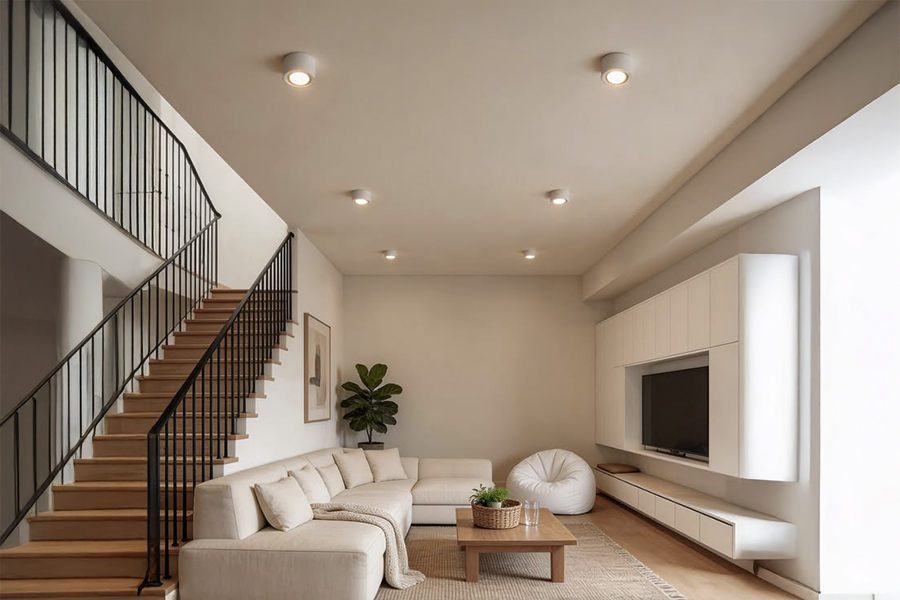
Now this is where things become interesting. 4000K sits somewhere between warm and cool. Not too yellow. Not too white. Not too harsh. Not too soft. Many people prefer this light colour for room settings where multiple activities happen throughout the day like living rooms, dining areas, and other family spaces.
This type of light works well because it balances comfort and visibility. However, there is one catch. Sometimes neutral white lighting can make a room feel slightly flat. So it simply needs the right furniture and room setting around it.
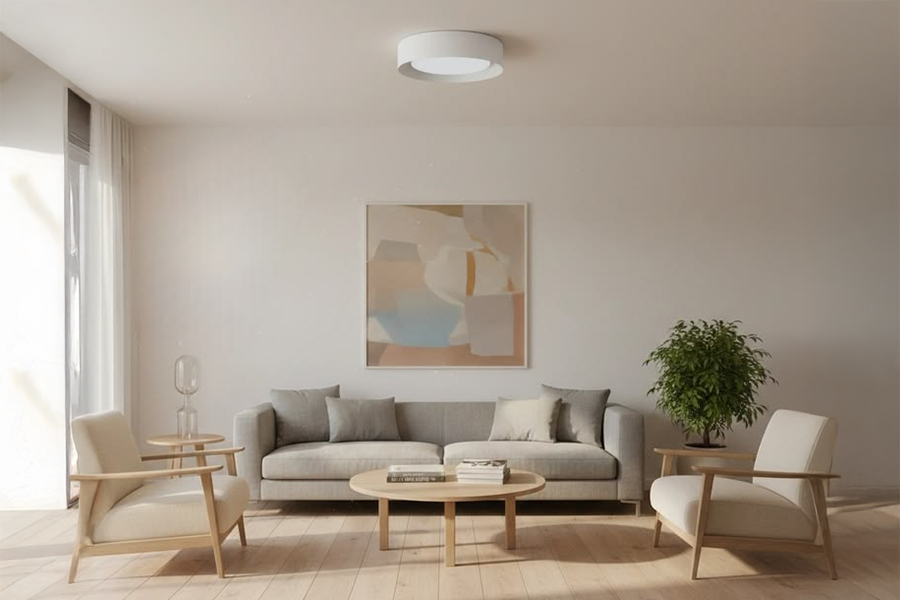
This is probably the biggest mistake many homeowners make. They assume brighter white means better. It doesn't. In fact, cool white lighting can sometimes make expensive wooden furniture look less attractive. Warm wood tones lose some of their richness. The room can start feeling more commercial than residential.
Now that doesn't mean cool white lighting is useless. It works really well in:
But using 6500K inside a bedroom is often like wearing office clothes to a wedding. Technically possible. But not the best choice. This is why choosing the correct bedroom light colour matters so much.
Many people confuse lumens with Kelvin. They are completely different. Kelvin controls colour. Lumens control brightness. Think of Kelvin as the mood. Think of lumens as the volume. Even the perfect light colour for room settings can feel disappointing if there aren't enough lumens.
As a simple guideline:
|
Room |
Recommended Lumens |
|
Bedroom |
1,500–3,000 |
|
Living Room |
2,000–4,000 |
|
Dining Room |
2,000–4,000 |
|
Kitchen |
3,000–6,000 |
|
Study Room |
3,000–5,000 |
|
Bathroom |
2,000–4,000 |
This is why both colour temperature and brightness should always be planned together.
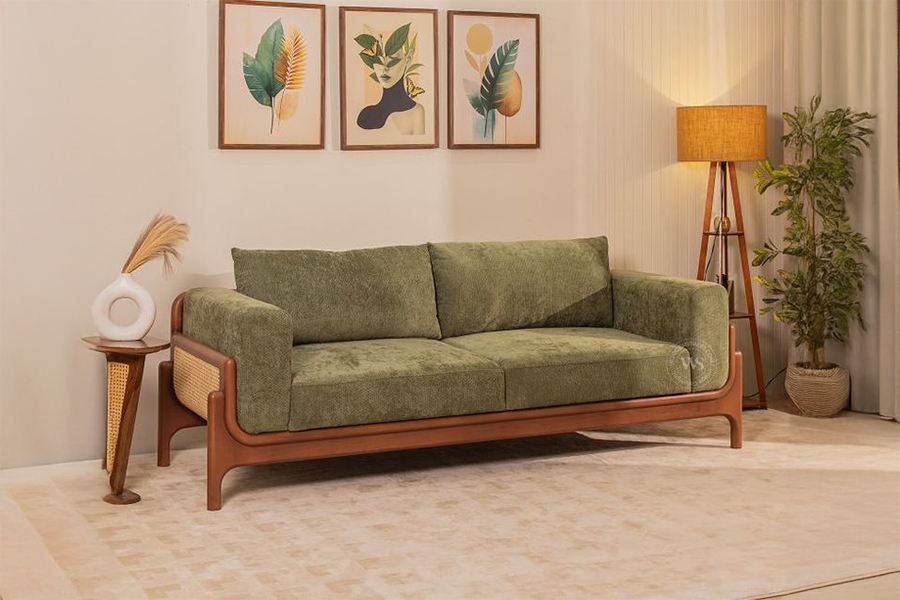
Now let's talk about furniture because this is where things get really interesting.
Sheesham wood naturally has deep grain patterns. Under warm light for bedroom settings, those grains become more noticeable.
Teak wood develops a warm golden appearance. Mango wood gains depth and character. Switch the same furniture under cool white lighting and some of that warmth disappears. The furniture is still beautiful, but it no longer has the same visual impact.
Many premium furniture stores intentionally use warmer lighting because it helps customers see the natural beauty of the wood.
The same principle applies at home. The right light colour for bedroom furniture can make a huge difference without changing a single furniture piece.
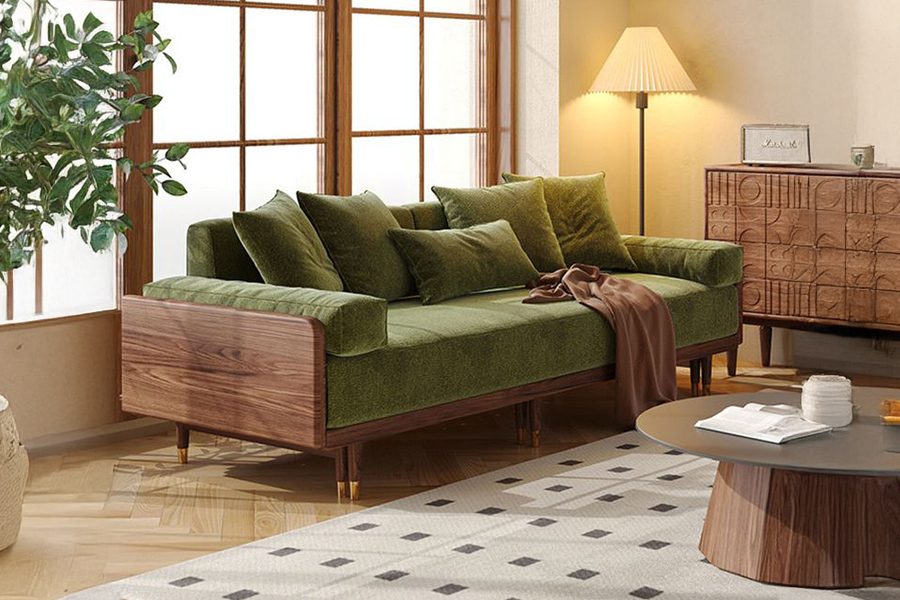
Now here's another number people rarely discuss: CRI: Colour Rendering Index. CRI tells you how accurately colours appear under a light source. A bulb with poor CRI can make beautiful furniture, curtains and cushions look dull. Even if the Kelvin is perfect. For Indian homes, try choosing lighting with a CRI of at least 80. If you can get 90+, even better.
This is something many homeowners realise only after installation. Not every light can be dimmed. And not every fixture supports dimmer switches. If you are planning a warm light for bedroom spaces, dimmer compatibility can make a huge difference.
During the evening, you can reduce brightness and create a softer atmosphere. During reading time, you can increase brightness again. Before buying any fixture, always check:
A two-minute check today can save a lot of frustration later.
|
Room |
Kelvin Range |
Lumens Range |
Avoid |
|
Living Room |
2700K–4000K |
2000–4000 |
Excessively cool lighting |
|
Bedroom |
2700K–3000K |
1500–3000 |
6500K daylight bulbs |
|
Dining Room |
2700K–3000K |
2000–4000 |
Harsh white lighting |
|
Kitchen |
3500K–5000K |
3000–6000 |
Very dim warm lighting |
|
Study Room |
4000K–5000K |
3000–5000 |
Low brightness |
|
Bathroom |
3500K–5000K |
2000–4000 |
Extremely yellow lighting |
Choosing the correct light colors for a room becomes much easier when you follow room-specific recommendations rather than using the same bulb everywhere.
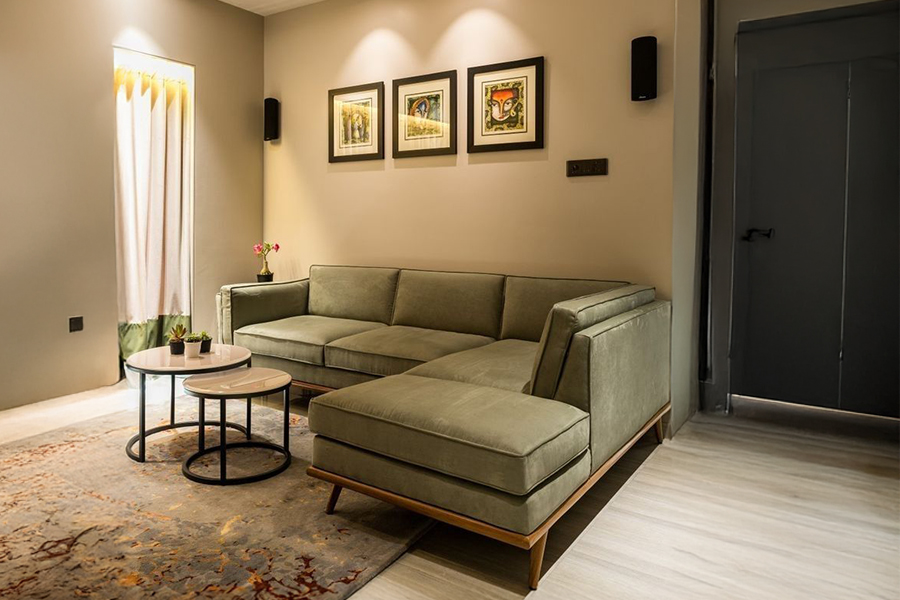
Can you mix warm and cool lighting in one room? Yes. But carefully. For example, you can mix and match it up like: Warm ceiling lighting + Neutral reading lamp + Warm accent lighting.
This combination can work beautifully. What usually creates problems is random mixing like one cool white tube light, one warm lamp, one daylight spotlight, and one neutral pendant. And suddenly the room starts feeling confused.
A simple rule is to keep one dominant colour temperature and use others only as supporting layers. That makes the overall lighting set-up feel complete.
Lighting is one of those things people notice only when it goes wrong. And honestly, that's why so many beautiful homes never reach their full potential. The right furniture matters. The right curtains matter. The right layout matters. But the right light colour for room settings ties everything together.
So whether you are choosing a light colour for bedroom spaces, selecting the ideal bedroom light colour for relaxation or deciding between different light colors for a room, always remember one thing. Furniture and lighting work as a team.
When both are chosen correctly, even a simple room can look absolutely amazing. And when they don't work together, even expensive furniture can struggle to create the feeling you were hoping for. So before you finalize your lighting purchase, take a few extra minutes to check Kelvin, lumens and CRI. Your furniture will thank you for it!
We will be back with the next blog soon. Till then, stay tuned!
Image Source: Pinterest, Google, and Wooden Street
Read More - Brown Colour Combination Ideas for Furniture
A For most Indian homes, usually 2700K to 4000K works really very well, and if your living room is mainly used for family conversations and relaxation, you can go with warmer lighting.
A Lumens are just like the brightness. A bedroom may need around 1,500–3,000 lumens, while kitchens often need much more. A beautiful light colour for room settings can look very less attractive if the room remains underlit.
A Not necessarily. In fact, a well-planned warm light for bedroom spaces often makes the room feel much more comfortable and amazingly inviting as well. Poor placement and no warm light is usually the real issue.
A Most people find 4000K–5000K ideal because it helps in maintaining your focus while keeping the surrounding areas and colours reasonably natural.
A A whole lot more than people realise because warm lighting highlights the richness of Sheesham, teak and mango wood and the cool lighting can reduce some of that visual warmth.
A CRI measures colour accuracy. A higher CRI helps-up make furniture, fabrics and wall colours appear closer to their true and og shades.
A No. Always check the bulb, fixture and switch specifications before buying. Many homeowners discover this only after installation, and by then changing everything becomes much more difficult.
Trending Products
Top Picks from EveryoneArticles you will love to read

Looking for the perfect sofa color for your living room? This 2026 expert guide explores trendy sofa colour combinations and colourful couch inspirations to transform your space. From modern palettes to timeless styles, find the right sofa colourful ideas to enhance your home decor effortlessly.
Continue Reading
15+ Kitchen color combinations that can surely remodel your old kitchens and revamp them in style. What are you waiting for? Start Scrolling!
Continue Reading
Discover timeless and modern arch design for home interiors that improve flow, style, and functionality. From hall small arch design ideas to kitchen arch design and living room new arch design inspiration, this guide explores practical ways to use arches beautifully in every part of your house design arch layout.
Continue Reading
Choosing among the various types of wood finishes can significantly affect the look, feel, and lifespan of wooden furniture and surfaces. This guide explains how different finishes enhance grain, provide protection, and perform over time, helping you select the most suitable option for your aesthetic and practical requirements.
Continue Reading
From hinged and sliding doors to lift-up and soft-close systems, furniture door mechanisms affect accessibility, space efficiency, and user experience. This guide explains how each mechanism works, the furniture types they suit best, and the maintenance practices that help ensure smooth operation and long-lasting durability.
Continue Reading