



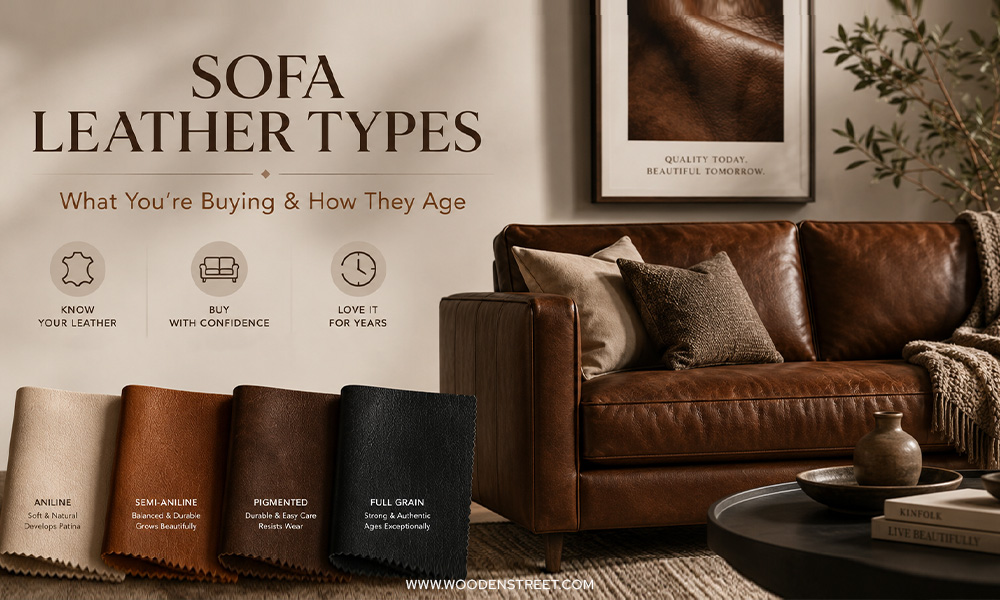
The different types of leather couches vary significantly in appearance, feel, durability, and maintenance requirements. This guide explains common leather categories, how they are processed, and how each develops over time, helping you understand exactly what you are buying before investing in a leather sofa
If a sofa is listed as "leather" in India, that word tells you almost nothing useful. It legally covers everything from full-grain hide the highest quality animal leather available to a polyurethane film with no animal content whatsoever. Same word, completely different product, wildly different lifespan.
Most buyers discover this two or three years after purchase, when the surface starts peeling at the seams or cracking in the AC room. By then, the warranty has expired, and the return window is closed.
This guide maps the entire leather hierarchy what each type actually is, how it behaves in Indian conditions, and how to verify what you're buying before you hand over the money.
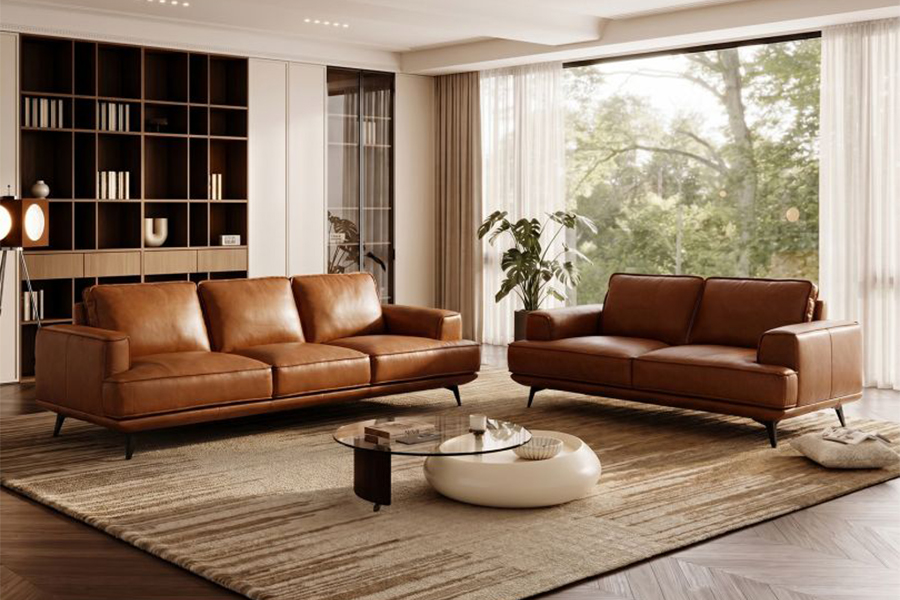
Walk into any furniture store across India, and the mid-range floor ₹30,000 to ₹90,000 is overwhelmingly PU leather. Not genuine leather with any animal content. A synthetic polymer film on a fabric backing, wipe-clean and uniform, selling under the word "leather" because nothing legally prevents it.
This isn't fraud it's terminology. "Leather sofa" in Indian retail is a category descriptor, not a material specification. Understanding the hierarchy is what separates a buyer who knows what they're getting from one who finds out later.
From highest to lowest quality:
Everything above bonded is genuine leather in some meaningful sense. Everything from bonded down is a synthetic or near-synthetic product using the word leather for commercial positioning.
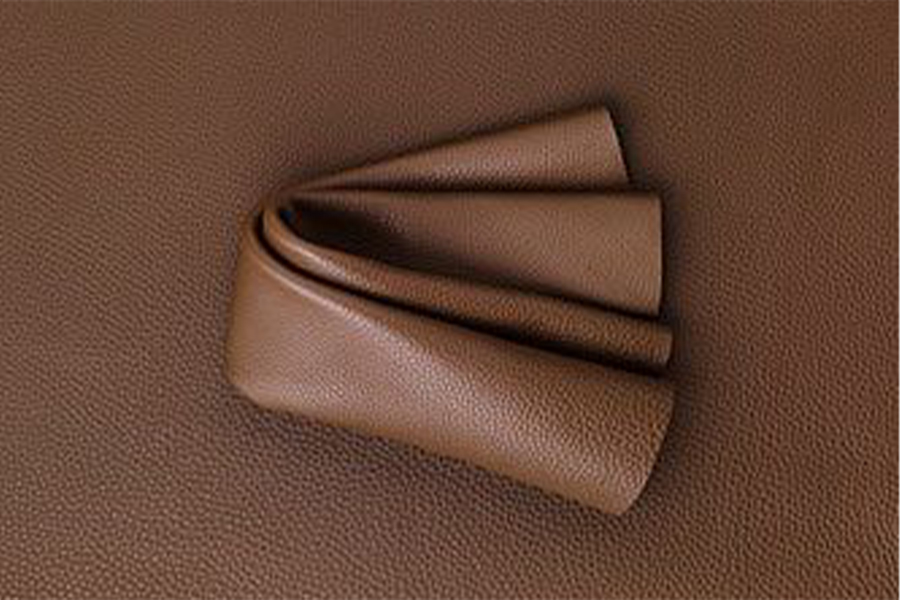
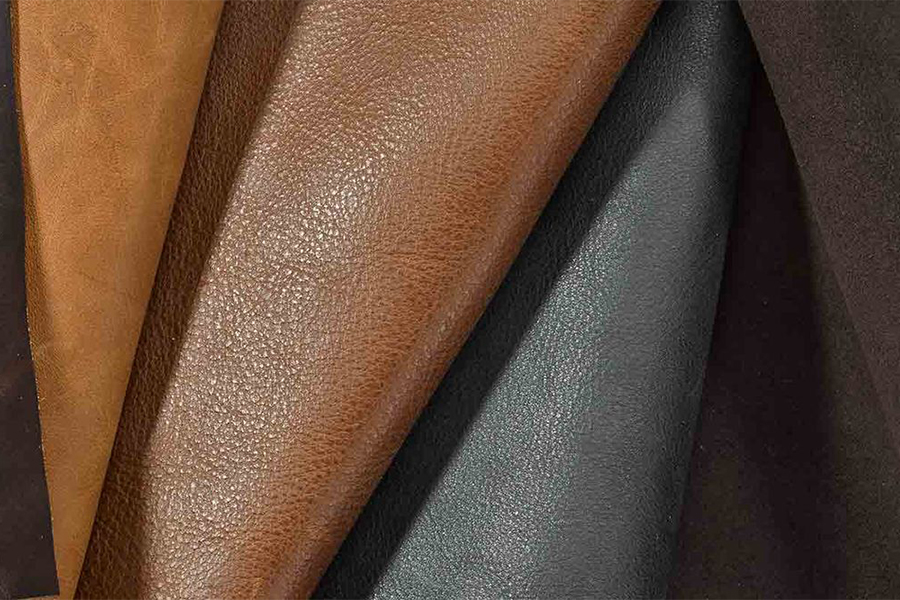
Full-grain is the outermost layer of the hide the densest, most durable part with the natural grain left entirely intact. No sanding, no buffing, no surface correction. Natural variations, scars, and marks from the animal's life remain visible. These are features of the material, not defects.
What makes full-grain different from everything below it is how it ages. Rather than deteriorating, it develops a patina a deepening of tone and texture that makes the leather richer over decades. A well-maintained full-grain sofa bought today looks better in fifteen years than it did on day one. That is a claim that cannot be made about any other material on this list.
In Indian retail, full-grain leather sofas are rare and priced accordingly typically ₹1,50,000 and above for a three-seater from a brand that is transparent about material sourcing. If a "full-grain leather" sofa is priced at ₹60,000, ask for the material certificate.
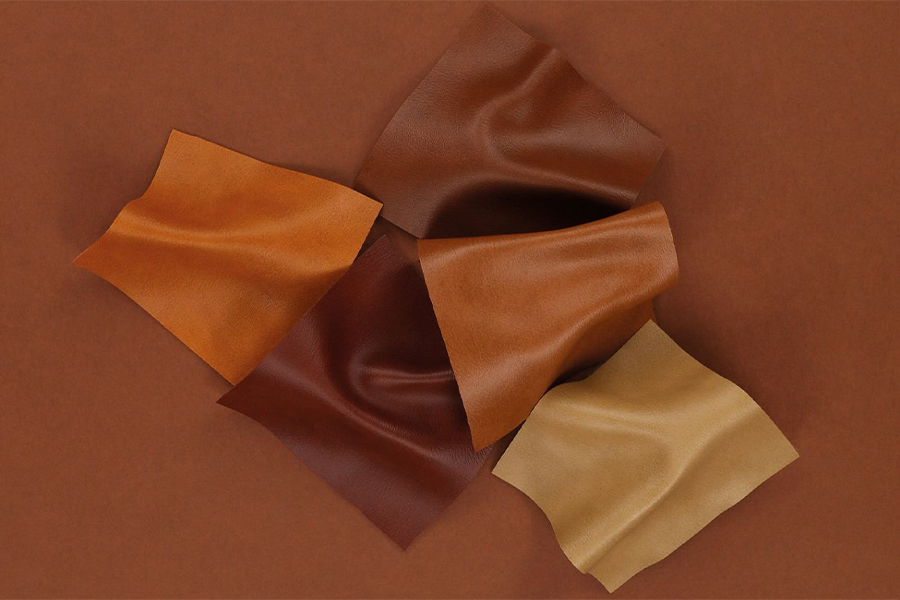
Top-grain is the most common genuine leather used in quality furniture globally and in India. The surface is lightly sanded to remove natural imperfections, giving it a more uniform appearance than full-grain. A protective finish is applied on top.
It's slightly less durable than full-grain over decades the sanding removes some of the hide's densest fibres but for most buyers, the difference is academic. A quality top-grain sofa lasts 15 to 20 years with basic maintenance.
One important clarification: in Indian retail, "genuine leather" labelling most commonly refers to top-grain or corrected-grain leather, not full-grain. When a product says genuine leather without specifying grade, assume top-grain at best.
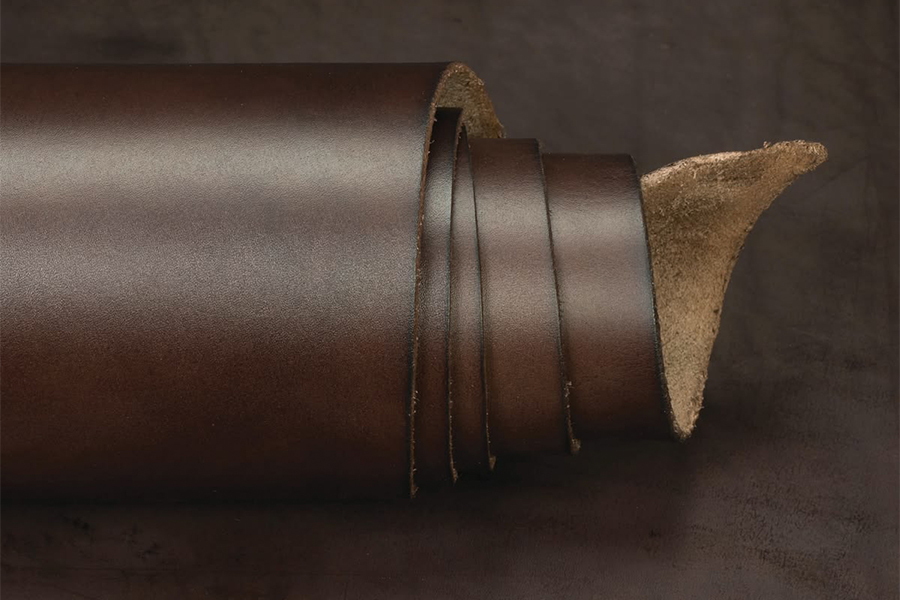
Corrected-grain starts with hides that have too many imperfections for top-grain use. The natural surface is sanded away more aggressively, and an artificial grain pattern is embossed onto what remains. A thick polyurethane coating is applied on top.
It is technically genuine leather there is real hide underneath but the processing removes most of what makes leather valuable. The breathability, the natural ageing, the patina development all largely eliminated. What's left is a consistent, blemish-free surface that will crack or peel from the coating layer within 5 to 8 years of daily use.
It's used because it's consistent and cost-effective. Brands rarely label it "corrected-grain" it appears as "genuine leather" or just "leather."
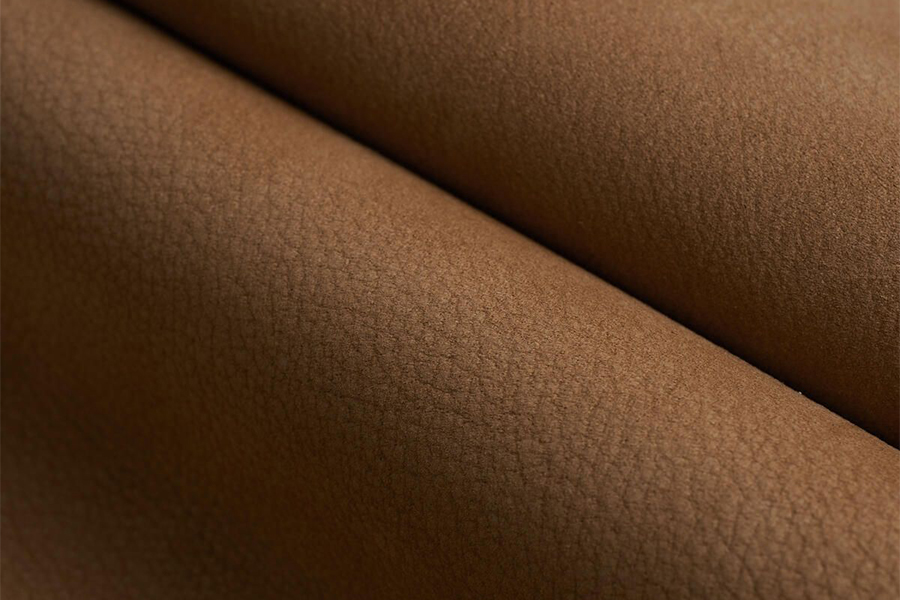
Nubuck is top-grain leather buffed on the outer surface to create a velvet-like nap similar to suede but made from the outer hide rather than the inner split. The texture is distinctive and genuinely premium in appearance.
The maintenance reality is harsh. Nubuck marks immediately water, oils, dust, and friction all show on the surface within weeks of use. It requires specialist cleaning products, regular brushing, and periodic conditioning. Spills that a top-grain sofa would wipe clean leave permanent marks on nubuck without immediate treatment.
For Indian homes with children, pets, or anyone who doesn't want a high-maintenance surface, nubuck is the wrong choice regardless of how good it looks on day one. For a formal sitting room used infrequently with disciplined maintenance it's beautiful. Be honest about which situation applies.
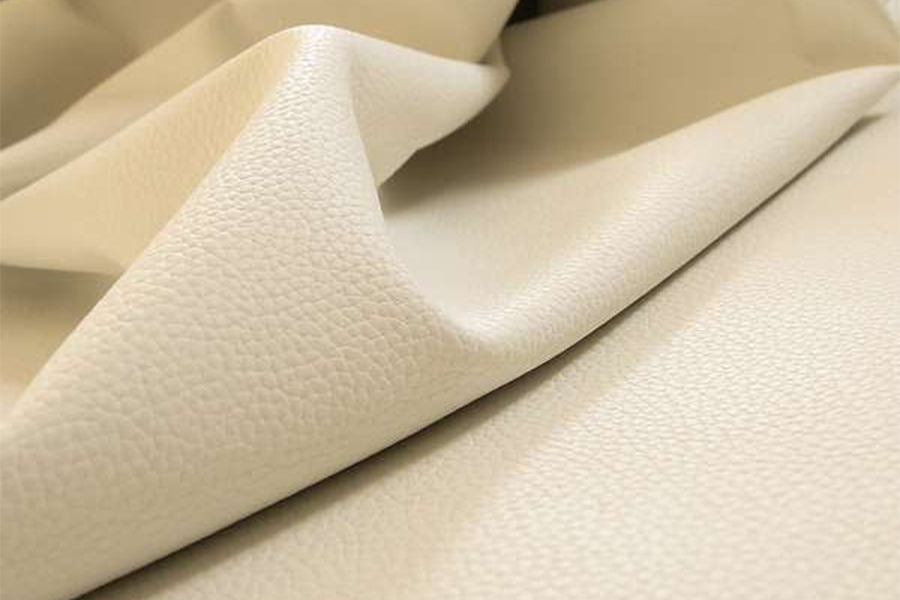
Bonded leather is manufactured from leather scraps and fibres the waste material from genuine leather processing shredded, compressed, and bonded together with a polyurethane adhesive. A thin polyurethane film is applied on top to create a leather-like surface.
The leather content is typically 10 to 20% of the total material. The rest is synthetic binder and coating.
The lifespan problem is structural: the polyurethane coating begins separating from the compressed backing at stress points seams, arm edges, and the seat crease within 2 to 4 years of daily use. Once peeling starts, it cannot be repaired. The entire surface degrades progressively.
Identifying bonded leather: the price is usually in the ₹20,000 to ₹45,000 range for a three-seater. The surface looks and smells like leather initially. The edge of the material, where it's cut, shows a fibrous or crumbly texture rather than the clean cross-section of genuine hide.
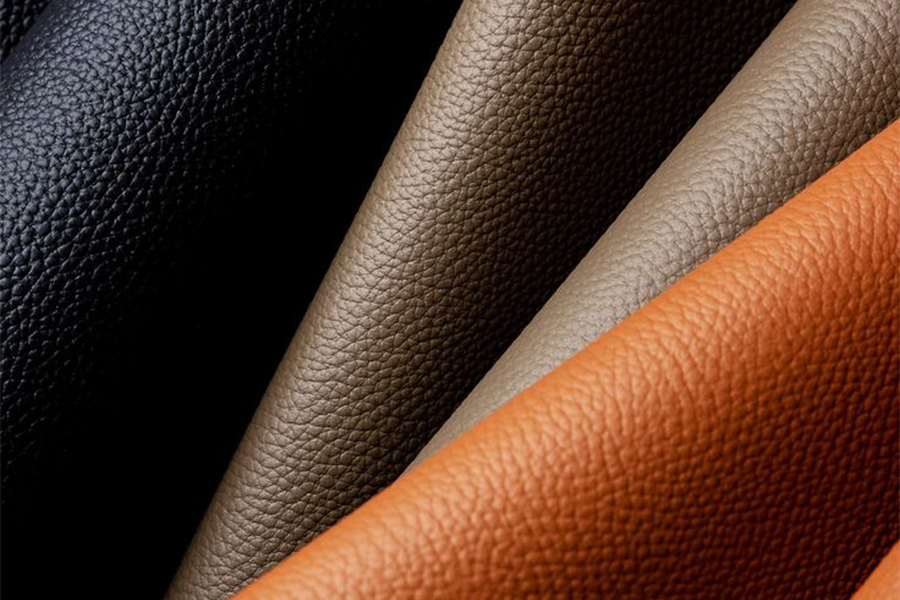
PU leather contains no animal material. It is a polyurethane polymer film applied over a fabric base typically polyester. The leather association is entirely in the name and texture. It is a synthetic fabric.
What PU does well: uniform appearance, easy to wipe clean, consistent colour across the surface, and significantly lower cost than any genuine leather. For buyers who want the look without the price, PU is honest if the buyer knows what it is.
What PU fails at specifically in India: heat retention. PU does not breathe. In rooms without AC through Indian summers, a PU sofa becomes uncomfortable to sit on within minutes the surface traps body heat and moisture. In AC rooms, the dry air causes the surface to crack within 3 to 5 years as the polymer loses flexibility. The cracking is irreversible.
Most "leather sofas" in India's ₹30,000 to ₹80,000 range are PU. This is the product category that drives the majority of complaints about leather sofas peeling.
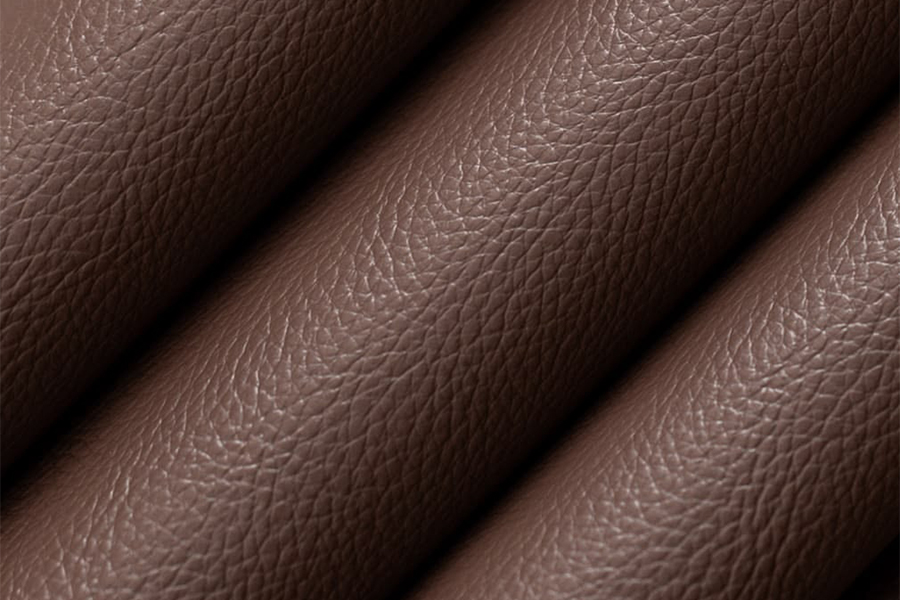
Bicast leather uses a split hide the lower layers of the hide left over after the top-grain is removed as a base, with a thick polyurethane or PVC coating bonded on top. It's positioned as a middle ground between genuine leather and PU.
In practice, the longevity is closer to PU than genuine leather. The coating cracks and peels under the same conditions. The split leather base adds some breathability margin but not enough to meaningfully extend the surface lifespan in Indian conditions. Expect 4 to 7 years before visible deterioration.
| Leather Type | Source Material | Durability | Indian Climate | Maintenance | Price Signal | How to Identify |
|---|---|---|---|---|---|---|
| Full-Grain | Outer hide, unprocessed | 25+ years | Excellent | Low (conditioning) | ₹1.5L+ per sofa | Natural grain variation, no uniform surface |
| Top-Grain | Outer hide, lightly sanded | 15-20 years | Good | Low-Medium | ₹80K-1.5L | Consistent but natural-feeling surface |
| Corrected-Grain | Sanded hide, embossed grain | 8-12 years | Moderate | Medium | ₹45K-80K | Perfectly uniform grain pattern |
| Nubuck | Top-grain, velvet buffed | 10-15 years | Poor (marks easily) | High | ₹70K-1.2L | Velvet-like touch, shows fingerprints |
| Bicast/PVC | Split hide + PU coating | 4-7 years | Poor | Low | ₹30K-55K | Shiny, uniform, plasticky edge |
| Bonded Leather | Scraps + polyurethane binder | 2-4 years | Poor | Low | ₹20K-45K | Fibrous or crumbly cut edge |
| PU Leather | Fully synthetic | 3-5 years | Poor (heat + AC) | Very Low | ₹15K-50K | No smell, uniform, fabric backing visible at edge |
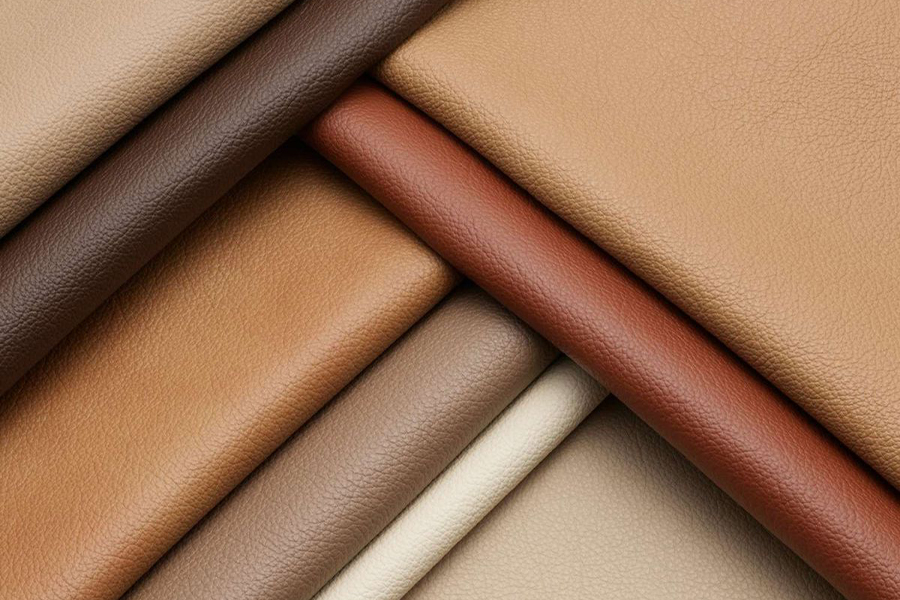
Global leather buying guides don't account for India's specific climate stress: high ambient heat in summer, high humidity during monsoon, and aggressive AC exposure for several months of the year. This cycle is punishing for synthetic materials.
Full-grain and top-grain leather contain natural oils within the hide fibres. These oils allow the leather to flex with temperature changes rather than crack. With periodic conditioning a quality leather conditioner applied every 6 to 12 months genuine leather replenishes these oils and maintains flexibility indefinitely.
PU, bonded, and bicast leather have no natural oils. They are polymer films that become brittle when the moisture is drawn out of them by dry AC air, and become sticky and uncomfortable in heat without AC. Conditioning products have no meaningful effect on synthetic materials there are no fibres to penetrate. The deterioration is structural and irreversible.
For homes in coastal cities like Mumbai and Chennai, humidity is the additional variable. Genuine leather handles humidity through its natural fibre structure. PU and bonded leather trap moisture at the fabric backing layer, which leads to delamination from the inside.
Three tests work in a showroom or on delivery:
The water drop test: Place a small drop of water on an inconspicuous area. Genuine leather absorbs moisture slowly the drop darkens the surface briefly before being absorbed. PU and bonded leather repel water completely the drop sits on the surface and beads.
The edge inspection test: Look at any cut edge under a cushion flap, at the base, or where a seam is exposed. Genuine leather shows a fibrous, layered cross-section. Bonded leather shows a compressed, crumbly texture. PU shows a clean fabric backing with a polymer film on top.
The smell test: Genuine leather has a distinctive organic smell that is difficult to replicate. PU and bonded leather smell chemical or plasticky, or have been treated with artificial leather fragrance that fades within weeks.
In product descriptions, watch for: "leather-look," "leather-effect," "leatherette," "premium leather" without grade specification, and "easy-clean leather" all of these are signals of synthetic material. Ask the salesperson directly: "Is this genuine animal hide, and what grade?" The hesitation or deflection in the answer is itself information.
| Buyer Situation | Recommended Type |
|---|---|
| Long-term investment (20+ year horizon) | Full-Grain Leather |
| Premium quality without the highest cost | Top-Grain Leather |
| Budget-conscious buyers expecting 5–7 years of use | Corrected-Grain or Bicast Leather |
| Homes with pets | Top-Grain Leather (best scratch resistance among genuine leathers) |
| Homes with young children | PU or Corrected-Grain Leather for easier cleaning and lower replacement cost |
| High-heat rooms without air conditioning | Full-Grain or Top-Grain Leather |
| Formal rooms with low daily use and aesthetics priority | Nubuck Leather (only if maintenance commitment is realistic) |
| Rental properties or temporary homes | PU Leather for low upfront cost and sufficient lifespan |
The word "leather" on a sofa product page is a starting point, not an answer. Full-grain and top-grain are the only types that genuinely age well and handle Indian climate conditions across a decade or more. Corrected-grain and nubuck are genuine leather with meaningful trade-offs. Bonded leather and PU are synthetic products with a 2 to 5 year lifespan, dressed in leather vocabulary.
Know what grade you're buying. Ask for it in writing if the purchase is significant. Run the edge test on delivery. And if a leather sofa is priced below ₹40,000, be clear-eyed about what the material actually is it will perform exactly as the price suggests.
We will be back with the next blog soon. Till then, stay tuned!
Read More :
Leather or Fabric Sofa: The Honest Answer
Image Source: Pinterest, Google, and Wooden Street
A
A
A
A
A
A
A
Trending Products
Top Picks from EveryoneArticles you will love to read

Living in a small apartment doesn’t mean compromising on comfort or style. With smart space-saving furniture solutions, compact homes can feel organized, functional, and visually spacious. From multifunctional sofa cum beds to foldable tables and vertical storage, the right furniture helps maximize every inch while enhancing modern urban living.
Continue Reading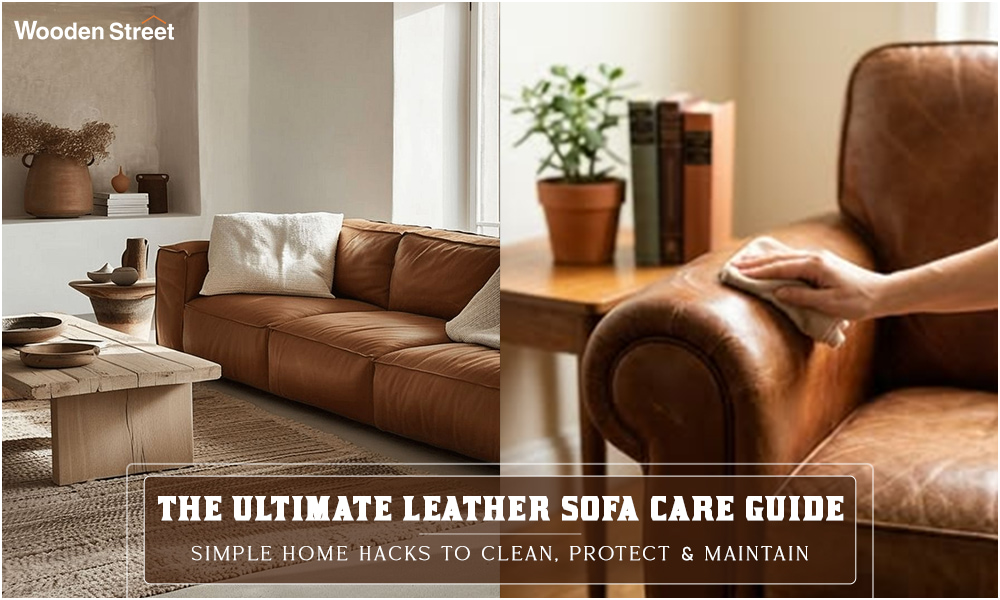
Learn how to clean a leather couch at home with simple steps, stain removal tips, and conditioning methods to keep your sofa looking new.
Continue Reading
Explore every type of sofa with this complete guide. From L-shaped sectionals to sofa cum beds and recliners, find out which sofa type actually works for your room size, lifestyle, and daily use
Continue Reading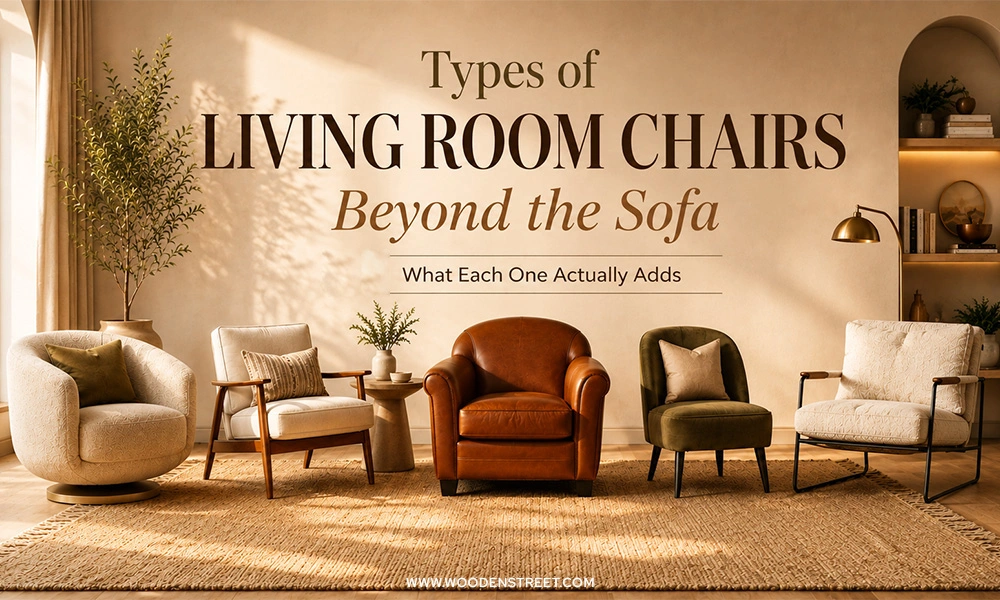
A well-designed living room needs more than just a sofa. This guide explores different types of living room chairs, from accent and lounge chairs to recliners and armchairs. Learn how various kinds of living room chairs and types of sitting room chairs add comfort, style, flexibility, and functionality to your space.
Continue Reading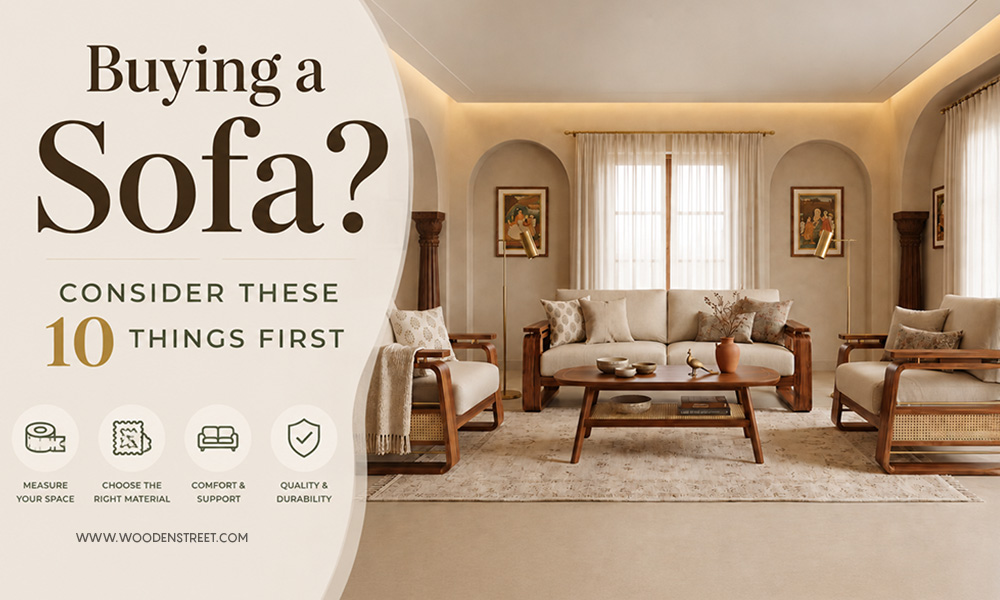
Buying a sofa involves more than choosing a design you like. This guide covers the most important factors people often overlook, including dimensions, upholstery, frame quality, seating comfort, maintenance, and room layout, helping you make a practical investment that suits your lifestyle and space
Continue Reading


