




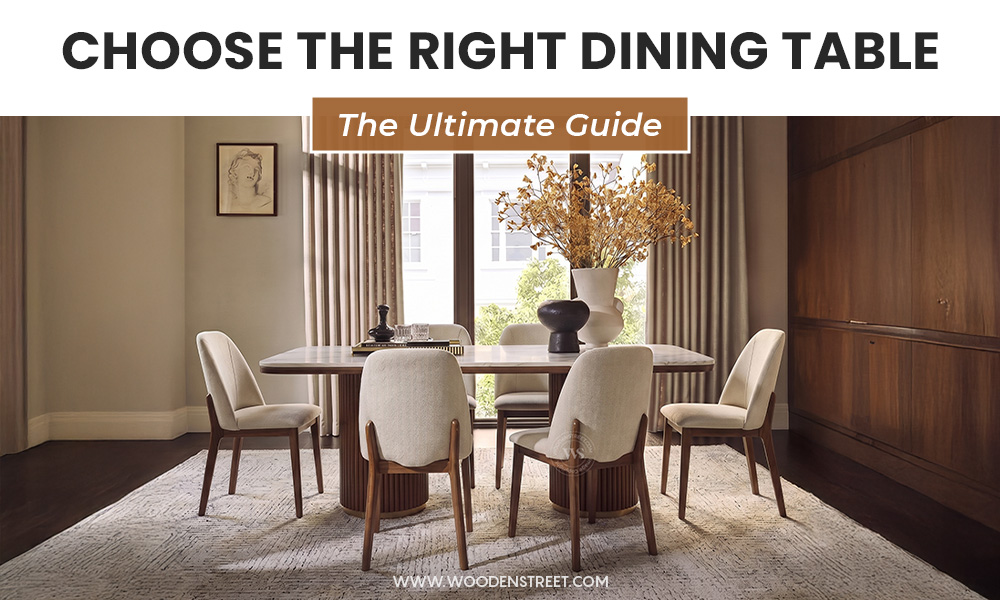
Selecting from the many kinds of dining table options requires balancing space, seating needs, and functionality. This guide breaks down dining tables by shape, dimensions, and extension mechanisms, helping you identify the most practical and visually appealing choice for your home.
You measured the room. You looked at the table dimensions. The numbers checked out. You bought it, got it delivered, and then stood in your dining room realising the chairs cannot pull out properly because the table is too close to the wall and when everyone sits down, someone is always getting up sideways.
This is the most common dining table mistake. And it is almost never about the table itself.
The table was fine. The planning was not.
Choosing a dining table is genuinely one of the trickier furniture decisions in a home because it involves more variables than most people account for. Shape. Size. How it extends. What the base looks like. How much room do the chairs actually need? This guide covers all of it clearly, without unnecessary complication so you can walk into a store or open a website and know exactly what you are looking for.
Most people start with size. How big is the room? How many people need to sit? These are fair questions but they are actually the second questions, not the first.
The first question is shape.
The shape of a dining table affects how air moves through the room, how people move around it, how conversations happen across it, and how the whole space feels when the table is not even in use. A rectangular table in a square room feels wrong even when nothing is wrong with either of them. A round table in a long, narrow dining space feels cramped even at a small size.
Get the shape right first. Then figure out the size. Everything else follows.
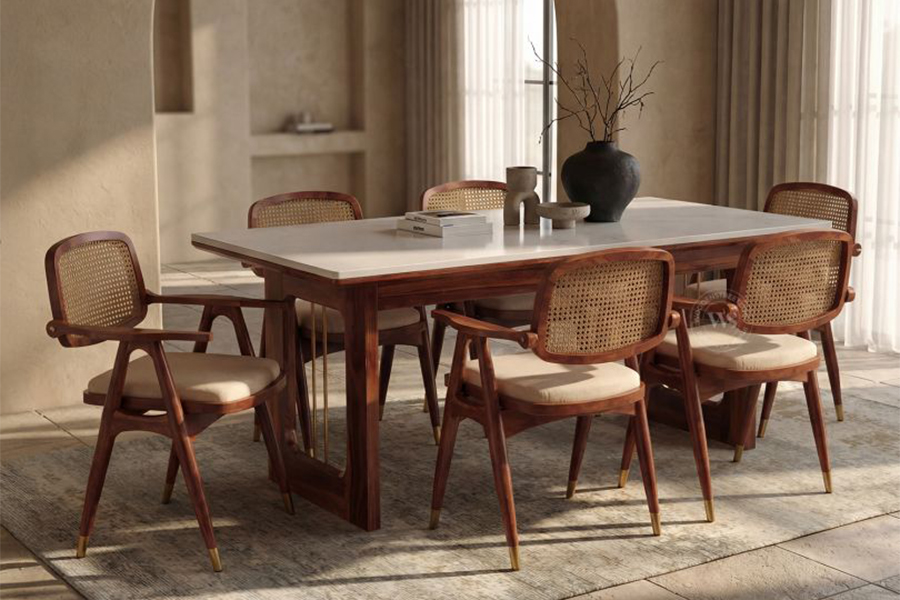
The rectangular dining table is the most common type of dining table in Indian homes and there are good reasons for that. It seats more people per square foot than any other shape. It fits naturally into rooms that are longer than they are wide, which describes most dedicated dining spaces. It is how most people picture a dining table when they close their eyes and imagine one.
A rectangular table creates a natural head of the table dynamic. There is a top and a bottom, which works well in some households and feels unnecessarily formal in others. Something to think about if you are the kind of family that does not really do hierarchy at mealtimes.
The other thing about rectangular tables: the ends are awkward. Corner legs get in the way of the chairs at either end, and the person sitting at the head is slightly isolated from the long sides. This is a minor thing in a big family and a noticeable thing when there are only three of you.
For rooms with a clear long axis and a family of five or more, rectangular is almost always the right call.
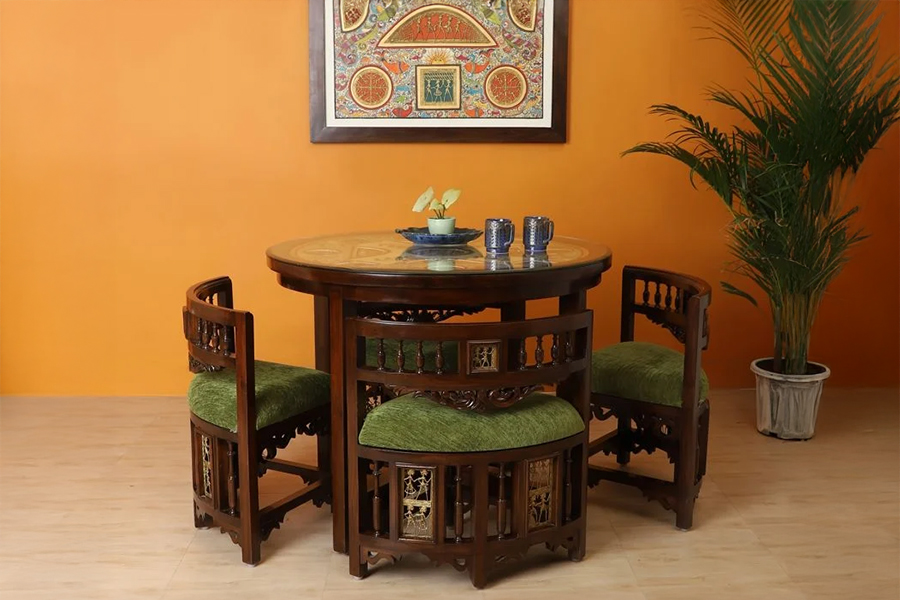
No corners. No head. No person who is clearly more important than everyone else at the table. Round tables are a completely different social experience from rectangular ones and once you have eaten at a good round table with four people, it is hard to go back.
Everyone faces everyone. Side conversations do not happen because there are no sides. The table naturally pulls people together rather than positioning them across from each other. For families, this matters more than it sounds.
Round tables are also the best types of dining tables for compact dining rooms. Because there are no corners, they feel less intrusive than a rectangular table of the same diameter would as a length. A 100 cm round table seats four people comfortably and takes up significantly less visual and physical space than a 120 x 80 cm rectangle.
The limitation is obvious: round tables do not scale. You can seat six around a large round table but the table starts to feel enormous and the distance across becomes a conversation problem. Round is best for four ideal, actually, for four.
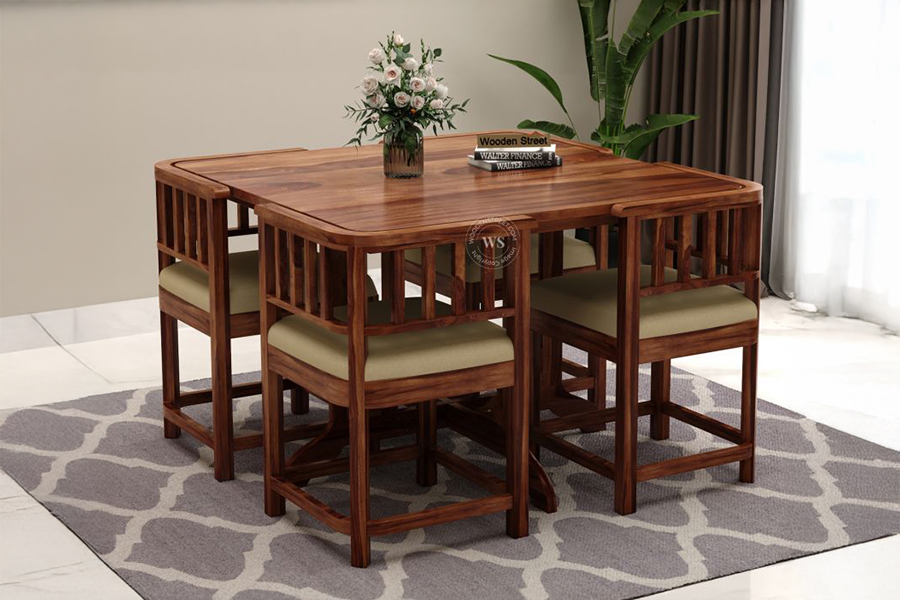
A square table is for four people and four people only. At four, it is excellent. Equal sides, equal presence, no hierarchy, everyone equidistant. Meals at a square table feel particularly balanced and inclusive.
Beyond four, things start to fall apart. Add a fifth chair and the square table becomes awkward one side has two chairs squeezed together, the others have one each. Add a sixth and you are essentially at the same seating count as a smaller round table but with a much larger footprint, because the centre of a square table is wasted space. Nobody can reach it and it contributes nothing.
Square tables belong in breakfast nooks, small apartments, and homes where the dining area consistently seats exactly four people. They are genuinely lovely in that context. Just do not try to push them beyond it.
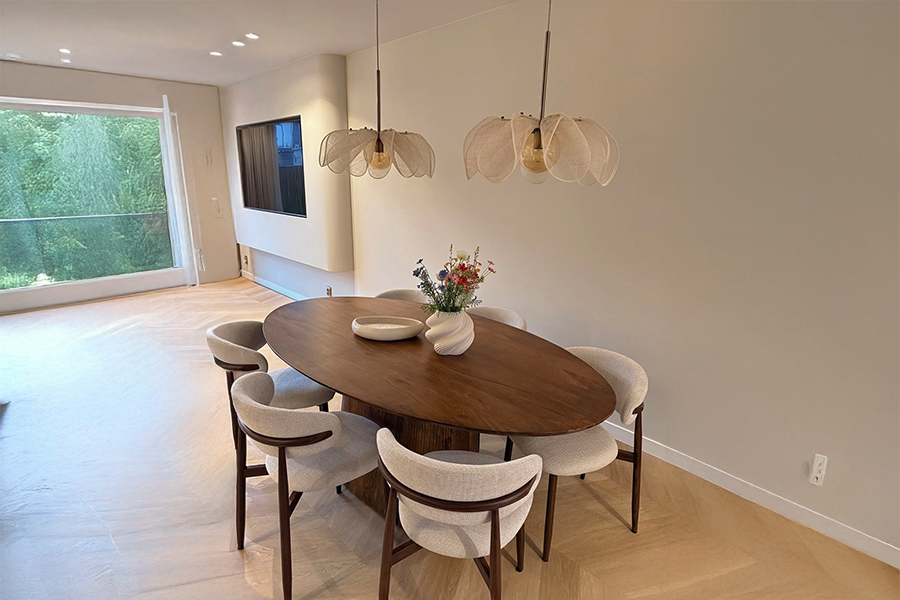
The oval is the shape that deserves more attention than it gets.
It has the seating capacity of a rectangle you can seat as many people along the long sides but because the ends are rounded, it flows through the room the way a round table does. No sharp corners catching hips as people walk past. No one at the end feels cut off from the rest of the table. The overall feeling is softer and more relaxed than a rectangle.
For narrow dining rooms where a rectangular table would have its corners very close to the walls, an oval is often a genuinely smarter choice. It gives you the same number of seats with less danger of everyone bruising themselves on the corners. It also looks a little more considered, as someone thought about it, which you have.
The one real downside: oval tables are harder to find. Not impossible, but the selection is smaller than rectangular. If you find one you like at the right size, buy it.
The mechanism is the difference between a table that works for your actual life and one that works for a version of your life where the guest list never changes. For most Indian households where family comes over for Diwali, lunch happens for ten people twice a year, and regular meals are just the four of you the mechanism decision is actually the most important practical choice you will make.
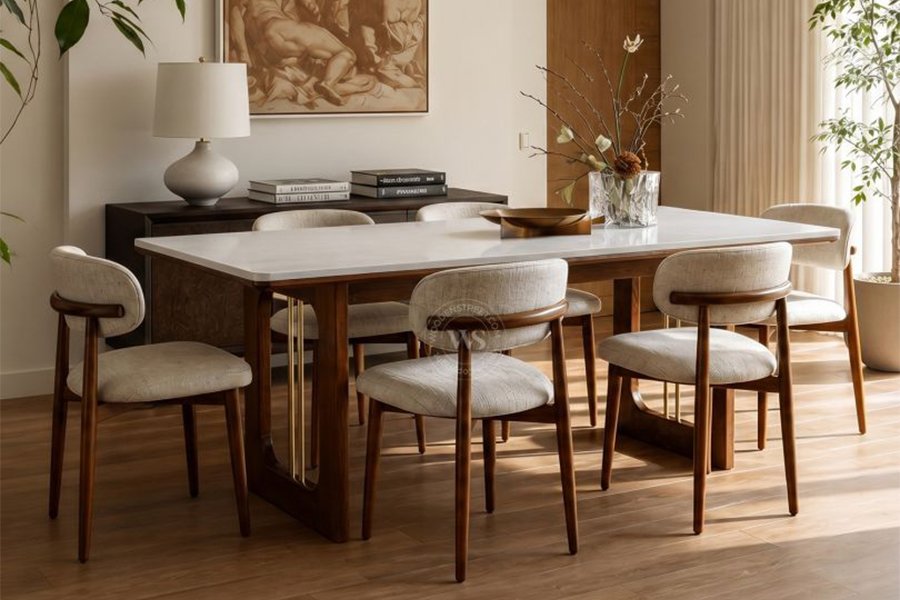
A fixed table is what it sounds like: one solid piece with no moving parts, no leaves, no extensions. The size it is when you buy it is the size it will always be.
This is not a limitation it is a choice. Fixed tables are structurally the strongest type. There are no joints to wobble, no mechanisms to jam, no leaves to lose somewhere in a storage cupboard. The table is the table. Done.
Choose a fixed table when your seating needs are genuinely consistent. If you always have the same four or six people at every meal, if you host rarely, if you have the space for a large table year round, fixed is the right call. It is also the right call if you simply want a table that will last twenty years without any part of it becoming unreliable.
Where it fails: if you live in a smaller home and occasionally need to host more people than usual, a fixed table forces you to either always have a table that is too big for daily use or always have a table that is too small for guests.
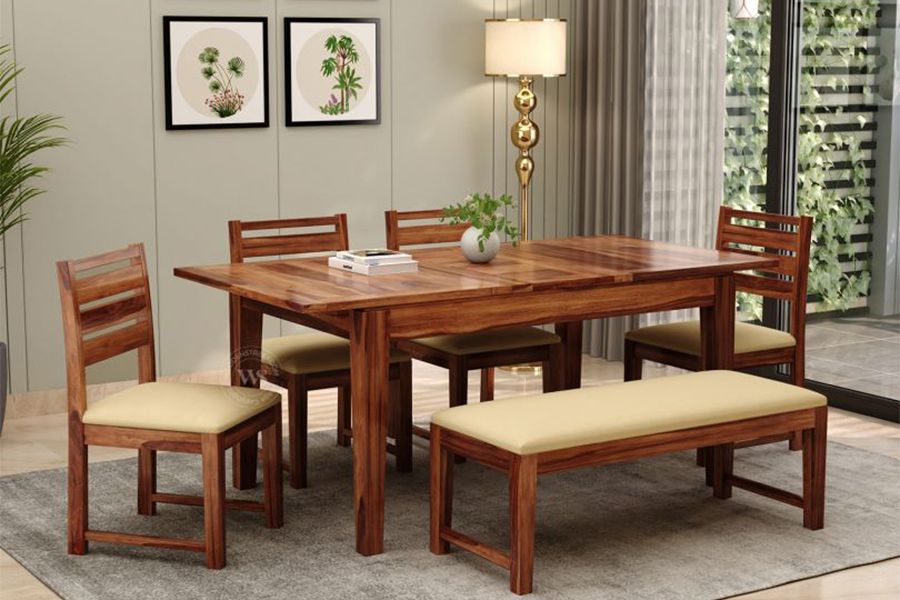
This is probably the most practical types of dining tables for Indian homes, full stop.
An extendable table the butterfly leaf version specifically has a hidden leaf folded inside the table itself. When you need extra space, you pull the two halves of the table apart and the leaf flips up and locks into place automatically. No separate leaf to store. No hunting around in a cupboard. The table goes from four seats to six or eight in about thirty seconds.
For homes that host occasionally a few times a year, maybe monthly this mechanism is genuinely transformative. You live with a manageable table every day and a larger one whenever you need it. The two versions of the table coexist in the same piece of furniture.
The trade off is cost. A well made butterfly leaf table costs more than a comparable fixed table. The mechanism needs to be well engineered a cheap one will stick, warp, or stop aligning properly after a few years. Buy the best mechanism you can afford because this is the part that will either delight or frustrate you for years.
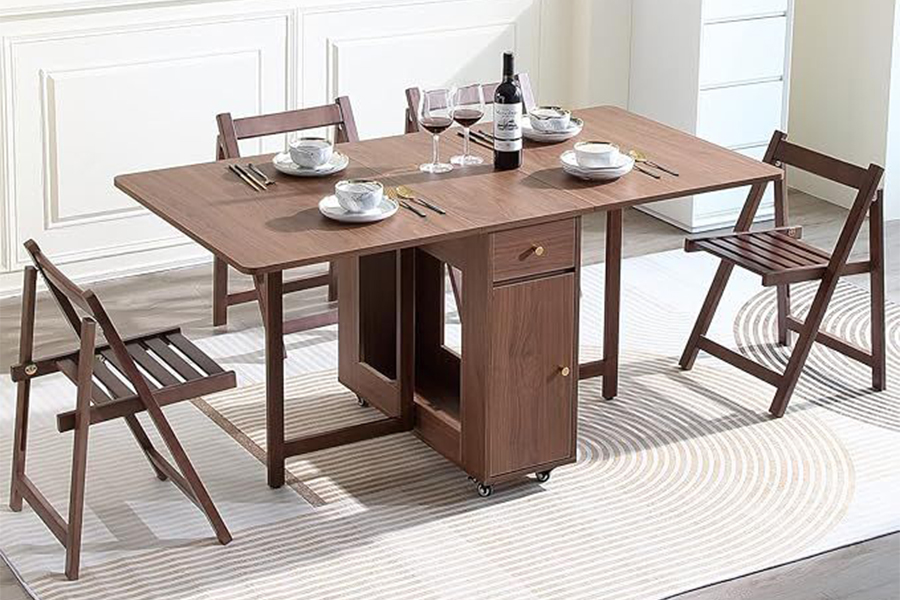
A drop leaf table has hinged panels on one or both sides that fold down when not in use. When both leaves are down, the table can be narrow enough to push against a wall. When one or both leaves are up, you have a full dining surface.
This is the most space efficient of all the kinds of dining tables. In a room under 80 square feet a small studio apartment, a compact flat where the dining area is really just a corner of the living room a drop leaf table makes dining possible where it otherwise would not be.
The mechanism is simple and has been around for hundreds of years, which is a good sign for reliability. The limitation is that it is not a daily use table for a large family. It is a solution for small spaces and small households that occasionally need a proper dining surface.
If you live alone or as a couple in a compact home and want the option to seat four when friends come over, a drop leaf table is one of the smartest purchases you can make.
The base of a dining table is usually the last thing people look at and one of the first things that affects how the table actually functions day to day. Specifically: where can you put the chairs, and how close together can people actually sit?
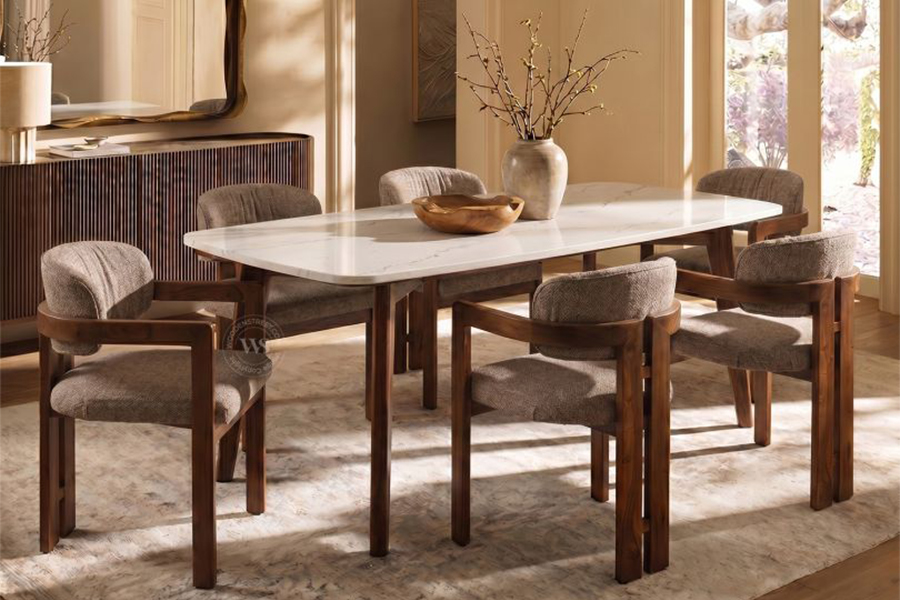
Four legs, one at each corner. The most standard configuration and the most stable one. Nothing complicated here it works, it lasts, and you always know what you are getting.
The only genuine functional issue is the corner legs. Because there is a leg at each corner, the chairs at either end of a rectangular table have to sit slightly inward to avoid the legs. This means the end seats are a little more cramped and a little more awkward to get in and out of. On a wide table this is barely noticeable. On a narrow one, it turns out to be a little annoying.
For rectangular tables in a standard size, four leg bases are completely reliable. Just try before you buy if you care about end seat comfort.
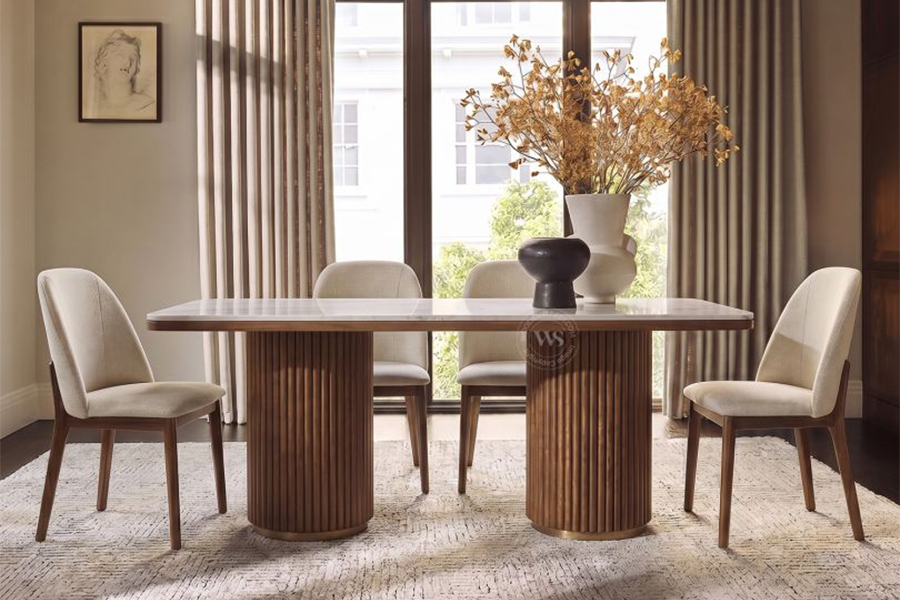
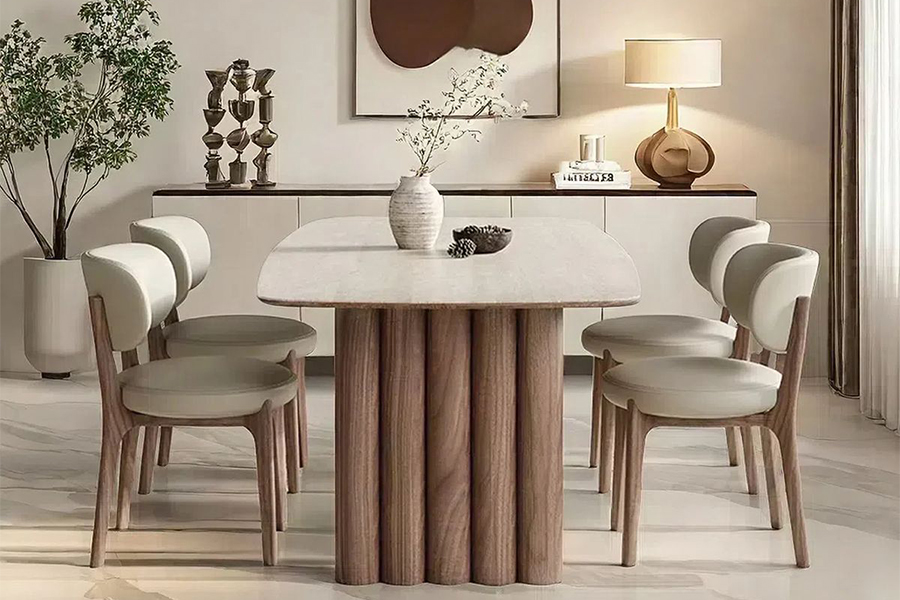
One central base instead of four corner legs. The top is supported from the middle, leaving the entire perimeter clear.
This changes how you can use the table significantly. Chairs can go anywhere not just at the corners. Someone can slide in between where the corner legs would have been. At a round or oval table, especially, a pedestal base, means you are genuinely free to put chairs at any point around the circumference, which makes seating flexible and social in a way that four leg tables cannot quite match.
The trade off is stability, specifically at the edges. A pedestal table can flex slightly when someone leans on the corner because there is nothing supporting it from below. On a heavy, well made pedestal, this is minimal. On a cheap or lightweight one it becomes noticeable and eventually annoying. Weight and quality of the base matter more here than with four leg tables.
Pedestal bases are the natural choice for round and oval tables. For rectangular tables, they exist but are less common, and the edge flex issue becomes more relevant at longer lengths.
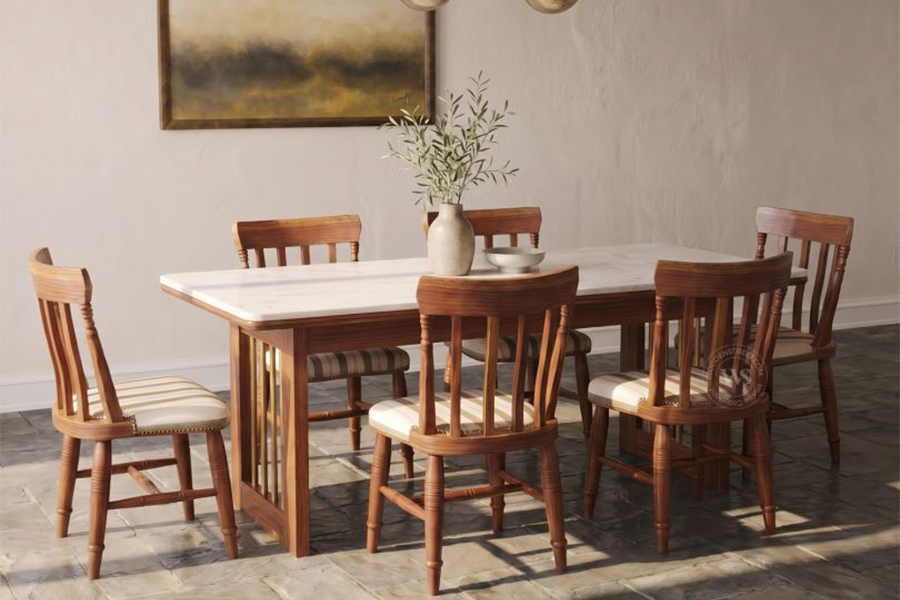
Two A frame supports one near each end connected by a stretcher beam running along the length of the table. The aesthetic is strong and slightly industrial or rustic, depending on the material.
Trestle tables look substantial. They are associated with farmhouse kitchens, long family tables, and spaces with a little more character than a standard dining room. Done in wood, they feel warm and honest. Done in metal, they feel utilitarian in a good way.
The functional advantage: because the supports are A frames rather than corner legs, the seating at the ends is freer than with a standard four leg table. You are not working around the corner legs in the same way.
Some trestle designs fold flat the A frames collapse and the whole base stores against a wall. This makes them surprisingly useful for occasional use or for homes where the dining table needs to disappear sometimes.
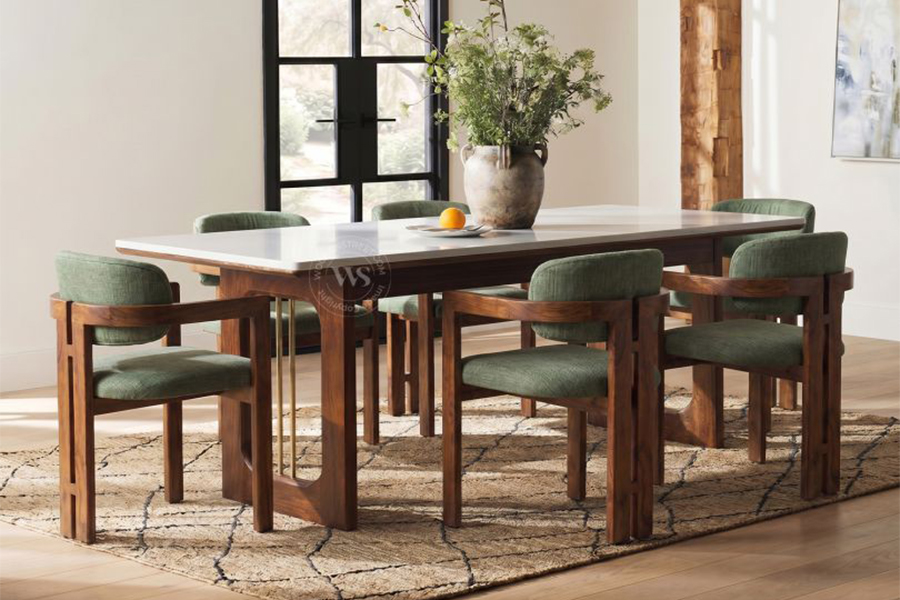
Here is the thing. Most people measure their room. Most people check the table dimensions. Some people even measure the gap between the table and the wall to make sure there is enough walking space. And then they completely forget about the chairs.
A chair that is sitting at the table takes up about 50 cm of depth. A chair that is pulled out for someone to sit down takes up about 90 cm. That 90 cm from the table edge to the back of the pulled out chair is the space every single seat needs in order for the meal to be comfortable rather than a series of apologies and chair shuffles.
The rule is this: allow 90 to 100 cm per seated person around the perimeter of the table. Not just seating space along the edge, but depth behind each chair.
If your dining room is 3 metres wide and your table is 90 cm wide, you have 105 cm on each side. That is just enough for one layer of chairs no room to walk behind someone who is seated. The moment a second person wants to get in or out, someone else has to stand up.
This is the measurement that makes a dining room feel spacious or cramped. Not the table size. The space between the back of the chair and the wall or the next piece of furniture. Measure it before you buy. Every time.
If your room is long and narrow and you host a crowd occasionally, a rectangular extendable. If you have a family of four in a compact space, a round with a pedestal base. Suppose it is just two of you with occasional guests drop leaf. If the room is a proper square and you want it to feel balanced, square fixed. If you want the warmth of round but the seating of rectangular oval.
And whatever shape, whatever mechanism, whatever base measure 90 cm behind every chair before you commit.
We want to hear from you now which type of dining table do you have at home, and are you happy with it? Tell us in the comments section below.
We will be back with the next blog soon; till then, stay tuned!
Read More :
Have You Seen These Trending Dining Tables for 2026?
Image Source: Wooden Street, Google, Pinterest
A Round tables work best in small rooms - no corners means better flow, and they seat four without dominating the space.
A A butterfly leaf table has a hidden leaf folded inside. Pull the halves apart and the leaf flips up automatically, extending the table for guests.
A A labelled 6-seater comfortably fits 4-5 people. Six fit only if the table is wide enough and chairs have adequate pull-out space
A A pedestal has one central base, allowing chairs anywhere around the edge. A four-leg table has corner legs that restrict end-seat placement.
Trending Products
Top Picks from EveryoneArticles you will love to read

Not all mattresses feel or perform the same. This guide explores the most common types of mattresses, including memory foam, latex, spring, hybrid, and orthopedic options. Learn about different types of mattresses, their construction, comfort levels, durability, and how to choose the best type of mattress for your sleeping style and needs
Continue Reading
Not all space saving furniture delivers on its promise. This guide explores the most effective space-saving solutions, from multifunctional beds and foldable tables to smart storage units and compact furniture designs. Learn what genuinely improves everyday living and what may look impressive in photos but falls short in real homes
Continue Reading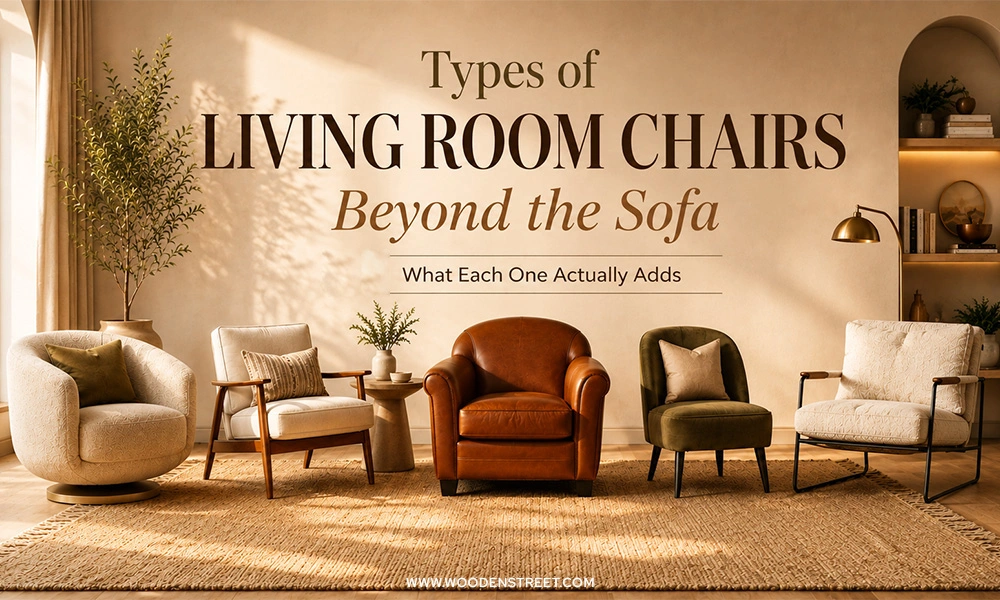
A well-designed living room needs more than just a sofa. This guide explores different types of living room chairs, from accent and lounge chairs to recliners and armchairs. Learn how various kinds of living room chairs and types of sitting room chairs add comfort, style, flexibility, and functionality to your space.
Continue Reading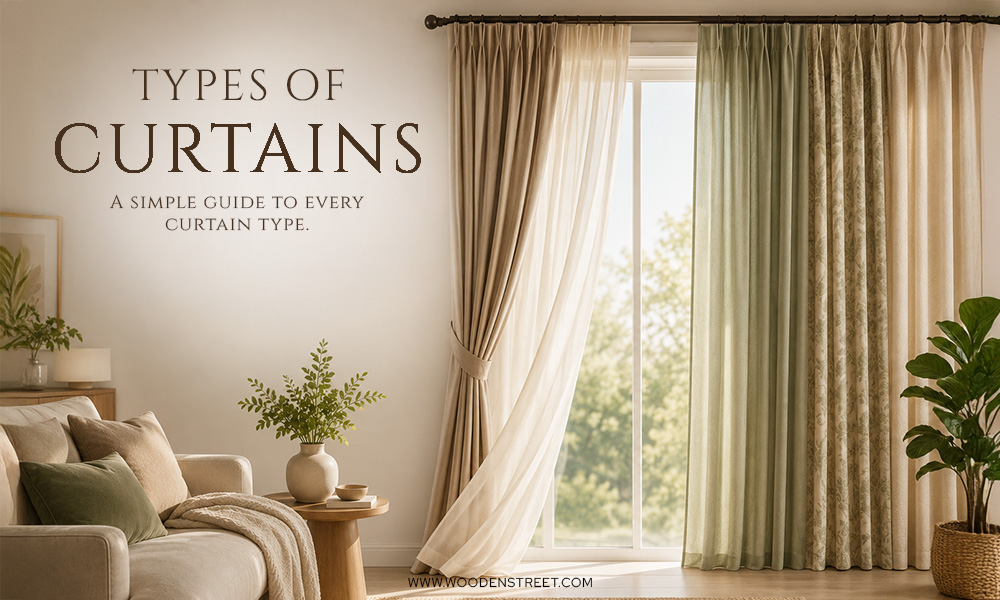
Choosing the right curtains involves more than picking a color. This guide explores different types of curtains, popular fabrics, and practical functions for bedrooms, living rooms, and other spaces. Learn about window curtains types, hanging styles, light control options, and the kinds of curtains best suited to your home’s needs
Continue Reading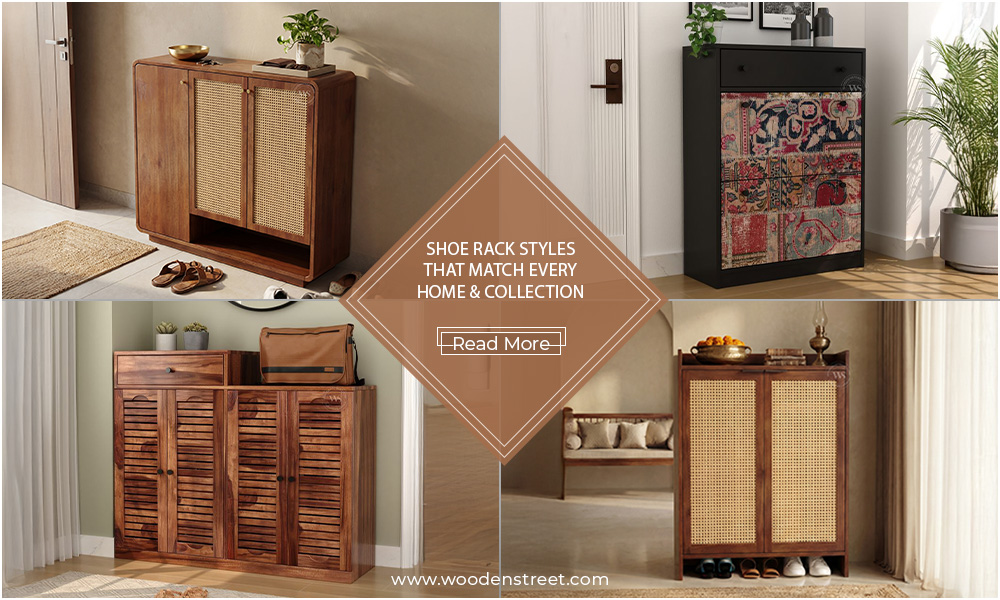
The right shoe rack can keep your entryway organized and clutter-free. This guide explores different types of shoe racks, from open shelves and closed cabinets to stackable and multifunctional designs. Learn about popular shoe rack types and discover which option best suits your collection, available space, and daily routine.
Continue Reading


