





Not every office chair cover delivers the same level of protection, comfort, or appearance. This guide explains what features matter, common mistakes to avoid, and how to choose chair cover for office chair models based on size, material, usage patterns, and long-term maintenance requirements
Three reasons people buy an office chair cover: protect a brand-new chair, change the look of an existing one, or the most common trigger nobody talks about the PU leather is cracking and peeling all over the office floor. That third situation is what drives most purchases, and it's the one most product pages completely ignore.
This guide addresses all three, plus the ergonomic question nobody asks out loud.
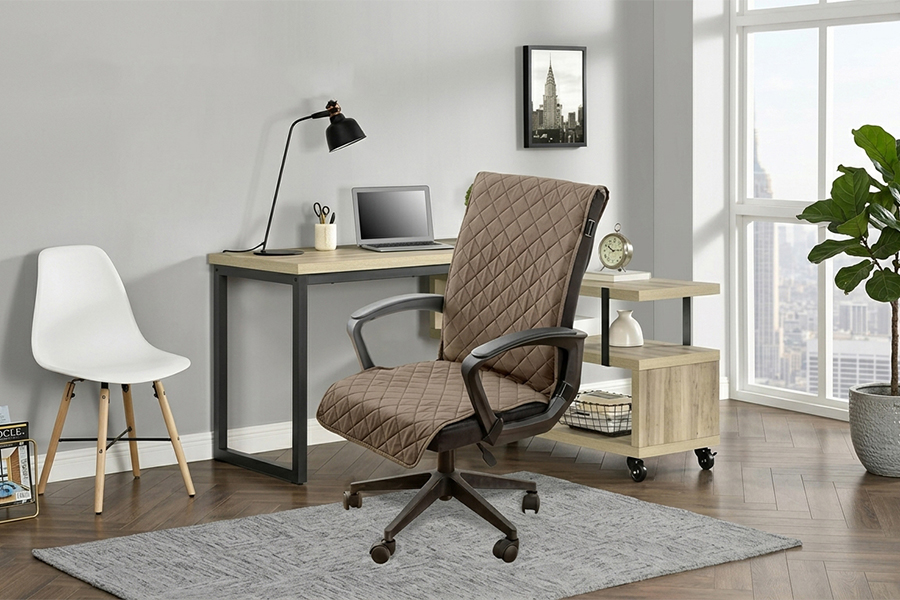
New chair protection is straightforward. Aesthetic upgrades happen. But the most frequent real-world trigger is a deteriorating chair cracked faux leather flaking onto clothes, stained fabric that won't clean, or foam so compressed the seat is effectively a hard board.
A chair cover in this situation buys time. It won't fix collapsed foam or restore structural support, but it stops the visual deterioration and extends usable life by 2 to 4 years depending on material quality. That's the honest use case not transformation, but practical extension.
Yes and this matters before choosing how to choose a chair cover for an office chair.
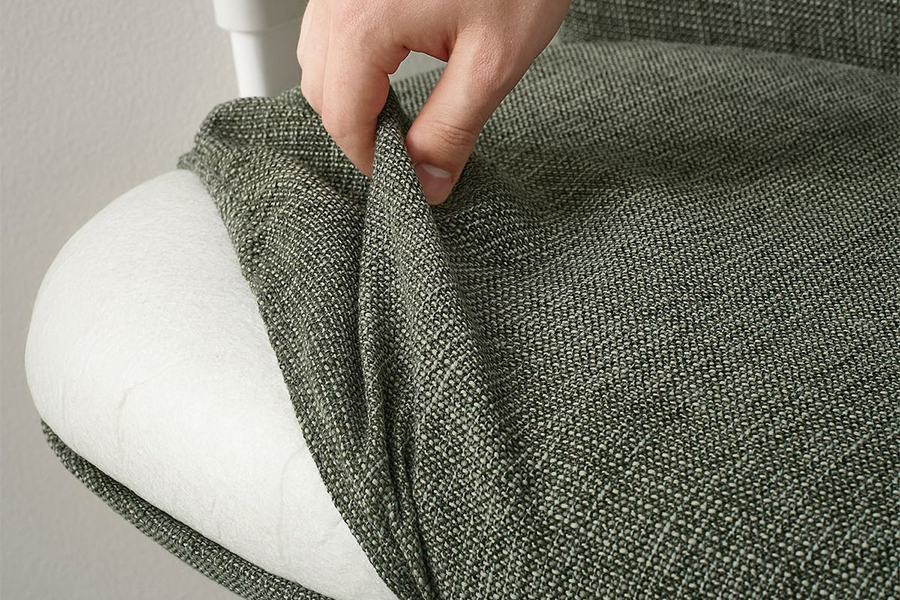
A cover adds 3 to 15 mm of material depending on type. Spandex blends add 3 to 5 mm negligible. Padded neoprene or quilted covers can add 10 to 15 mm, which raises effective seat height, pulls the lumbar cushion slightly away from its calibrated position, and can make armrests harder to use if the cover bunches around them.
Practical benchmark: covers under 5 mm thickness don't meaningfully affect ergonomics for most users. Covers above 10 mm should be treated as a seat modification readjust chair height after fitting.
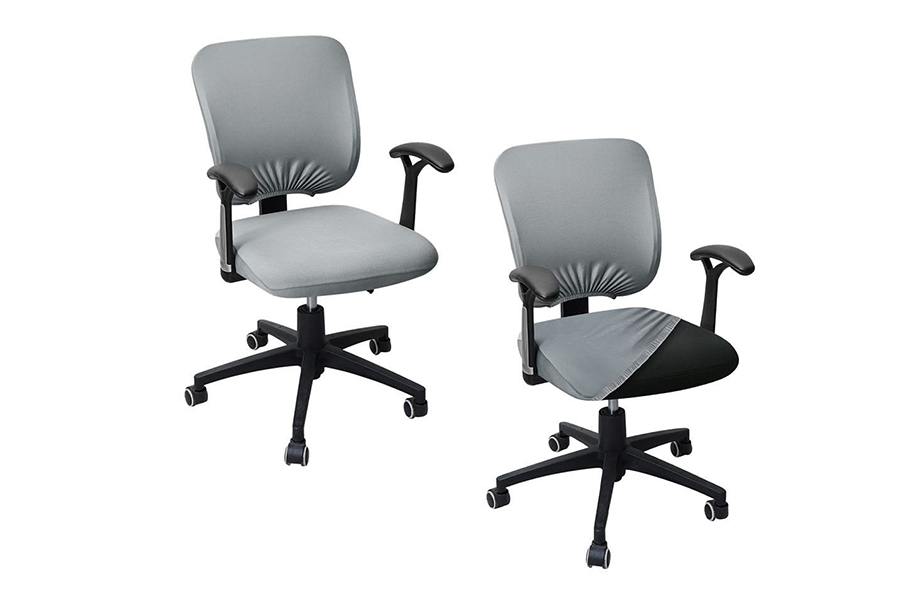
Covers the seat, backrest, and sometimes armrests in one piece. Works well on standard mid-back task chairs with predictable geometry. Fails on high-back chairs with pronounced lumbar curves, winged executive chairs, and recliner-style office chairs the stretch fabric pulls unevenly and gaps form at the wings or head rest. Check the product's stated chair compatibility, not just "fits most chairs."
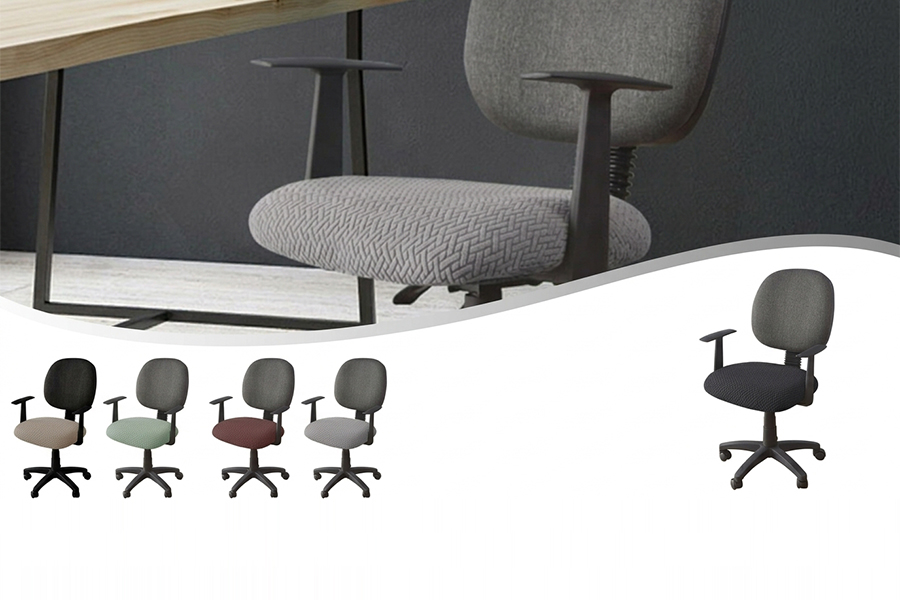
The smarter buy when the backrest is in good condition but the seat foam has compressed or the fabric has worn through. Easier to fit, easier to wash, less likely to shift during use. Critical requirement: must have anti-slip backing. A seat cover without grip backing on a swivel chair becomes a hazard it shifts every time the user stands.
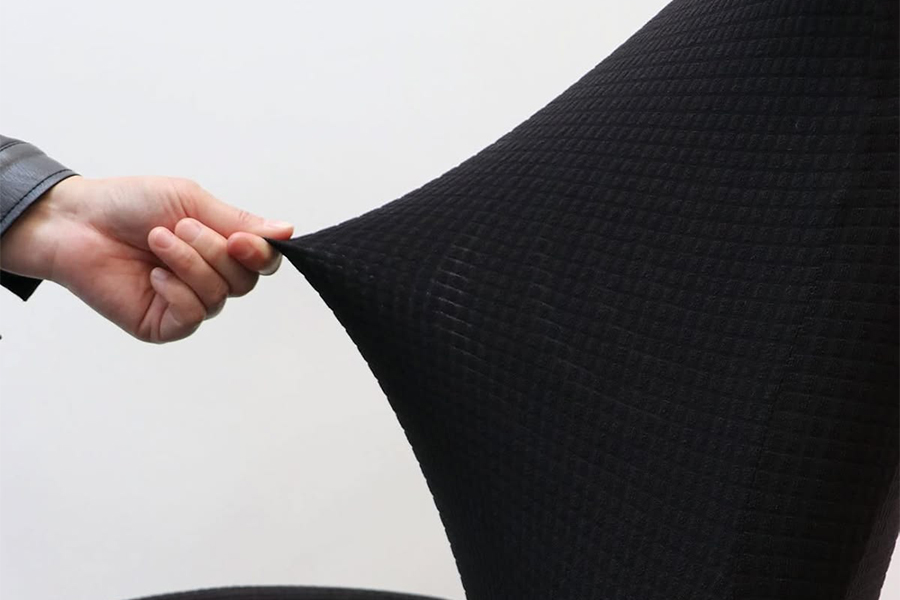
Targets the highest-contact zone the area behind the shoulders and head where sweat, hair oil, and friction cause the fastest visible wear. For chairs near AC vents, avoid cotton backrest covers they absorb moisture from cold air and develop odour. Polyester or neoprene holds better in climate-controlled offices.
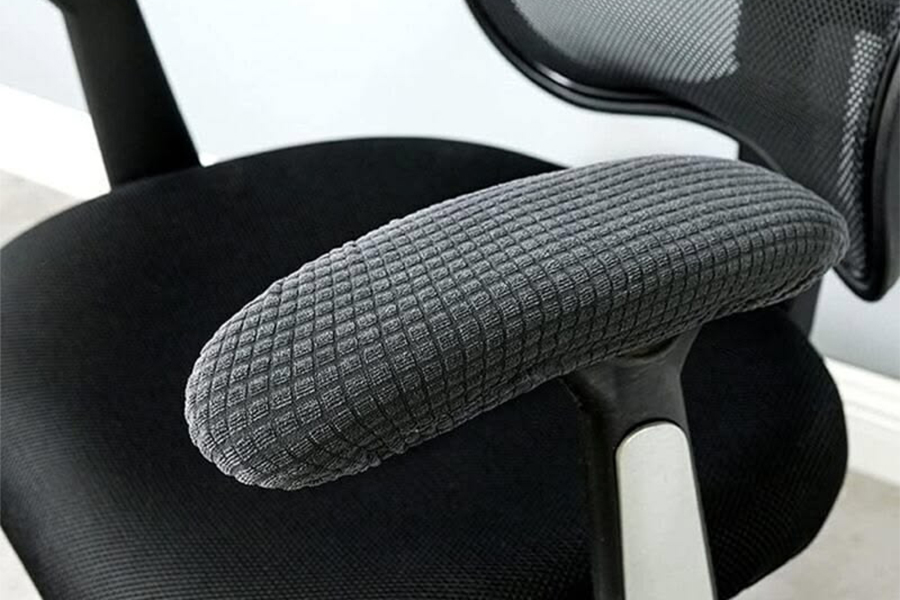
Armrests wear faster than any other part because they're used with bare skin contact constantly. Covers extend their life significantly. The sizing problem: most armrest covers are designed for flat, fixed armrests. 4D adjustable arms which change height, width, depth, and angle rarely hold a standard cover in position. Measure the armrest pad dimensions before buying.
| Material | Breathability | Durability | Washability | Grip on Chair | Indian Climate |
|---|---|---|---|---|---|
| Spandex Blend | Medium | Medium | High | Good | Good |
| Cotton | High | Low | High | Poor | Excellent |
| Neoprene | Low | High | Medium | Excellent | Poor (traps heat) |
| Velvet | Low | Medium | Low | Poor | Poor |
| Polyester | Medium | High | High | Medium | Good |
| Faux Leather | Low | Medium | High | Good | Poor (sweaty) |
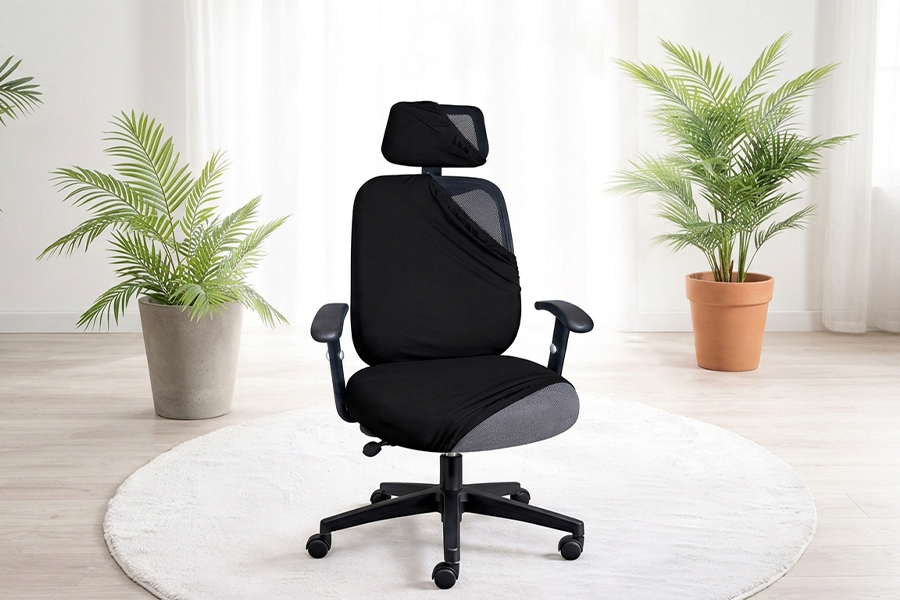
Three fit failures happen repeatedly:
What to measure before buying: seat width, seat depth, backrest height, and whether armrests are fixed or adjustable. Compare against product specs not just "fits up to X cm."
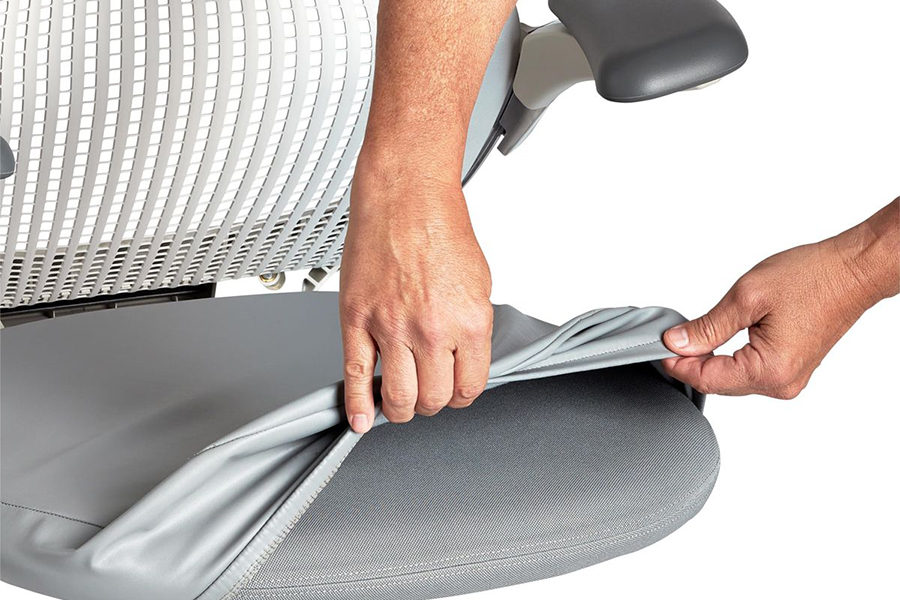
Office chairs are used dynamically leaning, swivelling, standing up dozens of times a day. Without grip backing, a cover shifts within an hour.
Direct recommendation: Rubber grid backing only for daily-use office chairs. Silicon dots for chairs used less than 4 hours daily.
Wash frequency for office use: Every 2 to 3 weeks minimum. More often in summer.
| Material | Washes Before Visible Degradation | GSM Range |
|---|---|---|
| Spandex Blend | 80–100 | 180–220 |
| Cotton | 60–80 | 150–200 |
| Polyester | 100+ | 200–250 |
| Neoprene | 40–50 | 300–400 |
| Velvet | 20–30 | 250–350 |
Higher GSM holds shape longer. Below 180 GSM, expect visible thinning within 6 months of weekly washing.
Before purchasing, verify:
The right office chair cover comes down to four things: chair geometry, material suited to the climate, anti-slip backing that holds under daily use, and a GSM above 200 for washing durability. Measure before buying. Check backing type before anything else. And be honest about whether the chair needs a cover or needs replacing a cover buys time, not structural repair.
We will be back with the next blog soon. Till then, stay tuned!
Read More :
Do You Know Which Office Chair Cushion You Actually Need?
Image Source: Pinterest, Google, and Wooden Street
A Covers under 5 mm thickness have negligible effect. Thicker padded covers can shift lumbar contact - readjust chair height after fitting.
A Buy a cover with rubber grid anti-slip backing. Silicon dots lose grip after washing. No-backing covers shift within hours on a swivel chair.
A Cotton or polyester - both breathable and washable. Avoid neoprene, velvet, and faux leather; all trap heat and cause discomfort in warm, humid conditions.
A Standard full covers rarely fit recliner-style chairs well - the geometry defeats the stretch. A seat-only cover is more reliable for recliner office chairs.
A Every 2 to 3 weeks for daily office use. More frequently in summer months or if the chair is used for extended hours.
A Measure backrest height (typically 70 to 90 cm for high-back), seat width, and seat depth. Confirm product dimensions against measurements -
Trending Products
Top Picks from EveryoneArticles you will love to read

From decorative accents to supportive seating accessories, the many kinds of cushions serve different functions throughout the home. This guide explores cushion types by fill material, shape, and purpose, helping you understand where each option works best for comfort, aesthetics, and everyday use.
Continue Reading
A sofa cover looks like a simple purchase until it starts slipping, shrinking, or losing shape after
Continue Reading
Is your office chair slowly sinking throughout the day? Learn how to diagnose the problem, try temporary fixes, replace the cylinder, and know when your warranty can save you time and money
Continue Reading
Not all office chair cushions solve the same problem. From seat pads to specialized backrest support for chair ergonomics, the right choice depends on where you experience discomfort and how long you sit each day. This guide helps diagnose your needs before you invest in additional support accessories
Continue Reading
The different types of leather couches vary significantly in appearance, feel, durability, and maintenance requirements. This guide explains common leather categories, how they are processed, and how each develops over time, helping you understand exactly what you are buying before investing in a leather sofa
Continue Reading


