




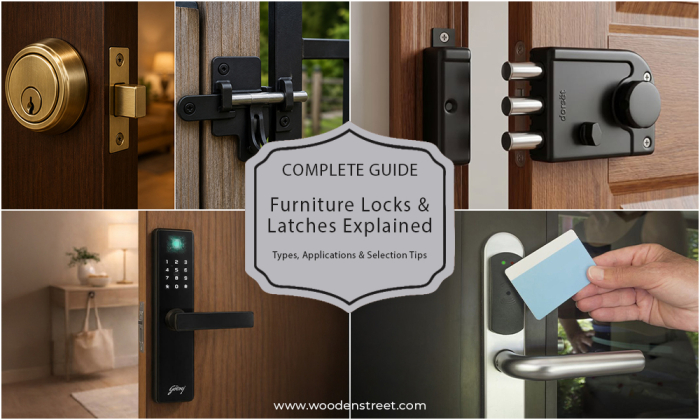
Furniture locks and latches serve purposes ranging from security and child safety to convenience and organization. This guide explores the most common types, how they function, where they are typically used, and the factors to consider when selecting the right locking or latching solution for different furniture applications
You bought a beautiful wooden wardrobe. Solid build, great finish, exactly the right size. Then someone goes through it while you are not home. Or a toddler pulls open every kitchen cabinet in three minutes flat. Or a drawer full of important documents just... slides open whenever it feels like it.
None of that is a furniture problem. It is a lock and latch problem.
Most people treat furniture security as an afterthought something you deal with after something goes wrong. This guide flips that entirely. Whether you are furnishing a new home, child proofing your kitchen, or upgrading an old almirah, here is every furniture lock and latch type, explained clearly, with exactly when to use each one.
Before anything else, let us clear up the confusion that trips up almost everyone.
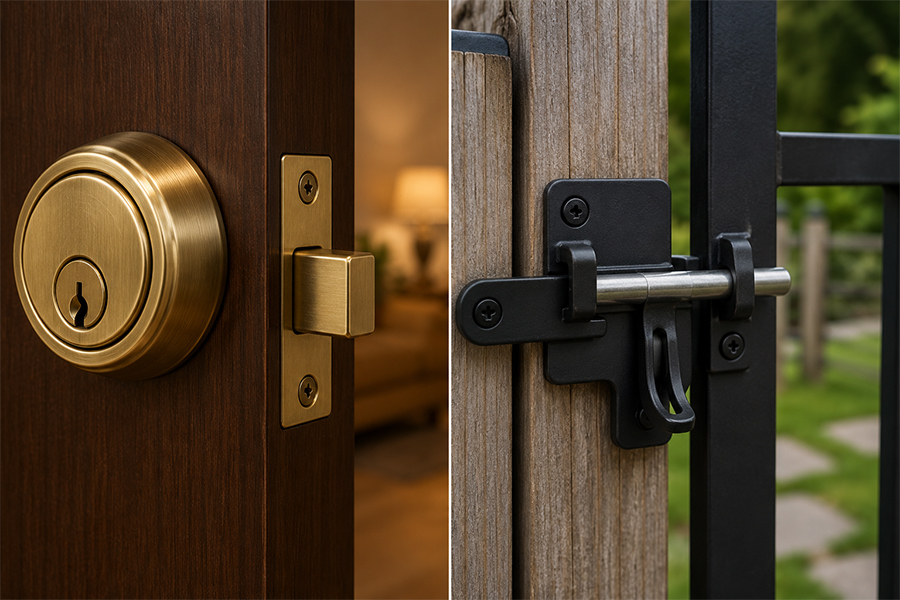
Think of a kitchen cabinet. The magnetic catch holds the door flush closed every time that is the latch doing its job. The cam lock you turn with a key before leaving the house that is the lock. Two different jobs, two different components, working together.
Knowing this distinction means you will never again buy the wrong thing for the wrong problem.
These are the most common furniture locks in homes and offices. Each one works differently, and choosing the wrong one for the job is a very easy mistake to make.
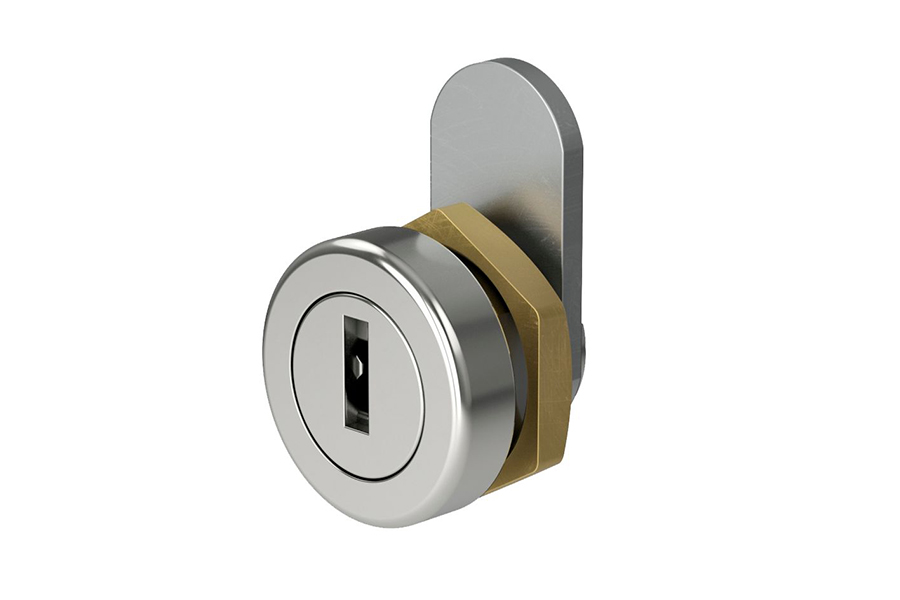
The cam lock is everywhere and for good reason. It installs in a single round hole, sits completely flush with the panel face, and secures with one key turn. If you open a locked cabinet at a hotel reception or a shared office and wonder what that small cylinder lock is almost certainly a cam lock.
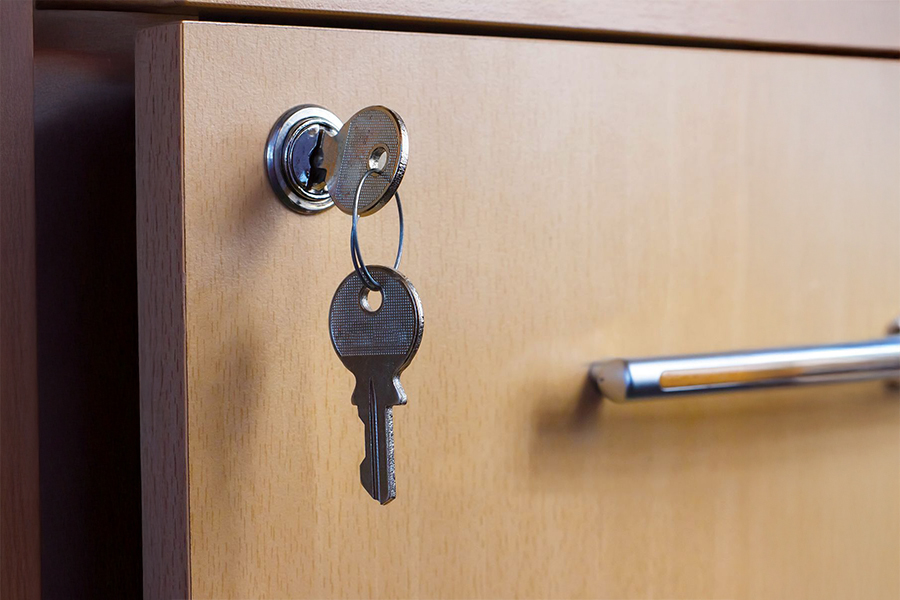
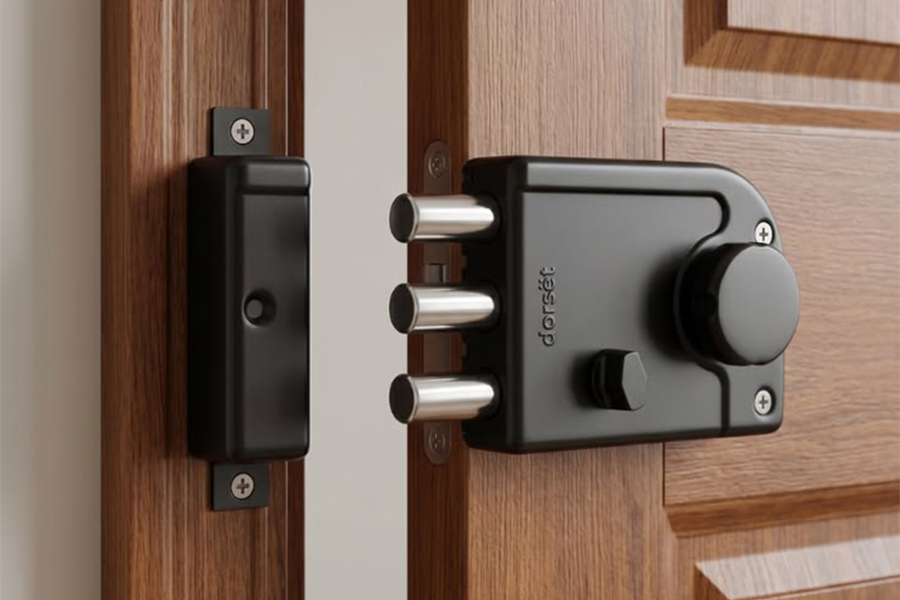
A cam lock can occasionally be manipulated. A deadbolt cannot. The bolt is solid; it only moves with the key, and that distinction matters in a shared office or a home with older children who are good at finding things.
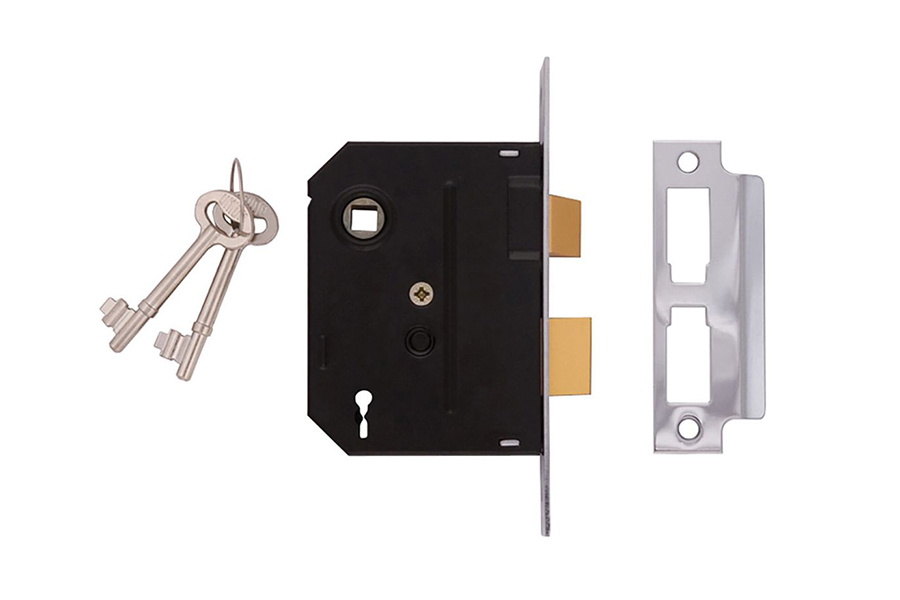
If you have grown up in an Indian household, you have used this lock. It is the chunky key, the satisfying two step turn, the clunk of a bolt retracting. The 2 lever mortice lock commonly called the almirah lock has been securing Indian wooden wardrobes for generations. It is not glamorous, but it is extremely reliable and easy to replace like for like.
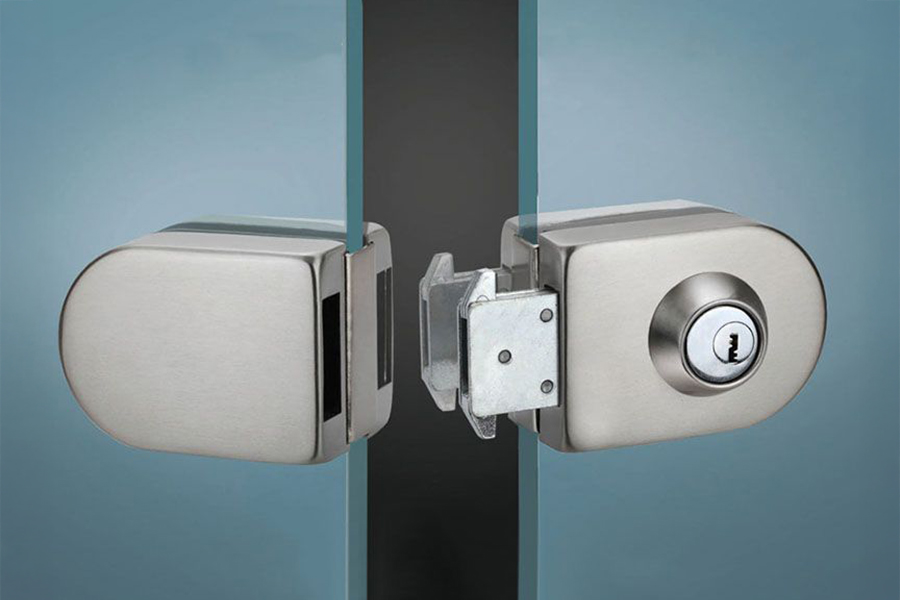
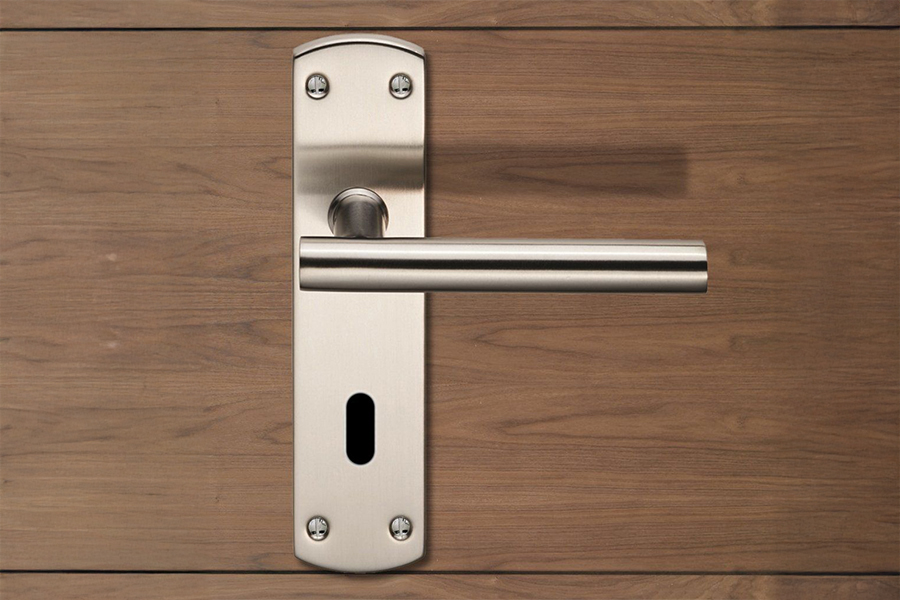
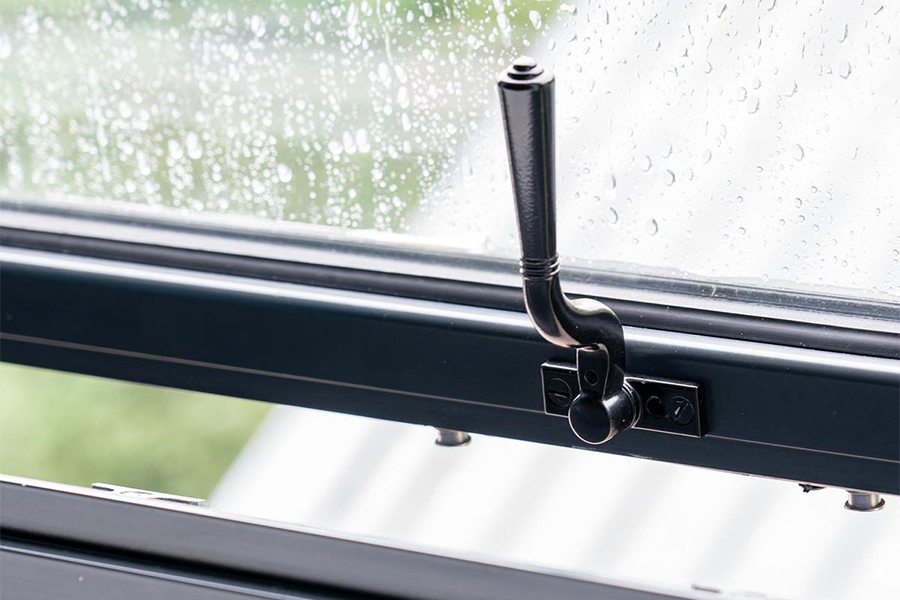
One key turn, two locking points. On a tall wardrobe door, a single lock at mid height leaves the top and bottom of the door free to flex or be forced. An espagnolette lock removes that vulnerability entirely, which is why it is standard on quality full height French style furniture.
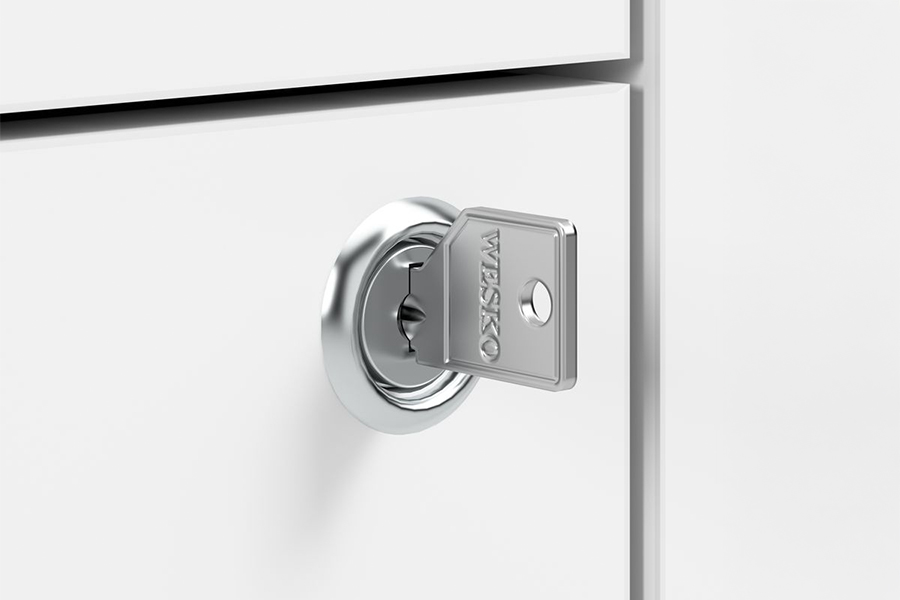
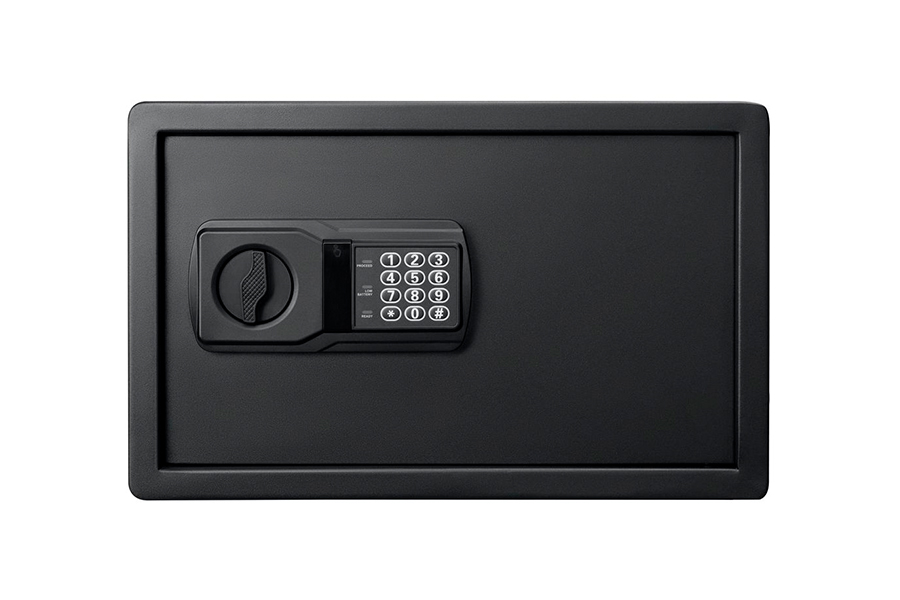
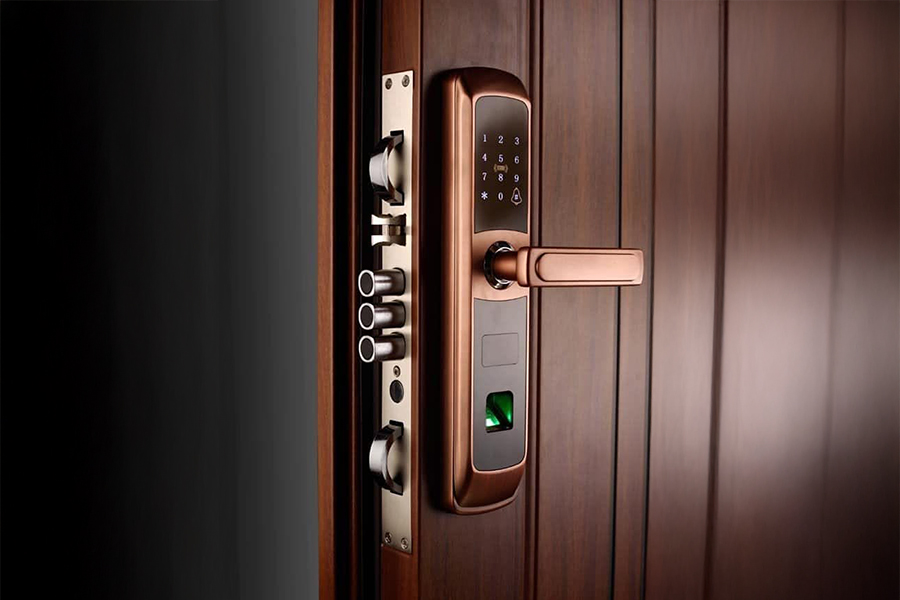
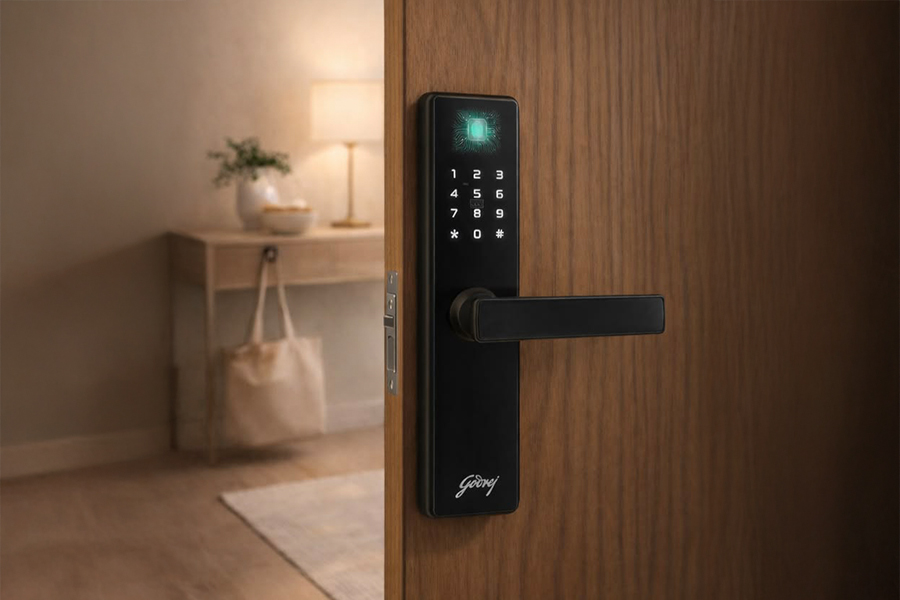
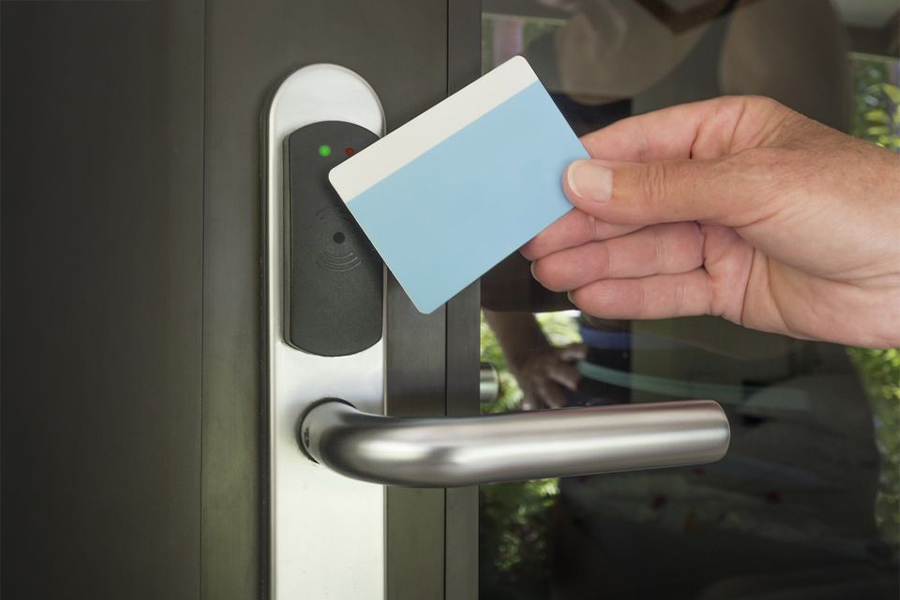
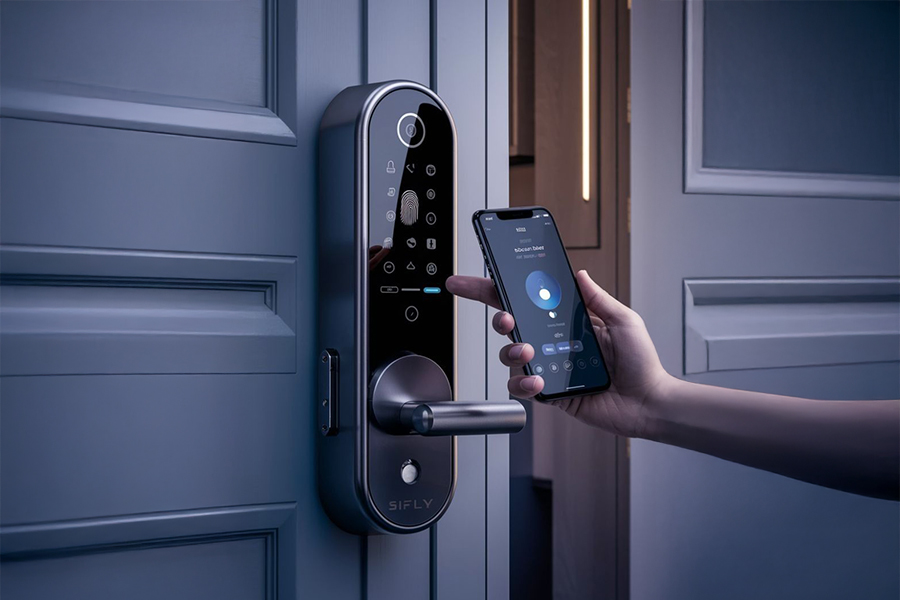
Lost keys are one of the most common household frustrations. Keyless furniture locks solve that problem and for premium furniture, they genuinely elevate the entire experience.
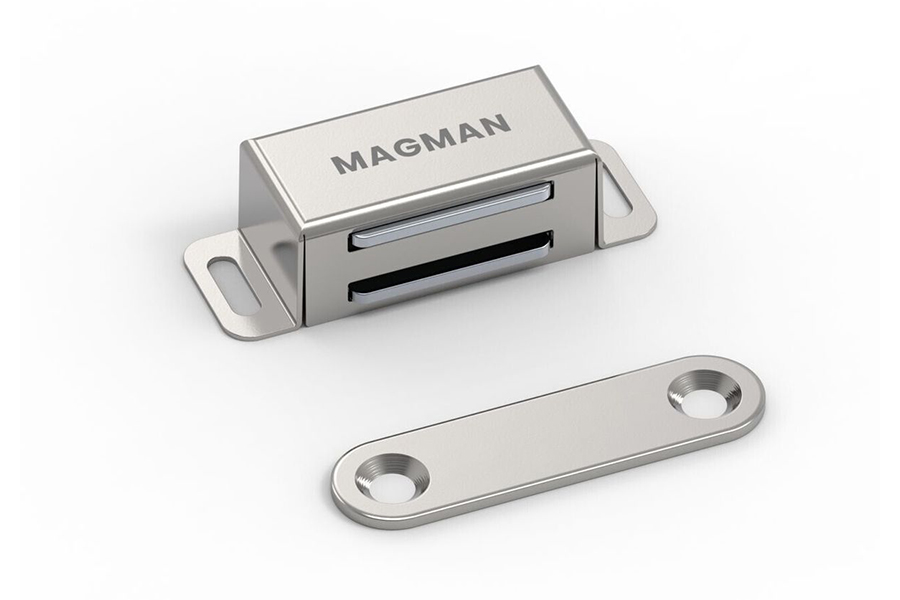
Passive latches do their job without any input from you. The door closes and the latch engages automatically every single time, without thinking about it.
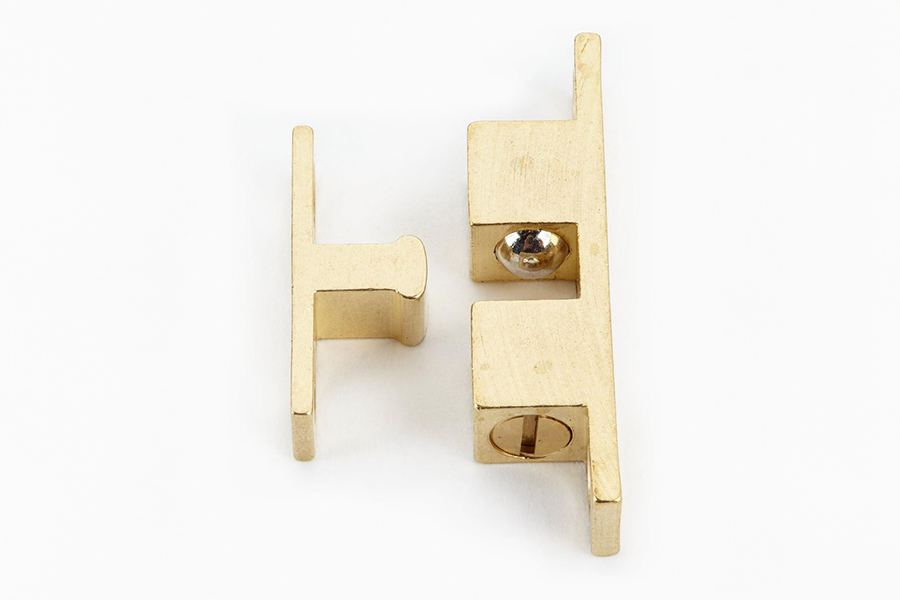
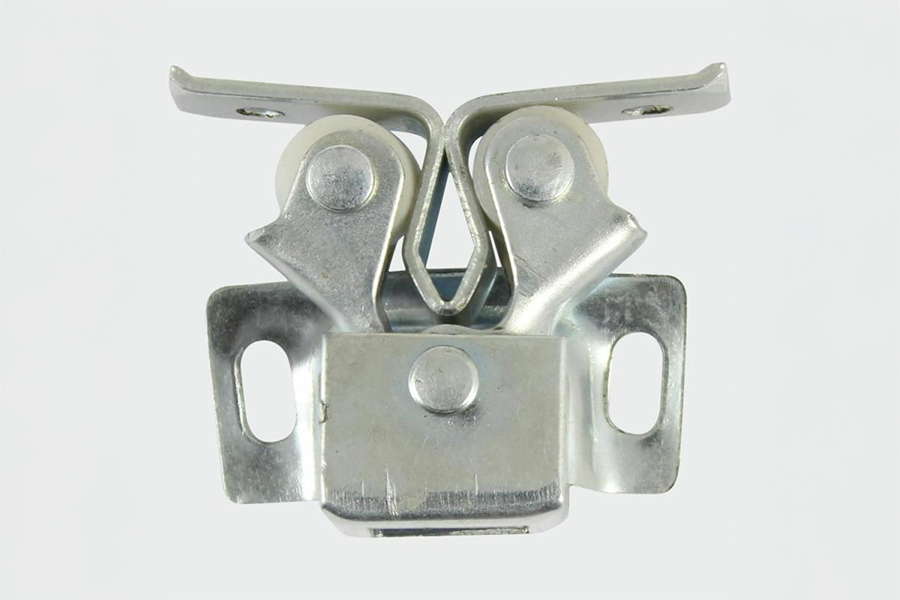
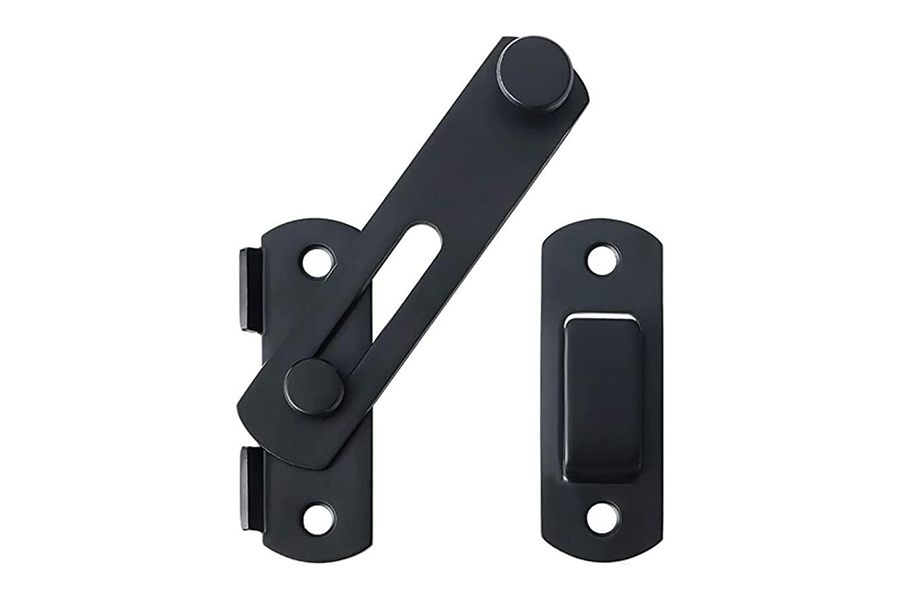
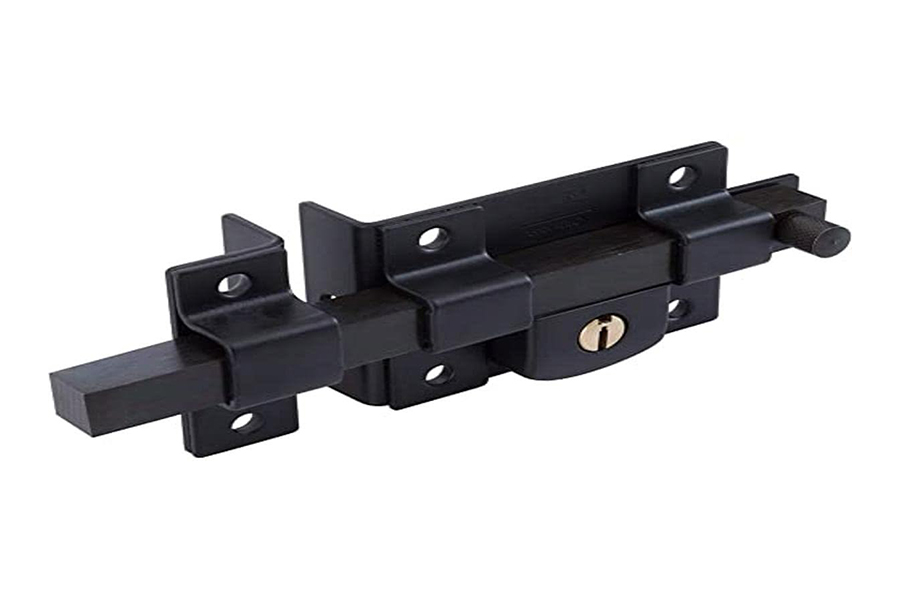
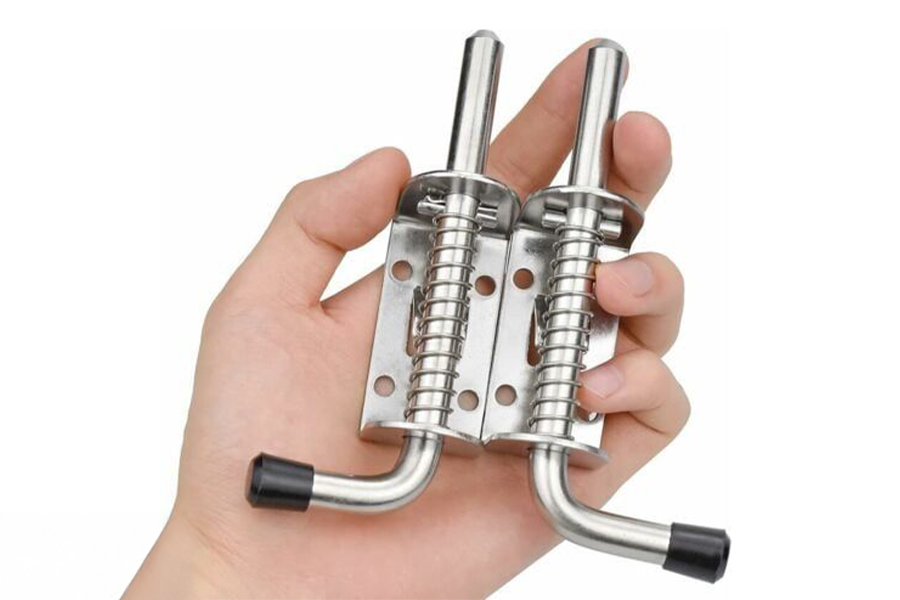
Manual latches put the user in control. You operate them deliberately which is exactly what you want in certain situations.
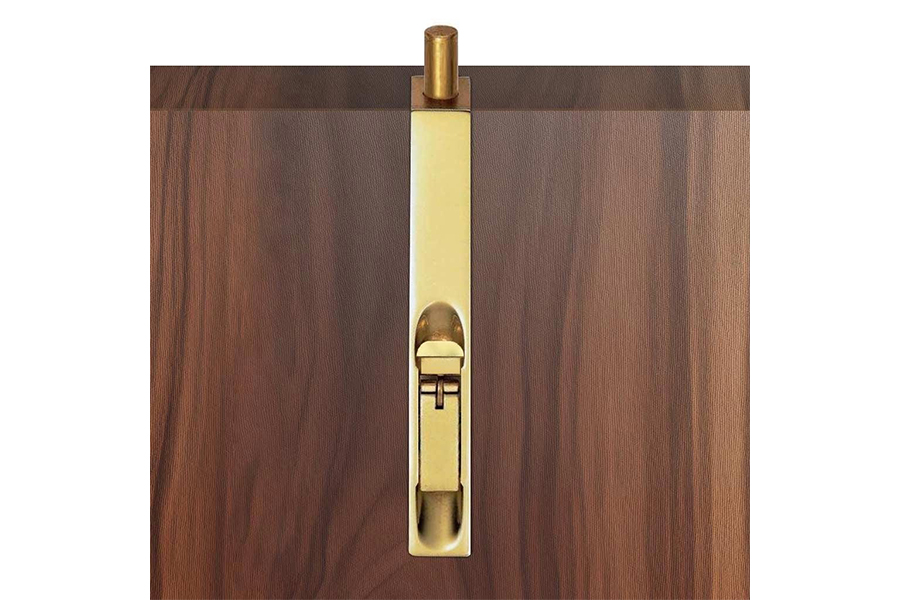
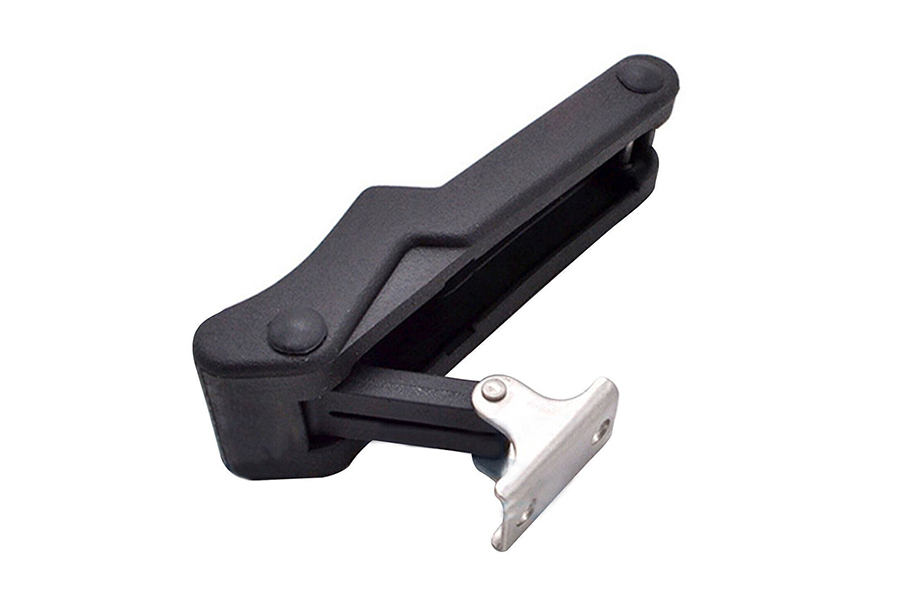
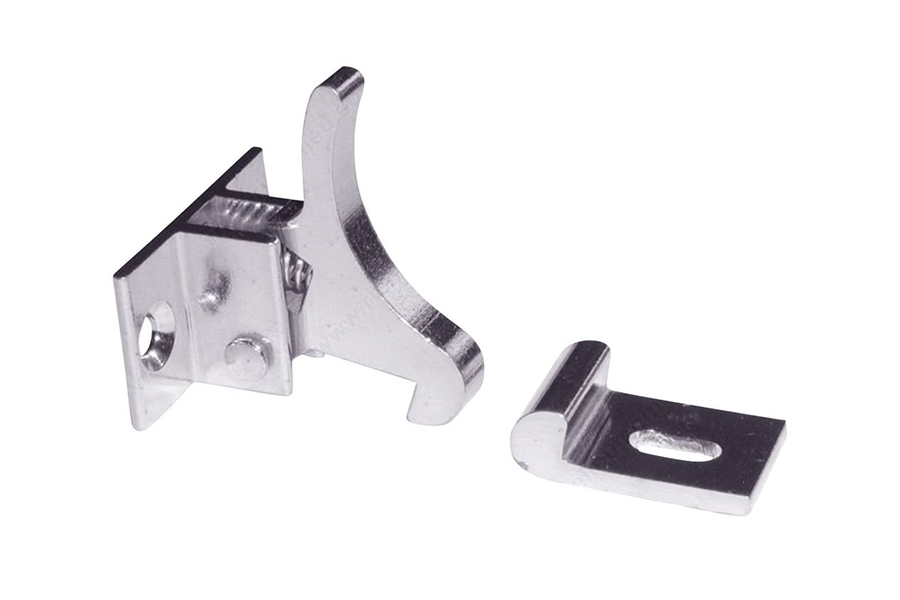
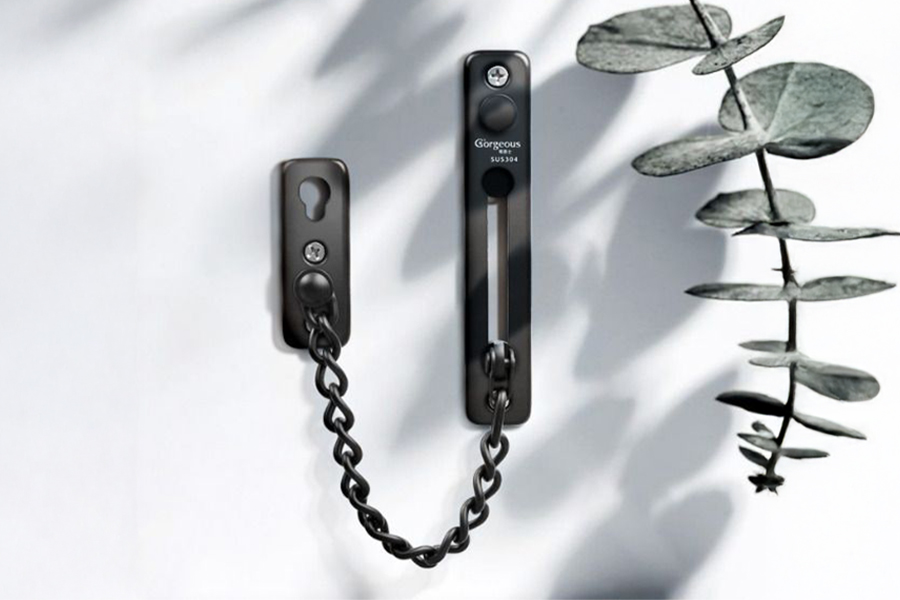
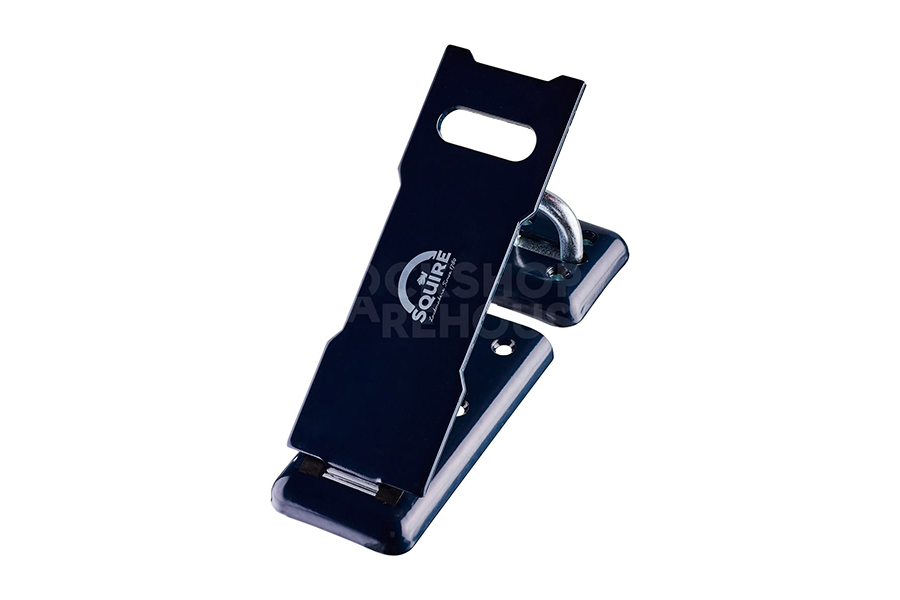
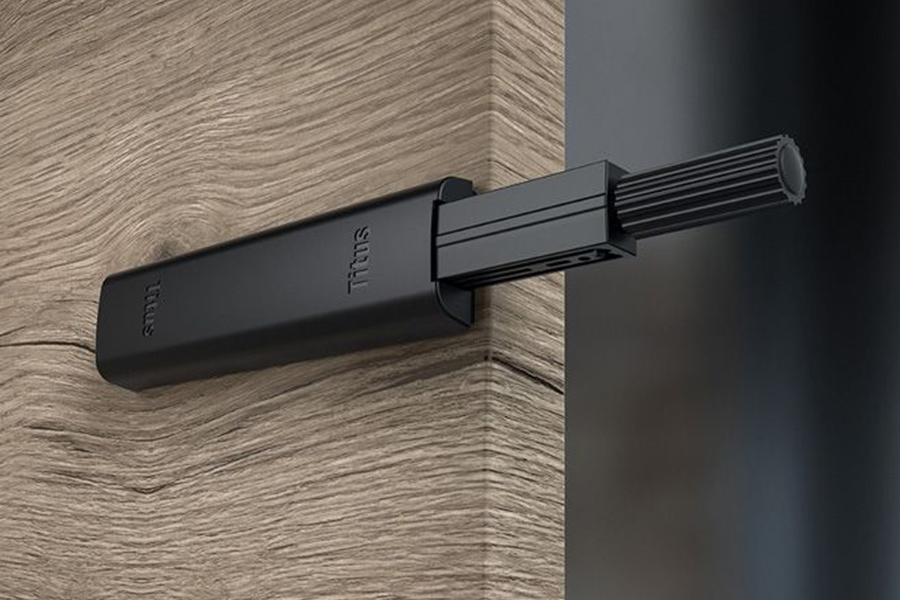
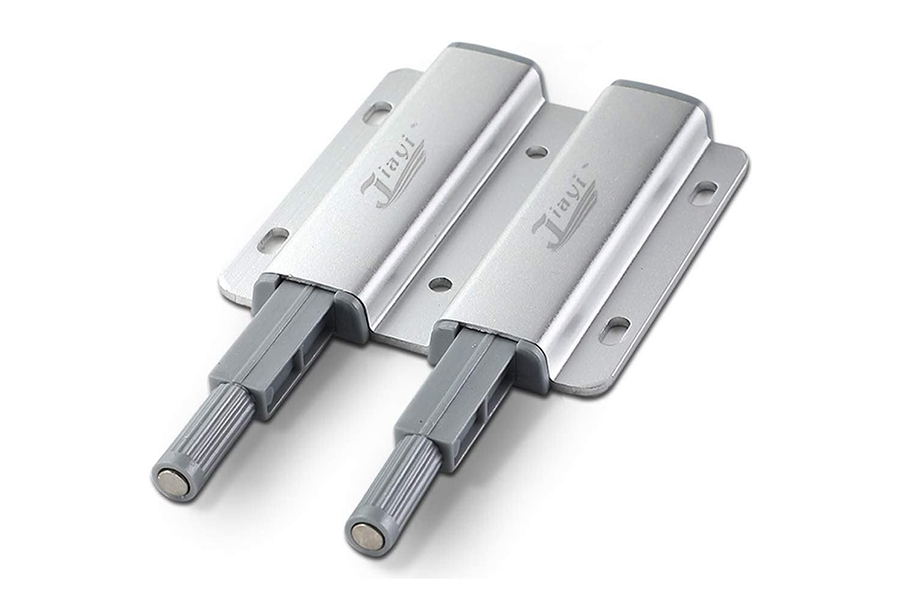
The handleless furniture trend has made this category more relevant than ever. These latches close and open without visible hardware the mechanism is the handle.
If you have young children at home, this category is not optional reading it is essential. Lower kitchen cabinets, bathroom furniture, and any storage unit within reach of a toddler need to be addressed.
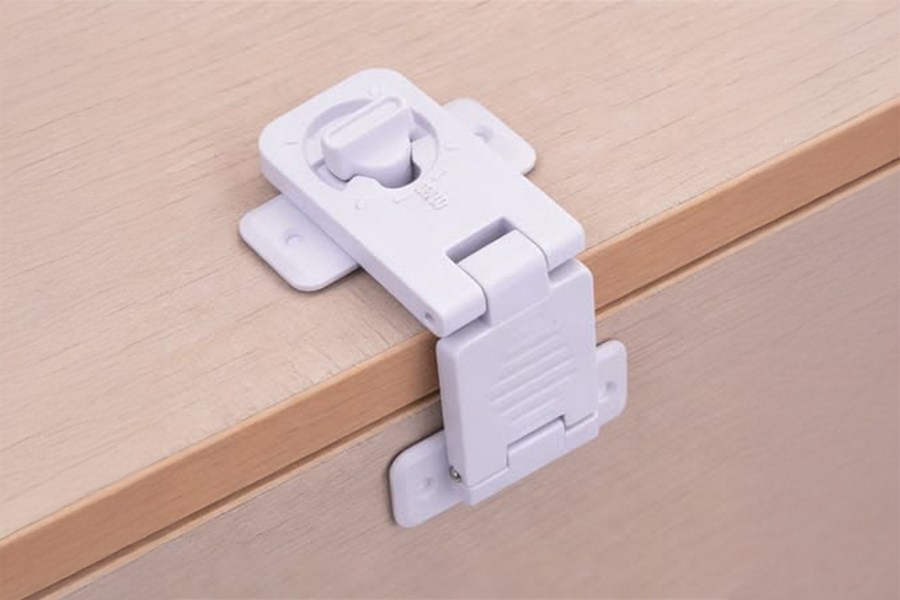
Go screw mounted wherever you can. Adhesive versions work initially, but in a kitchen with steam and heat, the bond weakens faster than you expect and a child safety latch that has fallen off is no safety latch at all.
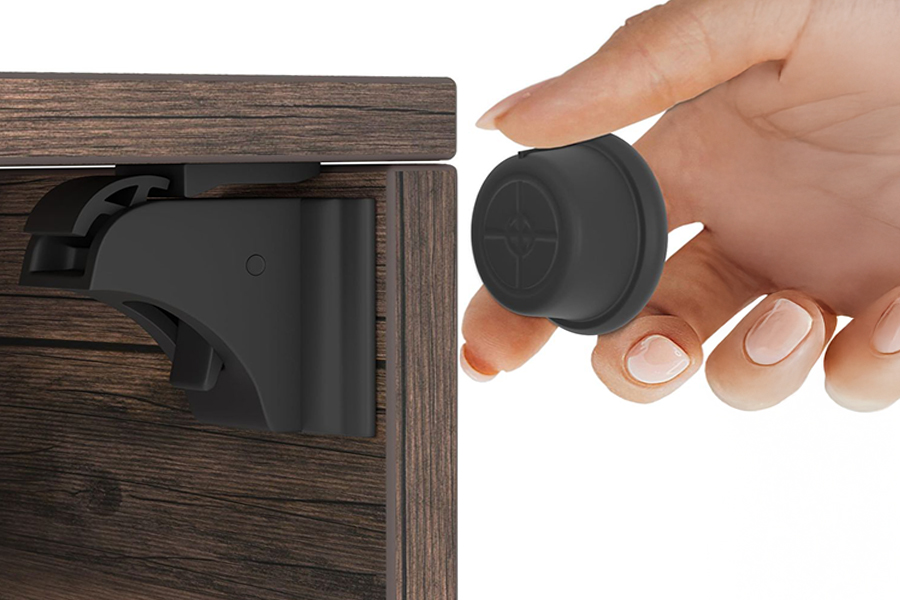
This is the best child proofing solution available for wooden furniture. Nothing is visible on the door no strap, no latch, no hardware. A child cannot find it, cannot see it, cannot defeat it. You hold the magnetic key against the cabinet face in the right spot and it releases. Once you have used one, you will wonder why anyone uses the adhesive strap version.
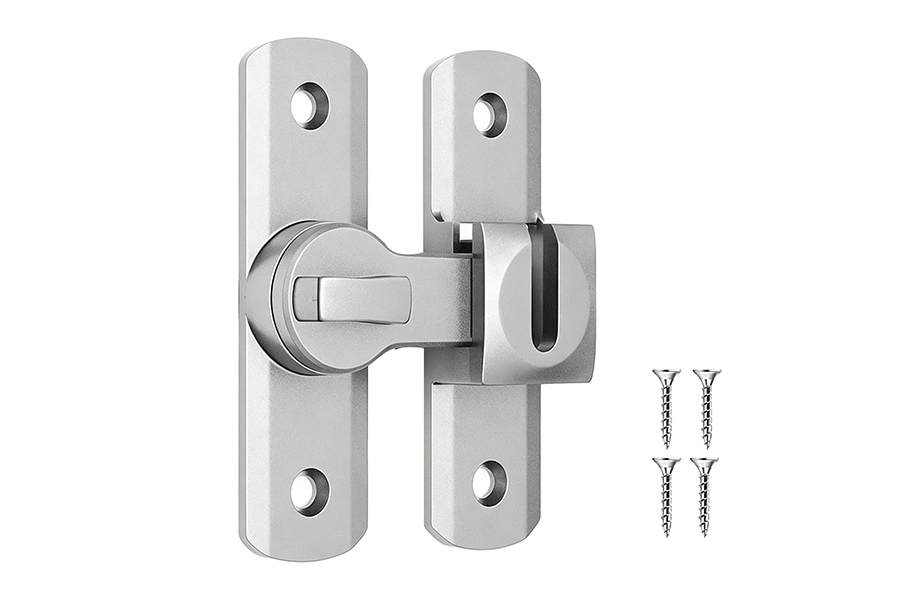
| Situation | Best Choice |
|---|---|
| Wardrobe or almirah security | 2-lever mortice or digital keypad |
| Kitchen cabinet with children at home | Magnetic child lock |
| Handleless cabinet closure | Touch latch or magnetic push-to-open |
| Glass showcase or display cabinet | T-bar lock or glass door lock |
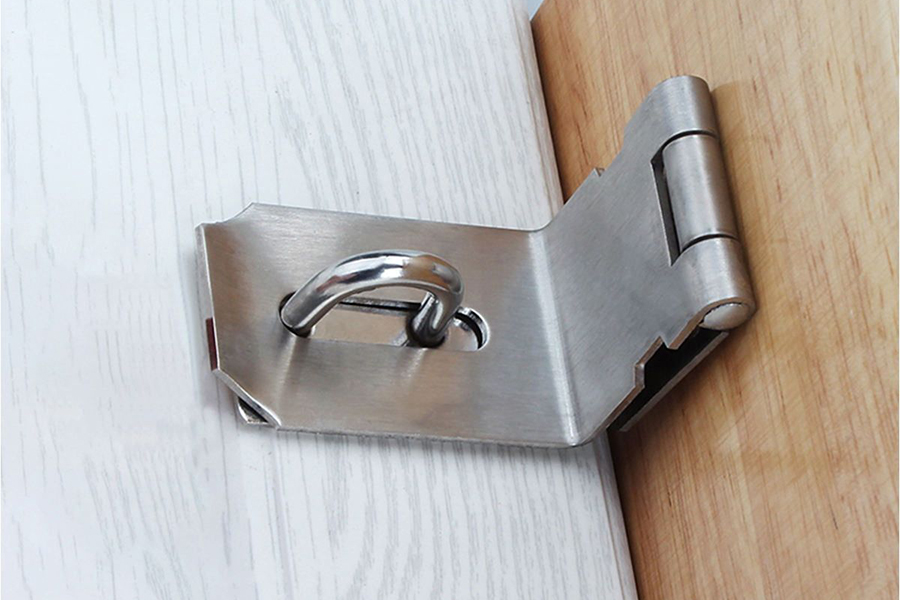
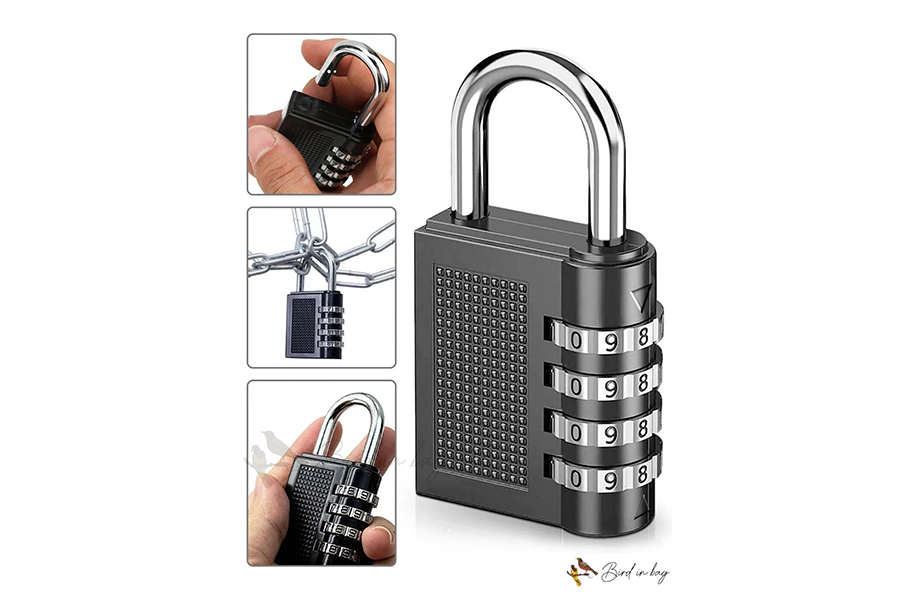
| Outdoor or workshop storage | Hasp and staple with padlock |
| Double-door cabinet passive door | Flush bolt and elbow catch |
| Blanket box or trunk | Chest lock or toggle latch |
| Premium bedroom wardrobe | Fingerprint or RFID lock |
| Simple door retention, no security | Magnetic catch or ball catch |
| Category | Key Action | Frequency |
|---|---|---|
| Key Operated Locks | Oil keyway with graphite powder; never use WD-40 | Annually |
| Electronic Locks | Replace batteries before the low-battery warning; check monthly | Monthly Check |
| Passive Latches | Realign the magnet or strike plate if the door no longer holds | As Needed |
| Manual Latches | Lubricate the bolt with dry PTFE spray | Every 6 Months |
| Push-to-Open Latches | Replace the click mechanism when engagement becomes inconsistent | As Needed |
| Safety Latches | Check adhesive bond and test engagement monthly | Monthly |
One note that saves a lot of frustration: never use WD 40 on a keyway. It attracts dust, gums up the internal mechanism over time, and creates the exact problem you were trying to solve. Graphite powder is the right lubricant for every key operated furniture lock a small tube lasts for years and costs almost nothing.
A piece of furniture without the right lock or latch is like a house without a door that closes properly technically functional, quietly frustrating, and never quite right.
The good news is that every problem covered in this guide has a straightforward solution. A toddler getting into the kitchen cabinets? Magnetic child lock done in 20 minutes. An old almirah that no longer locks properly? A 2 lever mortice replacement costs very little and fits like for like. A premium wardrobe that deserves better than a standard key lock? Fingerprint or RFID locks are now well within reach for most budgets.
You do not need to replace the furniture. You just need the right mechanism for the job.
We will be back with the next blog soon. Till then, stay tuned!
Read More :
Ever Wonder Why Some Furniture Doors Open So Smoothly?
Image Source: Pinterest, Google, and Wooden Street
A A lock restricts access and requires a key or code. A latch simply holds a door closed without restricting who can open it.
A The 2-lever mortice lock the traditional almirah lock is the most practical, widely available, and easy to replace like-for-like.
A Use magnetic child locks - they are invisible, tamper-proof, and work on any hinged cabinet door without surface-mounted hardware.
A A cam lock is a simple cylinder lock that rotates a cam to secure a panel. Used in kitchen cabinets, office furniture, and display cases.
A A deadbolt lock offers the highest security - the bolt cannot be pushed back without the key, unlike a cam lock which can occasionally be manipulated.
A A full-height rod lock that engages at both the top and bottom of a tall door with a single key turn - used on large wardrobe and cabinet doors.
A Apply graphite powder to the keyway annually. Never use WD-40 - it attracts dust and damages the internal mechanism over time.
A Yes - a cam lock or hasp and staple can be retrofitted to most wooden furniture with basic tools and no specialist knowledge.
Trending Products
Top Picks from EveryoneArticles you will love to read
Choosing the right curtains involves more than picking a color. This guide explores different types of curtains, popular fabrics, and practical functions for bedrooms, living rooms, and other spaces. Learn about window curtains types, hanging styles, light control options, and the kinds of curtains best suited to your home’s needs
Continue Reading
Selecting from the many kinds of dining table options requires balancing space, seating needs, and functionality. This guide breaks down dining tables by shape, dimensions, and extension mechanisms, helping you identify the most practical and visually appealing choice for your home.
Continue Reading
From classic analog pieces to modern statement décor, various types of wall clock design can dramatically influence a room's look and feel. This guide examines clock mechanisms, sizes, and styles, helping you understand which options suit different interiors and how they contribute to functionality and aesthetics
Continue Reading
From decorative accents to supportive seating accessories, the many kinds of cushions serve different functions throughout the home. This guide explores cushion types by fill material, shape, and purpose, helping you understand where each option works best for comfort, aesthetics, and everyday use.
Continue Reading
Understanding the various office chair categories can make it easier to find seating that supports your posture, workflow, and comfort. This guide explains the purpose, features, and ideal users for each chair type, helping you choose the right option for home offices, corporate spaces, and specialized work environments
Continue Reading


